NORDP 2023 Rising Star Award: Erica Pitre

The NORDP Rising Star Award recognizes individuals for their outstanding, early volunteer contributions to NORDP and strong potential for future contributions to the organization and the profession or the field. 
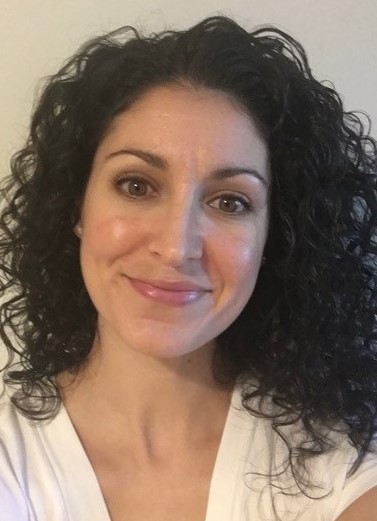
Erica Pitre, Rising Star Award Winner

Who: Erica Pitre

Where: Emory University

Title: Director of Research Development 

Number of years in RD: 6 years

Length of NORDP membership: 5 years

Erica was nominated for her work on the NORDP Journal subcommittee for her integral voice in shaping the direction and creation of the journal; her service as manager of the NORDP Consultants Program; her active work on NORDP’s Competitive Intelligence Working Group, where she brings her project management and industry experience while also building the community; and her dedication to sharing resources and solutions to the NORDP community at large.

Erica began her career in the energy industry, specializing in proposal development and technical writing. After transitioning to academic research development (RD), she was part of a bustling R2 hub where she launched the institution’s first, formal RD support unit. She brought her extensive skillset to Emory, where she currently serves as Director of Research Development and supports strategic initiatives, mega proposals, and seed funding, among other RD initiatives.

When asked about the initiative she’s most proud of, Erica shared it has been the NORDP Consultant Program, led by Kimberly Eck, MPH, PhD. Through this program, Erica has had the opportunity to interact with NORDP consultants who possess cutting-edge approaches and collaborate with them to support researchers. In addition to her work in the Consultant Program, her commitment to the future of the field is evident through her involvement in the NORDP startup committee for the organization’s journal. Intrigued by the absence of certain resources, she applied her project management skills and simultaneously acquired new ones, which proved crucial in laying the foundation for the journal’s future launch. Erica emphasizes that newcomers shouldn’t hesitate to get involved in committees and contribute their fresh perspectives. Volunteer communities like NORDP thrive on diverse insights and welcome individuals who are willing to put in the work and learn new skills. 

In addition to getting involved in committees, Erica offers valuable advice for newcomers. She encourages involvement in the NORDP Mentoring Program and joining resources like the NORDP listserv and Basecamp to tap into the collective knowledge and expertise of the community. She also suggests that new members keep an active running list of topics to learn more about and roadblocks encountered. Members can then use that running list to connect with the NORDP network to find solutions. Erica shares that one of the standout features of NORDP is the generosity of its members, who make time to support and guide others. One of the key examples she provided was when she used her running list to seek out information from a key NORDP member. She was able to connect with this individual, which led to very fruitful conversations, and an opportunity to transition to her current university. 

Having been part of NORDP for the past 5 years, Erica has witnessed fellow new, NORDP professionals gain recognition and awards alongside her and encourages others to speak up and get engaged. When looking at the potential for future rising stars, Erica urges folks to remember the untapped potential of industry professionals. Erica firmly believes that colleges and universities should consider industry professionals as valuable assets for research development roles. While advanced degrees are advantageous, equitable work experience outside academia also brings a fresh perspective and a very transferable, rich skill set. There exists a vast pool of individuals capable of fulfilling the demands of this work, and the opportunity lies in helping them understand the academic ecosystem. Erica’s journey from industry to academia research development exemplifies the potential for professionals to make a significant impact in the RD field. Her involvement with NORDP has been instrumental in not only her growth and success but also the evolution and growth of NORDP and RD programs. Her work highlights the power of community, collaboration, and volunteerism. As the field continues to evolve, recognizing the value of diverse backgrounds and experiences will continue to be vital in nurturing the next generation of research development professionals.
NORDP 2023 Mentoring Award: Hilda McMackin

First awarded in 2022, the NORDP Mentoring Award recognizes an individual NORDP member’s unique ability to provide an engaging, supportive, and inclusive environment for professional and/or personal growth through mentorship in the research development community. This award is bestowed with the acknowledgement that effective mentoring occurs through formal and informal channels and may vary in style and substance.

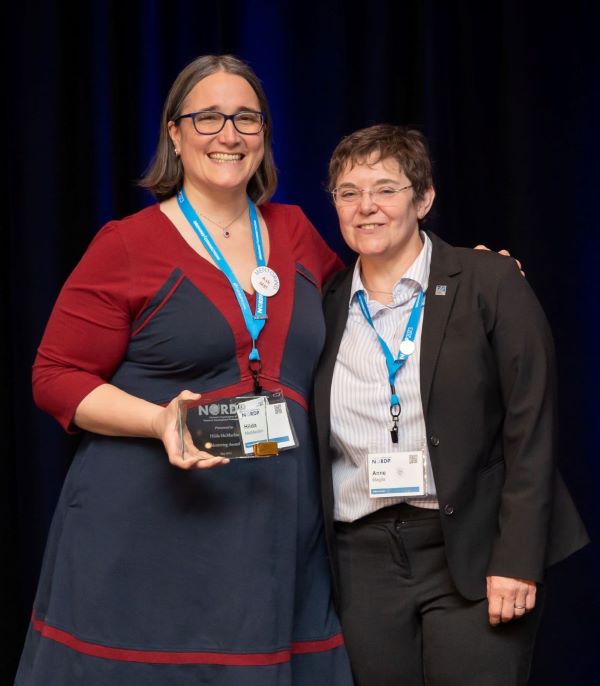
Anne Maglia (R) presents the Mentoring Award to Hilda McMackin, at the 2023 conference.

Who: Hilda McMackin, Director of Research Administration Systems and Reporting

Where: Vanderbilt University, Nashville, TN

Number of years in research development: 14

Length of NORDP membership: 6

What has your mentoring journey within NORDP looked like?

After joining NORDP in 2017, I attended the annual conference in Denver and went to the mentoring committee open house. I was sold! I was especially interested in the Mentorship, Expertise, Support, Helping Hands (MESHH) subcommittee and the resources they developed. I’ve enjoyed working on the MESHH tools available in the NORDP Mentoring Toolkit and presenting webinars and workshops on how to use them. 

My involvement has combined committee work with serving as both a mentee and mentor. In the committee, for the past several years, I led the group of Facilitators that serve as points of contact for mentoring program participants throughout the year. I have also collaborated on and presented in three rounds of Mentoring Lightning Storms where we coordinated an hour of 5-minutue lighting talks all focused on aspects of mentoring. Then, in March of 2022, I became a committee co-chair, helping lead the work of the committee. The work has been fun-filled and rewarding. This committee is made up of a great group of collaborative and welcoming people; our meetings have become high points of my week.

I’m currently mentoring a cohort of three NORDP members this year in an expansion of our mentoring cohort pilot that was successful last year. This format bolsters the mentoring relationships by fostering peer mentoring at the same time and expanding the network of all four members involved in the cohort. I am looking forward to exploring mentoring in this exciting group setting.

What initially drew you to mentoring?

I’ve always been grateful for the mentoring I received throughout my career, and I thought mentoring was a great way to both get involved with NORDP and pay that support forward to bolster the growth of others. I also have a deep commitment to the research enterprise and recognize the importance of mentoring in advancing research. Regardless of the role – faculty, staff, or student – receiving and providing mentorship is essential in moving research and innovation forward, as people can’t contribute their whole selves in their work if their needs and aspirations aren’t nurtured.

What does being a good mentor mean to you?

A good mentor is someone who can be present and listen; someone who can focus on the needs of the mentee. Developing trust is essential. Dedicating time is important. And add in vulnerability to truly succeed. To really build a safe space for people to grow, you need to build trust by sharing your emotions as well as your stories. A good mentor is not afraid to share and doesn’t need to be perfect. In conversations with my mentees, I strive to listen, provide perspective, and offer insights where I can.

I wish I’d tried mentoring sooner. I think we’re sometimes hesitant to mentor due to a twinge of insecurity. We wonder if we can really be a good mentor. Do we have enough to offer? Yes, you need to be comfortable, but I think nearly anyone can be a mentor with support from the resources available through NORDP.

I want to stress that you do have to follow through on the commitment. If your mentee hasn’t reached out, check in with them. I suggest carving out time and protecting it. If you’re worried about time, rest assured that you can meet less frequently and still get a big bang for your buck.

What have you found most rewarding, and most challenging, about being a mentor?

The greatest reward is that mentoring energizes me. I’m a curious person, and it’s rewarding to connect with others and feel the impact that I have had on others’ lives. On a personal level, sometimes that means simply helping them get through difficult times. We all know how reassuring that can be.

The greatest challenge is making the time for it. Our jobs keep us very busy. The more you do, the more connections you have, including both unofficial networks and proactive mentoring. I always try to reduce the barriers as much as possible. The greatest reward, for me, is getting to know other people, their perspectives, their experiences.

What advice do you have for others within NORDP who wish to follow in your footsteps?

I want to encourage anyone who hasn’t yet served as a mentor to sign up as one. Realize that you always have something to offer as a mentor and something to gain as a mentee. It’s such a rewarding experience.  If you are not ready to mentor, I encourage you to get involved with the NORDP Mentoring Committee. Working with the committee is a great way to learn mentoring best practices as well as help sustain the incredible benefits that our mentoring activities provide for all NORDP members.