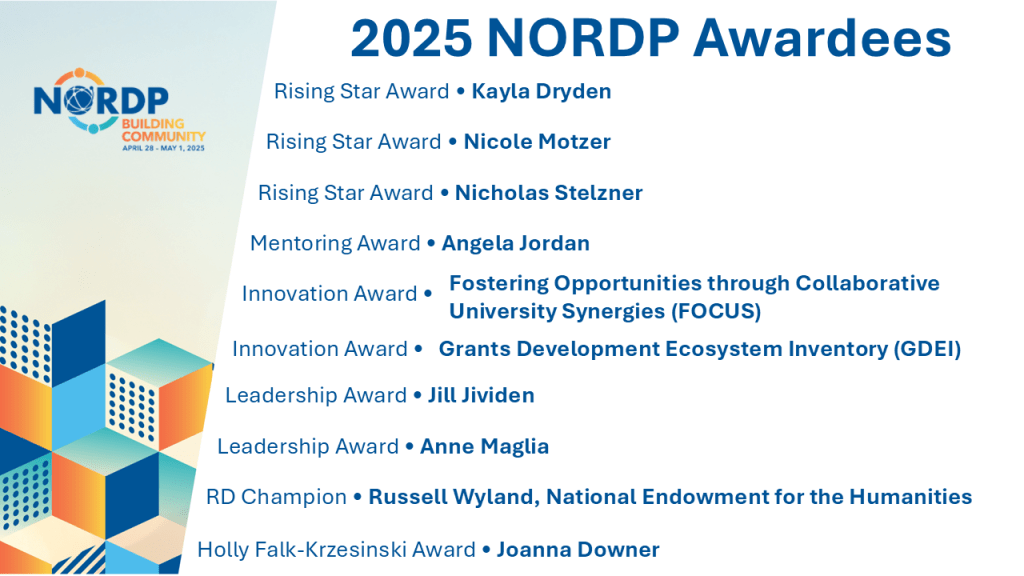
Congratulations to the 2025 NORDP Awardees!

NORDP is powered by the excellence and impact of its members. Each year, NORDP Awards celebrate the outstanding accomplishments of NORDP members making exemplary contributions to the organization as well as the practice and/or study of research development. NORDP Awards honor the distinctive achievements and contributions of individuals, collaborative groups or work teams, programs or projects, and organizations. 

Recipients of 2025 NORDP Awards were recognized during the annual NORDP Conference held virtually from April 28 – May 1. In the coming months, you will have a chance to learn more about each awardee through in-depth interviews that will be shared through NORDP News. Congratulations to all of the fantastic awardees for your service to our organization and profession!

Rising Star Award

Kayla Dryden, The University of Texas at Austin

Nicole Motzer, Montana State University

Nicholas Stelzner, University of Washington


Mentoring Award

Angela Jordan, University of South Alabama


Innovation Award

Fostering Opportunities through Collaborative University Synergies (FOCUS): Tracy Gatlin and Nicole Motzer (Montana State University), Carly Cummings and Ryan McAllister (University of Idaho), Heather Borck, Matthew Dwyer, Nathan Meier, Jackson Hardin, and Tisha Gilreath Mullen (University of Nebraska-Lincoln), Carrie Busha and Aurora Pinkey (University of Nevada, Reno), Jeri Hansen and Dawnie Elzinga (Utah State University)

Grants Development Ecosystem Inventory (GDEI): Kara Luckey (Seattle University), Jennifer Glass (University of Massachusetts Dartmouth), Dean Gerstein (Pomona College), Sarah Robertson (Bryn Mawr College), Amy Chan-Hilton (University of Southern Indiana)


Leadership Award

Jill Jividen, University of Michigan

Anne Maglia, University of Massachusetts Lowell


Research Development Champion Award

Russell Wyland, National Endowment for the Humanities


Holly J. Falk-Krzesinski Service Award

Joanna Downer, Duke University

Announcing the NORD/InfoReady Grant Awards 2024 Cycle – 2025 Application is Now Open!

The New Opportunities for Research Development (NORD) Committee is excited to announce the NORD/InfoReady Grant Cycle 2024 awardees, sponsored by InfoReady and NORDP.

Beth Jager, Executive Director of Sponsored Research at Claremont McKenna College; Nicole Wallens, Director of Sponsored Research Harvey Mudd College; and Dean Gerstein, Director of Sponsored Research at Pomona College were awarded $5,000 for the project, “Steps Toward PUI/ERI Presubmission Peer Review Networks (P3RNs).”

This project will explore the development of collaborative presubmission peer review networks across collectives of predominantly undergraduate institutions (PUIs) and other emerging research institutions (ERIs). Its goal is to use these expert proposal review networks to mitigate the difficulties sponsored research officers at relatively small and/or highly teaching-focused institutions face in securing a critical mass of subject experts as compared to large-scale institutions with substantial numbers of grant-active faculty in each major field. Based upon data gathered in a series of interviews, the project team will create a workbook of best practices for faculty-led peer-review processes at PUI/ERI institutions. That workbook will facilitate future piloting of PUI/ERI Presubmission Peer Review Networks (P3RNs) that can serve as models for spreading P3RNs to institutions across the country.

_______________________________________________

The Arts & Humanities Grant Studio at the University of North Carolina, Chapel Hill, was awarded $4,950 for the project “Research Development in the Fine Arts & Humanities: A Mixed-Methods Study.”

This study will investigate the primary needs for Research Development in the Fine Arts & Humanities at UNC-Chapel Hill, which is a STEM-heavy R1 institution. As such, it faces a crisis familiar to other institutions: traditional funding sources for arts and humanities research in the U.S. are declining. There are multiple contributing factors, including a post-pandemic decline in longstanding foundation and fellowship support and a decrease in the median size of arts grants. This decline has sparked a national debate, and this project’s goal is to demonstrate how research development support can be a key factor in mitigating that crisis.

Led by Director Ashley Melzer and Postdoctoral Fellows Sara Katz, Boyie Kim, and Mariah Marsden, the team has designed the study to use a combination of quantitative surveys and qualitative interviews/focus groups with UNC-Chapel Hill faculty. This research is expected to investigate research development’s capacity to build a more robust, resilient, and interconnected funding ecosystem across the university, one that meaningfully includes arts and humanities research. Additionally, it is expected to demonstrate that research development professionals are uniquely positioned to address the issues faculty in these departments face. The data collected during the study will be accessible by other research development teams across institutions, as will external reports that contextualize UNC-Chapel Hill as a case study among other U.S. institutions, exploring broader recommendations for tackling funding challenges in fine arts and humanities research.

_______________________________________________

Scott Merrill, Program Manager in the Office of Research Development at the Cleveland Clinic, was awarded $5,000 for the project “EARS: Evaluating Awareness of Resources and Services in a Research Development Office.”

The Cleveland Clinic’s Office of Research Development (ORD) is charged with ensuring that caregivers involved in the research process—including principal investigators, research administrators, and administrative support specialists—are aware of the resources and services the office offers. The challenge is that the clinic’s more than 80,000 caregivers and 5,700 physicians and scientists are located at multiple locations. Like other central research development offices, ORD continues to hear from investigators and research personnel that the office and its services had been unknown to them. The goal of this project is to help the office understand what contributes to the lack of awareness and what strategies may be effective in mitigating it. The research process will begin with a 15-question survey to evaluate current awareness. That data will then be analyzed to determine appropriate interventions and targeted approaches. The implementation of those interventions will be followed up with a re-launch of the survey. The resulting data and analysis should allow the team to assess usage of ORD services and resources as well as identify potential weaknesses. The expected outcome is that the percentage of increased awareness will match the percentage of increased resource utilization and increased traffic on the ORD intranet site.


InfoReady Corporation and NORDP’s New Opportunities in Research Development (NORD) Initiative has launched the 2025 cycle of the NORD | InfoReady Research Grants in Research Development.

This opportunity funds research projects that support the disciplinary field of Research Development. To develop a robust understanding of Research Development and its impacts (locally, nationally, and internationally), a wide range of projects will need to be undertaken. Some of these will be empirical studies (e.g., surveys, interview studies, case studies, reviews), but others must be theoretical, conceptual, and even purely descriptive or definitional. In many ways, the path to Research Development becoming a field must begin with research that helps the field define and standardize the terms used to identify skills and practices, as well as metrics that allow us to measure both activities and their outcomes for Research Development.

Awards are expected to be up to $5,000 for projects lasting up to 18 months; however, applicants are strongly encouraged to target 12-month projects. The anticipated project period for this award cycle is November 1, 2025, through April 30, 2027.


The NORD | InfoReady Research Grants in Research Development Program is open to all interested researchers, regardless of whether they are NORDP members. A list of research topics, including the program’s priority areas of interest, is presented in NORDP’s InfoReady instance.

The application deadline is 11:59 p.m. Eastern time on Tuesday, July 29, 2025.

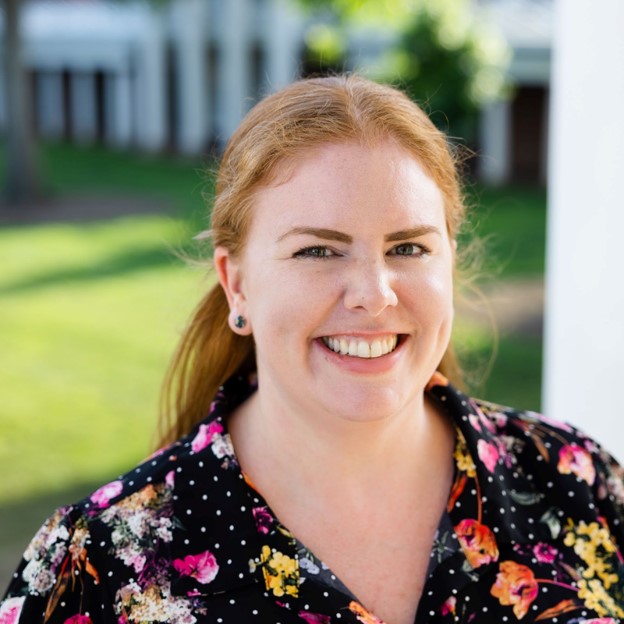
NORDP 2024 Rising Star Awardee – Katie Pelland

The NORDP Rising Star Award recognizes individuals for their outstanding, early volunteer contributions to NORDP and strong potential for future contributions to the organization and the profession or the field.

Who: Katie Pelland

Role: Senior Research Program Officer, University of Virginia Brain Institute

Number of years in research development: 6

Length of NORDP membership: 6 years


What initiative are you the most proud of in your role as a NORDP volunteer?

One initiative I’m particularly proud of in my role as a NORDP volunteer is the streamlining of the board application process. Through the years there have been various iterations of the Board application process and the expectations of Board candidates. One thing we did while I was the co-chair of the Nominating Committee was to examine the application process and what barriers it might pose to members running for the Board. And that resulted in us streamlining the application process to focus on what truly matters for running for the NORDP Board: why candidates want to be on the board and how they are qualified to serve. We really want to have a Board that represents the diversity of the NORDP membership and since instituting these changes we’ve seen an increase in Board candidates and NORDP members at a variety of career stages running for the Board.

Another initiative I’m proud of is creating a transparent and straightforward path to committee membership for two of the committees on which I’ve served: the Nominating Committee and Conference Committee. This process involved putting out an open call to NORDP members to gauge interest and launching a simple form for interested members to complete in order to join the committee. I think there are sometimes barriers to NORDP service, and our goal was to let NORDP members know that it’s very easy to join a committee and get involved. These efforts have strengthened both committees and brought in NORDP members who want to give back to the organization but might not have known where to start. I would love to see this process expanded to include all NORDP committees to make it easier for our members to volunteer!


How did you hear about NORDP and what made you join initially?

I first heard about NORDP while I was finishing up graduate school and working as an intern in UVA’s central research development office. My supervisor, Becca Latimer, was very active in NORDP and introduced me to the organization immediately after I started and encouraged me to join. Given her enthusiasm and the value of the community, knowledge-sharing, and resources, joining NORDP felt like a no-brainer. 


What relationships have you built as a result of NORDP?

It’s a long list that ranges from fantastic one-off conversations at virtual meetings and in-person conferences to honestly some of my closest friendships. One of the things I think is so valuable about NORDP relationships is the shared understanding of our work in research development. Even though our jobs may differ, there’s a mutual comprehension and respect for what we do, which can be harder to find with colleagues outside of our field. There’s also a “rising tide lifts all boats” mentality within the NORDP community and everyone is so generous in sharing their knowledge so we can all improve.

Additionally, the mentors I’ve gained through both formal and informal channels have been invaluable. As I’ve navigated career changes, these mentors have helped me brainstorm ideas, and have hard conversations that have helped me figure out where I want to go and what I want to do. All of these relationships have given me a stronger sense of all the things that a career in RD can be.


What are you most excited about when it comes to the future of NORDP? 

I’m very excited about the rapid growth NORDP, and the field of research development (RD), has been experiencing. NORDP is playing a major role in shaping how RD is evolving and expanding. I’m particularly excited about the effort to professionalize the RD profession, with the introduction of a new journal, NSF GRANTED, and NORDP’s certification or credentialing task force. These efforts are helping to establish RD as a recognized and respected career path.

Additionally, NORDP is putting more intention into skill transfer through workshops and other educational opportunities, which helps both new and experienced RD professionals broaden their skill sets. This is really important for the continued growth and development of the field, particularly for those of us who are in the earlier stages of their careers and are thinking about what our trajectory will be long-term. It’s also exciting to see representation of RD professionals in higher-level positions, such as AVPRs, which is changing the institutional landscape. This trend is likely to continue, allowing RD professionals to move up and expand their influence.


What recommendations do you have for members to get more involved with NORDP?

I have so many! My first recommendation for members looking to get more involved in NORDP is to start by joining a committee that interests you. Read up about the different committees and choose one that aligns with your passions. Then, email the co-chairs to express your interest. Most committees are always welcoming new members, so don’t hesitate to reach out.

Another great way to get involved is through the mentoring program, either as a mentee or a mentor. As a mentor for the first time this year, I’ve found it incredibly rewarding. Despite some initial imposter syndrome, my conversations with my mentee, who is new to RD, have been really insightful and beneficial for both of us.

I also know that many regions have regular Zoom or even occasionally in-person get-togethers, and attending these can help you connect with others and stay informed about what’s happening in your neck of the woods. The annual meeting is also a fantastic opportunity to get involved, and with the 2025 meeting being virtual, it will be more accessible.

Lastly, participate in the elections by attending the board candidate forum and voting for members of the Board. It’s important to have a say in who leads our organization!


What does your future in NORDP look like?

In the immediate future, I’m transitioning into the role of immediate past chair of the Nominating Committee before rolling off. I’ll miss serving on NomCom – it has been a wonderful opportunity to learn about NORDP and the Board without overextending myself, which I have really appreciated. I’m also excited to be serving as one of the Conference co-chairs this year!

Longer term, there’s so much I’m interested in doing. I’ve started to get involved with the Communications Working Group and I’d like to get more involved in NORDP’s Committee on Inclusive Excellence, whose work is increasingly important. I also plan to stay active in the Atlantic region, where there’s been a real push by our current regional leaders to make the region more active. I could see myself someday aspiring to a leadership role within the region and helping foster the same level of engagement we see in other regions like the Northeast and Great Lakes.

Navigating the Federal Landscape: A Preview of Sarah Spreitzer’s NORDP 2025 Keynote

Written by Kate Duggan, Conference Planning Committee
NORDP 2025 Keynote Speaker, Sarah Spreitzer

As research development professionals and NORDP members, we pride ourselves on our flexibility, versatility, and ability to meet the moment. This year’s NORDP Conference closing keynote, Sarah Spreitzer, utilizes many of these same skills in her role as Vice President and Chief of Staff of Government Relations for the American Council on Education (ACE). Her May 1 keynote will provide an update from Washington, DC on the new administration’s actions and policies relevant to higher education and research, the response from Congress, and how NORDP members can draw upon their own skills and experience to understand, interpret, and advocate in the evolving federal landscape.

Sarah was drawn to federal advocacy by way of her passion for education, which was inspired by her mother and grandmother, both elementary school teachers. After earning her bachelor’s degree from Beloit College in Wisconsin and a master’s degree from The Catholic University of America in Washington, DC, Sarah was aiming for a career as an academic when she took a break from being a student to work for the University of Washington’s Federal Relations office. That one post-graduation job turned into a career for Sarah, who went on to become a Senior Government Relations Representative/ Lobbyist for Lewis-Burke Associates and then Director of Federal Relations for the University of Missouri System before joining ACE in 2017.

In her role at ACE, Sarah represents 1600+ institutions of higher education, working to unite the postsecondary community around topics of mutual concern and interest. At present, these topics include the proposed decrease of federal facilities and administrative (F&A) rates to a maximum of 15%; opposing the DETERRENT Act, which would add extensive new faculty and staff foreign gift reporting requirements; and immigration policies that affect international students and faculty.

While the current moment is presenting some unique challenges to the national academic research enterprise, Sarah still sees reason to be optimistic. On considering how higher education reacts to adversity and might respond in this moment, Sarah reflected that “we’re a little slow, but we are flexible. And I think that that was really demonstrated during COVID. If you had told me that all of our institutions would be able to transition online within a week and address all of the needs of our international students who suddenly weren’t sure if they were going to stay, or if they were going to have to go. I would be like, there’s no way we could do that. We did it. We did it and I think that that is the strength of higher education.”

Beyond drawing upon the resiliency our institutions cultivated during the pandemic, Sarah has more advice for NORDP members on how to handle the headlines:

Pause: “When something new comes out…it’s important to take a breath and pause before you react … understand what’s actually happening, that there is supposed to be a rule of order for the implementation, that a lot of things that are happening are being stopped by the courts.”

Share: “Sharing information during this really confusing time is incredibly important, because I may have an NIH grant that got canceled because of the DEI executive order. You may not have had a grant canceled yet, but perhaps the program officer isn’t returning your phone calls or something’s happened when you try and draw down the funding. And so sharing that information and being part of this larger community is really really important.”

Advocate: “I also think talking about what messages work, like when you’re talking to individual members of Congress,” can be helpful in giving RDPs the tools we need to demonstrate the value and contributions of our institutions with elected officials and members of the public who may not be familiar with how college and university funding is allocated, governed, and what kinds of research and programming it makes possible in our communities.


Despite the uncertainty many of us are experiencing, Sarah has “complete confidence in the ability of higher education to respond to the challenges during this time, and I’m kind of excited to see how we do respond….the relationship between higher education and the federal government is going to be very different. There’s going to be a lot of things thrown at us, but I know that higher education will come out at the other end okay; it’ll just be different.” For more Washington insights and a dash of related optimism, be sure to attend Sarah Spreitzer’s May 1 closing keynote; conference attendees are encouraged to submit questions for Sarah by navigating to the keynote session in the Whova app.

NORDP 2025: What to Know Before You Go

Greetings NORDP 2025 attendees:

We are thrilled to have you join us for this year’s conference, where you’ll have the opportunity to connect with and learn from research development colleagues from the comfort of your own space. We on the NORDP 2025 Conference Planning Committee have put together the following guide to help you make the most of your conference experience, from navigating the virtual conference platform to engaging in professional development, networking, and volunteering activities. We look forward to coming together to build community at NORDP 2025!

🙂  Find Your Way Around

We encourage you to spend time between now and the start of the conference familiarizing yourself with our virtual conference platform: Whova. There will be a pre-conference Tools & Tips (TnT) webinar focused on using Whova on Wednesday, April 15, at noon ET/9am PT. Register today.

If you’re just getting familiar with Whova, here’s a link to the Whova guide on how to upload your information.

Fun Fact: You can use the Whova App to directly message Conference Organizers. Find this feature under Community → Ask Organizers Anything.

Note: if you are NOT using the Whova app, you can still navigate the conference via the Whova web platform

🔘 ​​ Conference Code of Conduct 

We have posted a NORDP Conference Code of Conduct on the conference website. It can be found under More → Inclusivity and Accessibility → Conference Code of Conduct. Please take a chance to review it prior to the start of the conference. If you witness any violations of the Code of Conduct during the conference, please report it using the reporting form linked in the Code of Conduct.

💻 Virtual Conference Best Practices

Maximize your experience at this year’s conference by staying engaged and comfortable. Mute your mic when not speaking, participate in chats or Q&As, and take regular breaks to avoid screen fatigue. Find a cozy spot, grab snacks, and settle in with what you need to stay focused during each conference day.

We also encourage you to make the most of networking opportunities—introduce yourself in the chat, join breakout rooms, and explore attendee profiles. The Whova app is your best friend: use it to build your agenda, connect with others, and join discussion boards. Whether you’re attending live sessions or engaging through the app, staying present and proactive will help you get the most out of NORDP 2025!

🏙️ ​​ Social and Networking Activities

Looking to connect and socialize with fellow conference attendees? Join us for a variety of engaging social activities at the beginning and end of each conference day. From virtual coffee hours and committee- or region-hosted events to art classes and yoga sessions, there’s something for everyone!

Find the current list of social activities in the Whova App under Community → Meet-ups & Virtual Meets. Don’t see something that you’d like to do? Feel free to create your own meet-up for others to join!

🤝  Volunteer Sign Up

NORDP is fueled by volunteers, and this conference is no exception! Contribute to enhancing your own conference experience, as well as that of others, by volunteering in one of the following capacities:

  • Become a Session Host to help moderate a colleague’s presentation!
  • Serve as a Tech Host to ensure a colleague’s presentation goes off without any technical hitches
  • Host a social activity (e.g., coffee hour, happy hour, bingo, trivia, networking dinner, etc.) and create your own virtual adventure!
  • Help the Resume Coaching Corner run smoothly

To find out more about volunteer roles, visit the Volunteering webpage.

Ready to volunteer? Sign up here!

📄  Resume Coaching Corner

Whether you’re looking to refine your resume, highlight your achievements, or tailor your CV for your next big opportunity, consider checking out the Resume Coaching Corner to receive tailored support from one of our resume coaches. The Resume Coaching Corner will be open on each conference day, immediately before and after program content. Participants will have the ability to sign up in advance for a 20-minute 1:1 appointment with a coach.

If you’re interested in receiving support, sign up for a time slot here and learn about how to prepare for your appointment using our Resume Coaching Corner Guide for Participants.

Eager to lend your experience to support others? Consider volunteering to be a Resume Corner Coach! Learn more about coaching expectations in our Resume Coaching Corner Guide for Coaches, and sign up for a time slot here.

🖼️  Virtual Poster Session

In addition to exciting and informative presentations, this year’s conference will also include a virtual poster session. You can view posters at any time in the Whova App under Agenda → Posters and interact with poster presenters using the Chat feature (access this by clicking on any individual poster) or by attending the live poster session from 1:15-2:15 PM ET/10:15-11:15 AM PT on Wednesday, April 30.

📋  Give us Your Feedback

Our goal for each NORDP Conference is to provide timely, relevant, and valuable information for conference attendees and your input is an important part of that process. Throughout the conference, you’ll have the opportunity to provide feedback on specific sessions by completing a brief evaluation form at the end of each session, and you can provide feedback on the overall conference experience by completing a final evaluation at the conclusion of the conference. Your feedback is important and will inform the planning of future conferences!

🌟  NORDP Sponsor Shout-Out

Our sponsors make the conference happen! A huge thank you to this year’s conference sponsors: InfoReady, Bouvier Grant Group, AtKisson Training Group, McAllister & Quinn, and Overton. You can learn more about this year’s conference sponsors in the Whova app.

❤️  NORDP’s Got Heart 

Launched in 2023, NORDP’s Got Heart is our annual social good campaign, held during the conference to support a community organization that aligns with NORDP’s commitment to diversity, inclusion, equity, and accessibility. Past efforts have supported The Sophia Way in Bellevue, WA (2024) and Carpenter’s Shelter in Alexandria, VA (2023). 

For our 2025 campaign, we’re turning inward to support our own community by raising funds for Conference Attendance Awards for NORDP 2026 – our next in-person annual meeting. With this year’s conference theme of “Building Community” we wanted to respond to the uncertainties many of us are facing and rethink what “local” means in a virtual world.  We hope for all of us that the NORDP community is a safe space to connect and that the annual meeting is a prime opportunity to do just that.

We recognize that the ability to attend an in-person gathering is often dependent on department/university funding, which can be uncertain. These attendance awards will cover the cost of member registration and are intended for those who need financial support beyond what their institutions or organizations can provide. An application process, similar to previous years, will open in early 2026. 

The donation portal for this year’s campaign will open in late April. We hope you’ll consider giving back to help more of our members come together next year. 
Building Human Infrastructure in STEM: A Preview of Lou Woodley’s NORDP 2025 Keynote

Written by Kelly A. Moore, Conference Planning Committee
NORDP 2025 Keynote Speaker, Dr. Lou Woodley

NORDP 2025 conference attendees are in for an inspiring and thought-provoking keynote by Lou Woodley, a scientist-turned-community-builder who has dedicated her career to supporting human infrastructure in science. Lou is the Founder and Director of the Center for Scientific Collaboration and Community Engagement (CSCCE), an organization that offers evidence-based professional development training, online resources, and consultancy for scientific community managers.

So, what exactly is a scientific community manager? According to Lou, if you’re the person in a collaborative project who is thinking about the human side of how work gets done—how meetings are run, how decisions are made, how knowledge is shared and documented—chances are, you’re doing community management. And, much like research development professionals, you might not even realize you’re doing it.

In a recent conversation with the NORDP conference team, Lou shared her journey from the lab bench to advocating for the professionalization of community management in STEM around the world. Her path included founding a student-run popular science magazine during her graduate studies in the UK and establishing online and in-person community engagement spaces in her role at Nature Publishing Group, early signs of her passion for connecting people and building collaborative ecosystems.

That passion eventually led her to securing a grant from the Alfred P. Sloan Foundation while at AAAS, which supported the creation of the first professional development curriculum for STEM community managers via the Community Engagement Fellows Program. From there, CSCCE was born, offering online trainings, a multi-component certification program, consultancy for a range of different organizations in the STEM ecosystem, and an online community of practice that includes nearly 900 professionals worldwide.

Lou emphasizes that community management is often a less visible but critical function in scientific enterprises—much like physical infrastructure, you might only notice its absence when things fall apart. This lack of visibility poses challenges, including a dearth of professional development opportunities and a lack of institutional recognition of the value of professional community managers.

To address these challenges, CSCCE focuses on three key areas: professional development, consultancy, and research. Their flagship course, Scientific Community Engagement Fundamentals, has trained over 15 cohorts since it launched in 2020 and is backed by longitudinal evaluation data showing measurable impacts at three levels of scale – on individuals, organizations, and the broader STEM ecosystem.

Importantly, the parallels between community management and research development are striking. Both are emerging fields filled with professionals who often have advanced degrees, especially PhDs, and who act as change agents and systems thinkers within their organizations. Both fields are also heavily gendered and require ongoing advocacy to ensure the value of their contributions is recognized.

Lou also notes the importance of developing shared language and frameworks that help community managers articulate their impact. Whether it’s creating collaboration playbooks or developing new norms for inclusive engagement, the work of community managers is about more than just logistics—it’s about building culture.

NORDP members working in training, proposal development, research communication, or community engagement will find much to relate to in Lou’s keynote. Her message of strategic collaboration, systems thinking, and empowering human infrastructure will resonate deeply across our diverse professional roles.

We can’t wait to welcome Lou Woodley to NORDP 2025 and to learn from her insights about how we can strengthen our communities, our collaborations, and ourselves.

NORDP Consultants Program – Year 1 of the NSF GRANTED Program

The NSF GRANTED program funded an expansion of the NORDP Consultants cohort model one year ago to partner with Minority-Serving and Emerging Research Institutions (MSIs and ERIs) to grow research activity and capacity. In the past 12 months, the program has made significant progress on the project’s objectives.

New Consultants Joined

This summer, the program welcomed four new consultants: Amy Carrol, University of Rhode Island, Faye Farmer, Arizona State University, Jorja Kimball, Texas A&M University, and Claudia Scholz, University of Virginia. These individuals join 22 existing consultants bringing the pool of active NORDP Consultants to 26.

Cohort 2 and 3 Launched

Cohort 2 launched in January of 2024 with the City College of New York, NY (AANAPISI, HSI, ERI), Clark Atlanta University, GA (HBCU, ERI), Kean University, NJ (HSI, ERI), and Texas A&M University-Corpus Christi, TX (HSI, ERI). Each partnering institution successfully completed the first two phases, intake and collaborative planning, of the three-phase engagement framework and has transitioned into the implementation phase. In collaboration with their consultants, partners are making plans for the research infrastructure investment provided as a part of the GRANTED-funded expansion. In September, the program kicked off Cohort 3 with Hawai’i Pacific University, HI (ANNH, AANAPISI, ERI), Kentucky State University, KY (HBCU, ERI), McMurry University, TX (HSI, ERI), and University of West Alabama, AL (PBI, ERI). The next call for MSI partners will be disseminated in early 2025.

1st NORDP Consultants Program Cohort Annual Meeting

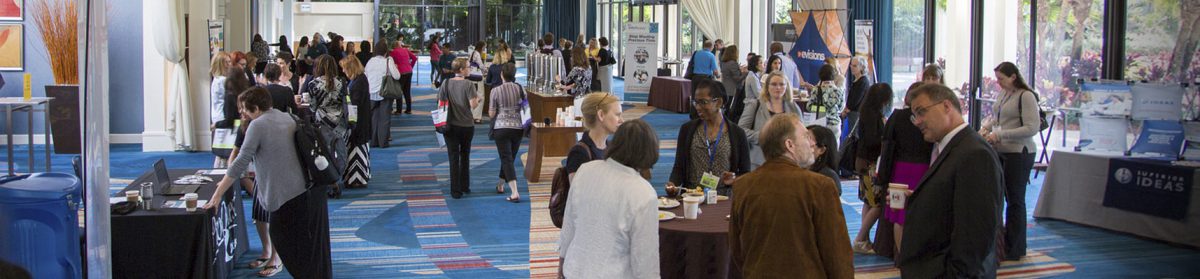
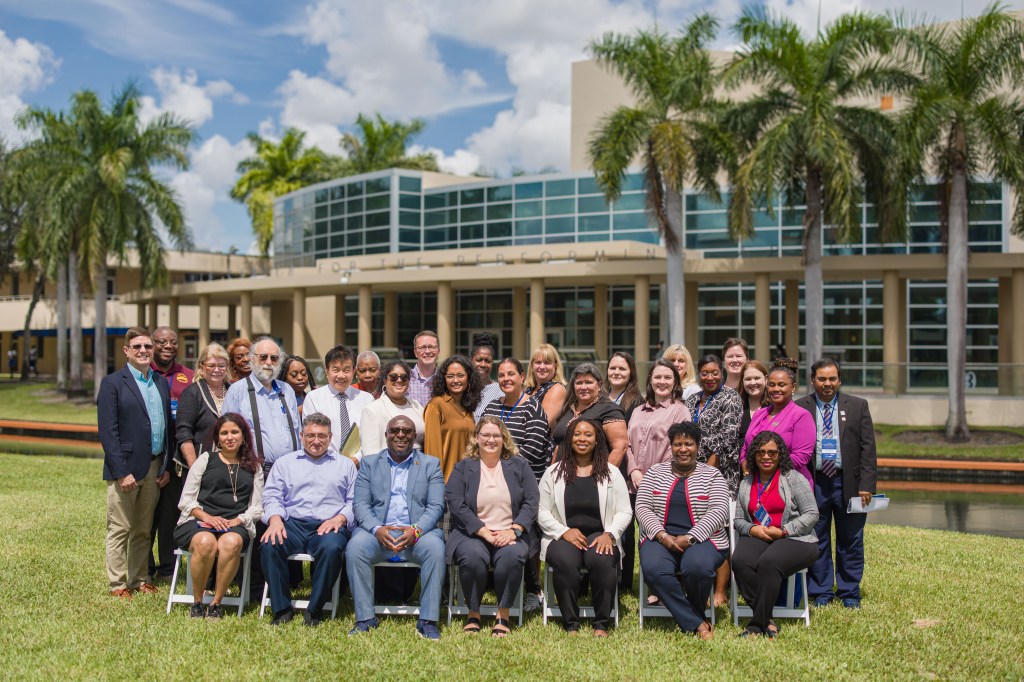
Attendees at the 1st NORDP Consultants Program Cohort Annual Meeting

In September 2024, the NORDP Consultants Program hosted its 1st Annual Meeting in Miami Gardens, FL at Florida Memorial University’s campus, drawing nearly 40 participants from eight institutions of higher education that are or have been partners in the NORDP Consultants Program. The theme for the event was building and sustaining research culture. The multi-day event provided a platform for knowledge exchange, networking, and collaboration, focusing on advancing research development initiatives and strengthening aspects of the research ecosystem. Several members of the NORDP Consultants Program presented alongside MSI partners on a wide range of topics, including a socio-ecological approach to the research ecosystem, assessing research culture, balancing institutional commitment with indirect costs, facilities and administration costs, and reinvestment strategies. Additionally, Michele McGuirl from the National Institute for General Medical Sciences (NIGMS) provided an overview of resources available for ERIs through NIGMS.

EMERGE Resource Library

The NORDP Consultants Program also launched the Equipping Minoritized and Emerging Research Institutions to Grow their Enterprises (EMERGE) Resource Library. The EMERGE Resource Library is the first national library of collaboratively written and peer-reviewed plain language research enterprise guides, tools, and other resources that center the voice, perspective, and expertise of MSIs and ERIs. The program is currently calling for authors to join the next sprint to develop additional resources. Prospective authors can register for the October 9, 20204 interest meeting here and submit a short expression of interest here.

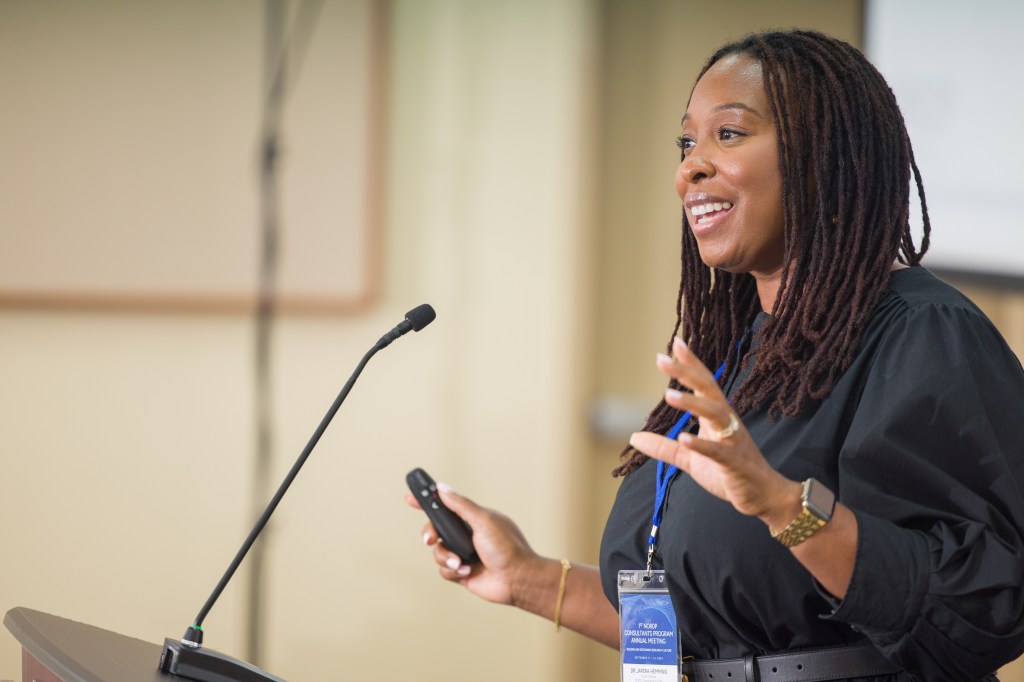
Japera Hemming, NORDP Consultants Program
Credit / AJ Shorter Photography

Since its establishment in 2021, the NORDP Consultants Program has worked with 172 institutions, including 73 MSIs, and supported participating institutions in securing more than $90M through its cohort, embedded proposal support, and partner-initiated models. This includes $10.5M from the Advancing Research Capacity at HBCUs – a program referenced by President Biden during his remarks at HBCU Week – and the first successful partner-initiated proposal Identifying Needs and Building Research Capacity at an Historically-Black University led by Delaware State University (NIH – UC2GM157743).

The NORDP Consultants Program is support by Schmidt Futures, the National Science Foundation, and the National Institutes of Health (ITE-2303003, MCB-2236057, OIA-2331578, ITE-2350104, OIA-2337236, UC2GM157743).

Webinar Recap: Advancing DEI in Research Development

By Riley McIsaac and Faina Thompson, Committee on Inclusive Excellence

In June 2024, NORDP’s Committee on Inclusive Excellence and Professional Development Committee co-hosted a webinar titled “Individuals to Institutions: Multilevel Integration of DEI in RD.” This presentation featured a panel made up of staff from Stanford University School of Medicine who generously shared their experiences and insights on how they have embedded DEI values at various levels within their institution. The following is an overview of what was discussed and the key takeaways for RD professionals.

Panelists: 

  • Dr. Justin Crest, Associate Director of Team Science, Pediatrics, Stanford School of Medicine
  • Dr. Adrienne Mueller, Associate Director of Education and Outreach, Stanford Cardiovascular Institute
  • Dr. Amber Moore, Associate Director of Research Development and Belonging, Grant Writing Academy, Stanford School of Medicine
  • Dr. Brandi Stephens, Research Development Strategist, Division of Cardiovascular Medicine;  Justice, Equity, Diversity & Inclusion (JEDI) Co-officer, Stanford School of Medicine

Introduction and Moderator Overview:

The webinar was moderated by Dr. Shaila Kotadia, Director of Justice Equity, Diversity, and Inclusion (JEDI) at Stanford School of Medicine. Dr. Kotadia began by highlighting the importance of integrating DEI into RD activities and framed the discussion around the collective experiences and efforts at Stanford. She provided an overview of her role and the DEI initiatives undertaken by her office, emphasizing the need for collaboration and continuous improvement in fostering an inclusive environment.

Panel Insights:

1. Integrating DEI into Team Science – Dr. Justin Crest:

Dr. Justin Crest, Associate Director of Team Science at Stanford School of Medicine, shared his approach to incorporating DEI within team science projects in the Department of Pediatrics. He underscored the necessity of engaging teams early in order to proactively shape their culture. Dr. Crest highlighted strategies such as promoting equitable shared agreements, advocating for minoritized researchers, and leveraging large, complex grants to create more mentorship and leadership opportunities. He emphasized that through fostering inclusive research teams, visibility and support for underrepresented researchers can be significantly enhanced.

 2. Supporting Underrepresented Trainees – Dr. Adrienne Mueller:

Dr. Adrienne Mueller, Associate Director of Education and Outreach at the Stanford Cardiovascular Institute, discussed various grant mechanisms aimed at supporting trainees from underrepresented backgrounds. They detailed the use of NIH R25, T32, and other foundation awards specifically designed to provide research opportunities for these trainees. In addition to financial support, Dr. Mueller emphasized the importance of offering travel awards, recognition programs, and mentorship to create more opportunities that support minoritized trainees.

3. Creating Inclusive Learning Communities – Dr. Amber Moore:

Dr. Amber Moore, Associate Director of Research Development and Belonging at the Grant Writing Academy, shared her vision of creating inclusive learning communities. She discussed the importance of first co-creating a vision, mission, and guiding principles as a team. This vision centers joy and belonging in grant writing and research development pursuits,  by creating inclusive learning communities and accessible resources for emerging scientists and faculty. This vision allows the team to be accountable to one another and informs strategy: from the type of resources and programming created and the way they are delivered, the questions asked in surveys, research questions, papers published, and the collaborations formed.This foundational work ensures that DEI is at the core of their operations. Dr. Moore stressed the importance of aligning personal and professional values with DEI goals and encouraged RD professionals to collaborate and seek feedback from DEI offices and pipeline programs.

 4. Institutional-Level DEI Efforts – Dr. Brandi Stephens:

Dr. Brandi Stephens, Research Development Strategist and JEDI Co-officer, highlighted the broader institutional efforts to integrate DEI within Stanford’s RD Community of Practice. She described various initiatives, including diversity-focused grant writing workshops, invited speaker events, volunteer opportunities for research development professionals, and a dedicated DEI book club. Dr. Stephens emphasized the role of cross-departmental representation in DEI efforts and the value of creating an inclusive research development community that spans the entire institution.

 Interactive Q&A and Shared Experiences:

The session concluded with an interactive Q&A segment, where participants engaged with the panelists to address common challenges and share best practices. A notable discussion point was the issue of reviewer bias in grant evaluations. Dr. Justin Crest and Dr. Adrienne Mueller provided practical advice on navigating these biases, emphasizing the importance of communicating with program officers and leveraging data to support DEI initiatives.

 Conclusion and Takeaways:

The webinar highlighted the multifaceted approach to integrating DEI at individual, departmental, and institutional levels. Key takeaways for NORDP members include:

  • Engaging research teams early to foster inclusive cultures.
  • Advocating for underrepresented researchers and leveraging administrative supplements.
  • Creating inclusive learning communities through clear mission and vision statements, accountability, and strategic collaboration.
  • Coordinating DEI efforts across departments to ensure broad representation and impact.

 Join the Conversation: We encourage NORDP members to share their thoughts and future action plans for integrating DEI into their RD practices. A collaborative Google Doc has been created to foster ongoing inspiration and support. Together, we can build a more inclusive and equitable research development community.

Acknowledgment: This blog post was crafted with the assistance of AI technology. AI tools were used to summarize the webinar content and compile detailed insights from each speaker, ensuring accuracy and coherence in the representation of the event.

Get to Know a NORDP Committee: New Opportunities for Research Development (NORD) Committee

Written by Erica Pitre and Karen Fletcher

The New Opportunities for Research Development Committee fosters the strategic development of the field and study of Research Development (RD). The Committee puts out an annual call for NORD / InfoReady Research Development grants, publishes concept papers on RD, and is home to the Research Development Review: The NORDP Journal.

The NORD Committee is led by a proactive team of co-chairs:

  • Karen Fletcher, MBA
    Director, Grants Resources & Services at Appalachian State University
  • Erica Pitre
    Director of Research Development, Emory University

Key NORD Initiatives

NORD / InfoReady Grants

To enhance the skills of Research Development professionals, broaden recognition and understanding of Research Development activities, and deepen Research Development’s impact on the scientific enterprise, NORDP, in partnership with InfoReady, supports research that defines and standardizes the terms used to identify skills and practices, as well as metrics that allow us to measure both activities and their outcomes. Applications for 2024 NORD / InfoReady Research Grants in Research Development are being accepted until Jul 24, 2024.

NORD Publications

NORD welcomes NORDP members and collaborators to write concept papers on specific topics on Research Development as a field, highlighting its role and importance in supporting knowledge creation and mobilization activities in contexts where external funding is sought. Articles are published on the NORDP website and available to members and the public each year through the NORD Committee. Each piece is peer reviewed by select NORD committee members. NORDP publications contribute to knowledge that supports and enhances the work of research development professionals.

Research Development Review: The NORDP Journal

With a tentative launch in Fall 2024, Research Development Review: The NORDP Journal, will serve as the scholarly journal for Research Development Professionals. The NORDP Journal will publish a wide range of topics intended to advance the global capacity for and impact of research development. The Journal will provide a much-needed virtual presence that supports and enhances the work of research development professionals and their partners in firmly establishing Research Development as a field of research and practice.

Contact the editorial board of the Research Development Review: The NORDP Journal at RDRjournal@nordp.org for questions about the journal.

Volunteer Opportunities

There are various opportunities to participate in the NORD Committee. The Committee meets every other month via Zoom to discuss ways to support current research development topics that are or will affect the field. Beyond meeting attendance, working group opportunities for committee members to provide service can include:

NORD / InfoReady Grants:  service as a grant reviewer;  management of internal competitions and/or awards;  reporting of outcomes

NORD Publications: review of submissions;  document design of final articles; soliciting authors for publications;  suggesting topics for calls for publication

Research Development Review: The NORDP Journal:  the Editor-in-chief attends the NORD meetings to keep the membership up to date; opportunities may exist to support the Journal, as needed

You might enjoy serving on this committee if: you are interested in contributing to growing the conversation around the field of RD. Skills you can enhance include learning about and using the InfoReady platform to administer the NORD / InfoReady grant competition, facilitating a review process, and/or organizing panel discussions.

How to get involved: 

As of May 2024, the efforts of the NORD Committee are facilitated by the committee co-chairs:

Please contact either one of the co-chairs to get involved.

Congratulations to the 2024 NORDP Awardees!

NORDP is powered by the excellence and impact of its members. Each year, NORDP Awards celebrate the outstanding accomplishments of NORDP members making exemplary contributions to the organization as well as the practice and/or study of research development. NORDP Awards honor the distinctive achievements and contributions of individuals, collaborative groups or work teams, programs or projects, and organizations. 

Recipients of 2024 NORDP Awards were recognized during the annual NORDP Conference held April 28 – May 1 in Bellevue, WA. In the coming months, you will have a chance to learn more about each awardee through in-depth interviews that will be shared through NORDP News. Congratulations to all of the fantastic awardees for your service to our organization and profession!


Rising Star Award

Katie Pelland, Senior Research Program Officer, University of Virginia Brain Institute

Elizabeth Lathrop, Proposal Development Specialist, University of Maryland A. James Clark School of Engineering


Volunteer of the Year Award

Elizabeth Festa, Assistant Director of Research Development, Rice University


Mentoring Award

Paula Carney, Director of Research Development, Loyola University Chicago School of Social Work

Tisha Gilreath Mullen, Director of Proposal Development, University of Nebraska-Lincoln


Innovation Award

Emory University’s Training Grant Support Office: Kelly Moore, Director of Training Grant Support; Amber Mason, Associate Director of Evaluation; Dena Reinoso, Assistant Director of Training Grant Support; Tekla Smith, Project Support Specialist


NORDP Fellow Award

M.S. “Peg” AtKisson, Founder and President, AtKisson Training Group

Kimberly Eck, Associate Vice President for Research, Emory University


President’s Commendation

Kimberly Eck, Associate Vice President for Research, Emory University


RD Champion Award

Andy Burnett, Co-Founder and CEO of KnowInnovation


Holly Falk-Krzesinski Service Award

Faye Farmer, Director of Design Enterprise Initiatives, Arizona State University

Learn more about the NORDP Awards program and view past awardees.