
Subscribe to continue reading
Subscribe to get access to the rest of this post and other subscriber-only content.
Subscribe to get access to the rest of this post and other subscriber-only content.
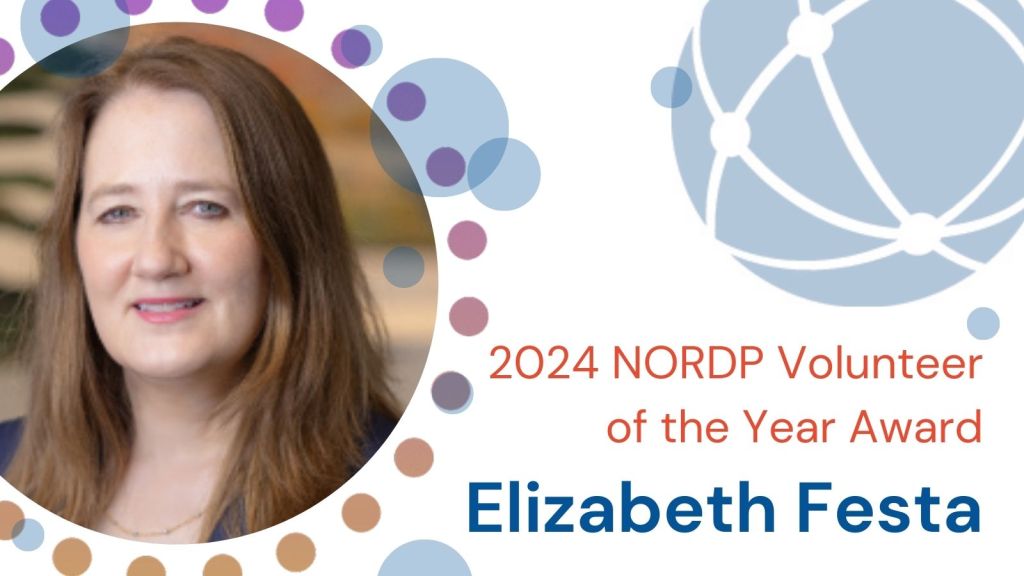
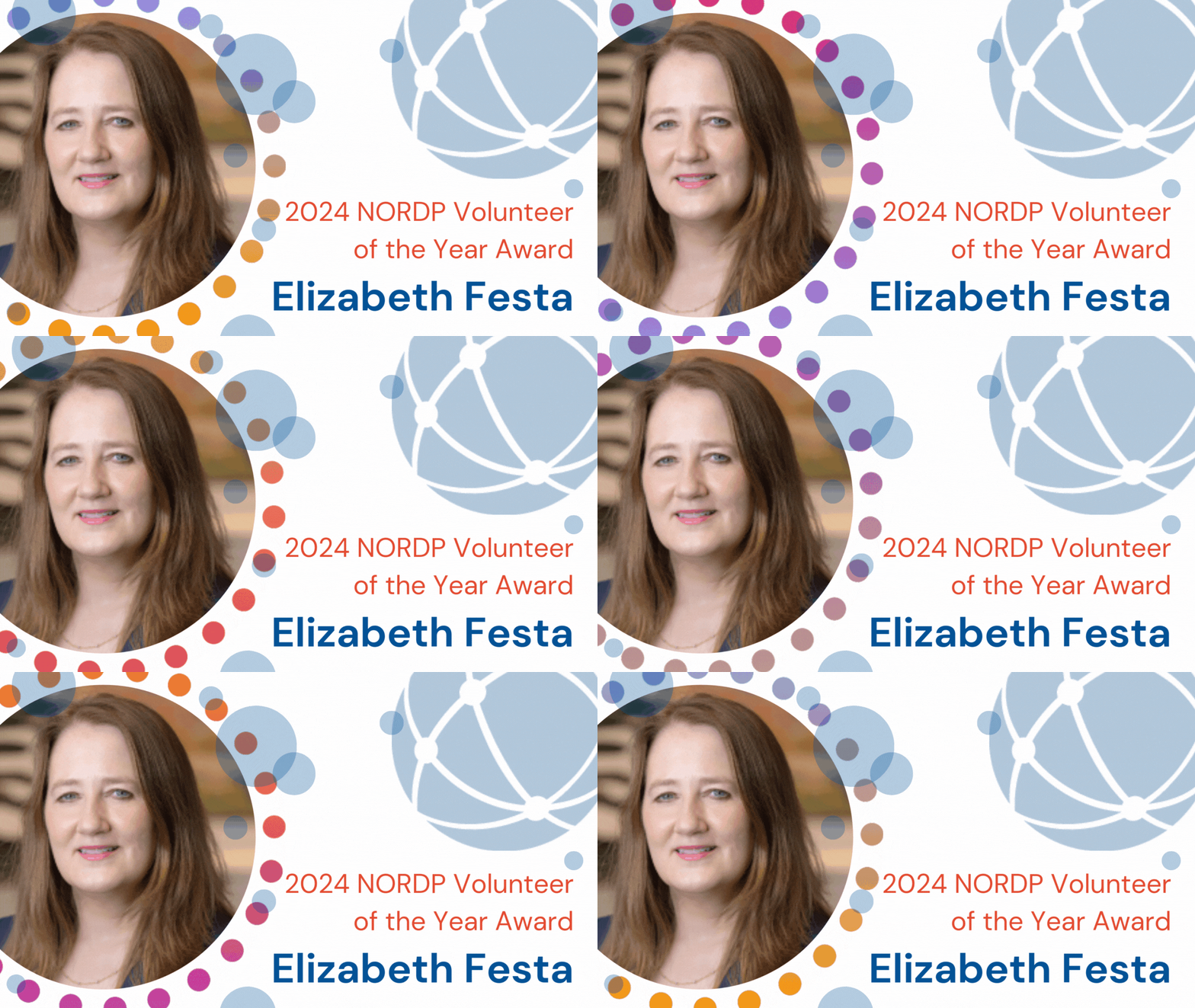
The NORDP Volunteer of the Year Award celebrates a NORDP member who has made an exceptional volunteer contribution to the organization during the past 12 months, recognizing them for going beyond what may be reasonably expected with respect to volunteer duties and responsibilities.
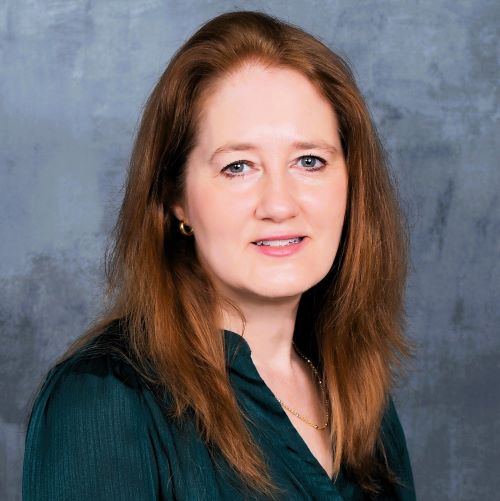
Who: Elizabeth Festa, Managing Director of Grants and Fellowships, Research Universities Practice
Where: McAllister & Quinn
Number of years in research development: 8-10 years
Length of NORDP membership: 5 years
What initiative are you the most proud of in your role as a NORDP volunteer? I oversee the Liaison Program for NORDP’s Strategic Alliances Committee (SAC). In that role, I’m most proud of writing reports from SAC liaisons who exchange information between NORDP and the many organizations in the global research enterprise. Over a dozen Liaison Reports can be found in the NORDP News blog, which is easily accessed from NORDP’s main webpage.
Over the last couple of years, I’ve had the pleasure of interviewing SAC liaisons with:
NORDP currently has approximately 20 liaison partners, all of which offer significant opportunities for collaboration with NORDP. This delivers great value to NORDP’s members, their institutions, and NORDP as a whole.
How did you hear about NORDP and what made you join initially? Before beginning my position at McAllister and Quinn, I worked at Rice University for 17 years. I initially served as a faculty lecturer and as associate director of a campus-wide Academic Affairs program for writing and communication. In those roles, I supported graduate and undergraduate students across all schools of study in multi-modal academic communication and advised faculty on how best to teach and assess skills in research writing and presentation. I became interested in research development while I was working in this program. In 2014, I served as a reviewer for the Fulbright-National Geographic Digital Storytelling fellowship. Shortly after, I began coaching doctoral students applying for federal grants, such as the NSF GRFP, NSTRF, and NDSEG. As I pursued a career in research development, Dr. Phyllis McBride, who was director of Rice’s Office of Research Development Services, suggested I get involved in NORDP. In fact, I ended up joining NORDP even before I had a full-time position in RD,
I was drawn to RD because of the competitiveness of the grant world. Early in my post-graduate career, I went on the academic job market and received a tenure-track offer. Ultimately, I decided not to pursue that opportunity. That was a major turning point in my career, as I wasn’t sure what my next step should be. I realized though, that I wanted to stay in touch with the research world. In my current job, I get to meet faculty across a range of institutions and disciplines and to learn about their research. I love the dynamism and forward-oriented genre of the proposal. There is an excitement in developing a strong plan that leverages resources, anticipates and mitigates risk, and imagines potential outcomes and impacts of research.
What relationships have you built as a result of NORDP? My involvement in NORDP has resulted in extremely close working relationships and friendships that I truly treasure. Many of my NORDP colleagues are senior to me, and I’ve benefitted from their mentorship. As just one example, with their input, I’ve focused on how to run a more effective meeting. Watching leaders like Karen Eck, Kim Patten, Sharon Pound, Jessica Venable, Faye Farmer, Peggy Sundermeyer, Jess Brassard, and others has taught me so much, whether it be focusing on my career path or learning how to use communications tools.
Describe how NORDP has changed from when you initially joined. I’ve witnessed the tremendous growth of NORDP, with our membership reaching 1,400 and over 700 attendees at the annual conference. During my time on the Membership Services Committee (MSC), we approved three new affinity groups. Within the Strategic Alliances Committee (SAC), we have also approved several new liaisons over the last two years. This is an exciting time for NORDP, with new challenges and opportunities as we expand our membership and external networks.
Of particular note, our 2024 membership survey and RD certification and credentialing surveys revealed the diverse roles and institutions in which RD members are serving, and raised questions about how we define the field of research development. Additionally, I’ve seen a shift to RD professionals working more in hybrid and remote roles. MSC’s upcoming salary survey which will launch in the spring of 2025 is sure to give us new insights into the career choices and career paths of our membership.
One other evolution in membership was revealed at the new member breakfast at this year’s conference. There seems to be a heightened interest in NORDP as a professional development venue, with new training provided virtually to entire RD offices at member locations and targeted programs for both entry-level and advanced RD professionals.
What recommendations do you have for members to get more involved with NORDP? I can encourage others to follow some of the steps I’ve taken to get engaged in NORDP. First, attend your regional group and find affinity groups that match your interests. Second, attend the annual conference and join in on the activities like networking dinners and the poster session. Third, join NORDP Groups (these replaced Circles); these are great virtual spaces for collaboration. Fourth, attend the annual Committee Round Robin online event. Finally, utilize LinkedIn to connect to NORDP members and don’t be afraid to connect to or follow leaders whose work inspires you. NORDP is one of the most welcoming professional organizations I have been a part of, and I am invested in helping others find their place in our community.
The profession of research management has been gaining recognition worldwide, but what exactly is it? The profession is new, ever-evolving, and shaped by its place-based culture.
Produced by the International Network of Research Management Societies (INORMS) of which NORDP is an affiliate member, a recent article, “Navigating the evolving role of research managers: Insights from INORMS Council members,” shares views from five passionate and leading research managers from the UK, Norway, Ireland, the Netherlands, and West Africa.
Learn why they think the profession helps drive innovation, widen perspectives, and raise reputation.
Are you interested in international research development? For more information on INORMS, contact NORDP’s INORMS liaison, Colin O’Brien-Lux at colin.o’brien-lux@nottingham.ac.uk. For more information about NORDP’s growing International Working Group, contact Liz Lance at ealance@syr.edu.
Thanks to Colin O’Brien-Lux for sharing this information!
What is the mission of CLASP? Colleges of Liberal Arts Sponsored Programs (CLASP) was designed to provide a resource for sponsored research administrators at liberal arts colleges and those with a liberal arts focus to promote and strengthen members’ abilities to respond to research support and policy issues as these arise; this is hugely important in contexts where there may only be a single person covering all the functions of research administration and research development. In recent years, CLASP has evolved to become a community of practice and, through an NSF GRANTED conference award, is considering ways to extend its reach to women- and minority-serving institutions and its organizational framing.
What are some of the unique challenges that liberal arts institutions confront with respect to grant administration? The challenge many liberal arts and/or predominantly undergraduate institutions face is that staff engaging in RD need to act in a “generalist” role. They must inform the institution of risk, stay abreast of federal funding trends and priorities, and perform research development, research administration, and compliance functions. Often practitioners must lead from the middle to educate those to whom they report, explain what the university is certifying, and position the institution should it be audited. This is a stressful role with a variety of needs and little support from within the institution.
In small institutional settings there is often a single research administration practitioner doing a “soup to nuts” or “cradle to grave” job. That is, they might engage with faculty on the front end, supporting research development and facilitation, in addition to performing the duties of a pre-award sponsored research professional in submitting, accepting, and managing an award. In some very small institutions with a single staff member managing research administration, this person might also manage IRB and IACUC regulations as well as other aspects of compliance. When I worked at Franklin and Marshall College, a 1,200-student institution, we piloted a 5.5 FTE sponsored research, Corporate and Foundation Relations, and grant accounting team that occupied the same office with three reporting lines under a common leadership structure. Now, I am at the College of New Jersey, a comprehensive master’s granting institution with 7,000 students, also classed as a PUI. We have a 3-person pre-award office and are now in the process of bringing a post-award specialist into our office. Folks acting as generalists in a complex regulatory environment where their institutions are likely strained fiscally, may have little to no money for professional memberships or to travel to conferences for professional development. Yet, their institutions are responsible for meeting the same compliance standards as R1 institutions. Moreover, these folks are often the “expert” on campus –a daunting reality.
How has CLASP evolved since its founding? CLASP originated at Middlebury College and was spearheaded by Francie Farnsworth, who created a listserv-enabled conversation group supported by a Wiki repository of shared materials. The targeted listserv now anchors the membership by providing a forum where questions related to sponsored research concerns—which at small institutions may also map onto corporate and foundation relations—can be posed, with answers coming back almost instantaneously. In addition, through the listserv, CLASP members periodically conduct surveys on range of topics. As one example, we have surveyed our membership on the types and nature of indirect cost rates at member institutions. For example, smaller institutions may have salary and wage-based indirect cost rates, salary, wage, and fringe rates, as well as Modified Total Direct Cost (MTDC) rates, which are more commonly seen at larger institutions. CLASP has also surveyed our membership on where our offices are situated within their institution, whether in academic affairs, advancement, the President’s office, and to compare to peer institutions. Having peer or near peer institutional knowledge helps CLASPS members to advocate for policies and practices that better serve our institutions. As a replacement for the original Wiki-based repository, CLASP hosts a “Collaboratory” which is a Google-document based repository of resources that archives materials and resources from past meeting sessions as well as resources and on various topics of interest that members have created. CLASP also hosts annual meetings, post-Covid alternating between virtual and in-person meetings. The upcoming 2024 meeting will be held in person at North Central College in Naperville, Illinois, November 13-15. Typically, 60-90 people attend.
You are part of a team that was awarded an NSF GRANTED award. Could you speak to some of your objectives for this grant? CLASP’s NSF GRANTED award (NSF 2324524), via Carleton College, is design to strengthen a community of practice (CoP) and to broaden, increase, and diversify membership in CLASP, in particular with MSIs and women-serving and women-only institutions. We first articulated this CoP vision at the annual CLASP meeting in 2018 at Swarthmore College and at the 2019 meeting at Bowdoin College. CLASP has long showcased funder presentations intermingled with some presentations from members. But we began to recognize more fully that our members represent a significant body of expertise and have placed greater emphasis on expanding that dimension of our organization and our community of practice, and imagining how we can position our organizations for the future.
What are the mutual benefits of NORDP’s relationship with CLASP? I started out as an assistant grant writer at a community-action agency, and later transitioned to a predominantly undergraduate institution (PUI) in the SUNY system where I was institutional grant writer and later grant development specialist. Then, when I came to Franklin and Marshall I was introduced to CLASP. Through CLASP I was introduced to NORDP, and like so many other members felt as though I had finally found “my people.” Of course, many one-person shops do not have the resources to attend NORDP, and that has motivated me to share my expertise with CLASP. For example, I recently presented on RD with Susan Ferrari and Dean Gerstein at the 2023 virtual CLASP annual meeting last November. Conversely, expertise from the CLASP community, together with others in PUI settings, has been extended to NORDP through the founding of the PUI (Predominantly Undergraduate Institution) Affinity Group, in 2019. Many members of the PUI Affinity Group are also members of CLASP. Historically, NORDP was developed by individuals who were in a context in which they could specialize in all of the contextual aspects of RD and in preparing researchers to lead large research grants, whereas the research focus of smaller institutions is most commonly at the PI-level and often within a teacher-scholar framework. The PUI Affinity Group addresses the needs of these NORDP members by developing resources for research-related and grant development activities, including my 2016 research article with Cara Martin-Tetreault and Carol Withers, “The Grants Office and the RA Generalist: Parallel Life-Cycles and Development at Small PUIs,” which addresses benchmarks research administrators can use in assessing development at the office and practitioner levels.
However, the biggest benefit to NORDP in liaising with CLASP is in engaging generalists around a clear articulation of one component of their role – research or grant development. CLASP in some ways also represents a type of diversity – institutional diversity – that NORDP needs to be consciously aware of, so that it can best meet the needs of this sector of membership. Moreover, and relatedly, CLASP members are well positioned to inform NORDP that it runs the risk of losing the generalist audience to larger organizations such as NCURA and SRAI who are beginning to offer RD training modules which NORDP is, in fact, most ideally positioned to offer.
This report was prepared by Elizabeth Festa, Liaison Chair, Strategic Alliances Committee, eaf2@rice.edu
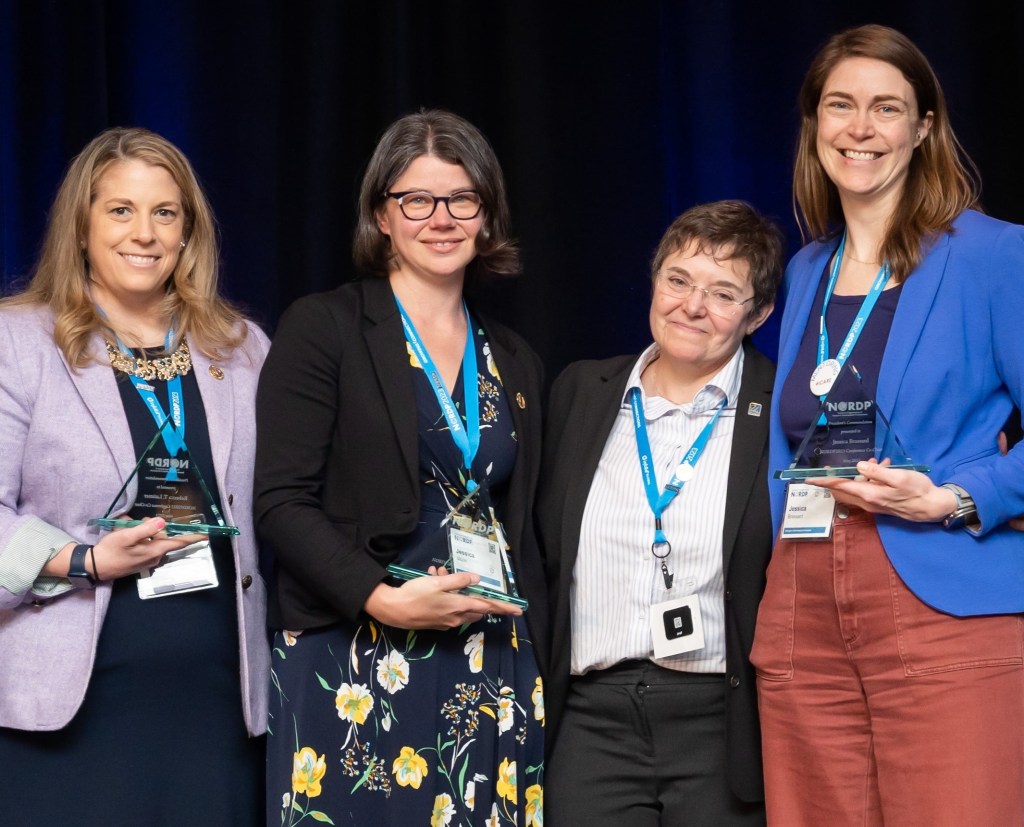
As NORDP members gear up for the Annual Conference in Bellevue, WA, we take time to celebrate a set of three volunteers who led the effort to make NORDP’s first post-pandemic, in-person conference in 2023 a reality. Anne Maglia, past president of NORDP, says she was thrilled to recognize the leadership of Becca Latimer, Jessica Brassard, and Jessica Moon, co-chairs of the that conference with the 2023 President’s Commendation Award.
Latimer is the research program director in the University of Virginia’s Comprehensive Cancer Center. Brassard is director for research development and communication at Michigan Technological University. Moon is executive director for the Stanford Longevity, Equity, and Aging Research Consortium. Together, they spent hundreds of hours and worked with dozens of volunteers to make the 2023 Annual Conference a rousing success.
Maglia says that she is extremely grateful for the drive and commitment of these three NORDP leaders. They epitomize the volunteer spirit of the organization and were the obvious choice for this very special award, she says.
“Returning to our in-person conference in 2023 presented unique challenges, and these three were undaunted and went way, way above and beyond expectations. They set up sustainable systems and devoted hundreds of hours of their precious time to bring NORDP back together in person,” Maglia says.
The three awardees agree that the systems created before them and the NORDP volunteers who support this massive undertaking are keys to their “success.” For example, conference committees historically have co-chairs. Each year, at least one co-chair continues from the year prior, and two other co-chairs are added to the team. The conference committee includes nine sub-committees, and each of the co-chairs oversees three of them.
The structure allows for strong relationships to build. Latimer, who was a co-chair of the NORDP virtual conference in 2022, laughingly says that the “two Jesses were the first I talked to when I woke up and the last before I went to bed.”
The updated conference committee structure allows them to have a tie-breaker for difficult decisions and to bring a diverse set of skills to the task. The structure also allows for a solid succession plan from year to year and for synergy to build between committee volunteers.
“So many of us in NORDP are here because we want to be engaged in research development,” Latimer says. “We want to help, mentor, learn, share, and advance RD. I like to live like that, and I enjoy being surrounded by people with those same values,” Latimer says about her colleagues.
Moon and Brassard had worked on the subcommittees on the 2022 virtual conference, and they both stepped up when Latimer asked them to help lead the 2023 conference. (The 2024 conference leadership includes Brassard, Moon, and Katherine Duggan. Latimer is the new lead of the Executive Conference Committee, a position usually taken by the exiting co-chair).
Moon describes the committee structure “small but mighty” and “nimble,” and she says that the three co-chairs “took care of each other,” stepping in and respecting boundaries when needed.
Brassard adds that the group of three led from their strengths based upon the unique skills each brought to the team. She encourages NORDP members to engage in this year’s conference activities, as schedules allow. She says she intentionally “gave myself permission to share my skills, to grow into the organization.” She calls the award for this work “icing on the cake” – the cake being the sense of community and pride that pulling off the 2023 conference afforded.
Watch for a call for volunteers to assist with conference activities and for other exciting announcements from this year’s conference committee.

What is the mission of the Canadian Association of Research Administration (CARA)?
CARA provides professional development and networking opportunities to over 1100 professionals at research institutions across Canada. Founded in 1971, I believe it is the third oldest research administration society in the world, after NCURA and SRAI.
How did you become involved in CARA?
As a departmental Research Facilitator at the University of Saskatchewan, I support health science researchers in the College of Pharmacy and Nutrition, the College of Kinesiology, and in the School of Public Health. When I started my job in 2012, I was interested in meeting and learning as much as I could from people who did similar work. I work at a research-intensive university and so there is a large group of us who work in research facilitation on campus. I realized that we all do slightly different things depending on the organizational needs and culture of our departments, so I wanted to expand my network even further; the annual CARA conference allowed me to make these important connections and learn more about my profession. At the same time, I discovered NORDP and was soon matched to Karen Eck through the NORDP mentorship program. We had a CARA connection as Karen had worked at McGill University in Montreal and was the CARA-NORDP liaison at the time. This is when research development’s place within the broader landscape of research administration and management started to become clearer for me.
What is research facilitation?
That is actually what we call research development in Canada, though the term research development is appearing more frequently in our professional terminology and in position and research office titles, which could be due to NORDP’s influence. Although, in Quebec, the literal translation “développement de la recherche” is a term commonly used.
Is RD a part of CARA?
Yes, about one third of CARA members say they perform grant facilitation, and conference sessions on research facilitation/development are always very well attended. While we currently lack a formal special interest group devoted to research development within CARA, I think there is interest in creating such a space. Last January, with two of my CARA colleagues, we created the Grant Facilitators’ Journal Club, a monthly online gathering where CARA members come to discuss current literature in grant facilitation. At a typical meeting, someone presents a paper, and a discussion ensues about the topic and its relevance to our work. We have close to a dozen attendees every month, so the journal club is creating that sense of community and filling a need.
How is NORDP’s relationship with CARA mutually beneficial?
It’s always interesting and valuable to learn about practices across the international landscape, and I’m hoping to share some of my Canadian insights on RD at future NORDP events. I believe there are currently about a dozen Canadians within NORDP. While this is a small group, I could see it growing among those who identify as RD professionals, especially as the term and its distinct body of knowledge gain ground. Recently, NORDP and CARA established a Memorandum of Understanding as a first step in creating a formal framework to allow for deeper and more sustained exchanges involving professional development and networking through for example joint webinars and conferences. As the current CARA-NORDP liaison, I’m excited to be able to help facilitate these exchanges.
You recently completed a study about research development in Canada. Could you tell us about it?
With my colleague and fellow CARA and NORDP member Anita Sharma of Thompson Rivers University in British Columbia, we embarked on empirically describing what research development looks like in Canada. The professionalization of RD has developed somewhat in parallel to that in the U.S., with the first university grant facilitators appearing in the late 1990s. Still, for a profession that’s been around for decades, there is very little scholarly Canadian literature about the function or the profession. So, Anita and I conducted a survey of RD professionals across Canada with a goal of comparing our findings with that of similar U.S. studies. We found many similarities between the two countries, such as the emphasis on building capacity, the demographics of staff, and the broad presence of RD professionals across different types of research institutions and organizational models. And some particularities came through as well. For example, we probed into the function vs. profession aspect of RD as many professionals have split roles, mainly involving more prescriptive research administration. Also, some of the questions in our survey focused on what we might call a fifth area of RD. Within NORDP, we often speak of the four areas as strategic advancement, proposal development, research communication, and team science. To this, we added “researcher development” a term used in the U.K. to refer to the personal, professional, and career development of researchers of all stages, from undergraduate students, postdoctoral fellows, and clinical residents, to early, mid, and late career faculty. Many respondents identified with this mentoring or teaching aspect.
What does researcher development mean to you?
To me, research-er development is another opportunity to strategically move the dial on research by helping researchers adapt to the constantly changing research landscape, and by gaining new research adjacent skillsets in research management, finances, ethics, communications, and other related topics. The leading resource on researcher development is the Vitae website. Though much of it is accessible only to institutional members, it is still a valuable starting point for those who provide training and development support to researchers.
Interview conducted by Elizabeth Festa. For more information about the SAC Liaison program, contact her at eaf2@rice.edu.
One of the oldest committees within NORDP, the Strategic Alliances Committee (SAC) is a driving force behind the growth and development of research development professionals. We invite you to explore this group that builds strong organizational relationships across all facets of the research enterprise.
SAC volunteers promote and enhance interactions between NORDP and external entities, which include professional organizations within the research enterprise, government and private agencies, and international groups. The committee’s mission is to “build and support relationships that drive membership growth, foster professional development, and strengthen advocacy and stakeholder relations.”
In the process, SAC positions NORDP as an engaged and respected professional organization with avenues for membership growth. To do so, we take a dual perspective that recognizes the importance of both outward and inward-facing actions.
NORDP → WORLD: SAC disseminates NORDP members’ expertise to benefit the global research enterprise. In doing so, we assist in promoting the organization across the world, and advocate for a collective voice for research development excellence.
WORLD → NORDP: SAC brings valuable insights and information back to NORDP and its members. We help NORDP strategies align with the ever-evolving landscape of RD, ensuring that our organization remains at the forefront of the global research enterprise. This work also helps RD professionals at all levels have a bird’s-eye view of the field, contributing to their professional growth.
What We Do: Notable accomplishments in support of research development include:
SAC Liaisons: Liaisons are are specifically tasked with advocating for research development to external organizations and associations, in turn providing an invaluable service to NORDP members by gathering and sharing useful information as part of a broad, strategic outreach program. Visit SAC’s Liaisons webpage to see a list of existing liaisons.
The role of each liaison depends on the target organization and NORDP leadership goals as well as the skills and experience that an individual liaison brings to the position. Liaison duties and roles are assigned by SAC and approved by the Board on a case-by-case basis. Typical duties for liaisons include:
With NORDP Board approval, some liaisons interact with their target organization’s leadership to determine how NORDP’s mission can complement mutual interests such as: promoting alternative career paths within academia, increasing national and international research collaborations, building multidisciplinary research teams among diverse groups of individuals, and advocating for the global research enterprise.
Liaisons serve a minimum of three years, are asked to participate in a 30-minute monthly meeting with other liaisons, and encouraged to set goals with the Liaison Manager. Individuals with at least two years of NORDP membership may apply (although some liaison positions have additional requirements) . Liaison applications are reviewed by the SAC chairs and approved by the Board of NORDP. Upon acceptance, liaisons are provided with useful resources to begin their new roles. SAC considers individual requests to add new liaison organizations based on NORDP’s goals and evolving needs of NORDP members.
International Working Group (IWG): Many RD professionals work on international research funding opportunities and benefit from professional development opportunities to consult with experts in this area. Within SAC, the International Working Group meets monthly to discuss international research issues, such as NIH’s new policy regarding reporting requirements for international collaborators. The IWG actively promotes NORDP within the International Network of Research Management Societies (INORMS), work that attracts new members from across the world, strengthens relationships with others in the field, and delivers global RD perspectives, relationships, and best practices to US-based RD professionals.
How to Get Involved: Join SAC to become part of a dynamic team that is passionate about RD and:
Join us in shaping the future of research development at NORDP! For more information and to get involved, contact one of the SAC Committee Chairs: Karen Eck at keck@odu.edu, Gretchen Kiser at gretchen.kiser@ucsf.edu, or Sharon Pound at spound@utk.edu.
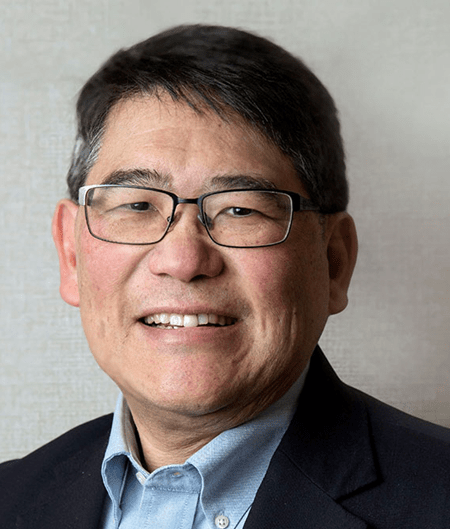
What is the mission of NACRO?
NACRO is the Network of Academic Corporate Relations Officers. NACRO “provides professional development opportunities that enable corporate and academic professionals to develop and advance comprehensive, mutually beneficial relationships between industry and academia.” While membership in NACRO has historically been limited to corporate relations officers in the academy, the organization is now open to professionals in industry.
How did you become involved in NACRO?
I have been in NACRO for over 10 years. Having a background as a chemical engineer, I worked for Dow Chemical for 17 years. A large part of my job was bringing in sponsored research with academia so that Dow would have much needed expertise and capability. Therefore, I was initially on the other side of the table. Once I began working in research development, working in/with corporate relations was a natural fit for me.
What is your role within your organization?
I am Director for Research in the Grainger College of Engineering at the University of Illinois Urbana-Champaign. My office falls under the Office of the Associate Dean for Research. In addition to supporting the launching of large, multi-investigator, multi-organization efforts, I have a significant faculty development mission. I have developed a number of programs for early career investigators including a program for new faculty to help them in starting their research at University of Illinois and a workshop series dedicated to assisting faculty with their NSF CAREER proposals. I have also developed/facilitated workshops on interacting with program officers and workshops on leading graduate students as well as faculty peers. As part of seeding large, multi-investigator centers and institutes, I oversee the Strategic Research Initiative at Grainger Engineering, which offers funding to help build teams and obtain preliminary data for large, multi-million-dollar proposals. I am also a certified coach – coaching faculty and staff in career and leadership development. I recently initiated “5 for 5” group coaching where five professors meet with me for five weeks.
How can NORDP’s alliance with NACRO help us at the member level?
We have an alliance between NORDP and NACRO, and one of the things we’ve been thinking about is how this alliance can increase member-to-member interaction across these organizations. Right now, we are exploring collaborations between NORDP, NACRO, and federal agencies. Our current project is emerging in conversation with the NSF TIP (Technology, Innovation, and Partnership) program. NORDP and NACRO are exploring the possibility of partnering to conduct a landscape analysis of needs and capabilities (such as workforce development and commercialization opportunities) in different regional innovation ecosystems. We hope to facilitate collaborations between universities and corporations that are mutually beneficial. This project is well-suited to support the NSF ENGINES program, which focuses on catalyzing regional innovation ecosystems – especially those that may be in early development and have had limited interaction with federal agencies.
You recently presented on this project at the NACRO 2023 meeting. How was your talk received?
This year’s NACRO 2023 meeting was held in Portland, Oregon. I presented on a panel with fellow NORDP and NACRO member Rachel Dresbeck, Senior Director of Research Development at Oregon Health and Science University, and NACRO member, Kim Jacobs, Assistant Dean of Development in the College of Engineering at Florida A&M and Florida State. A quick poll of the audience of about 50 showed that almost all were potentially interested in this project. Our vision for the landscape analyses are quite broad and may include technical/research capabilities, entrepreneurship, tech transfer, DEIB, local government needs, nonprofits/NGOs, community engagement, incubator services, etc.
How might NORDP members be involved in this project?
This project will necessarily draw upon many untapped partnerships and will have teams performing landscape analyses in different areas of the country that are co-led by NORDP and NACRO members. NORDP and NACRO members can also just be members of the teams. The highly successful NORDP Consultant program has been an inspiration and a model as we plan for this grassroots effort. We are also drawing upon Strategic Doing to develop our framework. As you may know from workshops at previous NORDP conferences, Strategic Doing facilitates collaborations to address complex challenges. NORDP members Rachel Dresbeck, and Jeff Agnoli, Director of Education, Funding, and Research Development in the Office of Research at Ohio State (who is also a Strategic Doing Fellow) are involved in this effort. The NORDP membership will be instrumental in requesting support for their regions and partnering with us in these efforts. NSF TIP may also wish to prioritize certain areas. While we are still in the planning phase of this effort, it is clear that the kernels of activity and energy from this effort will also result in new collaborations and team building.
Based on your experiences as an engineer in industry, an RD professional, and a NACRO member, how can research development offices and offices of corporate relations work together more effectively?
I want to emphasize the importance of networking between RD offices and offices of corporate relations. While each office has its own mission, there is a benefit for corporate relations being included as a part of the team in proposals to federal funders, and vice versa. Since corporate partnerships and funding are an essential part of the academic research ecosystem, corporate relations, and research development should be working closely together on a regular basis. This will result in new opportunities as well as more compelling proposals for funders. Instead of waiting until a particular proposal needs corporations, these teams can engage at a much earlier stage to determine how they can work together for future proposals – before the solicitation comes out. Programs that the institution has submitted to in the past may be a good place to start.
First awarded in 2022, the NORDP Mentoring Award recognizes an individual NORDP member’s unique ability to provide an engaging, supportive, and inclusive environment for professional and/or personal growth through mentorship in the research development community. This award is bestowed with the acknowledgement that effective mentoring occurs through formal and informal channels and may vary in style and substance.
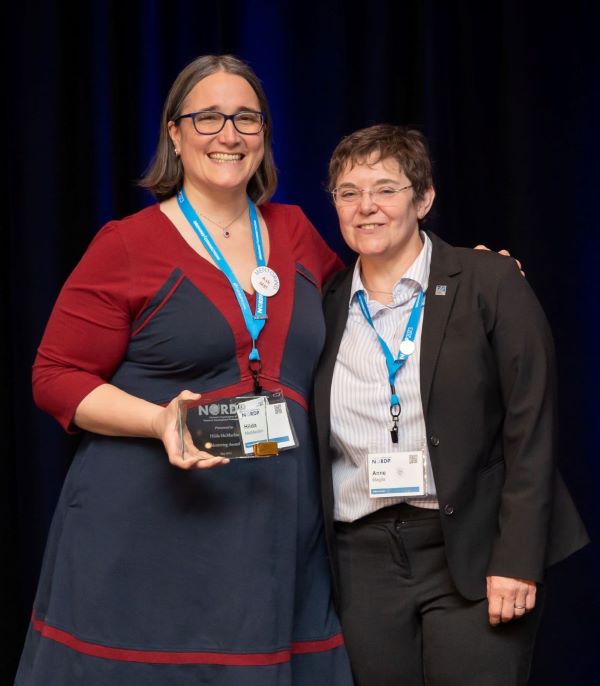
Who: Hilda McMackin, Director of Research Administration Systems and Reporting
Where: Vanderbilt University, Nashville, TN
Number of years in research development: 14
Length of NORDP membership: 6
What has your mentoring journey within NORDP looked like?
After joining NORDP in 2017, I attended the annual conference in Denver and went to the mentoring committee open house. I was sold! I was especially interested in the Mentorship, Expertise, Support, Helping Hands (MESHH) subcommittee and the resources they developed. I’ve enjoyed working on the MESHH tools available in the NORDP Mentoring Toolkit and presenting webinars and workshops on how to use them.
My involvement has combined committee work with serving as both a mentee and mentor. In the committee, for the past several years, I led the group of Facilitators that serve as points of contact for mentoring program participants throughout the year. I have also collaborated on and presented in three rounds of Mentoring Lightning Storms where we coordinated an hour of 5-minutue lighting talks all focused on aspects of mentoring. Then, in March of 2022, I became a committee co-chair, helping lead the work of the committee. The work has been fun-filled and rewarding. This committee is made up of a great group of collaborative and welcoming people; our meetings have become high points of my week.
I’m currently mentoring a cohort of three NORDP members this year in an expansion of our mentoring cohort pilot that was successful last year. This format bolsters the mentoring relationships by fostering peer mentoring at the same time and expanding the network of all four members involved in the cohort. I am looking forward to exploring mentoring in this exciting group setting.
What initially drew you to mentoring?
I’ve always been grateful for the mentoring I received throughout my career, and I thought mentoring was a great way to both get involved with NORDP and pay that support forward to bolster the growth of others. I also have a deep commitment to the research enterprise and recognize the importance of mentoring in advancing research. Regardless of the role – faculty, staff, or student – receiving and providing mentorship is essential in moving research and innovation forward, as people can’t contribute their whole selves in their work if their needs and aspirations aren’t nurtured.
What does being a good mentor mean to you?
A good mentor is someone who can be present and listen; someone who can focus on the needs of the mentee. Developing trust is essential. Dedicating time is important. And add in vulnerability to truly succeed. To really build a safe space for people to grow, you need to build trust by sharing your emotions as well as your stories. A good mentor is not afraid to share and doesn’t need to be perfect. In conversations with my mentees, I strive to listen, provide perspective, and offer insights where I can.
I wish I’d tried mentoring sooner. I think we’re sometimes hesitant to mentor due to a twinge of insecurity. We wonder if we can really be a good mentor. Do we have enough to offer? Yes, you need to be comfortable, but I think nearly anyone can be a mentor with support from the resources available through NORDP.
I want to stress that you do have to follow through on the commitment. If your mentee hasn’t reached out, check in with them. I suggest carving out time and protecting it. If you’re worried about time, rest assured that you can meet less frequently and still get a big bang for your buck.
What have you found most rewarding, and most challenging, about being a mentor?
The greatest reward is that mentoring energizes me. I’m a curious person, and it’s rewarding to connect with others and feel the impact that I have had on others’ lives. On a personal level, sometimes that means simply helping them get through difficult times. We all know how reassuring that can be.
The greatest challenge is making the time for it. Our jobs keep us very busy. The more you do, the more connections you have, including both unofficial networks and proactive mentoring. I always try to reduce the barriers as much as possible. The greatest reward, for me, is getting to know other people, their perspectives, their experiences.
What advice do you have for others within NORDP who wish to follow in your footsteps?
I want to encourage anyone who hasn’t yet served as a mentor to sign up as one. Realize that you always have something to offer as a mentor and something to gain as a mentee. It’s such a rewarding experience. If you are not ready to mentor, I encourage you to get involved with the NORDP Mentoring Committee. Working with the committee is a great way to learn mentoring best practices as well as help sustain the incredible benefits that our mentoring activities provide for all NORDP members.
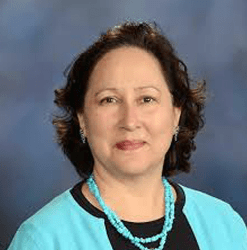
RD professionals connecting with HSIs: Insights from SAC Liaison Jorja Kimball, by Elizabeth Festa
What is the mission of your liaison organization, AHSIE? AHSIE, pronounced “Osh-ee”, is the Alliance for Hispanic Serving Institution Educators. As noted on their website, the mission of AHSIE is to support educators at HSIs “as they seek to provide quality, relevant educational opportunities to large and growing numbers of underserved populations, particularly Hispanic students.” AHSIE’s focus is on the undergraduate population, which makes it distinct from other organizations.
What is your role as a Strategic Alliances Committee liaison to AHSIE? In my role, I work with a specific HSI organization to help link them to resources and initiatives that NORDP offers or has access to. I also communicate unique RD needs of the organization to NORDP, so that we might possibly develop partnerships between the organizations or obtain resources to address mutual needs or goals. That is central to the SAC mission of serving as the professional development arm for NORDP. In uniting AHSIE with NORDP, I hope to strengthen the efforts of both organizations. For instance, one of the longer-term goals I have as a liaison is to facilitate a proposal, such as NSF GRANTED, that includes AHSIE and NORDP members, which will garner more attention and support through the backing of two organizations. It is just as crucial, I believe, to introduce NORDP members to what AHSIE and similar organizations, such as HACU (the Hispanic Alliance of Colleges and Universities), for example, have to offer. I view myself as a point person for the NORDP member who wants to learn more about HSIs and partner with them as well as to support NORDP members at newly designated HSIs. Finally, I am committed to staying abreast of current research trends in supporting Hispanic students and sharing that with NORDP members as potential best practices for use in research development.
Tell me about your professional role. I’m Executive Director of Research Development Services and the Office of HSI and Inclusivity Research Services at Texas A&M University. Texas A&M is an HSI as of last year and a Carnegie Research 1 institution. Research Development Services has three areas of emphasis: support for large proposals, career development for faculty (especially early career faculty), and a focus on submitting for HSI funding opportunities. My role in the Office of HSI is similar to the other two focuses, but with increased attention to communicating HSI funding opportunities to faculty and facilitating the proposal writing process according to faculty requests and needs.
How did you become involved in working with underrepresented scholars? Before coming to Texas A&M, I worked across the State of Texas as Director of Strategic Development for the Texas Engineering Experiment Station, the research arm of engineering for the A&M System. In addition, my doctoral research focused on underrepresented groups in STEM and time to completion of the core body of knowledge at A&M. As such, my background prepared me for this role.
What qualifies a university as an HSI? According to the White House Initiative on Advancing Educational Equity, Excellence, and Economic Opportunity for Hispanics, an HSI must have an “enrollment of undergraduate full-time equivalent students that is at least 25 percent Hispanic students at the end of the award year immediately preceding the date of application.” The federal government also requires that HSIs have educational and general expenditures per full-time equivalent student that fall below the average of similar institutions, as calculated by the U.S. Department of Education.” There are currently 451 HSIs in the United States. One interesting fact is that three states have their own consortia: California, Texas, and Florida.
Could you recommend an article or book on HSIs that may be of interest to NORDP members and the faculty they serve? I’m currently reading Gina Ann Garcia’s book Transforming Hispanic-Serving Institutions for Equity and Justice (Johns Hopkins University Press, 2023). Garcia was the keynote speaker at the recent AHSIE conference, and was also a speaker at a conference that we held at Texas A & M. Garcia, with other scholars, coined the term servingness, which emphasizes the importance of actually serving, as opposed to simply enrolling, Hispanic students. That is an important distinction and a key term for any scholar who is developing research or programming involving HSIs or Hispanic students. This is yet another way that I hope to assist NORDP members through my role as a SAC liaison. Very often, in RD, we need to assist technical faculty in locating publications on best practices for use in broader impacts or educational outreach narratives. My liaison with AHSIE will help to keep me on the cusp of current research, and I will share these resources with NORDP members.
One of SAC’s missions is advocacy. How do you see this as influencing what you hope to achieve as a liaison? One of the goals I have for the next few years is to help with an HSI-specific consulting initiative that is part of or similar to the current project that NORDP launched with HBCUs. This would be a significant undertaking, but a very valuable one in light of the growing college age population in Texas and the nation and the growing interest in DEI. I would love to brainstorm this with the Board and the SAC committee in the coming months!
 NORDP News