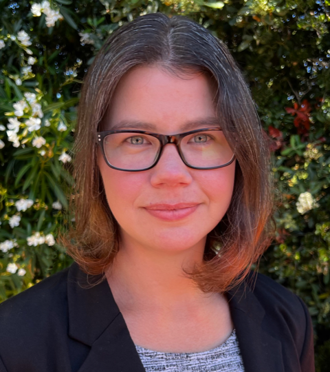
2022 Mentoring Award: Jan Abramson

First awarded in 2022, the NORDP Mentoring Award recognizes an individual NORDP member’s unique ability to provide an engaging, supportive, and inclusive environment for professional and/or personal growth through mentorship in the research development community. This award is bestowed with the acknowledgment that effective mentoring occurs through formal and informal channels and may vary in style and substance.

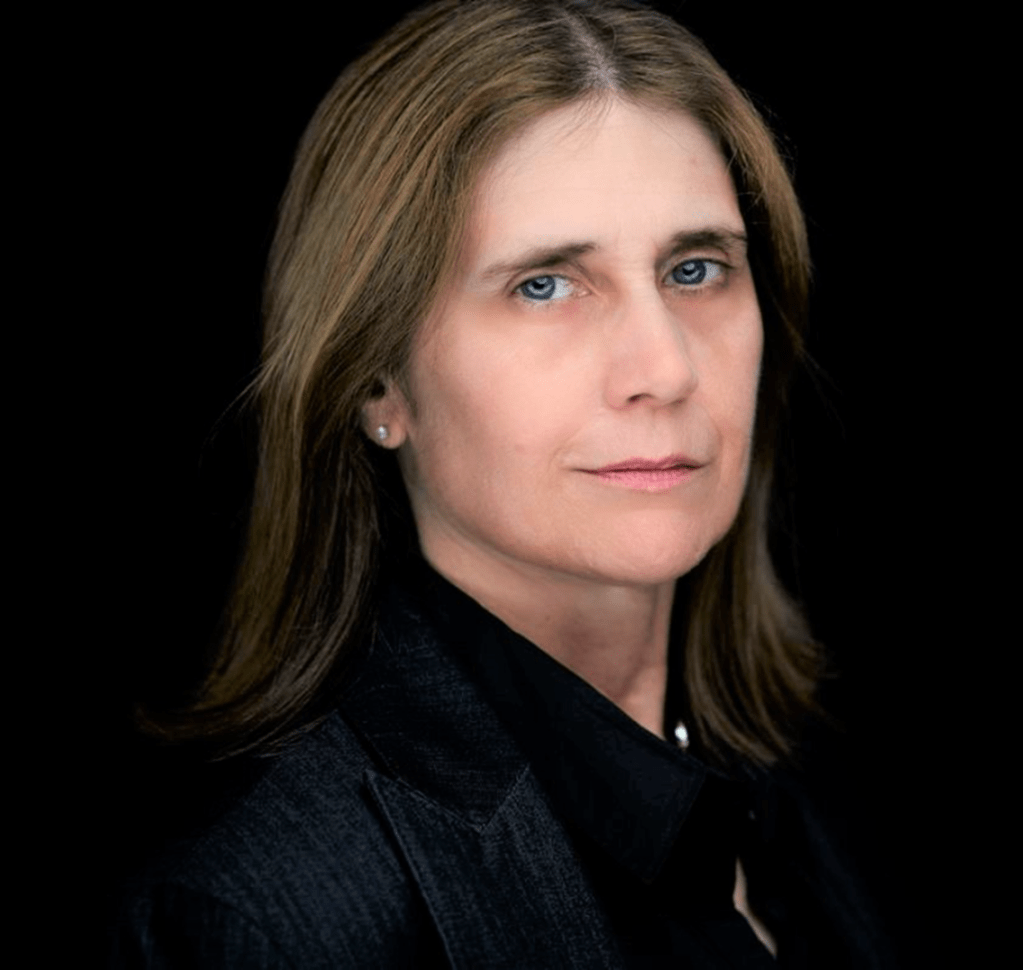
Who: Jan Abramson, Principal Consultant

Where: Penultimate Advantage

Number of years in research development: 17

Length of NORDP membership: 11 years


What has your mentoring journey within NORDP looked like?

In 2011, on the advice of a colleague, I joined NORDP shortly after taking a new position at the University of Utah. Like many, I ‘found my people’ when I joined NORDP. I applied for the mentoring program – and was not matched my first year. It was a disappointment, but I’m pretty tenacious – I found other ways to get involved as a NORDP volunteer, including expressing an interest to volunteer for the mentoring committee. Within a year, I was on the committee, and matched with a mentor, too.

Since then, I have remained involved with the Mentoring Committee, served as a mentor, and have benefited from being a mentee. It’s been exciting and rewarding to watch the mentoring program grow as NORDP has increased membership, and to have been a part of the committee that has focused on supporting mentors, mentees, and members, providing new programs and services, and adapting to the needs of NORDP members. It pleases me that the Mentoring Committee works hard to make sure everyone who wants to be a part of the mentoring program, can indeed participate. AND that the Mentoring Committee is an open, welcoming, awesome group, so come join us!.

One fun story about how the mentor-mentee process has evolved over the years: in the early days, matching took place manually (this was when NORDP was a smaller organization). As the number of people interested in mentoring grew, the first step toward an automated matching process was that someone wrote  R code to do the matching. So we would receive applications, run the code,  go back in and tweak the matches, then recruit more mentors to ensure that everyone could be matched. Now, as you know, the committee uses WisdomShare, which has been a real help as the number of NORDP members interested in participating in the mentoring program continues to grow!


What initially drew you to mentoring?

I think because early in my professional journey, I didn’t really have mentors, I had an ‘unnamed need.’ My first work in higher ed was in student development, student leadership, and orientation, and I soon recognized the power of mentoring to help students tap into their potential. From there, my commitment and passion grew, and I began to seek out mentors, and mentor others. I have been able to immerse myself in the world of mentoring, seek formal training, and really start to bring together the elements of mentoring that had always been in the orbit of my career. I found it so rewarding to be able to give, share and support others, that mentoring is woven into the fabric of my professional and volunteer work.


What does being a good mentor mean to you?

My mentoring philosophy is my foundation: I mentor to #PayItForward, to help colleagues see and become their best selves. Being a good mentor does not mean having all the answers, being perfect, or having to fix things. Being a good mentor is being human, learning along the way (the easy lessons, and the hard ones), and at the end of the day, honestly believing you did the best you could. (and being willing to learn and grow)! I have also found that good mentoring is oftentimes just attentive listening, and then being willing to reflect on what you’ve heard. It’s really important to build a relationship with your mentee so that when you listen attentively and offer your perspective, you can say the things that will help the mentee, especially the hard things.

And if you’re nervous about making that transition from a mentee to a mentor, it’s really important to remember that the Mentoring Committee has put together tools and resources and stop-gaps and checks. Nobody becomes a mentor in NORDP on their own, all you need to do is reach out to somebody on the mentoring committee and ask for support. The Mentoring Committee has put together a solid support system in order to help anyone who’s ready to step into the role of a mentor!


What do you wish you had known when you began your mentoring journey?

As a mentee, I wish I had not been so worried about imposing on my mentors’ time and hadn’t spent time feeling intimidated by my mentors. As I became a mentor, it became clear to me that a person who volunteers to be a mentor is doing it from a place of wanting to be a mentor. Sometimes life gets in the way (see my earlier point about mentors being human), but mentors really do take on that role because they want to be involved in those relationships.

And as a mentor, I wish I would have been more aware of the many resources available to those looking to hone their mentoring skills. Looking back, I wish I had started that deliberate learning around mentorship skills earlier. I also wish I had known how much I would learn, grow and benefit from being a mentor. I wish I had known how much joy mentoring would bring, and how my personal and professional networks would expand exponentially!

It can be intimidating to become a mentor — yet, we all have something to give, share, and so many ways to #PayItForward. And always remember, the Mentoring Committee is ready to help you in your mentoring journey. Being a mentor is an opportunity to keep learning, expanding networks, and enjoying colleagues.


What have you found most rewarding, and most challenging, about being a mentor?

The most rewarding part of being a mentor is all of the great people that have become a part of my life. It has been the human-to-human connections that have turned into heart-to-heart connections –– and the connections that continue through career and life changes. It’s the reconnecting, and picking up where we left off. I recently ran into a student that I mentored more than 20 years ago and whom I hadn’t seen in 10 years. And as we struck up a conversation, we both had that immediate recognition of connecting at a heartfelt level. It is an amazing feeling. 

The most challenging times, as a mentor, is when the relationship seemingly goes off the rails. When, for whatever reason, the space for grace is gone. Those times, albeit, very rare, are for me, times of pain and sorrow. But they have propelled me to new insight about myself, my mentoring style, and what is really most important for me.


What advice do you have for others within NORDP who wish to follow in your footsteps?

My advice for my fellow NORDP members: get involved. Wherever, however, and whenever you can. Find the place where you can make a difference. I’ve served on committees, co-chaired a NORDP conference and served on the NORDP board. I have valued each of these experiences, and through them learned that it’s committee work where I feel I have made the most lasting contributions.

And there’s no need to follow in my footsteps! Forge a new path. It’s so exciting to see all of the growth and changes taking place in NORDP, under the leadership and guidance of the next generations of RD professionals. Be true to your own path, build on the connections you make along the way, and pay it forward!

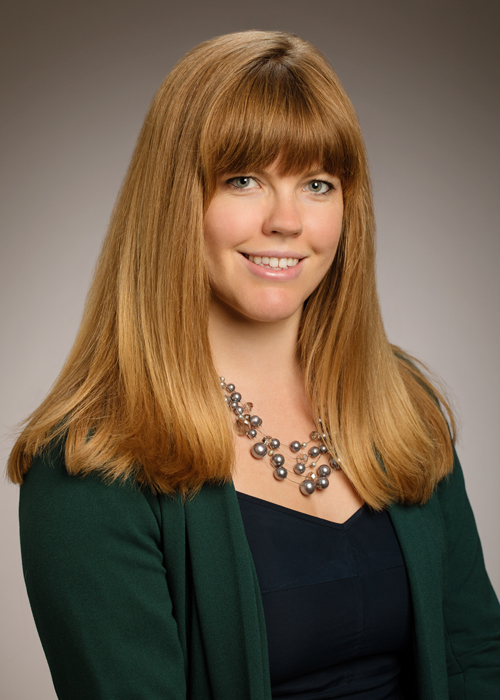
2022 Mentoring Award: Susan Carter

First awarded in 2022, the NORDP Mentoring Award recognizes an individual NORDP member’s unique ability to provide an engaging, supportive, and inclusive environment for professional and/or personal growth through mentorship in the research development community. This award is bestowed with the acknowledgement that effective mentoring occurs through formal and informal channels and may vary in style and substance.

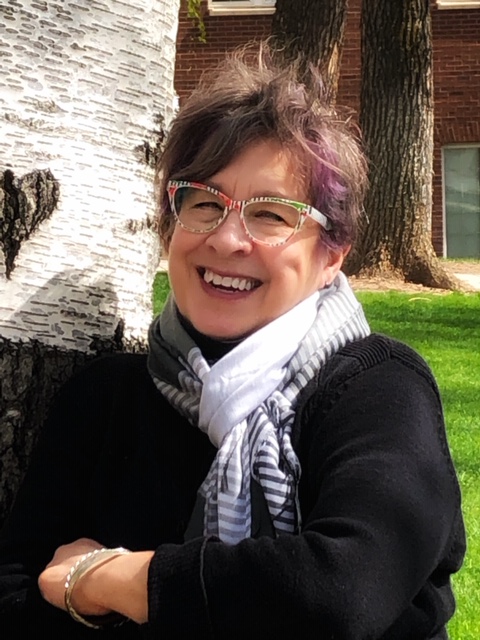
Who: Susan Carter, Director of Research Development

Where: Santa Fe Institute

Number of years in research development: 20 plus

Length of NORDP membership: since 2010; founding member of NORDP


What has your mentoring journey within NORDP looked like?

I was the co-founder, with Leigh Bottner, of what was originally the Mentoring working group and is now the Mentoring Committee. Our efforts to build up mentoring began during the first couple of years after the founding of NORDP because we thought it was really important, particularly given the fact that research development was a relatively new profession, and we saw the field was already growing rapidly. I didn’t have a formal background or training in mentoring, but I was interested in the topic. 

We started out doing matches of mentees and mentors using Excel (the process was much less automated than it is now). I really enjoyed the matchmaking process; I’ve always liked the process of figuring out what would lead to the most successful partnerships between people. In fact, a good portion of my work throughout my career has involved matchmaking in various contexts, whether as a program officer for a funding agency matching reviewers to proposals, or bringing together teams of researchers to work collaboratively on proposals and projects.

Even after I stepped back from a leadership role on the Mentoring Committee, I continue to be involved in mentoring within NORDP, formally through the mentoring program as well as informally. I’ve had several mentees who I’ve developed mentoring relationships with outside of the formal program because I believed I could offer them support, and I’ve really enjoyed those relationships as well.


What initially drew you to mentoring?

I was immediately drawn to mentoring because I could see the enormous need for mentoring infrastructure within RD because it was such a new profession. There were some of us who had a background in research development before it was called research development, but I could see there were going to be a lot of newcomers to the field as more institutions recognized the value of having RD staff from diverse backgrounds supporting the development of research and researchers. As a program officer, I could see firsthand that there were so many researchers doing fantastic science who would really benefit from additional support, and when I left that position to start the RD office at UC Merced, I knew I wanted to engage with researchers to help them grow their careers. And as more people were stepping into these kinds of roles and joining the field of RD, I could also see there were going to be questions about how RD professionals could progress in their careers and move up the ladder (I saw members of my own team, and colleagues in NORDP, confront this challenge). I thought mentoring could be very helpful in this respect.


What does being a good mentor mean to you?

If I had to pick one word to describe good mentoring relationships, I would say “flexibility.” And if I had to pick one more word, it would be “trust.” As a mentor, your relationship with your mentee is often about what the mentee needs and is looking for. It’s about the individual, and each mentee is going to have different needs (and each mentor will have different strengths), so I think flexibility on the part of both the mentor and mentee is important. I also encourage my mentees to have a flexible mindset as they approach their career planning; to have a plan for where they’re going, but if the past two years have taught us anything, it’s that things can change unexpectedly and it’s important to be able to adapt. I also see my role as a mentor to serve as a sounding board as my mentees contemplate the directions in which they’d like to take their careers, which is a role that requires quite a bit of trust to be built between mentor and mentee.

I also think it’s incredibly important for mentors to encourage their mentees to take action when it comes to their professional development and help them recognize where their talents lie. One of the things I have been successful in doing with my NORDP mentees is encouraging them to become increasingly involved in NORDP and helping them see pathways to do that. And that has been really rewarding for me, because I know RD continues to be a growing, changing profession. I think having whether it’s NORDP or some other organization, encouraging mentees to be engaged with the broader community outside of the mentoring relationship really helps with their professional development. I also know that I’ve gained as much or more from my involvement with NORDP as I’ve given; it has had a tremendous positive impact on my career and I want to see that same impact for mentees.


What do you wish you had known when you began your mentoring journey?

That’s an interesting question. I wish I had known more about the systems and structures that exist within academia. When I started in RD, I knew quite a bit about research and research funding, but my knowledge of the ways that academic institutions really work is something that I have gained over time. One thing a mentor does is listen to a mentee’s experience and offer them an outside perspective on it, and sometimes the issues that mentees are bringing to you are interpersonal issues, and other times they’re systemic issues. And it can be hard to tell the difference if you don’t understand academic systems and institutional culture.


What have you found most rewarding, and most challenging, about being a mentor?

The most rewarding part for me has been seeing the development of my mentees. That’s just fun to see. I can count mentees among members of the board of NORDP, and I view my mentoring work as supporting the next generation of leaders within NORDP. It has been a fascinating and rewarding process to witness the development of each of my mentees and I continue to stay in touch with them as they move on to exciting new things.

As far as challenges go, I think the biggest challenge, honestly, is time. Being in a mentoring relationship is a commitment on the part of everyone involved. Building the relationship that really works takes time, whether it’s peer mentoring or a pair mentoring relationship, whether you’re in a formal or informal mentoring relationship. My mindset around mentoring is that I invest the time because I consider it part of my job. Being a mentor gives me a new perspective: when I’m helping a mentee deal with the issues they’re having in their institution, that helps me see what maybe we could be doing differently at my institution. You learn a lot from being a mentor. It’s a worthwhile commitment, you get a lot out of it, but finding the time to engage can be a real challenge. 


What advice do you have for others within NORDP who wish to follow in your footsteps?

Make the time for mentoring, and make the value proposition clear to others (peers, supervisors) that being a mentor really is an investment in your own professional development. Mentoring is a two-way street and you definitely get as much out of being a mentor as you give.

The other advice I have to offer is to look for informal mentoring opportunities as well as the formal opportunities NORDP offers. It can be an incredibly valuable way to build and broaden your network. I remain in touch with many of my former mentees, and while this can be a time commitment, think of these kinds of mentoring opportunities as a way to develop your own professional support system, not just a way to give back. If you see an opportunity to make a mentoring connection, whether it’s through a formal relationship or an informal relationship, that’s worth your time. 

I’ll also put in a plug for the resources that the mentoring committee has spent so much time cultivating and the other mentoring opportunities, like peer mentoring groups, that they’ve developed. NORDP members should definitely be taking advantage of all of the great mentoring programming that we offer in our organization.

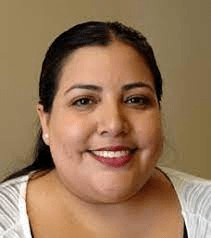
2022 Rising Star Award: Daniel Arriaga

The NORDP Rising Star Award recognizes individuals for their outstanding, early volunteer contributions to NORDP and strong potential for future contributions to the organization and the profession or the field. 

Daniel Arriaga

Who: Daniel Arriaga, Assistant Director for Research Engagement

Where: University of Texas at Austin

Number of years in research development: 6

Length of NORDP membership: 6


What initiative are you the most proud of in your role as a NORDP volunteer?

I would say the re-envisioning of the Leadership Forum would be the initiative I am most proud of. The updated Leadership Forum came in response to a call in NORDP’s strategic plan. Our group worked on the effort for a year, evolving from the initial call for applications to meetings to topics, to the final product. We engaged many veteran and senior NORDP members throughout the process. I feel that we truly absorbed what they shared, and we were able to inject new ideas from fresh perspectives as well. It was truly a two-way street of ideas that came together.

We are hoping that it can become a central tenet of the professional development that NORDP offers, and have strived to make it relevant to help prepare current and future leaders in the field. We hope that it helps reinforce the importance that Research Development plays in our institutions as well. How has your service to NORDP enhanced your career?

My service has benefited my career in many ways. The most impactful area has been to allow me to explore diverse perspectives from across the U.S. and beyond. It has been interesting to learn how different RD colleagues approach various challenges and opportunities. I believe that diversity is something to be celebrated and applauded. At times academia can be a very siloed environment, so having access to the hugely diverse membership of NORDP has been incredibly valuable to me.


How did you hear about NORDP and what made you join initially?

At the beginning of my RD career, I was encouraged to join by my then supervisor, Jaclyn Shaw. In the beginning, I was somewhat loosely affiliated, participating in professional development sessions and the 2017 Conference in Colorado, but not much beyond that. When I was looking to transition to UT Austin, part of what attracted me to the role was the fact that Jennifer Lyon Gardner, UT’s Deputy Vice President for Research, was very active in the organization. Almost immediately after I came on board, she encouraged me to join the Professional Development (PD) committee. I followed her advice and took advantage of my prior PD related work. Ultimately, the experience of riding shotgun with her propelled me to even more involvement, which has culminated in me joining the Conference Committee for 2023!


What relationships have you built as a result of NORDP?

There are many examples that come to mind, but my work with Kelsey Hassevoort and Nathan Meier for our last conference presentation have really helped to expand my vision of what a research impact arm can do. The strategic partnerships that I support on behalf of the UT research enterprise rely heavily on

the relationship building skills that NORDP helps to foster and support. Because of my relationships with these and other NORDP professionals, I feel more confident in growing out our research impact arm to facilitate community-based research & interaction, and more broadly engage with researchers here at UT. Additionally, if it was not for NORDP I would not have learned about ARIS (Advancing Research Impact in Society). I am participating in the current ARIS Organizational Research Impact Capacity (ORIC) cohort. My hope is that this will help me learn how to better connect our local community with researchers and explore ways to scale up our partnership building capacity so that our efforts are sustainable long term. The collegial environment of my work with the PD committee also connected me with Becca Latimer

who inspired me to join the conference committee. NORDP has a reinforcing positive culture where I admire the work of my peers which only encourages me to continue my volunteer work. Overall, the biggest reward from my NORDP engagement has been the support and structure which have helped me tremendously.


Describe how NORDP has changed from when you initially joined

When I first joined it was a challenge to filter all of the content coming at me. It is less daunting now with tools like the LMS. NORDP truly embraced the virtual world we were forced into with the pandemic. The conference planners have put together amazing virtual conferences over the past two years. We are more put together, think more strategically, and are more willing to adapt and change. In the beginning I did not feel as connected or that I had as much of a say. I think we are now more welcoming to new ideas and fresh perspectives. I believe everyone should have a stake in the organization and I think that NORP has created an environment that welcomes new points of view.


What recommendations do you have for members to get more involved with NORDP?

I would say to take a bite out of every committee. Go to an information session, check out the

Professional Development activities, think about changes you would like to see, figure out what you are passionate about, and explore where you think you can make an impact. Challenge your own biases and perspectives. So much of our work is relationship based and engaging with NORDP will help you build capacity of your own networks to enhance the quality research happening at your institution. There is never a shortage of ways to get involved and you will find it rewarding if you take advantage of your engagement!

Compiled by Daniel Campbell, Member Services Committee

Congratulations to the 2022 NORDP Awardees!

NORDP is powered by the excellence and impact of its members. Each year, NORDP Awards celebrate the outstanding accomplishments of members making exemplary contributions to the organization, the profession, or the field, and external supporters of NORDP’s mission and the work of its members. NORDP Awards are given to celebrate the distinctive achievements and/or contributions of individuals, collaborative groups or work teams, programs or projects, and organizations. 

Recipients of the 2022 NORDP Awards were recognized during the annual NORDP Research Development Conference in April, and over the next month we will be featuring interviews with these awardees on the NORDP blog. Congratulations to all of the awardees for your service to our organization!


Research Development Champion Award: Susan Renoe, Associate Vice Chancellor of Research, Extension, and Engagement, University of Missouri


Holly J. Falk-Krzesinski Service Award: Karen Fletcher, Director of Grants Resources & Services, Appalachian State University


Rising Star Award

  • Daniel Arriaga, Assistant Director for Research Engagement, The University of Texas at Austin
  • Kelsey Hassevoort, Research Development Manager, University of Illinois Urbana-Champaign
  • Becca Latimer, Research Program Director, University of Virginia Comprehensive Cancer Center
  • Kim Patten, Assistant Vice President, Research Development, University of Arizona
  • Josh Roney, Associate Director, Research Development, University of Central Florida

Innovation Award (Individual): Karen Walker, Associate Director, Research Development, Arizona State University


Innovation Award (Team): NROAD-to-RD Team

  • Samarpita Sengupta (Chair), Director of Research & Assistant Professor, UT Southwestern Medical Center
  • Joanna Downer, Associate Dean for Research Development, Duke University School of Medicine
  • Nicole Frank, Associate Director, Immunology, Inflammation, and Infectious Disease Initiative, University of Utah Health
  • Maile Henson, Research Development Associate, Duke University School of Medicine
  • Becca Latimer, Research Program Director, University of Virginia Comprehensive Cancer Center
  • Elaine Lee, Assistant Professor and Grant Strategist, Boston University School of Medicine
  • Danielle Matsushima, Director of Research and Strategic Initiatives, Columbia University
  • Sarah Messbauer, Senior Research Development Analyst, University of California, Davis
  • Beth Moser, Organizational Development Consultant, Arizona State University
  • Alexis Nagel, Principal, Lexicon Grants
  • Sharon Pound,  Research Development Manager,  University of Tennessee, Knoxville
  • Paige Sorenson, Product Lead, Invitae
  • Peggy Sundermeyer, Partner, Academic Affairs, ORGTransitions

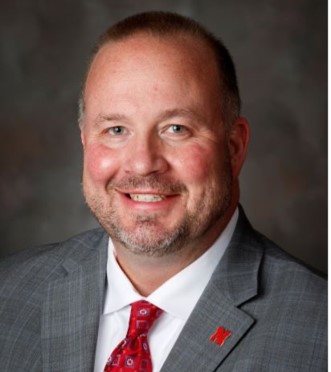
Leadership Award: Kathy Partlow, Senior Proposal Development Coordinator, University of Nebraska-Lincoln


Mentoring Award:

  • Susan Carter, Director of Research Development, Santa Fe Institute
  • Jan Abramson, Principal Consultant, Penultimate Advantage

NORDP Fellow: Rachel Dresbeck, Senior Director, Research Development, Oregon Health and Science University


Volunteer of the Year Award: Katie Shoaf, Associate Director, Grants Resources & Services, Appalachian State

A Message from the NORDP President

As we begin a new NORDP program year, we have a lot to be excited about!

Our membership continues to reach its highest ever numbers (over 1,150 members), and our 14th Annual (virtual) Conference was packed with outstanding content and a record number of attendees (over 800). 

Our committees and volunteers have been working hard to provide new content and services for members, including new affinity groups, a new member orientation guide, early planning for a NORDP journal, new content available in our learning management system, dozens of professional development webinars and events, new partnerships with other professional societies, a monthly newsletter, and much, much more.

The Committee for Inclusive Excellence recently conducted an organizational-wide climate survey. Survey results will inform continued efforts to improve NORDP’s culture of inclusion and support for diversity in all its forms.

And there is much more ahead for this coming year. Here are some of the priorities the board and officers will be supporting:

  • Proposed changes to the bylaws that will make eligibility to serve on the board more inclusive. (Join us for a July 29 town hall to learn more!)
  • Developing and implementing a new strategic plan
  • Focus on building NORDP’s organizational infrastructure and financial stability
  • Increasing NORDP’s capacity for partnerships (including federal funding)
  • More resources to fund our growing operations and services (partially supported by a $30 dues increase)
  • Ongoing work to identify and improve NORDP policies (thank you Policy Task Force!)
  • Piloting a second large annual event (e.g., a virtual conference) to complement our annual in-person conference

We have four outstanding new board members joining this year–Rebecca Latimer (University of Virginia), Jessica Moon (Stanford University), Kimberly Patten (University of Arizona), and Samar Sengupta (UT Southwestern Medical Center). Each has been a dedicated NORDP leader and volunteer, and we are delighted to add their energy and enthusiasm to the board.  We will miss the contributions of outgoing board members Etta Ward and Paul Tuttle and Immediate Past President Kimberly Eck. Thank you for your dedication and service to NORDP and the RD profession

I want to thank Jill Jividen, our Immediate Past President, for her exceptional leadership during a very difficult year. I continue to learn so much from her and look forward to working with her, our new Vice President Nathan Meier, returning Secretary Joanna Downer, and returning Treasurer Eva Allen. I could not wish for a better leadership team!

I also want to express my sincerest gratitude to the many volunteers and committee co-chairs who make NORDP such an energetic and empowering organization. Without your efforts, NORDP could not provide all the services and professional development opportunities that make our organization great. 

Finally, I would like to thank our FirstPoint Management Resources partners Laura Nakoneczny and Arielle Stout, whose day-to-day organizational management efforts keep NORDP running.

As in previous years, NORDP’s leadership team will continue to be accessible to members. Please reach out to me (president@nordp.org) or Nathan (vp@nordp.org) at any time. We will continue to hold periodic town halls and listening sessions throughout the year. Please watch your email and subscribe to NORDP listserv(s) and the NORDP News Blog for relevant NORDP and RD news.

I look forward to working with you this year and hope to see you in Crystal City in May for our in-person annual conference!

INORMS 2023 Abstracts Due Sept. 1

The International Network of Research Management Societies (INORMS) is taking its 2023 Congress to Durban, South Africa, May 30-June 2, 2023. Abstracts from NORDP members and others are invited, and the deadline is Sept. 1, 2022. The 2023 Congress theme is: “Toward a Utopia in Research and Innovation Management.”

Conference sub-themes include:

  • The current state of research and innovation management
  • Emerging trends in research and innovation management
  • Funding responsible research and innovation for global impact
  • Measuring research and innovation impact
  • Professionalization and capacity development in research and innovation management

The Southern African Research and Innovation Management Association (SARIMA) will host the 2023 INORMS Congress. SARIMA is a membership organization for research and innovation professionals and managers. Its purpose is to strengthen research and innovation (R&I) in Southern Africa and ensure that there is social and economic development of the region. SARIMA’s key focus areas include research management, innovation and technology transfer, and Africa engagement. 

Visit www.inorms2023.org  for more information

Call for 2023 ARIS Senior Fellows!

We have some great news! ARIS is enhancing the 2023 ARIS Fellowship Program structure with the addition of Senior Fellows. Fellowship teams will be led by a pair of Senior Fellows who will act as co-chairs. Senior Fellows will also participate in recruiting, reviewing and selecting Fellows who will be invited to work on a collaborative team.

We are requesting nominations for these special leadership roles. Nominees should have a deep knowledge of the current conditions, practices, and policies shaping graduate education or the research enterprise at MSIs. In recognition of their leadership, selected Senior Fellows will receive a stipend. Please visit the 2023 ARIS Fellowship Program webpage for more details. Nominations are due July 22, 2022.

There are two priority areas for 2023 Fellowships: preparing the next generation of researchers for impact and spotlight on minority-serving institutions. This priority area is funded and designed in partnership with the National Organization of Research Development Professionals (NORDP).

The Center for Advancing Research Impact in Society (ARIS) Fellows program is for professionals, researchers, faculty, educators, graduate students and others working to advance research impact. The goal of the program is to provide professional development through collaborative creation of key resources that support the research community in achieving impacts.

Applications to become a 2023 Fellow will open in Summer 2022.

Q&A with Research Information Management System Providers

The first of three free events in the 2022 Expert Finder Systems Forum Webinar Series is open for registration.

On Thurs., Jul. 21, from 11:00 a.m. to 12:30 p.m., the webinar will present an overview of the complex research information management (RIM) ecosystem, including high-level definitions and use cases. RIM systems are a growing area of investment for research institutions, and this webinar will engage a panel of RIM system providers to describe their offerings, goals, and product strengths.

For more information, visit https://expertfindersystems.org.

Shared by the NORDP Strategic Alliances Committee.

Career and Professional Development Peer Mentoring Group (CPD PMG):  Reflecting on this Year and Looking Forward

Phew! It is June already.  Where has the time gone?

In the NORDP Career and Professional Development Peer Mentoring Group (CPD PMG), we began the year by coming together, introducing ourselves, and determining what we’d like to do by collecting jam board entries and prioritizing them using a survey. After discussing the survey, we decided to begin by sharing about ourselves — how we got into Research Development (RD), how our careers have progressed, and the structure of our offices.  We moved on to reviewing fireside chats for lessons that we could apply to our careers and professional development, learning from presenters: Kelly Rose, Daniel Arriaga, David Widmer, Peg Atkisson, Rebekah Hersch, Samar Sengupta, Mark Milutinovich, Karen Fletcher, and Susan Carter.

What did we learn from our NORDP colleagues sharing their journeys?

Networking and connecting with others: Networking is important!

  • Get to know people, even if you are an introvert, e.g., set a goal to meet and learn about a targeted number of people at a conference.
  • Reach out to colleagues at your organization and get involved with NORDP. Getting involved with NORDP can simultaneously help you get to know others and what they are doing to further the goals of their organizations, while providing thoughts for how what you learn can be applied at your own organization.
  • Getting to know your faculty and building trust with them will benefit your work.

Professional Development: Believe in yourself — “own your own value”! 

  • Make professional development a priority. Identify a niche area that can pay off for your own growth. You may find that what you learn and how you grow not only allows for your own advancement, but for that of the RD profession as well.
  • Upskilling to learn additional skills is important.  
  • Doing a skills assessment can help identify your strengths and areas where you could grow. See NORDP Mentoring’s self-assessment tool.
  • Mentoring, both providing and receiving, is an important piece of career and professional development. Get mentoring from a number of people (see NORDP Mentoring’s MESHH Network tool for assistance in identifying a mentoring network).
  • Look at new opportunities as learning experiences.

Career Development: Remain open to change!

  • Sometimes serendipity helps us land in a new position; other times a career move is purposeful and may arise out of doing a skills assessment. Putting in the [sometimes hard] work, persevering, and engaging with others at your organization and within NORDP can lay the foundation for future opportunities.  
  • Be willing to get out of your comfort zone and ask for informational interviews.
  • If a position meets your interests/desires, be willing to try for it.

Our professional development discussion led to sharing thoughts on potential connections to other relevant professional organizations. Examples included the International Network for the Science of Team Science (many NORDP members subscribe to the INSciTS listserv) and Intereach — a community of practice whose stated purpose is “to articulate and promote the need for a dedicated career path around interdisciplinary research expertise, and to improve practitioners’ tools, best practices, success metrics, and career trajectories.”

If Intereach sounds interesting, note that Christine Hendren, Intereach co-Chair, presented to the Collaboration and Team Science PMG on May 17, 2022. Dr. Hendren founded Intereach in 2015 “to connect research professionals with expertise in synthesizing and communicating integrated science across disciplinary and organizational boundaries to effectively address wicked problems.” The CPD PMG hopes to learn how RD professionals can contribute to solving issues as one of the many diverse perspectives needed to tackle challenges, potential professional development opportunities within Intereach, and related careers that utilize RD skills. A transcript of this conversation can be found here.

Where will the 2022 NORDP Conference and the rest of the year take us?

The time we’ve spent together talking about goals and strategies on professional development prepared us well for the annual NORDP Conference, which provides a meaningful occasion to gather new ideas to implement on the job, to connect and reconnect with colleagues, to further develop professional networks, and to find new ways to become actively involved with NORDP. 

For the remainder of the year, we plan to focus on discussions that will help position us for the next career move with topics such as articulating RD professional impact, obtaining management experience without formal direct reports, or engaging in RD research and publications. We will push ourselves out of our comfort zones and help increase marketability for the next career opportunity!

Compiled by Christine Erlien (Duke University School of Medicine Office of Research), Deborah Lundin (East Carolina University Office of Research Administration), and Danielle Matsushima (Columbia University Vagelos College of Physicians and Surgeons).

Transitioning from Mentee to Mentor

A mentoring reflection from Melissa Li, a Research Manager at the University of Michigan.

Melissa Li

As the 2021 – 2022 NORDP Mentoring Program is coming to the end, I have officially been a mentor for one year at NORDP. Looking back at my journey of becoming a mentor, I’d like to share a few reflections with the NORDP community.

Why be a mentor?

Being a mentor requires time, energy and commitment. What motivates mentors to be willing to make investments in others? Generally speaking, mentors are at a career stage where they have been in a mentoring relationship as mentees formally or informally. They have benefited in their career growth from others’ time and investment. One of mentoring’s positive impacts is to inspire former mentees to help others who may be in similar situations or face similar challenges by  paying it forward. Also, being an effective mentor requires a skill set that is gained through training, practice and constant refinement. Mentors, particularly new mentors, have unique opportunities to hone their skills that may not be developed in a regular work environment. Another benefit of being a mentor is that mentors get to know more people and expand their own networks. Last but not least, learning is not one-way. Everyone has strengths and unique experiences. Mentors can learn new perspectives, new knowledge and new tools from their mentees. 

When to be a mentor?

For those who are considering becoming a mentor, one of the biggest questions probably is “Am I ready?” This was the question that I asked myself before I decided to become a mentor. There are a few factors that can be taken into account. The first is experience. Mentors often share insights based on empirical evidence which requires first-hand experience. So mentors usually have been in their fields for some years. However, the experience is not exclusively about professional experience; experience gained in one’s personal life is often transformable in professional contexts. A mentor’s experience is viewed as a holistic whole. Second, a mentor comes with a genuine willingness to engage in the mentoring relationship. To me, becoming a mentor was a calling. The idea of being able to help others gives me joy. There are at least two-fold meanings of willingness. One is about being willing to share knowledge and experience; and the other is about being willing to discuss one’s own lessons learned, including success as well as regrets and mistakes. Then, I asked myself, “Am I qualified to be a mentor?” This is about the next factor – confidence, which is the certainty one feels about the mentor role. A great way to seek validation is to ask those who you trust. For example, I asked two of my mentors, both of whom are senior leaders in my institution. Both fully supported my decision of becoming a NORDP mentor. Hearing them say “Melissa, you’re ready” gave me reassurance and confidence. Another important factor is commitment. As I mentioned earlier, mentoring requires time and energy. One should evaluate their bandwidth and make sure promised time is honored consistently. If you just changed your job recently or you are starting a major renovation project in your newly purchased house, it’s probably a good idea to delay starting the mentor role.

How to be a supportive mentor?

In my experience, the most fundamental and universal skill is active listening. Active listening enables us to gather information and recognize others’ perspectives and feelings. Remember, listening is to understand, not necessarily to respond. Via effective listening, mentors understand mentees’ questions, needs, challenges and so on. Demonstrating compassion without being judgmental helps develop trust in the mentoring relationship, so that mentees feel comfortable sharing “difficult things”. By effective listening, mentors also can understand what mentees want, including career goals and expectations during the committed mentoring period. Mentees usually are the drivers of the mentoring relationship. The job of the mentor is to align mentoring efforts to help mentees achieve their goals. 

Another way to develop trust and create a safe space is to show vulnerability, which takes courage. This also circles back to the willingness that I mentioned earlier. Being willing to share not only successes but also “detours” along our career journeys will make mentees’ experiences richer so that they become conscious to avoid similar mistakes and they fully trust mentors by telling their struggles. In some cases, mentors don’t know some subject matters, simply acknowledging not knowing the answers is completely fine and normal. Using myself as an example, I asked one of my mentors “What do I do if I can’t answer my mentee’s questions?” My mentor said “You can just say ‘I don’t know.’” I have said “I don’t know” from time to time while trying to find answers by connecting them with others who are subject matter experts.

In addition, it takes a bit of project management skills for logistics. If I promise to follow up with my mentees on resources/information, I either do it right after the meeting or write a reminder on my calendar so that I don’t forget. Also, I take notes during meetings and review the notes 5 – 10 minutes before each meeting to be prepared.

Becoming  a mentor provides a rich and rewarding learning experience!  There are numerous mentor training opportunities and I have benefited through two programs. First, I participated in NORDP’s mentor training program organized by the Mentoring Committee. During the training, I learned that the facilitators were all trained by CIMER, the Center for the Improvement of Mentored Experiences in Research. I was inspired by my CIMER-trained peers and have since become a trained CIMER facilitator too. The training prepared me well as a mentor. I know this is just the beginning of my mentor journey. I look forward to many years ahead being a mentor.