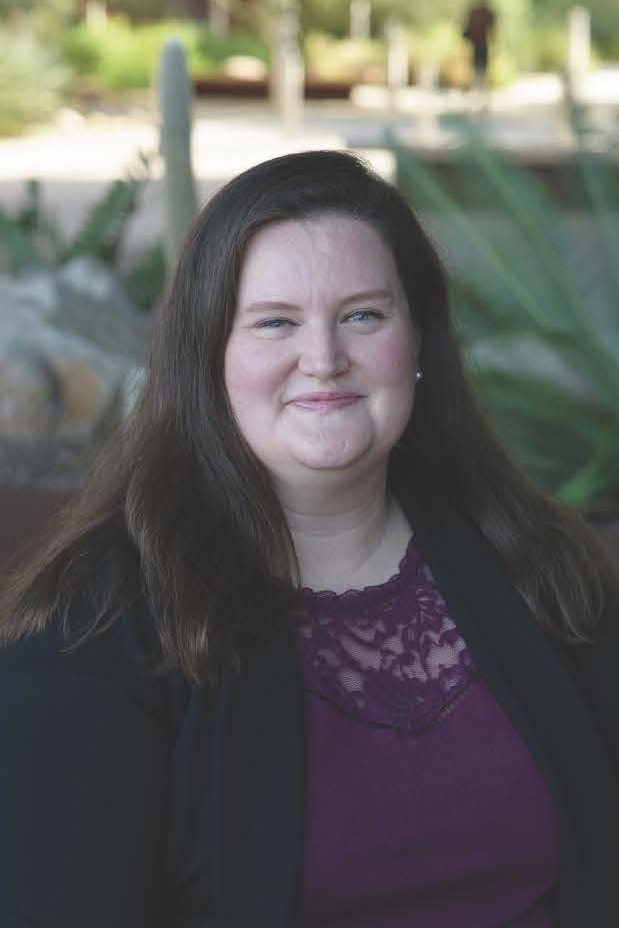
Interview with Emily Kotay, Liaison to INORMS and Leader of the International Working Group within NORDP’s Strategic Alliances Committee (SAC), by Jessica Venable
What is the mission of INORMS?
INORMS stands for the International Network of Research Management Societies. Their mission is to connect “research management societies and associations from across the globe….to enable interactions, share good practice, and coordinate activities between the member societies, to the benefit of their individual membership.” INORMS is comprised of organizations around the world that are similar to NORDP, including the National Council of University Research Administrators (NCURA), Malaysia Association of Research Managers and Administrators (MyRMA), the Brazilian Research Administrations and Management Association (BRAMA), the Canadian Association of Research Administrators (CARA), and many others. One of the benefits of membership in INORMS is the opportunity to engage with people all around the world who are working in research administration and research development.
How did you become involved with INORMS?
I am the Assistant Director of International Research within the Research Development Services office at the University of Arizona. In my role, my focus is to ensure more engagement in international research and to serve as a connector for faculty and the appropriate offices/staff on campus to support their international research collaborations, provide proposal development support for international collaborations that involve basic/fundamental research and promote funding opportunities that support international research (NSF, NIH, Horizon Europe, other countries’ science agencies’ opportunities). I have the broad aim of building and sustaining international research collaborations. My supervisor, Kim Patten, is also a member of the Strategic Alliances Committee in NORDP. Kim encouraged me to explore INORMS to continue forming alliances and develop as a professional in this relatively rare field of solely focusing on international research within RD.
Tell me about your recent presentation at the INORMS 2023 Congress.
The biennial INORMS Congress was held in Durban, South Africa, from May 30-June 2, 2023, and was hosted by the South African Research Innovation and Management Association (SARIMA). Each INORMS Congress is hosted by a member society in their home country. This year, the theme was “Towards a Utopia in Research and Innovation Management,” and presentations focused on research administration’s future. This future includes an emerging relationship between research administration, management, and RD, a topic of great interest in the United States and globally. I presented on a panel entitled “Enhancing individual career development and institutional capacity in research development” with SAC members Karen Eck and Jessica Venable. Our presentation outlined the professional development opportunities we offer in NORDP (mentoring program, PEERD, N-ROAD). Our presentation was well-received, and I’m looking forward to the 2025 Congress, which will be hosted by the European Association of Research Managers and Administrators (EARMA) in Madrid, Spain.
In addition to serving as a liaison to INORMS, you also lead the International Working Group for SAC. How does IWG engage the membership of NORDP?
Many RD professionals are working on international research funding opportunities but aren’t solely focusing their efforts there and would like to consult with others on best practices. Within NORDP, the International Working Group, a part of the Strategic Alliances Committee, meets monthly to discuss international research issues. We’re a small group, but we have great discussions. Recently, we have been discussing the NIH’s new policy regarding reporting requirements for international collaborators recently. Members who are interested in joining the IWG should feel free to contact me.
Why is NORDP’s relationship with INORMS important to our membership and to NORDP as a professional organization?
The global research enterprise is rapidly expanding. We can see this in new initiatives that respond to global challenges, such as the National Science Foundation Global Centres funding opportunity in which the NSF collaborated with the United Kingdom Research and Innovation (UKRI), the Canadian Association of Research Administrators (CARA), and the Commonwealth Scientific and Industrial Research Organisation (CSIRO), in Australia to fund cross-national projects aimed at addressing use-inspired solutions to climate change and clean energy. In addition, the NSF recently published a Dear Colleague Letter from their Office of International Science and Engineering announcing multilateral partnerships for Ukraine’s resilient education and science systems to support integrating Ukrainian researchers into the global research community. Through the connections in INORMS, I can build relationships with my counterparts in other countries to facilitate building teams of researchers to answer these critical calls. While faculty often bring their international partnerships and relationships to us, RD professionals also play an important role in building teams and serving as liaisons to researchers and institutions abroad. Moreover, sharing what we do as RD professionals with INORMS members, and hearing about their best practices, helps develop working relationships; practices vary across countries, and understanding those differences facilitates collaboration.
Just as significantly, as a US-based organization with some international membership, NORDP’s participation with INORMS is important to broadening our awareness of international issues and initiatives in the research management space. INORMS has spearheaded 3 phases of the RAAAP (Research Administration as a Profession) survey and many NORDP members participated. RAAAP seeks to identify the key skills, attitudes and behaviors of successful research management and administration (RMA) leaders and develop a longitudinal dataset about our profession. INORMS has further launched the More than Our Rank initiative, which has been “developed in response to some of the problematic features and effects of the global university rankings. It provides an opportunity for academic institutions to highlight the many and various ways they serve the world that are not reflected in their ranking position. This initiative is meant for every academic institution, whether ranked or unranked, top 10 or yet to place.” NORDP’s exposure to new ways of conceptualizing research impact provide a novel way of assessing not only overall institutional results but also how RD offices and professionals contribute to these outcomes. This has potential to influence how we make the case for, and evaluate, RD activities and their impact.
 NORDP News