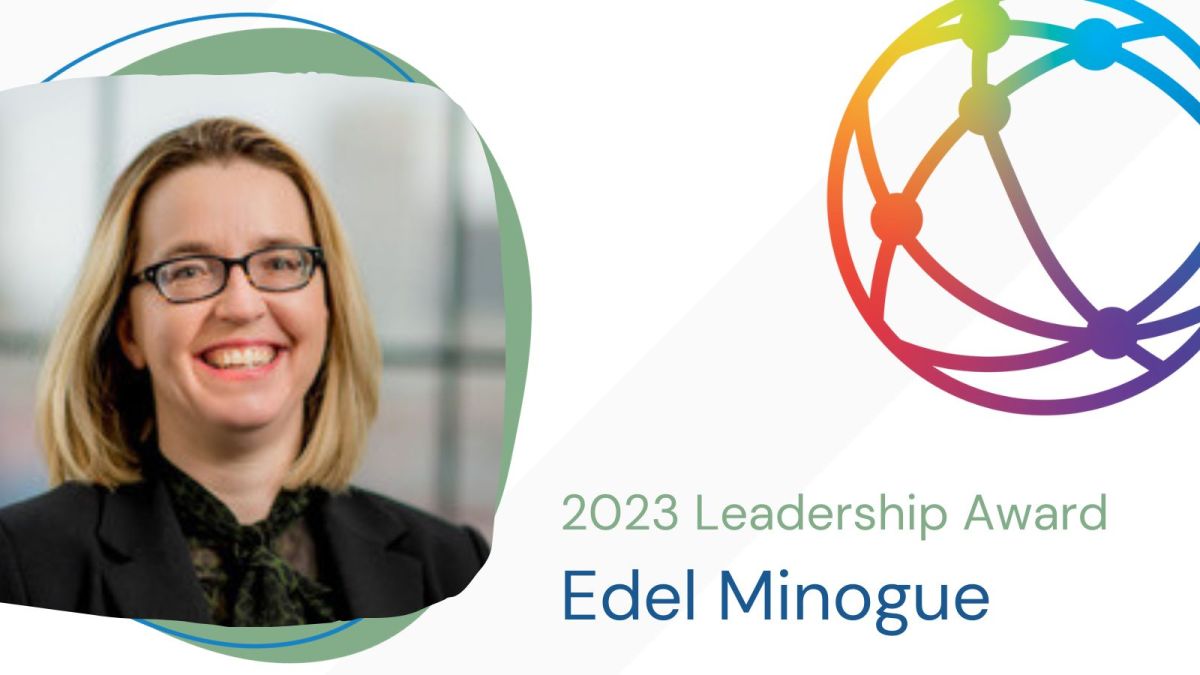
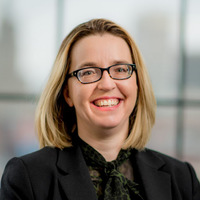
NORDP 2023 Leadership Award: Edel Minogue

by Kirsten Abel

Who: Edel Minogue, Senior Director of Research Strategy and Development

Where: Brown University 

Number of years in research development: 8

Length of NORDP membership: 8

What does leadership mean to you? 

Leadership is a dynamic skill; you have to adapt and evolve based on the needs of your team and the environment at the time. I don’t see leadership as a single skill you have in your toolbox but a collection of skills that you mold and shape based on the circumstances. 

How did you learn or develop your style of leadership? 

It is not ‘developed’ but developing. Those around me have influenced me, and continue to influence me. I have always had very strong female leads- from my Ph.D. advisor, postdoc advisor, my current supervisor, Dr. Jill Pipher, Vice President for Research, and the person who hired me here at Brown, Dr. Amy Carroll. She could see that even though I had no prior experience in research development per se, I had those translatable skills to be successful both in the field and as a leader. With all these role models, I could choose from a buffet of leadership styles to find what would work for me personally. 

How does your membership in NORDP develop your leadership style? 

I have always tried to have my own personal advisory board, and some of these folks were on there in the early years. It is important to have sounding boards outside of your immediate environment, but at the same time, those who understand your work area and your needs and challenges. NORDP has been instrumental in creating that network. It’s been invaluable to know that I had those people in my corner and that I could call them if I needed their expertise. I really like to inspire and motivate others to grow in their professional career, and I have learned from my mentors.

What relationships have you built as a result of NORDP, and how have these relationships influenced your work? 

Anne Windham (now the Associate Dean of Faculty at Brown) introduced me to NORDP and introduced me to many of those who started and created this organization and really pioneered the idea that this was a unique career field that has previously been overlooked. They pushed me to be more active in NORDP and I was. I just rotated off the NORDP NE Advisory Committee, I am the NORDP liaison to the European Commission and serve on various committees, which has really enhanced my knowledge and scope. The network of folks I see on a regular basis now spans the globe, and that is because of NORDP. 

What do you wish you would have known when you began your leadership journey within NORDP? 

Between working at Los Alamos National Lab and leading a  startup with a critical need to be protective over intellectual property and patents, I came from a world that was very secretive and confidential. Then I came over to NORDP! A place where everybody shared everything, and I remember saying, “Don’t they realize they are giving away all their secrets?”. But I realized we all have a common goal – to enable  the best research in the nation, irrespective of where it comes from. This open exchange of ideas and information was definitely something it took me time to learn and become comfortable with. It took me a while to put my thumb on it. 

What have you found most rewarding, and most challenging, about leading within NORDP? In your CAREER? 

The Northeast is a tremendous region, really engaged and active in NORDP. We have done a lot of listening, especially during COVID, to identify and respond to people’s needs, and I do that within my own team. NORDP is a ‘community of leaders’ – for everyone. Even if you don’t have that title today, you probably will one day, and it is cultivating those skills and relationships and elevating others that is especially rewarding. 

What advice do you have for others within NORDP who are looking to develop as leaders? 

Push yourself out of your comfort zone, join committees, and become involved. Even if you don’t have much expertise in a certain area, but you have an interest, there will be others who will support you along the way; that’s what is so great about NORDP. Use the NORDP community to create your own personal advisory boards and make those connections.
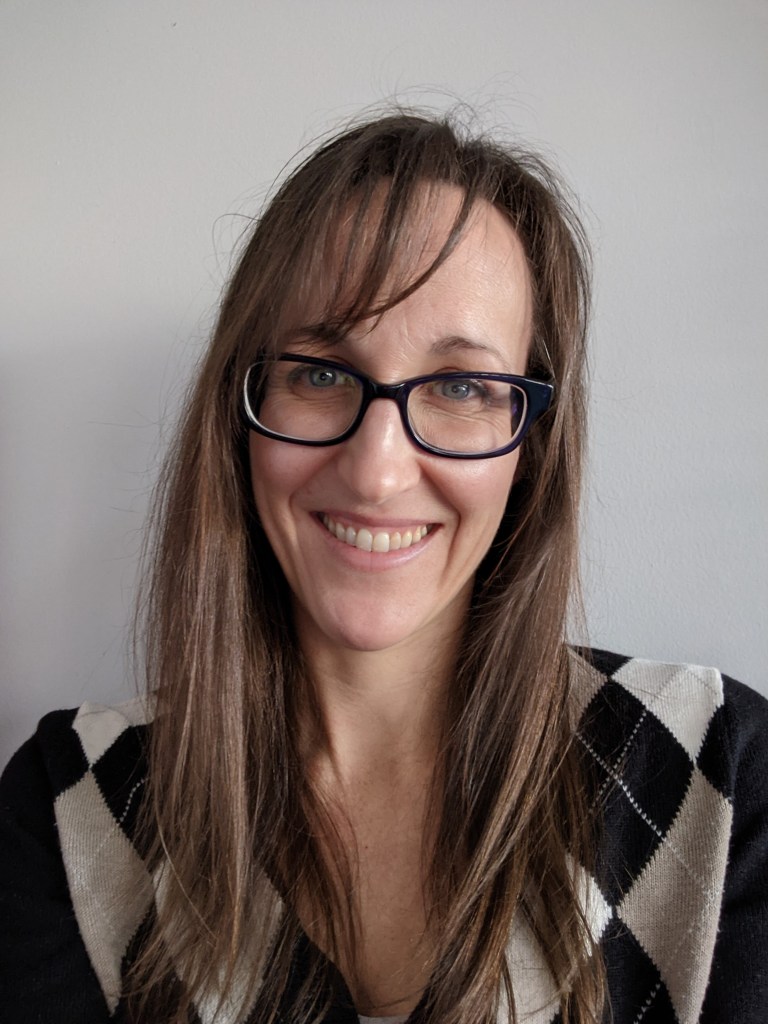
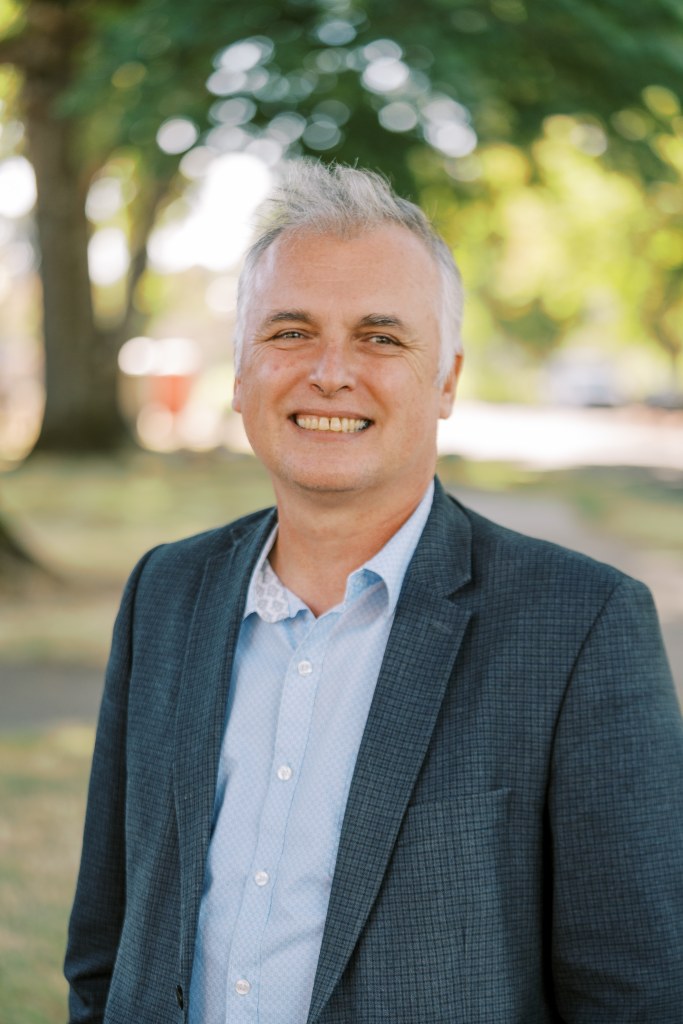
Mentoring Reflections: Eric Dickey and Crystal Love

by the NORDP Mentoring Committee

The traditional mentoring dyad (1:1 mentor-mentee) program has been a NORDP member feature since 2012. The Cohort Mentoring Group, piloted in July 2022, consists of matching three mentees with similar interests with one shared mentor. Both the dyad and cohorts are matched based on the WisdomShare matching algorithm. This is a blended reflection of both match types. 

Crystal Love, Ph.D. is a Science Grant Writer and Editor for the Biological Sciences Division at the University of Chicago. She has participated in the NORDP mentoring cohort for two years in a row.

Eric Wayne Dickey, MFA is the Director of Sponsored Programs for the Division of Extension & Engagement at Oregon State University. He’s been active on the Mentoring Committee since 2017. Eric has engaged in mentoring 1-on-1 for 16 years and has formally participated in the NORDP mentoring dyads for 6 years.

Q1: What influenced you to apply to be a mentor or a mentee for the NORDP Mentoring Program? 

Eric: Mentoring is very rewarding. Each time I am paired with a new mentee, and I learn about their work and their challenges and opportunities, I am reminded of my own efforts and how much work I still need to do on myself. Even though the focus in mentoring is on the mentee, I have found it to be a mutually beneficial endeavor. I am always grateful and inspired by the mentee’s bravery in stepping forward to show that they are willing to take a chance and invest in themselves and their own well-being.

Why did you choose the cohort mentoring model?

Crystal: I chose the cohort mentoring model to expand my community of support as I get further into my career in RD. At 2.5 years in, I am still new to this field and have a lot to learn, but I’ve also experienced a wide range of proposals, funding agencies, and faculty personalities in this time. I view the mentoring cohort as a great opportunity to continue my own growth as well as offer NORDP colleagues lessons, tips, and resources I have found useful so far. The cohort model is also a great way to hear diverse perspectives on various topics and learn about how other RD offices function. Lastly, I view the cohort mentoring model as a great stepping stone to becoming a mentor myself someday.

Q2: Can you compare your experience in the dyad vs. cohort mentoring models?

Crystal: This is my third year participating in the NORDP mentoring program. My first year I participated in a 1:1 mentoring program, my second year I participated in the new cohort mentoring program, and this year I am participating in the cohort program again. My experience with 1:1 mentoring was phenomenal; I had just entered the RD field and was matched with a mentor who also had a science background and provided significant insight as to how my career could progress. I had a lot to learn this first year, and since everything was new and a bit overwhelming, it was very useful having this 1:1 time with a mentor who could help me learn the basics, dig into the details of my current projects, and help me navigate new situations. My mentor provided advice and resources with the proposals I was working on, tips on working with other staff in grants administration and RD, and guidance on how to build a network in NORDP and build expertise toward my career goals. This experience had a significant impact on my confidence and trajectory, and I am very grateful to have had this individual support as I transitioned to a career in RD. 

I have since decided to participate in mentoring cohorts because I learn so much from other’s experiences and work strategies. In my experience, the 1:1 model was a bit more structured, as far as identifying goals and introspection as I developed new skills, although our discussions were also organic based on what I was experiencing at that time (proposals, takeaways from workshops or virtual conferences, etc). My first cohort was less individualized as far as goals and reflection on personal development, but the wide range of discussions were organic and rich with multiple perspectives that helped my professional growth immensely. My second (current) cohort started by identifying goals for individual growth, and now our organic conversations continue to provide invaluable guidance and resources that I incorporate into my work. 

Q3: What was your favorite part about the cohort mentoring model? 

Crystal: Meeting amazing individuals and just having the opportunity to connect with others in the RD field are my favorite aspects of participating in the NORDP mentoring program. The cohort offers an opportunity to learn about a wide range of grants and funding agencies I may or may not be familiar with, as well as useful strategies NORDP colleagues use to manage various tasks, and provides a regular community of support to ask questions or bounce ideas around with. I have particularly found the cohort model helpful in developing those ‘soft skills’ in RD that are shared through discussions of diverse experiences. I like that the cohort model provides a space to discuss any aspect of RD that participants are interested in and allows flexibility in the mentor/mentee relationship where everyone benefits. The 1:1 mentoring relationship can sometimes put pressure on the mentee to provide questions/topics for the conversation to fill the hour and the mentor to have all the answers, while the cohort model is a space where many can bring up topics and the mentor isn’t alone in offering advice. 

Q4: How has participation in the Mentoring Program helped broaden your horizons about Research Development in general and/or affected your daily work in particular? 

Eric: The sharing of professional experiences that occurs in mentoring has shown me what is possible in RD, and what RD itself can make possible. Learning how people persevere in their work through challenges and opportunities has helped me become more empathetic. I now give wider margins to the faculty and clients I serve. I now understand that almost everybody has other things going on beneath the surface, other tasks and priorities, and other obligations.

Q5: What surprised you about being a mentor or a mentee?  

Eric: Throughout my career, people have often turned to me for guidance and advice. In the past, I closed myself off to that, because I was uncomfortable in my own skin. I have since learned that I am not alone. Most everybody has other things going on, and most everybody has self-doubt. Mentoring has shown me that a lot of people need support and affirmation. Mentoring has helped me feel less alone out here in this crazy world of work.

Q6: Any words of wisdom or encouragement for those wanting to apply next year? Any other thoughts you would like to share?  

Eric: Taking part in the mentoring program, whether as mentee or mentor, is a profound investment in the self. You are worth it. Take the chance and apply. You and your colleagues will be glad you did.

Crystal: While the 1:1 mentoring model may fit a smaller but very important segment of new RD professionals, the cohort model is perfect for all professional levels. These small cohorts that bring together NORDP colleagues from all over the country with a wide range of experiences in a regular, comfortable, structured, and (time-limited) setting is brilliantly effective. I would encourage NORDP members at all levels to participate and share in this experience, regardless of the mentor/mentee status. RD professionals do not share the same background, experiences, or institutional support, and the beautiful strength of NORDP is that we are a community that shares, discusses, and informs with generosity and humility. RD professionals, whether part of an institutional machine or an office of one, can learn so much from each other – I’ve seen it!


Applications for the 2024-25 mentoring match cycle will open in the spring — keep an eye out for NORDP emails. Additional mentoring opportunities are available through the Peer Mentoring Groups that are open for participation throughout the year via the WisdomShare platform [LINK: https://nordpmentoring.mywisdomshare.com/]. Contact the NORDP Mentoring Committee if you have any questions [link: mentoringprogram@nordp.org].

An investment in mentoring is an investment in you!

NORDP Liaison Report: Network of Academic Corporate Relations Officers (NACRO) – An Interview with Don Takehara

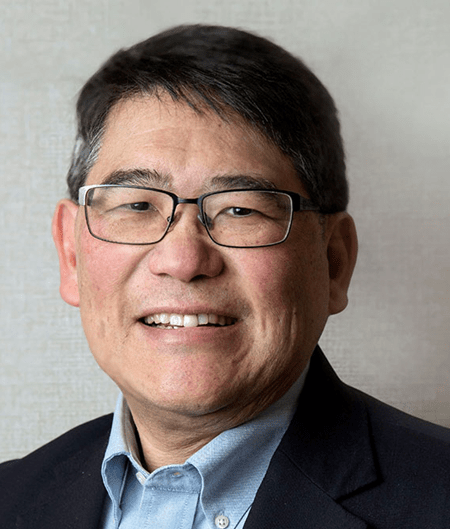
Don Takehara, NACRO Liaison

What is the mission of NACRO?

NACRO is the Network of Academic Corporate Relations Officers.  NACRO “provides professional development opportunities that enable corporate and academic professionals to develop and advance comprehensive, mutually beneficial relationships between industry and academia.”  While membership in NACRO has historically been limited to corporate relations officers in the academy, the organization is now open to professionals in industry. 

How did you become involved in NACRO?

I have been in NACRO for over 10 years.  Having a background as a chemical engineer, I worked for Dow Chemical for 17 years. A large part of my job was bringing in sponsored research with academia so that Dow would have much needed expertise and capability. Therefore, I was initially on the other side of the table.  Once I began working in research development, working in/with corporate relations was a natural fit for me.

What is your role within your organization?

I am Director for Research in the Grainger College of Engineering at the University of Illinois Urbana-Champaign.  My office falls under the Office of the Associate Dean for Research.  In addition to supporting the launching of large, multi-investigator, multi-organization efforts, I have a significant faculty development mission.   I have developed a number of programs for early career investigators including a program for new faculty to help them in starting their research at University of Illinois and a workshop series dedicated to assisting faculty with their NSF CAREER proposals. I have also developed/facilitated workshops on interacting with program officers and workshops on leading graduate students as well as faculty peers.  As part of seeding large, multi-investigator centers and institutes, I oversee the Strategic Research Initiative at Grainger Engineering, which offers funding to help build teams and obtain preliminary data for large, multi-million-dollar proposals.  I am also a certified coach – coaching faculty and staff in career and leadership development. I recently initiated “5 for 5” group coaching where five professors meet with me for five weeks.

How can NORDP’s alliance with NACRO help us at the member level? 

We have an alliance between NORDP and NACRO, and one of the things we’ve been thinking about is how this alliance can increase member-to-member interaction across these organizations. Right now, we are exploring collaborations between NORDP, NACRO, and federal agencies. Our current project is emerging in conversation with the NSF TIP (Technology, Innovation, and Partnership) program.   NORDP and NACRO are exploring the possibility of partnering to conduct a landscape analysis of needs and capabilities (such as workforce development and commercialization opportunities) in different regional innovation ecosystems.  We hope to facilitate collaborations between universities and corporations that are mutually beneficial.  This project is well-suited to support the NSF ENGINES program, which focuses on catalyzing regional innovation ecosystems – especially those that may be in early development and have had limited interaction with federal agencies. 

You recently presented on this project at the NACRO 2023 meeting.  How was your talk received?

This year’s NACRO 2023 meeting was held in Portland, Oregon. I presented on a panel with fellow NORDP and NACRO member Rachel Dresbeck, Senior Director of Research Development at Oregon Health and Science University, and NACRO member, Kim Jacobs, Assistant Dean of Development in the College of Engineering at Florida A&M and Florida State.  A quick poll of the audience of about 50 showed that almost all were potentially interested in this project. Our vision for the landscape analyses are quite broad and may include technical/research capabilities, entrepreneurship, tech transfer, DEIB, local government needs, nonprofits/NGOs, community engagement, incubator services, etc.

How might NORDP members be involved in this project?

This project will necessarily draw upon many untapped partnerships and will have teams performing landscape analyses in different areas of the country that are co-led by NORDP and NACRO members. NORDP and NACRO members can also just be members of the teams. The highly successful NORDP Consultant program has been an inspiration and a model as we plan for this grassroots effort.   We are also drawing upon Strategic Doing to develop our framework. As you may know from workshops at previous NORDP conferences, Strategic Doing facilitates collaborations to address complex challenges. NORDP members Rachel Dresbeck, and Jeff Agnoli, Director of Education, Funding, and Research Development in the Office of Research at Ohio State (who is also a Strategic Doing Fellow)  are involved in this effort. The NORDP membership will be instrumental in requesting support for their regions and partnering with us in these efforts.  NSF TIP may also wish to prioritize certain areas.  While we are still in the planning phase of this effort, it is clear that the kernels of activity and energy from this effort will also result in new collaborations and team building.

Based on your experiences as an engineer in industry, an RD professional, and a NACRO member, how can research development offices and offices of corporate relations work together more effectively?

I want to emphasize the importance of networking between RD offices and offices of corporate relations. While each office has its own mission, there is a benefit for corporate relations being included as a part of the team in proposals to federal funders, and vice versa.  Since corporate partnerships and funding are an essential part of the academic research ecosystem, corporate relations, and research development should be working closely together on a regular basis. This will result in new opportunities as well as more compelling proposals for funders. Instead of waiting until a particular proposal needs corporations, these teams can engage at a much earlier stage to determine how they can work together for future proposals – before the solicitation comes out. Programs that the institution has submitted to in the past may be a good place to start.