
Written by: Roshni Singh, Career Stories team
Passion, Advocacy, and Love for Academia
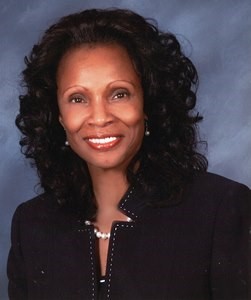
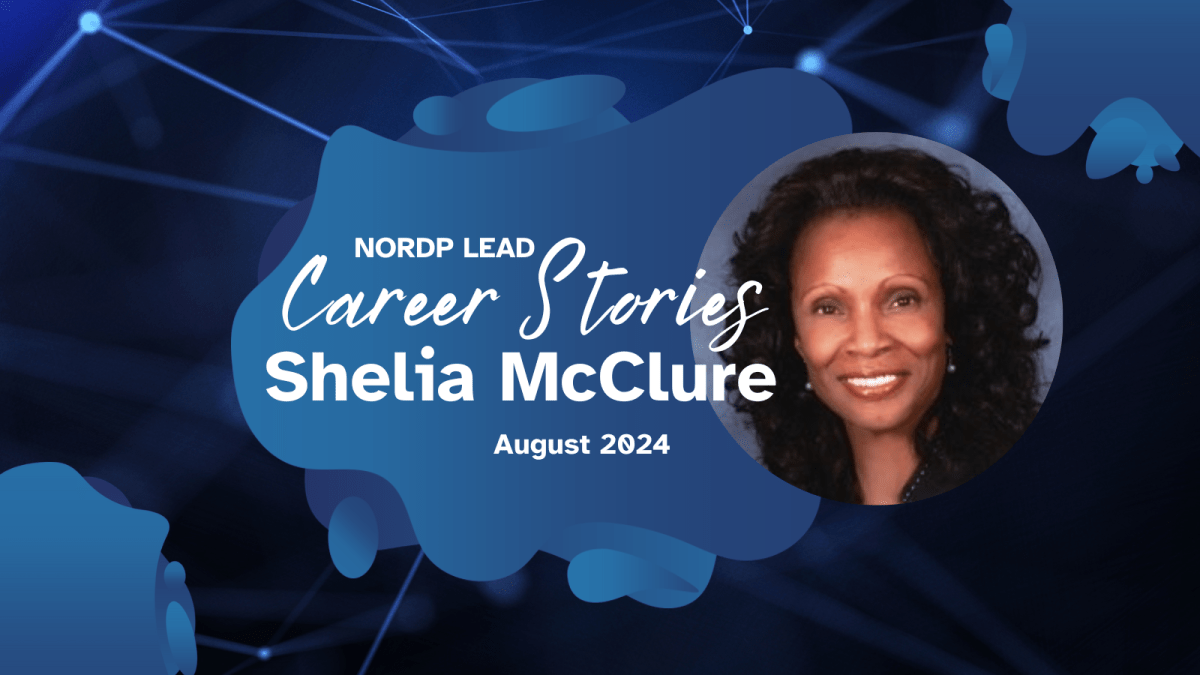
This month’s career story featured Dr. Shelia McClure, the Senior Associate Dean for Research Development at Morehouse School of Medicine (MSM), who is also the founding director of the MSM Office of Research Development (ORD). ORD provides technical assistance to faculty, post-docs, students and staff in planning, developing, implementing, and evaluating activities that facilitate scientific and educational research. Dr. McClure received her doctorate in cellular and developmental zoology from the University of California, Berkeley, completed post-doctoral training at the University of California and was a scientist in the Cancer and Viral Diseases Unit of the Upjohn Company in Kalamazoo, MI.
Dr. McClure began her professional career at Spelman College in Atlanta, GA where she rose to the rank of Associate Professor and was recognized for mentoring students and developing infrastructure and capacity for biomedical research that focused on faculty development, infrastructure improvements, and grant and contract development. She left Spelman for what she initially thought would be a brief stint at the National Institutes of Health (NIH). That “brief stint” ended up being almost 16 years, serving as a Program Director, Scientific Office, and Special Assistant to the Director of Research Infrastructure in the National Center for Research Resources, and as Chief of the Office of Research Training and Capacity Building in the Division of Scientific Programs at the National Institute on Minority Health and Health Disparities. However, her love for teaching, mentoring, and engaging learners as well as her passion for enhancing research capacity and helping diversify the biomedical research workforce brought her back to academia, where she could be fully engaged in research development.
Dr.McClure’s research development journey began with starting up a new lab as an Assistant Professor in a small institution that focused primarily on teaching. Once she garnered extramural funding from NSF, NIH, and a few foundations to establish her own research, she was equally engaged in developing research capacity, not only for herself, but for students, post-docs, and other faculty. She believes RD is in her blood and with a passion for RD, “she has never worked a day in life” but follows and enjoys her passion. She considers herself “very fortunate to have been a part of research development on a local level in the academy and at a national level while at NIH.” That same passion keeps Dr. McClure in RD as she enjoys seeing investigators obtaining their first grant and becoming successful in their research and professional careers. Since many of these investigators are from groups underrepresented in biomedical research, she has the added enjoyment of playing a role in helping diversify the scientific workforce. Her work has also resulted in advocacy efforts to increase funding for smaller institutions, HBCUs, and other MSIs that need resources to enhance research and training capacity.
She strongly believes that mentoring is an essential ingredient for success, and credits her parents, an NIH professional mentor, and her undergraduate research mentor for supporting her throughout her life and career. Specifically, she thanks her parents “for instilling in a young African American woman growing up in the South that she could be anyone she wanted to be, and the equalizer would be education.” Hence, she firmly believes that it is everyone’s responsibility to “pay it forward”, and as RD professionals, we should play a more active role in mentoring the next generation of researchers and RD professionals. We should also have a stronger voice in advocating for RD opportunities that will help to diversify the institutions and individuals contributing to the research enterprise.
Even with an extensive career in RD, she still learns from every investigator she works with and uses the information she learns to improve RD programming and operations. “Emotional intelligence is the key” when working with a broad cross-section of stakeholders, which is usually the case in the RD space. Mutual respect, and building and maintaining relationships have shaped her impact and legacy in RD.
Dr. McClure would love to answer any questions you have for her, so please feel free to email her at smcclure@msm.edu
The link to the interview to Dr. McClure’s Career Stories by the NORDP LEAD Career Stories team will be posted when available.

 NORDP News