By Melanie Bauer, Grant Writing Manager, Nova Southeastern University
The Coaching & RD Peer Mentoring Group (PMG) is currently led by two co-conveners: Don Takehara, Director for Research, Grainger College of Engineering – Office of the Associate Dean for Research at the University of Illinois at Urbana-Champaign; and Jet LeBlanc, Consultant and Coach at the AtKinsson Training Group.
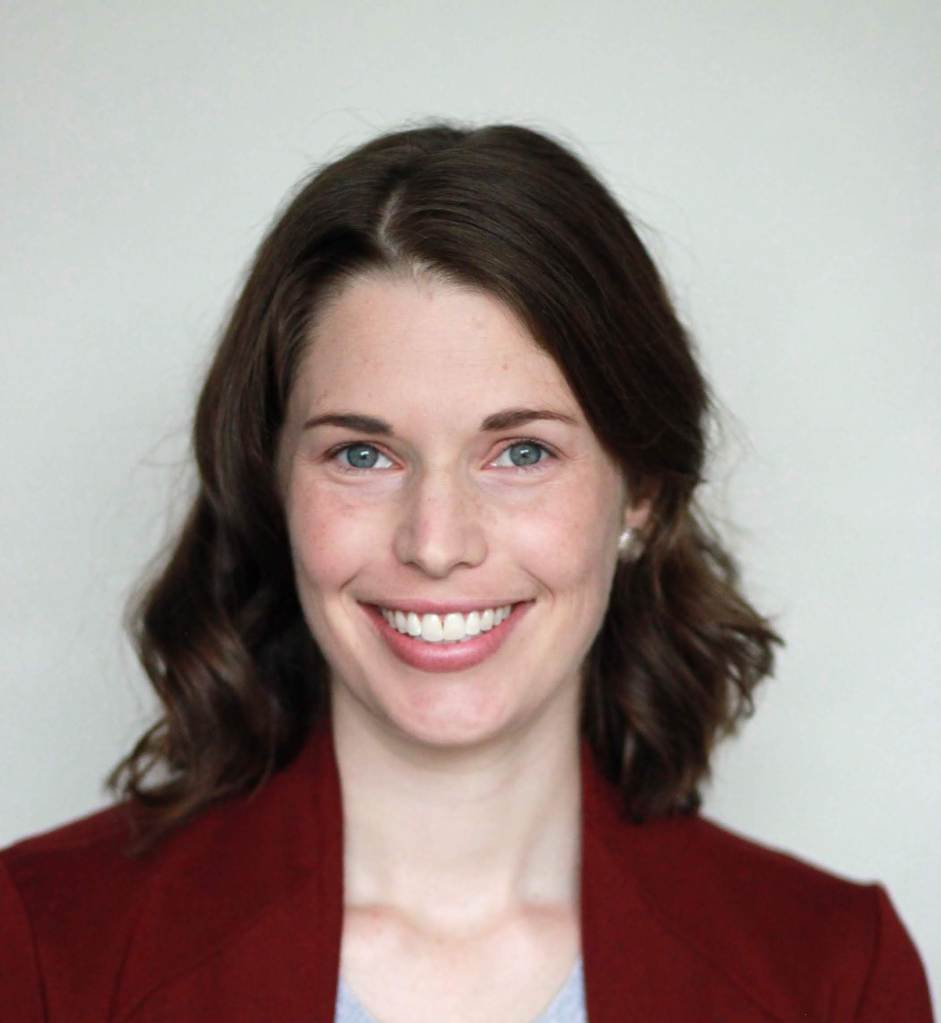
Melanie Bauer is Nova Southeastern University’s (NSU) Grant Writing Manager, working in the Grant Writing Lab under the Division of Research and Economic Development (DoR). She supports faculty and professional staff through all proposal development stages—funding research, project ideation and scoping, enhancement of proposal drafts, and revision and resubmission of unfunded proposals. She also supports other aspects of research capacity building at the university, including training, communications, and strategic planning. Previously, she served as Assistant Director of a STEM education lab at Yale University, where she conducted both research and program evaluation studies, as well as managed over $3.5 million in grant-funded projects supported by NSF, NIH, and the Howard Hughes Medical Institute. She joined NORDP when she started her first full-time RD job at NSU five years ago and has been delighted to engage with its mentoring program and professional development offerings.
Q1. What influenced you to sign up for the NORDP PMG Program? Why did you choose this particular PMG focus?
MB: Several years ago, I did what I think many new NORDP members do the first year they join the organization: I joined almost all the PMGs. Once I realized that this led to too many meetings each month, I started to narrow down my signups to which topics were most relevant to my current work or goals in RD. As a PMG frequenter, I can say that the Coaching and RD PMG has been a standout group, especially in terms of how the conveners have run it. At least over the past couple of years that I have been involved, they have taken an experiential approach to facilitation, providing opportunities for us to see what it feels like to coach and be coached. So while I cannot say something in particular drew me to this PMG, the reason I have stayed has been the unique opportunity to grow my skillset in a way that feels like it will stick. It’s one thing to hear about something I could do someday, but it’s another thing to actually try it out.
Q2. What were your initial expectations of the Peer Mentoring Group, and how did your actual experience compare?
MB: The typical PMG, in my experience, is run with a rotating set of topics and volunteer facilitators leading presentations and discussions under the umbrella theme of the PMG. This presents a great opportunity to share models and resources, ask questions and get feedback, and make connections with colleagues around the country. Volunteer facilitators do not have to be experts in the topics, and in fact many PMG participants are new to the field of RD, but they come with a few prompts to engage others.
In the time that I have been a part of the Coaching and RD PMG, the conveners (who have expertise and certifications in coaching and integrating coaching approaches in their RD work) have taken a somewhat different approach, leading us through various essentials and experiences in the coaching world. They have shared “powerful questions” they use to engage faculty about their research work and goals. They have also given us ways to think about our mindset and approach when providing faculty support. It can be easy to go into advisor or consultant mode with faculty, telling them about grant opportunities and what they need to do to be successful. In coaching you focus more on the person and human in front of you. What are their goals, their perceived obstacles, and solutions and next steps that they generate on their own. It helps you avoid being the teacher, or falling into the rinse and repeat that can sometimes happen when you spend an extended period of time in a service job.
Q3. Can you recall a time when you received information or direct advice from your peers in the group that made a significant difference in your RD professional work?
MB: Joanna Downer has been a presence in my time in this Coaching and RD PMG, and she shared two ways of thinking about coaching that I have since used in some team science support programming I led. The first is “Focus on the person, not the problem,” and the other, related idea is “The answer is in other people.” Both of these phrases are on sticky notes up on my bulletin board.
I think these ways of thinking about supporting faculty can be freeing for a new RD professional or for an RDP embarking on a new type of support, such as supporting interdisciplinary research teams. Do we need to understand their science? Understand the direction they need to go? Make a roadmap for their next steps? What I’m coming to believe is that, at least in some cases (most? all?), it is better for the team or individual faculty member to chart their own path. Too much support and I have found that I can get in the way of, say, the faculty team taking ownership of their own experience and creating a plan together. At the end of the day, you will leave—that meeting, that team. Those who remain need to feel empowered to plan for and do what’s next without you being there.
Q4. New Q. Have you had any challenges integrating what you’ve learned about in this PMG into your RD work?
MB: As a follow on to what I shared above about using a coaching approach, I will say that it can be challenging to walk the line between coaching and advising with faculty. Early-career faculty often come with a lot to learn, such as navigating a new university, finding which funders they fit with, and drafting their first grant proposal. Additionally, I work at a university with heavy teaching loads (4-4 and 3-3-3), so the time I have with faculty and the extra work I can expect from them in the research and grant seeking space is limited. And many times I’ll see a faculty member once, and then not again for a year or more. Because of these factors, I often feel pressure to pack a meeting with all my best advice for getting started. While there is certainly essential information new faculty need to know, I am interested in continuing to challenge myself to have these faculty meetings be more faculty-led.
Since I have joined NORDP I have been interested in hearing how others approach these new faculty meetings—what’s their “script” for these introductions? I think infusing coaching may help flip the script and ensure these meetings are at the right pace and contain the content that the faculty member wants and needs in that moment.
Q6. What advice would you give to someone new to peer mentoring who is considering joining one of our PMGs?
MB: Each PMG has its own cadence and way of running. And each year that cadence and format may change, such as with the changeover of lead conveners or the wishes of the PMG group. My advice is to pick one or two PMGs to try out this year, but do not be shy to switch PMGs if you do not find the right fit for you. Meanwhile you’ll be growing your professional network through the best professional organization in the country! I have been with NORDP five years now, and the same people I see in PMGs, I see at the annual conference, and these are people I feel I can reach out to. My last piece of advice: Are you new to NORDP? Want to meet new people and learn along the way? Sign up to be a PMG convener. You can get paired with a co-convener to work with.
What I have taken away the most from professional organizations is that you need to build a network of colleagues before you think you’ll need to call on them. PMGs are a nice way to engage with a small group and get more familiar with your new NORDP peeps!

 NORDP News