New NSF Support Awarded As Six Additional Members Join the NORDP Consultant Program

The NORDP Consultant Program is dedicated to increasing the diversity of our national research ecosystem by providing research development services to minority-serving and emerging research institutions at no cost to the institution.

With the support of Eric and Wendy Schmidt via recommendation of the Schmidt Futures program, NORDP launched the NORDP Consultant Pilot Program in summer of 2021 to grow research capacity and competitiveness within HBCUs by increasing institutional capacity for research development. Camille Coley, Marta Collier-Youngblood, Jacob Levin, Mike Marcinkowski, LeKita Scott Dawkins, Michael Spires, Peggy Sundermeyer, Barbara Walker, and John Quyen Wickham comprise the group of NORDP Consultants working in the pilot program. 

In December 2022, the NSF Technology, Innovation, and Partnerships (TIP) Directorate awarded NORDP, Advancing Research Impact in Society (ARIS), and Spelman College resources to support the ideation and proposal development process for the Enabling Partnerships to Increase Innovation Capacity (EPIIC) program. Alongside these partners, NORDP Consultants will provide proposal development support and feedback on proposals being prepared in response to the solicitation.

At the same time, the NORDP Consultant Program added six new members to its ranks:
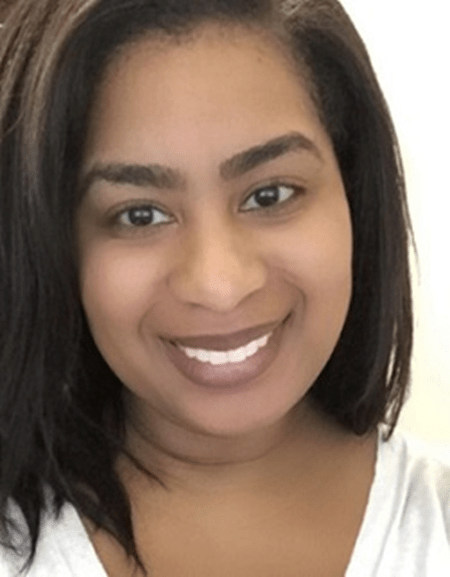
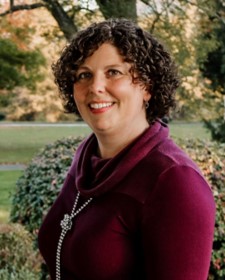
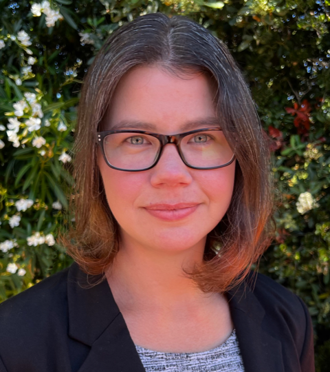
Michelle Collins

Michelle Collins: As the Director of Grant Process Operations for the North Carolina Biotechnology Center, Michelle oversees the proposal submission and review processes for the Center’s grant programs and provides pre-award support to the applicant community. She has nearly 15 years of experience in research development, grant administration, and program management, including positions at the University of North Carolina at Chapel Hill as the Research Administrator for the Department of Surgery and the Managing Director for the UNC Nutrition Obesity Research Center. Michelle is also certified as a Research Administrator (CRA) and Pre-Award Research Administrator (CPRA) by the Research Administrators Certification Council.
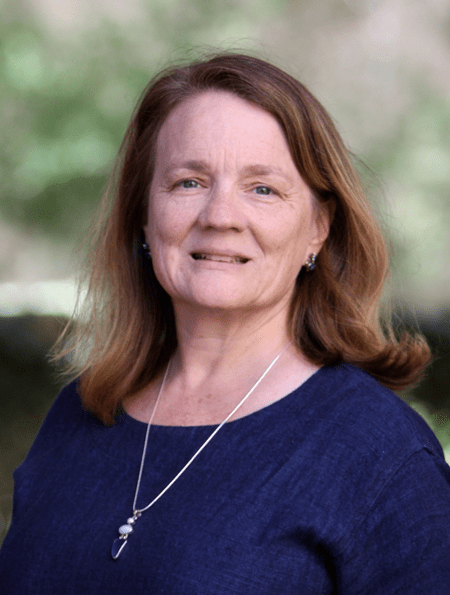
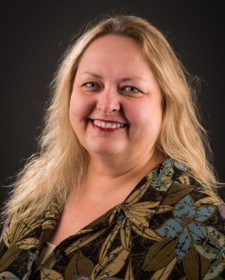
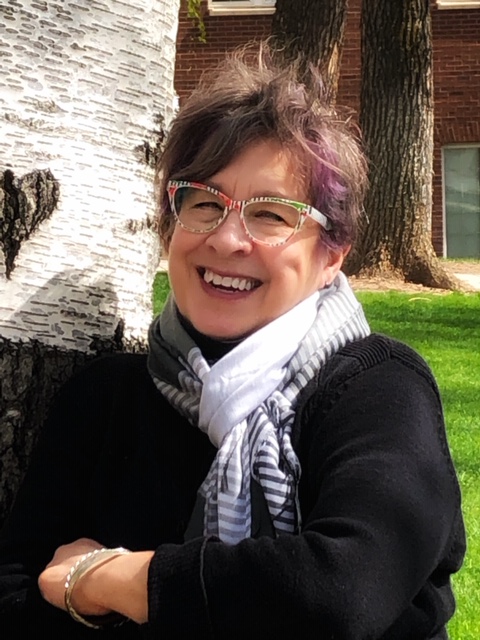
Holly Hapke

Holly Hapke: Holly is a geographer and broadly trained interdisciplinary social scientist with over 25 years of experience in academic research, teaching, program and curriculum development, grants and research development, and higher education administration. She served as a tenured faculty member and Associate Dean at East Carolina University, and as Program Director at the NSF, where she co-managed multiple programs and worked on diversity initiatives. Currently, she is the inaugural Director of Research Development at the University of California Irvine, where she has supported the development and submission of over $100 million in grant proposals. She co-leads the NSF-funded California Alliance for Hispanic-Serving Social Science Advancement (CAHSSA) and is a founding member of INSciTS and NSF’s Growing Convergence Research College of Reviewers.
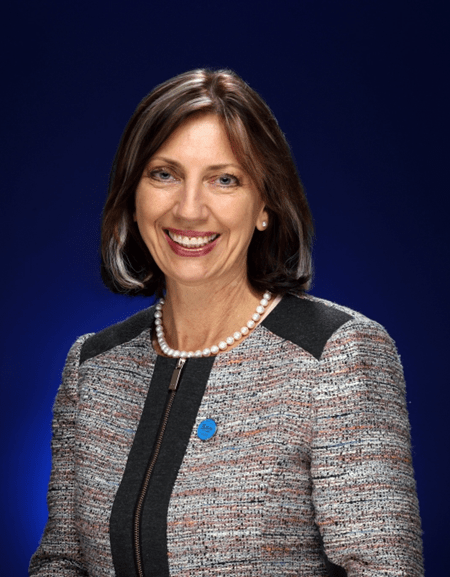
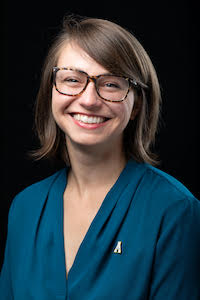
Dorota Huizinga

Dorota Huizinga: Dorota has over 14 years of experience in research administration and currently serves as the Associate Provost for Research and Dean of Graduate Studies at California State University, San Bernardino (CSUSB). She is also a Principal Investigator on an NIH research capacity building grant (SPAD) awarded to CSUSB to help streamline the university’s sponsored programs infrastructure, support the Office of Research Development (ORD), and increase the diversity of faculty and students engaged in research. In her administrative positions, Dorota secured over $4.5M in capacity-building grants to support faculty and student success and various DEI initiatives. She has also established a new ORD and hired its first faculty director at multiple campuses and developed successful programs and supports to increase the number of faculty engaged in grant-seeking and the volume of sponsored programs.
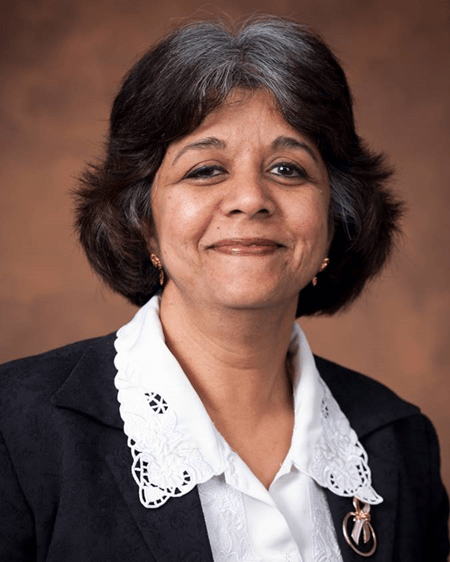
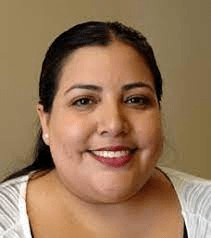
Sobha Jaishankar

Sobha Jaishankar: Sobha has over 14 years of experience in research administration and currently oversees the functions of the Research Development division within UF Research. She established guidelines and SOPs for the different programs under the broad research development umbrella, including internal seed funding, limited submissions, faculty honorifics, large proposal development, faculty coaching, and the evaluation of centers and institutes. Sobha is also responsible for managing the Florida Space Institute’s Space Research Initiative at the University of Florida and the UF portion of the Florida High Tech Corridor Matching Grants Program. From FY 2014-FY 21, Research Development, under Sobha’s leadership, has assisted UF faculty in obtaining $142M in federal funding and provided assistance for another $529M in budget requests on unfunded proposals.
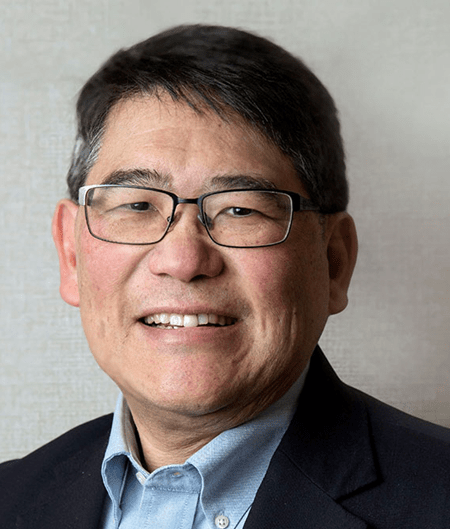
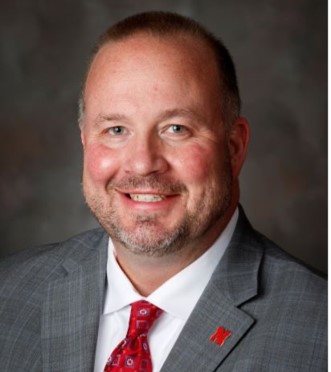
Don Takehara

Donald Takehara: Don is the Director for Research at the University of Illinois at Urbana-Champaign’s Grainger College of Engineering, where he supports faculty in establishing funded research and partnerships with government agencies, foundations, and corporations. He is also responsible for Faculty Development and is a certified coach assisting faculty in career and leadership development. Previously, Don was the Director of the Center for Research & Innovation and Associate Professor at Taylor University for 9 years, where he had responsibility for research development, sponsored programs, tech transfer, business incubation, and corporate sponsored research. He has a background in chemical reaction engineering and catalysis and has led the evaluation and development of process and product technology in silicone technology, biotechnology, and electronics. Don has a PhD and MS in Chemical Engineering from Northwestern University and a BS in Chemical Engineering from Purdue University.
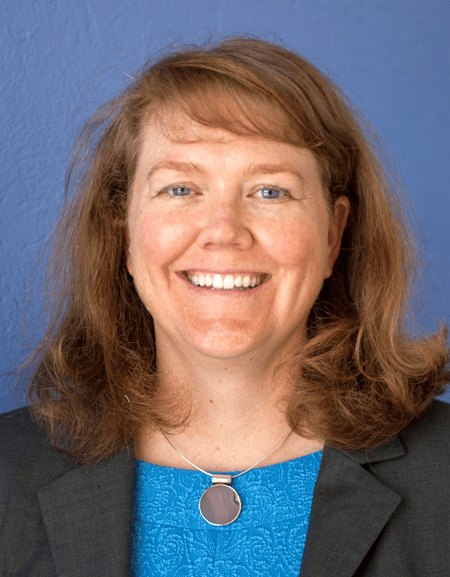
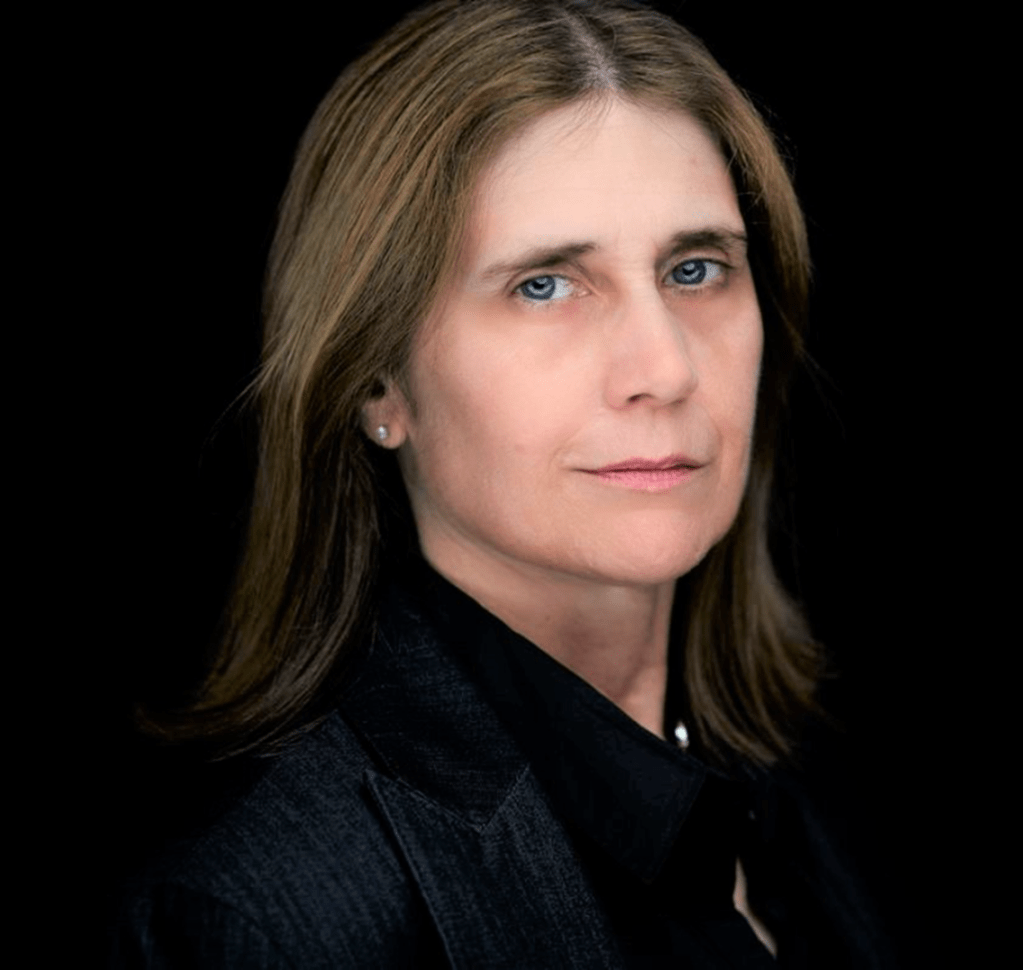
Jana Watson-Capps

Jana Watson-Capps: Jana is an independent consultant who helps companies, universities, and non-profits with research development, strategic planning, and coalition building within the interdisciplinary life sciences. She has experience and strengths in research development, process development, interdisciplinary science and education, academic-industry partnerships, strategic planning, large-team management, multi-stakeholder project leadership, communicating science, grant writing, grants coaching, fundraising, and building research communities. Jana has been working full-time as an independent consultant for the past four years, and previously spent over seven years at the University of Colorado BioFrontiers Institute as Associate Director, Chief of Staff, and Head of Strategy. She received her Ph.D. in Biology from Georgetown University and her B.S. in Biological Sciences from Stanford University.

“I am excited to welcome our new NORDP Consultants and thrilled to be able to expand the NORDP Consultant Program with support from NSF,” said Dr. Kimberly Eck, NORDP Consultant Program Director, former NORDP President, and Associate Vice President at Emory University, “NORDP’s collaborations with the NSF TIP Directorate, ARIS, Spelman College, and Know Innovation on the EPIIC program is a new, experimental approach that has the potential to catalyze a paradigm shift in how institutions obtain federal funding.”

It’s Almost time for the First McHuddles of the 2022-2023 Mentoring Program Year!

By Brooke Gowl, Research Development Associate, Duke University

NORDP Members, come join in the fun of the McHuddles! There are McHuddles for Mentees and Mentors, and you are welcome to sign up for one or both.

McHuddle with Mentees will be held on November 9th at 1:00pm Eastern: Register now.

McHuddle with Mentors will be held on November 9th at 2:00pm Eastern: Register now.

McHuddles, informal gatherings hosted by the NORDP Mentoring Committee, are an opportunity to share ideas, ask questions, and collectively learn from other mentees/mentors and are led by the Facilitator Team. While the expectation is that McHuddles will serve as support for current and former NORDP Mentoring Program participants, all are welcome!

During each McHuddle, there will be breakout sessions led by NORDP Mentoring Program Facilitators. I have attended these sessions in the past as a mentor and a mentee and enjoyed talking with other mentors and mentees in a safe, fun, supportive, and informal atmosphere. A McHuddle is also a nice break in your busy day. During the session, participants introduce themselves and often give some insights into their personalities by answering a fun question, such as, “If you had a superpower, what would it be?” or “What is one of the most interesting places you have visited?” We laugh and enjoy the group camaraderie, and of course, discuss mentoring and how our mentoring relationships are developing. We also talk about additional resources we could use or are using that can be shared. McHuddles are a wonderful reminder of the terrific, supportive community of RD professionals that comprises NORDP.

During the McHuddle you will meet our team of Facilitators. Facilitators serve as a resource and point of contact with the mentoring committee. You can contact a Facilitator if you have any concerns about your match, have any difficulties connecting with your mentee/mentor, or have any questions in general about the program.  These conversations are confidential and meant to support your experience with the program. You can find the list of the Facilitators on your WisdomShare Dashboard at https://nordpmentoring.mywisdomshare.com/.

NEW Coaching & RD Peer Mentoring Group (PMG) Forming

PMG Organizers: Don Takehara, Jet LeBlanc, Joanna Downer, Paula Carney, & M. S. (Peg) AtKisson.

The 2022 NORDP Conference included multiple sessions that addressed the discipline of coaching and how it can be used in research development (RD), including faculty research career development, research leadership development, and research team engagement.

The Coaching & RD Peer Mentoring Group (PMG) is now being launched to provide a vehicle for supporting NORDP members interested in coaching.

Coaching fits a broader collection of skills in the RD skillset to further faculty research career development and reflects the dynamic nature of the RD profession. Coaching is a powerful process that encompasses a distinct set of competencies. The International Coaching Federation defines coaching as “partnering with clients in a thought-provoking and creative process that inspires them to maximize their personal and professional potential.” Coaching often unlocks previously untapped sources of imagination, productivity, and leadership. Trained coaches can engage individual faculty to address research career and research leadership development, facilitate research team engagement, and promote development of research leaders. 

Using the peer mentoring model, the Coaching & RD PMG’s goals are to: 

  • Enable members to explore coaching as part of the RD skillset 
  • Develop programs to offer coaching as an RD service at the institutional level
  • Assess coaching as a contributor to faculty and organizational research attainment
  • Provide a setting for accountability and continuous improvement for RDs interested in coaching in research development

The Coaching & RD PMG is for NORDP members who may be curious about becoming a coach to add to their RD skillset, interested in adding coaching to an institution’s faculty research career, research leadership development, or research team engagement programs, as well as other opportunities for RD professionals that may benefit from inclusion of coaching.

NORDP Members can view and join PMGs via the WisdomShare Platform.


NORDP members interested in learning more about all eight active PMGs can do so at the 2023 Peer Mentoring Group (PMG) Orientation on Wednesday, October 26, 2022, noon-1:30 pm Eastern.  

Register Here

2022-2023 PMGs:

  1. Career & Professional Development: exploring how to become more efficient and effective in our roles
  2. Coaching & RD: developing and implementing coaching as part of the research development (RD) skillset
  3. Communication: promoting awareness of RD opportunities and publicizing research
  4. Collaboration and Team Science: building collaborations and interdisciplinary research programs
  5. Leadership & Management: leading in both official and unofficial capacities
  6. Mentorship Training: discussing and supporting mentoring best practices for mentors and mentees
  7. Proposal Development: supporting faculty grant seeking and increasing extramural funding
  8. Strategic Planning & Advancement: guiding policy and planning for enhanced research and scholarship

Announcing the NORD/InfoReady 2022 Cycle II Grant Awardees

The New Opportunities for Research Development (NORD) Committee is excited to announce the NORD / InfoReady Grant Cycle II 2022 Awardees, sponsored by InfoReady and NORDP.


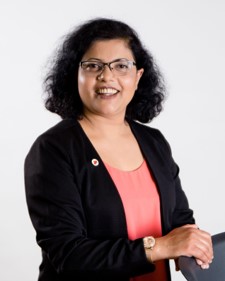
NORD/InfoReady Grant Awardee Sanjukta Choudhury

Sanjukta Choudhury, from the University of Saskatchewan, was awarded $4,714.18 for the project, “Identifying Equity, Diversity, and Inclusion (EDI) Gaps in Faculty Research to Inform Research Development Practices: The Case of a Canadian Research-Intensive University” 

This project aims to advance Equity, Diversity, and Inclusion (EDI) in faculty research through identifying barriers that researchers face in academia for meaningful EDI integration in research, and by gathering inputs on possible actions to address those barriers. The proposal addresses a pressing question in the disciplinary field of Research Development (RD) and proposes a three-step plan: a) developing a better understanding of the details of the problem picture that our researchers are facing to generate and nurture an inclusive research environment, b) discussing/consulting the identified problems with RD professionals for possible solutions, and c) communicating the findings with the broader research community internationally. Choudhury anticipates that the findings will impact the perspectives and understanding of both the researchers and research administration leadership/ professionals, resulting in an expansion of the resource allocation and improved training / services around adopting a more inclusive research guidance and practices. The research will influence enhanced EDI skills for RD professionals and larger scale research and collaboration among RD professionals internationally, broadening the recognition that is necessary to sustain a deep and lasting change in RD.


NORD/InfoReady Grant Awardee Kathryn Duvall

Kathryn Duvall, from East Tennessee University, was awarded $5,000 for the project “Developing strategies to improve and facilitate collaborative research” 

Through a collaboration with an university institute and a regional committee on research and academics, Duvall’s project seeks to better understand the barriers, opportunities, and facilitators to fostering and enhancing interdisciplinary research around a central focus area (child and family health) with administrators, faculty, staff, trainees, and community organization representatives in a regional sample of south central Appalachian institutions for higher education. Duvall will develop a data dashboard around a central research focus (child and family health) within the region to provide information that will improve communication about work being conducted in the region, and foster collaborative teams which include more clinical faculty. 


NORD/InfoReady Grant Awardee, Pammala Petrucka

The Nursing Unit for Research & Scholarship Excellence (NURSE) led by Dr. Pammla Petrucka, from the University of Saskatchewan, was awarded $5,000 for the project “Exploring the role of research development in building a strong culture of research: Co-creating with researchers and research development professionals through participatory diagramming”

This study seeks to better understand how the professionals that support and strengthen the research process can build a positive research culture for faculty and institutions, and ultimately enhance research development as a profession. Petrucka and participants will create a research development cycle diagram to illustrate (i) how decentralized and targeted research development supports activities that can build research culture within the College of Nursing and beyond and (ii) identify lessons learned, best practices, tools, and resources to advance the profession within North America. The results of this study will provide insights into the role research development plays in creating a strong culture of research within an academic unit from the perspectives of researchers and research development professionals. By examining the beliefs, values, knowledge, and actions that build culture, research institutions will be better positioned to continue to create a permanent culture shift that builds an environment for research success.

Congratulations, Sanjukta, Kathryn, and Pammla!

Collaboration and Team Science Peer Mentoring Group:  What Does it Take to Foster Strong, Impactful Collaborations?

By Jeremy Steinbacher (Syracuse University) and Leah Gorman (Oregon State University)

We are seeing new opportunities for transdisciplinary teams to develop proposals that cross disciplinary boundaries to increase the societal impact of research. Our institutions are excited by these opportunities, thinking creatively about how they might nurture environments that foster transdisciplinary work, and looking to research development (RD) professionals to help spark and facilitate these collaborations. For many members of the NORDP Collaboration and Team Science Peer Mentoring Group (CTS PMG), the skill set needed to do this work has not traditionally been a central part of our professional training. In addition, our institutions may not be familiar with how other institutions are approaching this work. Combined, the lack of both training and institutional knowledge leaves many RD professionals with the feeling that we are constantly  reinventing the wheel when facilitating team science. The CTS PMG seeks to address this challenge by offering an opportunity for RD professionals to share best practices and develop strategies toward creating working knowledge of team science at our institutions. 

Below, we address some common questions about the CTS PMG and the work we have engaged in over the last year.


How is a peer mentoring group different from other types of professional development environments you might use to build skills for fostering collaboration and team science?

All of us have access to a variety of professional development opportunities through our employers, professional societies, and educational institutions. Many of these are highly-structured workshops and classes with a designated leader/instructor and, for the most part, strangers as co-participants. On the other hand, the PMG environment offers several characteristics that provide a distinct learning experience. 

First, the PMGs do not have a single, defined topic at the outset; rather, the material is flexible to the needs, experience, and interests of group members. Though the CTS PMG set a schedule of topics for monthly meetings early in the year, we remained flexible to accommodate new topics as the group evolved. 

Additionally, unlike a workshop, class, or a traditional dyadic mentoring relationship, a PMG benefits from a range of perspectives, rather than training on a single approach. Every facilitator brings a different style and the open nature of discussions encourages input from all participants regardless of experience level. Importantly, the setting of ground rules by the group itself early in the meeting cycle helps create a psychologically safe environment where it is ok to be vulnerable. This helps members recognize and express the limits of their knowledge, knowing that the other participants are there to support each other’s growth. 

PMGs also offer the chance to build relationships with other NORDP members beyond the annual conference experiences and the more structured learning opportunities.


What did we learn about collaboration and team science this year? 

The CTS PMG discussed a wide variety of topics over the last year! 

Sharon Pound (University of Tennessee) led a discussion about the relationship aspects of teams, including how to deal with common barriers in communication and expectations, and also the benefits of long-term team building. 

Laura Heinse (University of Idaho) presented strategies for after-action review, such as post-submission debriefs with a team to determine course corrections and evaluate lessons learned. 

Chris Erlien (Duke University School of Medicine) and Eva Allen (Indiana University)  gave an overview of the many issues unique to developing center proposals with large teams, both practical impacts like project management and strategic issues surrounding group ideation and leadership. 

Melanie Bauer (Nova Southeastern University) shared a range of strategies that she has employed to facilitate faculty networking within her institution and with other institutions in her state. 

Leah Gorman and Sarah Polasky (University of Missouri-Columbia) led a discussion about collaboration across disciplines and the strategies we employ when team members working in very different disciplinary cultures. 

Finally, guest speakers Kristine Glauber and Christine Hendron of Intereach introduced us to their community of “boundary spanners” working across disciplines. Chris Erlien provided a nice description of their talk in a recent blog post.


How can NORDP members get involved in a PMG?

The NORDP PMGs are open to all members. We encourage experienced practitioners to participate in these groups as a way to build community and share best practices (#payitforward). To see the available PMGs, visit your dashboard on the WisdomShare platform and scroll down until you see the list of Peer Mentoring Groups, where you can click to join. Our PMG group will kick off again in September, and everyone who has joined will get the notification message.  If you have already joined a PMG or a few, we hope that you continue participating in the same or new PMGs this upcoming year. If you have not yet tried a PMG, we strongly encourage you to attend this year! To all, bring your curiosity, a willingness to share your experiences, and lots of questions. 

The NORDP Mentoring Committee is planning a PMG Orientation in October. Keep an eye out for the event announcement and we welcome everyone to participate!

Fireside Chats: Stories of How Colleagues have Kindled a Career in RD

Submitted by Gagan Bajaj, Chetna Chianese, and Jan Abramson

How did you end up in Research Development? You may have had a circuitous path to this rewarding career. Many of us did.

Are you curious about how others within NORDP have grown their careers in RD? Did you know there is a large collection of 30-minute videos available to NORDP members, sharing the career stories of RD professionals? It’s true!

The NORDP Fireside Chats conversation series highlights the professional trajectories of NORDP members working in a wide variety of roles and showcases the many paths available for career growth and advancement within the field. Each conversation is 30-minute listen-and-learn session, with time provided for participant questions. 


Previous Fireside Chats guests have included:

  • Karen Fletcher, Director of Grants Resources & Service, Appalachian State University
  • Susan Carter, Director of Research Development, Santa Fe Institute
  • Mark Milutinovich, Director, Large Center Development, University of New Hampshire
  • Samarpita Sengupta, Director of Research, Assistant Professor, UT Southwestern Medical Center
  • Daniel Arriaga, Assistant Director for Research Engagement, UT Austin
  • Kelly Rose, Chief Scientific Officer, American Society of Hematology
  • Rebekah Hersch, Associate Vice President for Research and Innovation, George Mason University
  • Peg AtKisson, Founder and President, Atkisson Training Group
  • Quyen Wickham, Senior Proposal Manager, Arizona State University
  • Etta Ward, Assistant Vice Chancellor for Research Development, IUPUI

…and many more!


These recordings are available to NORDP members, via the NORDP LMS. To access them, first log in to the LMS using your NORDP credentials, then select the course named NORDP LEAD presents: Fireside Chats where you’ll find all of the previously recorded conversations. You can search for the course using the search bar or by selecting from the Course Categories tab (at the top of the screen) > Career and Personal Development.

You can watch any (or all) of the videos at your leisure.

Enjoy!

2022 Volunteer of the Year Award: Katie Shoaf

First awarded in 2022, this award recognizes an individual NORDP member’s unique ability to provide an engaging, supportive, and inclusive environment for professional and/or personal growth through mentorship in the research development community. This award is bestowed with the acknowledgement that effective mentoring occurs through formal and informal channels and may vary in style and substance.

2022 Volunteer of the Year, Katie Shoaf

Who: Katie Shoaf, Director of Grants Resources & Services

Where: Office of Research, Appalachian State University

Number of years in research development: 7

Length of NORDP membership: 5 years


What has your experience being a NORDP volunteer looked like so far?

When I first joined NORDP in 2017 my boss, Karen Fletcher, was really involved in the organization and really encouraged me to also get involved. The first conference I attended was the 2017 NORDP Conference in Washington D.C., and at that conference I went to all the committee meetings to check them out and see what committee work might interest me. 

After shopping around, I ended up joining two committees right away: the Professional Development Committee and the Mentoring Committee. Each committee functions very differently, so they provided unique ways for me to provide support to the organization, and within both committees I was able to jump right in and start helping with things. For example, within the Mentoring Committee, I joined the MESHH subgroup and we built a lot of the tools that NORDP mentoring pairs use today, which was a really fun experience.

One of the next big initiatives I became involved with as NORDP volunteer was the RD101 course offered to new research development professionals. I had known Kari Whittenberger-Keith from the Professional Development Committee and knew that she was pulling together a group of volunteers to begin to build a curriculum of sorts for folks who had recently matriculated into the field. The RD101 course had been piloted at a previous NORDP conference, but there were a lot of changes that needed to be made, and there was demand to offer the course virtually. Because Kari knew my reputation as a hard worker and that I would follow through with things, she generously gave me the opportunity to be involved in updating the RD101 course and offering it virtually in 2020. And I feel like that has happened to me a lot within NORDP. I would not be where I am in the organization today without people saying, “Hey, I’ve been really impressed with you and your work, and I think you have a lot of potential. I think you can do this thing, do you want to do it?” Being able to say yes to those opportunities and have the support for that from my fellow NORDP volunteers has been so important.

My most recent NORDP volunteer role has been serving as the National Conference Co-Chair in 2021 and 2022. I had actually run for the NORDP Board before I was asked to be conference co-chair. And while my run for the Board was unsuccessful, I think it put me on people’s radar, and it was a great learning experience for me and opened up my volunteer time to get involved in NORDP in other ways. Serving as a conference co-chair has been a very time-intensive experience, one I undertook while also working full-time and working toward my PhD, so it has been so important for me to be able to set boundaries around my volunteering in order to take care of my own health. And I think that one of the best things about volunteering within NORDP – there is space for you to step back when needed to take care of yourself, and there’s room for you to jump back in whenever you feel you’re ready.


What was the first volunteer position you held within NORDP, and what led you to say yes to subsequent opportunities to volunteer within the organization?

As I mentioned previously, I first became involved as a NORDP volunteer through the Mentoring and Professional Development committees. In addition to working on the MESHH subgroup of the Mentoring Committee, I quickly got involved in the webinar planning and production working group within the PD committee, learning how to host webinars on Zoom (this was years before we were all forced into a virtual work environment, so it turns out my experience learning how to host webinars for the PD committee came in handy in 2020)! I really enjoyed the different sets of responsibilities and tasks that came with volunteering on these two different committees.

As for what led me to say yes to subsequent opportunities within NORDP, part of it is my personality. I’ve always been the kind of person who says “yes” to things, and as a young professional I’ve viewed volunteering as a way to both prove myself and get better at my job and learn new things. I also genuinely wanted to say yes because of the incredible people that I was working with – through my committee service I’ve gotten to know so many people from very eclectic and diverse backgrounds and built so many meaningful relationships, so signing up to spend more time working alongside my fellow volunteers was an easy call. I do think one thing I have learned with experience is when to say “yes” to a new opportunity and when I need to hold off on taking on something new so I can have balance, which I think is an important lesson to learn (and one that most people learn the hard way by perhaps saying “yes” to too many things).


As you’ve gotten more involved in NORDP and taken on multiple volunteer roles, which experiences stand out to you?

I think volunteering with NORDP has been a great way to build confidence, not only in myself, but in my ability to do my job. It has been very reinforcing to know that I do know things about the field of RD. I’ve learned a lot about this organization and have seen the value that it adds to people’s lives and careers. And so I think that the experiences that stand out to me are the ones where I’ve seen my fellow volunteers grow and lift each other up. There are so many members I have worked with who are so quick to say kind things and build each other up. More than once people have come up to me and commended me on presentations I’ve given or committee tasks I’ve taken on, and that’s not an experience that’s unique to me, it speaks to the broader volunteer culture within NORDP where volunteers are so quick to show gratitude, compassion, kindness, and genuine care for each other.


What do you see as the biggest rewards, and challenges, of being a NORDP volunteer?

I think the biggest rewards of being a NORDP volunteer are the professional growth opportunities that come with stepping up and volunteering. You can be a NORDP member and attend webinars and conferences and learn a lot, but I’d say volunteering adds an additional level of professional growth and more opportunities to step into leadership positions. The other huge reward is the relationships you build with other volunteers. The NORDP community is made up of so many genuinely wonderful humans and I’ve made so many lasting and meaningful friendships. And I don’t think I would have gotten that without getting involved in the organization. You don’t just get that from attending a webinar, or attending a conference once a year, you get that reward from engaging meaningfully with other people around a shared goal of supporting an organization that we all care about. 

Among the biggest challenges are finding balance and preventing burnout. It’s hard! You want to say yes to all the things when you love something, and sometimes you’ll end up saying yes to too many things. I wish there was infinite time and energy and the ability to say yes to everything, but there’s not. And I think we in NORDP are working to shift the culture of volunteering to make it more acceptable for people to have boundaries, which is so important. We ask a lot of our volunteers and we need to make sure that we’re building a culture that supports and shows gratitude to them, and welcomes in new volunteers so that we can spread the work around and ensure that nobody feels overwhelmed. There are so many reasons people may already be tapped out and burnt out right now that it can be hard  to ask someone to give another hour of their month away to volunteer, so volunteer recruitment is an ongoing challenge. But at the same time, the rewards of being a NORDP volunteer make those challenges worth it. And the upside is that these challenges are to some extent self-correcting. If we can show folks the rewards of being a volunteer, more people will seek out those volunteer opportunities and we’ll be able to distribute the work across a wide volunteer base, lessening the time burden on everyone (or at least that’s how I like to think about it)!


Are there particular volunteer opportunities (within or outside of NORDP) you’re looking forward to pursuing next?

I think at some point in the future, maybe in the next couple of years, I will run for the NORDP Board (probably once I’m closer to being finished with my PhD)! I also do a lot of local volunteering in my community that I really enjoy.


What advice do you have for NORDP members who aspire to be highly involved volunteers?

Go for it! Find things that are meaningful to you so that you don’t feel like volunteering is a chore – you want it to be something you look forward to. For me, the people within NORDP have provided that meaning, and that has made it very easy to enjoy the things that I’ve done. I also think that it’s good to have boundaries – you don’t need to volunteer for every single thing, just show up and volunteer for the thing that really compels you. And once you do get involved, take an active role in building a positive volunteer culture. Lift others up with you and give them a chance to succeed!

NORDP LEAD: Developing Leadership Pathways Within the Field of Research Development

Applications for the second cohort of NORDP Leadership, Engagement and Development (LEAD) are being accepted through 11:59pm EDT on Monday, August 22, 2022.

NORDP LEAD is focused on creating pathways for member engagement, service, and leadership across all levels of NORDP and within the research development profession. The program initially grew out of a need to develop strong leadership pathways within NORDP and has expanded to help prepare members to become committee chairs, working group leads, or Board Members within NORDP, as well as to step into leadership roles within their home organizations.

Lisa Lopez, 2022-2023 LEAD Cohort Leader

Lisa Lopez, a Senior Research Development Officer in the College of Health and Human Development at Cal State Fullerton, participated in the first LEAD cohort and is looking forward to working with the second LEAD cohort this fall. “What we want to do this year is build on the strong foundation of the first LEAD cohort and bring in elements that will give participants the tools to help them grow within the field and at their home institutions,” said Lopez. “Ultimately, we want participants to leave the program with a better understanding of where they want to take their next level of commitment to this work.”

Participants in the 2022-2023 LEAD cohort will gain an understanding of different leadership strengths and styles; planning for professional growth; and opportunities for advancing diversity, equity, inclusion, and belonging in research development. They also will learn about NORDP’s operations and structure, what it looks like to serve on the NORDP or other non-profit boards, and opportunities for service throughout the organization.

The upcoming LEAD cohort will be limited to 12 individuals to maximize opportunities for learning, community building, and professional networking. The cohort will meet on the third Thursday monthly from September 2022 to April 2023. Nathan Meier, Assistant Vice Chancellor for Research at University of Nebraska-Lincoln and one of the LEAD program co-leaders believes the small cohort size will provide an even better experience for participants. “We want to spend quality time together as a group, and this cohort size will allow for deeper opportunities for more intimate connections among participants,” noted Meier. 

When asked what an ideal candidate for the LEAD program would look like, Lopez and Meier emphasized that they view LEAD as a program for NORDP members at all levels, not just long-time NORDP members. “There’s no requirement to have been working in RD for a long time,” pointed out Lopez. “We’re just looking for folks who have been in RD long enough to know that this is what they want to do.” Added Meier, “An ideal applicant is someone who’s at a place in their NORDP membership or RD career where they feel at home and want to put down roots. Someone who is ready to spend some time thinking about where they want to go within the organization and the profession and is interested in receiving support as they move along that path.”

Jessica Moon, previous LEAD Cohort Member

Jessica Moon, the Executive Director of the Stanford Aging and Ethnogeriatrics Research Center and member of the first LEAD Cohort, says that participating in LEAD has paved the way for subsequent opportunities and positions within NORDP, and she continues to apply the lessons learned from LEAD. “I learned a lot about NORDP as a nonprofit organization, which I think makes LEAD unique from other opportunities within NORDP. Many of the topics we discussed focused on growing as a professional, not just as a leader within NORDP, and I have applied those lessons broadly to my professional life,” said Moon. “I had a lot of feelings of imposter syndrome, but LEAD gave me the confidence I needed to (successfully!) run for the Board this year.”

Participants in the 2022-2023 LEAD cohort will create a professional growth plan as part of their capstone project for the program, which they’ll be able to put into practice within NORDP and at their home institutions. This element of the program is what Lopez is most excited about. “Developing leadership and growth plans and engaging in strength finding are going to provide tremendous opportunities for LEAD participants to learn about themselves and connect with others around shared professional goals,” said Lopez. “It’s so important to have these kinds of intentional spaces to engage in this important reflection and development.”

Nathan Meier, 2022-2023 LEAD Cohort Leader

Meier added, “The benefit of participating in LEAD is that participants will get to focus on their growth in a way that’s proactive. Oftentimes in our RD jobs, we’re reacting to things and solving problems for others. Folks in the program will get to take some time for themselves once a month to reflect on and dream about what they want out of their careers. They’ll get to know themselves better as an RD professional and as a member of the NORDP community.”

Moon encourages all NORDP members to consider applying for LEAD. “Taking a page from Nike—Just Do It! Even if you don’t want to run for the Board right now, the professional networks, leadership training, and better understanding of NORDP as a nonprofit organization are highly valuable.”

Cohort 2 applications should be submitted via InfoReady by 11:59pm. EDT on Monday, August 22, 2022. Applicants must submit their contact information; a short statement of interest and readiness; and a copy of their curriculum vitae or résumé. All NORDP members in good standing are eligible to apply.

For additional information or questions about NORDP LEAD – Cohort 2, contact Lisa Lopez or Nathan Meier.

2022 Innovation Award: Karen Walker

The NORDP Innovation Award recognizes individuals, groups, or teams; functional units; or organizations who leverage unique skills or resources to kick-start innovation in research development and advance the profession or the field in ways that generate evidence of promise or demonstrable results. Innovators leverage partnerships, experiment with tools and techniques, or generate and share knowledge to advance NORDP and the work of its members.

Karen Walker

Who: Karen Walker, Associate Director of Research Development

Where: Arizona State University

Number of years in research development: 12

Length of NORDP membership: 10 years


Karen Walker was awarded the 2022 NORDP Innovation Award for her contributions to establishing academic competitive intelligence as a field within research development. She founded the function at ASU and has given numerous national and international presentations on the topic. She also founded the Competitive Intelligence Working Group, a national group of professionals that meets monthly to share insights and best practices within the world of competitive intelligence.


What is competitive intelligence and how did you first become interested in establishing CI as a component of research development?

Competitive intelligence is the ethical collection and analysis of information, which informs decision making. We’re taking both quantitative and qualitative information, and we’re putting it into context in order to arrive at actionable insights for our stakeholders. So in an academic setting, CI is an approach that provides a better understanding of the funding landscape, allowing our faculty to submit more competitive proposals. At ASU, we also use it to help our leadership gain a better understanding of how our university is positioned in various research areas, which allows them to make more informed decisions. Competitive Intelligence has been around in industry and government for many years, and I first became interested in applying CI practices to work practices in the research office at ASU around 2012. I was trying to get a better understanding of sponsors and other universities, and figure out how we could help faculty develop more targeted strategies for seeking funding, and CI seemed to be a useful tool for doing that.


What was the process of building out competitive intelligence, both at ASU and at the national level, and how did your membership in NORDP play a role in your efforts?

For the first four years that I was doing CI, I was working on my own. At that time, I was also running our limited submissions process, so it was a bit of a challenge trying to get CI off the ground here. But I was fortunate in that there were a number of people at ASU who saw the value in what I was trying to do, not the least of which was Faye Farmer our Executive Director of Research Development at ASU. In fact, Faye was the one who encouraged me to submit an abstract to NORDP for a presentation at the 2016 conference, and that got accepted. I didn’t expect much response, but I presented to a packed room, and I think so many people were interested in learning more about CI because it was such a new thing. 

After that presentation, I had a number of people come up to me and I was able to connect with them and begin to form a network of people interested in CI. We have a CI working group (founded in 2017), which is a national group that meets and puts on presentations, about six times a year. Our goal is to build best practices and increase our exposure to different CI techniques. And the formation of that group is all due to those NORDP connections

Meanwhile, back at ASU, we were getting more and more requests from the leadership for projects. And so the team started to grow. We have a team of three amazing analysts now! It has been wonderful to see institutional investment in CI grow over the years, not only here at ASU, but also at other universities. I have talked to a number of colleagues at other universities who are either getting practices off the ground, or actually building out full-time positions within their offices, which is something I never would have imagined when I first started working on CI and has been incredibly rewarding to see.


What relationships have you built as a result of NORDP, and how have these relationships influenced your work?

The relationships I’ve built through NORDP have been really amazing. I have made some good friends, and the people I’ve met have exposed me to things I never would have thought of. Ryan Champagne, from University of Pittsburgh was one of the first people who reached out to me after that presentation. Ryan is not only a fantastic person, but he was the first person who exposed me to the whole world of Library Science and he brought that to our whole CI working group. Alba Clivati McIntyre and Matthieu Karamoko at The Ohio State University have also become close colleagues for our team at ASU. Alba is an incredible source of knowledge. And there are so many other people who have joined the CI working group or who have contacted me because they’ve heard, through NORDP, about CI and they’re interested in learning about it or building CI out at their institutions. It has been wonderful to have an extensive network to draw on, and people are extremely generous with their ideas and their time.

I was honestly shocked to have received this award and I am so grateful to my colleagues for nominating me. I feel immensely rewarded that competitive intelligence has been taken up so much by the NORDP community.


What other innovations have you observed within NORDP (or the field of research development) since you first joined?

After working in research development for more than ten years, one thing I’ve noticed many of us in the field collectively doing is trying to shift our faculty and leadership away from being so reactive, and toward being more proactive or more strategic. It seems like there has always been that mindset of “What’s the latest funding opportunity that has come out? What can I apply to right now?” But what we want our leaders and faculty thinking about is how to plan years out into the future. I think adopting a strategic mindset is so much more at the forefront now than it was years ago, and I think that is a really great place for those of us in RD to be — supporting our leadership and helping shift into that proactive mindset.


What advice do you have for NORDP members leading their own innovative initiatives within the field of RD?

One thing I have learned throughout this process is that nobody is an island. You can’t do it alone. You can have the idea and the vision and believe in it passionately, and that’s great, but you need to find others who will understand what you’re trying to do and support you and want to be part of that journey. I have been thrilled to see people incorporating CI into their office — that is something I never would have imagined when I first started doing CI. And the process of growing CI as a priority within RD wasn’t always easy, but luckily I had people who supported me and who could see the value of what I was doing. So my advice would be to find your vision, but also find your people. Cultivating a network is key to reaching those lofty goals and it’s also really rewarding to see people appreciate and see the value in what you’re doing. It can feel hard at times to let others in on something you may feel ownership of, but I also believe people will recognize you for what you do, so be generous and let people in.

2022 Mentoring Award: Jan Abramson

First awarded in 2022, the NORDP Mentoring Award recognizes an individual NORDP member’s unique ability to provide an engaging, supportive, and inclusive environment for professional and/or personal growth through mentorship in the research development community. This award is bestowed with the acknowledgment that effective mentoring occurs through formal and informal channels and may vary in style and substance.

Who: Jan Abramson, Principal Consultant

Where: Penultimate Advantage

Number of years in research development: 17

Length of NORDP membership: 11 years


What has your mentoring journey within NORDP looked like?

In 2011, on the advice of a colleague, I joined NORDP shortly after taking a new position at the University of Utah. Like many, I ‘found my people’ when I joined NORDP. I applied for the mentoring program – and was not matched my first year. It was a disappointment, but I’m pretty tenacious – I found other ways to get involved as a NORDP volunteer, including expressing an interest to volunteer for the mentoring committee. Within a year, I was on the committee, and matched with a mentor, too.

Since then, I have remained involved with the Mentoring Committee, served as a mentor, and have benefited from being a mentee. It’s been exciting and rewarding to watch the mentoring program grow as NORDP has increased membership, and to have been a part of the committee that has focused on supporting mentors, mentees, and members, providing new programs and services, and adapting to the needs of NORDP members. It pleases me that the Mentoring Committee works hard to make sure everyone who wants to be a part of the mentoring program, can indeed participate. AND that the Mentoring Committee is an open, welcoming, awesome group, so come join us!.

One fun story about how the mentor-mentee process has evolved over the years: in the early days, matching took place manually (this was when NORDP was a smaller organization). As the number of people interested in mentoring grew, the first step toward an automated matching process was that someone wrote  R code to do the matching. So we would receive applications, run the code,  go back in and tweak the matches, then recruit more mentors to ensure that everyone could be matched. Now, as you know, the committee uses WisdomShare, which has been a real help as the number of NORDP members interested in participating in the mentoring program continues to grow!


What initially drew you to mentoring?

I think because early in my professional journey, I didn’t really have mentors, I had an ‘unnamed need.’ My first work in higher ed was in student development, student leadership, and orientation, and I soon recognized the power of mentoring to help students tap into their potential. From there, my commitment and passion grew, and I began to seek out mentors, and mentor others. I have been able to immerse myself in the world of mentoring, seek formal training, and really start to bring together the elements of mentoring that had always been in the orbit of my career. I found it so rewarding to be able to give, share and support others, that mentoring is woven into the fabric of my professional and volunteer work.


What does being a good mentor mean to you?

My mentoring philosophy is my foundation: I mentor to #PayItForward, to help colleagues see and become their best selves. Being a good mentor does not mean having all the answers, being perfect, or having to fix things. Being a good mentor is being human, learning along the way (the easy lessons, and the hard ones), and at the end of the day, honestly believing you did the best you could. (and being willing to learn and grow)! I have also found that good mentoring is oftentimes just attentive listening, and then being willing to reflect on what you’ve heard. It’s really important to build a relationship with your mentee so that when you listen attentively and offer your perspective, you can say the things that will help the mentee, especially the hard things.

And if you’re nervous about making that transition from a mentee to a mentor, it’s really important to remember that the Mentoring Committee has put together tools and resources and stop-gaps and checks. Nobody becomes a mentor in NORDP on their own, all you need to do is reach out to somebody on the mentoring committee and ask for support. The Mentoring Committee has put together a solid support system in order to help anyone who’s ready to step into the role of a mentor!


What do you wish you had known when you began your mentoring journey?

As a mentee, I wish I had not been so worried about imposing on my mentors’ time and hadn’t spent time feeling intimidated by my mentors. As I became a mentor, it became clear to me that a person who volunteers to be a mentor is doing it from a place of wanting to be a mentor. Sometimes life gets in the way (see my earlier point about mentors being human), but mentors really do take on that role because they want to be involved in those relationships.

And as a mentor, I wish I would have been more aware of the many resources available to those looking to hone their mentoring skills. Looking back, I wish I had started that deliberate learning around mentorship skills earlier. I also wish I had known how much I would learn, grow and benefit from being a mentor. I wish I had known how much joy mentoring would bring, and how my personal and professional networks would expand exponentially!

It can be intimidating to become a mentor — yet, we all have something to give, share, and so many ways to #PayItForward. And always remember, the Mentoring Committee is ready to help you in your mentoring journey. Being a mentor is an opportunity to keep learning, expanding networks, and enjoying colleagues.


What have you found most rewarding, and most challenging, about being a mentor?

The most rewarding part of being a mentor is all of the great people that have become a part of my life. It has been the human-to-human connections that have turned into heart-to-heart connections –– and the connections that continue through career and life changes. It’s the reconnecting, and picking up where we left off. I recently ran into a student that I mentored more than 20 years ago and whom I hadn’t seen in 10 years. And as we struck up a conversation, we both had that immediate recognition of connecting at a heartfelt level. It is an amazing feeling. 

The most challenging times, as a mentor, is when the relationship seemingly goes off the rails. When, for whatever reason, the space for grace is gone. Those times, albeit, very rare, are for me, times of pain and sorrow. But they have propelled me to new insight about myself, my mentoring style, and what is really most important for me.


What advice do you have for others within NORDP who wish to follow in your footsteps?

My advice for my fellow NORDP members: get involved. Wherever, however, and whenever you can. Find the place where you can make a difference. I’ve served on committees, co-chaired a NORDP conference and served on the NORDP board. I have valued each of these experiences, and through them learned that it’s committee work where I feel I have made the most lasting contributions.

And there’s no need to follow in my footsteps! Forge a new path. It’s so exciting to see all of the growth and changes taking place in NORDP, under the leadership and guidance of the next generations of RD professionals. Be true to your own path, build on the connections you make along the way, and pay it forward!