The National Science Foundation (NSF) has awarded $9.2 million to Emory University to support the expansion of the National Organization of Research Development Professionals (NORDP) Consultants Program. The NORDP Consultants Program is dedicated to diversifying the national research ecosystem by providing research development services to minority-serving institutions (MSIs) and emerging research institutions (ERIs). The award is the first non-conference project funded by the Growing Research Access for Nationally Transformative Equity and Diversity (GRANTED) program offered through NSF’s Office of Integrative Activities.
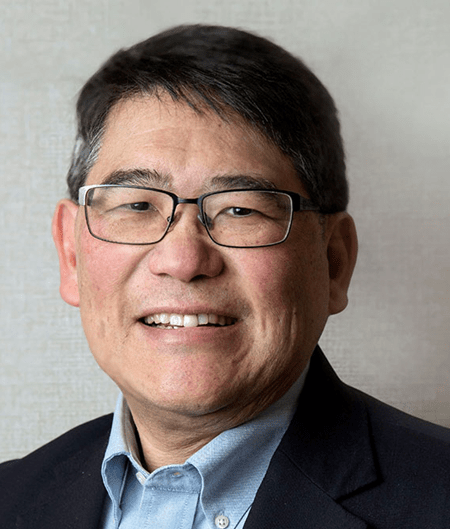
“I am excited that this important investment will advance ambitious ideas and innovative strategies by engaging and empowering the science community across our nation to address impending challenges and opportunities,” shared NSF Director Sethuraman Panchanathan, who earned NORDP’s Research Development Champion Award in 2022. “NSF’s new GRANTED initiative will accelerate progress by promoting full inclusion of the excellent talent in our nation’s research enterprise.”
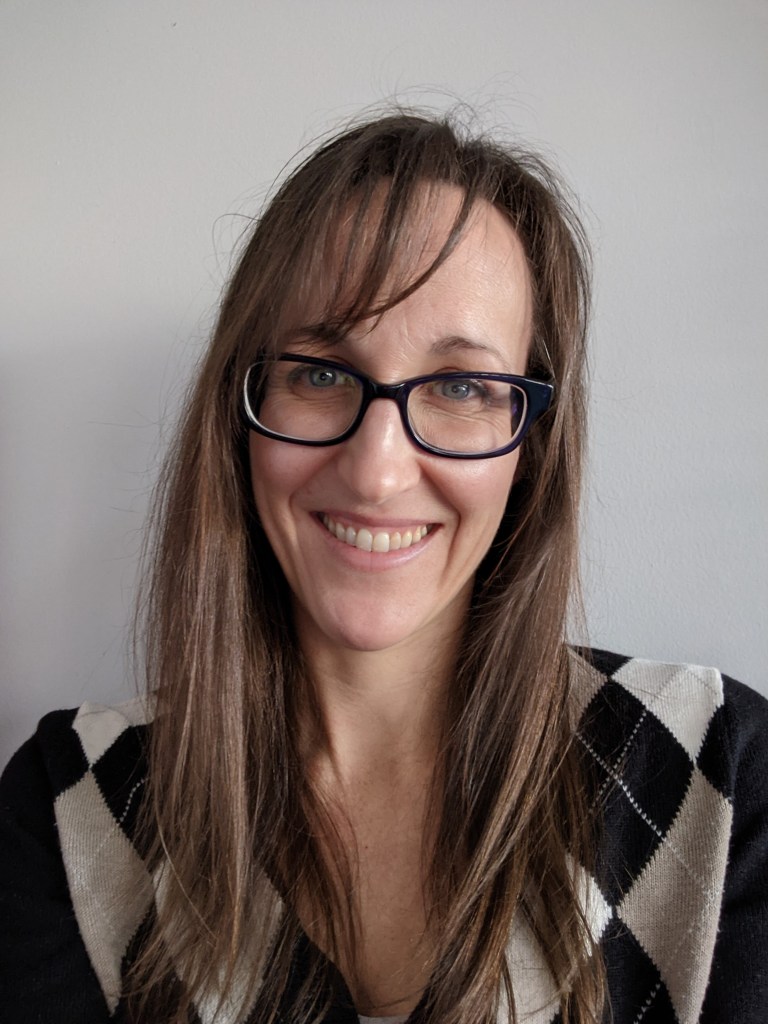
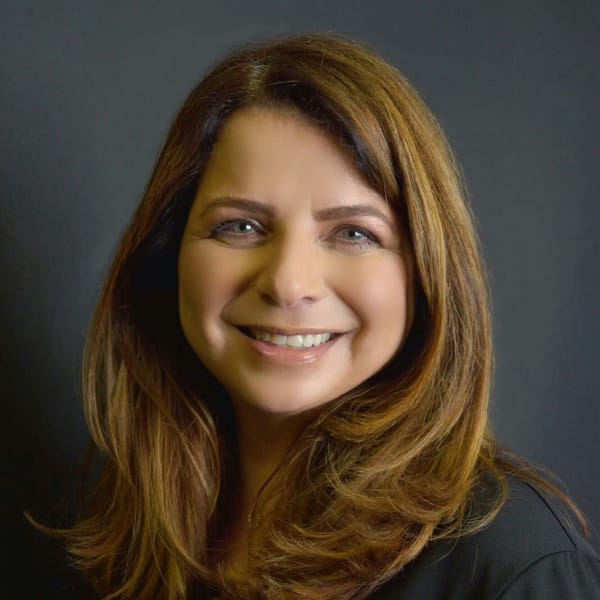
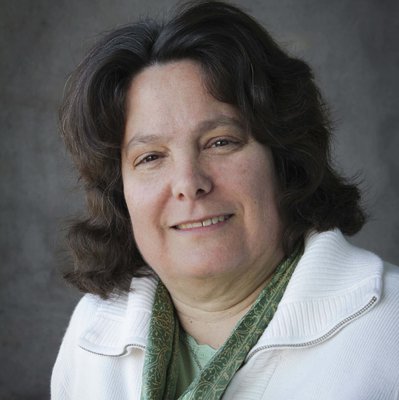
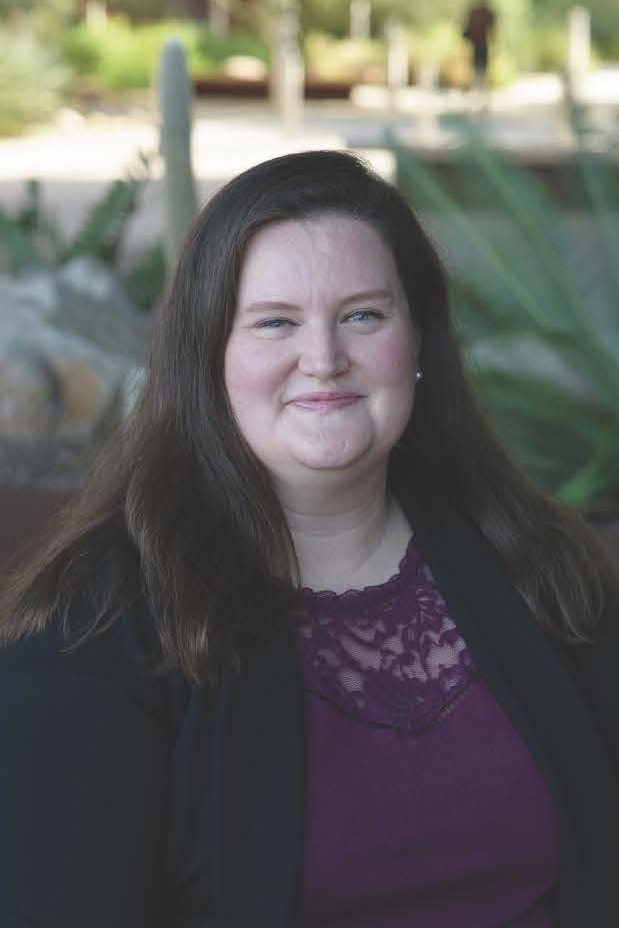
In this project, led by Dr. Kimberly Eck, Associate Vice President at Emory University and former NORDP President, the NORDP Consultants Program will extend research development support to 16 non-R1 MSIs across four new cohorts. “This award will promote the participation of faculty from minority-serving institutions and strengthen their competitiveness for federal funding,” according to Dina Stroud, program director for GRANTED. “Together, this will enhance the recognition of these institutions as leaders in scientific discovery.”
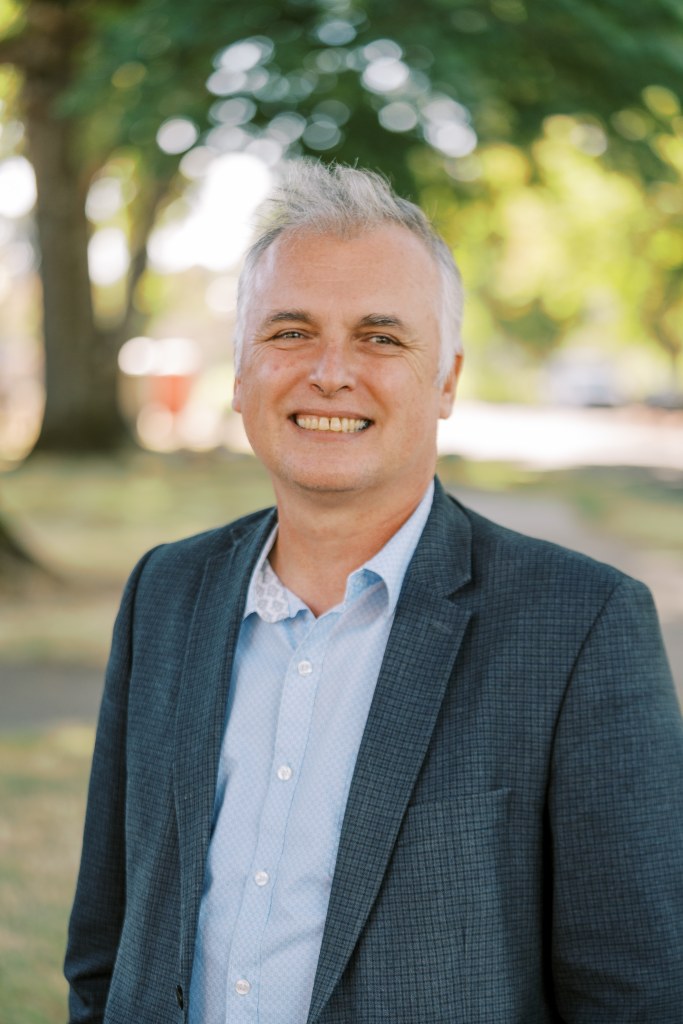
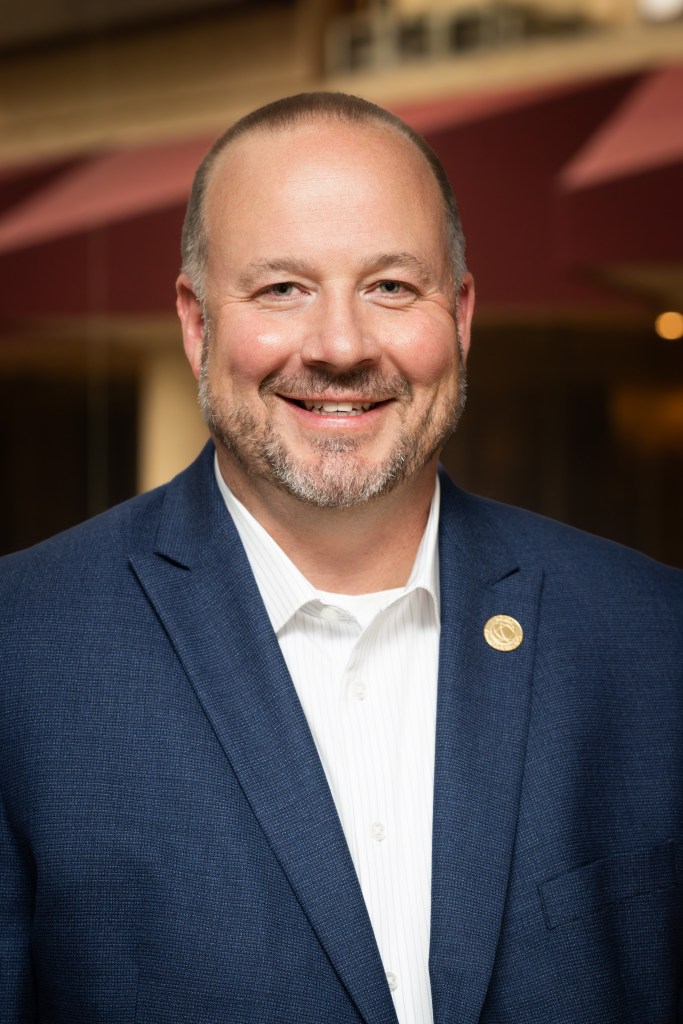
The project reflects NORDP’s deep commitment to inclusive excellence. “The Consultants Program has had a major impact on the HBCU and ERI partners already engaged. I am excited GRANTED funding will provide additional MSIs with access to the incredible expertise of the NORDP members serving as consultants in this program,” said NORDP President Nathan Meier.
When asked about her experience moving from behind-the-scenes to Principal Investigator, Dr. Eck said, “As a research development professional, I’ve supported the development of hundreds of proposals but being the PI on a federal award was a new experience for me. It was both the easiest and most nerve-wracking proposal I’ve ever written.” She continued with recommendations for other research development professionals, “If you have a project that can help GRANTED achieve its goals, you should apply. Going through the process of submission for yourself (even though you’ve supported many proposals led by faculty) is a great learning experience. It provides a new perspective on the process that will ultimately make you a better research development professional.”
Potential MSI partners interested in being a part of the program, the NORDP Consultants Program will host an information session on October 2, 2023 at 3 p.m. EDT. Those interested should register to attend. The RFA and application submission portal may be accessed here.
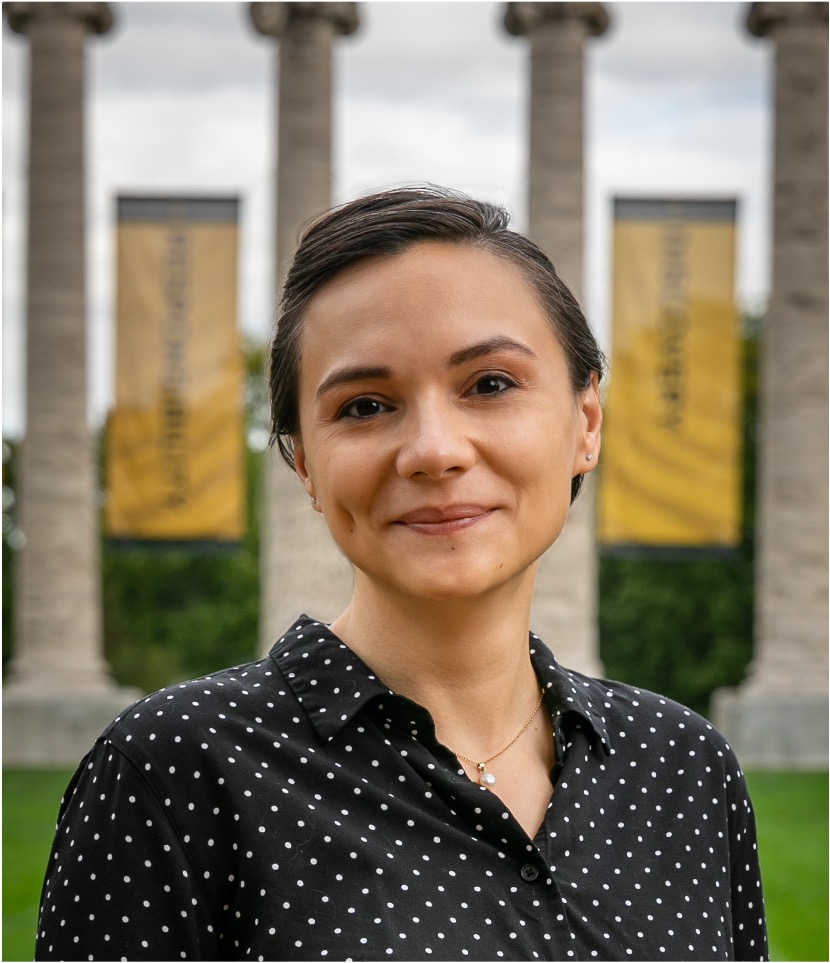
Interview with Emily Kotay, Liaison to INORMS and Leader of the International Working Group within NORDP’s Strategic Alliances Committee(SAC), by Jessica Venable
Emily Kotay, Assistant Director, International Research, University of Arizona
I am the Assistant Director of International Research within the Research Development Services office at the University of Arizona. In my role, my focus is to ensure more engagement in international research and to serve as a connector for faculty and the appropriate offices/staff on campus to support their international research collaborations, provide proposal development support for international collaborations that involve basic/fundamental research and promote funding opportunities that support international research (NSF, NIH, Horizon Europe, other countries’ science agencies’ opportunities). I have the broad aim of building and sustaining international research collaborations. My supervisor, Kim Patten, is also a member of the Strategic Alliances Committee in NORDP. Kim encouraged me to explore INORMS to continue forming alliances and develop as a professional in this relatively rare field of solely focusing on international research within RD.
Tell me about your recent presentation at the INORMS 2023 Congress.
The biennial INORMS Congress was held in Durban, South Africa, from May 30-June 2, 2023, and was hosted by the South African Research Innovation and Management Association (SARIMA). Each INORMS Congress is hosted by a member society in their home country. This year, the theme was “Towards a Utopia in Research and Innovation Management,” and presentations focused on research administration’s future. This future includes an emerging relationship between research administration, management, and RD, a topic of great interest in the United States and globally. I presented on a panel entitled “Enhancing individual career development and institutional capacity in research development” with SAC members Karen Eck and Jessica Venable. Our presentation outlined the professional development opportunities we offer in NORDP (mentoring program, PEERD, N-ROAD). Our presentation was well-received, and I’m looking forward to the 2025 Congress, which will be hosted by the European Association of Research Managers and Administrators (EARMA) in Madrid, Spain.
In addition to serving as a liaison to INORMS, you also lead the International Working Group for SAC. How does IWG engage the membership of NORDP?
Many RD professionals are working on international research funding opportunities but aren’t solely focusing their efforts there and would like to consult with others on best practices. Within NORDP, the International Working Group, a part of the Strategic Alliances Committee, meets monthly to discuss international research issues. We’re a small group, but we have great discussions. Recently, we have been discussing the NIH’s new policy regarding reporting requirements for international collaborators recently. Members who are interested in joining the IWG should feel free to contact me.
Why is NORDP’s relationship with INORMS important to our membership and to NORDP as a professional organization?
The global research enterprise is rapidly expanding. We can see this in new initiatives that respond to global challenges, such as the National Science Foundation Global Centres funding opportunity in which the NSF collaborated with the United Kingdom Research and Innovation (UKRI), the Canadian Association of Research Administrators (CARA), and the Commonwealth Scientific and Industrial Research Organisation (CSIRO), in Australia to fund cross-national projects aimed at addressing use-inspired solutions to climate change and clean energy. In addition, the NSF recently published a Dear Colleague Letter from their Office of International Science and Engineering announcing multilateral partnerships for Ukraine’s resilient education and science systems to support integrating Ukrainian researchers into the global research community. Through the connections in INORMS, I can build relationships with my counterparts in other countries to facilitate building teams of researchers to answer these critical calls. While faculty often bring their international partnerships and relationships to us, RD professionals also play an important role in building teams and serving as liaisons to researchers and institutions abroad. Moreover, sharing what we do as RD professionals with INORMS members, and hearing about their best practices, helps develop working relationships; practices vary across countries, and understanding those differences facilitates collaboration.
Just as significantly, as a US-based organization with some international membership, NORDP’s participation with INORMS is important to broadening our awareness of international issues and initiatives in the research management space. INORMS has spearheaded 3 phases of the RAAAP (Research Administration as a Profession) survey and many NORDP members participated. RAAAP seeks to identify the key skills, attitudes and behaviors of successful research management and administration (RMA) leaders and develop a longitudinal dataset about our profession. INORMS has further launched the More than Our Rankinitiative, which has been “developed in response to some of the problematic features and effects of the global university rankings. It provides an opportunity for academic institutions to highlight the many and various ways they serve the world that are not reflected in their ranking position. This initiative is meant for every academic institution, whether ranked or unranked, top 10 or yet to place.” NORDP’s exposure to new ways of conceptualizing research impact provide a novel way of assessing not only overall institutional results but also how RD offices and professionals contribute to these outcomes. This has potential to influence how we make the case for, and evaluate, RD activities and their impact.
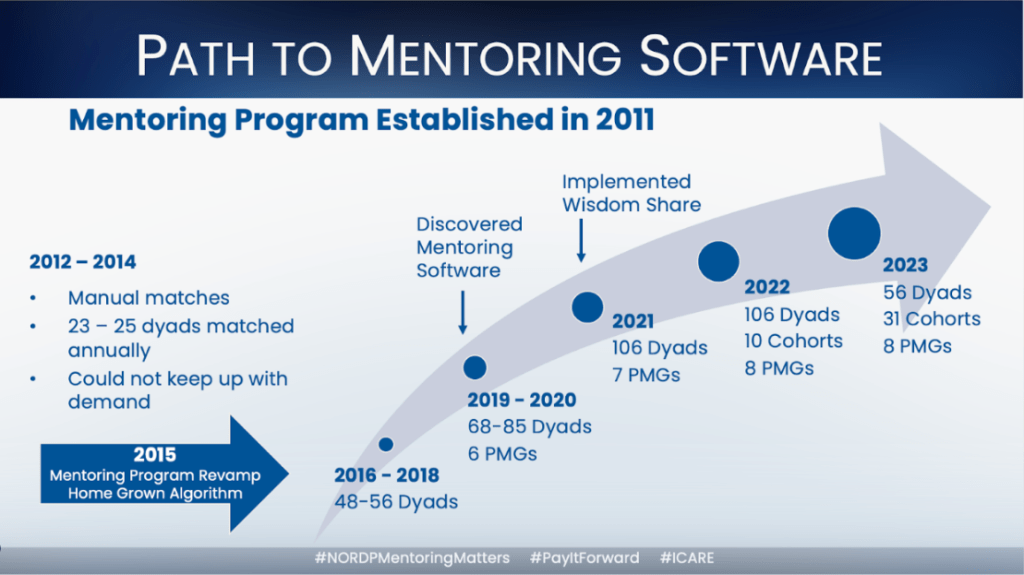
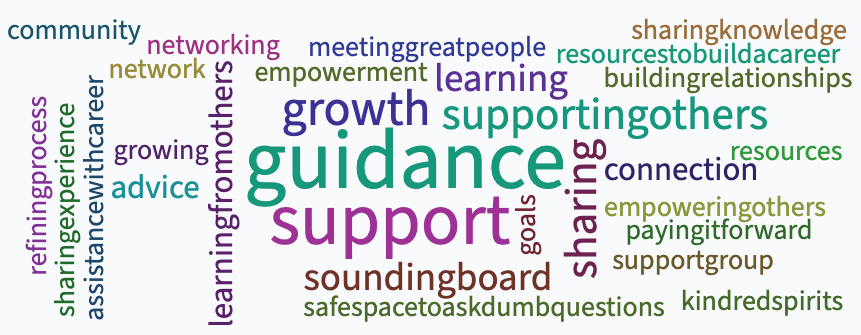
The Mentoring Committee held a Tools & Tips (TNT) information session in July on how to utilize the Wisdom Share platform to enrich your mentoring experience. In case you missed it, you can find the recording in the LMS library or the slides here. Our main goal was to answer some of the most commonly asked questions from the NORDP community about the Wisdom Share, web-based software introduced in 2021 to modernize and expedite the Mentor-Mentee matching process in order to accommodate growth of the NORDP mentoring program.
Brief history of the NORDP Mentoring Committee’s Matching Program.
Aided by the Wisdom Share algorithm, the Mentoring Committee has been able to significantly increase the number and complexity of the services we provide since its inception in 2011. A NORDP member now has access to three different types of mentoring programs:
1:1 Mentor-Mentee dyads. The match program runs from July to June annually.
1: 3 Mentor-Mentee cohorts. The match program runs from July, 2023 to June, 2024.
Eight different Peer Mentoring Groups (PMGs) led by Conveners where the discussions are member-driven. The NORDP members can elect to sign up for multiple PMGs within the Wisdom Share platform. Each PMG Convener will regularly send out meeting information.
We are currently preparing to launch our annual PMG Kickoff on Tuesday, October 10, at 1pm ET / noon CT / 11pm MT / 10am PT — mark your calendar! The registration information will be available soon through the Member Clicks email. At the PMG Kickoff, you will have an opportunity to meet this year’s PMG Conveners, get contact information, and ask questions. We want to thank all the PMG conveners for keeping us organized going forward — we look forward to seeing everyone!
First awarded in 2022, the NORDP Mentoring Award recognizes an individual NORDP member’s unique ability to provide an engaging, supportive, and inclusive environment for professional and/or personal growth through mentorship in the research development community. This award is bestowed with the acknowledgment that effective mentoring occurs through formal and informal channels and may vary in style and substance.
Who: Carolynn Julien
Where: Fairleigh Dickinson University
Number of years in research development: 34 years
Length of NORDP membership: 10 years
What does this mentoring award mean to you?
Let me just start by saying, I was surprised to get the award. I was totally thrown off. I was fidgeting with something and I heard my name being called. If there was anything that I would want to be recognized for, it would be mentoring. It is just the best honor ever! It solidifies who I am and my efforts. It was just perfect!
What has your mentoring journey within NORDP looked like?
I believe it was 2013 when I found out about the NORDP mentoring program, and I was matched with a wonderful mentor, Linda Mason from the University of Oklahoma. It was a wonderful experience. I even got a NORDP travel award to meet her in Austin. She was my introduction to NORDP, and it was just the most amazing connection that I had with her. She came up to where I live in New York once and we got to spend time together while she was on vacation. I recently found out that she passed away and I was just so heartbroken. Linda was amazing and really helped me to grow as a professional.
Generally, I think I remained on the outskirts of NORDP. I was kind of a lurker. I wasn’t fully engaged until I decided to join the mentoring committee. Serving on the committee solidified my commitment to NORDP and it was an opportunity for me to not only engage but to give back.
What initially drew you to mentoring?
I always say, “Mentoring is who I am and what I do.” I have mentored in so many capacities, professionally and personally. I am in an organization where I mentor high school girls. I have mentored people in a group that I created across the City University of New York, where I mentored many individuals across the RD spectrum. Mentoring was the focus of my dissertation. So, yes, it’s my “walk.”
How did you take the first step in the “walk” of mentoring?
My parents always taught me that I’m on this earth to give back. And that has always been a part of me. My upbringing taught me to give back and to figure out how I can give back. Mentoring allows me to have those personal relationships to give back.
What does being a good mentor mean to you?
It means that I show up fully and I provide a space where I will help a mentee grow both personally and professionally. It means that I will be a good listener and that I am looking to understand not only what is spoken but what is also unspoken. It means that I am going to be a cheerleader, and that I am going to be a friend; It means that I am going to be an educator; It means that I am going to be a student; It means that I’m going to be whatever the role is that my mentee needs. The mentee decides and I provide.
You have lived in the spirit of mentoring your entire life. Is there a lesson you have learned along the way that has helped you become a better mentor?
The lesson I have learned is that mentoring relationships have no finite timeline. I think that’s something I struggle with a little bit when it comes to the NORDP program because it’s a one-year commitment. I don’t believe that mentoring relationships have a timeline. The mentoring relationships that I have are ongoing. There are people who I worked with 20 years ago and if they need me, I will be there. They know how to find me and if it’s a year from now, 10 years from now, 20 years from now — I will be there.
What have you found most challenging about being a mentor?
I think one of the challenges in a mentoring relationship is creating intimacy. The best relationship investments are where both the mentor and the mentee can fully show up. That’s a challenge, but it’s a challenge that I love. Because I like taking the time to get to know the mentee, and it takes time. It takes care, patience, and a willingness to accept who this person is.
What advice do you have for others within NORDP who wish to follow in your footsteps?
I’m going to borrow from Nike…Just do it! It’s scary at first. I can remember when the camera came on for the first time and there was a person in another Zoom box. In my mind, I am saying to myself, “I had this mentor training and I should have the right thing to say.” But I have found the best success through listening to my heart. Your heart will guide you. You’ll know what to say and what to do. And it really starts with intention. If your intentions are to help an individual with the agreed upon goals, and you fully show up and listen, your intentions will guide you.
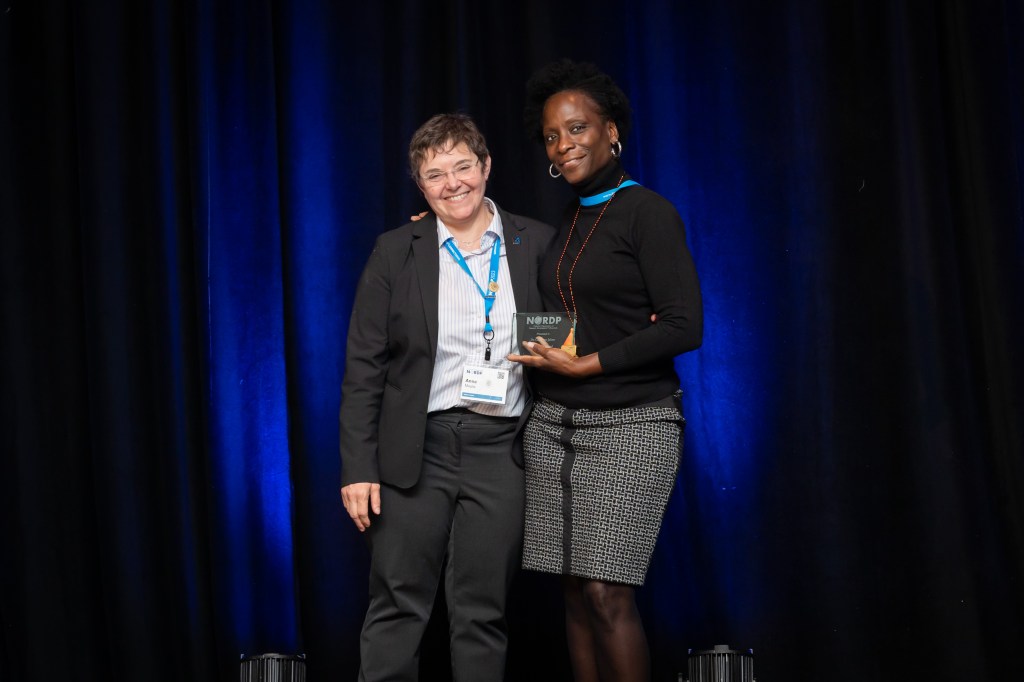
NORDP president Anne Maglia (left) presenting the 2023 Mentoring Award to recipient Carolynn Julien (right).
The afternoon of Wednesday, November 1 (“PreCON”), will be dedicated to representatives of funding agencies and organizations–offering attendees the opportunity to hear about new programs and funding priorities, and ask questions about how best to support your researchers. Two presentations will run concurrently, and most will be recorded for viewing post-event.
Compiled by Daniel Campbell, Member Services Committee
Career Stories are a partnership of NORDP LEAD, the Professional Development Committee, and the Member Services Committee. These informal “fireside chats” highlight the professional trajectories of NORDP members by showcasing the multiple ways that members end up in research development as well as the variety of paths available for career growth and advancement.
NORDP Charter Fellow and Emeritus Member, Jan Abramson, was part of the group that worked to create this series of conversations. Jan adds, “Career Stories is always a highlight of my month. We have a great team of volunteers who make this event happen, and it is always fun to connect through conversation with NORDP members. Career Stories is a great way to start volunteering or sharing your personal path with NORDP colleagues.”
These 30-minute listen and learn sessions along with participant Q&A, began in January 2021 with Karen Fletcher, Director of Grants Resources & Services at Appalachian State University, and have continued monthly since then.
Gagan Bajaj, PhD, Grant Proposal Developer at the University of Vermont notes,“I joined the team at Career Stories in September 2021, bang in the middle of the pandemic—I was craving human connection, and boy, did the series deliver! Career Stories is my monthly dose of inspiration, and I am so grateful for all the wonderful people I have met through this forum.”
Career Stories from this year are listed below with a bit of background bio on the featured members. All Career Stories have been recorded and are accessible by NORDP members through the NORDP LMS.
January – Sammy Rodriguez Flecha (Washington State University)
Sammy Rodriguez Flecha, PhD is currently the director of the Washington State University’s Team Mentoring Program, a network serving underserved undergraduate students pursuing degrees in science, technology, engineering, math (STEM) and health fields. Prior to this new role, he served as interim director for the WSU Office of Research Advancement & Partnerships. His research development and administration career has spanned over 10 years. His PhD is in educational psychology and his Master’s degree is in English literature. He’s been a member of NORDP’s Nominating Committee, a mentor for NORDP’s mentoring program and participated in the inaugural cohort of NORDP LEAD.
February – Jaime Rubin (Columbia University) Dr. Jaime Rubin is currently the Vice Chair for Investigator Development in the Department of Medicine at Columbia University. She has held senior level positions at Columbia University Medical Center, including Acting Associate Dean for Graduate Affairs, was the founding Director of the Office of Graduate Affairs, and served as the Acting Associate Vice President/Acting Associate Dean for Research Administration – and was one of the founders of the Office of Research Administration. Dr. Rubin completed her PhD at the Ontario Cancer Institute, University of Toronto. She is currently a Fulbright Scholar awardee with the Republic of Kosovo’s Ministry of Education, Science, Technology and Innovation. Her responsibilities include working on projects to increase extramurally-funded research with international partners.
March - Elizabeth Lathrop (University of Maryland) Elizabeth Lathrop works as a Proposal Development Specialist for the A. James Clark School of Engineering at the University of Maryland. She provides critical support to the Clark School's capacity for complex, multidisciplinary research initiatives in response to targeted funding opportunities. Elizabeth is a Professional Track Faculty with degrees in sciences and was the Associate Director of Programs for a DOE EFRC: Energy Frontier Research Center - Science of Precision Multifunctional Nanostructures for Electrical Energy Storage. Elizabeth is currently a co-chair of the Mentoring Committee, and participates in the iKnoW, (immigrant Knowledge and Wisdom) Affinity Group.
April - Jason Charland (University of Maine) Jason Charland serves as Senior Advisor to the President and Executive Director of Research Development at the University of Maine. He oversees research development service provision to faculty and researchers across the University of Maine System, which comprises five primarily undergraduate institutions, a regional comprehensive university, a law school, and an R1 research university distributed across a rural state. He is also responsible for implementing university-wide extramural funding strategies for federal, state, and foundation funding and executing strategic research initiatives.
May - Elizabeth Festa (Rice University) Elizabeth Festa is a Research Development Specialist in the Office of Research Development at Rice University. She received her Ph.D. from Vanderbilt University and her B.A. from the University of Notre Dame. She is an IRB affiliate at Baylor College of Medicine and a past screener for the Fulbright-National Geographic Fellowship. Before transitioning into RD, Elizabeth was Associate Director of the Program in Writing in Communication at Rice, and the Associate Director of the Center for Academic and Professional Communication. Elizabeth holds leadership positions in NORDP’s Strategic Alliances Committee and Member Services Committee.
June - Camille Coley (University of San Francisco) Camille Coley, JD, CRA is the inaugural Associate Vice Provost for Sponsored Programs and External Partnerships at the University of San Francisco. She has worked in research administration and research development for more than 20 years including at the American Museum of Natural History (in New York City, NY), Florida Atlantic University (FAU), and Southeast National Marine Renewable Energy Center and the Center for Biomedical and Marine Biotechnology at FAU. She is a certified Research Administrator as well as a Certified Mediator. Camille shares her experience and expertise through the NORDP PEERD program and is a consultant for NORDP’s Pilot Project for Historically Black Colleges and Universities.
July – Eric Wayne Dickey (Oregon State University) Eric holds an Honors Bachelor of Arts in English and a Master of Fine Arts in Creative Writing, both from Oregon State University (OSU), and is a certified Project Management Professional by the Project Management Institute. He is also a published poet, children's author, and translator of German Poetry, and his work can be found online and in print. In July 2022, Eric began a new role as the first ever Director of Sponsored Programs for OSU’s Division of Extension and Engagement. He has 20 years of experience in research development and proposal and project management and has worked for OSU’s College of Forestry and College of Liberal Arts, for Oregon Sea Grant, and at Western Oregon University where he established its inaugural Sponsored Projects Office. For NORDP, Eric currently serves on the Member Services Committee and is a co-representative for the Pacific Region. He is also on the Mentoring Committee and has recently agreed to serve on the Conference Committee.
August - Jessica Venable (Thorn Run Partners) Jessica Venable, PhD is known for her work in higher education policy and reform, particularly as it pertains to how underserved and underrepresented individuals, institutions and groups are represented in, and benefit from, the Federal funding landscaper. In her career, she worked in RD at Virginia Commonwealth University, and at NASA Langley Research Center and NASA Headquarters. She has also served as a grant reviewer for numerous federal agencies, and prior to joining Thorn Run Partners served as Vice President at McAllister & Quinn.
Elizabeth Festa noted, “As a person who transitioned to RD mid-career, the experience of being interviewed for Career Stories was a validating one. The field of RD is still emerging and the opportunity to draw upon a wide variety of experiences and skills to impact the profession, as opposed to following a clearly defined path, has ultimately been rewarding. Career Stories made me recognize the value in my unique path, and those of my NORDP colleagues.”
If you are interested participating as a conversation facilitator, technical host or sharing your own story please contact Gagan Bajaj at gagan.bajaj@med.uvm.edu.
The NORDP Innovation Award recognizes individuals, groups, or teams; functional units; or organizations who leverage unique skills or resources to kick-start innovation in research development and advance the profession or the field in ways that generate evidence of promise or demonstrable results. Innovators leverage partnerships, experiment with tools and techniques, or generate and share knowledge to advance NORDP and the work of its members.
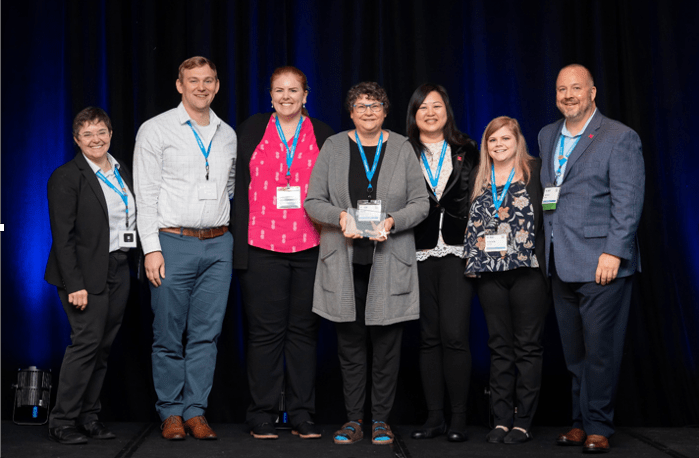
Then NORDP President Anne Maglia, left, and NORDP Vice President Nathan Meier, right, present the NORDP Innovation Award to University of Nebraska-Lincoln (UNL) Office of Proposal Development (OPD) team, from left, Matthew Dwyer, Katie Pelland, Tisha Gilreath Mullen, Jaclyn Tan, and Amanda Bohlin, at the 2023 NORDP Conference in Arlington, Va., on May 10. UNL OPD won the award for their leading-edge programming to help UNL faculty win National Science Foundation Faculty Early Career Development Program (NSF CAREER) grants. Not pictured: Jocelyn Bosley.
NORDP is proud to spotlight the University of Nebraska-Lincoln (UNL) Office of Proposal Development (OPD), a group recognized May 10 with the Innovation Award. UNL OPD won the award by exhibiting inventive approaches and fostering impactful change on campus through its CAREER Club programming, which is designed to increase faculty success in securing these prestigious awards from the National Science Foundation (NSF).
At the core of UNL OPD’s success lies a team of dedicated individuals with unique expertise and roles positioned within the institution’s central research development (RD) structure. Team members include:
Amanda Bohlin, Proposal Development Coordinator
Jocelyn Bosley, Research Impact Coordinator
Matthew Dwyer, Senior Proposal Development Coordinator
Tisha Gilreath Mullen, Director of Proposal Development
Katie Pelland, Senior Proposal Development Coordinator
Jaclyn Tan, Proposal Development Specialist
In UNL’s NSF CAREER Club, the team employs a three-pronged, integrated approach focusing on programming, personalized proposal development support, and fostering connections among researchers and partners—both internal and external. What started as a one-week program in 2017 has since evolved into a six-month program. Key to innovation is the team’s commitment to constant evaluation and improvement: sessions are evaluated annually and OPD uses data-informed practices to evolve.
Over the years, UNL’s NSF CAREER Club has shifted from didactic-centered interactions to more conversational sessions, assisted networking, one-on-one mentoring, and continued support. Today, programming also emphasizes synergistic networking to catalyze future research through cross-departmental and external collaborations. Through this networking, faculty develop connections across and beyond campus, ultimately increasing the sense of community Principal Investigators (PIs) feel at UNL. OPD offers one-on-one mentoring and safe spaces to create what they call “collateral beauty,” where PIs receive valuable feedback, support on deferment or selecting better fitting mechanisms, or encouragement to submit. These spaces integrate difficult conversations seamlessly into a strategic, positive experience. OPD also developed two new tools to enhance how researchers communicate their vision: a career trajectory graphic that visualizes past, present, and future growth, and a mini poster designed to facilitate virtual conversations with program officers, impact partners, and other stakeholders.
As a testament to their successful innovations, UNL now averages six or more CAREER Award winners per year—a significant increase over the past five years—with a 50% success rate for faculty who complete CAREER Club. Through partnerships with external NSF consultants, UNL OPD demystifies the process, supports their investigators, and ensures PIs acquire the necessary experiences and co-mentorship to achieve their goals.
For institutions wanting to start a similar program, UNL OPD recommends evaluating how programs can work together to maximize impact despite limited resources and bandwidth. Institutions can start by taking inventory of unique assets and strengths, chart them against leadership priorities, then develop objectives and define metrics for success. Consistent messaging and marketing before, during, and after programming is crucial as well.
Additionally, OPD encourages leveraging the wealth of NORDP resources in developing programs. The team conveyed gratitude for the NORDP community’s invaluable expertise and support in catalyzing their innovations from ideation to execution. For example, their mini poster tool was refined based on NORDP members’ input. Many OPD members also applauded the NORDP Mentoring Program as a hub to ideate, problem-solve, and gain resources related to programming. The team praised NORDP’s contributions to the RD field, such as providing a common vocabulary, offering growth frameworks, working toward developing an RD credential program, and creating virtual spaces for engagement. Furthermore, NORDP’s collaboration with other professional organizations, such as ARIS (Advancing Research Impact in Society), has driven the field further. OPD also noted that a former NORDP president now serves as the director of NSF GRANTED, further exemplifying the impact of NORDP involvement.
OPD’s CAREER Club stands as a beacon of innovation and a catalyst for progress. By providing personalized support, fostering connections, and engaging with the NORDP community, the UNL team has propelled researchers to new heights of success. Through constant evaluation and collaboration, they continue to push boundaries and empower researchers to embrace innovation. As institutions seek to innovate, UNL OPD serves as an exemplar that offers tangible steps for success and advocates for the power of networking, resource sharing, and co-innovation within the NORDP community.
The NORDP Rising Star Award recognizes individuals for their outstanding, early volunteer contributions to NORDP and strong potential for future contributions to the organization and the profession or the field.
Erica Pitre, Rising Star Award Winner
Who: Erica Pitre
Where: Emory University
Title: Director of Research Development
Number of years in RD: 6 years
Length of NORDP membership: 5 years
Erica was nominated for her work on the NORDP Journal subcommittee for her integral voice in shaping the direction and creation of the journal; her service as manager of the NORDP Consultants Program; her active work on NORDP’s Competitive Intelligence Working Group, where she brings her project management and industry experience while also building the community; and her dedication to sharing resources and solutions to the NORDP community at large.
Erica began her career in the energy industry, specializing in proposal development and technical writing. After transitioning to academic research development (RD), she was part of a bustling R2 hub where she launched the institution’s first, formal RD support unit. She brought her extensive skillset to Emory, where she currently serves as Director of Research Development and supports strategic initiatives, mega proposals, and seed funding, among other RD initiatives.
When asked about the initiative she’s most proud of, Erica shared it has been the NORDP Consultant Program, led by Kimberly Eck, MPH, PhD. Through this program, Erica has had the opportunity to interact with NORDP consultants who possess cutting-edge approaches and collaborate with them to support researchers. In addition to her work in the Consultant Program, her commitment to the future of the field is evident through her involvement in the NORDP startup committee for the organization’s journal. Intrigued by the absence of certain resources, she applied her project management skills and simultaneously acquired new ones, which proved crucial in laying the foundation for the journal’s future launch. Erica emphasizes that newcomers shouldn’t hesitate to get involved in committees and contribute their fresh perspectives. Volunteer communities like NORDP thrive on diverse insights and welcome individuals who are willing to put in the work and learn new skills.
In addition to getting involved in committees, Erica offers valuable advice for newcomers. She encourages involvement in the NORDP Mentoring Program and joining resources like the NORDP listserv and Basecamp to tap into the collective knowledge and expertise of the community. She also suggests that new members keep an active running list of topics to learn more about and roadblocks encountered. Members can then use that running list to connect with the NORDP network to find solutions. Erica shares that one of the standout features of NORDP is the generosity of its members, who make time to support and guide others. One of the key examples she provided was when she used her running list to seek out information from a key NORDP member. She was able to connect with this individual, which led to very fruitful conversations, and an opportunity to transition to her current university.
Having been part of NORDP for the past 5 years, Erica has witnessed fellow new, NORDP professionals gain recognition and awards alongside her and encourages others to speak up and get engaged. When looking at the potential for future rising stars, Erica urges folks to remember the untapped potential of industry professionals. Erica firmly believes that colleges and universities should consider industry professionals as valuable assets for research development roles. While advanced degrees are advantageous, equitable work experience outside academia also brings a fresh perspective and a very transferable, rich skill set. There exists a vast pool of individuals capable of fulfilling the demands of this work, and the opportunity lies in helping them understand the academic ecosystem. Erica’s journey from industry to academia research development exemplifies the potential for professionals to make a significant impact in the RD field. Her involvement with NORDP has been instrumental in not only her growth and success but also the evolution and growth of NORDP and RD programs. Her work highlights the power of community, collaboration, and volunteerism. As the field continues to evolve, recognizing the value of diverse backgrounds and experiences will continue to be vital in nurturing the next generation of research development professionals.
First awarded in 2022, the NORDP Mentoring Award recognizes an individual NORDP member’s unique ability to provide an engaging, supportive, and inclusive environment for professional and/or personal growth through mentorship in the research development community. This award is bestowed with the acknowledgement that effective mentoring occurs through formal and informal channels and may vary in style and substance.
Anne Maglia (R) presents the Mentoring Award to Hilda McMackin, at the 2023 conference.
Who: Hilda McMackin, Director of Research Administration Systems and Reporting
Where: Vanderbilt University, Nashville, TN
Number of years in research development: 14
Length of NORDP membership: 6
What has your mentoring journey within NORDP looked like?
After joining NORDP in 2017, I attended the annual conference in Denver and went to the mentoring committee open house. I was sold! I was especially interested in the Mentorship, Expertise, Support, Helping Hands (MESHH) subcommittee and the resources they developed. I’ve enjoyed working on the MESHH tools available in the NORDP Mentoring Toolkit and presenting webinars and workshops on how to use them.
My involvement has combined committee work with serving as both a mentee and mentor. In the committee, for the past several years, I led the group of Facilitators that serve as points of contact for mentoring program participants throughout the year. I have also collaborated on and presented in three rounds of Mentoring Lightning Storms where we coordinated an hour of 5-minutue lighting talks all focused on aspects of mentoring. Then, in March of 2022, I became a committee co-chair, helping lead the work of the committee. The work has been fun-filled and rewarding. This committee is made up of a great group of collaborative and welcoming people; our meetings have become high points of my week.
I’m currently mentoring a cohort of three NORDP members this year in an expansion of our mentoring cohort pilot that was successful last year. This format bolsters the mentoring relationships by fostering peer mentoring at the same time and expanding the network of all four members involved in the cohort. I am looking forward to exploring mentoring in this exciting group setting.
What initially drew you to mentoring?
I’ve always been grateful for the mentoring I received throughout my career, and I thought mentoring was a great way to both get involved with NORDP and pay that support forward to bolster the growth of others. I also have a deep commitment to the research enterprise and recognize the importance of mentoring in advancing research. Regardless of the role – faculty, staff, or student – receiving and providing mentorship is essential in moving research and innovation forward, as people can’t contribute their whole selves in their work if their needs and aspirations aren’t nurtured.
What does being a good mentor mean to you?
A good mentor is someone who can be present and listen; someone who can focus on the needs of the mentee. Developing trust is essential. Dedicating time is important. And add in vulnerability to truly succeed. To really build a safe space for people to grow, you need to build trust by sharing your emotions as well as your stories. A good mentor is not afraid to share and doesn’t need to be perfect. In conversations with my mentees, I strive to listen, provide perspective, and offer insights where I can.
I wish I’d tried mentoring sooner. I think we’re sometimes hesitant to mentor due to a twinge of insecurity. We wonder if we can really be a good mentor. Do we have enough to offer? Yes, you need to be comfortable, but I think nearly anyone can be a mentor with support from the resources available through NORDP.
I want to stress that you do have to follow through on the commitment. If your mentee hasn’t reached out, check in with them. I suggest carving out time and protecting it. If you’re worried about time, rest assured that you can meet less frequently and still get a big bang for your buck.
What have you found most rewarding, and most challenging, about being a mentor?
The greatest reward is that mentoring energizes me. I’m a curious person, and it’s rewarding to connect with others and feel the impact that I have had on others’ lives. On a personal level, sometimes that means simply helping them get through difficult times. We all know how reassuring that can be.
The greatest challenge is making the time for it. Our jobs keep us very busy. The more you do, the more connections you have, including both unofficial networks and proactive mentoring. I always try to reduce the barriers as much as possible. The greatest reward, for me, is getting to know other people, their perspectives, their experiences.
What advice do you have for others within NORDP who wish to follow in your footsteps?
I want to encourage anyone who hasn’t yet served as a mentor to sign up as one. Realize that you always have something to offer as a mentor and something to gain as a mentee. It’s such a rewarding experience. If you are not ready to mentor, I encourage you to get involved with the NORDP Mentoring Committee. Working with the committee is a great way to learn mentoring best practices as well as help sustain the incredible benefits that our mentoring activities provide for all NORDP members.
A free professional development opportunity for NORDP members, LEAD was established to help create opportunities for member development, engagement, and leadership. One goal for LEAD is to help develop future leaders for committees, working groups, and NORDP’s board of directors.
Participants in the LEAD cohort program spend around 12 hours during an eight-month period devoted to learning about and reflecting on topics like:
Identifying individual strengths and strengths-based leadership
Strategic planning for professional and personal growth
Inclusive collaboration in team-based scholarship
Non-profit board operations and opportunities for service and leadership within NORDP
Through the LEAD cohort program, participants develop a personalized plan for growth as a research development professional and/or as a NORDP member.
LEAD cohorts are limited to 12 individuals to maximize opportunities for learning, community building, and professional networking. Cohort meetings will be on the third Thursday monthly from October 2023 to May 2024.
The 90-minute sessions will run from 12 to 1:30 p.m. Eastern/11 a.m. to 12:30 p.m. Central/10 to 11:30 a.m. Mountain/9 to 10:30 a.m. Pacific on the following dates:
October 19
November 16
December 21
January 18
February 15
March 21
April 18
May 16
Following each session, participants have the option to remain on Zoom for up to 30 minutes for informal networking with other cohort members and the program facilitators.
Cohort 3 applications should be submitted via InfoReady by 11:59 p.m. EDT on Friday, September 1. Applicants must submit their contact information; a short statement of interest and readiness; and a copy of their curriculum vitae or résumé.
All NORDP members are eligible to apply. Application review criteria include the:
alignment between an applicant’s interests in joining LEAD and their readiness to participate in the program.
applicant’s past record of contribution within NORDP or the field of research development and their potential for future, more significant impact.
Participants will be selected based on the diversity of the applicant pool and their willingness to commit to missing no more than one monthly meeting of the cohort. Selection notifications will be issued by Friday, September 22. For additional information about NORDP LEAD – Cohort 3, contact Lisa Lopez or Nathan Meier.