Foot in the door: How a career navigator helps transition into a RD position?

Contributors: Mayla Boguslav and Toyin Babarinde
Career Navigator program lead: Samarpita Sengupta

“I fell into it.” 

If you ask a room of RD professionals the question “How did you get into RD?,” the most common answer is likely “I fell into it!” For a profession that has significantly grown and continues to do so, “I fell into it” doesn’t resonate with everyone. The NORDP Mentoring Committee launched the Career Navigator program and the trainee membership to create intentional pathways to the RD profession. Trainee membership is defined by NORDP as “individuals who must, at the time of NORDP membership application, 1) have not held a paid Research Development (RD) position, 2) be enrolled in a graduate educational program (for example a Master’s or Doctoral program) or hold a postdoctoral fellowship, and 3) be interested in pursuing RD as a career.

In this program, NORDP trainee members, who are looking to explore RD as a potential career path are paired with NORDP Career Navigators who share similar backgrounds and career paths of interest to the trainee. Through a mentee-driven relationship, trainees learn more about the field of RD and find support for landing their first RD position.

The program has matched 20 NORDP trainee members to date, with an impressive 42% of the trainee members landing their first RD position. Nine of the matches are currently open. Through a Mentor Sign up form sent through the NORDP Listserv, 13 NORDP members so far have signed up to be Career Navigators, many of whom are alumni of the program and are looking forward to giving back.
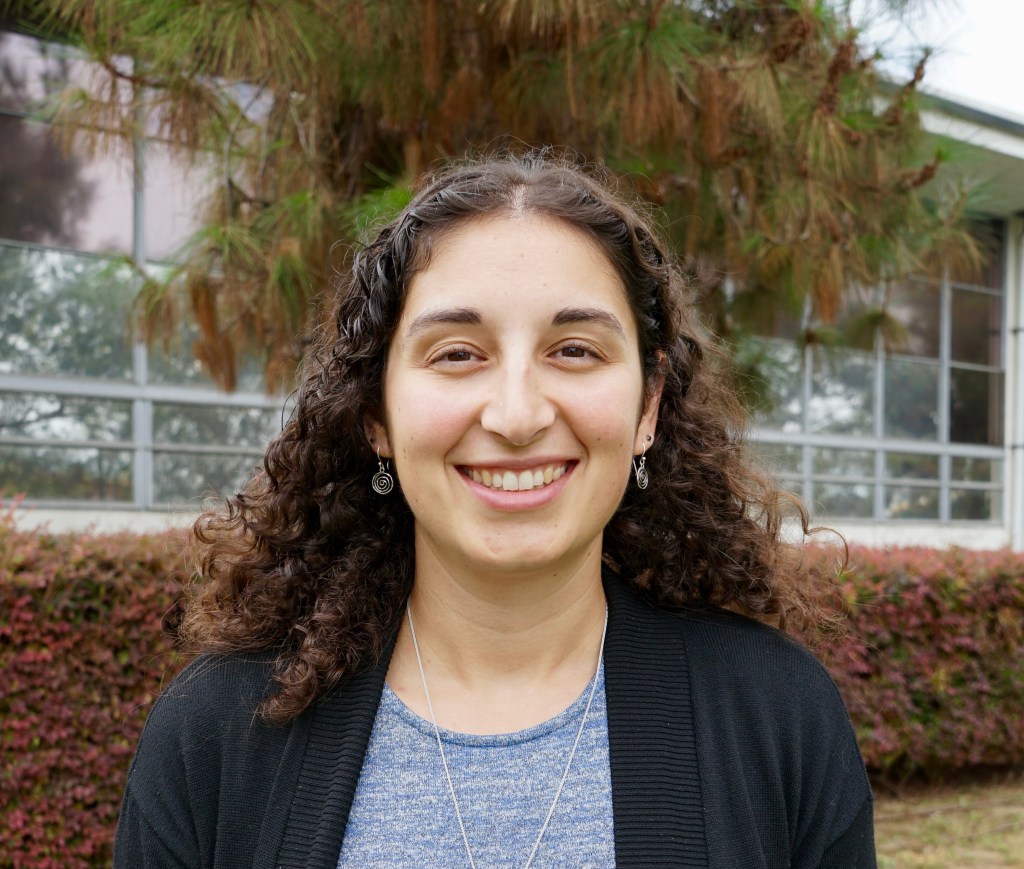
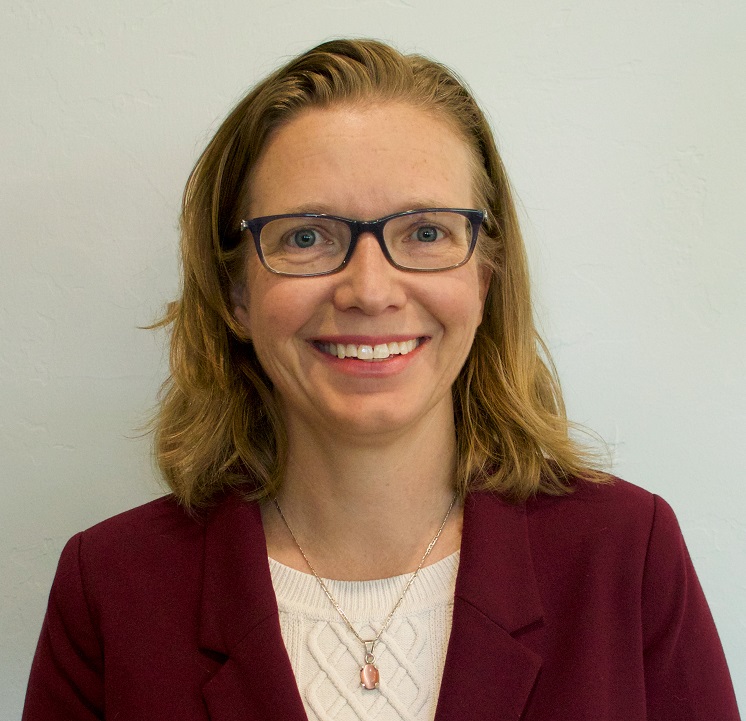
Mayla Boguslav, PhD
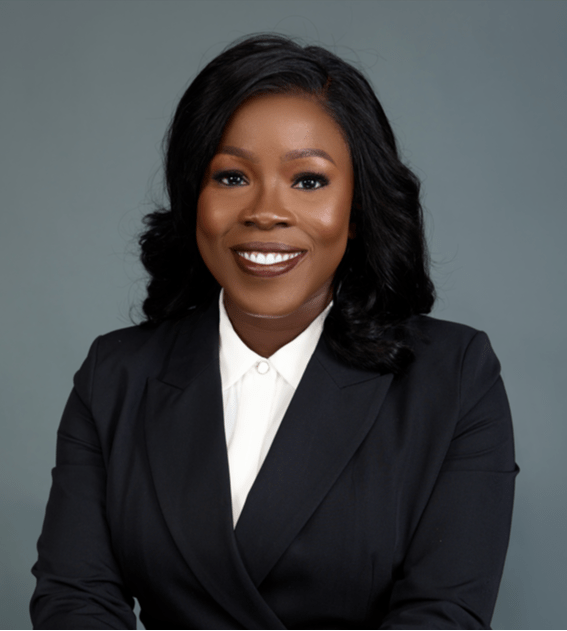
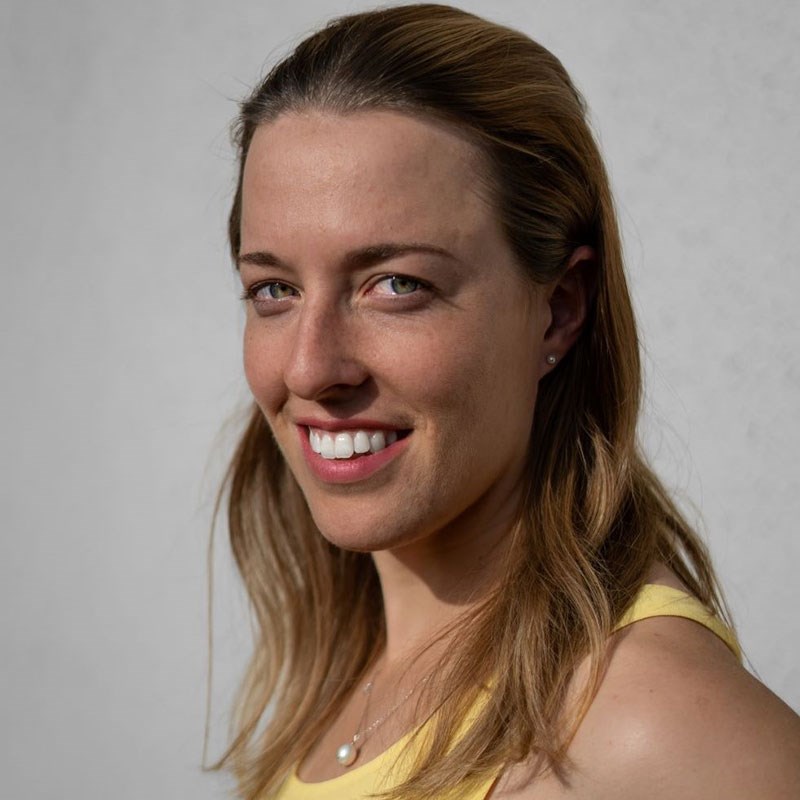
Toyin Babrinde, PhD

In February 2024, Mayla Boguslav, PhD, who was then a postdoctoral research fellow at Colorado State University was paired with Toyin Babarinde, PhD, who serves as the Executive Director of the Office of Strategic Research Development at the University of Texas Medical Branch. Since then, Mayla has transitioned into the Research Associate, Research Development role at the Southern California Clinical and Translational Science Institute at the University of Southern California. We caught up with both of them to ask about their experiences with the Career Navigator program. 

  1. What influenced you to join the Career Navigator program as a mentor or mentee?
    • Mayla as mentee: I identified that I wanted to study the research endeavor and realized that RD is the place to do it. However, I did not know much about RD, let alone careers in RD. I joined the NORDP Career Navigators program to focus on my career transition into RD and learn the possibilities.
    • Toyin as mentor: As a beneficiary of having great mentors, I am compelled to pay it forward wherever possible. Finding my career path was not easy or clear and I’m happy to help others in their journey. 
  2. What was your favorite part about your mentoring relationship?
    • Mayla as mentee: Toyin’s honesty about an RD career both the struggles and the excitements. We have discussed topics such as leadership, change, career transitions, and many more that have all been very valuable. 
    • Toyin as mentor: Mayla’s openness to ask questions and explore various topics. 
  3. What have you found most rewarding and most challenging about being a mentor? 

Toyin’s answer: The most rewarding part is hearing that I was helpful. There are not notable challenging components to mentorship. There are times when I have wished I could intervene/advocate on behalf of my mentee in some of their situations, but all I can do is give thoughtful feedback and guidance and hope things work out the best way possible for them in that situation. 

  1. Any words of wisdom or encouragement to those who are considering a transition into an RD career?
    • Mayla as mentee:
      • Find mentors to learn from and discuss it with.
      • Be open to new ideas 
      • Ask lots of questions
      • My RD career transition has been seamless because of all the mentors and conversations I have had including with Toyin.
      • Give yourself grace to not be perfect because you need to learn a whole new field.
    • Toyin as mentor: Mayla summarized it very well which is why you will see some of the same answers.
      • Be open to new ideas
      • Don’t be afraid to ask “ALL” the questions 😊
      • Know it’s ok to feel lost but understand that you will find your ground at the right time. 
      • Extending grace to yourself is critical
      • Talk to as many people in various roles as possible to learn about your options.
      • Be bold, courageous, and confident
      • Do not be afraid to let your light shine brightly, there is room for everyone to do so.

As with many mentoring relationships, Mayla and Toyin still keep up the mentoring relationship beyond the official Career Navigator program and Mayla considers Toyin as a lifelong mentor.

If you are a trainee member looking to find your RD career, please sign up for the Career Navigator program. We are always looking for more Career Navigators for our pool. If you are a RD professional, and are able to commit to a short-term mentoring relationship, please sign up to be a Career Navigator. This program is especially useful for those who are contemplating signing up as mentors for the NORDP mentoring program and would like some experience with being a mentor. If you have a RD position, you can be a Career Navigator!
NORDP Career Navigator – Mentorship for Exploring Careers in RD

Written by: Kellie Gross, NORDP Career Navigator Program

For many, research development (RD) is a career that is discovered by chance, and with that discovery, questions abound: What jobs exist in RD? How do my existing experiences and skills apply to a job in RD? Is this field a good fit for me? The Career Navigator mentoring program was developed to help NORDP’s trainee members answer these questions and more. In this program, trainee members are paired with NORDP Career Navigators who share similar backgrounds and career paths of interest to the trainee. Through a mentee-driven relationship, trainees can learn more about the field of RD and find support for landing their first RD position.

Kathy Partlow

To date, this program has supported 10 NORDP trainee members. Mentor Dr. Kathy Partlow, who has promoted and supported interdisciplinary research development since 2012, and mentee Dr. Sofia D’Ambrosio, who transitioned into RD from her PhD in Environmental and Natural Resource Sciences, participated in the program in 2020. Over several months, Kathy and Sofia met to discuss topics such as Kathy’s path to RD, how to navigate an RD job search, and how to translate academic research skills to an RD job. Sofia credits a piece of advice from Kathy – build relationships with your local RD office – with helping her to land her first RD position at Washington State University, her PhD institution. She is now a Research Development Specialist within the Office of Research Development at the University of Massachusetts Lowell.

Sofia D’Ambrosio

Learn more as Sofia and Kathy reflect on their experiences with the Career Navigator Program:

What influenced you to join the Career Navigator program as a mentor or mentee?

Sofia: I first heard about the Career Navigator program through the NORDP listserv in 2020. I was a PhD student at the time and knew RD could be a potential career path for me after graduation. But I really wasn’t sure how to start with the job hunt as I approached the end of my degree. Where do I find RD job postings? What are typical RD positions I should be on the lookout for? And most importantly, how do you ‘spin’ your skills as an academic scientist towards an RD career?

The Career Navigator program seemed like an easy way to get advice from someone that had made the transition from PhD researcher to RD professional. As a busy PhD student, I was also drawn to the fact that the program offered an informal setting without too much time commitment or pressure.

Kathy: I’m passionate about mentoring and have experienced first-hand as a mentee and now as a mentor the impact mentoring can have on your professional and even personal growth. So many of us have stories about how we somewhat blindly stumbled into research development. I conducted informational interviews that were extremely helpful in supporting my transition to RD, but I think we can all look back and wish we had someone who was dedicated to shepherding us through the process. This is exactly what the Career Navigator program offers for NORDP trainee members who are aspiring RD professionals. I was excited for the opportunity to share my lessons learned and a-ha moments to make that transition easier for the next generation.

What was your favorite part about your mentoring relationship?

Sofia: Kathy made the transition from academic research to RD seem feasible. Prior to our mentoring relationship, I felt like all my research training had set me up for a postdoc, researcher, or faculty position after graduation – and not much else. Kathy opened my eyes to the possibility of leaving the bench for RD.

Kathy: When Sofia and I met, she was already making all the right moves for exploring RD as a career and gaining experience in writing, grantsmanship, and the RD101 course. She was extremely easy to mentor. I mostly reaffirmed that she was taking the right steps and shared my confidence which in turn built her confidence.

Sofia, you are now serving as a mentor in the Career Navigator program – what drew you to taking on this role?

Sofia: I wanted to help postdocs and PhDs understand that RD exists as a potential career path. I had no idea RD was a field until I happened to run into a NORDP member at a science communication conference during my PhD. And I had no idea I was actually qualified for positions within that field until I met mentors like Kathy showing me the path from academic research to RD! I wanted to show other academics that RD can be a brand-new way of contributing to the research ecosystem that they hadn’t thought of before.

What have you found most rewarding and most challenging about being a mentor?

Kathy: I always find the relationships formed to be the most rewarding aspect of mentoring. I learn just as much (and maybe even more) when I’m the mentor. The challenge can be overcoming common misconceptions (e.g., you need more experience, it takes too much time, etc.) that are not true and can prevent you from becoming a mentor. I found it very rewarding to share my experience and revisit what I learned when securing my first RD position. I’m amazed at the impact, as Sofia and I only met over the course of a few months. The Career Navigator program is very focused, where the mentees are graduate students or postdocs that are interested in pursuing a career in RD. If you took a similar career path, I highly encourage you to volunteer to be a mentor!

Any words of wisdom or encouragement to those who are considering a transition into an RD career?

Sofia: Don’t be afraid to cold contact RD professionals for an informational interview. Plenty of folks will never get back to you, but you’ll be surprised how many people say yes! Even just 10-15 minutes of someone’s time asking about their career path and any advice they have can be valuable. They may even connect you to another helpful resource or person that you would never know about otherwise.

Kathy: I think you can be intentional and thoughtful about your transition to RD. NORDP and its community are supportive and have resources to help, so seek them out and you can make those stories about stumbling into RD part of the past.