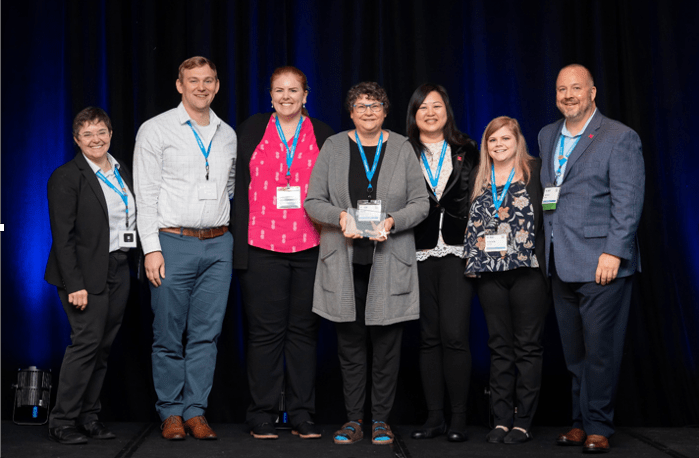
The NORDP Rising Star Award recognizes individuals for their outstanding, early volunteer contributions to NORDP and strong potential for future contributions to the organization and the profession or the field.
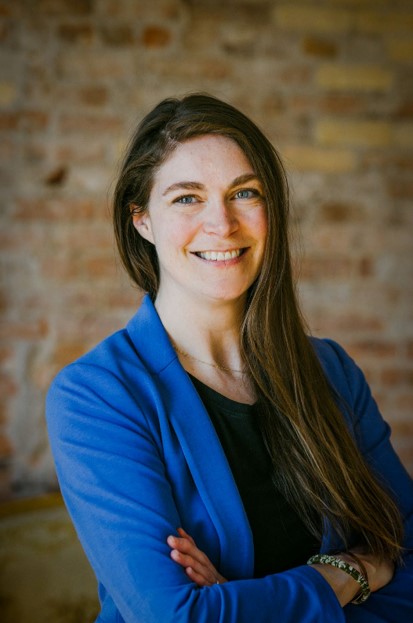
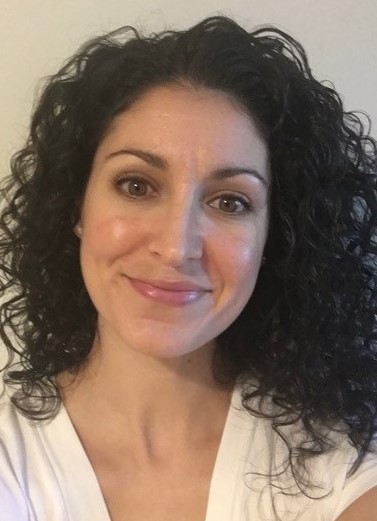
Who: Jessica Brassard
Where: Michigan Technological University
Number of years in research development: 9 years (started in 2015)
Length of NORDP membership: 9 years
What initiative are you the most proud of in your role as a NORDP volunteer?
I would say serving as a Conference Committee Co-Chair is a pretty proud moment. I come from a marketing and communications background, but I didn’t want to enter the field of research development and say, “This is how marketing and communications works.” Instead, I focused on learning more about NORDP as an organization and how NORDP members like to communicate. Initially, I straight-up avoided opportunities to let my marketing and communications skills shine, because I wanted the opportunity to develop other skills important to have in research development. And to be honest, I didn’t want to be pigeonholed as a person who knew marketing and comms. But around the time of the virtual conference (held in 2021) it felt like the right time to get involved and offer my energy to do things that I am good at. Organizing a conference is very analogous to other event-based projects I’ve been a part of, including foundation galas, summer camps, and even sled dog racing — I knew how these kinds of things work. Everybody was trying to pivot to running virtual events like a multi-day conference. And so it became an opportune moment for me to bring all of my marketing, communication, and event management experience into a space where everybody’s just trying to break stuff and put it back together in a way that is a good experience for people. I wanted to be a part of it, which is why I initially joined the Conference Committee.
Once I had served on the committee for a year, I was invited to be a committee co-chair. At first I said, “No.” I knew serving in this role would take a substantial amount of time and I wasn’t sure I could carve out that time. I want my life to be about my family, work, other volunteer commitments, as well as some things for me. I was nervous about keeping all that and also showing up and doing a good job organizing the NORDP conference. But after having conversations with people I trust and talking about the payoff of serving in this role, thinking about what I would be able to offer, and making it clear the boundaries I would establish to ensure that co-chairing the conference would not take over my life, I decided to say “yes” to becoming a conference co-chair.
How did you hear about NORDP and what made you join initially?
It was an expectation in my first RD position that I would also be a NORDP member. Everybody in our unit was a NORDP member and our organization already had a precedent for supporting NORDP membership for research development staff.
As for how I found myself in research development in the first place: I worked in healthcare marketing and communications for a decade in a local hospital. Healthcare ownership and organization management has changed over the past couple of decades in America, and those changes finally reached the community-owned hospital where I worked. It became very apparent that I wouldn’t survive the shift — professionally, mentally, and emotionally. I was pretty desperate to find a position that would keep me in my community in northern Michigan that I love so much. I was also looking to build a career in which I could take pride in and have room to grow. It was a friend of mine, who was on a hiring committee at Michigan Tech, and who saw the potential for my skill set to fit and evolve within the Office of Research Development. I applied, interviewed, and got the job. (Thanks, Adam Johnson, for getting me into research development!)
What other roles have you played within NORDP?
I first started committee work within NORDP in 2021, when I joined the Mentoring Committee and the Great Lakes Executive Committee. As part of the Mentoring Committee, I was encouraged to join a subcommittee, the Marketing and Communications Group within the Mentoring Committee (known as the McMc). A year later, a liaison position opened between the mentoring committee and NORDP’s Communications Working Group (CWG), and taking on that role is how I got involved with the CWG. It was also around this time that I joined the Conference Planning Committee.
One important element of my approach to service, both within NORDP as well as other organizations I care about, is to be deliberate in how I balance my commitments. I think of my commitments as falling into two buckets: professional and community. My goal is to only say “yes” to up to three things that fall into each bucket. So NORDP, for example, falls into my professional bucket, along with any other service activities for my employer. When I first started in RD, I was very involved at Michigan Tech, serving on the University Faculty and Staff Senate, an AdHoc Childcare Working Group, and several hiring committees. Those activities took up a lot of time. Once those responsibilities at Michigan Tech sunsetted, I was able to get involved in NORDP service. Given my current NORDP commitments, I continue to stay mindful of monitoring my bandwidth and making sure that I’m not over-committing myself (I just said “no” to two board/committee invitations this month). So, for example, right now I feel like I can still serve on a hiring committee or two, but I wouldn’t, say, join an editorial board or leadership academy. I would need to step away from one of my other volunteer activities to free up the space to do that.
I maintain all this service intentionality in an Airtable base along with a wishlist of all the service opportunities I want to pursue in the future. I would love to serve NORDP in other ways someday, I just want to honor the opportunities by being fully committed during the time I serve.
What relationships have you built as a result of NORDP?
My mentoring relationships within NORDP have lasted well beyond the one-year programmatic year. I still have conversations with all of my former mentors and we meet at least quarterly and continue to help each other. Those relationships are foundational to the relationships that I have in NORDP. And then there are the people that I co-chair with who are really special friends. We’ve had to go through a lot of messy stuff together. It’s kind of like summer camp and I have these powerful shared experiences. We figure things out together, which leads to good communication and trust. That kind of trust is hard to generate spontaneously. I think getting into these service positions and serving with people, especially the co-chair positions, have been really crucial to building my sense of belonging within NORDP.
Describe how NORDP has changed from when you initially joined
My understanding of NORDP has really changed as I’ve gotten to know the organization and made more connections with other NORDies. NORDP has had a few years of change — just like everyone else in the world — and we had to learn how to stay connected and grow community through a pandemic. That was really hard for everyone. But we’ve made it through; we still are an organization after the pandemic. I can’t say the same for other organizations that I’ve been a part of. I think NORDP is stronger for it and we have a better sense of community, too. I’m proud of us!
My service on the Great Lakes Executive Committee has also enabled me to see changes at the regional level. When I initially joined NORDP, I remember some comments that the Great Lakes region wasn’t very active and it was hard to get members to show up. But that started to change with two years of regional conferences hosted in Columbus and Ann Arbor. Then even as the pandemic happened, we were able to keep things going, holding virtual retreats, book club discussions, and a monthly DEIB discussion group. I’m proud to say that the Great Lakes region has gotten a little stronger over the last couple of years.
What recommendations do you have for members to get more involved with NORDP?
Define the amount of energy that you think is enough to bring benefit to your life, and stick with that. Don’t say yes to the first thing that people ask you to do — be intentional. For example, if all you want to do is show up to a committee meeting per month and dedicate one extra hour of action items beyond that, define that for yourself. Then communicate to the other people in that group that that’s what you’re able to give. Know your limits and don’t be afraid to communicate them so that you don’t overextend yourself.
I’d also encourage members to think about what’s going to stretch you. What are the skill sets you wish you had? And how can you, within whatever bandwidth limits you have, give your time in ways that will allow you to develop those new skills? This may point you to particular committees or working groups that will allow you to get outside of your comfort zone.
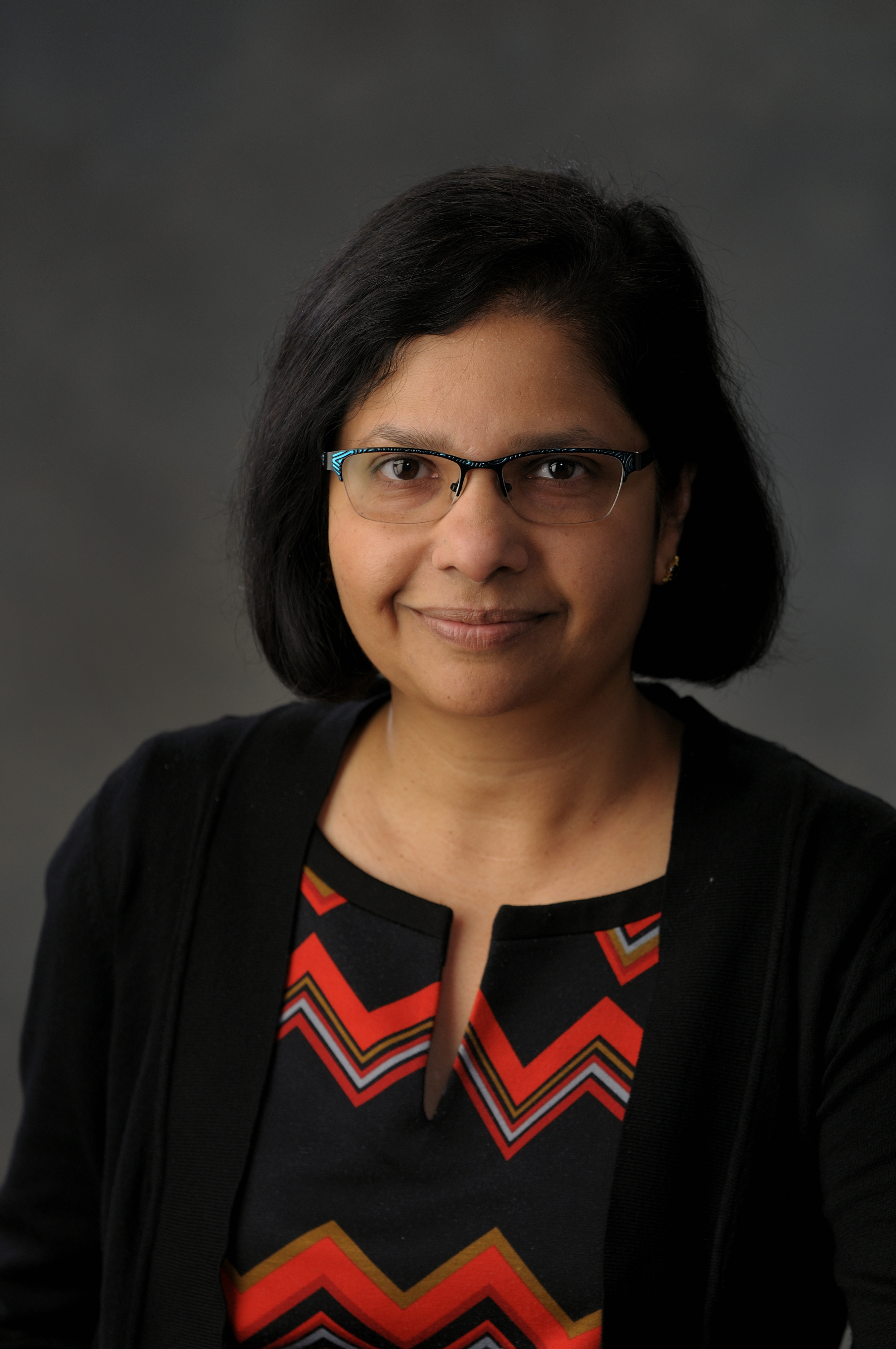 During the job interview, the only RDM in the office at that time discussed NORDP and the great experiences and opportunities for learning she had attending the conference. So, when another RDM and I joined, we immediately signed up for NORDP membership and made plans to attend our first conference (in 2018). While RD was not new to me from my previous positions, in my first year as RDM, I sometimes felt like I had one foot each in two boats going in different directions – am I a survey methodologist or a RD professional? At the NORDP conference, I met more than one person with a ‘split personality’ like mine, and I even found other survey enthusiasts! I learned a lot about developments in the RD world, which I feel helped me ‘catch up,’ and at a poster session I found people eager and willing to share their solutions to a process problem I was grappling with. There was no question I’d be attending the next conference.
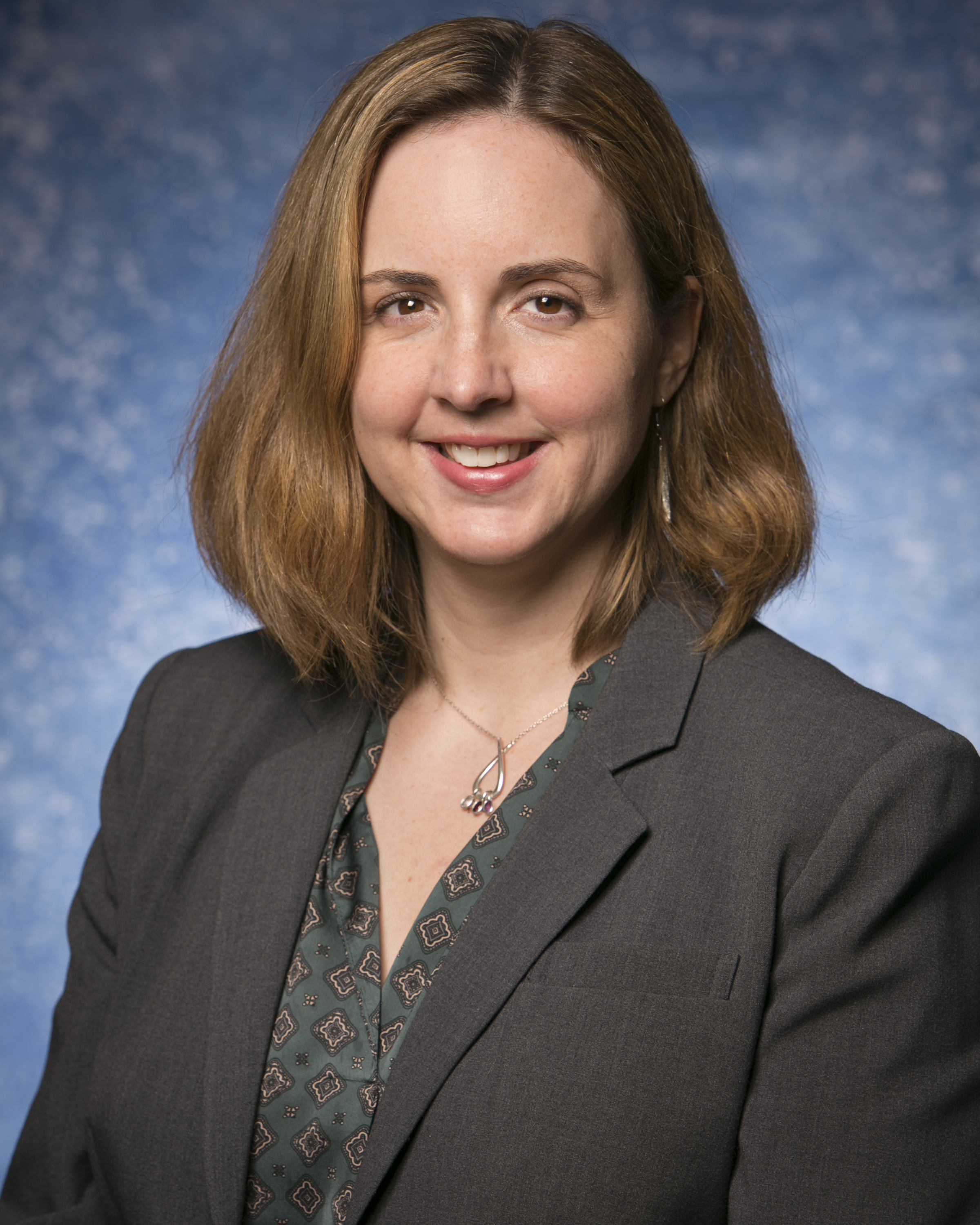 As the go-to reviewer for the applications and articles of my grad school classmates at Penn, I found that I loved reading about various areas of research, not focusing just on my protein of interest. After graduation, I found my way to the American Association for Cancer Research where I wore many hats, including grant writer and review committee administrator. I then went on to another cancer research foundation to manage their grant portfolio. In this role, I did everything from RFA creation to peer review to awarded grant oversight. Having those close experiences with grant applications made me fall in love with the early phase of research: the time when a PI can dream about what they want to do and how to do it. It also allowed me to continue to have broad exposure to many types of research.
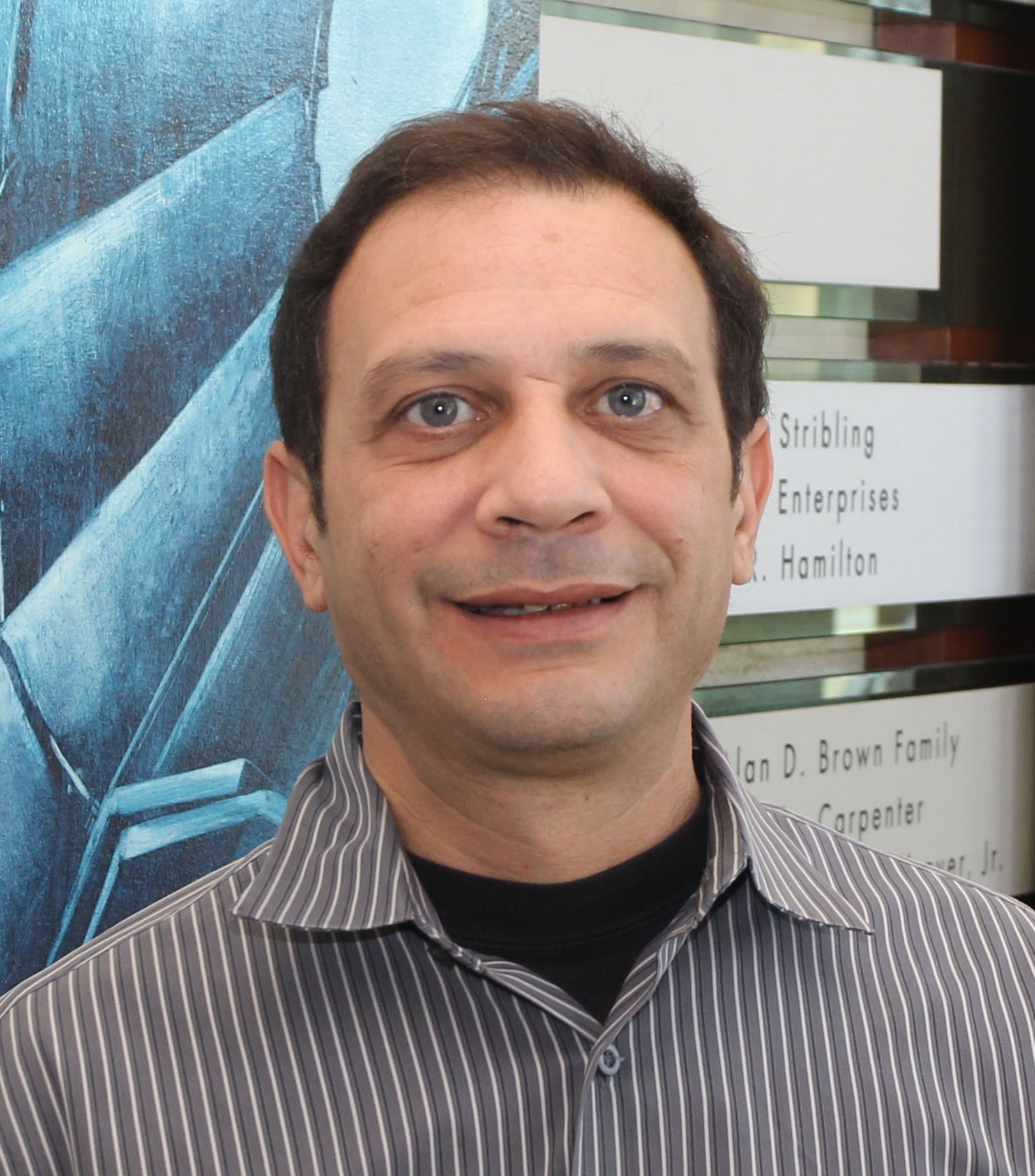 hospitality industry, followed by directing customs brokerage services for U.S. importers. In the early part of the millennium, I returned to the university as a non-traditional student to earn an MBA and an M.A. in Spanish, in part because my spouse accepted a tenure-track position at Texas Tech University. As I was contemplating the next chapter in my professional career, a position was serendipitously announced – as a research associate for a Department of Education-funded program that was working to internationalize curriculum to serve faculty, students, and the U.S. trade community. This position merged my newly acquired academic skill set with my business experience in international trade. From there, I was hooked. I was fortunate to have a great faculty mentor who took the time to introduce me to and help me navigate both the research and funding environments, while the college supported my professional development through attendance at various grant writing and research workshops. As the Rawls College enhanced its focus on the importance of obtaining grant funding, I was promoted to my current position of Director of Grants and Outreach.
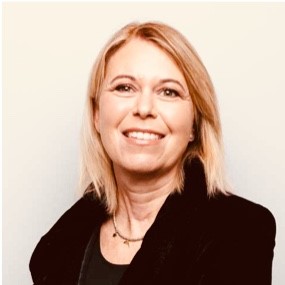 Manager of the Research Office. Over the years, I have developed strong leadership skills which have enabled me to build a solid record of success in guiding my team to meet its objectives. I have contributed significantly towards maintaining the Politecnico’s outstanding record of success in research fundraising (particularly from EU calls). Under my leadership, the Politecnico has become the most successful research university in Italy. Currently, I am Chair of the Vision 2020 Network Advisory Board and Secretary of NCURA Region VIII.
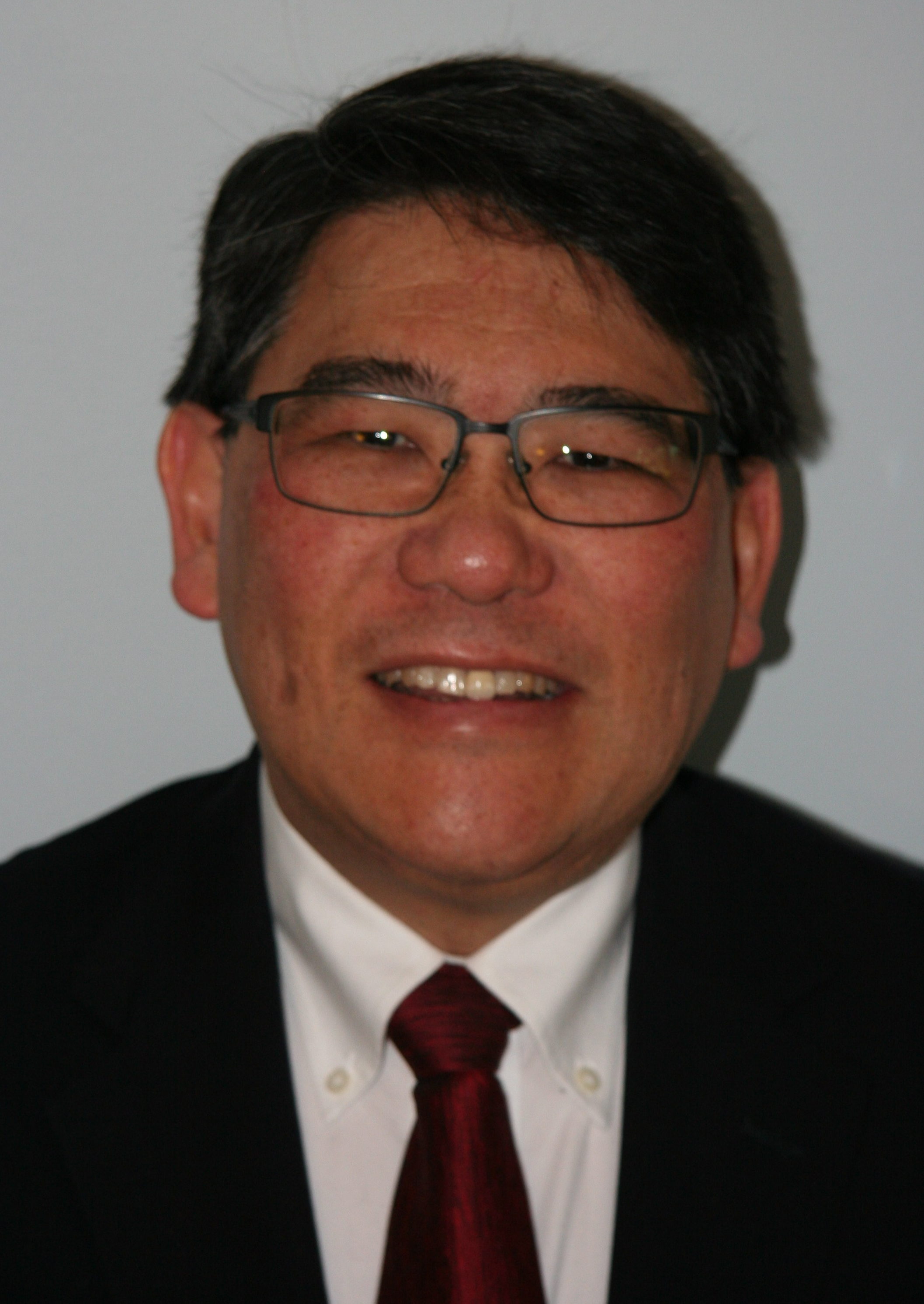 Northwestern. Where did the time go? These years included 16+ years doing R&D at Dow Chemical, 9 years as a professor at Taylor University, and 5 years in the College of Engineering Office of Research at University of Illinois at Urbana-Champaign (UIUC).
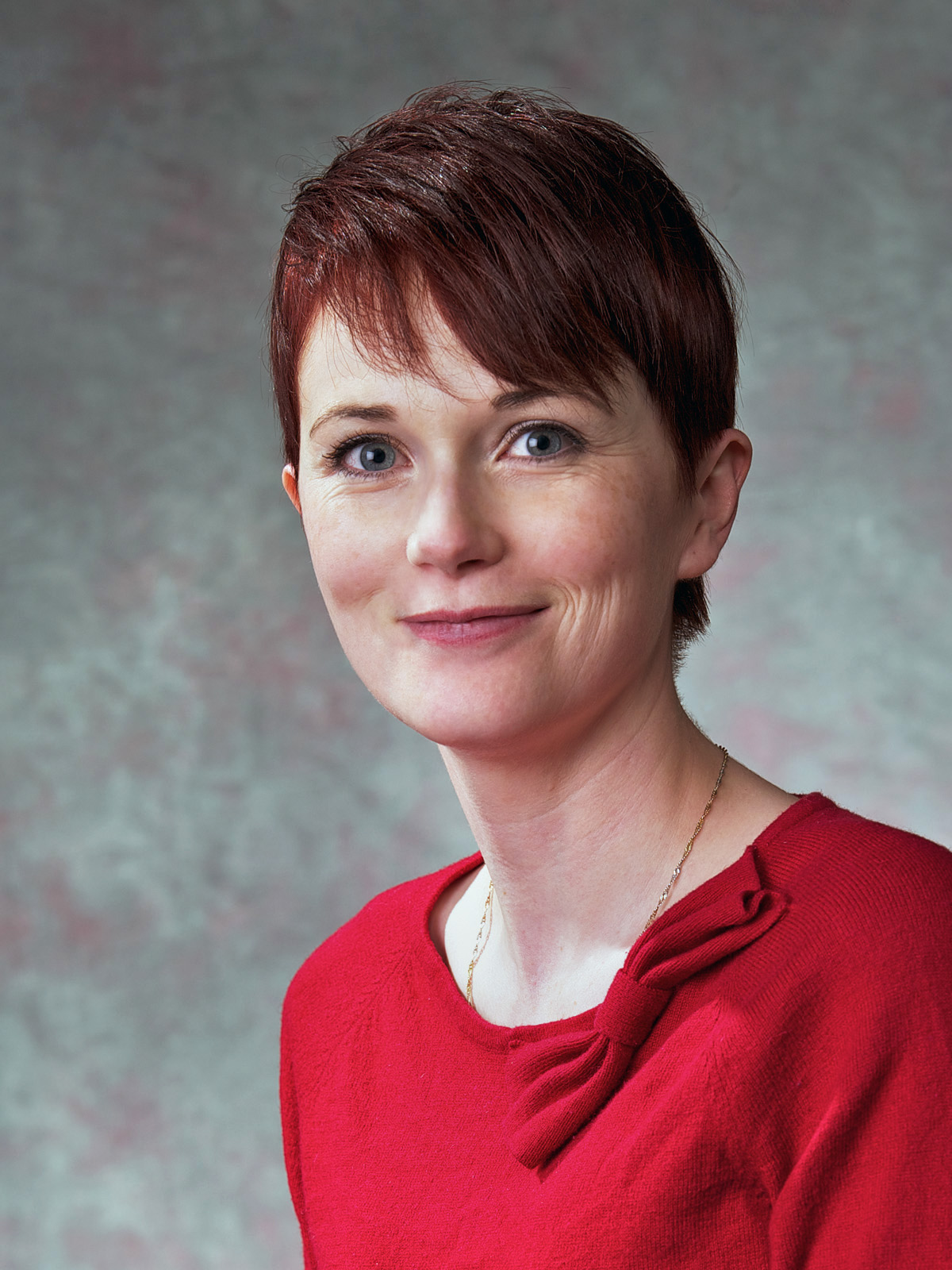 part of the job. I moved to another health charity where I was half time focused on research administration, and I got to spend a lot of time with faculty from a number of different universities. I was lucky enough to be approached by one of those universities with a position in the central research administration team. I moved up quickly and was soon the senior member of the team supporting grant applications at the university. I was recruited in 2016 to the faculty of medicine to build a team of grant development professionals. What started out as a team of 1 (me!) in 2016 will be soon be a team of 5, so we have seen rapid success and expansion. Throughout this time I have strived to expand my education and have been involved in the Canadian Association of Research Administrators (CARA), where I completed a certificate in research administration, I am involved in professional development, I lead a special interest group, I regularly present webinars, and I sit on the conference planning committee. I have also been taking advantage of membership with Society of Research Administrators (SRA) and attended training last summer on proposal development. My membership in NORDP is a natural extension of both my professional development, but also my personal interest in this work. I am looking forward to attending my first NORDP conference this year and the excellent conference program that has been put together.
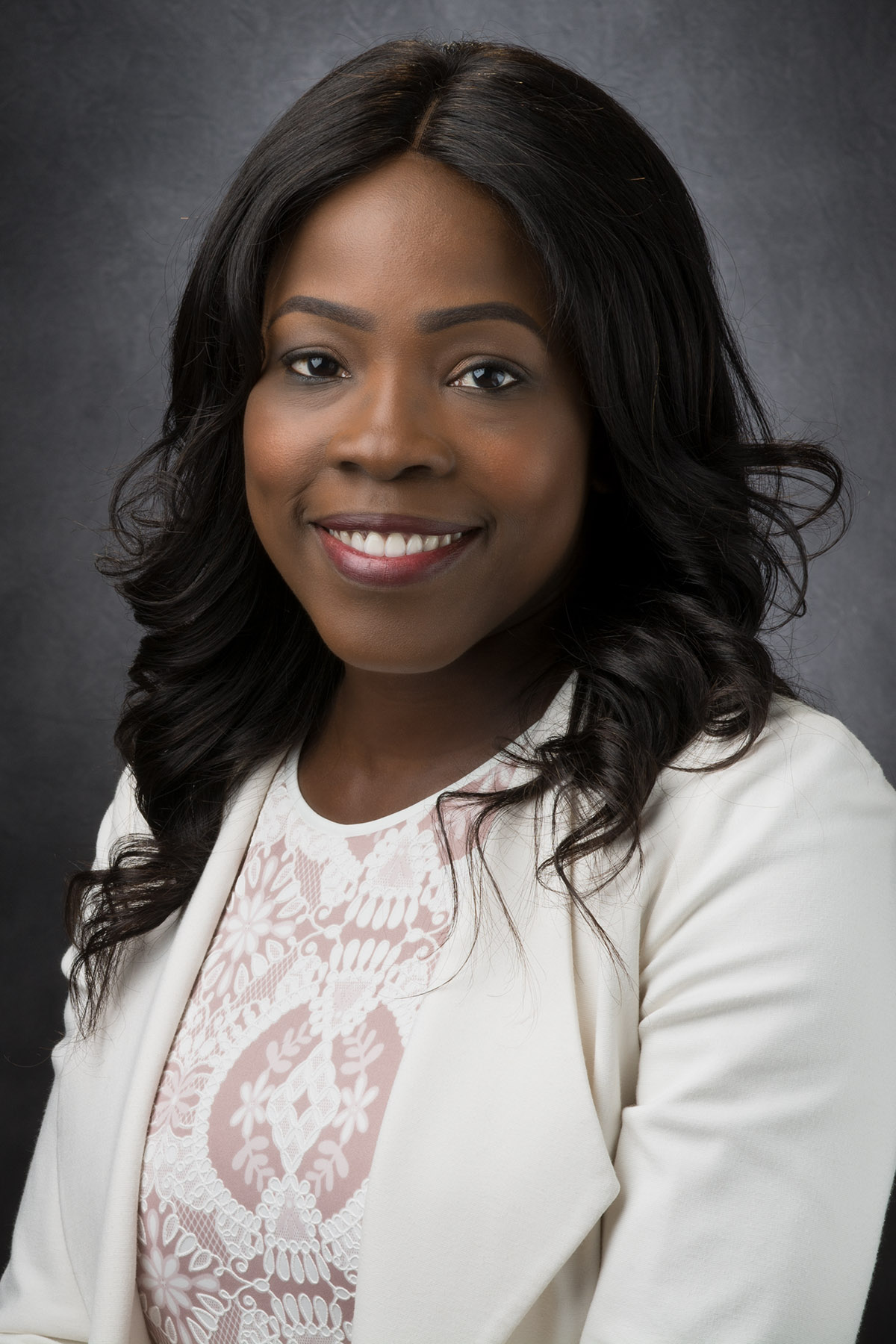 while working on my PhD at the University of Alabama, Birmingham. Over the last 14 years, I have worked with a diverse group of talented investigators across various cancer types, including brain, breast, and head and neck cancer. During this period, I have contributed to the development of various research initiatives through research design and implementation, which led to the successful development of peer-reviewed manuscripts and federal and nonfederal funded grants.
 NORDP News