Connect, Grow, Succeed: The NORDP 2025-26 Mentoring Program Has Launched

Written by: NORDP Mentoring Committee Communication & Marketing (McMc) Team—Vess Vessileva-Clarke, Elizabeth Lathrop, Brooke Gowl, Jessica Brassard

Applications for the 2025–2026 NORDP Mentoring Program are now open until Friday, May 16! NORDP members are invited to participate as a mentor, a mentee, or both.  The NORDP Mentoring Program is a benefit available to all NORDP Members. This program enables research development (RD) professionals to network with NORDP colleagues who have volunteered to share their expertise, guidance, and support. There are two options for matching mentors and mentees in the program: the 1:1 Dyad or the 1:3 Mentoring Cohort (one mentor paired with three mentees).

Key highlights from the 2025 Mentor Recruiting Info Session (4/15). 

As a growing profession, NORDP always has more mentees than available mentors. 

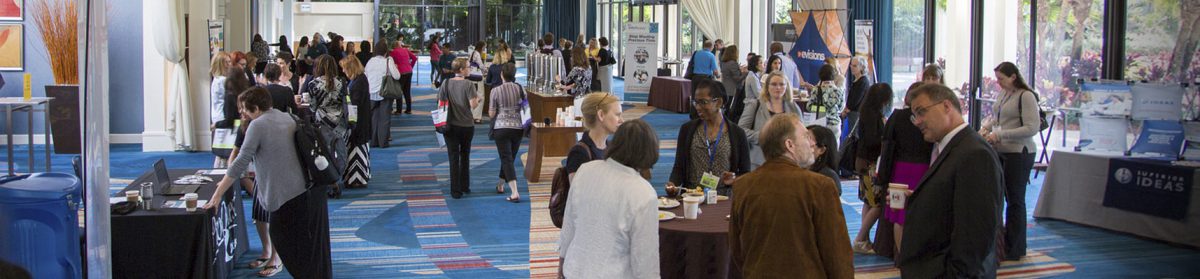
A small but enthusiastic group of NORDP members interested in exploring the possibility of becoming mentors joined the Mentoring Committee Co-Chairs on Tuesday, April 15, for the annual Mentor Recruiting Info Session. The session began with a brief presentation on what mentoring is and a description of the role of the mentor. People with years of mentoring experience shared stories and best practices from their mentoring “careers.” Additionally, participants were introduced to the NORDP matching program details, the different mentoring “flavors” (dyads and cohorts), and common myths related to mentoring.

During the Q&A, those with experience as mentors encouraged others to become mentors! One does not have to have years of RD experience or formal mentor training in order to be an excellent mentor. Additionally, mentoring is a two-way street. As a mentor, you will likely gain as much as you give.

Mentors are provided with resources in WisdomShare to aid them in their mentoring efforts. There are also facilitators they can reach out to if they have questions or encounter situations for which they could use help. Prospective mentors were encouraged to consider a mix of mentoring experiences in dyads, cohorts, or even a dyad and a cohort in parallel.

Reflections from some of our most experienced NORDP Mentors

NORDP is a community of people who are passionate about sharing and learning with each other. When it comes to mentoring, there are many people with years of experience to share. Below are some highlights from past NORDP mentoring reflections: 

Anglea: “Every mentoring relationship is unique.”

Wendi: “Continue participating in this program and serve as both mentor and mentee. The 360-degree perspective these roles provide will enhance your professional capacity and enrich your personal attributes.”

Christine: “I encourage each mentee to drive our relationship by setting goals (and allowing them to evolve), while I provide tools, resources, contacts, and advice toward achieving them.

Mayla: “Ask lots of questions.”

Toyin: “Extending grace to yourself is critical.”

Julie: “Mentoring truly is a bidirectional exchange.” 

Sandra: “It was also very beneficial to work through the MESHH Network framework with someone.”

Julie: ​​​​“The mentoring relationship serves as a reflective experience that re-energizes my everyday work life.”

Sofia: “Kathy opened my eyes to the possibility of leaving the bench for RD.”

Eric: “Learning how people persevere in their work through challenges and opportunities has helped me become more empathetic.”

Erica: “My mentoring relationships have contributed to my career progression and have made me a better RD professional and leader.“

Erin: “My mentor took the time to reach out to someone who knows people at my current institution and through this contact, I have expanded my network.”

Jess: ​​​​​​“Ha​​ving my mentor’s perspective helps me reflect more clearly because he sees things from an outside point of view while still having the context of our RD mission.”

David: “I feel we have crafted an important connection that will last beyond the mentoring year.”

Figure Caption: Mentoring Flavors & Benefits graphic provides useful information to help you decide how best to participate in this year’s NORDP Mentoring Program.

As applications for the 2025-2026 NORDP Mentoring Program open until Friday, May 16, we encourage all NORDP members to consider how you might benefit from participating—whether as a mentor, a mentee, or both. This valuable member benefit continues to strengthen our research development community through meaningful professional connections and knowledge sharing. Whether you choose the personalized attention of a 1:1 Dyad or the collaborative learning environment of a 1:3 Mentoring Cohort, your participation helps ensure that expertise, guidance, and support remain hallmarks of the NORDP experience. Don’t miss this opportunity to grow your network and advance your RD career!

Strategies for Mentoring Through Uncertainty

Written by: Vessela Vassileva-Clarke, Jessica Brassard, Elizabeth Lathrop on the Mentoring Committee Marketing and Communications (McMc) Committee
Image of a painted spiral and abstract shapes in blues and grees. Co-created by Jess Brassard and Adobe Firefly
Image co-created by Jess Brassard and Adobe Firefly

Managing stress in the face of uncertainty is a crucial skill that, together with connecting with a more experienced mentor or a like-minded mentee, can significantly improve our mental and emotional well-being. Uncertainty can lead to feelings of anxiety and helplessness for both mentors and mentees. Evidence-based mentoring strategies can help mitigate these effects. How can we show up in our mentoring relationships during uncertainty, beyond employing the usual stress reduction recommendations of practicing mindfulness, regular physical activity, balanced nutrition, and adequate sleep? Seeking support from our NORDP mentoring community, whether in our dyads, mentoring cohorts, or peer mentoring groups, can provide a safe space to share concerns and gain perspective, reinforcing that we are not alone.

The NORDP Mentoring Committee offers a wealth of mentoring tools and resources that can be adapted to support each other through uncertainty via WisdomShare’s Learning Library. All NORDP members can create an account on WisdomShare to access these tools and resources (WisdomShare account here):

  1. Bolster your foundation of trust and psychological safety and check in with your people — You’ve been doing this all along. Take some time to revisit this for yourself and for those around you, whether in your formal mentoring relationships or in your everyday interactions. This strategy emphasizes creating a safe space for vulnerability during uncertain times. The evidence shows that psychological safety is crucial for learning and adaptation during change. See Building Trust from the NORDP Mentoring Toolkit.
  2. Revisit agreements and reinforce flexible boundaries — During a time of change and uncertainty, you may want to review the ground rules of your mentoring relationship and revise them as appropriate. Be flexible with each other’s new ‘norm’ with respect to timing, forms of communication, and sharing of responsibilities. This is a time when “going the extra mile” can reinforce your support and commitment to your people! See Establishing Agreement for more tips.
  3. Listen to support learning and understanding — Be mindful and pay close attention to what your colleagues are saying through the practice of Active Listening to support full understanding of a problem or a challenge. By asking “what”, “how” and “when”, you develop a strategy that encourages and empowers self-discovery and problem-solving. See Probing Questions for additional resources to enhance your ability to communicate clearly.
  4. Give honest feedback and be thoughtful to those around you — Pay attention to others’ state of being when providing feedback and advice. Oftentimes, under stressful circumstances, extra patience can lead to rewarding and reciprocal experiences. Asking “am I hearing you correctly that …” can be a useful strategy for clarifying questions. “Pause – Listen – Think” before you respond can be another useful strategy during uncertain times. For more information, see Giving Honest Feedback and Advice
  5. Lean into your MESHH Network for the support you need —  Leverage your mentoring relationships and RD/PD networks to identify allies and support. Consider sharing resumes with each other to enhance and strengthen your job application package and storytelling. Provide constructive peer feedback and investigate opportunities through the NORDP Job Board.

Want to read more tips? Check out the NORDP WisdomShare Learning Library for other related resources

Dyad Mentoring Reflection: Angela Jordan and Wendi Chiarbos Jensen

by the NORDP Mentoring Committee

The traditional mentoring dyad (1:1 mentor-mentee) program has been a NORDP member feature since 2012. The Cohort Mentoring Group, piloted in July 2022, consists of matching three mentees with similar interests with one shared mentor. Both the dyad and cohorts are matched based on the WisdomShare matching algorithm. This is a reflection of one of the traditional mentoring dyads from the 2020-2021 mentoring year.


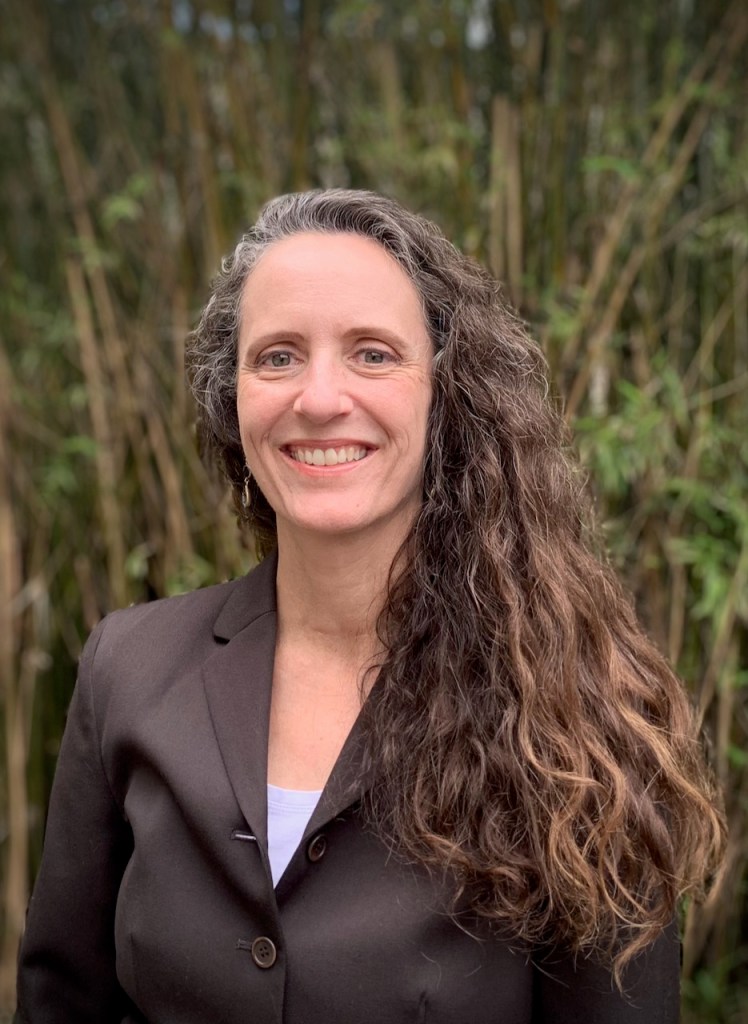
Angela Jordan

Mentor Angela Jordan, University of South Alabama • Angela is the Director of Research Development at the University of South Alabama and is responsible for strategic, catalytic, and capacity-building activities designed to promote faculty development and enhance their ability to attract external funding. With a background in the social sciences and humanities, Angela brings an interdisciplinary perspective that is informed by the principles of collaboration and community engagement. She has been the Co-Chair of the Mentoring Committee since 2023, actively engaging NORDP members to support mentoring for research development professionals.

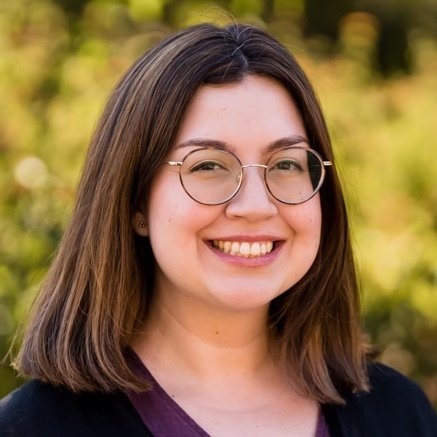
Wendi Jensen photographed in the Michael F. Sorrell Center for Health Science Education on Thursday, June 27, 2019.
wendi.jensen@unmc.edu
Wendi Jensen

Mentee Wendi Chiarbos Jensen, University of Nebraska Medical Center • Wendi is the Director of Research and Grants Development in the College of Public Health at the University of Nebraska Medical Center. Wendi provides all proposal development support, works on strategic endeavors, and helps promote research across the College of Public Health at the University of Nebraska Medical Center. Her experience in working in an institutional-level office as well as a busy academic unit has helped her understand the value that external funding plays in research progress, creative discovery, and educational programming. Wendi participates in NORDP’s Academic Medicine/Affiliate Medical Center Affinity Group and is part of the NORDP Region V: Midwest/Mountain. 

Q1: What influenced you to apply to be a mentor and a mentee for the 2020-21 NORDP Mentoring Program?

Angela: 2020 was my fourth year participating in the matched mentoring program, and my third year as a mentor. While I originally joined the program in 2016 because I thought I would benefit from mentoring, with some encouragement I leaped into being a mentor myself, and I found it rewarding. By that point, I knew that every mentoring relationship is unique and was looking forward to another year of being on that journey with some more NORDP members as we worked through problems and thought about goals, whatever shape that would take. Of course that was also the first COVID year, which gave us some additional challenges to talk about!

Wendi: I was hired for a new position in my college so I did not have others doing the same RD work as I did. The NORDP Mentoring Program allowed me the chance for collegiality when there were no other co-workers at my job site. I had hoped to find a good resource for discussion of my professional goals and challenges. The Program did this by matching me with Angela Jordan!

Q2: What is your favorite part about your relationship?

Angela: Wendi was really great, very grounded, and open to the self-reflection process that is essential for growth. Like many new to research development, she brought invaluable experience and transferable skills from previous jobs, and she was very motivated. Every mentee is different and has different types of goals; Wendi had some very specific things she wanted to work on, which was fun for me. 

Wendi: It’s reassuring to connect with another RD professional who can relate to my experiences and help me process any issues I am having. Angela’s insights into how to navigate situations I was encountering always included helpful and concrete approaches she had used. And I appreciated her calm delivery and approach to work.

Q3: How has participation in the Mentoring Program helped broaden your horizons about Research Development in general and/or affected your daily work in particular?

Angela: Being involved in the mentoring program has reinforced my understanding of what great people we have in NORDP. People bring diverse backgrounds and face unique challenges in their jobs and careers, yet at the same time, so many of us share characteristics like having a growth mindset and being very open to sharing experiences, tools, and tricks of the trade. In some professional contexts, the knowledge economy is built on scarcity and controlled access, but in our profession, we have a knowledge economy built on abundance, and it has benefitted my professional growth tremendously. It also informs my thinking about the importance of mentoring in other contexts, such as for faculty and staff development, as well as its use as a component in proposals.

Wendi: I enjoyed our regular discussions about what was going on in our campus and unit environments. Hearing my mentor’s perspective on the RD field was also beneficial as I considered my own workload and how to manage time.

Q4: What surprised you about being a mentor or a mentee?

Angela: To be honest I spent much of my life with an antiestablishment mindset, and would have resisted thinking of myself as a mentor. I didn’t have great mentors as an undergraduate or during my first stint in graduate school, but also wasn’t primed to be a good mentee either. By the time I joined NORDP, I was much more receptive to the idea that being a mentor or mentee did not need to fit into a narrowly defined box and could be a really beneficial opportunity for growth in either role. After having positive mentoring experiences within NORDP, I know that the roles are adaptable to the unique context and needs of each relationship. Although both roles are essential, mentorship is really about the mentee, and in the NORDP context should be driven by the mentee; the mentor can be thought of as a facilitator for mentee exploration and development.

Wendi: I have benefitted from tremendously skilled mentors going back to my undergraduate student days. Early in my career, I may not have realized that i sought mentoring but certainly recognized its impact after the fact. With the NORDP partnering, Angela and I were able to forge a relationship through regular initial meetings and then maintained it by spacing out our meetings a bit. This worked well for me and I hope for Angela. I was surprised how quickly I felt a connection with her.

Q5: What made you decide to maintain a longer-term mentoring relationship and how has it impacted you?

Angela: One thing that came out organically over the course of the year is that, partly in conversation with me about the PhD I was working on at the time, but largely because of Wendi’s work with faculty in her college, she came to realize that she had the capacity and desire to do research herself, which led her to enroll in a PhD program. We’ve kept in touch and I am excited to see her continuing down that path!

Wendi: I was hopeful that we would have a good personal connection, but there are no guarantees that people doing the same kind of work will necessarily like each other. I found Angela to be approachable about not just work but also her personal experiences. We were of similar age and family situations but had followed different career paths. I appreciated the personal commonalities we discovered and how they impacted our professional lives.

Q6: Any words of wisdom or encouragement for those wanting to apply next year? Any other thoughts you would like to share? 

Angela: I know that taking the leap to be a mentor can intimidate people if they’ve never been in that role; it’s really easy to talk yourself out of doing it by thinking you don’t have enough experience or the right experience, or that you don’t fit what you imagine a mentor should be. But if someone is considering it then chances are that they do have something to offer, and even if they’re junior in the profession I guarantee that we always have people who are brand new to the field who can benefit from their mentorship. 

Another challenge is that, because every relationship is different, someone’s first experience as a mentor might not be exactly what they had imagined. At that point, it’s easy to think ‘mentoring isn’t for me.’ However, I’d encourage people who’ve had that thought to try it again, because they may find that the next time around it’s a truly rewarding experience.

Wendi: I have subsequently served as a mentor every year since my mentee experience with Angela. NORDP provides a great service through this program and has helped me connect with colleagues all over the US. My advice is the same given to all of my mentees: continue participating in this program and serve as both mentor and mentee. The 360-degree perspective these roles provide will enhance your professional capacity and enrich your personal attributes.


Applications for the 2025-2026 mentoring match cycle will open in the spring — keep an eye out for NORDP announcements. Additional mentoring opportunities are available through the Peer Mentoring Groups that are open for participation throughout the year via the WisdomShare platform [LINK: https://nordpmentoring.mywisdomshare.com/]. Contact the NORDP Mentoring Committee if you have any questions [link: mentoringprogram@nordp.org].

An investment in mentoring is an investment in you!

Mentoring Reflections: Sandra Arriaga and Julie Hawk

Written by: Mentoring Committee 

Registration for the 2024-2025 Mentoring Program is currently open on Wisdom Share for all NORDP members to sign up as a mentor, a mentee, or both. New participants need to create an account on Wisdom Share. Returning participants should follow the instructions available online from the NORDP Mentoring Committee. Deadline to apply for the 2024-2025 mentoring program closes on Friday, May 17, 2024

In this installment of the Mentoring Reflections, we caught up with mentee-mentor pair Sandra Arriaga (Mentee) and Julie Hawk (Mentor) from the 2023-2024 cohort of the Mentoring Program to share their experiences with NORDP.

Sandra Arriaga is a Research Development Specialist with the Stanford Research Development Office and has spent the entirety of her career working in higher education. After years of teaching college composition, running academic programs, and writing proposals on the side (with a brief stint living and working in Amman, Jordan), she transitioned to the field of research development full time. Sandra has a Master’s degree in English with a concentration in Teaching English to Speakers of Other Languages (TESOL) and brings a background in education, social science, and applied linguistics to her work supporting STEM faculty from across the university on their proposals. Outside of work, Sandra enjoys traveling and yoga, and is learning to play drums.

Julie Hawk obtained her PhD in English from Georgia State University in 2012 and spent the next few years teaching at Georgia Tech and then the University of West Georgia, where she discovered that she could translate the skills from her training to a Research Development context. Since 2016, she has been working with researchers on a variety of kinds and sizes of grants. She currently works at Emory University School of Medicine in the Department of Pediatrics, where she deals mostly with large biomedical grants. However, her experience in both an emerging research institution and at an engineering powerhouse provides a wide skillset and range of disciplinary directions for grant seeking.

Q1: What influenced you to apply to be a mentor and a mentee for the 2023-2024 NORDP Mentoring Program?

SA: I am relatively new to research development, having started my current position in 2021 after a few years writing and editing proposals outside of my previous full-time role.  Initially, I prioritized getting to know my immediate colleagues, supervisor, and institution while taking advantage of the many resources that NORDP offers. Once I had solid footing in my current role, I felt ready to join the NORDP’s mentoring program because I had heard wonderful things about it from my co-workers. 

JH: I have been doing Research Development for several years, and last year I had a wonderful experience as a mentee in this program. Not only did the mentoring relationship provide a touchstone for learning more, but it also showed me that I was more ready to be a mentor than I thought. So I decided to pay it forward and sign up as a mentor.

Q2: What is your favorite part about your relationship?

SA: Julie offers great perspective and is just plain fun to talk to. We have a lot in common and both of us have our cats make a guest appearance more often than not. Her thoughtful advice and observations always make me feel energized after our calls, no matter what is going on for me in work and life. 

JH: Sandra and I have a lot in common, including our educational backgrounds and our past teaching experience. These commonalities allow for easy analogies when we are talking through various experiences in our work lives. Sometimes I forget that I’m officially her mentor, as I certainly get as much out of the mentoring relationship as a mentee is supposed to. It truly is a bidirectional exchange.

Q3: How has participation in the Mentoring Program helped broaden your horizons about Research Development in general and/or affected your daily work in particular?

SA: Because I’ve only held one “official” RD position so far, I can sometimes lose sight of the fact that so many of us experience the same kinds of challenges and that others have dealt with them before me. Julie brings an outside point of view from within a similar professional culture, adding a voice of reason and experience which helps me reflect more deliberately. Through talking with Julie, I also learned more about her experience as an NORDP Consultant and became more interested in that type of work.

JH: Both as a mentee last year and a mentor this year, I have learned so much about the varied ways to approach RD work as well as the similarities that underlie all those variations. Working in a department as the sole RD professional, a network of colleagues is something I must intentionally cultivate. Participating in the mentoring program is one very important way that I do that, and it is extremely valuable.

Q4: What surprised you about being a mentor or a mentee?

SA: How much I needed one! It was the right time for me, and I was fortunate to be matched with the right mentor. While I have many opportunities to engage in professional development and mentoring within my organization, there’s nothing like talking to someone who “gets it” but isn’t steeped in the exact same context. It was also very beneficial to work through the MESHH Network framework with someone. Talking with Julie helped me see mentors and opportunities to find mentors where I hadn’t seen them previously.

JH: Like many others, I occasionally suffer from Imposter Syndrome, so I think I was most surprised by the fact that I actually know a lot more about RD than I realized. I was also surprised that the mentoring matching system seems to work so well. Both last year and this year, it matched me very well indeed!

Q5: What made you decide to maintain a longer-term mentoring relationship and how has it impacted you?

SA: When I reflect on my career so far, one theme that emerges is that whenever I’ve had the opportunity to learn from a mentor, I have thrived. In a previous career (teaching), I also served as a mentor after I had accumulated enough experience, and both sides of the mentoring relationship have been so valuable. Through the mentoring relationship, I have been able to appreciate how much I’ve learned and refined my own internal compass. I find mentoring especially important because I work remotely. I can intentionally build the type of connections that non-remote employees might be able to create more serendipitously.

JH: I have always benefitted from longer term mentoring relationships, whether they were formal or informal arrangements. After experiencing a great deal of benefit as a mentee in the program last year, I knew that any fears I had about not having enough time to participate were unfounded. Like the adage that one should meditate for at least 10 minutes every day unless you’re too busy, in which case you should meditate for 30 minutes, the mentoring relationship serves as a reflective experience that re-energizes my everyday work life.

Q6: Any words of wisdom or encouragement for those wanting to apply next year? Any other thoughts you would like to share? 

SA: If you’re worried about having enough time, consider the “return on investment.” The way you’ll feel refreshed and re-charged after talking with your mentor will likely make managing your time easier in other aspects of your work. And by all accounts, NORDP does an excellent job with matching people. You won’t regret it!

JH: If you’ve been in RD for a while but think you aren’t advanced enough to be a mentor, that’s probably Imposter Syndrome. On the other hand, you could always start by being a mentee. Regardless of which you do (or both!), you will absolutely benefit from it.