Dyad Mentoring Reflection: Angela Jordan and Wendi Chiarbos Jensen

by the NORDP Mentoring Committee

The traditional mentoring dyad (1:1 mentor-mentee) program has been a NORDP member feature since 2012. The Cohort Mentoring Group, piloted in July 2022, consists of matching three mentees with similar interests with one shared mentor. Both the dyad and cohorts are matched based on the WisdomShare matching algorithm. This is a reflection of one of the traditional mentoring dyads from the 2020-2021 mentoring year.
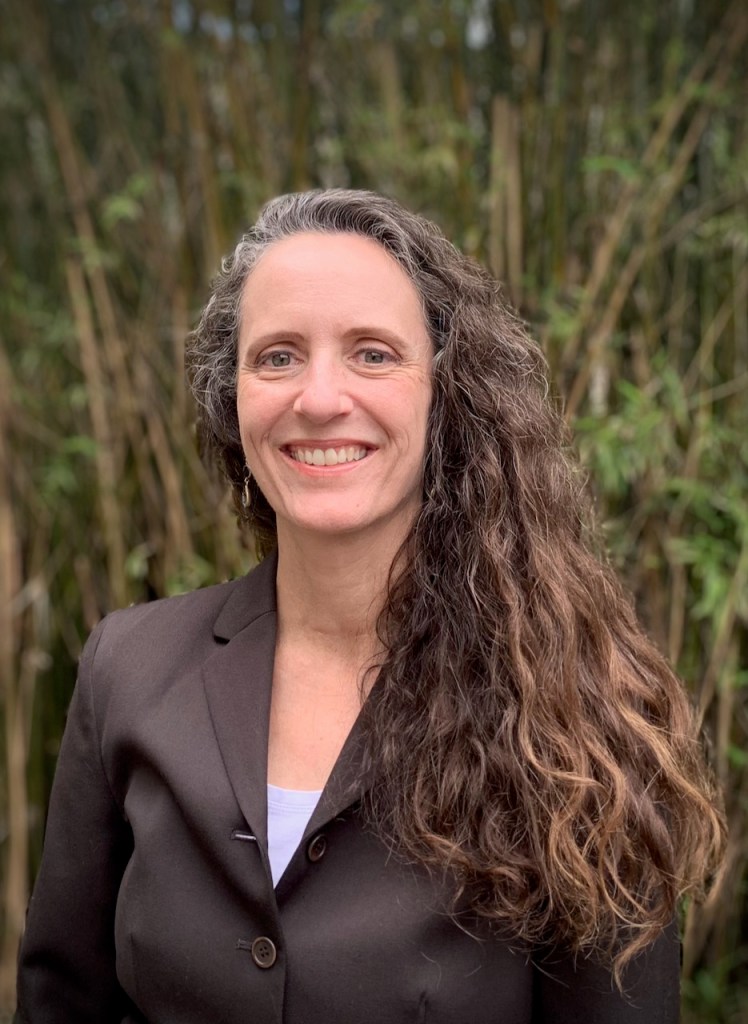

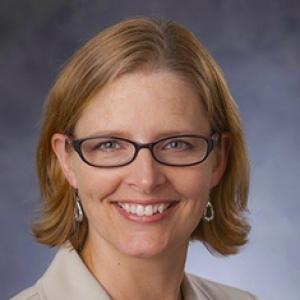
Angela Jordan

Mentor Angela Jordan, University of South Alabama • Angela is the Director of Research Development at the University of South Alabama and is responsible for strategic, catalytic, and capacity-building activities designed to promote faculty development and enhance their ability to attract external funding. With a background in the social sciences and humanities, Angela brings an interdisciplinary perspective that is informed by the principles of collaboration and community engagement. She has been the Co-Chair of the Mentoring Committee since 2023, actively engaging NORDP members to support mentoring for research development professionals.

Wendi Jensen photographed in the Michael F. Sorrell Center for Health Science Education on Thursday, June 27, 2019.
wendi.jensen@unmc.edu
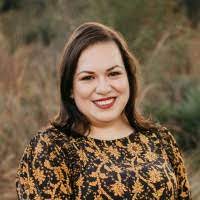
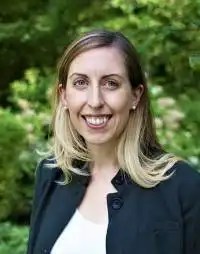
Wendi Jensen

Mentee Wendi Chiarbos Jensen, University of Nebraska Medical Center • Wendi is the Director of Research and Grants Development in the College of Public Health at the University of Nebraska Medical Center. Wendi provides all proposal development support, works on strategic endeavors, and helps promote research across the College of Public Health at the University of Nebraska Medical Center. Her experience in working in an institutional-level office as well as a busy academic unit has helped her understand the value that external funding plays in research progress, creative discovery, and educational programming. Wendi participates in NORDP’s Academic Medicine/Affiliate Medical Center Affinity Group and is part of the NORDP Region V: Midwest/Mountain. 

Q1: What influenced you to apply to be a mentor and a mentee for the 2020-21 NORDP Mentoring Program?

Angela: 2020 was my fourth year participating in the matched mentoring program, and my third year as a mentor. While I originally joined the program in 2016 because I thought I would benefit from mentoring, with some encouragement I leaped into being a mentor myself, and I found it rewarding. By that point, I knew that every mentoring relationship is unique and was looking forward to another year of being on that journey with some more NORDP members as we worked through problems and thought about goals, whatever shape that would take. Of course that was also the first COVID year, which gave us some additional challenges to talk about!

Wendi: I was hired for a new position in my college so I did not have others doing the same RD work as I did. The NORDP Mentoring Program allowed me the chance for collegiality when there were no other co-workers at my job site. I had hoped to find a good resource for discussion of my professional goals and challenges. The Program did this by matching me with Angela Jordan!

Q2: What is your favorite part about your relationship?

Angela: Wendi was really great, very grounded, and open to the self-reflection process that is essential for growth. Like many new to research development, she brought invaluable experience and transferable skills from previous jobs, and she was very motivated. Every mentee is different and has different types of goals; Wendi had some very specific things she wanted to work on, which was fun for me. 

Wendi: It’s reassuring to connect with another RD professional who can relate to my experiences and help me process any issues I am having. Angela’s insights into how to navigate situations I was encountering always included helpful and concrete approaches she had used. And I appreciated her calm delivery and approach to work.

Q3: How has participation in the Mentoring Program helped broaden your horizons about Research Development in general and/or affected your daily work in particular?

Angela: Being involved in the mentoring program has reinforced my understanding of what great people we have in NORDP. People bring diverse backgrounds and face unique challenges in their jobs and careers, yet at the same time, so many of us share characteristics like having a growth mindset and being very open to sharing experiences, tools, and tricks of the trade. In some professional contexts, the knowledge economy is built on scarcity and controlled access, but in our profession, we have a knowledge economy built on abundance, and it has benefitted my professional growth tremendously. It also informs my thinking about the importance of mentoring in other contexts, such as for faculty and staff development, as well as its use as a component in proposals.

Wendi: I enjoyed our regular discussions about what was going on in our campus and unit environments. Hearing my mentor’s perspective on the RD field was also beneficial as I considered my own workload and how to manage time.

Q4: What surprised you about being a mentor or a mentee?

Angela: To be honest I spent much of my life with an antiestablishment mindset, and would have resisted thinking of myself as a mentor. I didn’t have great mentors as an undergraduate or during my first stint in graduate school, but also wasn’t primed to be a good mentee either. By the time I joined NORDP, I was much more receptive to the idea that being a mentor or mentee did not need to fit into a narrowly defined box and could be a really beneficial opportunity for growth in either role. After having positive mentoring experiences within NORDP, I know that the roles are adaptable to the unique context and needs of each relationship. Although both roles are essential, mentorship is really about the mentee, and in the NORDP context should be driven by the mentee; the mentor can be thought of as a facilitator for mentee exploration and development.

Wendi: I have benefitted from tremendously skilled mentors going back to my undergraduate student days. Early in my career, I may not have realized that i sought mentoring but certainly recognized its impact after the fact. With the NORDP partnering, Angela and I were able to forge a relationship through regular initial meetings and then maintained it by spacing out our meetings a bit. This worked well for me and I hope for Angela. I was surprised how quickly I felt a connection with her.

Q5: What made you decide to maintain a longer-term mentoring relationship and how has it impacted you?

Angela: One thing that came out organically over the course of the year is that, partly in conversation with me about the PhD I was working on at the time, but largely because of Wendi’s work with faculty in her college, she came to realize that she had the capacity and desire to do research herself, which led her to enroll in a PhD program. We’ve kept in touch and I am excited to see her continuing down that path!

Wendi: I was hopeful that we would have a good personal connection, but there are no guarantees that people doing the same kind of work will necessarily like each other. I found Angela to be approachable about not just work but also her personal experiences. We were of similar age and family situations but had followed different career paths. I appreciated the personal commonalities we discovered and how they impacted our professional lives.

Q6: Any words of wisdom or encouragement for those wanting to apply next year? Any other thoughts you would like to share? 

Angela: I know that taking the leap to be a mentor can intimidate people if they’ve never been in that role; it’s really easy to talk yourself out of doing it by thinking you don’t have enough experience or the right experience, or that you don’t fit what you imagine a mentor should be. But if someone is considering it then chances are that they do have something to offer, and even if they’re junior in the profession I guarantee that we always have people who are brand new to the field who can benefit from their mentorship. 

Another challenge is that, because every relationship is different, someone’s first experience as a mentor might not be exactly what they had imagined. At that point, it’s easy to think ‘mentoring isn’t for me.’ However, I’d encourage people who’ve had that thought to try it again, because they may find that the next time around it’s a truly rewarding experience.

Wendi: I have subsequently served as a mentor every year since my mentee experience with Angela. NORDP provides a great service through this program and has helped me connect with colleagues all over the US. My advice is the same given to all of my mentees: continue participating in this program and serve as both mentor and mentee. The 360-degree perspective these roles provide will enhance your professional capacity and enrich your personal attributes.


Applications for the 2025-2026 mentoring match cycle will open in the spring — keep an eye out for NORDP announcements. Additional mentoring opportunities are available through the Peer Mentoring Groups that are open for participation throughout the year via the WisdomShare platform [LINK: https://nordpmentoring.mywisdomshare.com/]. Contact the NORDP Mentoring Committee if you have any questions [link: mentoringprogram@nordp.org].
An investment in mentoring is an investment in you!

A New Year’s Resolution for Mentors:  Register for CIMER Mentor Training for RD Professionals

Contributors: Mentor Training Team Paula Carney, Loyola University Chicago and Kristen Boman, University of Minnesota, Twin Cities

Mentor Training for Research Development Professionals – Registration for January/February 2024 Workshop (UPDATE: Registration is closed and there is a waitlist)

Are you a mentor? A mentee? Do you find yourself formally or informally mentoring staff or faculty? Are you ready to explore mentoring competencies that can be utilized across the work of research development (RD)? This interactive workshop series covers the 9-module Entering Mentoring curriculum, initially developed for mentoring researchers and tailored for RD professionals.

“EXCELLENT training! The ideas presented are very applicable both to mentoring both within the research development profession and elsewhere in the research enterprise — the things I have learned and practiced in this course are incredibly valuable to me as I provide mentoring to faculty, particularly early stage investigators and junior faculty, in the area of grantsmanship.”

A recent workshop participant

Using evidence-based strategies, participants will build upon competencies crucial to the success of the mentoring relationship and expand mentor training across the research enterprise. Participants who complete the entire curriculum will receive a certificate of completion. The curriculum results from an association between the NORDP Mentoring committee and the University of Wisconsin Center for Improvement of Mentored Experiences in Research (CIMER) in collaboration with the National Research Mentoring Network (NRMN), organizations involved in developing and validating the original curriculum. RD professionals at all levels of mentoring will explore how mentoring (shown to improve career outcomes, impact employee engagement and retention, and lead to more inclusive work environments) can benefit mentors and mentees in RD.

Workshops  will be presented and facilitated by the NORDP Mentoring Committee; many are certified CIMER Trained Facilitators.

Webinar Schedule: 

Two (1.5-hour) sessions each week for 5 weeks (every Tuesday and Thursday)
January 30 – February 29, 2024
2–3:30 pm EST/11 am–12:30 pm PST

Register TODAY for the webinar series (35 participant limit): https://nordp.memberclicks.net/mtworkshop24

If this workshop doesn’t fit in your schedule, share your scheduling preferences to help us plan for future Mentor Training by completing a survey of your preferences. 

Questions?  Contact us at mentorprogram@nordp.org


Update: The January/February 2024 training is now full!

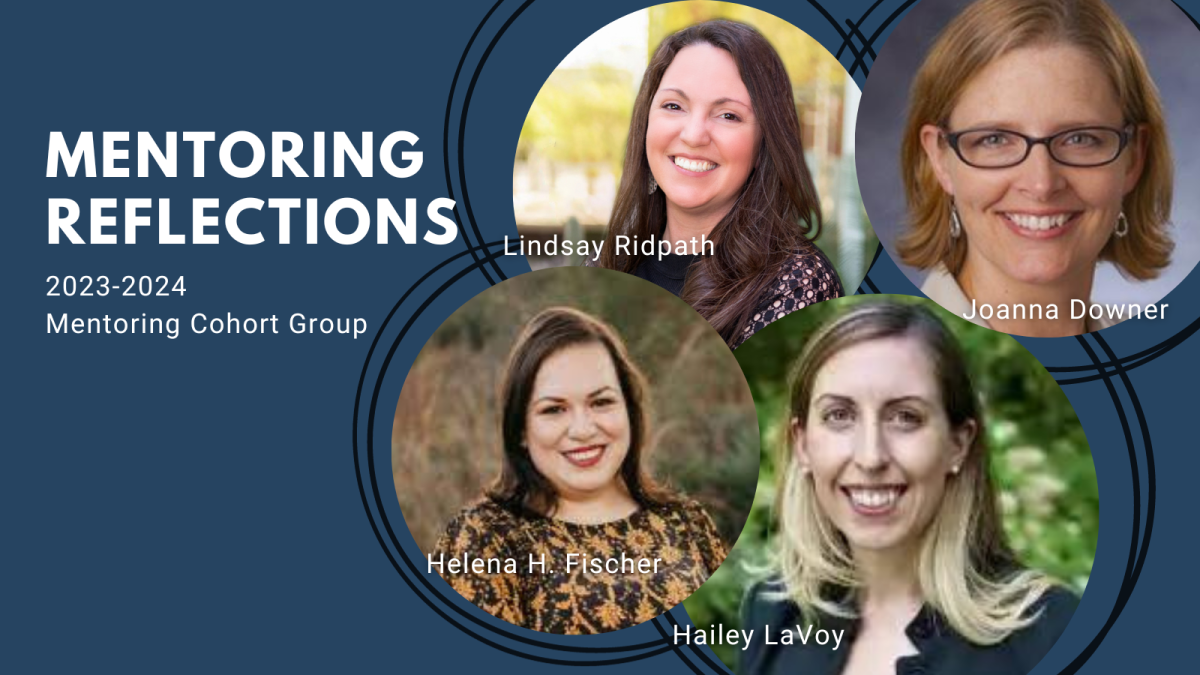
NORDP Cohort Mentoring Group Reflection

The 2023-24 Mentoring Program started in July, with an expanded cohort mentoring program in its 2nd year running. The Cohort Mentoring Group consists of matching three mentees with similar interests with one shared mentor based on the WisdomShare matching algorithm. The Mentoring Committee made 31 Cohort Mentoring Groups matches this year, an astonishing increase from last year’s pilot of 10.

The Mentoring Committee is actively seeking new volunteers to run the various mentoring programs offered to all NORDP members! If you have benefited from the mentoring services in the past, we encourage you to consider getting involved as the committee work is largely driven by volunteers. To learn more, we welcome everyone to join us at the Mentoring Committee Open House on Thursday, January 18, 2024, at 2pm Eastern. Register TODAY and/or email mentorprogram@nordp.org if you have any questions.

#PayItForward


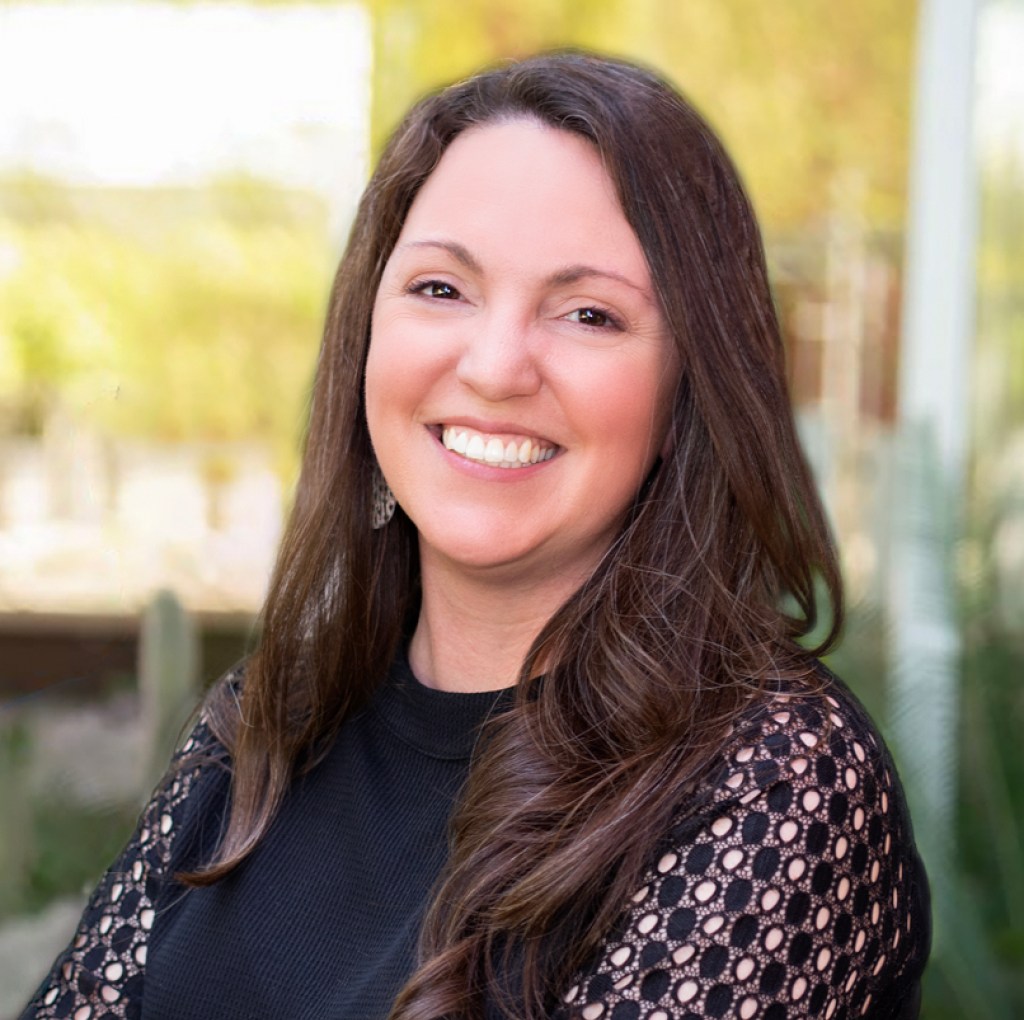
Cohort Mentor:

Joanna Downer (JD) is Associate Dean for Research Development at Duke University School of Medicine. She previously worked in science writing and media relations at Duke and Johns Hopkins, has extensive experience in scientific editing, and is a Certified Professional Coach. Joanna holds an MA and PhD in nuclear chemistry from Washington University in St. Louis, and a BS with Honors in chemistry from Carnegie Mellon University. While in graduate school, she was a Mass Media Fellow of the American Association for the Advancement of Science.

Cohort Mentees:

Helena H. Fischer (HF) serves as Senior Grant Development Manager for the Alvarez School of Business at the University of Texas at San Antonio. She earned her Bachelors of Music Education from UTSA and taught choral music for a decade. She earned a Master’s degree in Education Leadership and Policy from the University of Texas at Austin where she developed her research interests in poverty in education. She currently attends St. Mary’s Law School. Her experiences as an educator, grant project director, student affairs professional, and law student inform her work.

Hailey LaVoy (HL) is Assistant Director for Humanities & Interdisciplinary Grant Support at Dartmouth College. She works closely with Dartmouth’s faculty, postdoctoral researchers, and graduate students in the Arts & Humanities and Interdisciplinary Divisions to identify and secure internal and external funding that will advance their research agendas. She holds a PhD in medieval studies from the University of Notre Dame.

Lindsay Ridpath (LR) is Program Manager for Industry Engagement for Research Development at the University of Arizona. She supports procurement of industry research sponsorships, collaborates with industry on federal proposals, and aids in securing student fellowships and internships. She uses her expertise in content creation for social media and web platforms to promote UArizona faculty, facilities, and other resources to potential collaborators. Lindsay has an MFA and holds a Certified Associate for Project Management (CAPM) status.

Q1: What influenced you to apply to be a mentor/mentee for the 2022-23 NORDP Mentoring Program? Why did you choose the cohort mentoring model?

HF: My dotted-line supervisor called me on my second day in my new role as Sr. Grant Development Manager. He suggested that I sign up and that the department would pay my membership fee.

HL: It was recommended by a former NORDP mentee whom I met at the NORDP conference in May. I’m new to research development, and it seemed like a great opportunity to learn more about the field. I preferred the cohort model to get more perspectives and to meet peers in varying stages of their RD careers.

LR: I’m new to Research Development. At the time I first applied to the cohort, I was working for our Foundation Relations department, which didn’t offer a lot of support or training and its team was very new. I had developed a relationship with one of the university’s Research Development members and explained my troubles, and she was nice enough to recommend NORDP. I chose the cohort model because I wanted a group to learn from, as well as others to fall back on. The cohort model relieved the pressure of maintaining a one-on-one commitment.

JD: I love helping others achieve their goals, and I could use the time saved from having finished my term on the NORDP Board of Directors to once again serve as a mentor. I offered to serve as either 1:1 or cohort mentor, and could be happier to have been placed with a cohort!

Q2: Have you participated in a 1:1 mentoring model before? How has this experience been different or similar?

HF: Yes, but it was far more organic. We would come with questions.

HL: Not formally.

LR: No, but I’d like to.

JD: I served as a 1:1 mentor in the 2022-2023 mentoring year, and had a great experience. As others have reported in previous mentor pair profiles, while I may have started as the mentor, by the time our year was drawing to a close, I was receiving as much mentoring as I was giving, which was great. We are continuing to meet and my 1:1 mentee also signed up again – the Mentoring Program is a great way to grow your network! And in the cohort this year, I love that each member has wisdom to offer. Sharing our paths, our challenges, our solutions also helps reassure all of us that we aren’t alone in whatever experiences or feelings we’re having!

Q3: What is your favorite part about this cohort mentoring model so far?

HF: Joanna is a great mentor. I appreciate her solutions and her deep listening. I also am learning so much from my cohort mates who are in new roles too and we are navigating together.

HL: Getting confidential support on a wide range of professional issues.

LR: The first cohort wasn’t very great. I don’t think our mentor was very engaged and a lot of the convening was initiated by myself. I’m really enjoying our second cohort, all members are more engaged, and we all have different roles within our organizations so I’m able to learn a lot more about their roles, leaving me feeling more well-rounded.

JD: I think the matching software did a great job!

Q4: How has your participation in the Mentoring Program so far helped broaden your horizons about Research Development in general and/or affected your daily work in particular?

HF: It has helped me understand that there is a wealth of resources for professionals

HL: It’s given me a broader perspective on RD-institutional context, helping me better understand what is particular to my department (personalities/politics) and what is considered standard across the professional field. To that end, as a newbie, it has decreased my anxiety about how I’m doing in my specific role. My own RD office is very small, so it has been informative to learn, by listening to my fellow mentees, about the varied types of roles that exist in RD, depending on the institution and its priorities.

LR: I’m realizing that it’s ok to come from an “unconventional” background as so many others do.

Q5: What has surprised you about being a mentor or a mentee so far? 

HL: That, in addition to learning from my mentor, that I would learn so much from my fellow mentees about professionalism, tenacity, courage, and the importance of mutual support!

LR: The field feels like it’s on the brink of exciting change and I’m happy to be part of it.

Q6: Any words of wisdom or encouragement for those wanting to apply next year? Any other thoughts you would like to share? 

HL: It is indeed a wonderful investment in your professional development and an opportunity to build relationships with colleagues whom you might not otherwise meet. I’m so grateful that this program exists.

LR: If the first year is a dud, apply again!

JD: Do it!


The 2023-24 NORDP Mentoring Program is now in full swing! Applications for the next cycle will open in the spring. Please keep an eye out for an announcement from the NORDP. Additional mentoring opportunities are available through the Peer Mentoring Groups that are open for participation throughout the year via the WisdomShare platform.

An investment in mentoring is an investment in you!

Mentoring — Make it yours

Byline: Susan Carter, Jan Abramson

During January, the Mentoring Committee leveraged National Mentoring Month to share information about the many ways to get involved with mentoring. As Mentoring Month comes to a close, Susan Carter and Jan Abramson, NORDP Fellows and the inaugural recipients of NORDP’s Mentoring Award, share some thoughts.

Mentoring broadens perspectives,; establishes connections, and grows relationships. It’s a way to meet new people, learn new skills, and refine your own. Mentoring opens doors, and takes you places you might never have imagined. And, it is fun!

Susan reflects, “When I look back on my career in research development, one of the best professional steps I ever took was to engage with the Mentoring Committee and to become a mentor, both formally through the NORDP Mentor Program, and informally to others in RD. The time I spend mentoring really is fun, but most importantly, I have learned much more than I ever imagined I would. One definitely gets back more than one gives, which has been a huge benefit of being involved in mentoring. There is always someone I can call on when I need a new perspective, advice, or even just a friendly voice or face on Zoom for a bit of venting. Moreover, many of my mentees have become wonderful collaborators as well as great friends: we’ve built new ideas and new programs together.”

Jan shares, “the Mentoring Committee was my first step into NORDP, and mentoring continues to be a foundation of my life. Although I have retired, my connections stay strong, and I continue to #PayItForward. My world is richer thanks to the many relationships I have formed over the years. My intent is to nurture and celebrate connections — new and established. I’m thankful for my mentors, my mentees, and those who are peer mentors. I am who I am, because you touched my life.”

The Mentoring Program is a benefit available to all NORDP members, and we encourage you to get involved. Join a Peer Mentoring Group (open year round), register to participate in the 1- on- 1 or cohort-based mentoring program (applications open annually in the spring), join the Mentoring Committee, and be open to mentoring opportunities.

Mentoring is what you make it… Make it yours.

#MentorOn and #PayItForward