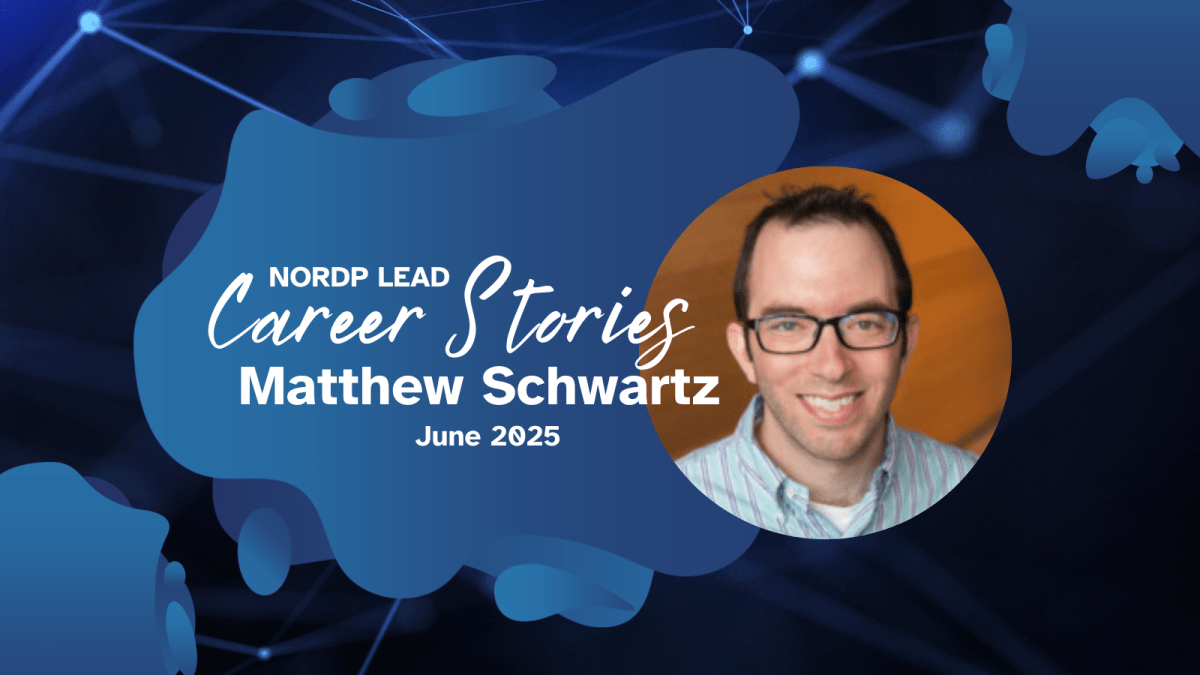
June 2025 Career Stories featured Matthew Schwartz, PhD, at University of Massachusetts Chan Medical School

Written by: Roshni Singh Career Stories team

Faculty Development Curriculum and Mentorship Networks
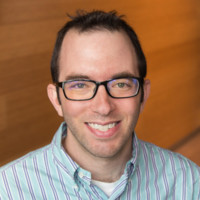
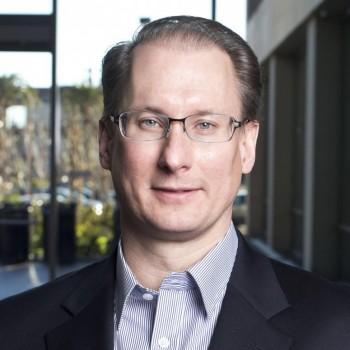
Matthew Schwartz

For June career stories, we interviewed Matthew Schwartz, PhD, who redefines what it means to support early-career faculty, building faculty development programming and mentorship networks to support academic success at UMass Chan Medical School. Matt is Senior Program Manager for Faculty Development in the Investigator Career Advancement Program (iCAP) at UMass Chan Medical School’s Office of Health Equity. At UMass Chan, Matt’s main responsibility is to design, manage, facilitate, and evaluate faculty development programs and mentorship activities aimed at enhancing the productivity, satisfaction, retention, and success of early-career research faculty, particularly those from groups historically underrepresented in science.

Certified as a facilitator by the Center for the Improvement of Mentored Experiences in Research (CIMER) and a graduate of both Ciencia Puerto Rico’s inaugural Inclusive and Reflexive Facilitation Fellowship and the 2025 Linton-Poodry SACNAS Leadership Institute, Dr. Schwartz is a national leader in faculty development and mentorship. He is an active member of NORDP, where he organizes the Faculty Development Peer Mentoring Group and serves on both the Mentor Training Team and Mentoring Committee. Fifteen-Twenty NORDP members regularly participate in monthly meetings of the Faculty Development Peer Mentoring Group, and any NORDP member is welcome to participate by signing up via WisdomShare. This Spring, along with several members of the Mentor Training Team, he facilitated a CIMER training through NORDP to further elevate mentorship practices by NORDP members across institutions.

Dr. Schwartz brings a wealth of experience to his role. He holds a PhD in Genetics and Genomics from Harvard University and a BA in Biological Sciences from Northwestern University. His academic career began as an Assistant Teaching Professor at Simmons University, where he also collaborated with the Center for Faculty Excellence, under the leadership of Dr. Jennifer Herman, as the Faculty Fellow for Teaching Excellence. Early on, he recognized a passion for creating systemic changes in academia through faculty development, curriculum innovation, and mentorship after a transformational experience as a participant in a Summer Teaching Institute at Simmons. Since then, at UMass Chan, he has been leading the creation and implementation of a holistic, tailored faculty development curriculum to support the success of four successive cohorts of early-career research-focused faculty.

Dr. Schwartz has led over 75 professional development workshops, incorporating active learning techniques such as case study analysis and role play, reflective practices, and restorative justice principles to facilitate authentic conversations and create transformational faculty development experiences. He regularly collects faculty feedback for continuous improvement of iCAP and to ensure he is meeting faculty needs. With 2-hour iCAP sessions every two to three weeks, some outsiders express concerns about taking up too much faculty time, but the effect is the opposite, with iCAP participants noting how much time they are saving later because of iCAP’s support for advancing their careers and learning how to effectively lead their research groups.

When asked to distinguish between faculty development and research development, Dr. Schwartz shares: “Faculty development takes a holistic view—it’s about mentorship, career development, and fostering belonging and wellbeing in addition to research development skills like proposal writing, managing budgets, and navigating collaboration.”  He regularly uses his research development skills, however, to dig in, understand the literature, and apply evidence-based best practices in creating both the structure of iCAP’s cohort-based peer mentorship group, and for all of the faculty development sessions he develops, on topics ranging from research mentor training to navigating difficult conversations, effective networking, and fostering wellbeing.

Focusing on mentorship, Dr. Schwartz believes in building networks, supporting faculty in identifying and filling gaps in their mentorship networks, and cultivating his own large network of people whom he can consult and who can support his own career success and development.

Dr. Schwartz is happy to answer any questions you have and especially encourages readers to reach out to him if they are looking for mentorship and support in creating their own faculty development initiatives. Please feel free to contact him at matthew.schwartz3@umassmed.edu.

To listen to his full interview by the career/kindle team, please click on this link (you must log in as a NORDP member to access): https://nordp.org/store/viewproduct.aspx?id=24459276; Chapter 48: Matthew Schwartz
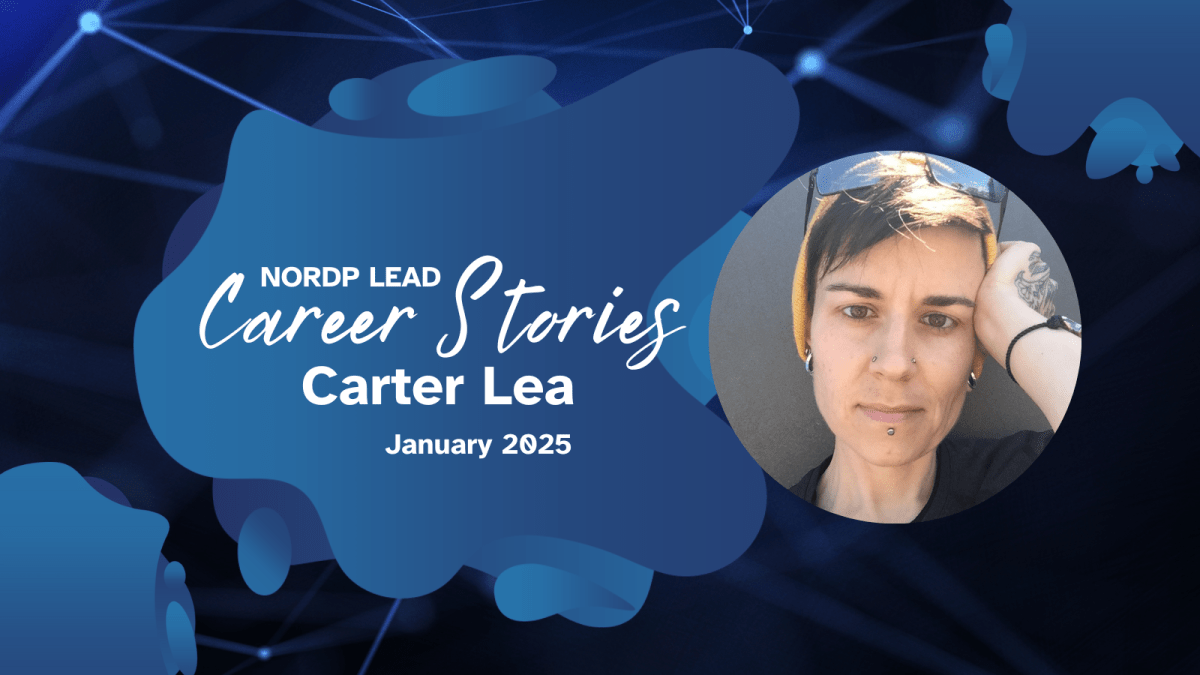
The January 2025 Career Stories featured Dr. Carter Lea, Senior Research Development Officer at Tulane University

Written by: Roshni Singh with input from Natalie Baronian, Career Stories team
Carter Lea, PhD

From Promoting Out-of-the-Box Thinking to a Board Member

Career Stories’ January 2025 session featured Carter Lea (they/he), a queer introvert who connects with the world by absorbing as much information as possible. Carter is a newly elected (2024) member of the NORDP Board of Directors, who currently works in the Office of Research Proposal Development at Tulane University in New Orleans, where he lives with his spouse, two cats, and a cat-like dog.

Carter received a Ph.D. in Ecology and Biodiversity in 2015 from Victoria University of Wellington, New Zealand, and was busy funding their own research in ecophysiology and climate change modeling when he learned about research development as a career path. Their love for writing grants and editing proposals is what eventually led him to an RD position. What excites and motivates Carter is creating new knowledge that ultimately helps communities, and crafting and writing about those ideas makes their effort worthwhile. Even though they were originally hired to work in the STEM disciplines, the Liberal Arts department was added to their portfolio, and they now work on a wide variety of proposals.

Carter’s strategy for working with hesitant faculty includes building trust and relationships and maintaining discipline as a details-oriented person to market how RD is a useful skill. According to Carter, extensive editing, reworking the language for clear communication for readers, and incorporating visuals/graphic design helps foster a stronger relationship and trust with investigators and enhances the proposal, which keeps him actively engaged in RD. Carter’s passion for data visualization and inherent tendency to collect knowledge and skills also led him to pursue a post-baccalaureate certificate in graphic design, a skillset they apply almost daily to improve proposal presentation, infographics, and tables.

Carter joined NORDP soon after entering RD and became an active member of the Committee on Inclusive Excellence (CIE). Through CIE, he encouraged others to think creatively and look beyond traditional constraints, promoting out-of-the-box thinking. His innovative ideas caught the attention of Samar Sengupta, who nominated him for a position on the NORDP Board. They believe NORDP is genuinely filled with good people, and they see a “home” in this organization. While Carter appreciates the organization’s inclusive culture, he also believes that, within the unique field of RD, it is essential to make research more human-centered.

Carter would love to answer any questions you have for them at calea@tulane.edu

To listen to his full interview by the career/kindle team, please click on this link (you must log in as a NORDP member to access): https://nordp.org/store/viewproduct.aspx?id=24459276. Chapter 45: Carter Lea

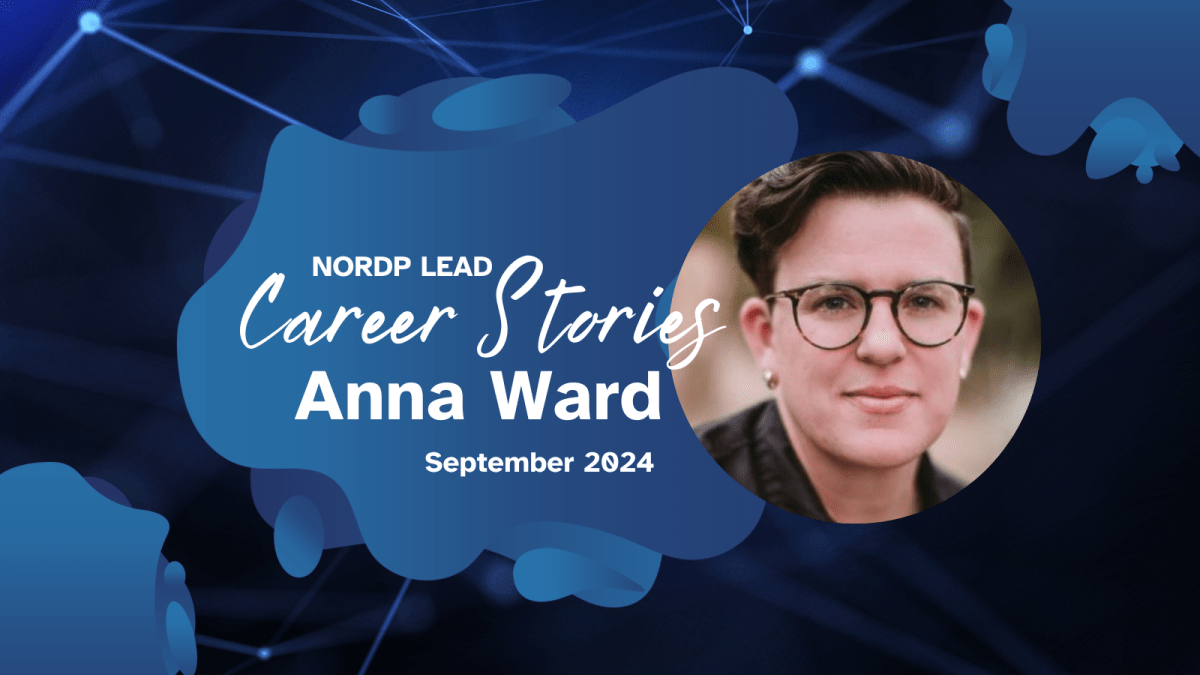
The September 2024 Career Stories featured Dr. Anna Ward, Director of University of California Research Initiatives (UCRI), part of the Research Grants Program Office at the systemwide Office of the President.

Written by: Roshni Singh, Career Stories team

Be Vulnerable but Also Know What You Want to Do

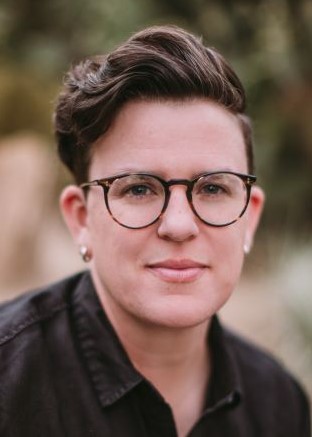
Dr. Anna Ward

Drawn by a research background, funding structures, and opportunities, Dr. Anna Ward shares that her journey to the RD profession is a gift where she is fascinated by the many ways you can address the same question.

In September Careers Stories, we shared the journey of Dr. Ward, who brings over 15 years’ experience in academic research, teaching, program management, and research development, including previous roles as a Program Officer in UCRI and a Grants and Program Manager at University of California at Davis. Dr. Ward received her BA degree in Politics and Women’s Studies from UC Santa Cruz and doctoral degree in Women’s Studies from UCLA. Prior to returning to UC, where she is the Director of University of California Research Initiatives (UCRI), part of the Research Grants Program Office at the systemwide Office of the President, Dr. Ward was previously a Visiting Assistant Professor and Program Coordinator of the Gender and Sexuality Studies Program at Swarthmore College and a lecturer in the Program for the Study of Women and Gender at Smith College.

After being affiliated with different UC campuses, Dr. Ward grew fascinated with the complexity and scale of the UC system which includes 10 unique campuses, as well as systemwide entities like Agriculture and Natural Resources (ANR), the 42-site Natural Reserves System, and the three UC-affiliated national laboratories. In her current role, she oversees a suite of research grant programs designed to encourage collaboration across the UC system, spur new directions in interdisciplinary research, and generate novel solutions to challenges facing California communities.

Dr. Ward is deeply involved in NORDP and was a Co-Chair of NORDP’s Committee on Inclusive Excellence. In NORDP, she found a welcoming community to identify with and says “the connections that we make are gold.” She thinks that RD professionals can do a better job articulating their contributions beyond proposal development and encourages exploration beyond just “churning out proposals and competing for the same pool of money.” Also, according to Dr. Ward, RD doesn’t get enough credit for the potential role it can play in retention, especially with minoritized faculty.

Dr. Ward advises new RD professionals to perform informational interviews and participate in the NORDP Mentoring program. She benefited immensely from mentorship and her NORDP mentor encouraged her to think creatively, which led her to multiple informational interviews being instrumental in her career. She made herself “vulnerable and talked to some heavy hitters”, aiming to do something in 5 years that would normally take 15 years. Now she advises others, “to be vulnerable but also know what you want to do” as the informational interviews goes both ways where both parties are investing in each other.

Dr. Wards’ impact and legacy is creating a safe space for difficult conversations, doing everything with pride and honor, treating everyone with the respect they deserve, while making their paths easier.

Dr. Ward would love to answer any questions you have for her, so please feel free to email her at anna.ward@ucop.edu

The link to the interview to Dr. Ward’s Career Stories by the NORDP LEAD Career Stories team will be posted in the NORDP LMS when available.

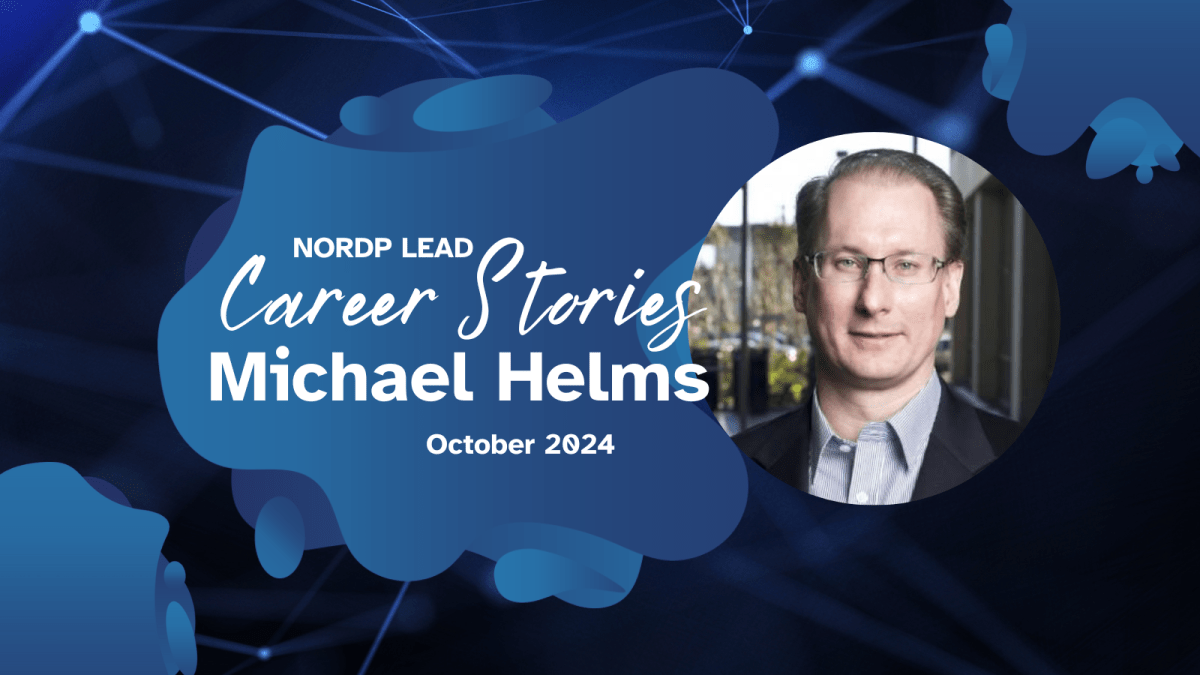
The October Career Stories featured Dr. Michael Helms, Director of Research Development, Team Science at Department of Medicine at Stanford University School of Medicine

Written by: Roshni Singh, Career Stories team

A Journey from Biotech to Academia

When Dr. Helms was asked to write his first grant in Biotech, he was a little hesitant, however, the role grew on him and he became an expert and a go-to person for all the grants in his company. While in the industry, Dr. Helms received funding from NIH and served on the NIH SBIR study section.

Michael K. Helms, PhD, MBA

The October Career Stories featured Dr. Micheal Helms, Director of Research Development and Team Science in the Department of Medicine at Stanford University School of Medicine. Dr. Helms has an MBA degree with specializations in managing innovation and technology and international business, and BS and PhD degrees in biochemistry. Mike founded the first-ever research development office at Stanford, the Stanford Research Development Office (SRDO), and managed it for 5 years. His journey started as a scientist, project manager, director, and general manager in the biotechnology industry in the San Francisco Bay Area, eventually making his way into academia.

In 2008, when the economy was crashing, Dr. Helms started consulting and looking for new opportunities. Through his work with NIH, he realized that most federal funding was awarded to universities, so he started focusing his job search in academia. With his wealth of experience, in 2009, he was hired by Stanford University and since then has helped hundreds of faculty members find and apply to funding opportunities, resulting in over $400 million in new funding from federal and foundation sponsors. He counts among his successes the Stanford CTSA, Stanford Diabetes Research Center, Stanford Alzheimer’s Disease Research Center, SPHERE Center, and many others. For the past 15 years Mike’s main responsibility has been assisting faculty obtaining large grants. He directly works with experienced and knowledgeable faculty members and provides them with hands on help through coaching, development, and holding strategy and coaching meetings. Additionally, he runs a seed grant program for junior faculty who are clinically active.

Dr. Helms likes to “get the wins” and bring in the money, which aligns to faculty interests and aspirations. Helping faculty nurture their career to do “all good things” inspires him. He has supported 2 early career faculty – K Awards – funded with perfect scores of 10.

In reflecting on his impact and legacy, Dr. Helms points to helping Stanford raise >$400 m in new grant funding, introducing and establishing the importance of research development into Stanford, and the relationship and impact he has had on others’ career. Lately, he has been reflecting on future career moves. He recognizes that most RD professionals are in staff roles, which may put him in a much weaker position within an institution for rising to the VP level. However, he maintains that networking is key and can possibly have people on your side, so never stop learning, asking questions, and maintaining good relationships with people.

Mike would love to answer any questions you have for him, so please feel free to email him at mkhelms@stanford.edu.

The link to the interview to Dr. Helms October Career Stories will be posted on the LMS when available.

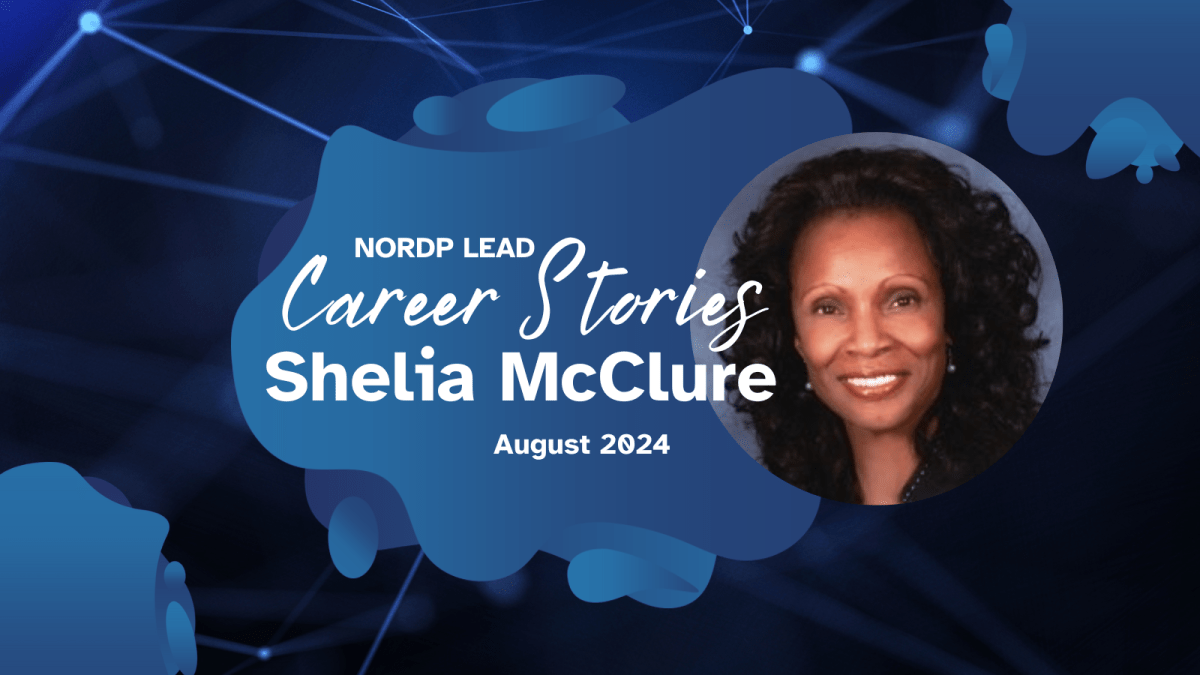
The August 2024 Career Stories featured Dr. Shelia McClure, the Senior Associate Dean for Research Development at Morehouse School of Medicine (MSM)

Written by: Roshni Singh, Career Stories team

Passion, Advocacy, and Love for Academia

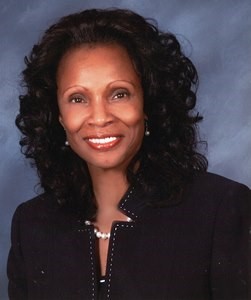
Dr. Shelia McClure

This month’s career story featured Dr. Shelia McClure, the Senior Associate Dean for Research Development at Morehouse School of Medicine (MSM), who is also the founding director of the MSM Office of Research Development (ORD). ORD provides technical assistance to faculty, post-docs, students and staff in planning, developing, implementing, and evaluating activities that facilitate scientific and educational research. Dr. McClure received her doctorate in cellular and developmental zoology from the University of California, Berkeley, completed post-doctoral training at the University of California and was a scientist in the Cancer and Viral Diseases Unit of the Upjohn Company in Kalamazoo, MI.

Dr. McClure began her professional career at Spelman College in Atlanta, GA where she rose to the rank of Associate Professor and was recognized for mentoring students and developing infrastructure and capacity for biomedical research that focused on faculty development, infrastructure improvements, and grant and contract development. She left Spelman for what she initially thought would be a brief stint at the National Institutes of Health (NIH). That “brief stint” ended up being almost 16 years, serving as a Program Director, Scientific Office, and Special Assistant to the Director of Research Infrastructure in the National Center for Research Resources, and as Chief of the Office of Research Training and Capacity Building in the Division of Scientific Programs at the National Institute on Minority Health and Health Disparities. However, her love for teaching, mentoring, and engaging learners as well as her passion for enhancing research capacity and helping diversify the biomedical research workforce brought her back to academia, where she could be fully engaged in research development.

Dr.McClure’s research development journey began with starting up a new lab as an Assistant Professor in a small institution that focused primarily on teaching. Once she garnered extramural funding from NSF, NIH, and a few foundations to establish her own research, she was equally engaged in developing research capacity, not only for herself, but for students, post-docs, and other faculty.  She believes RD is in her blood and with a passion for RD, “she has never worked a day in life” but follows and enjoys her passion. She considers herself “very fortunate to have been a part of research development on a local level in the academy and at a national level while at NIH.” That same passion keeps Dr. McClure in RD as she enjoys seeing investigators obtaining their first grant and becoming successful in their research and professional careers. Since many of these investigators are from groups underrepresented in biomedical research, she has the added enjoyment of playing a role in helping diversify the scientific workforce. Her work has also resulted in advocacy efforts to increase funding for smaller institutions, HBCUs, and other MSIs that need resources to enhance research and training capacity.

She strongly believes that mentoring is an essential ingredient for success, and credits her parents, an NIH professional mentor, and her undergraduate research mentor for supporting her throughout her life and career. Specifically, she thanks her parents “for instilling in a young African American woman growing up in the South that she could be anyone she wanted to be, and the equalizer would be education.” Hence, she firmly believes that it is everyone’s responsibility to “pay it forward”, and as RD professionals, we should play a more active role in mentoring the next generation of researchers and RD professionals. We should also have a stronger voice in advocating for RD opportunities that will help to diversify the institutions and individuals contributing to the research enterprise.

Even with an extensive career in RD, she still learns from every investigator she works with and uses the information she learns to improve RD programming and operations. “Emotional intelligence is the key” when working with a broad cross-section of stakeholders, which is usually the case in the RD space.  Mutual respect, and building and maintaining relationships have shaped her impact and legacy in RD.

Dr. McClure would love to answer any questions you have for her, so please feel free to email her at smcclure@msm.edu

The link to the interview to Dr. McClure’s Career Stories by the NORDP LEAD Career Stories team will be posted when available.

The June 2024 Career Stories featured Jan Abramson, MS, retired from the University of Utah.

Written by: Roshni Singh, Career Stories team

An exceptional Journey from Student Services to Research Development Professional and into Retirement

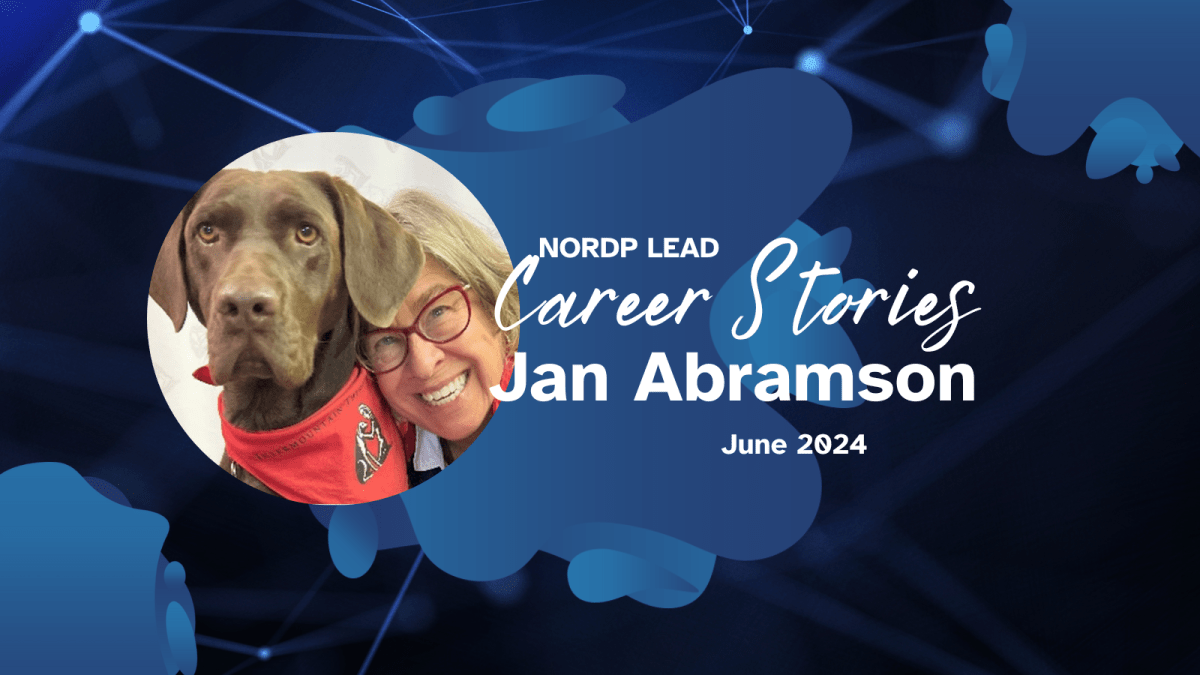
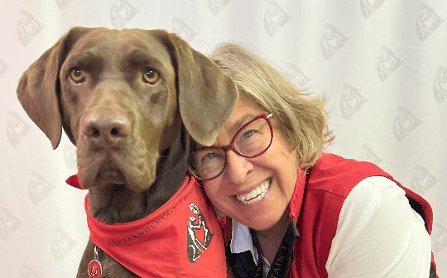
Jan and Izzie, her Certified Therapy Dog

She often says “she was doing RD, before RD was a thing.” Jan Abramson, a retired RD professional and Emeritus member of NORDP has had an exceptional professional journey. After receiving her master’s degree in Higher Education Administration from the University of Central Missouri, Jan worked in student leadership and development in England and the US. She arrived at the University of Utah (UofU) in 1995, with a goal of volunteering at the opening and closing ceremonies of the 2002 Winter Olympics. Goal achieved! as Company Manager for UofU’s Children’s Dance Theatre.

Following the Olympics, Jan took a foray into the nonprofit community, working primarily with arts organizations in various roles: grant writer, development director, volunteer coordinator, trainer, and interim Executive Director. Those experiences enhanced a skill set that allowed for a seamless transition to RD professional.

Returning to UofU in 2005, she began doing research development work in the Health Sciences, where she stayed, in various roles until retirement in 2020. Jan was introduced to NORDP in 2011 and became an active member, contributing her time, talents, skills, and knowledge to the NORDP community. As she says, “through NORDP, I found a professional home, which has helped me grow.” During her time with NORDP, she was primarily involved with the Mentoring Committee, served on the Board of Directors, and co-chaired the 2019 conference in Providence, RI. She is an Emeritus member, was recognized as a Charter Fellow in 2020, and received one of the two inaugural Mentoring Awards in 2022. She built life-long relationships with NORDP colleagues and works to build, nurture, and sustain those relationships.

COVID offered a chance for early retirement. Reflecting on retirement, Jan is convinced that one’s impact weaves throughout their life, touching others in ways we may not even know. The legacy of who we are and what we do is passed on and continues in ways we may not be aware of. Retirement offers new ways to #payitforward. Now, Jan volunteers in the community several times a week with her dog Izzie, for Intermountain Therapy Animals, spreading smiles in hospitals, schools, the airport, and other public places. She also volunteers for Salt Lake County Arts and Culture to get her arts fix.

Jan’s message to everyone is to network, take initiatives, and get involved in NORDP. There are so many ways to participate; reach out where you are interested, make time to engage with other RD professionals, and invite others in. Celebrate the good things about yourself and reflect on your impact and legacy.

For the author, Roshni Singh, Jan has been an inspirational woman and a great mentor. Roshni looks up to her and hopes to continue her professional relationship with her as there is so much to learn from her and learn to foster relationships like Jan does.

Jan would love to answer any questions you have, so please feel free to email her at janabramson.slc@gmail.com.

The link to the interview to Jan’s full Career Stories by the NORDP LEAD Career Stories team will be posted when available.

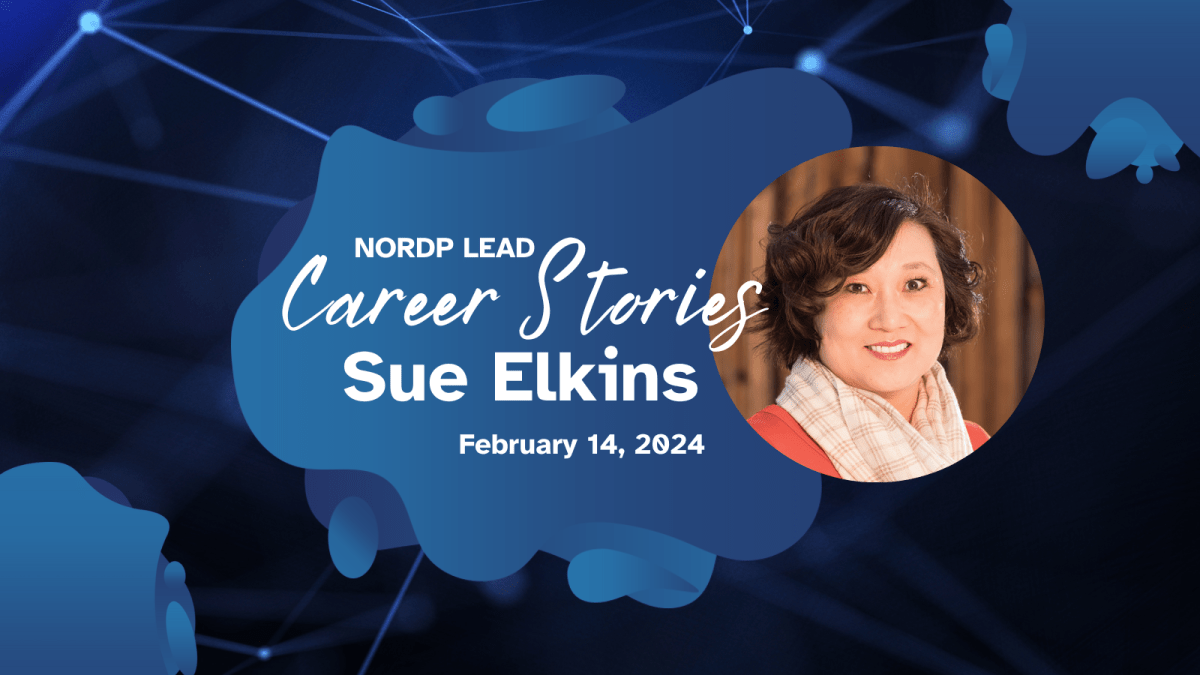
The February 2024 Career Stories featured Sue Elkins, International & Research Services Manager at Drexel University

Written by: Roshni Singh, Kindling Crew

Sue Elkins, CRA • International & Research Services Manager • Drexel University

Sue Elkins, CRA is the International & Research Services Manager at Drexel University. In this role, she has been tasked with re-envisioning and developing research support from a Central Office, for the university. Sue has over 10 years of research administration experience in higher education and hospital settings with a wealth of understanding on research administration, networking, relationship building, professional development, and communication. 

Prior to joining Drexel, Sue had worked at Auburn University and Rhode Island Hospital in positions that were RD adjacent, but lacked the work-life balance she required. In addition to these two roles, she had over 10 years’ experience in wrangling contracts and navigating legal systems through two prior positions as a real estate assistant/transaction manager, and a daycare/pre-school owner in a foreign country. In spring of 2021, she began planning an intentional career transition that would allow her the work/life balance she needed as well as advance her career. Sue wanted to get involved with increasing grantsmanship knowledge leading to increased efficiencies and better proposals in turn increasing an institution’s award rate. She strategically targeted institutions that were looking to measurably increase research expenditures and willing to increase training across campus as part of their strategic plan. Based on her desired career path, she designed a 24-month plan for the career transition and strategically started adding the skills she needed while at her prior role in Auburn University. She accomplished her goal, 6 months ahead of her deadline, joining Drexel as a Grants Administrator in October 2022. Sue has not let the lack of an advanced degree hold her back from pursuing her career goals and has successfully leveraged all prior experiences in conveying her aptitude for her desired positions. Understanding her soft skills helped Sue maximize her career advancement proving past employment outside of the field added to her ability to address the role Drexel University was looking to fill. Sue was promoted to her current position in April 2023. 

With her role as the International & Research Services Manager in the Office of Sponsored Programs, Sue plans/creates/adds/fosters training opportunities for those across campus to improving institutional research support. Determining a road map to develop training for all involved with research to improve processes, knowledge base & community is Sue’s ultimate goal and the big picture aim for her current position. She also understands the constantly evolving demands of the field and that between now and completely setting up training our world will change and she is looking forward to helping Drexel University keep up! It is the thought of these upcoming and unknown challenges that keeps Sue interested in Research Development; understanding her soft skills has helped Sue maximize her career advancement.

Sue suggests networking as one of the best ways to connect, learn, and increase one’s knowledge base. When she worked directly with faculty and after a proposal and they asked if they could do anything for her, Sue asked that they write an email to her boss on how she was a beneficial part of the proposal. These faculty members turned out to be some of her best references. Additionally, in her experience NORDP is very welcoming, empowering, and accessible to everyone, and a great place to network. Another great way to network is to VOLUNTEER! Sue currently is involved with NORDP on a volunteer basis for the following roles: Co-Chair for the NORDP Professional Development (PD) Committee, Liaison for PD and the iKnoW on the NORDP Communications Working Group (CWG), PD representative for iKnoW, and a cohort mentor for this year’s Mentoring Program.

Fun Fact about Sue: Being a horrible test taker has been to Sue’s advantage. In order to pass the CRA exam she really had to understand the principles behind any question that could be asked; and thus, this knowledge is stuck in her head for the long haul! This is the same as understanding every grant that comes her way!

Sue would love to answer any questions you have for her, so please feel free to email her at sue.elkins@drexel.edu

To listen to her full Career Stories interview, please click on this link (you must log in as a NORDP member to access): MC LMS – NORDP LEAD presents: “Career Stories” – Sue Elkins – February 14, 2024

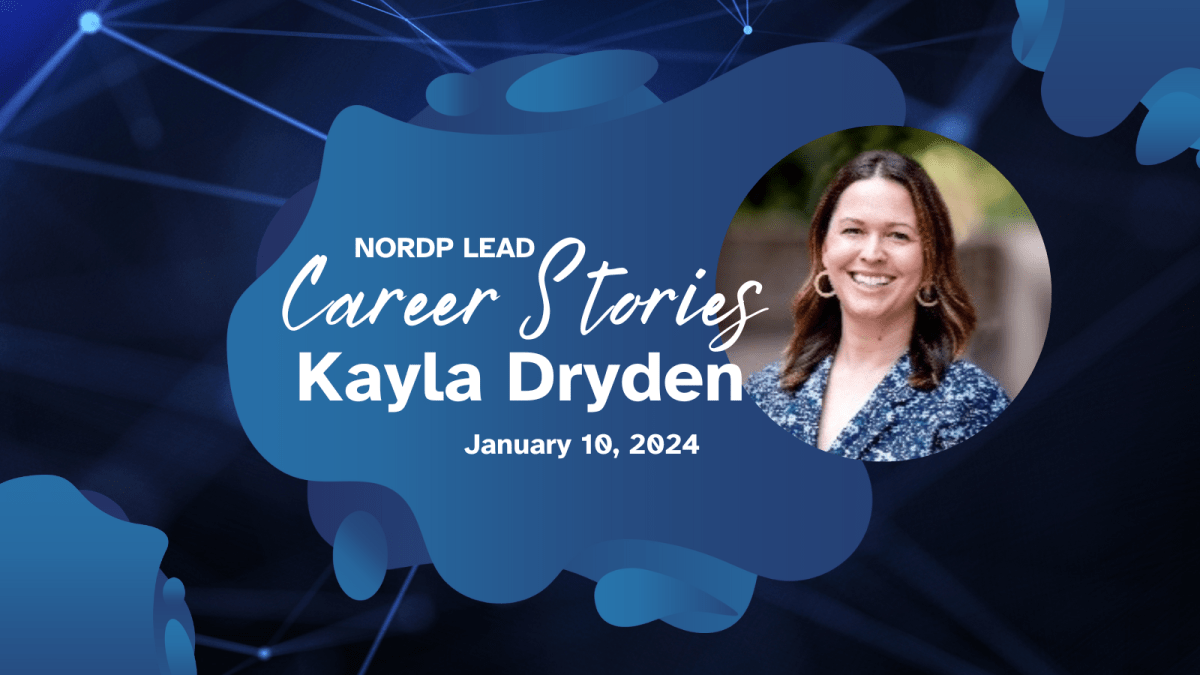
The January 2024 Career Stories featured Kayla Dryden, Research Development Officer for Arts and Humanities at The University of Texas at Austin.

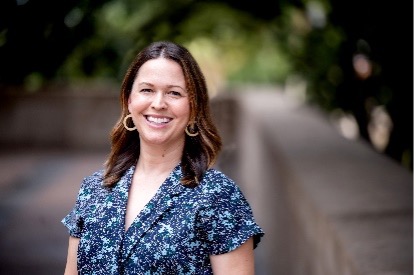
Kayla Dryden • Research Development Officer for Arts and Humanities • The University of Texas at Austin

Kayla Dryden is the first-ever Research Development Officer for Arts and Humanities at The University of Texas at Austin. In this role, she provides major proposal development support for faculty, facilitates skill-building and team research, and leads arts and humanities strategy in the central Office of the Vice President for Research, Scholarship, and Creative Endeavors

Kayla holds an MA in Museum Studies from NYU and as an undergraduate, studied English and Art History at Cornell University. Within NORDP, she is a member-at-large of the Creative Arts, Social Science, and Humanities affinity group and the co-chair of the Membership Services Committee.

As an undergrad, Kayla wanted to be an arts journalist or critic, however, after a couple of lackluster media internships, she realized that wasn’t her path. A summer job working at the university art museum led her to a career at the intersection of arts management and philanthropy. Before joining UT Austin in 2021, she spent 15 years both in-house and as a consultant to arts and cultural organizations and artists, specializing in grants, communications, and project management. She has worked at the Asian Art Museum (San Francisco), The Museum of Modern Art (New York City), and other museums, galleries, and grant-makers in the U.S. and in Asia.

During a seven-year tenure with MoMA, she led the grants portfolio and administered the internal Wallis Annenberg Fund for Innovation in Contemporary Art together with leadership at the museum and at the Annenberg Foundation. The cutting-edge projects supported by this fund were deemed unlikey to receive external funding, often pushing the boundaries of what was possible to present in a public institutional space. Kayla credits this experience with honing her ability to break any concieveable proposal down to component parts for review, and to steward a diverse group of stakeholders to “get to yes.”

All these experiences led her to her first “capital R” Research Development position at UT Austin and a niche that suits her skills and abilities both as a writer and administrator and as a people person. In her current role, she works to earn trust from arts and humanities faculty members who may have had a range of experiences with the research enterprise. She is inspired by the opportunity to advocate for these faculty, and by the importance and impact of their work.

Here are some questions from the Career story that went unanswered: 

Q. How big is your office? How many RD staff members work with you in support of the faculty?

A: I sit in UT Austin’s central Office of the Vice President for Research, Scholarship, and Creative Endeavors. Our Research Development team has about 20 staff members, including program staff for our three grand challenges, an operations and events team, limited submissions and competitive intelligence specialists, research administrators, and more. I’m part of a cohort of three other Research Development Officers, including our Deputy VP for Research and fearless leader, Jennifer Lyon Gardner.

Q: What should other universities do to better support arts & humanities faculty in research funding?

A: If you are serious about fostering a culture of arts and humanities research, there must be an investment in infrastructure like post-award support at the local level. Central offices should consider if their offerings truly serve all disciplines, and think about their terminology. Do you really need to ask for a biosketch when any short bio will do, or use the term team science when you mean team research? Not all art and humanities scholars are going to be interested in pursuing external funding. Find those that are already doing this work (perhaps outside of the university), those who want to do this work, and those who are curious about it.

Q: Are there other staff members (not in the central office) who support these faculty with research development? How do you coordinate with them?

A: Local support for arts and humanities research varies widely across UT Austin’s 19 colleges and schools. I work very closely with college-level research administrators, associate deans of research, and staff in units like our Humanities Institute, as well as foundation relations and development. Some of these colleagues serve formally or informally as research development specialists in their college, and in other cases I am more hands-on. My role entails a large amount of internal coordination and relationship-building! However, it’s been so helpful to have a birds-eye view of what’s happening across campus: I can connect RAs who are supporting PIs on the same opportunity, introduce potential collaborators, or refer folks to resources available in another college.

Kayla would love to answer any questions you have for her, so please feel free to email her at kayla.dryden@austin.utexas.edu

To listen to her full interview by the career/kindle team, please click on this link ((you must log in as a NORDP member to access): MC LMS – NORDP LEAD presents: “Career Stories” – Kayla Dryden – January 10, 2024

Applications Sought for NORDP LEAD Cohort 3

Applications for the third cohort of NORDP Leadership, Engagement and Development (LEAD) are being accepted through Friday, September 1, 2023.

A free professional development opportunity for NORDP members, LEAD was established to help create opportunities for member development, engagement, and leadership. One goal for LEAD is to help develop future leaders for committees, working groups, and NORDP’s board of directors.

Participants in the LEAD cohort program spend around 12 hours during an eight-month period devoted to learning about and reflecting on topics like:

  • Identifying individual strengths and strengths-based leadership
  • Strategic planning for professional and personal growth
  • Inclusive collaboration in team-based scholarship
  • Non-profit board operations and opportunities for service and leadership within NORDP

Through the LEAD cohort program, participants develop a personalized plan for growth as a research development professional and/or as a NORDP member.

LEAD cohorts are limited to 12 individuals to maximize opportunities for learning, community building, and professional networking. Cohort meetings will be on the third Thursday monthly from October 2023 to May 2024. 

The 90-minute sessions will run from 12 to 1:30 p.m. Eastern/11 a.m. to 12:30 p.m. Central/10 to 11:30 a.m. Mountain/9 to 10:30 a.m. Pacific on the following dates:

  • October 19
  • November 16
  • December 21
  • January 18
  • February 15
  • March 21
  • April 18
  • May 16

Following each session, participants have the option to remain on Zoom for up to 30 minutes for informal networking with other cohort members and the program facilitators.

Cohort 3 applications should be submitted via InfoReady by 11:59 p.m. EDT on Friday, September 1. Applicants must submit their contact information; a short statement of interest and readiness; and a copy of their curriculum vitae or résumé. 

All NORDP members are eligible to apply. Application review criteria include the:

  • alignment between an applicant’s interests in joining LEAD and their readiness to participate in the program.
  • applicant’s past record of contribution within NORDP or the field of research development and their potential for future, more significant impact.

Participants will be selected based on the diversity of the applicant pool and their willingness to commit to missing no more than one monthly meeting of the cohort. Selection notifications will be issued by Friday, September 22. For additional information about NORDP LEAD – Cohort 3, contact Lisa Lopez or Nathan Meier.

Fireside Chats: Stories of How Colleagues have Kindled a Career in RD

Submitted by Gagan Bajaj, Chetna Chianese, and Jan Abramson

How did you end up in Research Development? You may have had a circuitous path to this rewarding career. Many of us did.

Are you curious about how others within NORDP have grown their careers in RD? Did you know there is a large collection of 30-minute videos available to NORDP members, sharing the career stories of RD professionals? It’s true!

The NORDP Fireside Chats conversation series highlights the professional trajectories of NORDP members working in a wide variety of roles and showcases the many paths available for career growth and advancement within the field. Each conversation is 30-minute listen-and-learn session, with time provided for participant questions. 


Previous Fireside Chats guests have included:

  • Karen Fletcher, Director of Grants Resources & Service, Appalachian State University
  • Susan Carter, Director of Research Development, Santa Fe Institute
  • Mark Milutinovich, Director, Large Center Development, University of New Hampshire
  • Samarpita Sengupta, Director of Research, Assistant Professor, UT Southwestern Medical Center
  • Daniel Arriaga, Assistant Director for Research Engagement, UT Austin
  • Kelly Rose, Chief Scientific Officer, American Society of Hematology
  • Rebekah Hersch, Associate Vice President for Research and Innovation, George Mason University
  • Peg AtKisson, Founder and President, Atkisson Training Group
  • Quyen Wickham, Senior Proposal Manager, Arizona State University
  • Etta Ward, Assistant Vice Chancellor for Research Development, IUPUI

…and many more!


These recordings are available to NORDP members, via the NORDP LMS. To access them, first log in to the LMS using your NORDP credentials, then select the course named NORDP LEAD presents: Fireside Chats where you’ll find all of the previously recorded conversations. You can search for the course using the search bar or by selecting from the Course Categories tab (at the top of the screen) > Career and Personal Development.

You can watch any (or all) of the videos at your leisure.

Enjoy!