Coaching & RD Peer Mentoring Group Participant Reflection

By Melanie Bauer, Grant Writing Manager, Nova Southeastern University

The Coaching & RD Peer Mentoring Group (PMG) is currently led by two co-conveners: Don Takehara, Director for Research, Grainger College of Engineering – Office of the Associate Dean for Research at the University of Illinois at Urbana-Champaign; and Jet LeBlanc, Consultant and Coach at the AtKinsson Training Group.
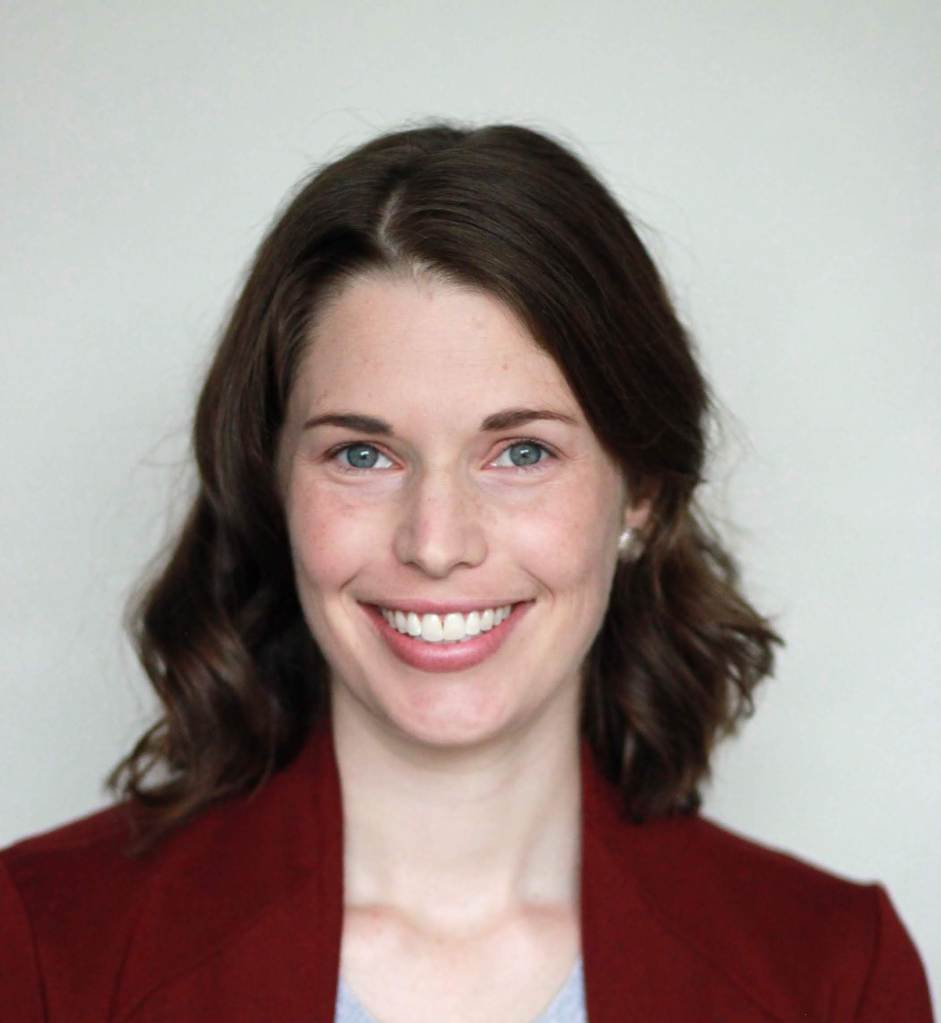
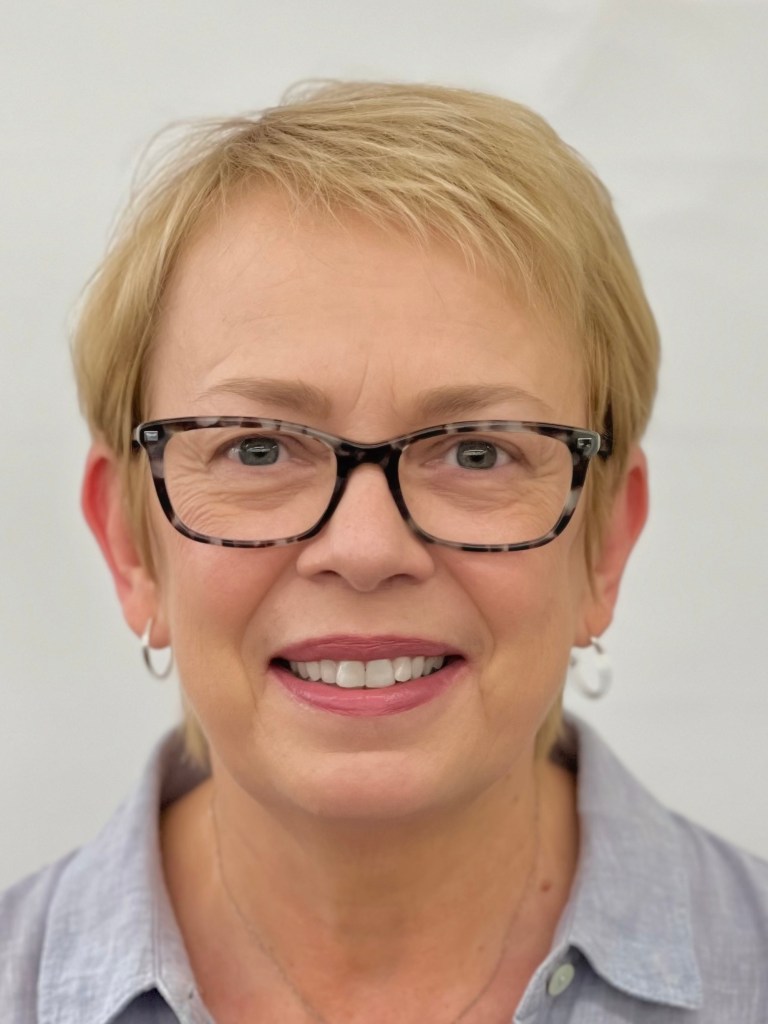
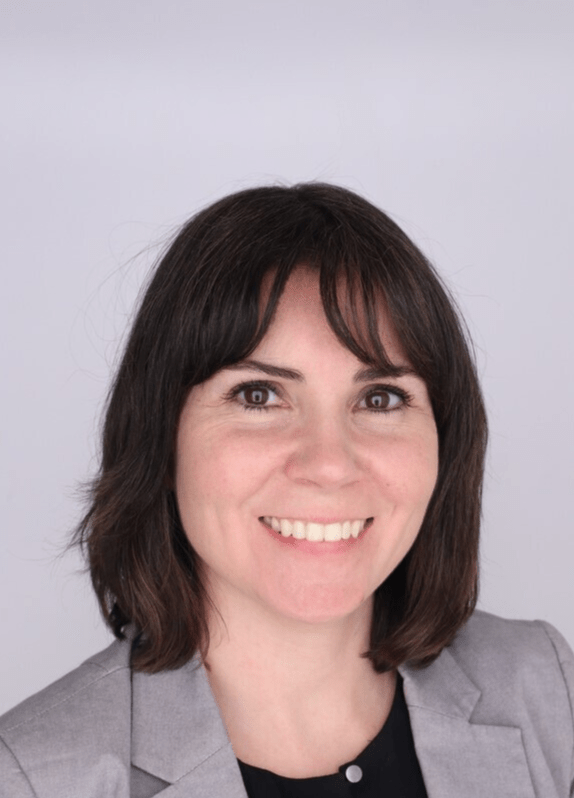
Melanie Bauer

Melanie Bauer is Nova Southeastern University’s (NSU) Grant Writing Manager, working in the Grant Writing Lab under the Division of Research and Economic Development (DoR). She supports faculty and professional staff through all proposal development stages—funding research, project ideation and scoping, enhancement of proposal drafts, and revision and resubmission of unfunded proposals. She also supports other aspects of research capacity building at the university, including training, communications, and strategic planning. Previously, she served as Assistant Director of a STEM education lab at Yale University, where she conducted both research and program evaluation studies, as well as managed over $3.5 million in grant-funded projects supported by NSF, NIH, and the Howard Hughes Medical Institute. She joined NORDP when she started her first full-time RD job at NSU five years ago and has been delighted to engage with its mentoring program and professional development offerings.

Q1. What influenced you to sign up for the NORDP PMG Program? Why did you choose this particular PMG focus?

MB: Several years ago, I did what I think many new NORDP members do the first year they join the organization: I joined almost all the PMGs. Once I realized that this led to too many meetings each month, I started to narrow down my signups to which topics were most relevant to my current work or goals in RD. As a PMG frequenter, I can say that the Coaching and RD PMG has been a standout group, especially in terms of how the conveners have run it. At least over the past couple of years that I have been involved, they have taken an experiential approach to facilitation, providing opportunities for us to see what it feels like to coach and be coached. So while I cannot say something in particular drew me to this PMG, the reason I have stayed has been the unique opportunity to grow my skillset in a way that feels like it will stick. It’s one thing to hear about something I could do someday, but it’s another thing to actually try it out.

Q2. What were your initial expectations of the Peer Mentoring Group, and how did your actual experience compare?

MB: The typical PMG, in my experience, is run with a rotating set of topics and volunteer facilitators leading presentations and discussions under the umbrella theme of the PMG. This presents a great opportunity to share models and resources, ask questions and get feedback, and make connections with colleagues around the country. Volunteer facilitators do not have to be experts in the topics, and in fact many PMG participants are new to the field of RD, but they come with a few prompts to engage others.

In the time that I have been a part of the Coaching and RD PMG, the conveners (who have expertise and certifications in coaching and integrating coaching approaches in their RD work) have taken a somewhat different approach, leading us through various essentials and experiences in the coaching world. They have shared “powerful questions” they use to engage faculty about their research work and goals. They have also given us ways to think about our mindset and approach when providing faculty support. It can be easy to go into advisor or consultant mode with faculty, telling them about grant opportunities and what they need to do to be successful. In coaching you focus more on the person and human in front of you. What are their goals, their perceived obstacles, and solutions and next steps that they generate on their own. It helps you avoid being the teacher, or falling into the rinse and repeat that can sometimes happen when you spend an extended period of time in a service job.

Q3. Can you recall a time when you received information or direct advice from your peers in the group that made a significant difference in your RD professional work?

MB: Joanna Downer has been a presence in my time in this Coaching and RD PMG, and she shared two ways of thinking about coaching that I have since used in some team science support programming I led. The first is “Focus on the person, not the problem,” and the other, related idea is “The answer is in other people.” Both of these phrases are on sticky notes up on my bulletin board.

I think these ways of thinking about supporting faculty can be freeing for a new RD professional or for an RDP embarking on a new type of support, such as supporting interdisciplinary research teams. Do we need to understand their science? Understand the direction they need to go? Make a roadmap for their next steps? What I’m coming to believe is that, at least in some cases (most? all?), it is better for the team or individual faculty member to chart their own path. Too much support and I have found that I can get in the way of, say, the faculty team taking ownership of their own experience and creating a plan together. At the end of the day, you will leave—that meeting, that team. Those who remain need to feel empowered to plan for and do what’s next without you being there.

Q4. New Q. Have you had any challenges integrating what you’ve learned about in this PMG into your RD work?

MB: As a follow on to what I shared above about using a coaching approach, I will say that it can be challenging to walk the line between coaching and advising with faculty. Early-career faculty often come with a lot to learn, such as navigating a new university, finding which funders they fit with, and drafting their first grant proposal. Additionally, I work at a university with heavy teaching loads (4-4 and 3-3-3), so the time I have with faculty and the extra work I can expect from them in the research and grant seeking space is limited. And many times I’ll see a faculty member once, and then not again for a year or more. Because of these factors, I often feel pressure to pack a meeting with all my best advice for getting started. While there is certainly essential information new faculty need to know, I am interested in continuing to challenge myself to have these faculty meetings be more faculty-led.

Since I have joined NORDP I have been interested in hearing how others approach these new faculty meetings—what’s their “script” for these introductions? I think infusing coaching may help flip the script and ensure these meetings are at the right pace and contain the content that the faculty member wants and needs in that moment.

Q6. What advice would you give to someone new to peer mentoring who is considering joining one of our PMGs?

MB: Each PMG has its own cadence and way of running. And each year that cadence and format may change, such as with the changeover of lead conveners or the wishes of the PMG group. My advice is to pick one or two PMGs to try out this year, but do not be shy to switch PMGs if you do not find the right fit for you. Meanwhile you’ll be growing your professional network through the best professional organization in the country! I have been with NORDP five years now, and the same people I see in PMGs, I see at the annual conference, and these are people I feel I can reach out to. My last piece of advice: Are you new to NORDP? Want to meet new people and learn along the way? Sign up to be a PMG convener. You can get paired with a co-convener to work with. 

What I have taken away the most from professional organizations is that you need to build a network of colleagues before you think you’ll need to call on them. PMGs are a nice way to engage with a small group and get more familiar with your new NORDP peeps!
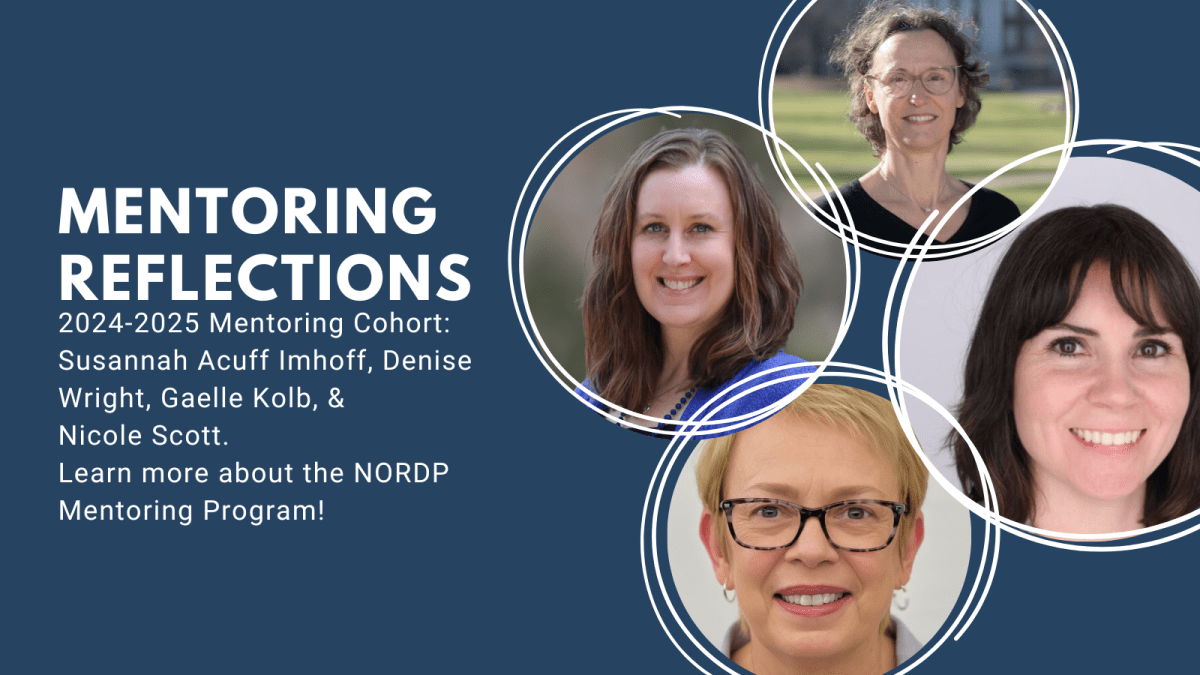
NORDP Mentoring Cohort Reflection (and a reminder to apply for the 2025-2026 mentoring program year!

Written by the Mentoring Committee Marketing and Communications sub-committee

Don’t miss out! Applications for the 2025–2026 NORDP Mentoring Program close this Friday, May 16. All NORDP members are encouraged to apply again this year as a mentor, mentee, or both—mentors are especially needed! This program offers invaluable opportunities for research development professionals to connect with experienced colleagues who volunteer their expertise and support. Participants can join repeatedly and choose between two matching options: the traditional 1:1 Dyad or the dynamic 1:3 Mentoring Cohort.

The program kicks off on July 1. Be sure to register by May 15 and mark your calendars for the NORDP Mentoring Program Orientation on Wednesday, June 25, from 1:00 to 2:30 PM ET. To inspire both new and returning participants, we’re excited to share insights from a 2024-2025 Mentoring Cohort, highlighting their motivations and appreciation for this unique format. Meet the cohort …


Susannah Acuff Imhoff

Susannah Acuff Imhoff (SAI) Susannah Acuff Imhoff manages Transcend Initiatives as Senior Associate Director of Research Development at Washington University in St. Louis, supporting interdisciplinary research networks and team science. Previously, she was Assistant Director of Research Development at Vanderbilt University, aiding faculty in strategy and proposal development. Her experience includes roles at the U.S. Pharmacopeia and in higher education, including teaching Cultural Anthropology. Susannah holds degrees from the University of Memphis.

Denise E. Wright

Denise E. Wright (DW) is a Research Development Officer at Emory University, focusing on mega proposals and strategic initiatives. Her background includes higher education publishing with significant project management and editorial experience. Denise earned a PhD in History from the University of Georgia and a BS in Political Science from Kennesaw State University. 

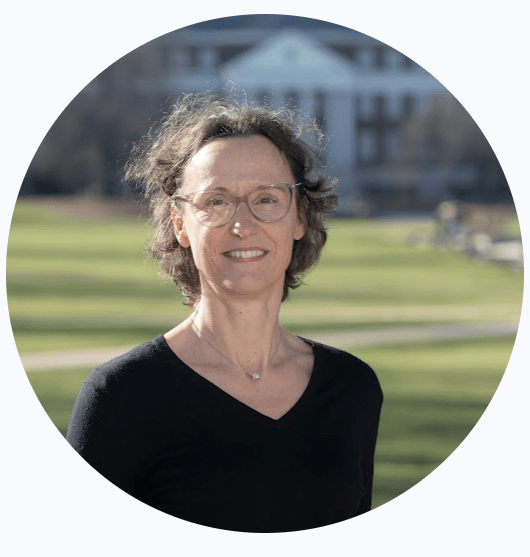
Gaelle F. Kolb

Gaelle F. Kolb (GK) is a Proposal Development Manager at the University of Maryland College Park, previously serving as Grants Development Specialist for Neuroscience and Cognitive Science. Earlier roles include positions at Johns Hopkins Medical Institutions and the National Institute for Allergy and Infectious Diseases (NIAID). Gaelle holds advanced degrees in Biology-Health from the University Victor Segalen in France and completed a postdoc at NIAID. 

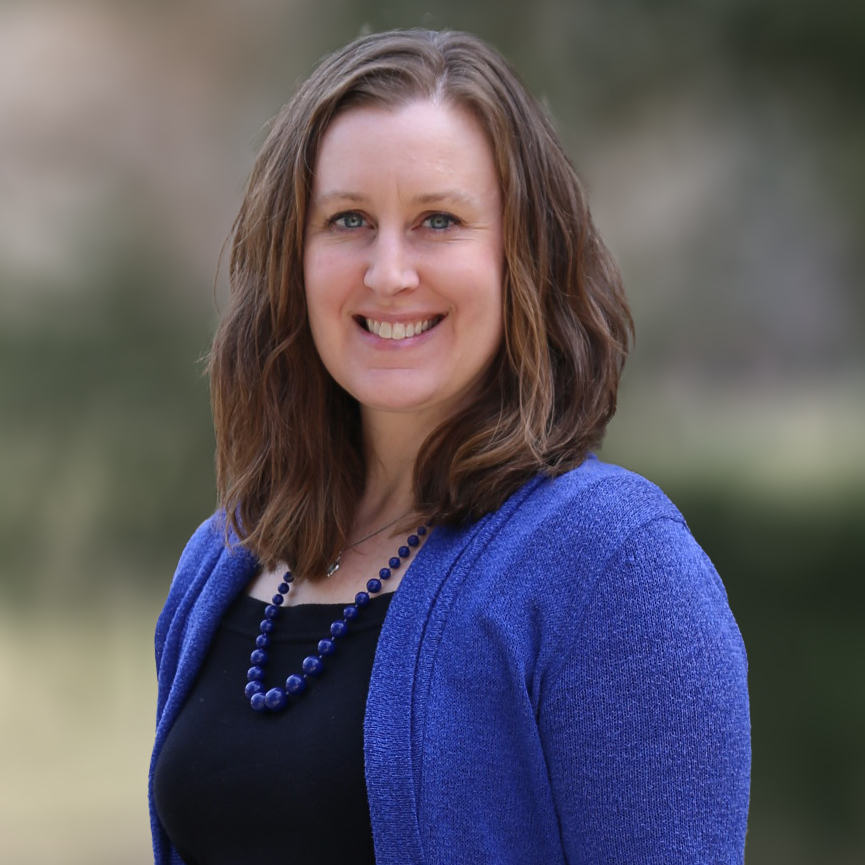
Nicole M. Scott

Nicole M. Scott (NS) is a Research Project Manager at Iowa State University, contributing to the new ResearchPOST unit that supports project management. Prior to this, she managed projects on individual grants at the university. Nicole holds degrees in biology from Iowa State, primatology from Roehampton University, and cognitive science.

Q1: What influenced you to apply to be a mentor and a mentee for the NORDP Mentoring Program? Why did you choose the cohort mentoring model?

Denise Wright (DW): I applied to be a mentee because, having served as both a mentor and mentee in other professional capacities, I recognize the value of peer mentoring. In August 2023, I was new to research development. After enrolling in RD101, I began to understand just how much I did not know. A mentoring cohort seemed the obvious place to gain from others’ experiences.

Gaelle Kolb (GK): Being a mentor myself to students and professionals I met in my previous career, I realized the need to find a mentor and mentoring group in which we can bounce ideas about my current professional aspirations. RD being so broad and so broadly interpreted, I feel that a cohort model is better for hearing more diverse voices.

Nicole Scott (NS): Being newer to NORDP, I knew there was a wealth of knowledge out there I could tap into to learn about the field quicker than if I had tried to pick it all up as I went. Being part of a cohort modeling meant that instead of learning from one person, I could learn from 3! And they have taught me so much!

Susannah Acuff Inhoff (SAI): I applied to be a mentor in the hope that some of the experience that I’ve gained through my years in RD could be of service to others who may be facing similar encounters or circumstances, and with the expectation of gaining my own new insights and perspectives from collegial relationships in RD outside of my pre-existing university orbits. I was excited to learn that I’d be mentoring a cohort in partnership with three other people. 

Q2: Have you participated in a 1:1 mentoring model before? How has this experience been different or similar?

GK: Yes, I still meet regularly with my mentor who was my supervisor and retired a decade ago. Early on, our meetings were more focused on my career paths and professional preparation. Since our 1:1 mentoring has been ongoing for more than a decade, our relationship has evolved to share our passion for diverse cuisines. 

NS: In other organizations, I’ve been both a mentor and a mentee in a 1:1 model. Being part of a cohort meant that there was less pressure on me to drive the conversation and I got to hear multiple perspectives.

SAI: I have participated in 1:1 in other fields, and informally in RD. I found the cohort model to be more robust in terms of the full group (including the mentor) benefiting from shared discussion and ideas. Together, I felt we could solve or make headway on any challenge, even those that may have been outside of my direct experience. It also felt self-sustaining and truly more of a partnership. 

Q3: What was your favorite part about this cohort mentoring model? 

DW: My favorite part is the community we have created. The members of our group have different job titles and areas of interest/specialty, but all are generous, thoughtful professionals. During this particularly trying time for anyone involved in the research enterprise in the U.S., this group has been a place to share information, commiserate about challenges, and seek advice from a trusted circle. 

GK: Initially, I was fond of how different our professional roles looked. Now, after a few months, I really enjoy the natural way discussions pop up during our meetings. Our mentor is not directing any discussion with a set agenda allowing us to reflect and share in a natural way. I always look forward to our meetings!

NS: Getting to meet three fabulous people!

SAI: The camaraderie and sense that we are all checking in on and rooting for one another – and that every participant has incredible value to offer. 

Q4: How has participation in the NORDP Mentoring Program helped broaden your horizons about Research Development in general and/or affected your daily work in particular? 

DW: Because the members of our cohort have such varied specialties, I have a greater understanding of the diversity of roles within the research development community.

GK: It helped me make sense of why I felt that I was doing so many different jobs. I am also inspired by my mentor who shows great composure. I value my cohort very much as it opened my horizons on how much more we can do in RD and help shape my career ambitions.

NS: Participation in this group has broadened my horizons in RD by providing me with the space and access to others doing this work at other universities. There are so many ways to be successful in this area so hearing from others and how they are successful (or not) expands my toolbox and sparks new ideas.

SAI: I’ve applied much of my colleagues’ advice on everything from daily work-life balance to how to approach team science with different types of groups. It is confidence-building to realize that there is consensus on an approach because others have the same experience, for example, or to have access to a broader set of ideas on sensitive subjects that may relate to the profession but are too candid for certain professional forums outside of a mentoring relationship.

Q5: What surprised you about being a mentor or a mentee? 

DW: There were no real surprises other than the pleasant one of finding that my cohort fell rather quickly into comfortable conversations. 

GK: As a mentee, I am still learning and looking forward to learning more!

NS: I was surprised at how quickly we could fill an hour of conversation.

SAI: The reciprocal knowledge and friendship that grew naturally out of our shared support of one another. 

Q6: Any words of wisdom or encouragement for those wanting to apply this year? Any other thoughts you would like to share? 

DW: I would encourage anyone who, like me, is new to research development to join a mentoring cohort. By connecting with people outside your office and institution, you can begin to grasp just how multifaceted research development is. You’ll also develop professional relationships and may, if you’re as lucky as I have been, make some new friends.

GK: I would suggest a cohort model as it is professionally enriching to learn how RD looks at other institutions. I also like the geographic diversity of our group!

NS: My motto is “always learning.” There is always something new you can learn from someone else, no matter how experienced you are, and in mentor/mentee relationships that learning happens both ways.

SAI: I encourage folks to try, especially to try the cohort model! Your voice is needed. I think we all have a lot to offer that may not only be based on years of experience. Don’t hold back because there is a place for everyone. Those with a lot of RD experience can also benefit from participating in a cohort model as a mentee. It has enriched my professional experience. Through participation in our wider NORDP community, you will make it stronger and expand your own sense of purpose and place.


The 2025-26 NORDP Mentoring Program registration will close this Friday, May 16. Do not wait and complete your application today! Additional mentoring opportunities are available through the Peer Mentoring Groups that are open throughout the year via the WisdomShare platform.

An investment in mentoring is an investment in you!