Reminder to apply for the 2025-2026 mentoring program year!
The NORDP Mentoring Program runs from July to June, matching members in a 1:1 mentor-mentee dyad model or a 1:3 mentor-mentees cohort model. The 2026-27 NORPD Mentoring Program registration closes on Friday, May 15, 2026. It is not too late to submit your application for the 2026-27 cycle as a mentee, a mentor, or both!
Mentee
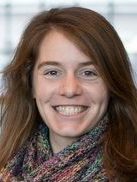
Nora McCall started as a Research Development Program Manager at the University of Michigan School of Information in June 2025, focusing on programming to support faculty research. Previously, she worked as a Health Program Specialist at the National Institute for Neurological Disorders (NINDS) and Stroke and a Senior Grants Administrator at Weill Cornell Graduate School. Nora earned a PhD in neuroscience from the University of Minnesota and completed her postdoc at the University of Pennsylvania, where her research was funded by NIH F31 and F32 fellowships.
Mentee
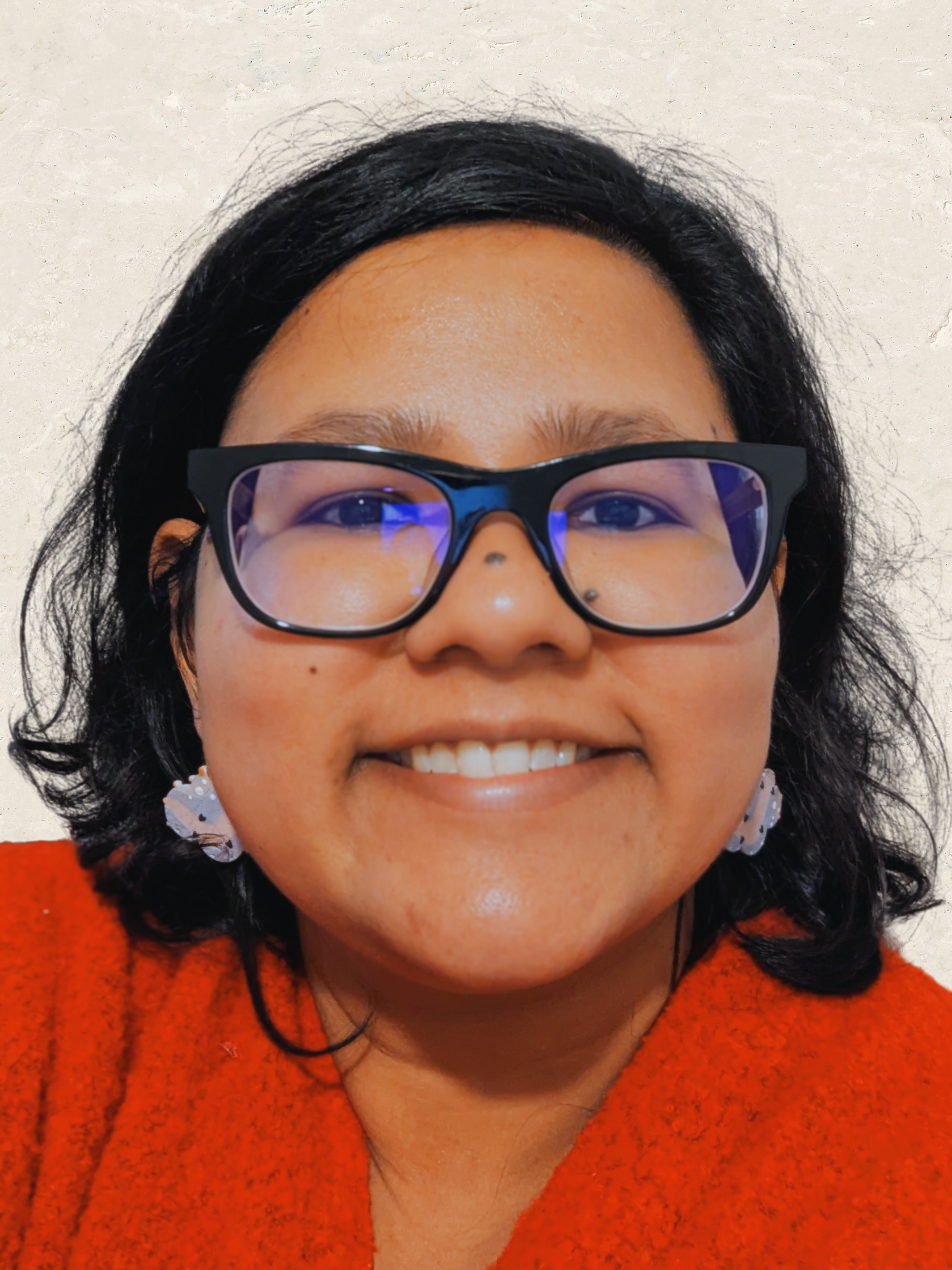
Sneha Das is a Program Officer at Research Manitoba, where she leads the Innovation Proof‑of‑Concept and Strategic Partnership programs to strengthen the province’s research and innovation ecosystem. She previously worked as a Research Development Manager at the University of Illinois Urbana‑Champaign, supporting proposal development and internal seed grant programs. She has a PhD in microbiology from the University of Illinois Urbana‑Champaign.
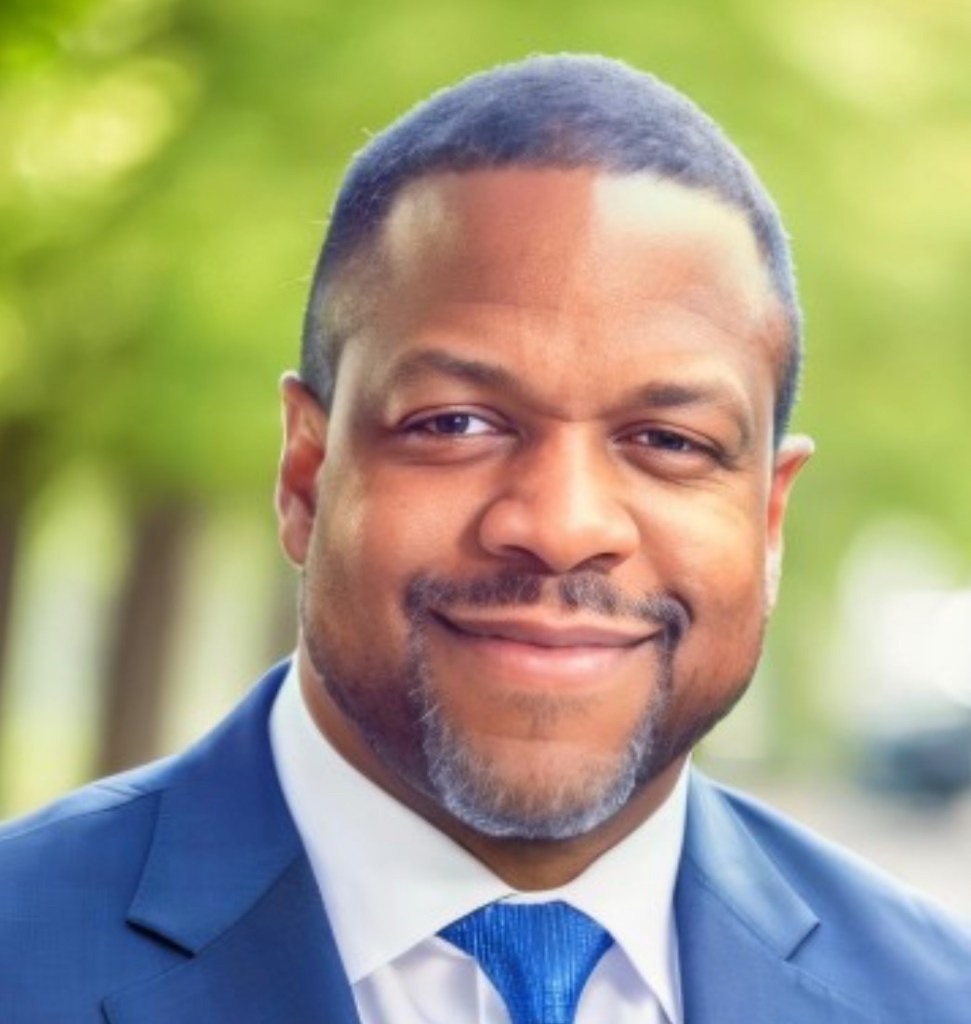
Mentee
Karl Dreher is a Program Manager at Temple University, where he leads the I-SPARK interdisciplinary research initiative and supports faculty collaboration and research development. He has over 25 years of experience in program management and human resources across higher education, corporate, nonprofit, and ministry sectors.
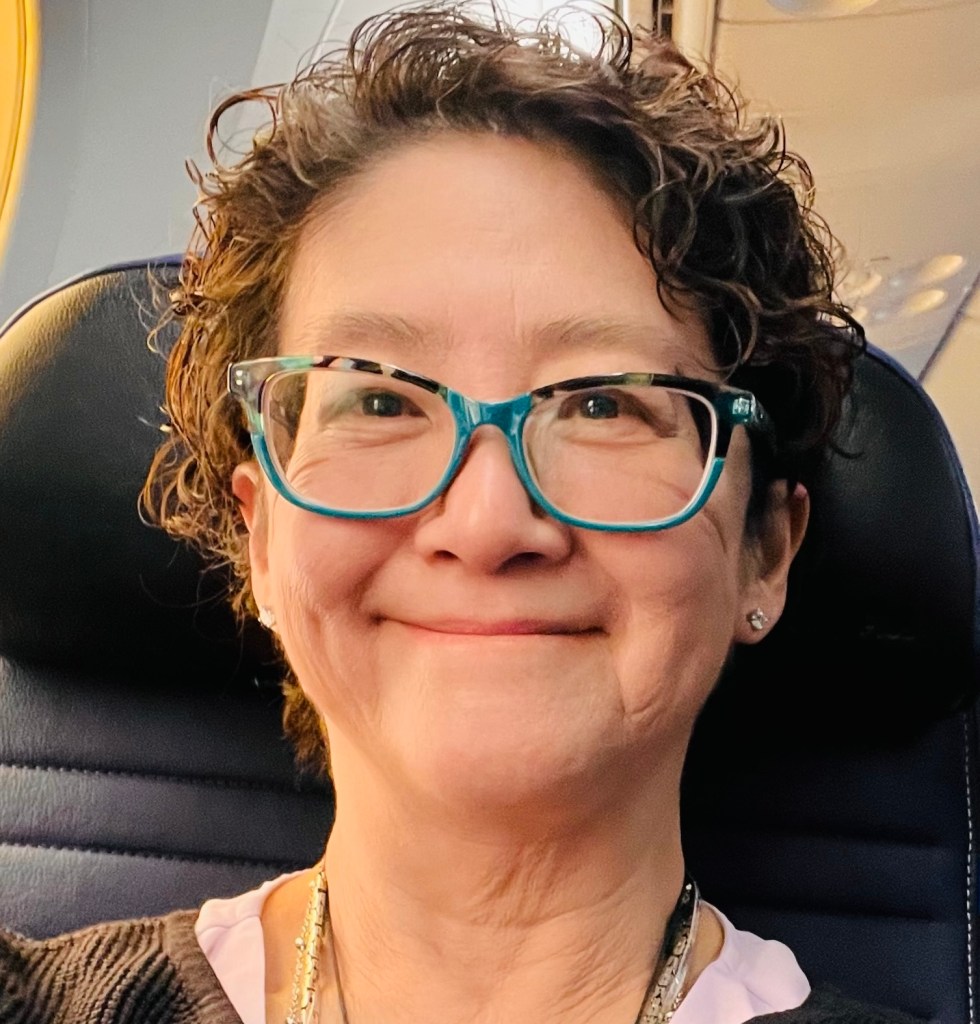
Mentee
Elizabeth Lathrop has been the Director of Proposal Development for the A. James Clark School of Engineering, University of Maryland since 2018, assisting faculty in pursuing and capturing external funding. She has degrees in multiple science disciplines – Chemistry, Biological Sciences, and Biophysics. Her prior position as the Associate Director for Programs for a DOE Energy Frontier Research Center – Nanostructures for Electrical Energy Storage (EFRC-NEES, 2014-18), brought valuable hands-on strategic planning and program management experience working with a complex multi-institutional project team.
Q1: What influenced you to apply to be a mentor and a mentee for the NORDP Mentoring Program? Why did you choose the cohort mentoring model?
Mentee Nora: I’m the only person with a research development role in my office, so it can feel a little lonely at times. The NORDP Mentoring Program, particularly the cohort model, has provided me with a sense of community and a support network that builds on NORDP’s webinar programming.
Mentee Sneha: I have previously participated in a NORDP cohort mentoring program last year and immensely benefited from it. So, I wanted to come back and do it again this year. My primary reason for choosing the cohort model is the opportunity to learn from and discuss issues with a broader group, and hear different perspectives, which I enjoyed immensely both times.
Mentee Karl: As someone new to research development, I thought it would be extremely helpful for me to get a better understanding of the field through a mentorship program. Learning from a small group who have been in the profession longer than I have has been very helpful.
Mentor Elizabeth: As a mentor, I appreciate participating in a cohort group because it provides an opportunity for peer learning. I feel peer-mentoring is a really important aspect of mentoring. I don’t see myself as an ‘expert’ of anything; rather, having to learn from different people with different perspectives and their lived experiences helps me to grow as a person.
Q2: Have you participated in a 1:1 mentoring model before? How has this experience been different or similar?
Mentor Elizabeth: I participated in a 1:1 dyad relationship before through NORDP. Discussions in a cohort model tends to be more general, focusing on topics that are applicable to RD/PD professionals more broadly, whereas in a 1:1 dyad relationship, we are more likely to zoom into a particular work-related challenge or ways to develop a specific skillset. As a mentor, I feel less pressure in a cohort model because we can rely on each other for second opinions. I was very happy to have run into both my previous mentee and several past cohort buddies at the 2026 NORDP Conference in Indianapolis!
Q3: What was your favorite part about this cohort mentoring model?
Mentee Nora: I loved learning about many different perspectives in the world of research development, sharing experiences, tips, and occasional frustrations with people at different institutions and career stages.
Mentee Sneha: I agree with both Nora and Elizabeth, and would just reiterate that the community-building aspect was also my favorite part.
Mentee Karl: I enjoyed learning from everyone from the cohort. The different perspectives from the group has helped me see the various ways research development is administered at various universities and organizations. Getting to know everyone has been great.
Mentor Elizabeth: I was surprised by how different our job responsibilities are. As RD professionals, we wear multiple hats and perform different tasks depending on the needs. The cohort mentoring model allows me to understand better the roles of research professionals in the grant-making business. My favorite part about cohort mentoring is a sense of community building of finding “my people!”
Q4: How has participation in the Mentoring Program helped broaden your horizons about Research Development in general and/or affected your daily work in particular?
Mentee Nora: The way we run our mentoring group meeting with running notes has helped me organize my brainstorming for “Food for Thought” sessions I run for my faculty.
Mentee Sneha: I found the Individual Development Plan we did at the beginning of the new year helpful for long-term goal setting.
Mentee Karl: I agree with Sneha. The IDP has been extremely helpful for me as I continue to grow in my role in research development.
Mentor Elizabeth: My professional networks have substantially increased through the mentoring program.
Q5: What surprised you about being a mentor or a mentee?
Mentee Nora: I was surprised by how much we all had to teach each other!
Mentee Sneha: I am always surprised at how much I learn and take away from these meetings, and always nice to hear different experiences and perspectives.
Mentee Karl: I was surprised by how different RD is at other institutions.
Mentor Elizabeth: I was surprised by how much I still have to learn about research/proposal development while at the same time, amazed by what others do and accomplish on a daily basis.
Q6: Any words of wisdom or encouragement for those wanting to apply next year? Any other thoughts you would like to share?
Mentee Nora: The Mentoring Program, especially the cohort model, is a fantastic way for introverts to dip their toe into networking.
Mentee Sneha: I definitely recommend the program, especially to those new to the RD profession, as it is always nice to find a community to learn from and receive support as you grow in the role.
Mentee Karl: I would say do it. You may have 10 different excuses as to why you can’t, but what you gain from the experience is worth the investment.
Mentor Elizabeth: I encourage everyone to sign up for being a mentor, a mentee, or both. We are all busy professionals, but the time spent in a welcoming shared space is vital to our mental well-being and professional growth.
Investment in mentoring is an investment in you. As the NORDP Mentoring program registration closes on Friday, May 15, 2026, the NORDP Mentoring Team encourages everyone to participate and invest in themselves for the coming year! If you have any questions, please email mentoringprogram@nordp.org and a member of the Mentoring Team will reach out to you.

