NORDP Cohort Mentoring Group Reflection

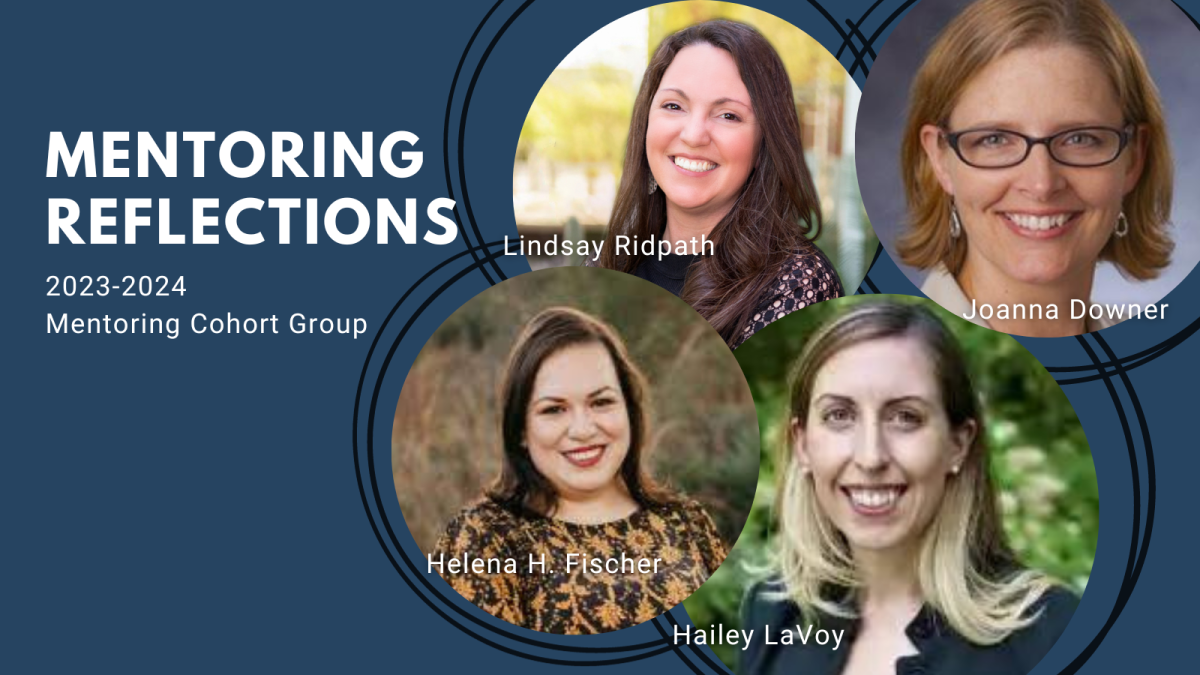
The 2023-24 Mentoring Program started in July, with an expanded cohort mentoring program in its 2nd year running. The Cohort Mentoring Group consists of matching three mentees with similar interests with one shared mentor based on the WisdomShare matching algorithm. The Mentoring Committee made 31 Cohort Mentoring Groups matches this year, an astonishing increase from last year’s pilot of 10.

The Mentoring Committee is actively seeking new volunteers to run the various mentoring programs offered to all NORDP members! If you have benefited from the mentoring services in the past, we encourage you to consider getting involved as the committee work is largely driven by volunteers. To learn more, we welcome everyone to join us at the Mentoring Committee Open House on Thursday, January 18, 2024, at 2pm Eastern. Register TODAY and/or email mentorprogram@nordp.org if you have any questions.

#PayItForward


Cohort Mentor:

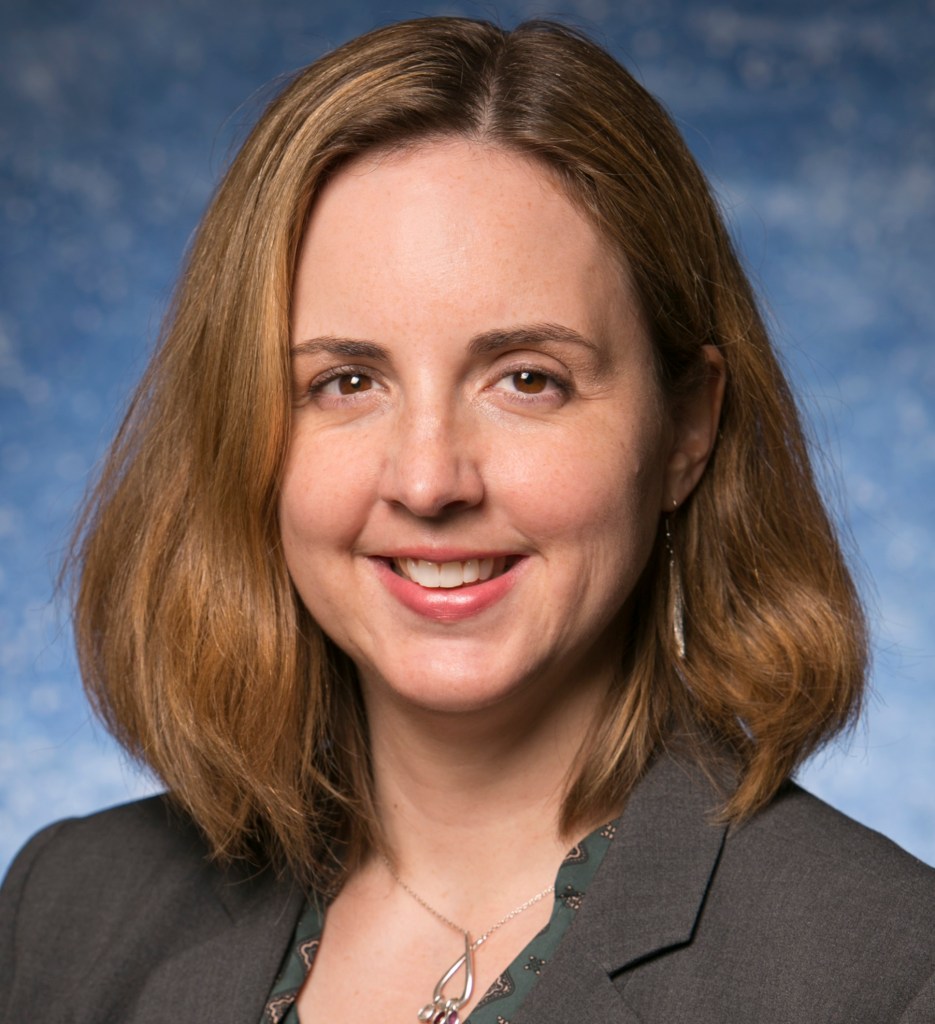
Joanna Downer (JD) is Associate Dean for Research Development at Duke University School of Medicine. She previously worked in science writing and media relations at Duke and Johns Hopkins, has extensive experience in scientific editing, and is a Certified Professional Coach. Joanna holds an MA and PhD in nuclear chemistry from Washington University in St. Louis, and a BS with Honors in chemistry from Carnegie Mellon University. While in graduate school, she was a Mass Media Fellow of the American Association for the Advancement of Science.

Cohort Mentees:

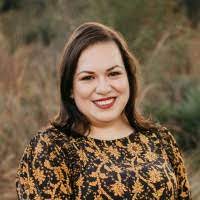
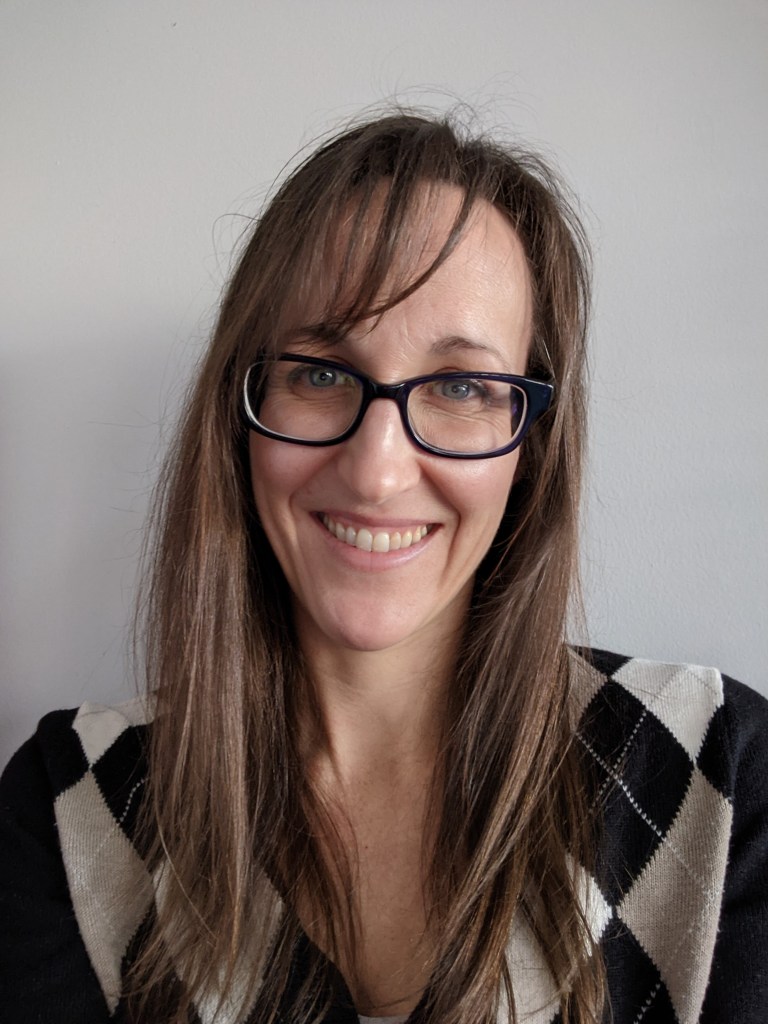
Helena H. Fischer (HF) serves as Senior Grant Development Manager for the Alvarez School of Business at the University of Texas at San Antonio. She earned her Bachelors of Music Education from UTSA and taught choral music for a decade. She earned a Master’s degree in Education Leadership and Policy from the University of Texas at Austin where she developed her research interests in poverty in education. She currently attends St. Mary’s Law School. Her experiences as an educator, grant project director, student affairs professional, and law student inform her work.

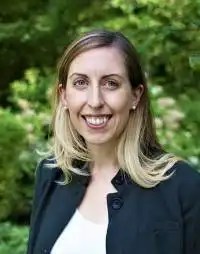
Hailey LaVoy (HL) is Assistant Director for Humanities & Interdisciplinary Grant Support at Dartmouth College. She works closely with Dartmouth’s faculty, postdoctoral researchers, and graduate students in the Arts & Humanities and Interdisciplinary Divisions to identify and secure internal and external funding that will advance their research agendas. She holds a PhD in medieval studies from the University of Notre Dame.

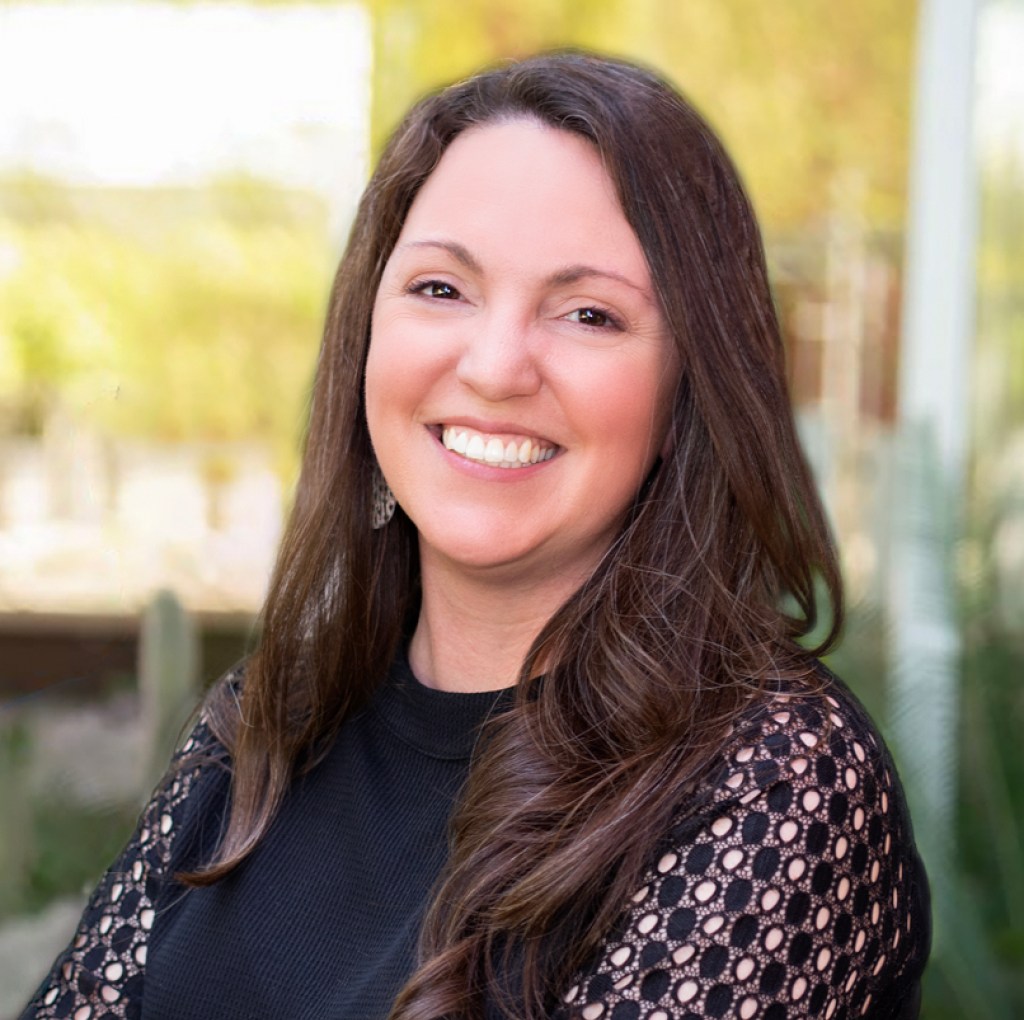
Lindsay Ridpath (LR) is Program Manager for Industry Engagement for Research Development at the University of Arizona. She supports procurement of industry research sponsorships, collaborates with industry on federal proposals, and aids in securing student fellowships and internships. She uses her expertise in content creation for social media and web platforms to promote UArizona faculty, facilities, and other resources to potential collaborators. Lindsay has an MFA and holds a Certified Associate for Project Management (CAPM) status.

Q1: What influenced you to apply to be a mentor/mentee for the 2022-23 NORDP Mentoring Program? Why did you choose the cohort mentoring model?

HF: My dotted-line supervisor called me on my second day in my new role as Sr. Grant Development Manager. He suggested that I sign up and that the department would pay my membership fee.

HL: It was recommended by a former NORDP mentee whom I met at the NORDP conference in May. I’m new to research development, and it seemed like a great opportunity to learn more about the field. I preferred the cohort model to get more perspectives and to meet peers in varying stages of their RD careers.

LR: I’m new to Research Development. At the time I first applied to the cohort, I was working for our Foundation Relations department, which didn’t offer a lot of support or training and its team was very new. I had developed a relationship with one of the university’s Research Development members and explained my troubles, and she was nice enough to recommend NORDP. I chose the cohort model because I wanted a group to learn from, as well as others to fall back on. The cohort model relieved the pressure of maintaining a one-on-one commitment.

JD: I love helping others achieve their goals, and I could use the time saved from having finished my term on the NORDP Board of Directors to once again serve as a mentor. I offered to serve as either 1:1 or cohort mentor, and could be happier to have been placed with a cohort!

Q2: Have you participated in a 1:1 mentoring model before? How has this experience been different or similar?

HF: Yes, but it was far more organic. We would come with questions.

HL: Not formally.

LR: No, but I’d like to.

JD: I served as a 1:1 mentor in the 2022-2023 mentoring year, and had a great experience. As others have reported in previous mentor pair profiles, while I may have started as the mentor, by the time our year was drawing to a close, I was receiving as much mentoring as I was giving, which was great. We are continuing to meet and my 1:1 mentee also signed up again – the Mentoring Program is a great way to grow your network! And in the cohort this year, I love that each member has wisdom to offer. Sharing our paths, our challenges, our solutions also helps reassure all of us that we aren’t alone in whatever experiences or feelings we’re having!

Q3: What is your favorite part about this cohort mentoring model so far?

HF: Joanna is a great mentor. I appreciate her solutions and her deep listening. I also am learning so much from my cohort mates who are in new roles too and we are navigating together.

HL: Getting confidential support on a wide range of professional issues.

LR: The first cohort wasn’t very great. I don’t think our mentor was very engaged and a lot of the convening was initiated by myself. I’m really enjoying our second cohort, all members are more engaged, and we all have different roles within our organizations so I’m able to learn a lot more about their roles, leaving me feeling more well-rounded.

JD: I think the matching software did a great job!

Q4: How has your participation in the Mentoring Program so far helped broaden your horizons about Research Development in general and/or affected your daily work in particular?

HF: It has helped me understand that there is a wealth of resources for professionals

HL: It’s given me a broader perspective on RD-institutional context, helping me better understand what is particular to my department (personalities/politics) and what is considered standard across the professional field. To that end, as a newbie, it has decreased my anxiety about how I’m doing in my specific role. My own RD office is very small, so it has been informative to learn, by listening to my fellow mentees, about the varied types of roles that exist in RD, depending on the institution and its priorities.

LR: I’m realizing that it’s ok to come from an “unconventional” background as so many others do.

Q5: What has surprised you about being a mentor or a mentee so far? 

HL: That, in addition to learning from my mentor, that I would learn so much from my fellow mentees about professionalism, tenacity, courage, and the importance of mutual support!

LR: The field feels like it’s on the brink of exciting change and I’m happy to be part of it.

Q6: Any words of wisdom or encouragement for those wanting to apply next year? Any other thoughts you would like to share? 

HL: It is indeed a wonderful investment in your professional development and an opportunity to build relationships with colleagues whom you might not otherwise meet. I’m so grateful that this program exists.

LR: If the first year is a dud, apply again!

JD: Do it!


The 2023-24 NORDP Mentoring Program is now in full swing! Applications for the next cycle will open in the spring. Please keep an eye out for an announcement from the NORDP. Additional mentoring opportunities are available through the Peer Mentoring Groups that are open for participation throughout the year via the WisdomShare platform.

An investment in mentoring is an investment in you!

Heads up – January is the National Mentoring Month!

Contributor: Vess Vassileva-Clarke

The National Mentoring Month is just around the corner and the NORDP Mentoring Committee has lined up exciting mentoring events and activities for all-level-of-experience mentors and mentees! Get excited and ready to:


CELEBRATE

We encourage you to observe these national and international days in a way that works for you. The Mentoring Committee has provided suggestions for how NORDP members can observe these days in January blog posts.

  • JANUARY 9 – I Am a Mentor Day 
    Suggestion: send a note to your mentee(s) with an encouraging message.
  • JANUARY 15 – Dr. Martin Luther King Jr. Day of Service 
    Suggestion: Seek opportunities in your local community to make an impact.
  • JANUARY 17 – International Mentoring Day 
    Suggestion: Highlight a local organization that provides mentoring opportunities. Talk about the organization in a meeting, on social media, or with your family. 
  • JANUARY 25 – Thank Your Mentor Day 
    Suggestion: Send a note to someone you value as a mentor and highlight one piece of advice that you’ve put into action.

ENGAGE & COLLABORATE at NORDP

Participate in one or all of the events, celebrations, and learning opportunities hosted by the NORDP Mentoring Committee throughout the month and beyond:

Mentor Training for RD Professionals Workshop — Get ready to explore mentoring competencies that can be utilized across the work of research development (RD)! This interactive workshop series will cover the 9-module Entering Mentoring curriculum, initially developed by CIMER for mentoring researchers and tailored for RD professionals. Registration will open in early Jan 2024. More information to come.

Mentoring Committee Open House — Join us on January 18, 2024, 2pm ET for our monthly meeting to learn more about what the Mentoring Committee does, and find out how to get involved and join us. We will talk about the committee’s work and achievements, celebrate our volunteer members, and brainstorm new ideas for the future. Register today!

McHuddles are informal gatherings hosted by NORDP Mentoring Committee facilitators and an opportunity to share ideas, ask questions, and collectively learn from other mentees/mentors in breakout sessions. Stay tuned for the 2024 dates.

You are invited!

Mentoring Committee Open House
Thursday, January 18, 2024
11am PT/12pm MT/1pm CT/2pm ET

The Committee will …

  • Celebrate our members and achievements
  • Brainstorm ideas to support NORDP members

New networks will be formed and a fun time will be had!

Questions? Email mentorprogram@nordp.org

REGISTER NOW

Peer Mentoring Group (PMG) meetings — Log in to WisdomShare and go to Dashboard to find out current PMGs and join the ones of interest to you.


DRIVE ACTION

Encourage a coworker and/or another NORDP member to join the mentoring movement — whether it’s seeking a NORDP mentor, offering mentorship, signing up for the mentor training workshop in January, or simply attending a mentoring event or a Mentoring Committee meeting.

Questions: mentorprogram@nordp.org 

#NORDPmentoring #MentoringMatters #MentorshipMatters

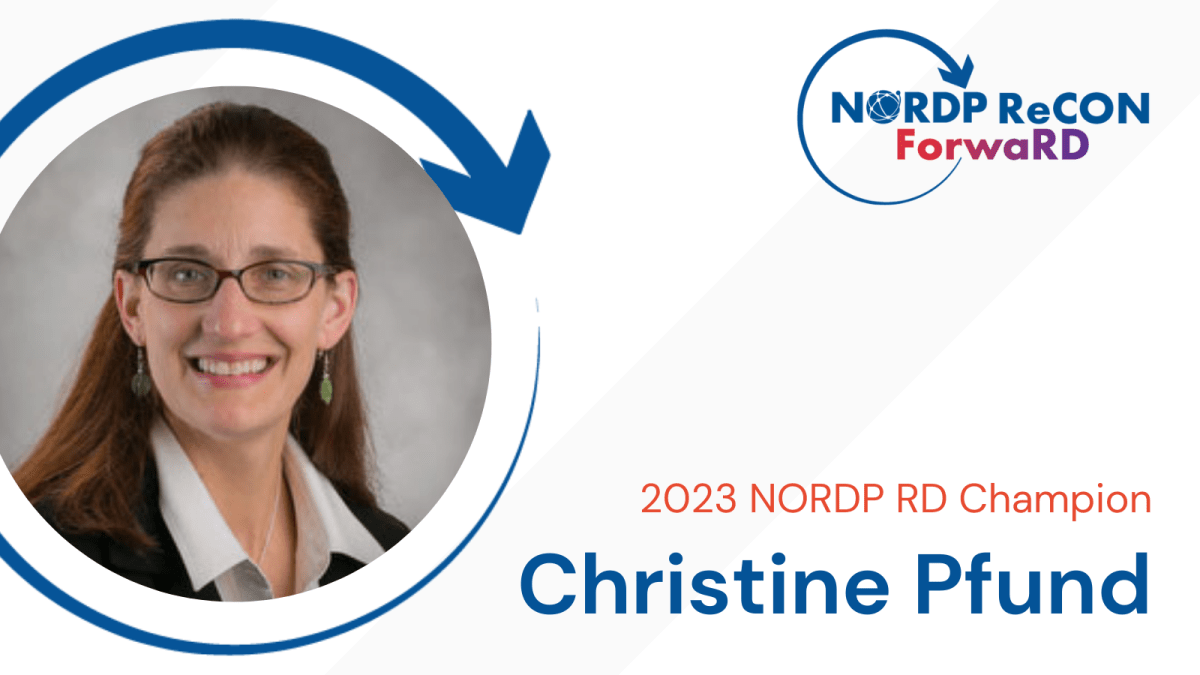
Congratulations to Dr. Christine Pfund as the recipient of the 2023 NORDP Research Development Champion

Written by: Jan Abramson and the Mentoring Committee Leadership (Elizabeth Lathrop, Hilda McMackin, Angela Jordan, Kathy Partlow)

Congratulations to Dr. Christine Pfund—the honored recipient of the 2023 NORDP Research Development Champion! The award was established in 2020 to recognize RD Champions who are distinguished by their advocacy for the critical support of research development (RD) and/or wider efforts to advance the research enterprise. Dr. Pfund, of the Center for the Improvement of Mentored Experiences in Research (CIMER), has long been a champion for research development and the work of RD professionals.

Christine Pfund

Dr. Pfund is a distinguished senior scientist with the Wisconsin Center for Education Research and the Institute for Clinical and Translational Research at the University of Wisconsin-Madison. Her work centers on advancing the science and practice of mentorship with a particular focus on culturally responsive mentorship education interventions. Through her work, she has developed, implemented, documented, and studied the training of research mentors across science, technology, engineering, mathematics and medicine (STEMM). Dr. Pfund holds multiple roles as the Director, the Center for the Improvement of Mentored Experiences in Research (CIMER), the Principal Investigator for the Coordination Center, National Research Mentoring Network (NRMN), and Director of Mentorship Initiatives, Institute for Clinical & Translational Research. She was a member of the National Academies committee that published the consensus report and online guide The Science of Effective Mentorship in STEMM.

In 2018, members of the NORDP Mentoring Committee had the opportunity to participate in CIMER’s mentor training. Inspired by their experience, they determined that CIMER resources and best practices would positively benefit NORDP and its membership. This led to the development of the first CIMER curriculum for RD professionals, Mentoring for Research Development Professionals, published by CIMER as part of the Entering Mentoring curriculum series. The process of adapting the evidence-based curriculum took over three years, and hundreds of NORDP Mentoring Committee volunteer hours. Dr. Pfund and CIMER were strong advocates for RD throughout the process, recognizing the impact of the work and the mentorship RD professionals engage in. Encouraged by her unwavering support, NORDP members are engaging in the national conversation around mentorship and can participate in creating a shared language of mentorship.

NORDP members are invited to participate in mentor training offered by the Mentoring Committee. The 5-week webinar series begins 1/30/2024. Registration will open in early January 2024, and is limited to 30 NORDP members.

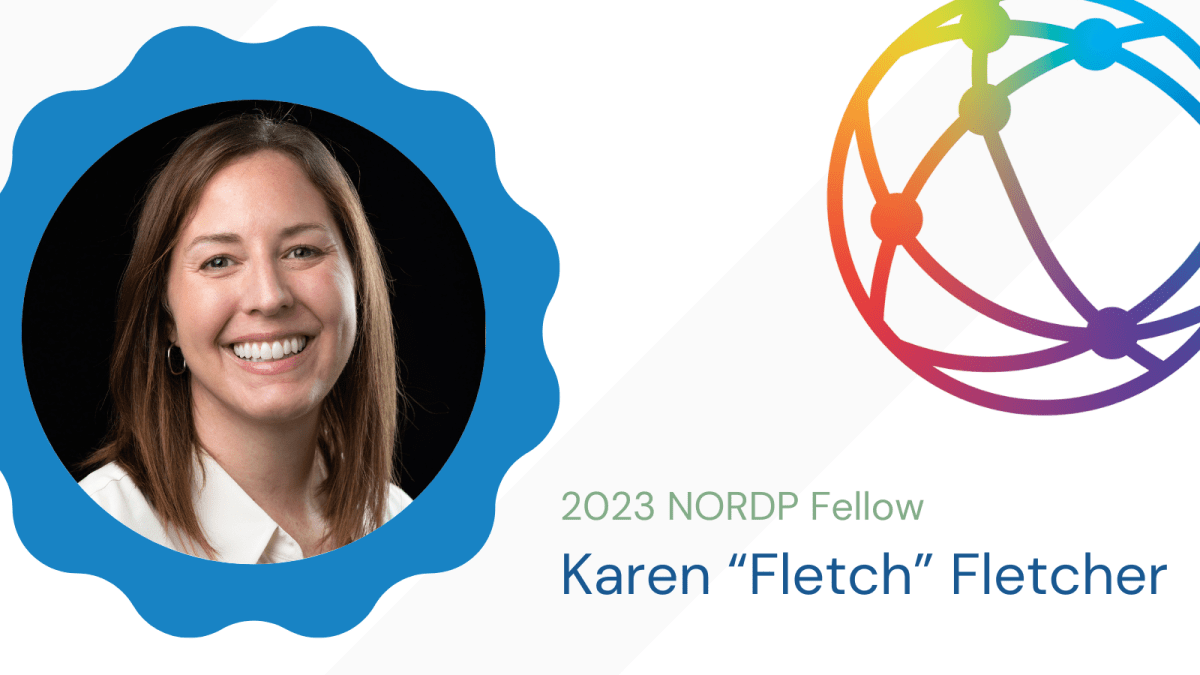
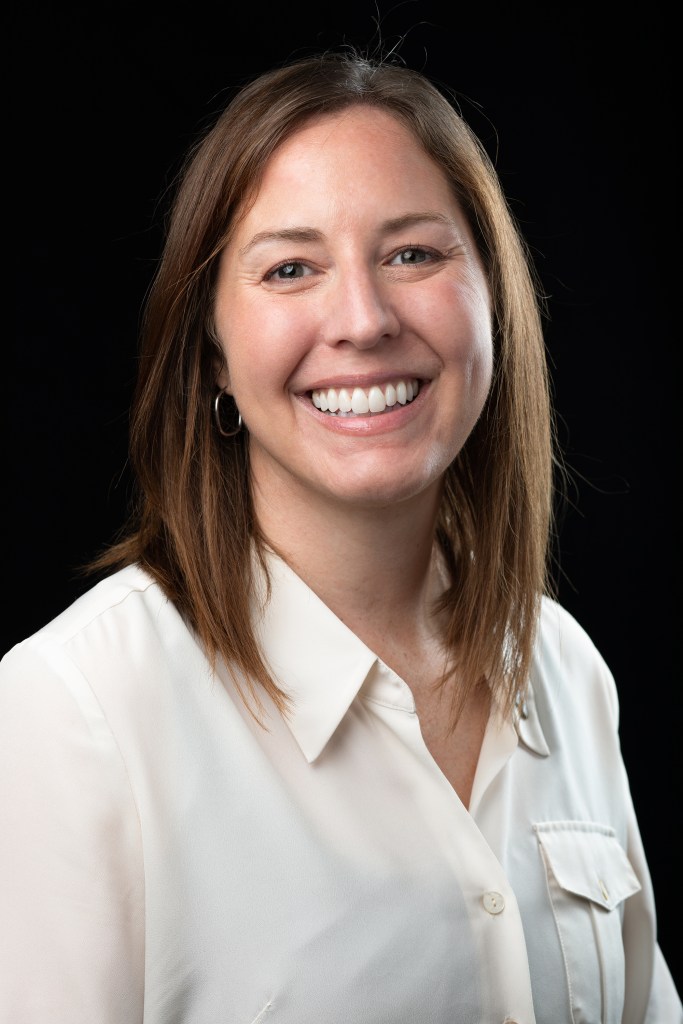
NORDP 2023 Fellow: Karen “Fletch” Fletcher 

by Kirsten Abel

The NORDP Fellow Award recognizes the long-term accomplishments of members who have made sustained contributions to NORDP and worked tirelessly to advance research development as a profession and/or as a field. Status as a NORDP Fellow is the highest professional distinction the organization may bestow on a member. 

Who: Karen Fletcher, Director of Grants Resources & Services

Where: Appalachian State University

Number of years in research development: 13

Length of NORDP membership: 11

What is leadership to you? 

Leadership is empowering the people around you. Both in a professional and personal capacity. I think the role of a leader is to encourage people to do their best and want to do their best.

What has your journey within NORDP looked like so far?

Initially, I joined the mentoring committee and then became co-chair of that committee. When I had an opportunity to run for the board, I jumped at it. I got involved with the conference planning committee, the communication working group, the member services committee, the nominating committee, the sponsorship committee, and the finance committee; I just wanted to be part of anything I could! I figured the more I learned, the more valuable I could be – in NORDP and in my every day job. While on the NORDP Board of Directors, I became secretary, then served the three-year term of vice president, president, and immediate past president. Since leaving the board, I am co-chair of the New Opportunities for Research Development (NORD) committee. I believe in the mission of NORDP and I believe in our community, so I want to give back. 

Throughout your time in NORDP, which experiences stand out to you? What led you to take on leadership roles within the organization?

The support of NORDP members and the varied opportunities available in NORDP stand out to me. As I learned more about NORDP, I was constantly asking, “what skills are needed and how can I contribute?” When leadership opportunities presented themselves, I took a leap of faith that I could learn once in that role, and I was fortunate to have support from other incredible members. 

What initiatives are you most proud of from your time as a NORDP volunteer?

So much has happened! The growth of NORDP – when our membership surpassed 1000 during the time I was President – was really exciting. I am very proud of the work we did around NORDP’s first strategic plan and how this has helped shape NORDP into the organization it is today. Most recently, it would be my work in NORD; creating a system for publishing NORDP supported articles and working to establish the editorial board for the Research Development Review: The NORDP Journal is something I am very proud we could make happen. 

How has your involvement in NORDP impacted your career in research development?

It is interwoven into everything. Being part of committees helped me move forward and learn new skills. Zoom is actually a great example of that. We used Zoom so much in NORDP among members from all over that when Covid hit and Zoom became the default meeting mechanism at my university, there really was no learning curve, it was already so normal to me! 

One of the biggest ways in which my career has been impacted is that after attending my first NORDP conference, I reached out to a member I met and asked if I could come and visit their university to learn how they were growing their research development office. After adopting some of those practices I learned from her and a few years later, I had the opportunity to interview and was hired into that position to carry on her work when she left it; I continue to visit other research development programs of members and learn so much from them – I wouldn’t be in the position I am today without the shared insight and experience of NORDP members.

What are you most excited about when you think about the future of research development as a field?

The growth of NORDP. We have so many new members and new job opportunities, the field is exploding, and we have such a positive impact on faculty and the evolving landscape of research development. I am so excited to see where research development is going next. 

Karen was interviewed by Kirsten Abel, Faculty Recognition Director at Iowa State University. 

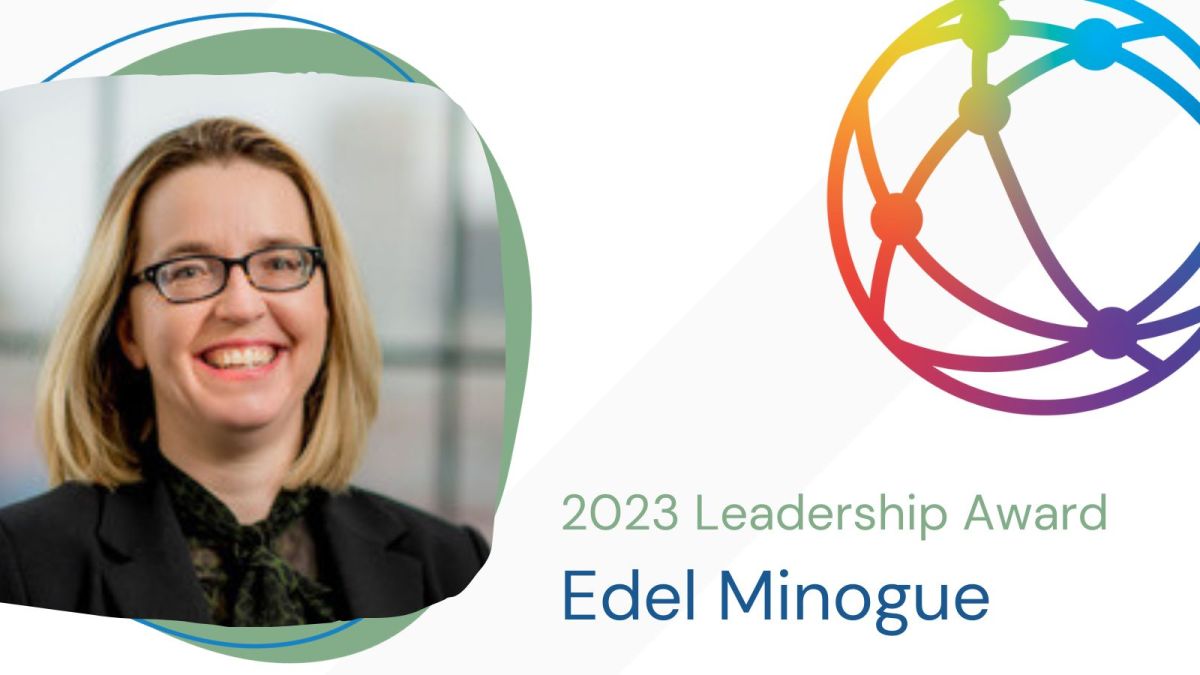
NORDP 2023 Leadership Award: Edel Minogue

by Kirsten Abel

Who: Edel Minogue, Senior Director of Research Strategy and Development

Where: Brown University 

Number of years in research development: 8

Length of NORDP membership: 8

What does leadership mean to you? 

Leadership is a dynamic skill; you have to adapt and evolve based on the needs of your team and the environment at the time. I don’t see leadership as a single skill you have in your toolbox but a collection of skills that you mold and shape based on the circumstances. 

How did you learn or develop your style of leadership? 

It is not ‘developed’ but developing. Those around me have influenced me, and continue to influence me. I have always had very strong female leads- from my Ph.D. advisor, postdoc advisor, my current supervisor, Dr. Jill Pipher, Vice President for Research, and the person who hired me here at Brown, Dr. Amy Carroll. She could see that even though I had no prior experience in research development per se, I had those translatable skills to be successful both in the field and as a leader. With all these role models, I could choose from a buffet of leadership styles to find what would work for me personally. 

How does your membership in NORDP develop your leadership style? 

I have always tried to have my own personal advisory board, and some of these folks were on there in the early years. It is important to have sounding boards outside of your immediate environment, but at the same time, those who understand your work area and your needs and challenges. NORDP has been instrumental in creating that network. It’s been invaluable to know that I had those people in my corner and that I could call them if I needed their expertise. I really like to inspire and motivate others to grow in their professional career, and I have learned from my mentors.

What relationships have you built as a result of NORDP, and how have these relationships influenced your work? 

Anne Windham (now the Associate Dean of Faculty at Brown) introduced me to NORDP and introduced me to many of those who started and created this organization and really pioneered the idea that this was a unique career field that has previously been overlooked. They pushed me to be more active in NORDP and I was. I just rotated off the NORDP NE Advisory Committee, I am the NORDP liaison to the European Commission and serve on various committees, which has really enhanced my knowledge and scope. The network of folks I see on a regular basis now spans the globe, and that is because of NORDP. 

What do you wish you would have known when you began your leadership journey within NORDP? 

Between working at Los Alamos National Lab and leading a  startup with a critical need to be protective over intellectual property and patents, I came from a world that was very secretive and confidential. Then I came over to NORDP! A place where everybody shared everything, and I remember saying, “Don’t they realize they are giving away all their secrets?”. But I realized we all have a common goal – to enable  the best research in the nation, irrespective of where it comes from. This open exchange of ideas and information was definitely something it took me time to learn and become comfortable with. It took me a while to put my thumb on it. 

What have you found most rewarding, and most challenging, about leading within NORDP? In your CAREER? 

The Northeast is a tremendous region, really engaged and active in NORDP. We have done a lot of listening, especially during COVID, to identify and respond to people’s needs, and I do that within my own team. NORDP is a ‘community of leaders’ – for everyone. Even if you don’t have that title today, you probably will one day, and it is cultivating those skills and relationships and elevating others that is especially rewarding. 

What advice do you have for others within NORDP who are looking to develop as leaders? 

Push yourself out of your comfort zone, join committees, and become involved. Even if you don’t have much expertise in a certain area, but you have an interest, there will be others who will support you along the way; that’s what is so great about NORDP. Use the NORDP community to create your own personal advisory boards and make those connections.

Mentoring Reflections: Eric Dickey and Crystal Love

by the NORDP Mentoring Committee

The traditional mentoring dyad (1:1 mentor-mentee) program has been a NORDP member feature since 2012. The Cohort Mentoring Group, piloted in July 2022, consists of matching three mentees with similar interests with one shared mentor. Both the dyad and cohorts are matched based on the WisdomShare matching algorithm. This is a blended reflection of both match types. 

Crystal Love, Ph.D. is a Science Grant Writer and Editor for the Biological Sciences Division at the University of Chicago. She has participated in the NORDP mentoring cohort for two years in a row.

Eric Wayne Dickey, MFA is the Director of Sponsored Programs for the Division of Extension & Engagement at Oregon State University. He’s been active on the Mentoring Committee since 2017. Eric has engaged in mentoring 1-on-1 for 16 years and has formally participated in the NORDP mentoring dyads for 6 years.

Q1: What influenced you to apply to be a mentor or a mentee for the NORDP Mentoring Program? 

Eric: Mentoring is very rewarding. Each time I am paired with a new mentee, and I learn about their work and their challenges and opportunities, I am reminded of my own efforts and how much work I still need to do on myself. Even though the focus in mentoring is on the mentee, I have found it to be a mutually beneficial endeavor. I am always grateful and inspired by the mentee’s bravery in stepping forward to show that they are willing to take a chance and invest in themselves and their own well-being.

Why did you choose the cohort mentoring model?

Crystal: I chose the cohort mentoring model to expand my community of support as I get further into my career in RD. At 2.5 years in, I am still new to this field and have a lot to learn, but I’ve also experienced a wide range of proposals, funding agencies, and faculty personalities in this time. I view the mentoring cohort as a great opportunity to continue my own growth as well as offer NORDP colleagues lessons, tips, and resources I have found useful so far. The cohort model is also a great way to hear diverse perspectives on various topics and learn about how other RD offices function. Lastly, I view the cohort mentoring model as a great stepping stone to becoming a mentor myself someday.

Q2: Can you compare your experience in the dyad vs. cohort mentoring models?

Crystal: This is my third year participating in the NORDP mentoring program. My first year I participated in a 1:1 mentoring program, my second year I participated in the new cohort mentoring program, and this year I am participating in the cohort program again. My experience with 1:1 mentoring was phenomenal; I had just entered the RD field and was matched with a mentor who also had a science background and provided significant insight as to how my career could progress. I had a lot to learn this first year, and since everything was new and a bit overwhelming, it was very useful having this 1:1 time with a mentor who could help me learn the basics, dig into the details of my current projects, and help me navigate new situations. My mentor provided advice and resources with the proposals I was working on, tips on working with other staff in grants administration and RD, and guidance on how to build a network in NORDP and build expertise toward my career goals. This experience had a significant impact on my confidence and trajectory, and I am very grateful to have had this individual support as I transitioned to a career in RD. 

I have since decided to participate in mentoring cohorts because I learn so much from other’s experiences and work strategies. In my experience, the 1:1 model was a bit more structured, as far as identifying goals and introspection as I developed new skills, although our discussions were also organic based on what I was experiencing at that time (proposals, takeaways from workshops or virtual conferences, etc). My first cohort was less individualized as far as goals and reflection on personal development, but the wide range of discussions were organic and rich with multiple perspectives that helped my professional growth immensely. My second (current) cohort started by identifying goals for individual growth, and now our organic conversations continue to provide invaluable guidance and resources that I incorporate into my work. 

Q3: What was your favorite part about the cohort mentoring model? 

Crystal: Meeting amazing individuals and just having the opportunity to connect with others in the RD field are my favorite aspects of participating in the NORDP mentoring program. The cohort offers an opportunity to learn about a wide range of grants and funding agencies I may or may not be familiar with, as well as useful strategies NORDP colleagues use to manage various tasks, and provides a regular community of support to ask questions or bounce ideas around with. I have particularly found the cohort model helpful in developing those ‘soft skills’ in RD that are shared through discussions of diverse experiences. I like that the cohort model provides a space to discuss any aspect of RD that participants are interested in and allows flexibility in the mentor/mentee relationship where everyone benefits. The 1:1 mentoring relationship can sometimes put pressure on the mentee to provide questions/topics for the conversation to fill the hour and the mentor to have all the answers, while the cohort model is a space where many can bring up topics and the mentor isn’t alone in offering advice. 

Q4: How has participation in the Mentoring Program helped broaden your horizons about Research Development in general and/or affected your daily work in particular? 

Eric: The sharing of professional experiences that occurs in mentoring has shown me what is possible in RD, and what RD itself can make possible. Learning how people persevere in their work through challenges and opportunities has helped me become more empathetic. I now give wider margins to the faculty and clients I serve. I now understand that almost everybody has other things going on beneath the surface, other tasks and priorities, and other obligations.

Q5: What surprised you about being a mentor or a mentee?  

Eric: Throughout my career, people have often turned to me for guidance and advice. In the past, I closed myself off to that, because I was uncomfortable in my own skin. I have since learned that I am not alone. Most everybody has other things going on, and most everybody has self-doubt. Mentoring has shown me that a lot of people need support and affirmation. Mentoring has helped me feel less alone out here in this crazy world of work.

Q6: Any words of wisdom or encouragement for those wanting to apply next year? Any other thoughts you would like to share?  

Eric: Taking part in the mentoring program, whether as mentee or mentor, is a profound investment in the self. You are worth it. Take the chance and apply. You and your colleagues will be glad you did.

Crystal: While the 1:1 mentoring model may fit a smaller but very important segment of new RD professionals, the cohort model is perfect for all professional levels. These small cohorts that bring together NORDP colleagues from all over the country with a wide range of experiences in a regular, comfortable, structured, and (time-limited) setting is brilliantly effective. I would encourage NORDP members at all levels to participate and share in this experience, regardless of the mentor/mentee status. RD professionals do not share the same background, experiences, or institutional support, and the beautiful strength of NORDP is that we are a community that shares, discusses, and informs with generosity and humility. RD professionals, whether part of an institutional machine or an office of one, can learn so much from each other – I’ve seen it!


Applications for the 2024-25 mentoring match cycle will open in the spring — keep an eye out for NORDP emails. Additional mentoring opportunities are available through the Peer Mentoring Groups that are open for participation throughout the year via the WisdomShare platform [LINK: https://nordpmentoring.mywisdomshare.com/]. Contact the NORDP Mentoring Committee if you have any questions [link: mentoringprogram@nordp.org].

An investment in mentoring is an investment in you!

The New Opportunities for Research Development (NORD) Committee is excited to announce the NORD / InfoReady Grant Cycle I 2023 Awardees, sponsored by InfoReady and NORDP

written by the NORD Committee

Meira Orentlicher from Touro University was awarded $4,950 for the project, “Understanding the Experiences and Needs of Immigrant Faculty Researchers in their Career Development.” 

Meira Orentlicher (Touro University)

Immigrants contribute to the growth and development of the US research enterprise at many levels, as faculty, staff, and learners. This project seeks to understand the experiences, perceptions, triumphs, and challenges of immigrant faculty working at US research institutions. Orentlicher and other members of NORDP’s Immigrant Knowledge and Wisdom affinity group (Melissa Li, University of Michigan; Gagan Bajaj, University of Vermont; Samarpita Sengupta, UT Southwestern Medical Center) will conduct in-depth interviews with first-generation immigrant faculty researchers. Using the results of those interviews, they will develop the foundation for tools and actionable strategies for research development professionals to use in supporting immigrant researchers.


Susan Carter (Santa Fe Institute) and Nathan Meier (University of Nebraska-Lincoln) were awarded $4,976 for the project “Professional Development in Research Development: A Landscape Analysis.”

There is no comprehensive, intentional system of professional development programming to support the research development (RD) workforce. This gap complicates the recruitment, development, and retention of talent in RD. This project seeks to establish a systematic understanding of professional development opportunities available to RD practitioners through an online survey. The survey will collect information about extant RD-focused professional development programming. Survey items also will capture respondents’ perceptions about barriers to access or participation in professional development programming in RD, help identify holes in that content, and surface promising approaches from allied fields. Results will provide a baseline against which unmet professional development needs of RD professionals can be identified and offer empirical direction for future attention and investment.


Charlene Emerson from the University of Missouri – Columbia was awarded $3,750 for the project “Responsibilities and Motivations of Research Support Staff: An Institutional Case Study.

Charlene Emerson (University of Missouri)

As universities continue to invest in research development (RD), they will likely experience challenges integrating existing infrastructure with emerging RD practices, as well as with recruiting and retaining skilled research support staff. Emerson and team will use a survey-based approach to characterize RD and research administration (RA) task distribution at an R1 institution and identify variables that can be used to optimize research support operations. In addition to collecting data to understand the distribution of RD and RA responsibilities across positions and units, the team will also collect information on staff experiences, job satisfaction, and career motivations. The cross-disciplinary team includes human resources professionals, so that results can be used to inform institutional practices for structuring research support offices and for recruiting and retaining research support staff.


Congratulations to Meira, Susan, Nathan, and Charlene!

Tools & Tips on Wisdom Share for Mentoring

By Mentoring Committee Leadership

The Mentoring Committee held a Tools & Tips (TNT) information session in July on how to utilize the Wisdom Share platform to enrich your mentoring experience. In case you missed it, you can find the recording in the LMS library or the slides here. Our main goal was to answer some of the most commonly asked questions from the NORDP community about the Wisdom Share, web-based software introduced in 2021 to modernize and expedite the Mentor-Mentee matching process in order to accommodate growth of the NORDP mentoring program.

A graphic that shows a brief history of the NORDP Mentoring Committee’s Matching Program. The years 2012-2014 are shown to the left as having been performed with manual mathes. An arrow starting at the bottom of the graphic and swooping upward to the right shows the years 2016 through 2023 with the number of mentoring matches made growing year over year.

Brief history of the NORDP Mentoring Committee’s Matching Program.

Aided by the Wisdom Share algorithm, the Mentoring Committee has been able to significantly increase the number and complexity of the services we provide since its inception in 2011. A NORDP member now has access to three different types of mentoring programs:

  • 1:1 Mentor-Mentee dyads. The match program runs from July to June annually.
  • 1: 3 Mentor-Mentee cohorts. The match program runs from July, 2023 to June, 2024.
  • Eight different Peer Mentoring Groups (PMGs) led by Conveners where the discussions are member-driven. The NORDP members can elect to sign up for multiple PMGs within the Wisdom Share platform. Each PMG Convener will regularly send out meeting information.

We are currently preparing to launch our annual PMG Kickoff on Tuesday, October 10, at 1pm ET / noon CT / 11pm MT / 10am PT — mark your calendar! The registration information will be available soon through the Member Clicks email. At the PMG Kickoff, you will have an opportunity to meet this year’s PMG Conveners, get contact information, and ask questions. We want to thank all the PMG conveners for keeping us organized going forward — we look forward to seeing everyone!

  • Career & Professional Development
  • Coaching and RD
  • Communication (currently inactive)
  • Collaboration & Team Science
  • Leadership & Management
  • Mentorship (currently inactive)
  • Proposal Development
  • Strategic Planning & Advancement

NORDP 2023 Mentoring Award: Carolynn Julien

First awarded in 2022, the NORDP Mentoring Award recognizes an individual NORDP member’s unique ability to provide an engaging, supportive, and inclusive environment for professional and/or personal growth through mentorship in the research development community. This award is bestowed with the acknowledgment that effective mentoring occurs through formal and informal channels and may vary in style and substance.

Portrait of Carolynn Julien.

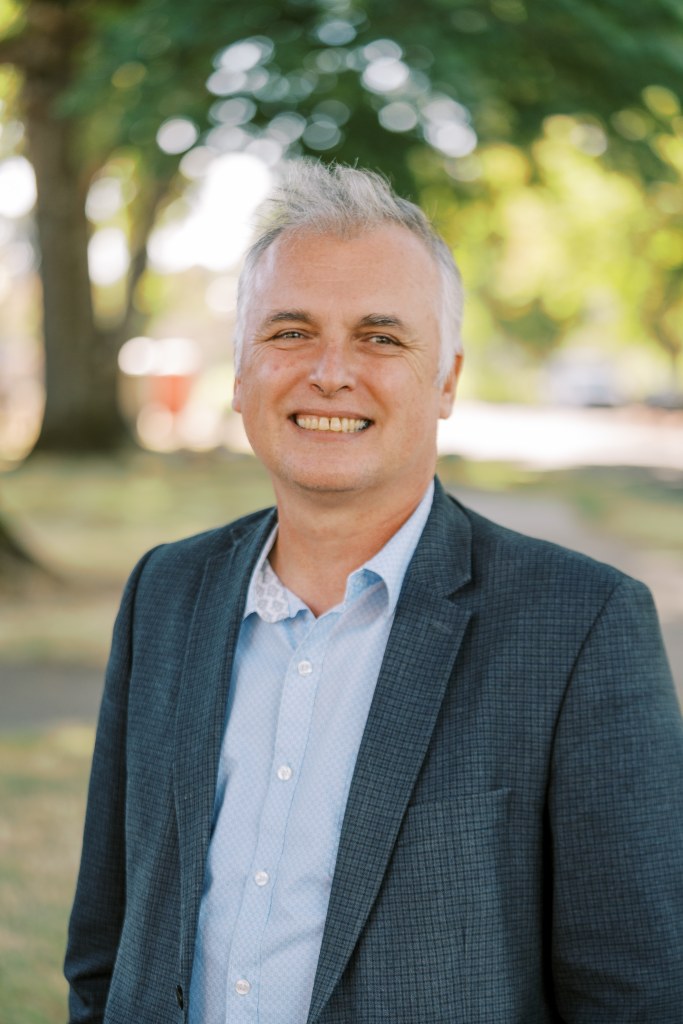
Who: Carolynn Julien

Where: Fairleigh Dickinson University

Number of years in research development: 34 years

Length of NORDP membership: 10 years

What does this mentoring award mean to you? 

Let me just start by saying, I was surprised to get the award. I was totally thrown off. I was fidgeting with something and I heard my name being called.   If there was anything that I would want to be recognized for, it would be mentoring. It is just the best honor ever!  It solidifies who I am and my efforts. It was just perfect!

What has your mentoring journey within NORDP looked like? 

I believe it was 2013 when I found out about the NORDP mentoring program, and I was matched with a wonderful mentor, Linda Mason from the University of Oklahoma. It was a wonderful experience. I even got a NORDP travel award to meet her in Austin. She was my introduction to NORDP, and it was just the most amazing connection that I had with her. She came up to where I live in New York once and we got to spend time together while she was on vacation. I recently found out that she passed away and I was just so heartbroken. Linda was amazing and really helped me to grow as a professional.

Generally, I think I remained on the outskirts of NORDP. I was kind of a lurker. I wasn’t fully engaged until I decided to join the mentoring committee. Serving on the committee solidified my commitment to NORDP and it was an opportunity for me to not only engage but to give back.

What initially drew you to mentoring?

I always say, “Mentoring is who I am and what I do.” I have mentored in so many capacities, professionally and personally. I am in an organization where I mentor high school girls. I have mentored people in a group that I created across the City University of New York, where I mentored many individuals across the RD spectrum. Mentoring was the focus of my dissertation. So, yes, it’s my “walk.”

How did you take the first step in the “walk” of mentoring? 

My parents always taught me that I’m on this earth to give back. And that has always been a part of me. My upbringing taught me to give back and to figure out how I can give back. Mentoring allows me to have those personal relationships to give back. 

What does being a good mentor mean to you?

It means that I show up fully and I provide a space where I will help a mentee grow both personally and professionally. It means that I will be a good listener and that I am looking to understand not only what is spoken but what is also unspoken. It means that I am going to be a cheerleader, and that I am going to be a friend;  It means that I am going to be an educator; It means that I am going to be a student; It means that I’m going to be whatever the role is that my mentee needs. The mentee decides and I provide.

You have lived in the spirit of mentoring your entire life. Is there a lesson you have learned along the way that has helped you become a better mentor?

The lesson I have learned is that mentoring relationships have no finite timeline. I think that’s something I struggle with a little bit when it comes to the NORDP program because it’s a one-year commitment. I don’t believe that mentoring relationships have a timeline. The mentoring relationships that I have are ongoing. There are people who I worked with 20 years ago and if they need me, I will be there. They know how to find me and if it’s a year from now, 10 years from now, 20 years from now — I will be there. 

What have you found most challenging about being a mentor?

I think one of the challenges in a mentoring relationship is creating intimacy. The best relationship investments are where both the mentor and the mentee can fully show up. That’s a challenge, but it’s a challenge that I love. Because I like taking the time to get to know the mentee, and it takes time. It takes care, patience, and a willingness to accept who this person is. 

What advice do you have for others within NORDP who wish to follow in your footsteps?

I’m going to borrow from Nike…Just do it!   It’s scary at first.  I can remember when the camera came on for the first time and there was a person in another Zoom box. In my mind, I am saying to myself, “I had this mentor training and I should have the right thing to say.” But I have found the best success through listening to my heart. Your heart will guide you. You’ll know what to say and what to do. And it really starts with intention. If your intentions are to help an individual with the agreed upon goals, and you fully show up and listen, your intentions will guide you.

Photograph of president Anne Maglia presenting the 2023 Mentoring Award to recipient Carolynn Julien.

NORDP president Anne Maglia (left) presenting the 2023 Mentoring Award to recipient Carolynn Julien (right).

ReCON brings the Program Officers to you

Registration is now open for the inaugural NORDP ReCON fall virtual conference, to be held November 1-3, 2023, on the Whova platform.

The afternoon of Wednesday, November 1 (“PreCON”), will be dedicated to representatives of funding agencies and organizations–offering attendees the opportunity to hear about new programs and funding priorities, and ask questions about how best to support your researchers. Two presentations will run concurrently, and most will be recorded for viewing post-event. 

Speakers include:

2-3 pm ET/11 am-noon PT

Erwin Gianchandani, PhD, Assistant Director, NSF Directorate for Technology, Innovation & Partnerships (TIP)

Melissa Menzer, PhD, Senior Program Analyst, Office of Research & Analysis, National Endowment for the Arts


3-4 pm ET/noon-1 pm PTNIH Panel

Deborah Hodge, PhD,  Program Officer, NIAID

Mercy Prabhudas, PhD, Program Officer, NIAID

Brittany Haynes, PhD, Program Director of Workforce Diversity & Equity, NIMH

Keren Witkin, PhD, Program Director, NCI


3-4 pm ET/noon-1 pm PT • Social Sciences & Humanities Panel

Aixa Cintrón-Vélez, PhD, Program Director, Russell Sage Foundation

John Paul Christy, PhD, Senior Director of U.S. Programs, American Council of Learned Societies (ACLS)


4-5 pm ET/1-2 pm PTNSF GRANTED

Kimberly Littlefield, PhD, Program Director

Dina Stroud, PhD, Program Director