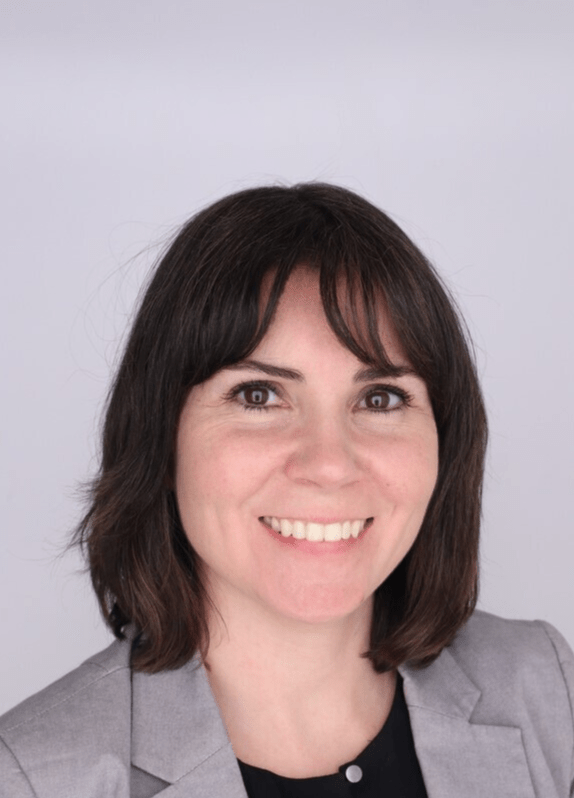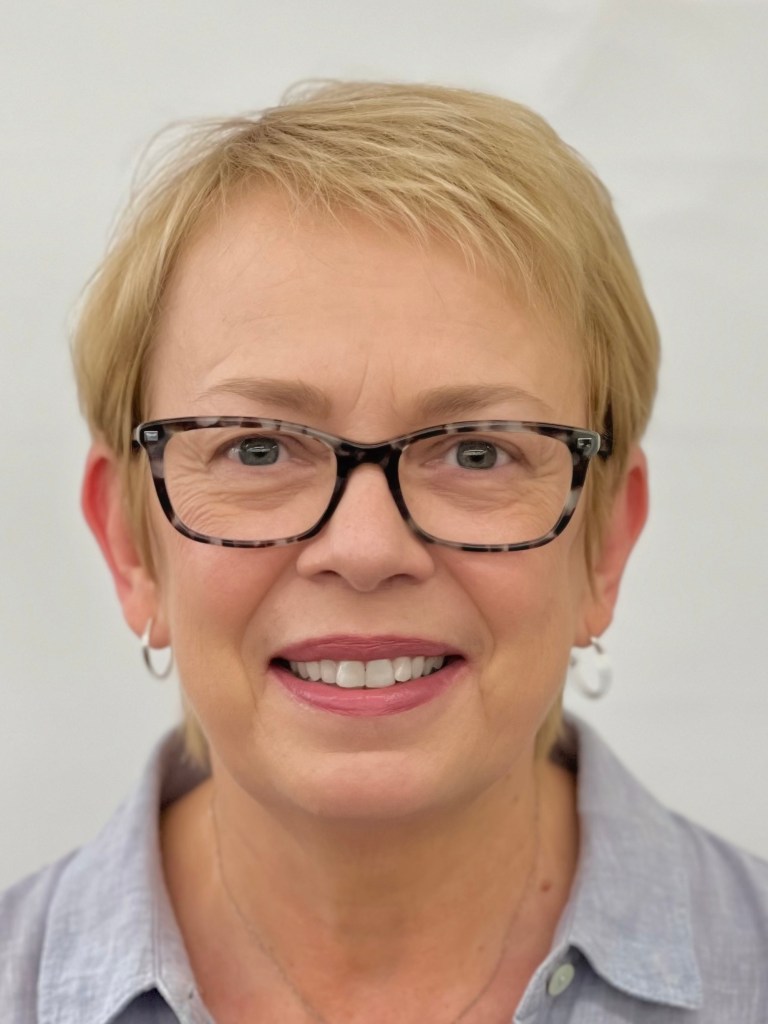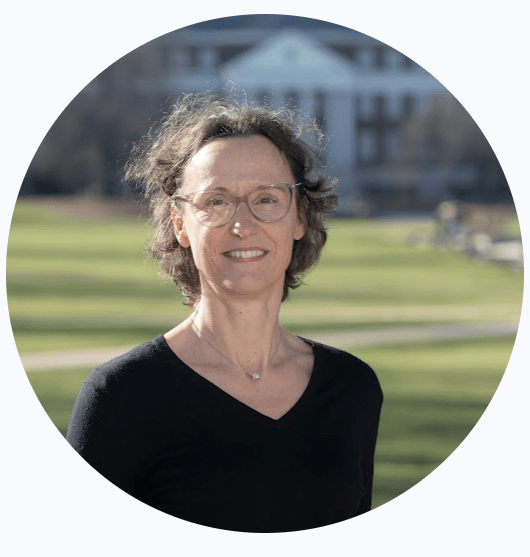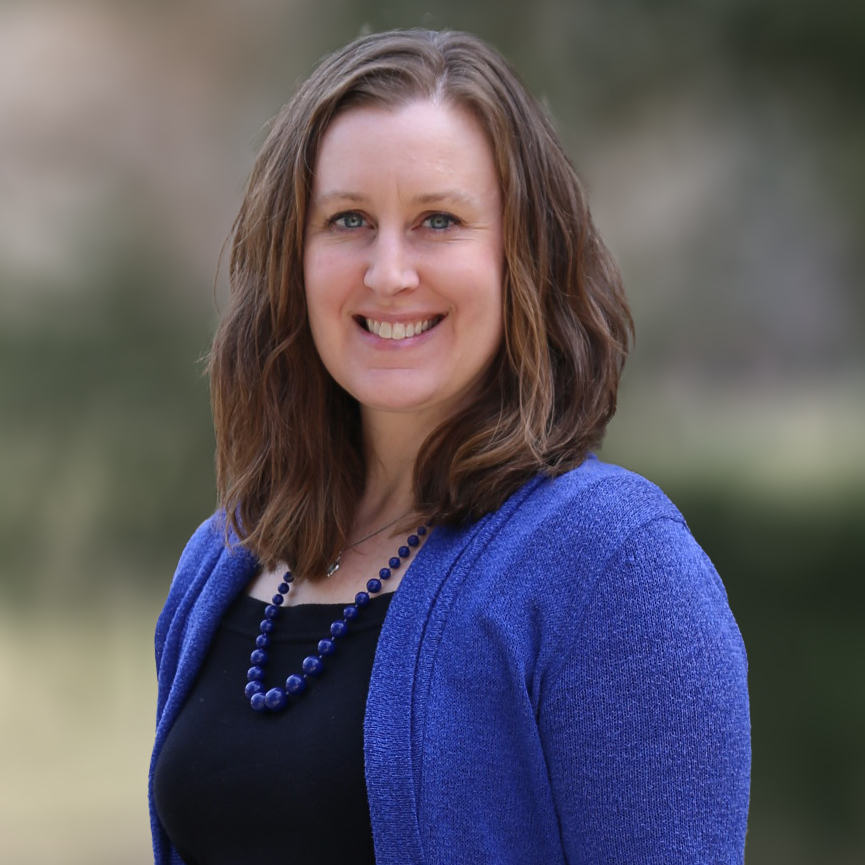
Contributors: NORDP Mentor Training Team Paula Carney, Loyola University Chicago, and Kristin Boman, University of Minnesota, Twin Cities
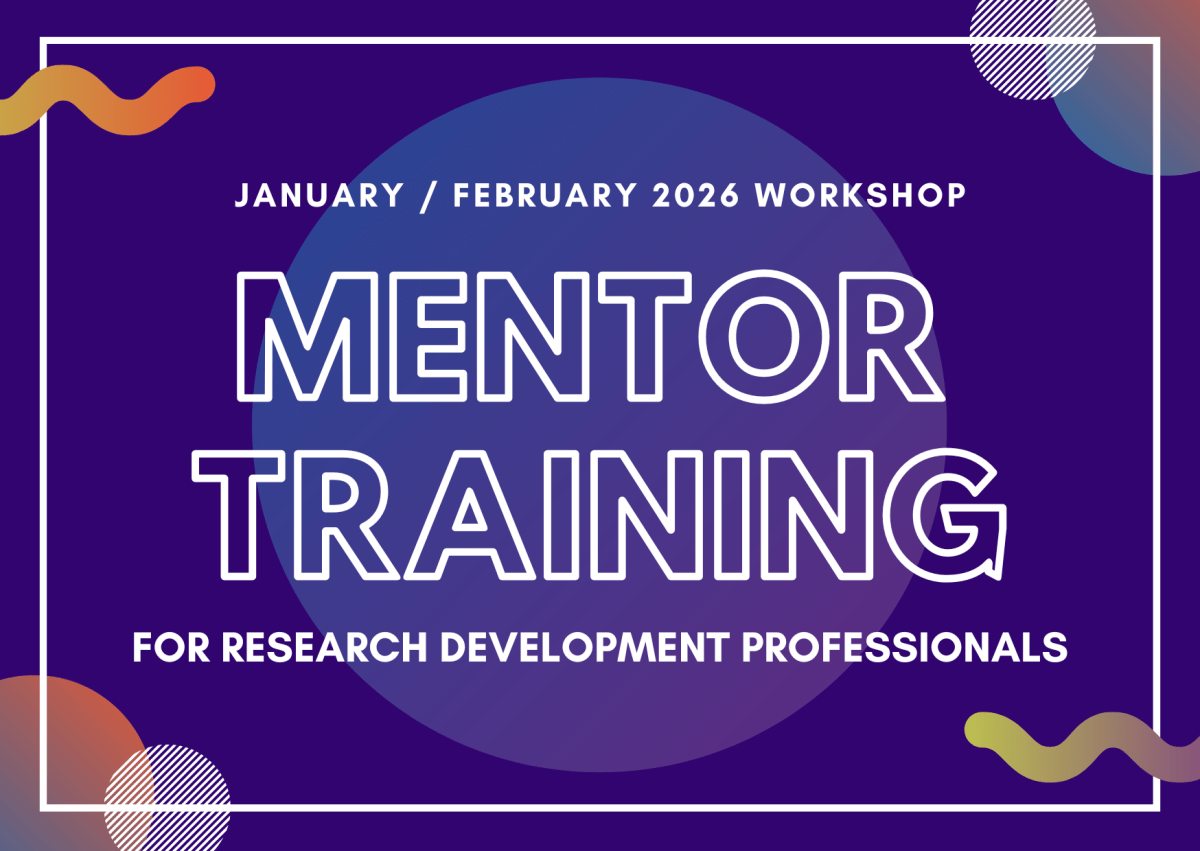
Mentor Training for Research Development Professionals – Registration Open forJanuary/February 2026Workshop
Are you a mentor? A mentee? Do you find yourself formally or informally mentoring staff or faculty? Are you ready to explore mentoring competencies that can be utilized across the work of research development (RD)? This interactive workshop series covers the 9-module Entering Mentoring curriculum, initially developed for mentoring researchers and tailored for RD professionals. A past workshop attendee commented:
“EXCELLENT training! The ideas presented are very applicable both to mentoring within the research development profession and elsewhere in the research enterprise – the things I have learned and practiced in this course are incredibly valuable to me as I provide mentoring to faculty, particularly early stage investigators and junior faculty, in the area of grantsmanship.”
Using evidence-based strategies, participants will build upon competencies crucial to the success of the mentoring relationship and expand mentor training across the research enterprise. Participants who complete the entire curriculum will receive a certificate of completion. The curriculum results from an association between the NORDP Mentoring Committee and the University of Wisconsin Center for Improvement of Mentored Experiences in Research (CIMER) in collaboration with the National Research Mentoring Network (NRMN), organizations involved in developing and validating the original curriculum. RD professionals at all levels of mentoring will explore how mentoring (shown to improve career outcomes, impact employee engagement and retention, and lead to more inclusive work environments) can benefit mentors and mentees in RD.
Workshops will be presented and facilitated by the NORDP Mentoring Committee; many are certified CIMER Trained Facilitators. Over 120 NORDP members have been trained through this initiative.
Schedule:
Two 1.5-hour sessions each week for 5 weeks (every Tuesday and Thursday*) 1/27/26 – 2/26/26 2–3:30 pm EST / 11 am–12:30 pm PST
As the format is highly interactive, participants must agree to participate in at least 9 of 10 sessions.
The traditional mentoring dyad (1:1 mentor-mentee) program has been a NORDP member feature since 2012. The Cohort Mentoring Group, piloted in July 2022, consists of matching three mentees with similar interests with one shared mentor. Both the dyad and cohorts are matched based on the WisdomShare matching algorithm.
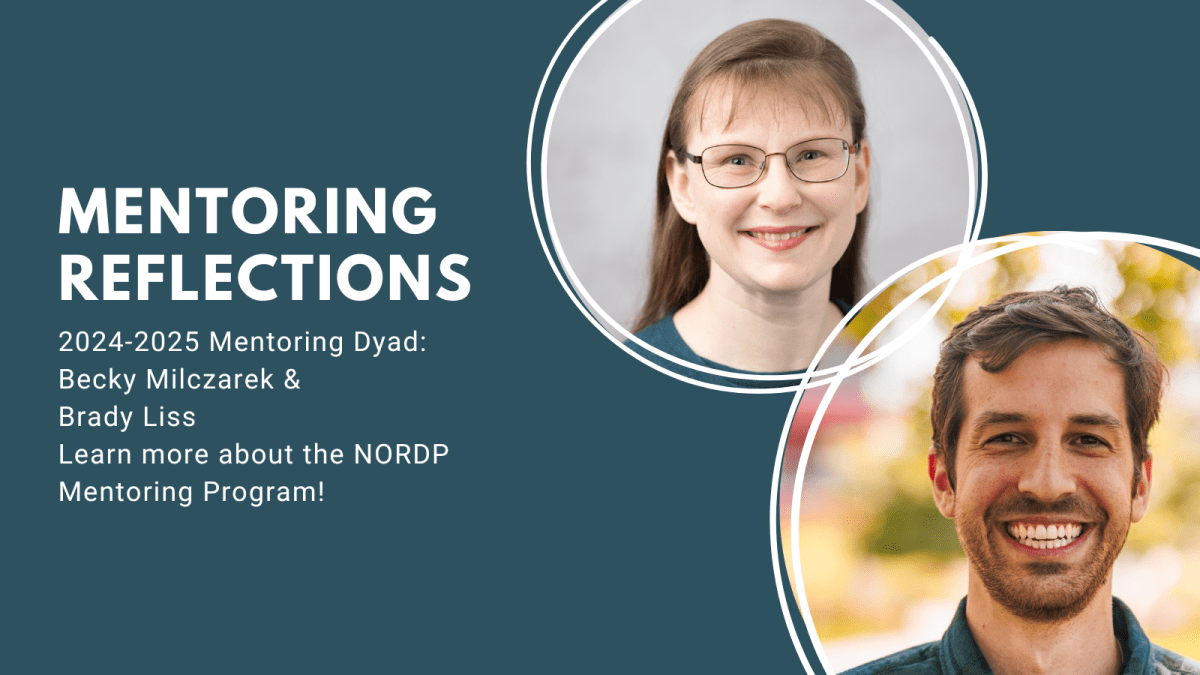
This month, we caught up with a dyad mentee-mentor pair, Brady Liss (Mentee) and Becky Milczarek (Mentor) from the 2024-2025 mentoring program year to share their experiences with NORDP.
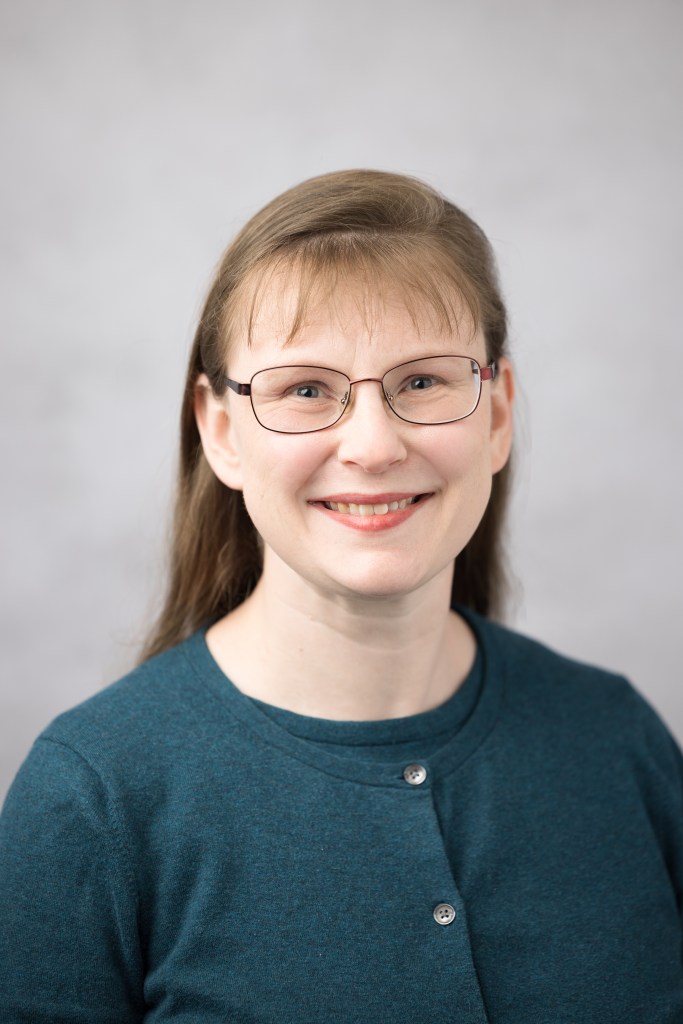
Becky Milczarek (she/her), mentor Assistant Director, Office of Research Development University of Illinois Chicago
Rebecca (Becky) Milczarek, Ph.D., University of Illinois Chicago (UIC) • Becky is an Assistant Director in the campus-level Office of Research Development at the University of Illinois Chicago (UIC). Dr. Milczarek’s formal training is in Food Science and Chemical Engineering, and she spent the first decade of her career in the roles of researcher and proposal reviewer in the federal government before pivoting to academic RD in 2021. Becky elevates the UIC research enterprise by connecting investigators with collaborators and funding, managing the limited submissions process for the campus, and guiding early career and seasoned investigators alike toward a reviewer-centric approach to proposal narrative development.
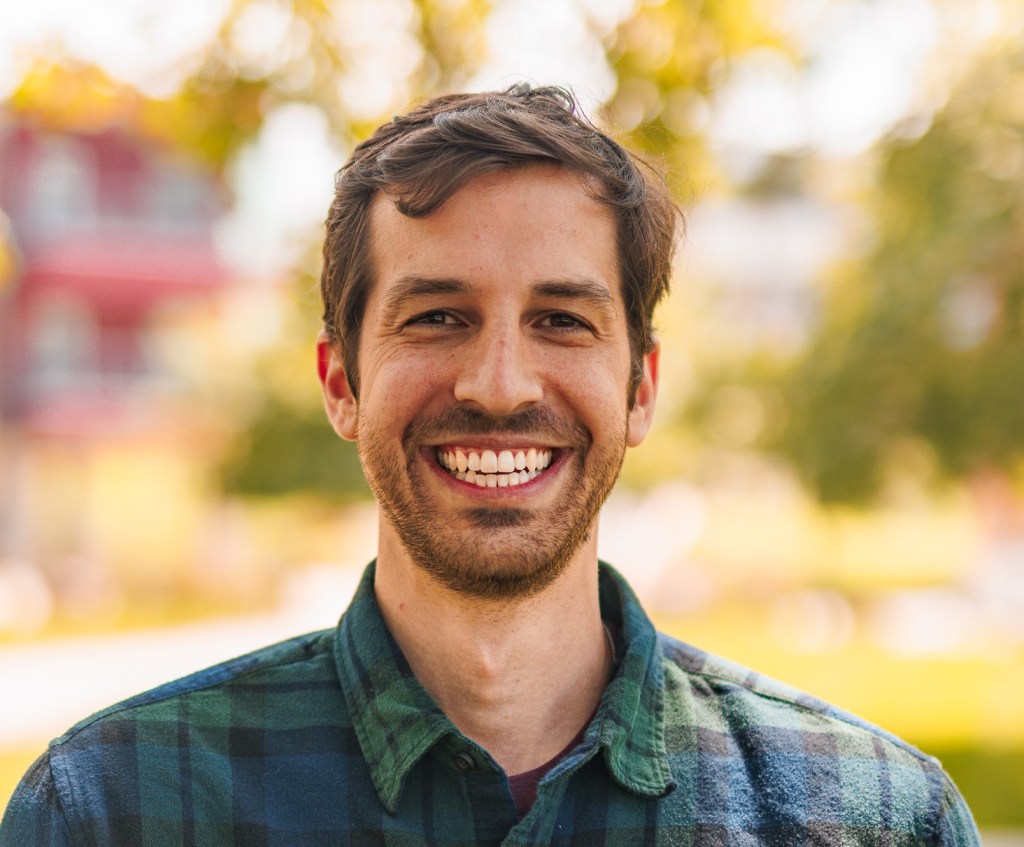
Brady Liss (he/him), mentee Grant Proposal Developer University of Vermont
Brady Liss, PhD, University of Vermont • Brady is a Grant Proposal Developer for the College of Arts and Sciences at the University of Vermont. Brady completed his PhD in Anthropological Archaeology at the University of California San Diego, before joining the Research Development team in May 2023. As archaeology is uniquely situated at the intersection of the humanities, social sciences, and natural sciences, he leverages his previous research experiences to best support faculty across a variety of departments and disciplines in the college.
Q1: What influenced you to apply to be a mentor and a mentee for the 2024-2025 NORDP Mentoring Program?
Brady: Like many research development professionals, I didn’t anticipate (or frankly even know about) a career in research development until I applied for my current position as a grant proposal developer at the University of Vermont. In turn, I was looking for opportunities to develop professionally in this new (to me) field. The NORDP Mentoring Program seemed like the perfect opportunity to gain insights from someone with more experience. Further, as I can find networking in larger settings intimidating or overwhelming, the opportunity to join a 1:1 dyad was very appealing!
Becky: I had previous positive experiences as a mentee in a NORDP mentoring dyad in 2022-2023 and a cohort in 2023-2024. Although I’m still relatively new to the field of RD, I felt confident enough to start paying it forward as a mentor in 2024-2025. I still recognize I have a lot to learn, though, and thus also participated as a mentee in 2024-2025 – I really enjoyed being a part of a “mentorship sandwich” and am continuing this approach in the current program year.
Q2: What is your favorite part of your relationship?
Brady: My favorite part about my mentor-mentee relationship with Becky was the open and fluid conversations. We established specific topics for each of our monthly meetings, but allowed the conversation to naturally progress to other subjects. I also enjoyed the opportunity to discuss navigating the current federal funding landscape in a multi-generational NORDP mentor-mentee meeting; Becky’s former mentor joined the conversation.
Becky: For better or worse, it was really “misery loves company” in the 2024-2025 academic year. All in the RD profession will recognize the myriad challenges and upheavals during this period, and it was grounding to have regular, candid conversations with a colleague going through the same experiences.
Q3:How has participation in the Mentoring Program helped broaden your horizons about Research Development in general and/or affected your daily work in particular?
Brady: My participation in the mentoring program certainly broadened my horizons concerning research development. Sometimes as a grant proposal developer, I can become hyper-focused on supporting the individual grant. However, research development is bigger than any one grant. Meeting with Becky helped reiterate this concept. For example, we explored issues of inclusive language and transparency in funding announcements, leveraging LinkedIn to expand resources and connections, engaging with other fields entirely, etc. Based on Becky’s insights and suggestions, I am exploring new avenues to raise awareness about research development careers among archaeologists.
Becky: My discussions with Brady gave me a deeper appreciation for both the diversity of RD activities and the commonalities across the profession. Nominally, Brady and I do not have much overlap in our day-to-day RD responsibilities: Brady primarily supports proposal development within a college, while I focus on campus-wide faculty professional development, funding opportunity discovery, and limited submissions. It was enlightening for me to hear more about the proposal development side of the shop, and I’m hoping Brady learned a bit about some more upstream RD activities. At the same time, we definitely identified and explored common themes, mostly having to do with better understanding and serving our clientele. Enabling productive communication with various stakeholders, offering the right support at the right time, and navigating a rapidly shifting research funding landscape are (I will declare here) universal RD themes that we touched on this past year.
Q4: What surprised you about being a mentor or a mentee?
Brady: I don’t think I was necessarily surprised by any particular aspect of being a mentee, but the program did emphasize the unique collegiality of NORDP members (which was a bit of a surprise compared to previous professional organizations I have participated in). Whenever I have a conversation about NORDP, a primary talking point is always the kindness of the members and their willingness to help. Despite being in a slightly different role and having more experience in the field, Becky exemplified this in her openness to discussing any topic of interest and through dedicating her time to this process.
Becky: I knew the NORDP mentoring program was intended to be mentee-driven, but I was surprised at how graciously Brady took up this mantle. He kept us on track with our discussion topics and was proactive in (re)scheduling our meetings, but he always showed flexibility when new circumstances or opportunities arose. I suppose I should not have been surprised at this!
Q5: What made you decide to maintain a longer-term mentoring relationship, and how has it impacted you?
Brady: I really value the opportunity to learn from others, especially when they have more and/or different experience(s) in a given space; Becky fits both these qualifications. Being fairly new to research development with a background in the humanities, I was grateful for the opportunity to learn from Becky, who has served as an assistant director of research development for over four years with a background in food engineering. Our meetings were also consistently comfortable, open, and insightful, making it an easy decision to maintain a longer-term mentoring relationship to continue learning and sharing.
Becky: It was a pleasure to connect with Brady through this program, so I was happy to suggest we touch base a few times a year as we both progress in our careers. I’m looking forward to hearing about Brady’s accomplishments, challenges, and a-ha! moments.
Q6: Any words of wisdom or encouragement for those wanting to apply next year? Any other thoughts you would like to share?
Brady: In the past, I likely would have avoided this type of opportunity. I decided to go for it based on two factors: 1) my experiences interacting with research development professionals, which were always cordial, collegial, and kind, and 2) the smaller setting (a 1:1 dyad) with low-stakes (open discussion, one-hour meetings, once per month) sounded ideal. Now having “completed” the program, I am grateful I did, and I would encourage others to do the same.
Becky: NORDP has built a wonderful mentorship infrastructure, so I highly recommend getting involved as a mentee, mentor, or both. Having been in both a cohort and a few dyads, I can say both models have their strengths. Dyads offer more customizability and focus for a mentee with clear goals going into the program. Cohorts provide instant networking and a wider variety of perspectives and experiences. I encourage prospective mentees and mentors to try both options at least once and keep in mind that every mentoring relationship will be different, regardless of the number of folks involved.
On a practical note – be aware of the program signup window! In early spring, the start of the mentoring year may seem a long way off, but don’t miss your chance to participate.
Applications for the 2026-2027 mentoring match cycle will open in the spring of 2026 — keep an eye out for NORDP announcements. Additional mentoring opportunities are available through the Peer Mentoring Groups that are open for participation throughout the year via the WisdomShare platform [LINK: https://nordpmentoring.mywisdomshare.com/]. Contact the NORDP Mentoring Committee if you have any questions at mentoringprogram@nordp.org.
An investment in mentoring is an investment in you!
Peer Mentoring Group (PMG) Conveners: Sujatha Koduvayur, Worcester Polytechnic Institute; and Brooke Gowl, Appalachian State University
The AI in RD Peer Mentoring Group (PMG) is now being launched to provide a vehicle for supporting NORDP members interested in using artificial intelligence (AI) in their research development (RD) practice, such as instructing researchers on how to securely and efficiently incorporate AI in their work.
The 2025 NORDP Conference included several sessions that addressed the use of AI in RD. AI, when used judiciously, can significantly impact research endeavors by strengthening the practice of RD. Currently, RD professionals are using AI to perform targeted grant searches; assist with proposal development by creating summaries, checklists, and other resources from notice of funding opportunities (NOFOs) and other solicitation guidelines; and support team science practices by creating ideation meeting summaries and identifying potential collaborators. Having a PMG to disseminate these practices, learn from each other, and jointly find better and more efficient ways to leverage AI tools in our work directly aligns with NORDP’s mission to advance RD as a profession.
The AI in RD PMG will share current practices and explore new ways to:
include AI in our RD daily practice,
learn about privacy and ethical concerns,
discuss program director-invited presentations on AI applications,
design and develop faculty resources on best practices for AI-assisted grantwriting,
converse about other AI-related topics in RD.
The PMG will invite external experts for guest lectures in addition to the discussion of case studies encountered by PMG members who currently use AI in their daily tasks.
NORDP Members can view and join PMGs via the WisdomShare Platform or you can email Sujatha Koduvayur or Brooke Gowl to learn more about and get involved with the new AI in RD PMG. Questions about the WisdomShare platform can be directed to mentorprogram@nordp.org.
NORDP Members interested in learning more about all eight active PMGs, including AI in RD, can join the 2025-2026 Peer Mentoring Group Kickoff on Tuesday, October 14, 2025, from 1:00–2:00 PM Eastern.
In addition to the new AI in RD PMG, the following seven PMGs are also currently active:
AI in RD: exploring the use of AI in research development workflow and applications
Career & Professional Development:exploring how to become more efficient and effective in our roles
Coaching & RD:developing and implementing coaching as part of the research development (RD) skillset
Collaboration & Team Science:building collaborations and interdisciplinary research programs
Faculty Development:supporting RD professionals who perform faculty development through programming and workshops
Leadership & Management:leading in both official and unofficial capacities
Proposal Development & Project Management for Research:Supporting proposal development for faculty grant seeking and leveraging project management tools and methodologies to enhance efficiency and success in securing extramural funding
Strategic Planning & Advancement:guiding policy and planning for enhanced research and scholarship
Vessela Vassileva-Clarke, Co-Chair of the NORDP Mentoring Committee
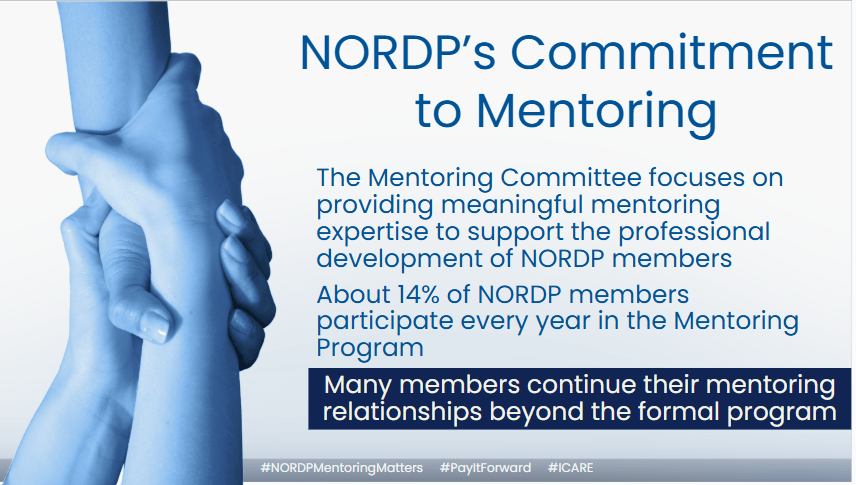
Fall marks an exciting start to a new mentoring cycle at NORDP! The 2025-2026 mentoring year runs from July through June, and we’re thrilled to welcome all mentors and mentees—whether matched in a dyad or part of a mentoring cohort—into this year’s program.
The June 25 Mentor Program Orientation featured this year’s NORDP Mentoring Award recipient and Mentoring Committee Co-Chair, Angela Jordon. New and returning participants were introduced to the program and joined breakout sessions based on their role—mentor or mentee—and format—dyad or cohort—to learn more about what to expect in the year ahead.
Behind the scenes, the Mentoring Committee, including the Match Team and the Mentoring Leadership Team, has worked diligently to make that stellar start possible. Updating our WisdomShare platform, opening the application window, carefully reviewing and confirming matches to ensure the best possible pairings for all participants, answering numerous emails about program registration, mentoring profiles, etc., are just a few of the tasks they completed. On behalf of both current and past NORDP Mentor Program participants, we extend our heartfelt appreciation and thank them for making the entire process feel easy and seamless!
We are especially excited to continue our mentoring cohorts, now in their fourth year! In this model, three mentees are matched with one mentor, creating a small community for ongoing peer‑mentoring discussions. Thank you to the many dedicated individuals who volunteered to serve as mentors—whether in dyads or cohorts—this year. Your willingness to share your time and expertise makes this program thrive.
Tips for New Mentors and Mentees
If you’re just getting started, here are a few quick tips to help you make the most of your experience:
Log in to WisdomShare for your mentor/mentee’s contact information, messaging tools, and suggested milestones
Explore the Learning tab in WisdomShare for guidance on where to begin
Visit your WisdomShare Dashboard to find active Peer Mentoring Groups (PMGs), and join the ones that interest you—no matching is required for PMGs!
If your mentor or mentee(s) hasn’t reached out yet, don’t wait—take the initiative to connect! There’s no single “right” way to engage
Attend the monthly Mentoring Committee Meetings (3rd Thursday of the month all year) to learn the latest mentoring news and share your mentoring experiences and ideas with a group of NORDP members who are truly into mentoring
Watch for upcoming McHuddles—informal gatherings hosted by Mentoring Committee facilitators where you can share ideas, ask questions, and learn from others through supportive and fun interactions
Have questions, concerns, or suggestions? Reach out to us anytime at mentorprogram@nordp.org
Share Your Story!
The Mentoring Committee is always looking to highlight mentoring experiences. If you were part of a 2024–25 mentoring dyad or cohort and would like to share your story in a future blog post, please contact the McMc team at mentorprogram@nordp.org.
Here’s to a successful and inspiring 2025-2026 mentoring year—thank you for being part of it!
Written by the Mentoring Committee Marketing and Communications sub-committee
Don’t miss out! Applications for the 2025–2026 NORDP Mentoring Program close this Friday, May 16. All NORDP members are encouraged to apply again this year as a mentor, mentee, or both—mentors are especially needed! This program offers invaluable opportunities for research development professionals to connect with experienced colleagues who volunteer their expertise and support. Participants can join repeatedly and choose between two matching options: the traditional 1:1 Dyad or the dynamic 1:3 Mentoring Cohort.
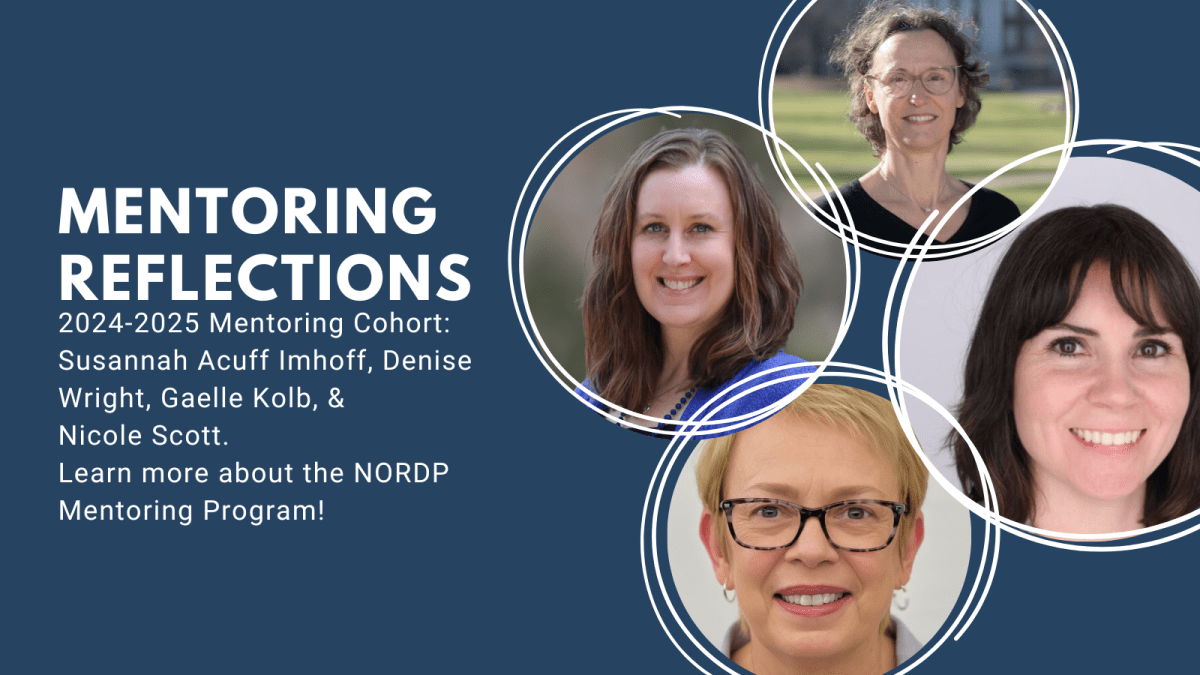
The program kicks off on July 1. Be sure to register by May 15 and mark your calendars for the NORDP Mentoring Program Orientation on Wednesday, June 25, from 1:00 to 2:30 PM ET. To inspire both new and returning participants, we’re excited to share insights from a 2024-2025 Mentoring Cohort, highlighting their motivations and appreciation for this unique format. Meet the cohort …
Susannah Acuff Imhoff
Susannah Acuff Imhoff (SAI) Susannah Acuff Imhoff manages Transcend Initiatives as Senior Associate Director of Research Development at Washington University in St. Louis, supporting interdisciplinary research networks and team science. Previously, she was Assistant Director of Research Development at Vanderbilt University, aiding faculty in strategy and proposal development. Her experience includes roles at the U.S. Pharmacopeia and in higher education, including teaching Cultural Anthropology. Susannah holds degrees from the University of Memphis.
Denise E. Wright
Denise E. Wright (DW) is a Research Development Officer at Emory University, focusing on mega proposals and strategic initiatives. Her background includes higher education publishing with significant project management and editorial experience. Denise earned a PhD in History from the University of Georgia and a BS in Political Science from Kennesaw State University.
Gaelle F. Kolb
Gaelle F. Kolb (GK) is a Proposal Development Manager at the University of Maryland College Park, previously serving as Grants Development Specialist for Neuroscience and Cognitive Science. Earlier roles include positions at Johns Hopkins Medical Institutions and the National Institute for Allergy and Infectious Diseases (NIAID). Gaelle holds advanced degrees in Biology-Health from the University Victor Segalen in France and completed a postdoc at NIAID.
Nicole M. Scott
Nicole M. Scott (NS) is a Research Project Manager at Iowa State University, contributing to the new ResearchPOST unit that supports project management. Prior to this, she managed projects on individual grants at the university. Nicole holds degrees in biology from Iowa State, primatology from Roehampton University, and cognitive science.
Q1: What influenced you to apply to be a mentor and a mentee for the NORDP Mentoring Program? Why did you choose the cohort mentoring model?
Denise Wright (DW): I applied to be a mentee because, having served as both a mentor and mentee in other professional capacities, I recognize the value of peer mentoring. In August 2023, I was new to research development. After enrolling in RD101, I began to understand just how much I did not know. A mentoring cohort seemed the obvious place to gain from others’ experiences.
Gaelle Kolb (GK): Being a mentor myself to students and professionals I met in my previous career, I realized the need to find a mentor and mentoring group in which we can bounce ideas about my current professional aspirations. RD being so broad and so broadly interpreted, I feel that a cohort model is better for hearing more diverse voices.
Nicole Scott (NS): Being newer to NORDP, I knew there was a wealth of knowledge out there I could tap into to learn about the field quicker than if I had tried to pick it all up as I went. Being part of a cohort modeling meant that instead of learning from one person, I could learn from 3! And they have taught me so much!
Susannah Acuff Inhoff (SAI): I applied to be a mentor in the hope that some of the experience that I’ve gained through my years in RD could be of service to others who may be facing similar encounters or circumstances, and with the expectation of gaining my own new insights and perspectives from collegial relationships in RD outside of my pre-existing university orbits. I was excited to learn that I’d be mentoring a cohort in partnership with three other people.
Q2: Have you participated in a 1:1 mentoring model before? How has this experience been different or similar?
GK: Yes, I still meet regularly with my mentor who was my supervisor and retired a decade ago. Early on, our meetings were more focused on my career paths and professional preparation. Since our 1:1 mentoring has been ongoing for more than a decade, our relationship has evolved to share our passion for diverse cuisines.
NS: In other organizations, I’ve been both a mentor and a mentee in a 1:1 model. Being part of a cohort meant that there was less pressure on me to drive the conversation and I got to hear multiple perspectives.
SAI: I have participated in 1:1 in other fields, and informally in RD. I found the cohort model to be more robust in terms of the full group (including the mentor) benefiting from shared discussion and ideas. Together, I felt we could solve or make headway on any challenge, even those that may have been outside of my direct experience. It also felt self-sustaining and truly more of a partnership.
Q3: What was your favorite part about this cohort mentoring model?
DW: My favorite part is the community we have created. The members of our group have different job titles and areas of interest/specialty, but all are generous, thoughtful professionals. During this particularly trying time for anyone involved in the research enterprise in the U.S., this group has been a place to share information, commiserate about challenges, and seek advice from a trusted circle.
GK: Initially, I was fond of how different our professional roles looked. Now, after a few months, I really enjoy the natural way discussions pop up during our meetings. Our mentor is not directing any discussion with a set agenda allowing us to reflect and share in a natural way. I always look forward to our meetings!
NS: Getting to meet three fabulous people!
SAI: The camaraderie and sense that we are all checking in on and rooting for one another – and that every participant has incredible value to offer.
Q4: How has participation in the NORDP Mentoring Program helped broaden your horizons about Research Development in general and/or affected your daily work in particular?
DW: Because the members of our cohort have such varied specialties, I have a greater understanding of the diversity of roles within the research development community.
GK: It helped me make sense of why I felt that I was doing so many different jobs. I am also inspired by my mentor who shows great composure. I value my cohort very much as it opened my horizons on how much more we can do in RD and help shape my career ambitions.
NS: Participation in this group has broadened my horizons in RD by providing me with the space and access to others doing this work at other universities. There are so many ways to be successful in this area so hearing from others and how they are successful (or not) expands my toolbox and sparks new ideas.
SAI: I’ve applied much of my colleagues’ advice on everything from daily work-life balance to how to approach team science with different types of groups. It is confidence-building to realize that there is consensus on an approach because others have the same experience, for example, or to have access to a broader set of ideas on sensitive subjects that may relate to the profession but are too candid for certain professional forums outside of a mentoring relationship.
Q5: What surprised you about being a mentor or a mentee?
DW: There were no real surprises other than the pleasant one of finding that my cohort fell rather quickly into comfortable conversations.
GK: As a mentee, I am still learning and looking forward to learning more!
NS: I was surprised at how quickly we could fill an hour of conversation.
SAI: The reciprocal knowledge and friendship that grew naturally out of our shared support of one another.
Q6: Any words of wisdom or encouragement for those wanting to apply this year? Any other thoughts you would like to share?
DW: I would encourage anyone who, like me, is new to research development to join a mentoring cohort. By connecting with people outside your office and institution, you can begin to grasp just how multifaceted research development is. You’ll also develop professional relationships and may, if you’re as lucky as I have been, make some new friends.
GK: I would suggest a cohort model as it is professionally enriching to learn how RD looks at other institutions. I also like the geographic diversity of our group!
NS: My motto is “always learning.” There is always something new you can learn from someone else, no matter how experienced you are, and in mentor/mentee relationships that learning happens both ways.
SAI: I encourage folks to try, especially to try the cohort model! Your voice is needed. I think we all have a lot to offer that may not only be based on years of experience. Don’t hold back because there is a place for everyone. Those with a lot of RD experience can also benefit from participating in a cohort model as a mentee. It has enriched my professional experience. Through participation in our wider NORDP community, you will make it stronger and expand your own sense of purpose and place.
The 2025-26 NORDP Mentoring Program registration will close this Friday, May 16. Do not wait and complete your application today! Additional mentoring opportunities are available through the Peer Mentoring Groups that are open throughout the year via the WisdomShare platform.
An investment in mentoring is an investment in you!
Written by: NORDP Mentoring Committee Communication & Marketing (McMc) Team—Vess Vessileva-Clarke, Elizabeth Lathrop, Brooke Gowl, Jessica Brassard
Applications for the 2025–2026 NORDP Mentoring Program are now open until Friday, May 16! NORDP members are invited to participate as a mentor, a mentee, or both. The NORDP Mentoring Program is a benefit available to all NORDP Members. This program enables research development (RD) professionals to network with NORDP colleagues who have volunteered to share their expertise, guidance, and support. There are two options for matching mentors and mentees in the program: the 1:1 Dyad or the 1:3 Mentoring Cohort (one mentor paired with three mentees).
Key highlights from the 2025 Mentor Recruiting Info Session (4/15).
As a growing profession, NORDP always has more mentees than available mentors.
A small but enthusiastic group of NORDP members interested in exploring the possibility of becoming mentors joined the Mentoring Committee Co-Chairs on Tuesday, April 15, for the annual Mentor Recruiting Info Session. The session began with a brief presentation on what mentoring is and a description of the role of the mentor. People with years of mentoring experience shared stories and best practices from their mentoring “careers.” Additionally, participants were introduced to the NORDP matching program details, the different mentoring “flavors” (dyads and cohorts), and common myths related to mentoring.
During the Q&A, those with experience as mentors encouraged others to become mentors! One does not have to have years of RD experience or formal mentor training in order to be an excellent mentor. Additionally, mentoring is a two-way street. As a mentor, you will likely gain as much as you give.
Mentors are provided with resources in WisdomShare to aid them in their mentoring efforts. There are also facilitators they can reach out to if they have questions or encounter situations for which they could use help. Prospective mentors were encouraged to consider a mix of mentoring experiences in dyads, cohorts, or even a dyad and a cohort in parallel.
Reflections from some of our most experienced NORDP Mentors
NORDP is a community of people who are passionate about sharing and learning with each other. When it comes to mentoring, there are many people with years of experience to share. Below are some highlights from past NORDP mentoring reflections:
Anglea: “Every mentoring relationship is unique.”
Wendi: “Continue participating in this program and serve as both mentor and mentee. The 360-degree perspective these roles provide will enhance your professional capacity and enrich your personal attributes.”
Christine: “I encourage each mentee to drive our relationship by setting goals (and allowing them to evolve), while I provide tools, resources, contacts, and advice toward achieving them.
Mayla: “Ask lots of questions.”
Toyin: “Extending grace to yourself is critical.”
Julie: “Mentoring truly is a bidirectional exchange.”
Sandra: “It was also very beneficial to work through the MESHH Network framework with someone.”
Julie: “The mentoring relationship serves as a reflective experience that re-energizes my everyday work life.”
Sofia: “Kathy opened my eyes to the possibility of leaving the bench for RD.”
Eric: “Learning how people persevere in their work through challenges and opportunities has helped me become more empathetic.”
Erica: “My mentoring relationships have contributed to my career progression and have made me a better RD professional and leader.“
Erin: “My mentor took the time to reach out to someone who knows people at my current institution and through this contact, I have expanded my network.”
Jess: “Having my mentor’s perspective helps me reflect more clearly because he sees things from an outside point of view while still having the context of our RD mission.”
David: “I feel we have crafted an important connection that will last beyond the mentoring year.”
Figure Caption: Mentoring Flavors & Benefits graphic provides useful information to help you decide how best to participate in this year’s NORDP Mentoring Program.
As applications for the 2025-2026 NORDP Mentoring Program open until Friday, May 16, we encourage all NORDP members to consider how you might benefit from participating—whether as a mentor, a mentee, or both. This valuable member benefit continues to strengthen our research development community through meaningful professional connections and knowledge sharing. Whether you choose the personalized attention of a 1:1 Dyad or the collaborative learning environment of a 1:3 Mentoring Cohort, your participation helps ensure that expertise, guidance, and support remain hallmarks of the NORDP experience. Don’t miss this opportunity to grow your network and advance your RD career!
Written by the Mentoring Committee Mentor Training Team
The NORDP Mentoring Committee’s Mentor Training Team held a mentor training workshop in January – February 2025. Twenty-three NORDP members completed the 5-week workshop, covering the 9-module Entering Mentoring curriculum initially developed for research mentors and tailored by the NORDP Mentoring Committee for RD professionals in collaboration with the University of Wisconsin Center for Improvement of Mentored Experiences in Research (CIMER). Over 100 NORDP members have completed the Entering Mentoring Workshop and received certificates.
RD professionals explored key mentoring competencies that can benefit RD mentors and mentees that have been associated with improved career outcomes, employee engagement and retention, and more inclusive work environments. The workshop was facilitated by the following NORDP Mentor Training Subcommittee members: Jan Abramson, Kristin Boman, Paula Carney, Charlotte Forstall, Rachel Goff-Albritton, Kathy Partlow, Matthew Schwartz, Samarpita Sengupta, and Carol Thornber. The NORDP Mentoring Committee is committed to equipping Research Development professionals for success by offering meaningful mentoring expertise, support, and resources.
As part of the training, participants had the opportunity to craft their own mentoring philosophies. Below are examples from this year’s participants!
I seek to help mentees gain independence and confidence by empowering them to identify solutions for issues that arise in their work and other spheres of their lives. My approach is to be available, invested, and intentional. I encourage each mentee to drive our relationship by setting goals (and allowing them to evolve), while I provide tools, resources, contacts, and advice toward achieving them. I also hope to learn from each mentee – and that we all find ways to pay it forward. – Christine M. Blaumueller
I will enter into all my mentoring relationships with intention, be it as a mentor or mentee. I will work to establish trust rooted in mutual respect, a shared mission for learning and growth, and a desire to impact my workplace and professional positively. I will attempt to exercise grace and openness of thought in all interactions. – Charlotte Forstall
Congratulations to the following 2025 NORDP Mentor Training graduates!
Jen Aleman, The College of New Jersey
Christine Blaumueller, Carver College of Medicine, University of Iowa
Jessica Brassard, Michigan Technological University
Robert Clark, St. Jude Children’s Research Hospital
Michelle Davis, Texas A&M – AgriLife Research
Marney Ellis, Boise State University
Jeffrey Engler, University of California, Davis
Charlotte Forstall, Washington University in St. Louis
Lindsey Frallic, Western Washington University
Savannah Hall, University of Michigan – Ann Arbor
Cassie Johnson, North Dakota State University
Neetha Khan, Carnegie Mellon University
Rebecca Kirkland, University of Georgia
Crystal Ladwig, Florida State University
Kaitlin Clare Maguire, Boise State University
Scott Merrill, Cleveland Clinic Foundation
Laura Mussulman, University of Kansas Medical Center
Jennifer Reininga, Duke University
Christina Ryan, University of Connecticut
Julie Svetlik, University of Missouri
Erin Umlauf, Boston Medical Center
Viktoriya Zhuravleva, Zuckerman Institute | Columbia University
Written by: Vessela Vassileva-Clarke, Jessica Brassard, Elizabeth Lathrop on the Mentoring Committee Marketing and Communications (McMc) Committee
Image co-created by Jess Brassard and Adobe Firefly
Managing stress in the face of uncertainty is a crucial skill that, together with connecting with a more experienced mentor or a like-minded mentee, can significantly improve our mental and emotional well-being. Uncertainty can lead to feelings of anxiety and helplessness for both mentors and mentees. Evidence-based mentoring strategies can help mitigate these effects. How can we show up in our mentoring relationships during uncertainty, beyond employing the usual stress reduction recommendations of practicing mindfulness, regular physical activity, balanced nutrition, and adequate sleep? Seeking support from our NORDP mentoring community, whether in our dyads, mentoring cohorts, or peer mentoring groups, can provide a safe space to share concerns and gain perspective, reinforcing that we are not alone.
The NORDP Mentoring Committee offers a wealth of mentoring tools and resources that can be adapted to support each other through uncertainty via WisdomShare’s Learning Library. All NORDP members can create an account on WisdomShare to access these tools and resources (WisdomShare account here):
Bolster your foundation of trust and psychological safety and check in with your people — You’ve been doing this all along. Take some time to revisit this for yourself and for those around you, whether in your formal mentoring relationships or in your everyday interactions. This strategy emphasizes creating a safe space for vulnerability during uncertain times. The evidence shows that psychological safety is crucial for learning and adaptation during change. See Building Trust from the NORDP Mentoring Toolkit.
Revisit agreements and reinforce flexible boundaries — During a time of change and uncertainty, you may want to review the ground rules of your mentoring relationship and revise them as appropriate. Be flexible with each other’s new ‘norm’ with respect to timing, forms of communication, and sharing of responsibilities. This is a time when “going the extra mile” can reinforce your support and commitment to your people! See Establishing Agreement for more tips.
Listen to support learning and understanding — Be mindful and pay close attention to what your colleagues are saying through the practice of Active Listening to support full understanding of a problem or a challenge. By asking “what”, “how” and “when”, you develop a strategy that encourages and empowers self-discovery and problem-solving. See Probing Questions for additional resources to enhance your ability to communicate clearly.
Give honest feedback and be thoughtful to those around you — Pay attention to others’ state of being when providing feedback and advice. Oftentimes, under stressful circumstances, extra patience can lead to rewarding and reciprocal experiences. Asking “am I hearing you correctly that …” can be a useful strategy for clarifying questions. “Pause – Listen – Think” before you respond can be another useful strategy during uncertain times. For more information, see Giving Honest Feedback and Advice.
Lean into your MESHH Network for the support you need — Leverage your mentoring relationships and RD/PD networks to identify allies and support. Consider sharing resumes with each other to enhance and strengthen your job application package and storytelling. Provide constructive peer feedback and investigate opportunities through the NORDP Job Board.
The traditional mentoring dyad (1:1 mentor-mentee) program has been a NORDP member feature since 2012. The Cohort Mentoring Group, piloted in July 2022, consists of matching three mentees with similar interests with one shared mentor. Both the dyad and cohorts are matched based on the WisdomShare matching algorithm. This is a reflection of one of the traditional mentoring dyads from the 2020-2021 mentoring year.
Angela Jordan
Mentor Angela Jordan, University of South Alabama • Angela is the Director of Research Development at the University of South Alabama and is responsible for strategic, catalytic, and capacity-building activities designed to promote faculty development and enhance their ability to attract external funding. With a background in the social sciences and humanities, Angela brings an interdisciplinary perspective that is informed by the principles of collaboration and community engagement. She has been the Co-Chair of the Mentoring Committee since 2023, actively engaging NORDP members to support mentoring for research development professionals.
Wendi Jensen
Mentee Wendi Chiarbos Jensen, University of Nebraska Medical Center • Wendi is the Director of Research and Grants Development in the College of Public Health at the University of Nebraska Medical Center. Wendi provides all proposal development support, works on strategic endeavors, and helps promote research across the College of Public Health at the University of Nebraska Medical Center. Her experience in working in an institutional-level office as well as a busy academic unit has helped her understand the value that external funding plays in research progress, creative discovery, and educational programming. Wendi participates in NORDP’s Academic Medicine/Affiliate Medical Center Affinity Group and is part of the NORDP Region V: Midwest/Mountain.
Q1: What influenced you to apply to be a mentor and a mentee for the 2020-21 NORDP Mentoring Program?
Angela: 2020 was my fourth year participating in the matched mentoring program, and my third year as a mentor. While I originally joined the program in 2016 because I thought I would benefit from mentoring, with some encouragement I leaped into being a mentor myself, and I found it rewarding. By that point, I knew that every mentoring relationship is unique and was looking forward to another year of being on that journey with some more NORDP members as we worked through problems and thought about goals, whatever shape that would take. Of course that was also the first COVID year, which gave us some additional challenges to talk about!
Wendi: I was hired for a new position in my college so I did not have others doing the same RD work as I did. The NORDP Mentoring Program allowed me the chance for collegiality when there were no other co-workers at my job site. I had hoped to find a good resource for discussion of my professional goals and challenges. The Program did this by matching me with Angela Jordan!
Q2: What is your favorite part about your relationship?
Angela: Wendi was really great, very grounded, and open to the self-reflection process that is essential for growth. Like many new to research development, she brought invaluable experience and transferable skills from previous jobs, and she was very motivated. Every mentee is different and has different types of goals; Wendi had some very specific things she wanted to work on, which was fun for me.
Wendi: It’s reassuring to connect with another RD professional who can relate to my experiences and help me process any issues I am having. Angela’s insights into how to navigate situations I was encountering always included helpful and concrete approaches she had used. And I appreciated her calm delivery and approach to work.
Q3: How has participation in the Mentoring Program helped broaden your horizons about Research Development in general and/or affected your daily work in particular?
Angela: Being involved in the mentoring program has reinforced my understanding of what great people we have in NORDP. People bring diverse backgrounds and face unique challenges in their jobs and careers, yet at the same time, so many of us share characteristics like having a growth mindset and being very open to sharing experiences, tools, and tricks of the trade. In some professional contexts, the knowledge economy is built on scarcity and controlled access, but in our profession, we have a knowledge economy built on abundance, and it has benefitted my professional growth tremendously. It also informs my thinking about the importance of mentoring in other contexts, such as for faculty and staff development, as well as its use as a component in proposals.
Wendi: I enjoyed our regular discussions about what was going on in our campus and unit environments. Hearing my mentor’s perspective on the RD field was also beneficial as I considered my own workload and how to manage time.
Q4: What surprised you about being a mentor or a mentee?
Angela: To be honest I spent much of my life with an antiestablishment mindset, and would have resisted thinking of myself as a mentor. I didn’t have great mentors as an undergraduate or during my first stint in graduate school, but also wasn’t primed to be a good mentee either. By the time I joined NORDP, I was much more receptive to the idea that being a mentor or mentee did not need to fit into a narrowly defined box and could be a really beneficial opportunity for growth in either role. After having positive mentoring experiences within NORDP, I know that the roles are adaptable to the unique context and needs of each relationship. Although both roles are essential, mentorship is really about the mentee, and in the NORDP context should be driven by the mentee; the mentor can be thought of as a facilitator for mentee exploration and development.
Wendi: I have benefitted from tremendously skilled mentors going back to my undergraduate student days. Early in my career, I may not have realized that i sought mentoring but certainly recognized its impact after the fact. With the NORDP partnering, Angela and I were able to forge a relationship through regular initial meetings and then maintained it by spacing out our meetings a bit. This worked well for me and I hope for Angela. I was surprised how quickly I felt a connection with her.
Q5: What made you decide to maintain a longer-term mentoring relationship and how has it impacted you?
Angela: One thing that came out organically over the course of the year is that, partly in conversation with me about the PhD I was working on at the time, but largely because of Wendi’s work with faculty in her college, she came to realize that she had the capacity and desire to do research herself, which led her to enroll in a PhD program. We’ve kept in touch and I am excited to see her continuing down that path!
Wendi: I was hopeful that we would have a good personal connection, but there are no guarantees that people doing the same kind of work will necessarily like each other. I found Angela to be approachable about not just work but also her personal experiences. We were of similar age and family situations but had followed different career paths. I appreciated the personal commonalities we discovered and how they impacted our professional lives.
Q6: Any words of wisdom or encouragement for those wanting to apply next year? Any other thoughts you would like to share?
Angela: I know that taking the leap to be a mentor can intimidate people if they’ve never been in that role; it’s really easy to talk yourself out of doing it by thinking you don’t have enough experience or the right experience, or that you don’t fit what you imagine a mentor should be. But if someone is considering it then chances are that they do have something to offer, and even if they’re junior in the profession I guarantee that we always have people who are brand new to the field who can benefit from their mentorship.
Another challenge is that, because every relationship is different, someone’s first experience as a mentor might not be exactly what they had imagined. At that point, it’s easy to think ‘mentoring isn’t for me.’ However, I’d encourage people who’ve had that thought to try it again, because they may find that the next time around it’s a truly rewarding experience.
Wendi: I have subsequently served as a mentor every year since my mentee experience with Angela. NORDP provides a great service through this program and has helped me connect with colleagues all over the US. My advice is the same given to all of my mentees: continue participating in this program and serve as both mentor and mentee. The 360-degree perspective these roles provide will enhance your professional capacity and enrich your personal attributes.
Applications for the 2025-2026 mentoring match cycle will open in the spring — keep an eye out for NORDP announcements. Additional mentoring opportunities are available through the Peer Mentoring Groups that are open for participation throughout the year via the WisdomShare platform [LINK: https://nordpmentoring.mywisdomshare.com/]. Contact the NORDP Mentoring Committee if you have any questions [link: mentoringprogram@nordp.org].
An investment in mentoring is an investment in you!
Contributors: NORDP Mentor Training Team Paula Carney, Loyola University Chicago, and Kristin Boman, University of Minnesota, Twin Cities
Mentor Training for Research Development Professionals – Registration Open forJanuary/February 2025 Workshop
Are you a mentor? A mentee? Do you find yourself formally or informally mentoring staff or faculty? Are you ready to explore mentoring competencies that can be utilized across the work of research development (RD)? This interactive workshop series covers the 9-module Entering Mentoring curriculum, initially developed for mentoring researchers and tailored for RD professionals. A past workshop attendee commented: “EXCELLENT training! The ideas presented are very applicable both to mentoring both within the research development profession and elsewhere in the research enterprise – the things I have learned and practiced in this course are incredibly valuable to me as I provide mentoring to faculty, particularly early stage investigators and junior faculty, in the area of grantsmanship.”
Using evidence-based strategies, participants will build upon competencies crucial to the success of the mentoring relationship and expand mentor training across the research enterprise. Participants who complete the entire curriculum will receive a certificate of completion. The curriculum results from an association between the NORDP Mentoring Committee and the University of Wisconsin Center for Improvement of Mentored Experiences in Research (CIMER) in collaboration with the National Research Mentoring Network (NRMN), organizations involved in developing and validating the original curriculum. RD professionals at all levels of mentoring will explore how mentoring (shown to improve career outcomes, impact employee engagement and retention, and lead to more inclusive work environments) can benefit mentors and mentees in RD.
Workshops will be presented and facilitated by the NORDP Mentoring Committee; many are certified CIMER Trained Facilitators. Over 100 NORDP members have been trained through this initiative.
Schedule:
Two 1.5-hour sessions each week for 5 weeks (every Tuesday and Thursday) 1/28/25 – 2/27/25 2–3:30 pm EST / 11 am–12:30 pm PST
As the format is highly interactive, participants must agree to participate in at least 9 of 10 workshops.
Cost: FREE!
Register TODAY for the workshop series – 35 participant limit and the course will fill up fast!