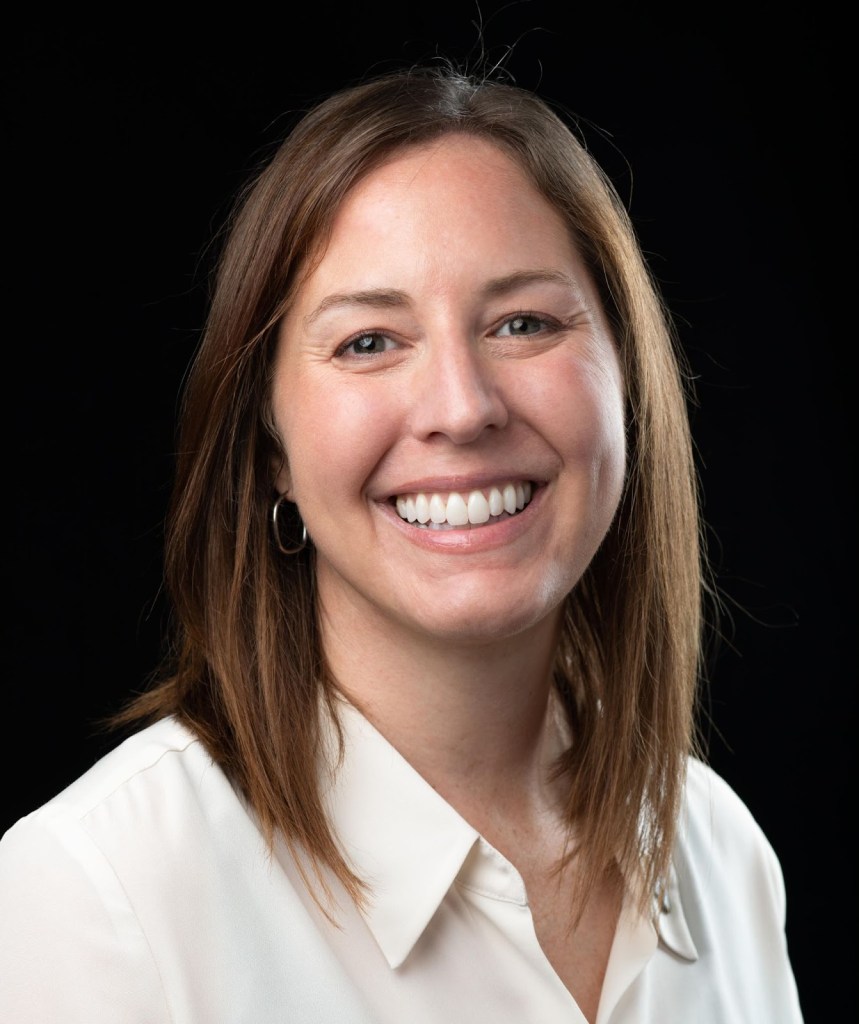
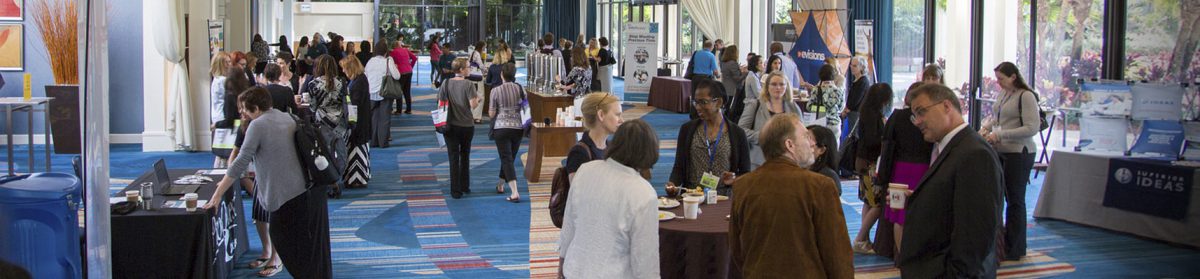
NORDP 2023 Rising Star Award: Jessica Brassard

The NORDP Rising Star Award recognizes individuals for their outstanding, early volunteer contributions to NORDP and strong potential for future contributions to the organization and the profession or the field.
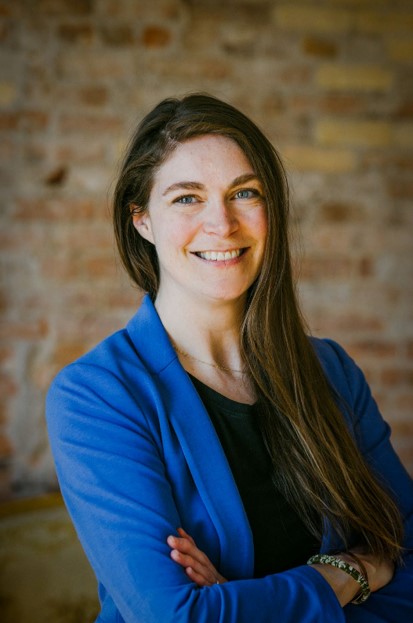
Who: Jessica Brassard

Where: Michigan Technological University

Number of years in research development: 9 years (started in 2015)

Length of NORDP membership: 9 years


What initiative are you the most proud of in your role as a NORDP volunteer?

I would say serving as a Conference Committee Co-Chair is a pretty proud moment. I come from a marketing and communications background, but I didn’t want to enter the field of research development and say, “This is how marketing and communications works.” Instead, I focused on learning more about NORDP as an organization and how NORDP members like to communicate. Initially, I straight-up avoided opportunities to let my marketing and communications skills shine, because I wanted the opportunity to develop other skills important to have in research development. And to be honest, I didn’t want to be pigeonholed as a person who knew marketing and comms. But around the time of the virtual conference (held in 2021) it felt like the right time to get involved and offer my energy to do things that I am good at. Organizing a conference is very analogous to other event-based projects I’ve been a part of, including foundation galas, summer camps, and even sled dog racing — I knew how these kinds of things work. Everybody was trying to pivot to running virtual events like a multi-day conference. And so it became an opportune moment for me to bring all of my marketing, communication, and event management experience into a space where everybody’s just trying to break stuff and put it back together in a way that is a good experience for people. I wanted to be a part of it, which is why I initially joined the Conference Committee.

Once I had served on the committee for a year, I was invited to be a committee co-chair. At first I said, “No.” I knew serving in this role would take a substantial amount of time and I wasn’t sure I could carve out that time. I want my life to be about my family, work, other volunteer commitments, as well as some things for me. I was nervous about keeping all that and also showing up and doing a good job organizing the NORDP conference. But after having conversations with people I trust and talking about the payoff of serving in this role, thinking about what I would be able to offer, and making it clear the boundaries I would establish to ensure that co-chairing the conference would not take over my life, I decided to say “yes” to becoming a conference co-chair.


How did you hear about NORDP and what made you join initially?

It was an expectation in my first RD position that I would also be a NORDP member. Everybody in our unit was a NORDP member and our organization already had a precedent for supporting NORDP membership for research development staff. 

As for how I found myself in research development in the first place: I worked in healthcare marketing and communications for a decade in a local hospital. Healthcare ownership and organization management has changed over the past couple of decades in America, and those changes finally reached the community-owned hospital where I worked. It became very apparent that I wouldn’t survive the shift — professionally, mentally, and emotionally. I was pretty desperate to find a position that would keep me in my community in northern Michigan that I love so much. I was also looking to build a career in which I could take pride in and have room to grow. It was a friend of mine, who was on a hiring committee at Michigan Tech, and who saw the potential for my skill set to fit and evolve within the Office of Research Development. I applied, interviewed, and got the job. (Thanks, Adam Johnson, for getting me into research development!)


What other roles have you played within NORDP?

I first started committee work within NORDP in 2021, when I joined the Mentoring Committee and the Great Lakes Executive Committee. As part of the Mentoring Committee, I was encouraged to join a subcommittee, the Marketing and Communications Group within the Mentoring Committee (known as the McMc). A year later, a liaison position opened between the mentoring committee and NORDP’s Communications Working Group (CWG), and taking on that role is how I got involved with the CWG. It was also around this time that I joined the Conference Planning Committee. 

One important element of my approach to service, both within NORDP as well as other organizations I care about, is to be deliberate in how I balance my commitments. I think of my commitments as falling into two buckets: professional and community. My goal is to only say “yes” to up to three things that fall into each bucket. So NORDP, for example, falls into my professional bucket, along with any other service activities for my employer. When I first started in RD, I was very involved at Michigan Tech, serving on the University Faculty and Staff Senate, an AdHoc Childcare Working Group, and several hiring committees. Those activities took up a lot of time. Once those responsibilities at Michigan Tech sunsetted, I was able to get involved in NORDP service. Given my current NORDP commitments, I continue to stay mindful of monitoring my bandwidth and making sure that I’m not over-committing myself (I just said “no” to two board/committee invitations this month). So, for example, right now I feel like I can still serve on a hiring committee or two, but I wouldn’t, say, join an editorial board or leadership academy. I would need to step away from one of my other volunteer activities to free up the space to do that. 

I maintain all this service intentionality in an Airtable base along with a wishlist of all the service opportunities I want to pursue in the future. I would love to serve NORDP in other ways someday, I just want to honor the opportunities by being fully committed during the time I serve.


What relationships have you built as a result of NORDP?

My mentoring relationships within NORDP have lasted well beyond the one-year programmatic year. I still have conversations with all of my former mentors and we meet at least quarterly and continue to help each other. Those relationships are foundational to the relationships that I have in NORDP. And then there are the people that I co-chair with who are really special friends. We’ve had to go through a lot of messy stuff together. It’s kind of like summer camp and I have these powerful shared experiences. We figure things out together, which leads to good communication and trust. That kind of trust is hard to generate spontaneously. I think getting into these service positions and serving with people, especially the co-chair positions, have been really crucial to building my sense of belonging within NORDP.


Describe how NORDP has changed from when you initially joined

My understanding of NORDP has really changed as I’ve gotten to know the organization and made more connections with other NORDies. NORDP has had a few years of change — just like everyone else in the world — and we had to learn how to stay connected and grow community through a pandemic. That was really hard for everyone. But we’ve made it through; we still are an organization after the pandemic. I can’t say the same for other organizations that I’ve been a part of. I think NORDP is stronger for it and we have a better sense of community, too. I’m proud of us! 

My service on the Great Lakes Executive Committee has also enabled me to see changes at the regional level. When I initially joined NORDP, I remember some comments that the Great Lakes region wasn’t very active and it was hard to get members to show up. But that started to change with two years of regional conferences hosted in Columbus and Ann Arbor. Then even as the pandemic happened, we were able to keep things going, holding virtual retreats, book club discussions, and a monthly DEIB discussion group. I’m proud to say that the Great Lakes region has gotten a little stronger over the last couple of years.


What recommendations do you have for members to get more involved with NORDP?

Define the amount of energy that you think is enough to bring benefit to your life, and stick with that. Don’t say yes to the first thing that people ask you to do — be intentional. For example, if all you want to do is show up to a committee meeting per month and dedicate one extra hour of action items beyond that, define that for yourself. Then communicate to the other people in that group that that’s what you’re able to give. Know your limits and don’t be afraid to communicate them so that you don’t overextend yourself.

I’d also encourage members to think about what’s going to stretch you. What are the skill sets you wish you had? And how can you, within whatever bandwidth limits you have, give your time in ways that will allow you to develop those new skills? This may point you to particular committees or working groups that will allow you to get outside of your comfort zone.
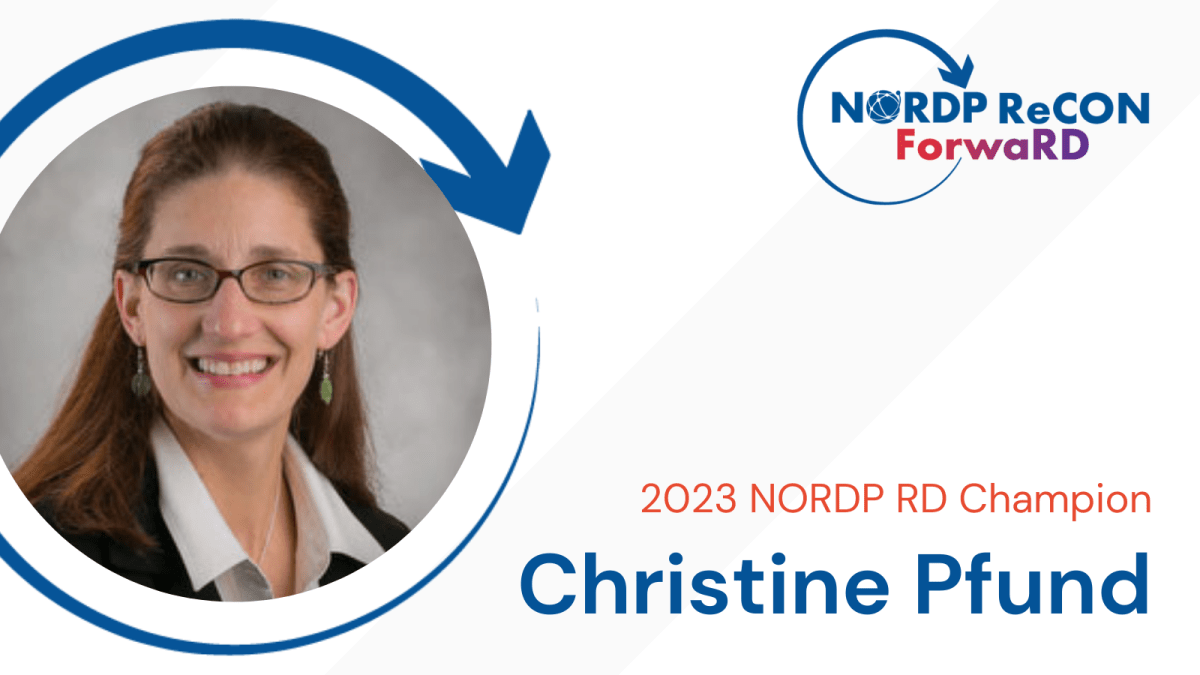
Congratulations to Dr. Christine Pfund as the recipient of the 2023 NORDP Research Development Champion

Written by: Jan Abramson and the Mentoring Committee Leadership (Elizabeth Lathrop, Hilda McMackin, Angela Jordan, Kathy Partlow)

Congratulations to Dr. Christine Pfund—the honored recipient of the 2023 NORDP Research Development Champion! The award was established in 2020 to recognize RD Champions who are distinguished by their advocacy for the critical support of research development (RD) and/or wider efforts to advance the research enterprise. Dr. Pfund, of the Center for the Improvement of Mentored Experiences in Research (CIMER), has long been a champion for research development and the work of RD professionals.

Christine Pfund

Dr. Pfund is a distinguished senior scientist with the Wisconsin Center for Education Research and the Institute for Clinical and Translational Research at the University of Wisconsin-Madison. Her work centers on advancing the science and practice of mentorship with a particular focus on culturally responsive mentorship education interventions. Through her work, she has developed, implemented, documented, and studied the training of research mentors across science, technology, engineering, mathematics and medicine (STEMM). Dr. Pfund holds multiple roles as the Director, the Center for the Improvement of Mentored Experiences in Research (CIMER), the Principal Investigator for the Coordination Center, National Research Mentoring Network (NRMN), and Director of Mentorship Initiatives, Institute for Clinical & Translational Research. She was a member of the National Academies committee that published the consensus report and online guide The Science of Effective Mentorship in STEMM.

In 2018, members of the NORDP Mentoring Committee had the opportunity to participate in CIMER’s mentor training. Inspired by their experience, they determined that CIMER resources and best practices would positively benefit NORDP and its membership. This led to the development of the first CIMER curriculum for RD professionals, Mentoring for Research Development Professionals, published by CIMER as part of the Entering Mentoring curriculum series. The process of adapting the evidence-based curriculum took over three years, and hundreds of NORDP Mentoring Committee volunteer hours. Dr. Pfund and CIMER were strong advocates for RD throughout the process, recognizing the impact of the work and the mentorship RD professionals engage in. Encouraged by her unwavering support, NORDP members are engaging in the national conversation around mentorship and can participate in creating a shared language of mentorship.

NORDP members are invited to participate in mentor training offered by the Mentoring Committee. The 5-week webinar series begins 1/30/2024. Registration will open in early January 2024, and is limited to 30 NORDP members.

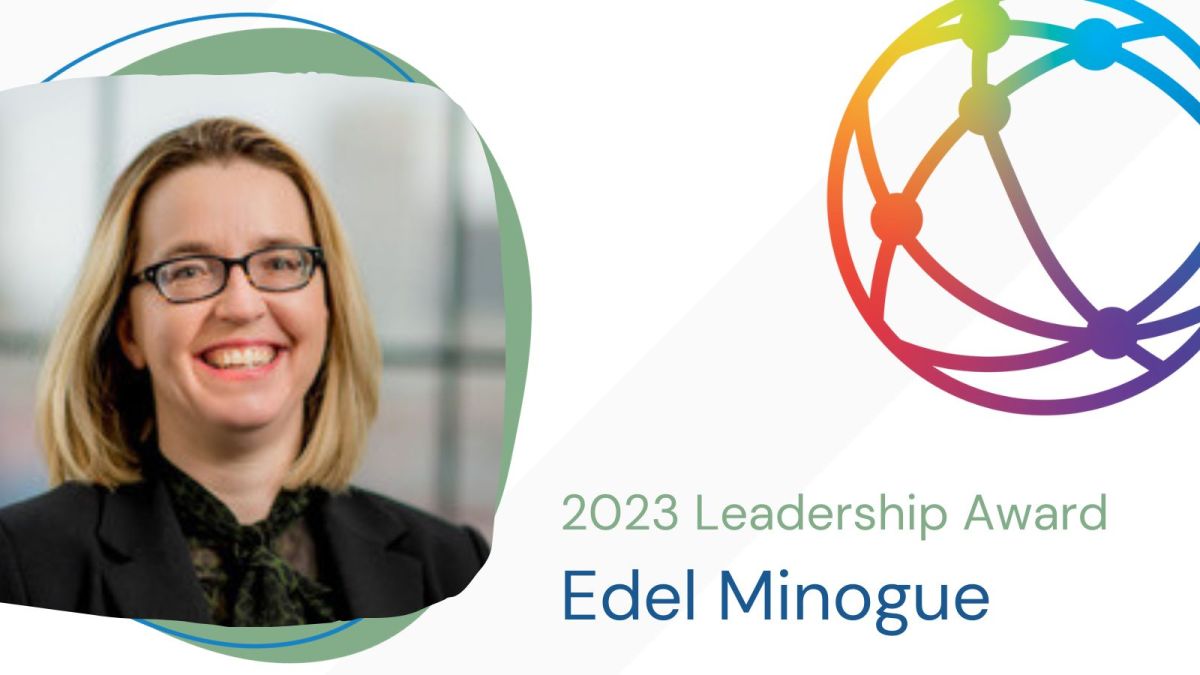
NORDP 2023 Leadership Award: Edel Minogue

by Kirsten Abel

Who: Edel Minogue, Senior Director of Research Strategy and Development

Where: Brown University 

Number of years in research development: 8

Length of NORDP membership: 8

What does leadership mean to you? 

Leadership is a dynamic skill; you have to adapt and evolve based on the needs of your team and the environment at the time. I don’t see leadership as a single skill you have in your toolbox but a collection of skills that you mold and shape based on the circumstances. 

How did you learn or develop your style of leadership? 

It is not ‘developed’ but developing. Those around me have influenced me, and continue to influence me. I have always had very strong female leads- from my Ph.D. advisor, postdoc advisor, my current supervisor, Dr. Jill Pipher, Vice President for Research, and the person who hired me here at Brown, Dr. Amy Carroll. She could see that even though I had no prior experience in research development per se, I had those translatable skills to be successful both in the field and as a leader. With all these role models, I could choose from a buffet of leadership styles to find what would work for me personally. 

How does your membership in NORDP develop your leadership style? 

I have always tried to have my own personal advisory board, and some of these folks were on there in the early years. It is important to have sounding boards outside of your immediate environment, but at the same time, those who understand your work area and your needs and challenges. NORDP has been instrumental in creating that network. It’s been invaluable to know that I had those people in my corner and that I could call them if I needed their expertise. I really like to inspire and motivate others to grow in their professional career, and I have learned from my mentors.

What relationships have you built as a result of NORDP, and how have these relationships influenced your work? 

Anne Windham (now the Associate Dean of Faculty at Brown) introduced me to NORDP and introduced me to many of those who started and created this organization and really pioneered the idea that this was a unique career field that has previously been overlooked. They pushed me to be more active in NORDP and I was. I just rotated off the NORDP NE Advisory Committee, I am the NORDP liaison to the European Commission and serve on various committees, which has really enhanced my knowledge and scope. The network of folks I see on a regular basis now spans the globe, and that is because of NORDP. 

What do you wish you would have known when you began your leadership journey within NORDP? 

Between working at Los Alamos National Lab and leading a  startup with a critical need to be protective over intellectual property and patents, I came from a world that was very secretive and confidential. Then I came over to NORDP! A place where everybody shared everything, and I remember saying, “Don’t they realize they are giving away all their secrets?”. But I realized we all have a common goal – to enable  the best research in the nation, irrespective of where it comes from. This open exchange of ideas and information was definitely something it took me time to learn and become comfortable with. It took me a while to put my thumb on it. 

What have you found most rewarding, and most challenging, about leading within NORDP? In your CAREER? 

The Northeast is a tremendous region, really engaged and active in NORDP. We have done a lot of listening, especially during COVID, to identify and respond to people’s needs, and I do that within my own team. NORDP is a ‘community of leaders’ – for everyone. Even if you don’t have that title today, you probably will one day, and it is cultivating those skills and relationships and elevating others that is especially rewarding. 

What advice do you have for others within NORDP who are looking to develop as leaders? 

Push yourself out of your comfort zone, join committees, and become involved. Even if you don’t have much expertise in a certain area, but you have an interest, there will be others who will support you along the way; that’s what is so great about NORDP. Use the NORDP community to create your own personal advisory boards and make those connections.

NORDP 2023 Mentoring Award: Carolynn Julien

First awarded in 2022, the NORDP Mentoring Award recognizes an individual NORDP member’s unique ability to provide an engaging, supportive, and inclusive environment for professional and/or personal growth through mentorship in the research development community. This award is bestowed with the acknowledgment that effective mentoring occurs through formal and informal channels and may vary in style and substance.

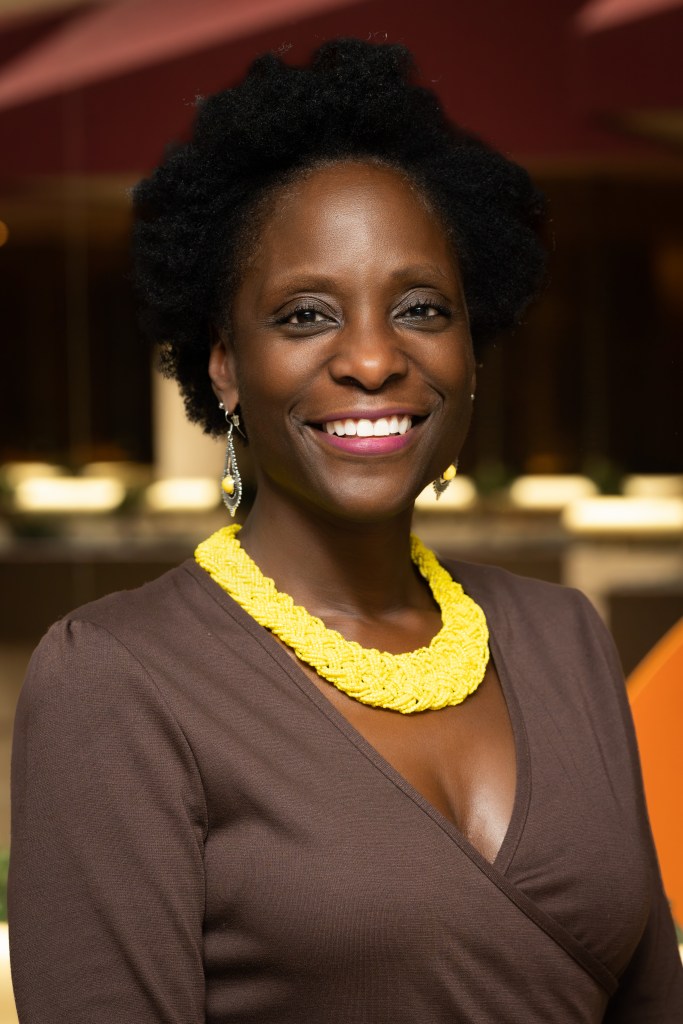
Portrait of Carolynn Julien.

Who: Carolynn Julien

Where: Fairleigh Dickinson University

Number of years in research development: 34 years

Length of NORDP membership: 10 years

What does this mentoring award mean to you? 

Let me just start by saying, I was surprised to get the award. I was totally thrown off. I was fidgeting with something and I heard my name being called.   If there was anything that I would want to be recognized for, it would be mentoring. It is just the best honor ever!  It solidifies who I am and my efforts. It was just perfect!

What has your mentoring journey within NORDP looked like? 

I believe it was 2013 when I found out about the NORDP mentoring program, and I was matched with a wonderful mentor, Linda Mason from the University of Oklahoma. It was a wonderful experience. I even got a NORDP travel award to meet her in Austin. She was my introduction to NORDP, and it was just the most amazing connection that I had with her. She came up to where I live in New York once and we got to spend time together while she was on vacation. I recently found out that she passed away and I was just so heartbroken. Linda was amazing and really helped me to grow as a professional.

Generally, I think I remained on the outskirts of NORDP. I was kind of a lurker. I wasn’t fully engaged until I decided to join the mentoring committee. Serving on the committee solidified my commitment to NORDP and it was an opportunity for me to not only engage but to give back.

What initially drew you to mentoring?

I always say, “Mentoring is who I am and what I do.” I have mentored in so many capacities, professionally and personally. I am in an organization where I mentor high school girls. I have mentored people in a group that I created across the City University of New York, where I mentored many individuals across the RD spectrum. Mentoring was the focus of my dissertation. So, yes, it’s my “walk.”

How did you take the first step in the “walk” of mentoring? 

My parents always taught me that I’m on this earth to give back. And that has always been a part of me. My upbringing taught me to give back and to figure out how I can give back. Mentoring allows me to have those personal relationships to give back. 

What does being a good mentor mean to you?

It means that I show up fully and I provide a space where I will help a mentee grow both personally and professionally. It means that I will be a good listener and that I am looking to understand not only what is spoken but what is also unspoken. It means that I am going to be a cheerleader, and that I am going to be a friend;  It means that I am going to be an educator; It means that I am going to be a student; It means that I’m going to be whatever the role is that my mentee needs. The mentee decides and I provide.

You have lived in the spirit of mentoring your entire life. Is there a lesson you have learned along the way that has helped you become a better mentor?

The lesson I have learned is that mentoring relationships have no finite timeline. I think that’s something I struggle with a little bit when it comes to the NORDP program because it’s a one-year commitment. I don’t believe that mentoring relationships have a timeline. The mentoring relationships that I have are ongoing. There are people who I worked with 20 years ago and if they need me, I will be there. They know how to find me and if it’s a year from now, 10 years from now, 20 years from now — I will be there. 

What have you found most challenging about being a mentor?

I think one of the challenges in a mentoring relationship is creating intimacy. The best relationship investments are where both the mentor and the mentee can fully show up. That’s a challenge, but it’s a challenge that I love. Because I like taking the time to get to know the mentee, and it takes time. It takes care, patience, and a willingness to accept who this person is. 

What advice do you have for others within NORDP who wish to follow in your footsteps?

I’m going to borrow from Nike…Just do it!   It’s scary at first.  I can remember when the camera came on for the first time and there was a person in another Zoom box. In my mind, I am saying to myself, “I had this mentor training and I should have the right thing to say.” But I have found the best success through listening to my heart. Your heart will guide you. You’ll know what to say and what to do. And it really starts with intention. If your intentions are to help an individual with the agreed upon goals, and you fully show up and listen, your intentions will guide you.

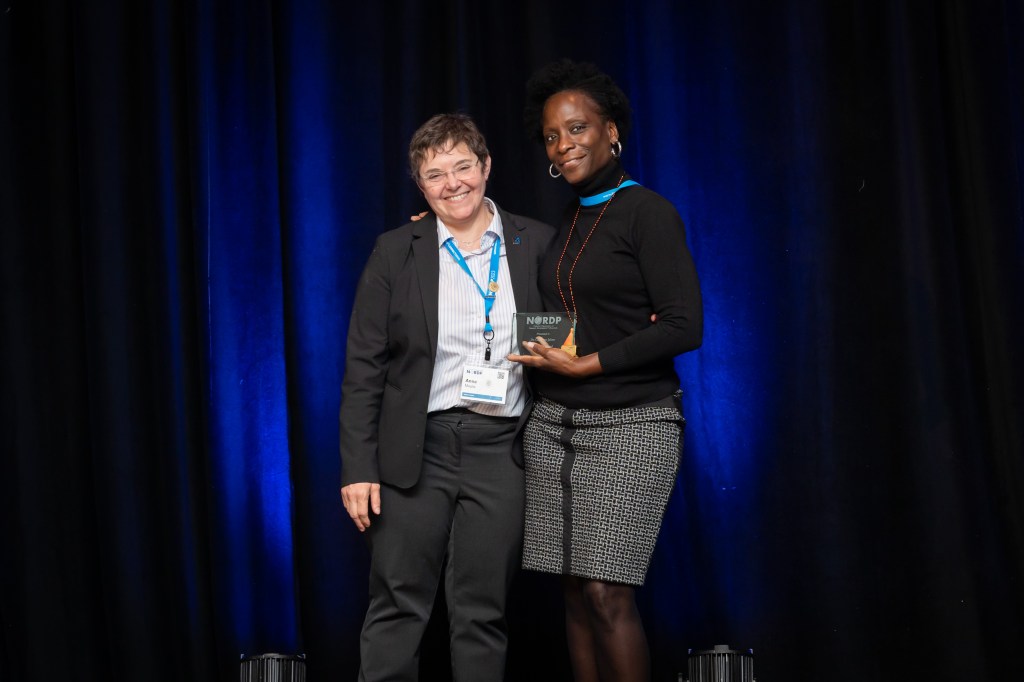
Photograph of president Anne Maglia presenting the 2023 Mentoring Award to recipient Carolynn Julien.

NORDP president Anne Maglia (left) presenting the 2023 Mentoring Award to recipient Carolynn Julien (right).

NORDP 2023 Mentoring Award: Hilda McMackin

First awarded in 2022, the NORDP Mentoring Award recognizes an individual NORDP member’s unique ability to provide an engaging, supportive, and inclusive environment for professional and/or personal growth through mentorship in the research development community. This award is bestowed with the acknowledgement that effective mentoring occurs through formal and informal channels and may vary in style and substance.

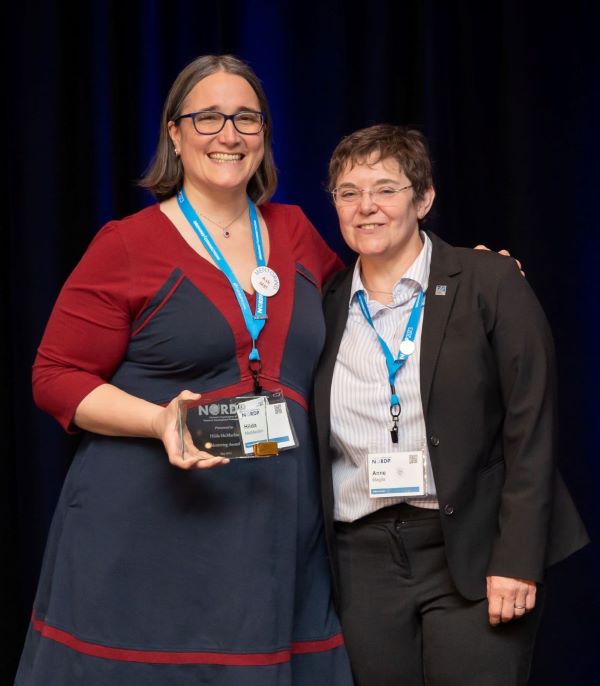
Anne Maglia (R) presents the Mentoring Award to Hilda McMackin, at the 2023 conference.

Who: Hilda McMackin, Director of Research Administration Systems and Reporting

Where: Vanderbilt University, Nashville, TN

Number of years in research development: 14

Length of NORDP membership: 6

What has your mentoring journey within NORDP looked like?

After joining NORDP in 2017, I attended the annual conference in Denver and went to the mentoring committee open house. I was sold! I was especially interested in the Mentorship, Expertise, Support, Helping Hands (MESHH) subcommittee and the resources they developed. I’ve enjoyed working on the MESHH tools available in the NORDP Mentoring Toolkit and presenting webinars and workshops on how to use them. 

My involvement has combined committee work with serving as both a mentee and mentor. In the committee, for the past several years, I led the group of Facilitators that serve as points of contact for mentoring program participants throughout the year. I have also collaborated on and presented in three rounds of Mentoring Lightning Storms where we coordinated an hour of 5-minutue lighting talks all focused on aspects of mentoring. Then, in March of 2022, I became a committee co-chair, helping lead the work of the committee. The work has been fun-filled and rewarding. This committee is made up of a great group of collaborative and welcoming people; our meetings have become high points of my week.

I’m currently mentoring a cohort of three NORDP members this year in an expansion of our mentoring cohort pilot that was successful last year. This format bolsters the mentoring relationships by fostering peer mentoring at the same time and expanding the network of all four members involved in the cohort. I am looking forward to exploring mentoring in this exciting group setting.

What initially drew you to mentoring?

I’ve always been grateful for the mentoring I received throughout my career, and I thought mentoring was a great way to both get involved with NORDP and pay that support forward to bolster the growth of others. I also have a deep commitment to the research enterprise and recognize the importance of mentoring in advancing research. Regardless of the role – faculty, staff, or student – receiving and providing mentorship is essential in moving research and innovation forward, as people can’t contribute their whole selves in their work if their needs and aspirations aren’t nurtured.

What does being a good mentor mean to you?

A good mentor is someone who can be present and listen; someone who can focus on the needs of the mentee. Developing trust is essential. Dedicating time is important. And add in vulnerability to truly succeed. To really build a safe space for people to grow, you need to build trust by sharing your emotions as well as your stories. A good mentor is not afraid to share and doesn’t need to be perfect. In conversations with my mentees, I strive to listen, provide perspective, and offer insights where I can.

I wish I’d tried mentoring sooner. I think we’re sometimes hesitant to mentor due to a twinge of insecurity. We wonder if we can really be a good mentor. Do we have enough to offer? Yes, you need to be comfortable, but I think nearly anyone can be a mentor with support from the resources available through NORDP.

I want to stress that you do have to follow through on the commitment. If your mentee hasn’t reached out, check in with them. I suggest carving out time and protecting it. If you’re worried about time, rest assured that you can meet less frequently and still get a big bang for your buck.

What have you found most rewarding, and most challenging, about being a mentor?

The greatest reward is that mentoring energizes me. I’m a curious person, and it’s rewarding to connect with others and feel the impact that I have had on others’ lives. On a personal level, sometimes that means simply helping them get through difficult times. We all know how reassuring that can be.

The greatest challenge is making the time for it. Our jobs keep us very busy. The more you do, the more connections you have, including both unofficial networks and proactive mentoring. I always try to reduce the barriers as much as possible. The greatest reward, for me, is getting to know other people, their perspectives, their experiences.

What advice do you have for others within NORDP who wish to follow in your footsteps?

I want to encourage anyone who hasn’t yet served as a mentor to sign up as one. Realize that you always have something to offer as a mentor and something to gain as a mentee. It’s such a rewarding experience.  If you are not ready to mentor, I encourage you to get involved with the NORDP Mentoring Committee. Working with the committee is a great way to learn mentoring best practices as well as help sustain the incredible benefits that our mentoring activities provide for all NORDP members.

2023 Rising Star Award: Katherine Duggan

The NORDP Rising Star Award recognizes individuals for their outstanding, early volunteer contributions to NORDP and strong potential for future contributions to the organization and the profession or the field.

Who: Katherine Duggan

Where: Northeastern University

Number of years in research development: Since 2017 (6 years) 

Length of NORDP membership: 2017 (6 years)  


Kate Duggan, Associate Director of Research Development at Northeastern University, has been recognized as a Rising Star who brings an open, thoughtful and passionate approach to her work in NORDP. She has been recognized for her wealth of experience from a range of research development roles at two institutions, especially as applied to recruiting and harnessing the energy of other volunteers and encouraging and supporting social connections and engagement among members. 

Kate is a member of the Member Services Committee, is a regional co-representative for Region 1, and she has served on the Executive Board for Region 1 as a Membership Coordinator in the past. Kate has consistently demonstrated her dedication to successful onboarding of new members including through the development of the New Member Orientation Guide and by co-hosting the inaugural New Member Meet-Up. 

Kate is also a longstanding member of the Conference Planning Committee, including for 2023, and is now serving as co-chair of the 2024 conference. Within the Conference Planning Committee, she has served on numerous subgroups including Social and Networking, Evaluation, Speaker Support, and Abstracts. 

Kate’s most proud of the planning and execution of the 2023 conference, the first in-person event since 2019. She notes that she had a great group to work with, including many new members and, working together, the Committee was able to accomplish its goals, working as a team with a range of backgrounds in terms of NORDP and research development experience. 

Due to the growth of NORDP since 2019, the 2023 conference was the first in-person NORDP event for many members. Kate and her team worked up to and through the event to get answers to members on logistics and scheduling so that all attendees could be prepared and engaged. 

Kate joined NORDP when she started a position in research development at Brown University, her previous institution, learning about NORDP from one of the founders, Anne Windham, and getting involved with the very-active Region 1 right away, including by participating in regional meetings. 

In addition to meeting many new people, because many of her colleagues at Northeastern University are also members of NORDP, the organization has provided opportunities to get to know those colleagues better as well as stay connected with colleagues from her former institution. 

Kate believes that, over the years, NORDP has developed more and better ways for those new to NORDP and/or research development to make connections and grow professionally, especially through the growth of working groups. She notes that roughly coinciding with NORDP’s growth to over 1,000 members, NORDP is now embracing an outward-facing role as the leader in and advocate for research development, with the establishment of the Research Development Review: The NORDP Journal, the NSF Growing Research Access for Nationally Transformative Equity and Diversity (GRANTED) program, and related initiatives. 

One development that has played a major role in her career has been the advent of the Creative Arts Social Sciences and Humanities (CASSH) affinity group. As support for those in the creative fields and social sciences has often lagged behind that for other disciplines, Kate has been thrilled to see support for CASSH disciplines blossom, to include an active Basecamp group and monthly meetings. 

Kate recommends that new members join a committee or working group related to their interest, and to be sure to check out new groups that have recently been established. She also encourages them to keep in mind how involvement in NORDP can help support a career in terms of the opportunities to grow into leadership roles. 

Kate’s colleagues have described her as an exceptionally enthusiastic, creative, and dependable volunteer within NORDP – a true Rising Star. 

Congratulations to the 2023 NORDP Awardees!

NORDP is powered by the excellence and impact of its members. Each year, NORDP Awards celebrate the outstanding accomplishments of members making exemplary contributions to the organization as well as the practice and/or study of research development. NORDP Awards honor the distinctive achievements and contributions of individuals, collaborative groups or work teams, programs or projects, and organizations. 

Recipients of 2023 NORDP Awards were recognized during the annual NORDP Conference held May 7 to 10 in Crystal City, VA. In the coming months, you will have a chance to learn more about each awardee through in-depth interviews that will be shared through NORDP News. Congratulations to all of the fantastic awardees for your service to our organization and profession!


Rising Star Award

  • Jessica Brassard, Director of Research Development and Communication, Michigan Technological University
  • Katherine Duggan, Associate Director of Research Development, Northeastern University
  • Erica Pitre, Director of Research Development, Emory University

Leadership Award

  • Faye Farmer, Executive Director, Research Development, Knowledge Enterprise, Arizona State University
  • Edel Minogue, Senior Director, Research Strategy & Development, Brown University

Mentoring Award

  • Carolynn Julien, Executive Director of Grants and Sponsored Projects, Fairleigh Dickinson University
  • Hilda McMackin, Director, Research Administration Systems and Reporting, Vanderbilt University

NORDP Fellows

  • Karen Fletcher, Director of Grants Resources & Services, Appalachian State University
  • Jennifer Lyon Gardner, Deputy Vice President for Research, The University of Texas at Austin

Innovation Award

  • NSF CAREER Club, Office of Proposal Development (Amanda Bohlin, Matthew Dwyer, Tisha Gilreath Mullen, Katie Pelland, and Jaclyn Tan), University of Nebraska-Lincoln

President’s Commendation

  • Jessica Brassard, Director of Research Development and Communication, Michigan Technological University
  • Becca Latimer, Research Program Director, University of Virginia Comprehensive Cancer Center
  • Jessica Moon, Executive Director, Stanford Aging and Ethnogeriatrics Research Center, Stanford University

Holly Falk-Krzesinski Service Award

  • Jill Jividen, Senior Director of Research Development, University of Michigan

Learn more about the NORDP Awards program and view past awardees.

Fletcher’s Leadership Honored with 2022 Holly J. Falk-Krzesinski Service Award

Named for NORDP’s founding President, this award is voted on by the Board of Directors and given annually to a NORDP Member in recognition of outstanding service to the organization, to the research development profession or field, and to peers.

Karen Fletcher, Holly Falk-Krzesinski Service Awardee

Who: Karen Fletcher, Director of Grants Resources & Services

Where: Appalachian State University

Number of years in research development: 13

Length of NORDP membership: 11 years


You have served NORDP in numerous roles and capacities over the years. Could you share a bit about what that journey has been like?

The visual metaphor that comes to mind when I think about my journey with NORDP is that of a flashlight where the light starts out very concentrated but grows, and shines over a wider and wider area. When I started out in NORDP I was really cautious – I was new to research development and the field was just getting off the ground. As I got to know NORDP, I was asking myself: “Where do I see myself in this organization given the talents I feel I can bring? And what are the skills I’d like to develop?” I feel like I’m good at organization, so when I initially joined the Mentoring Committee, I started volunteering to do things like writing up meeting minutes; my involvement continued to grow as I was invited to take on additional tasks – and I said yes to all of those invitations because everything was so interesting to me and I wanted to learn how to do it all. I was eventually asked to be a co-chair of the Mentoring Committee, and then I had the opportunity to run for the Board. I thought, “Hey, I think my organization skills could be put to good use to support the Board and NORDP at large.” I may be starting to sound like a broken record at this point, but as the secretary position on the Board became open, I thought, “Oh, here’s another chance to use my organizational skills.” I thought the secretary position would be a safe role because I couldn’t become Board President if I held that role, but the joke was on me because I ended up leaving the secretary position (which I loved) early when I was invited to be vice president.

Within NORDP, there are so many opportunities to be involved. I just started trying everything because I wanted to know what it was about. I was willing to take things on where I felt like I had the talent and skills to put towards them. I’ve ended up doing a lot of things, which has been really exciting for me.


In your view, what makes an effective leader, and how has your philosophy of leadership informed your work within NORDP?

I think good leadership boils down to this question: “How do you empower the people who are around you?” When you empower people to make what they think is the right move, it makes them effective, and the job of a leader is to highlight that. A big part of my philosophy is servant leadership, which I think helps empower the teams I lead. Good leaders give advice and input, but they also know when to ask their team, “How do you think we should be solving this problem?” It’s about giving power back. My philosophy of leadership has changed throughout my professional journey, from wanting to do all the things to realizing – as I held various leadership positions – that one person can’t do it all and that collective ideas are much more effective. And as a leader, if you empower your team, it allows you to put your attention elsewhere when needed.


As NORDP president from 2019-2020, you played a key role in implementing a long-term vision for NORDP, informed by input from NORDP members. Why do you think this process was so important for the organization?

I think 2019-2020 was a turning point for NORDP as an organization. It felt like the organization had entered our “teenage years.” Membership had been growing and exceeded 1000 for the first time. As a Board, we knew it was important to start mapping out where NORDP goes next as an organization and that the time was right to create a more formal strategic plan. When I was vice president and Karen Eck was president, we, with the Board, initiated a member survey because we needed to know what the members wanted for NORDP, what they thought was working, and what needed improvement. We’re an organization of volunteers and we’ve grown because of the efforts of our volunteers. NORDP benefits from having members in a variety of positions across a variety of institutions and we wanted to hear from members about where they saw research development going as a field, making sure that we were serving them during the strategic planning process.

The next year when I was president, the Board mapped out the strategic plan, relying on all of the member feedback gathered through the member survey to create seven Key Result Areas (KRAs). It was a whirlwind two-year process, and I think it was an important learning experience for all of us on the Board. We had a lot of enlightening conversations about the field and where the Board and NORDP membership saw it going that have really stayed with me.


What do you see as the biggest rewards, and challenges, of serving in leadership roles within NORDP?

I’m going to start with the challenges, and one that immediately jumps out at me is imposter syndrome. I’ve certainly felt it as a NORDP member when I contemplated serving as a committee co-chair or running for the Board. I think imposter syndrome is alive and well, particularly when you start out in research development and you may feel like, “I don’t really know what’s going on” or “I don’t have anything to contribute.” But you do! We have amazing members with amazing talent, and we all deserve to be here. I think time is another challenge – so many NORDP members are doers, and there’s almost always so much that we want to be involved in but balancing that with the commitments of our everyday jobs and our other lives can certainly be a challenge. Communication – getting the right information to the right people at the right time – can also be a challenge. I remember working on the messaging when we had to cancel the 2020 conference due to Covid-19 and being confronted with the challenge of how, when, and with whom to communicate when so much was unknown.

But the rewards are so plentiful. The network that I’ve developed since I’ve been in NORDP and the enduring friendships that have come out of that have been some of the biggest rewards. Beyond that, I have had opportunities to share my talents in new ways and try things I didn’t know I wanted to try. Leading an organization of 1000 people is an opportunity NORDP gave me that I never saw coming. You get back what you give when you’re a NORDP volunteer. Everything I’ve done in NORDP has in some way informed what I do in my everyday job in positive ways and I’ve been able to move up in my career because of the information I’ve learned and the skills I’ve gained as a NORDP member and leader.


More recently, you have played a crucial role in revitalizing the New Opportunities in Research Development (NORD) Committee. What has that process been like, and what do you see as the greatest opportunities for the field of research development moving forward?

I’m excited about this effort! Dave Stone, the original chair of NORD, really laid the framework for this committee, and it’s been exciting to take up the mantle. The NORD / InfoReady Grant program is now an annual competition and the previous grant awardees have been collecting data and generating reports. Our effort is focused on making sure we’re continuing to put those grant dollars to use to advance projects that will benefit RD as a field. The other really exciting project that NORD has been diligently working on is the Research Development Review: The NORDP Journal. I think this is one of the biggest and most exciting things for research development: to have a home for the information and research on research development as a discipline and how it impacts other disciplines. NORDP members are asking when The NORDP Journal will debut because they want to publish there going forward, and the fact that we will soon have a dedicated publishing space for RD is very exciting. I think this is an endeavor that is really going to make a difference for our field. Keep an eye out for NORD’s announcement of the inaugural Editorial Board soon!


What advice do you have for NORDP members who aspire to greater service within NORDP or the field at large?

I would tell members to find that talent or passion that you would like to do more of, and try it out within NORDP! It could be something that you’re passionate about but that you don’t get to do much in your everyday job. Or, if there’s something you’d like to learn how to do that you don’t feel you’re an expert in, NORDP can offer a safe space to learn new skills. Maybe you’d like to learn more about technology and hosting virtual meetings but you don’t get to do that much in your job. You can come to NORDP, join the Professional Development Committee and learn all about hosting webinars and have a ton of support while you learn. I love that within NORDP: we’re all here to help each other and learn together.

2022 Leadership Award: Kathy Partlow

As part of the April 27, 2022 NORDP Awards session, NORDP Fellow Jan Abramson presented the 2022 NORDP Leadership Award with heartfelt emotion to her peer, colleague and friend — Kathy Partlow. The NORDP Leadership Award “honors a member, a group of members or team, an RD unit, or an organization that demonstrates exceptional leadership and/or a deep commitment to volunteerism in ways that advance the profession or field of RD.”

Jan began her recognition of Kathy with a quote from Peter Strople, former director of Dell Computer Corporation — “Legacy is not leaving something for people, it’s leaving something in people. The legacy of leadership begins at the first moment of impact.” Jan’s moment of impact with Kathy began when they worked together on the Mentoring Committee. Whether we know it or not, our NORDP experiences have been touched in some way by Kathy’s quiet, behind-the-scenes leadership. 

Jess Brassard from the Communications Working Group interviewed Kathy about her take on leadership. 

Who: Kathy Parlow

Where: Remote-working from Oklahoma. Note: Kathy participated in this interview in her personal capacity. 

Number of years in research development: 10

Length of NORDP membership: 10

What is leadership to you? 

KP: Formally, I am a co-chair of the Mentoring Committee and the lead for the Evaluation & Innovation team. Broadly, I believe leadership is noticing that one is in a position to to bring others up. This can happen from any title or position. Leadership also means having a big-picture, strategic mindset to guide a group of people toward the group’s mission.

How did you learn or develop your style of leadership? 

KP: My style of leadership is focused on others. I use the unit’s mission as a meter. My contributions started small and really grew as I became passionate about mentoring. Along the way, other leaders mentored me and helped me “settle in” to the style that best suits me. I was very much mentored into my servant leadership style.

How does your membership in NORDP develop your leadership style? 

KP: I came to a point in my career where there was no pathway to leadership in my job and had a mentor that encouraged me to think more broadly about where I could gain leadership experience. I chose to develop my leadership capabilities outside my “day job” through volunteering and community service. 

What relationships have you built as a result of NORDP, and how have these relationships influenced your work? 

KP: I have connected to amazing colleagues and formed lasting friendships through mentee/mentor relationships and volunteer activities. Their guidance is infused through my work and career journey. I learned to be active and intentional about building relationships. Within the Mentoring Committee, I take it to heart. It’s the foundation of everything the Mentoring Committee does. 

What do you wish you would have known when you began your leadership journey within NORDP? 

KP: I wish I would have known earlier that leadership is a gentle pathway. It doesn’t need to be a switch that is flipped. I eased into the time commitment. The “rising co-chair model” of the Mentoring Committee and other NORDP committees helps with transitions. I appreciate the co-leadership and support this model enables. 

What have you found most rewarding, and most challenging, about leading within NORDP? In your CAREER? 

KP: As far as the most challenging — the Mentoring Committee leadership team saw the need to adapt to a growing NORDP. That meant large initiatives were needed to adapt and diversify the resources for mentoring (e.g. peer mentoring groups (PMGs) and implementing Wisdom Share mentoring software ). The reward from this hard work has been the feasibility of supporting record-breaking numbers of NORDP Mentoring Program participants. . 

By far, the most rewarding part of NORDP is the people. I love to recognize and celebrate with NORDP volunteers in these accomplishments (and all the mini-milestones throughout). 

What advice do you have for others within NORDP who are looking to develop as leaders? 

KP: My advice is to choose a measured path. Most NORDP leadership roles allow you to ease into them. Make small contributions at first. Share your time and skills in areas that interest you. Find reward in the volunteer work.

2023 NORDP Awards: Two Weeks Left to Nominate Your Colleagues!

Do you know a colleague or group of members making outstanding contributions to NORDP or the practice/field of research development? Consider nominating them for a 2023 NORDP Award!

NORDP members are invited to submit nominations for the following awards:
• Innovation Award
• Leadership Award
• Mentoring Award
• NORDP Fellow
• Rising Star Award
• Volunteer of the Year Award

Collectively, these NORDP Awards celebrate the distinctive achievements of individuals, collaborative groups or work teams, programs or projects, and organizations. More information about the different award types, including eligibility, and the process for submitting nominations is available on the NORDP website.

The deadline to submit nominations, including self-nominations, for the 2023 NORDP Awards is 8 pm EST on Friday, February 10, 2023. Winners of 2023 NORDP Awards will be recognized during the annual NORDP Research Development Conference May 7 to 10, 2023.

An informational webinar about the 2023 NORDP Awards cycle was held on January 18. During the webinar, NORDP Awards task force members reviewed opportunities for recognition, highlighted changes to the 2023 call for nominations, and addressed participant questions.

Contact Nathan Meier or Petrina Suiter to request a copy of the slides presented during the informational webinar or to ask a question about the nomination process.