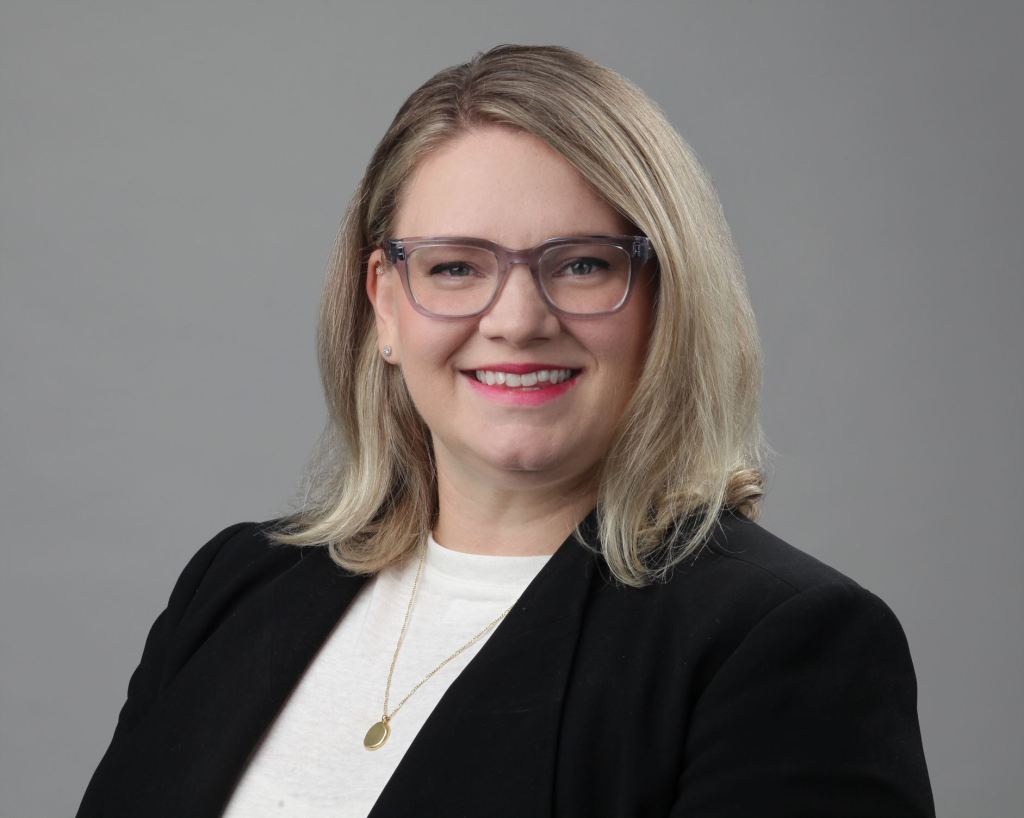
Contributors: NORDP Mentor Training Team Paula Carney, Loyola University Chicago, and Kristin Boman, University of Minnesota, Twin Cities
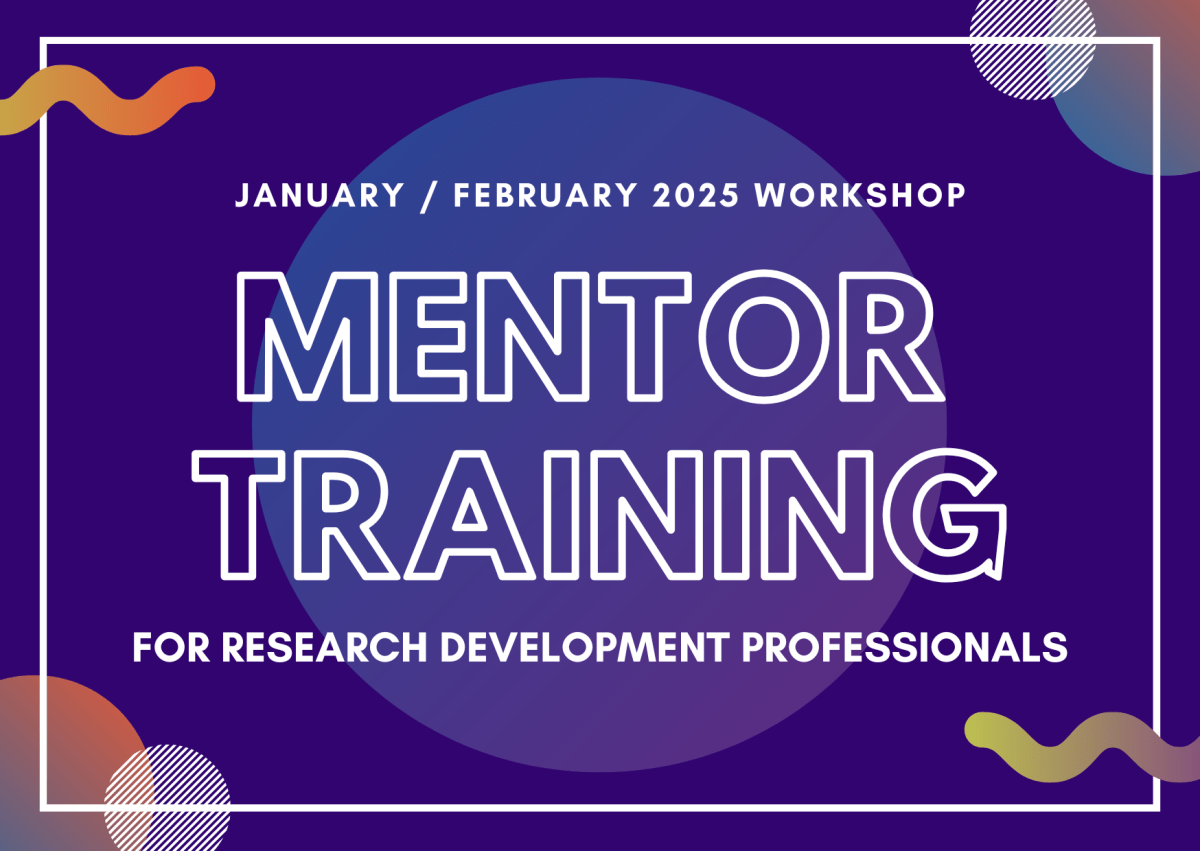
Mentor Training for Research Development Professionals – Registration Open forJanuary/February 2025 Workshop
Are you a mentor? A mentee? Do you find yourself formally or informally mentoring staff or faculty? Are you ready to explore mentoring competencies that can be utilized across the work of research development (RD)? This interactive workshop series covers the 9-module Entering Mentoring curriculum, initially developed for mentoring researchers and tailored for RD professionals. A past workshop attendee commented: “EXCELLENT training! The ideas presented are very applicable both to mentoring both within the research development profession and elsewhere in the research enterprise – the things I have learned and practiced in this course are incredibly valuable to me as I provide mentoring to faculty, particularly early stage investigators and junior faculty, in the area of grantsmanship.”
Using evidence-based strategies, participants will build upon competencies crucial to the success of the mentoring relationship and expand mentor training across the research enterprise. Participants who complete the entire curriculum will receive a certificate of completion. The curriculum results from an association between the NORDP Mentoring Committee and the University of Wisconsin Center for Improvement of Mentored Experiences in Research (CIMER) in collaboration with the National Research Mentoring Network (NRMN), organizations involved in developing and validating the original curriculum. RD professionals at all levels of mentoring will explore how mentoring (shown to improve career outcomes, impact employee engagement and retention, and lead to more inclusive work environments) can benefit mentors and mentees in RD.
Workshops will be presented and facilitated by the NORDP Mentoring Committee; many are certified CIMER Trained Facilitators. Over 100 NORDP members have been trained through this initiative.
Schedule:
Two 1.5-hour sessions each week for 5 weeks (every Tuesday and Thursday) 1/28/25 – 2/27/25 2–3:30 pm EST / 11 am–12:30 pm PST
As the format is highly interactive, participants must agree to participate in at least 9 of 10 workshops.
Cost: FREE!
Register TODAY for the workshop series – 35 participant limit and the course will fill up fast!
Written by: Vess Vassileva-Clarke and the Mentoring Committee Marketing & Communication Team
January is National Mentoring Month! The NORDP Mentoring Committee has lined up exciting mentoring events and activities for all-level-of-experience mentors and mentees! Join us and participate in one or all of the planned events and learning opportunities:
Mentor Training for RD Professionals Workshop — Get ready to explore mentoring competencies that can be utilized across the work of research development (RD)! This interactive workshop series will cover the 10-module Entering Mentoring curriculum, initially developed by CIMER for mentoring researchers and tailored for RD professionals. Registration is now open – 35 participant limit and the course will fill up fast!
Mentoring Committee Open House — Join us on January 16, 2pm ET for our monthly meeting to learn more about what the Mentoring Committee does, and find out how to get involved and join us. We will talk about the committee’s work and achievements, celebrate our volunteer members, and brainstorm new ideas for the future. Register today!
Dyad Reflection — Throughout the year, we strive to find the most inspiring stories from mentor-mentee dyads and share them with you. We will start this year with Angela Jordan’s and Wendi Jensen’s reflections on their mentor-mentee relationship and what it means to them. Read it on our blog on Jan 20, 2025.
Peer Mentoring Group (PMG) meetings — Log in to WisdomShare and go to Dashboard to find out current PMGs and join the ones of interest to you.
Career & Professional Development: exploring how to become more efficient and effective in our roles
Coaching and RD: Developing and implementing coaching as part of the Research Development (RD) skillset
Collaboration & Team Science: building collaborations and interdisciplinary research programs
Faculty Development: Supporting RD professionals who perform faculty development through programming and workshops
Leadership & Management: leading in both official and unofficial capacities
Proposal Development & Project Management for Research: Supporting proposal development for faculty grant-seeking and leveraging project management tools and methodologies to enhance efficiency and success in securing extramural funding
Strategic Planning & Advancement: guiding policy and planning for enhanced research and scholarship
Written by: Vess Vassileva-Clarke and the Mentoring Committee Marketing & Communication Team
The end of the year is always a good time to pause for reflection that inspires New Year success. The Mentoring Committee would like to do just that—a recap of NORDP mentor program participants’ reflections. In preparation for the National Mentoring Month in January, we are ready to dive into a new year of sharing and shared mentoring experiences. Below are a few highlights of the thoughts, comments, and opinions of current and past participants in the NORDP mentoring program for inspiration. See what your peers have had to say since 2018 about the NORDP Mentoring program and its meaning to them.
Be inspired. Be inspirational. Explore new ways to connect and grow every day. Become a NORDP mentor/mentee!
“Being a mentor has helped me be more reflective about my own roles and has helped me develop some characteristics that might not have gotten my attention otherwise. One of my mentees was in a big growth period to begin with and had an unexpected career change opportunity that came up during the mentoring year, and I felt like I had to be very intentional in providing them mentoring support through that tricky period.”
“[The NORDP mentoring program allowed me to be able] to discuss issues/challenges and get advice as well as share experiences.”
“Both mentor and mentee benefit from the relationship. I’ve developed long-lasting relationships and even friendships with the people I’ve been paired with through the Mentoring Program. I’m a lot more aware of the field of RD and what is happening at other institutions because of the network I’ve built through the Mentoring Program, which brings value back to my own institution.”
“[The NORDP Mentoring program] enabled me] to meet with people from a wide range of backgrounds and experiences. I particularly love being able to talk through best practices with other mentors.”
“[The NORDP Mentoring program gave me the] ability to troubleshoot on issues with mentor/peers and validation of frustrations that I experience.”
“[The NORDP Mentoring program helped me with] building a close-knit network of individuals throughout NORDP. The mentees and mentor I’ve been matched with through the program have become close colleagues and friends. The relationships lasted well beyond the formal one year duration of the program.”
“[A benefit of participating in the NORDP Mentoring program is] connecting with others and getting another perspective.”
“Every year, I find the learning and exchange of institutional practices, solutions, and approaches to be the most valuable. Whether it’s me or my mentor, there’s always someone who is going through something new or trying to work a problem and the external conversation always starts new pathways forward.”
Contributors: Mayla Boguslav and Toyin Babarinde Career Navigator program lead: Samarpita Sengupta
“I fell into it.”
If you ask a room of RD professionals the question “How did you get into RD?,” the most common answer is likely “I fell into it!” For a profession that has significantly grown and continues to do so, “I fell into it” doesn’t resonate with everyone. The NORDP Mentoring Committee launched the Career Navigator program and the trainee membership to create intentional pathways to the RD profession. Trainee membership is defined by NORDP as “individuals who must, at the time of NORDP membership application, 1) have not held a paid Research Development (RD) position, 2) be enrolled in a graduate educational program (for example a Master’s or Doctoral program) or hold a postdoctoral fellowship, and 3) be interested in pursuing RD as a career.
In this program, NORDP trainee members, who are looking to explore RD as a potential career path are paired with NORDP Career Navigators who share similar backgrounds and career paths of interest to the trainee. Through a mentee-driven relationship, trainees learn more about the field of RD and find support for landing their first RD position.
The program has matched 20 NORDP trainee members to date, with an impressive 42% of the trainee members landing their first RD position. Nine of the matches are currently open. Through a Mentor Sign up form sent through the NORDP Listserv, 13 NORDP members so far have signed up to be Career Navigators, many of whom are alumni of the program and are looking forward to giving back.
Mayla Boguslav, PhD
Toyin Babrinde, PhD
In February 2024, Mayla Boguslav, PhD, who was then a postdoctoral research fellow at Colorado State University was paired with Toyin Babarinde, PhD, who serves as the Executive Director of the Office of Strategic Research Development at the University of Texas Medical Branch. Since then, Mayla has transitioned into the Research Associate, Research Development role at the Southern California Clinical and Translational Science Institute at the University of Southern California. We caught up with both of them to ask about their experiences with the Career Navigator program.
What influenced you to join the Career Navigator program as a mentor or mentee?
Mayla as mentee: I identified that I wanted to study the research endeavor and realized that RD is the place to do it. However, I did not know much about RD, let alone careers in RD. I joined the NORDP Career Navigators program to focus on my career transition into RD and learn the possibilities.
Toyin as mentor: As a beneficiary of having great mentors, I am compelled to pay it forward wherever possible. Finding my career path was not easy or clear and I’m happy to help others in their journey.
What was your favorite part about your mentoring relationship?
Mayla as mentee: Toyin’s honesty about an RD career both the struggles and the excitements. We have discussed topics such as leadership, change, career transitions, and many more that have all been very valuable.
Toyin as mentor: Mayla’s openness to ask questions and explore various topics.
What have you found most rewarding and most challenging about being a mentor?
Toyin’s answer: The most rewarding part is hearing that I was helpful. There are not notable challenging components to mentorship. There are times when I have wished I could intervene/advocate on behalf of my mentee in some of their situations, but all I can do is give thoughtful feedback and guidance and hope things work out the best way possible for them in that situation.
Any words of wisdom or encouragement to those who are considering a transition into an RD career?
Mayla as mentee:
Find mentors to learn from and discuss it with.
Be open to new ideas
Ask lots of questions
My RD career transition has been seamless because of all the mentors and conversations I have had including with Toyin.
Give yourself grace to not be perfect because you need to learn a whole new field.
Toyin as mentor: Mayla summarized it very well which is why you will see some of the same answers.
Be open to new ideas
Don’t be afraid to ask “ALL” the questions 😊
Know it’s ok to feel lost but understand that you will find your ground at the right time.
Extending grace to yourself is critical
Talk to as many people in various roles as possible to learn about your options.
Be bold, courageous, and confident
Do not be afraid to let your light shine brightly, there is room for everyone to do so.
As with many mentoring relationships, Mayla and Toyin still keep up the mentoring relationship beyond the official Career Navigator program and Mayla considers Toyin as a lifelong mentor.
If you are a trainee member looking to find your RD career, please sign up for the Career Navigator program. We are always looking for more Career Navigators for our pool. If you are a RD professional, and are able to commit to a short-term mentoring relationship, please sign up to be a Career Navigator. This program is especially useful for those who are contemplating signing up as mentors for the NORDP mentoring program and would like some experience with being a mentor. If you have a RD position, you can be a Career Navigator!
From a Marketing and Visual Communication Background into RD—A Magical Profession
A Covid detour, career experimentation, and recognizing the need for something new led her to a role in RD.
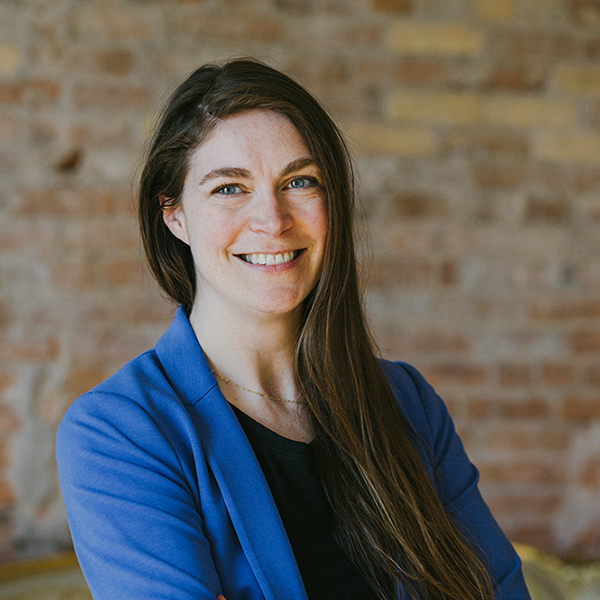
Jessica Brassard
Meet Jessica Brassard, the Director of Research Development and Communication at Michigan Technological University. In her role, she creates visuals for high-impact/high-value research proposals, supports science communication for research, enables team building around research initiatives, and designs faculty development events and workshops. Before joining this “magical profession”, as Jess describes her role in RD, in 2015, she was in healthcare marketing and communications.
Jessica describes how she found RD as an “act of desperation.” Her position in a local healthcare organization was slowly draining the joy from her work and she needed something new. In 2015, a friend at Michigan Tech helped her look past the RD title and position description, and a new chapter in her career was born. In 2021, Jess was drawn to a position at the University of Michigan which was the perfect alignment of her love of visual communication and helping researchers tell their stories, giving her an opportunity for career experimentation. During this career experimentation, she learned that her own bucket is filled when she can help researchers through a wide variety of services and support. This led her back to Michigan Tech. Her career transition was possible because of her built relationships and network. Jess highly recommends nurturing relationships as it can do wonders.
Jess believes RD is a field where one can help in so many different, fulfilling ways. To her, keeping a whole heart is important in doing service-oriented work. Sending pieces of your heart in the work you do can result in the power of your happiness being controlled by other people. Jess puts forth her best effort and quality work while keeping her heart firmly hers. She believes that others cannot control her; thus, not to become stressed by her emotional reaction toward her work. It makes the work enjoyable and encourages people to be themselves, which is also Jessica’s legacy and RD pro tip.
Jess uses OOO away messages and email footers intentionally to make incremental culture change. In her personal Gmail account, she wrote a sort of “mini LinkedIn” footer to nod to where she’s been and where she currently spreads her energy. Inspired by Karen Caitlin’s weekly Better Allies newsletter, Jess writes her OOO messages to describe what she is doing away from work. This small act of honesty helps her be more present while at work and supports building relationships. The people Jess surrounds herself with make an impact and help her grow into the person she wishes to be.
Outside of her RD position, Jess has had a hand in multiple nonprofits. In 2013, she founded Keweenaw Young Professionals (KYP), a non-profit for young professionals to connect and grow through community engagement. She has served local non-profits, service organizations, and on committees at Michigan Tech and the University of Michigan. Jess coaches the local Ski Tigers cross-country ski club level 1 skiers (ages 5 and 6)!
In NORDP, Jess currently serves on the Mentoring Committee and the McMc (marketing and communications) subcommittee, co-chairs the Communication Working Group (CWG) with Kelsey Haasevoort, and serves on the national Conference Planning Committee. One of her favorite volunteer projects is helping with the Conference Planning Committee with the #MugMottoTaskForce. She helps solicit phrases and ideas from NORDP, then makes designs and illustrations that are uploaded to a RedBubble shop, RDDrinkApperati Shop on Redbubble, where NORDP members can get them on mugs, shirts, stickers, and other products. The unique mottos capture the spirit and dedication of research development professionals and each design celebrates and inspires RD professionals. Sales from these items generate a modest profit (less than $200) and help to pay for appreciation gifts for the conference planning committee volunteers. It’s a small token to recognize the countless volunteer hours committed to enriching our community and advancing the field of research development.
Jess is happy to answer any questions you have, so please feel free to email her at jnbrassa@mtu.edu.
The link to Jess’ full Career Stories by the NORDP LEAD Career Stories team will be posted when available.
The NSF GRANTED program funded an expansion of the NORDP Consultants cohort model one year ago to partner with Minority-Serving and Emerging Research Institutions (MSIs and ERIs) to grow research activity and capacity. In the past 12 months, the program has made significant progress on the project’s objectives.
New Consultants Joined
This summer, the program welcomed four new consultants: Amy Carrol, University of Rhode Island, Faye Farmer, Arizona State University, Jorja Kimball, Texas A&M University, and Claudia Scholz, University of Virginia. These individuals join 22 existing consultants bringing the pool of active NORDP Consultants to 26.
Cohort 2 and 3 Launched
Cohort 2 launched in January of 2024 with the City College of New York, NY (AANAPISI, HSI, ERI), Clark Atlanta University, GA (HBCU, ERI), Kean University, NJ (HSI, ERI), and Texas A&M University-Corpus Christi, TX (HSI, ERI). Each partnering institution successfully completed the first two phases, intake and collaborative planning, of the three-phase engagement framework and has transitioned into the implementation phase. In collaboration with their consultants, partners are making plans for the research infrastructure investment provided as a part of the GRANTED-funded expansion. In September, the program kicked off Cohort 3 with Hawai’i Pacific University, HI (ANNH, AANAPISI, ERI), Kentucky State University, KY (HBCU, ERI), McMurry University, TX (HSI, ERI), and University of West Alabama, AL (PBI, ERI). The next call for MSI partners will be disseminated in early 2025.
1st NORDP Consultants Program Cohort Annual Meeting
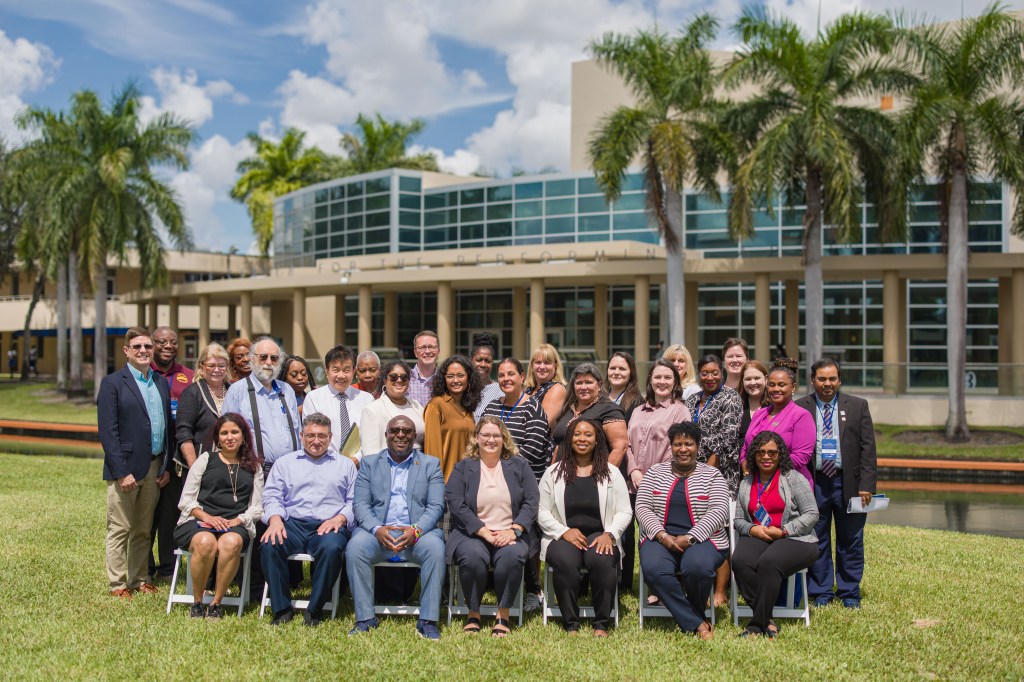
Attendees at the 1st NORDP Consultants Program Cohort Annual Meeting
In September 2024, the NORDP Consultants Program hosted its 1st Annual Meeting in Miami Gardens, FL at Florida Memorial University’s campus, drawing nearly 40 participants from eight institutions of higher education that are or have been partners in the NORDP Consultants Program. The theme for the event was building and sustaining research culture. The multi-day event provided a platform for knowledge exchange, networking, and collaboration, focusing on advancing research development initiatives and strengthening aspects of the research ecosystem. Several members of the NORDP Consultants Program presented alongside MSI partners on a wide range of topics, including a socio-ecological approach to the research ecosystem, assessing research culture, balancing institutional commitment with indirect costs, facilities and administration costs, and reinvestment strategies. Additionally, Michele McGuirl from the National Institute for General Medical Sciences (NIGMS) provided an overview of resources available for ERIs through NIGMS.
EMERGE Resource Library
The NORDP Consultants Program also launched the Equipping Minoritized and Emerging Research Institutions to Grow their Enterprises (EMERGE) Resource Library. The EMERGE Resource Library is the first national library of collaboratively written and peer-reviewed plain language research enterprise guides, tools, and other resources that center the voice, perspective, and expertise of MSIs and ERIs. The program is currently calling for authors to join the next sprint to develop additional resources. Prospective authors can register for the October 9, 20204 interest meeting here and submit a short expression of interest here.
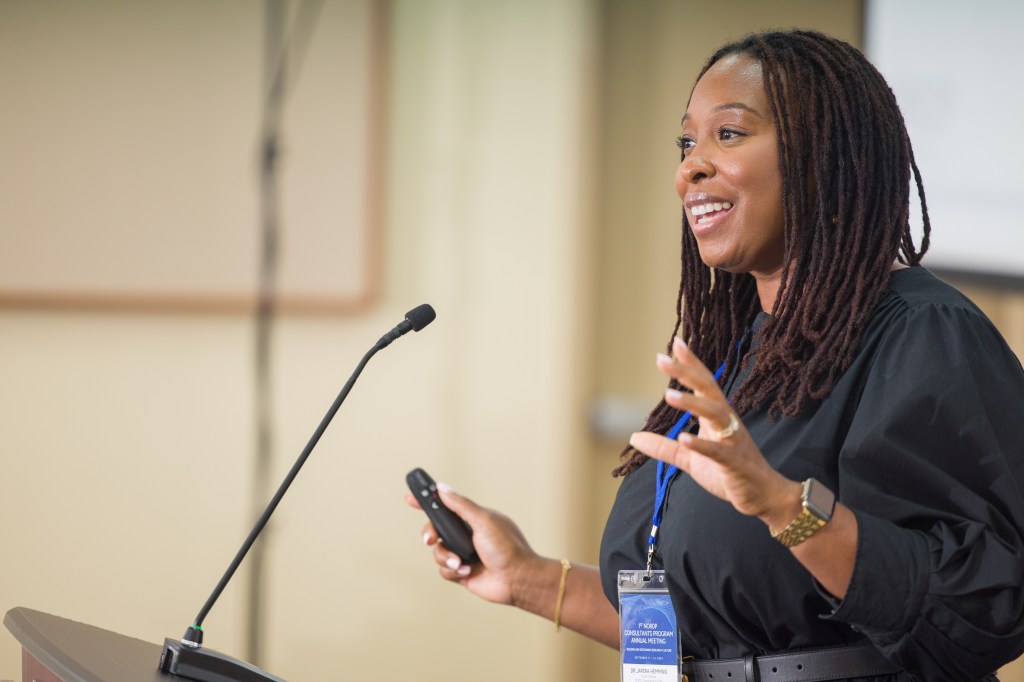
Japera Hemming, NORDP Consultants Program Credit / AJ Shorter Photography
Since its establishment in 2021, the NORDP Consultants Program has worked with 172 institutions, including 73 MSIs, and supported participating institutions in securing more than $90M through its cohort, embedded proposal support, and partner-initiated models. This includes $10.5M from the Advancing Research Capacity at HBCUs – a program referenced by President Biden during his remarks at HBCU Week – and the first successful partner-initiated proposal Identifying Needs and Building Research Capacity at an Historically-Black University led by Delaware State University (NIH – UC2GM157743).
The NORDP Consultants Program is support by Schmidt Futures, the National Science Foundation, and the National Institutes of Health (ITE-2303003, MCB-2236057, OIA-2331578, ITE-2350104, OIA-2337236, UC2GM157743).
Named for NORDP’s founding President, this award is voted on by the Board of Directors and given annually to a NORDP Member in recognition of outstanding service to the organization, to the research development profession or field, and to peers.
Who: Faye Farmer
Where: Director of Enterprise Design Initiatives at Arizona State University
Number of years in research development: Faye started working on proposals as an editor at a scientific institute at ASU in 2008. She moved to the University’s central office in 2011. She co-founded the central Research Development office in 2015 and worked there until 2023.
Length of NORDP membership: 15 years
You have served NORDP in numerous roles and capacities over the years. Could you share a bit about what that journey has been like?
The journey has been fantastic. Faye has held both formal and informal leadership roles in NORDP. Faye considers her greatest contributions to be in the area of conference presentations, where she shared about ASU’s experience alongside other universities. When she ran for the Board, it was a culmination of the conference experience, working with the Mentoring Committee and working with the PEERD consulting program.
NORDP has always depended on volunteers. Holding this truth close during her Board service was important to Faye. She served on the Board from 2019 to 2023. While on the Board, she contributed to two Board initiatives. Both leveraged the work of volunteers in the organization. One was the task force for certification. This involved working with several passionate and motivated individuals through a series of steps that culminated in a report that was published this year.
The second effort involved a task force on NORDP policy review and updating. Faye organized individuals interested in creating more inclusive policies within the organization. This work reflected a dynamic, evolving membership in the thousands and tried to future-proof the organization as it grows. The original bylaws were essential to the founding of NORDP, but the policies needed to address size and diversity of the organization’s membership. This work resulted in a set of policy drafts that were provided to the Board in November of 2023.
In your view, what makes an effective leader, and how has your philosophy of leadership informed your work within NORDP?
Faye believes in the power of collaboration. NORDP has taught her this. She also recognizes that she still has a lot to learn about interpersonal relations and communications. Leading in NORDP means that you are good at what you do and also invested in other’s success. Research development is a coopetition, where members balance their own university or college interests while benefiting from each other’s knowledge and experience. This balance is achievable because of the strong sense of community. Leadership means growing the scope and scale of this balance through the many layers of institutional types, career rungs, and time in the profession.
What do you see as the biggest rewards, and challenges, of serving in leadership roles within NORDP?
As far as challenges, the path to organizational change can sometimes feel glacial. But Faye believes it is slow because NORDP values community insight and input. Achieving a well-grounded, high-quality outcome that has meaning for many in the organization often requires contributions from many people over time. As an organizational leader, Faye recognizes that she does not speak for herself but for the people who put her there. This requires frequent checking-ins and creating inclusive and transparent processes.
Faye has found that the biggest reward of working in NORPD is expanding networks upon networks of professionals in research development. Even as her career has shifted in the last year, she still gets emails asking for her thoughts, advice, or connection. At ASU, Faye encouraged her team to engage with NORDP, especially by presenting at conferences. By sharing our experience, NORDP reduces barriers to engagement for its professionals. The result is better, faster, higher-quality, and more effective research development services and support nationwide.
More recently, you have played a crucial role in revitalizing the New Opportunities in Research Development (NORD) Committee. What has that process been like, and what do you see as the greatest opportunities for the field of research development moving forward?
Faye sees incredible opportunities in research development. She believes that there is momentum toward more purposeful strategy development. Faye often touts the importance of strategic (competitive) intelligence, which builds upon institutional analysis and expands it to include national program and policy trends. These early, pre-funding opportunity activities allow research development professionals to answer questions like, who is funded and why. These answers become actionable insight among university leaders, ultimately translating into more efficient funding pursuits.
What advice do you have for NORDP members who aspire to greater service within NORDP or the field at large?
Volunteer! Faye sees a parallel to the advice we give faculty and other researchers. Just step up and get involved. Faye recognizes that people want and should be paid for their work, but volunteering is critical to creating a more inclusive organization. Volunteering provides a unique skill set that may not be accessible through our work. She also recommends that NORDP members call in anyone and everyone to the organization. She says NORDP needs all levels of education, experience, and backgrounds to be successful. It is incumbent upon members to create a more diverse organization with intention and care.
The NORDP Rising Star Award recognizes individuals for their outstanding, early volunteer contributions to NORDP and strong potential for future contributions to the organization and the profession or the field.
Who: Elizabeth Lathrop, PhD
Where: University of Maryland
Number of years in research development: 9 years (started unofficially ~2016)
Length of NORDP membership: 7 years since 2018
What initiative are you the most proud of in your role as a NORDP volunteer?
Mentoring committee definitely! After being a new NORDP member for a year, I picked the NORDP Mentoring Committee to get involved because I identify with the values of this committee of #Payitforward. I started as a trainee in the Mentoring Training workshop and then volunteered on various MC subcommittees which led to becoming one of the Co-Chairs. I feel very privileged to continue the work others had laid the ground work for in the past years. It takes continuous time investment and thoughtfulness to improve the various mentoring services that are available to all NORDP members. I believe my participation in the committee makes a difference in the contributions of the Mentoring Committee toward the overall success of NORDP.
How did you hear about NORDP and what made you join initially?
As part of my professional development, my boss (the Engineering Associate Dean of Research at University of Maryland) suggested that I join when first hired in my current research development position. That was in 2018. I gave myself one year to get oriented to the NORDP organization and very soon realized the grounding value of NORDP is in the relationships.
Like many other research professionals, I held various other roles wearing many hats before.
In my attempt to identify my responsibilities in an “office of one”, I learned that I must define boundaries and identify ways to collaborate with others to maximize impacts. I have learned these practices from my NORDP colleagues.
What relationships have you built as a result of NORDP?
Network, Network, and Network! Networking with a range of research professionals provides me the opportunities to improve my own skillset through collaboration and listening. Through the Mentoring Committee, I have developed trusting relationships with many NORDP colleagues through our committee work (I love the photo taken at the 2024 NORDP Conference at Bellevue, WA this year) as well as through my participation in the mentoring program as a mentor/mentee. They have taught me the essence of the Can-Do mindset by learning through doing, which continues to guide the work I do for NORDP and at the University of Maryland. Most importantly, I consider many of them friends with whom I identify with a sense of belonging, something I treasure immensely.
Describe how NORDP has changed from when you initially joined
The expansion of the NORDP community is evidenced by a rapid increase in member participation in the Mentoring Program since its inception in 2012 (see the mentoring program evolution figure below). Along the way, the Mentoring Committee has continued to find new ways to provide resources and support for our growing member base. With the strong support of the NORDP Board, the Mentoring Committee implemented the Wisdom Share software in 2021 to try to streamline the matching process; in 2022, we subsequently adopted the new 1:3 Mentor:Mentees Cohort mentoring to address the need for more research development mentors. Even though I only joined NORDP since 2018, I have personally benefited from all of these improvements. I would like to give a big shoutout to everyone for their generosity and enthusiasm for sharing and volunteering.
Figure Credits: Mentoring Committee Past Co-chair Kathy Partlow (l) and Mentoring Committee Market & Communication subcommittee (McMc) team member Jessica Brassard (r)
What recommendations do you have for members to get more involved with NORDP?
Just do it and learn by doing!
Don’t be afraid to take a risk and gets your hands wet. No matter how we think we are prepared or not prepared, the only way to make an impact is by doing. Even though the process could be at times challenging and perhaps with occasional frustration, I think you would also be surprised by how rewarding it feels when accomplishments are completed as well as the camaraderie along the way. I can personally attest to the experience; it is worth it.
It takes a Village to build the NORDP Community and beyond!
By Riley McIsaac and Faina Thompson, Committee on Inclusive Excellence
In June 2024, NORDP’s Committee on Inclusive Excellence and Professional Development Committee co-hosted a webinar titled “Individuals to Institutions: Multilevel Integration of DEI in RD.” This presentation featured a panel made up of staff from Stanford University School of Medicine who generously shared their experiences and insights on how they have embedded DEI values at various levels within their institution. The following is an overview of what was discussed and the key takeaways for RD professionals.
Panelists:
Dr. Justin Crest, Associate Director of Team Science, Pediatrics, Stanford School of Medicine
Dr. Adrienne Mueller, Associate Director of Education and Outreach, Stanford Cardiovascular Institute
Dr. Amber Moore, Associate Director of Research Development and Belonging, Grant Writing Academy, Stanford School of Medicine
Dr. Brandi Stephens, Research Development Strategist, Division of Cardiovascular Medicine; Justice, Equity, Diversity & Inclusion (JEDI) Co-officer, Stanford School of Medicine
Introduction and Moderator Overview:
The webinar was moderated by Dr. Shaila Kotadia, Director of Justice Equity, Diversity, and Inclusion (JEDI) at Stanford School of Medicine. Dr. Kotadia began by highlighting the importance of integrating DEI into RD activities and framed the discussion around the collective experiences and efforts at Stanford. She provided an overview of her role and the DEI initiatives undertaken by her office, emphasizing the need for collaboration and continuous improvement in fostering an inclusive environment.
Panel Insights:
1. Integrating DEI into Team Science – Dr. Justin Crest:
Dr. Justin Crest, Associate Director of Team Science at Stanford School of Medicine, shared his approach to incorporating DEI within team science projects in the Department of Pediatrics. He underscored the necessity of engaging teams early in order to proactively shape their culture. Dr. Crest highlighted strategies such as promoting equitable shared agreements, advocating for minoritized researchers, and leveraging large, complex grants to create more mentorship and leadership opportunities. He emphasized that through fostering inclusive research teams, visibility and support for underrepresented researchers can be significantly enhanced.
2. Supporting Underrepresented Trainees – Dr. Adrienne Mueller:
Dr. Adrienne Mueller, Associate Director of Education and Outreach at the Stanford Cardiovascular Institute, discussed various grant mechanisms aimed at supporting trainees from underrepresented backgrounds. They detailed the use of NIH R25, T32, and other foundation awards specifically designed to provide research opportunities for these trainees. In addition to financial support, Dr. Mueller emphasized the importance of offering travel awards, recognition programs, and mentorship to create more opportunities that support minoritized trainees.
3. Creating Inclusive Learning Communities – Dr. Amber Moore:
Dr. Amber Moore, Associate Director of Research Development and Belonging at the Grant Writing Academy, shared her vision of creating inclusive learning communities. She discussed the importance of first co-creating a vision, mission, and guiding principles as a team. This vision centers joy and belonging in grant writing and research development pursuits, by creating inclusive learning communities and accessible resources for emerging scientists and faculty. This vision allows the team to be accountable to one another and informs strategy: from the type of resources and programming created and the way they are delivered, the questions asked in surveys, research questions, papers published, and the collaborations formed.This foundational work ensures that DEI is at the core of their operations. Dr. Moore stressed the importance of aligning personal and professional values with DEI goals and encouraged RD professionals to collaborate and seek feedback from DEI offices and pipeline programs.
4. Institutional-Level DEI Efforts – Dr. Brandi Stephens:
Dr. Brandi Stephens, Research Development Strategist and JEDI Co-officer, highlighted the broader institutional efforts to integrate DEI within Stanford’s RD Community of Practice. She described various initiatives, including diversity-focused grant writing workshops, invited speaker events, volunteer opportunities for research development professionals, and a dedicated DEI book club. Dr. Stephens emphasized the role of cross-departmental representation in DEI efforts and the value of creating an inclusive research development community that spans the entire institution.
Interactive Q&A and Shared Experiences:
The session concluded with an interactive Q&A segment, where participants engaged with the panelists to address common challenges and share best practices. A notable discussion point was the issue of reviewer bias in grant evaluations. Dr. Justin Crest and Dr. Adrienne Mueller provided practical advice on navigating these biases, emphasizing the importance of communicating with program officers and leveraging data to support DEI initiatives.
Conclusion and Takeaways:
The webinar highlighted the multifaceted approach to integrating DEI at individual, departmental, and institutional levels. Key takeaways for NORDP members include:
Engaging research teams early to foster inclusive cultures.
Advocating for underrepresented researchers and leveraging administrative supplements.
Creating inclusive learning communities through clear mission and vision statements, accountability, and strategic collaboration.
Coordinating DEI efforts across departments to ensure broad representation and impact.
Join the Conversation: We encourage NORDP members to share their thoughts and future action plans for integrating DEI into their RD practices. A collaborative Google Doc has been created to foster ongoing inspiration and support. Together, we can build a more inclusive and equitable research development community.
Acknowledgment: This blog post was crafted with the assistance of AI technology. AI tools were used to summarize the webinar content and compile detailed insights from each speaker, ensuring accuracy and coherence in the representation of the event.
I am thrilled to announce the launch of a new NORDP Faculty Development Peer Mentoring Group (PMG). This new PMG is designed to support NORDP members who are dedicated to enhancing faculty research success through holistic professional development programming. This new PMG provides a platform for RD professionals to discuss, share resources, and offer feedback on the design, development, implementation, facilitation, and evaluation of faculty development workshops and other programming.
Faculty development is a critical aspect of research success, as it equips faculty with the skills, knowledge, and support they need to excel in their research careers. RD professionals play a key role in designing and delivering these programs, which can include everything from workshops on grant writing and research team management to training in leadership, mentoring, addressing conflict, and fostering wellbeing.
Using the peer mentoring model, the Faculty Development PMG’s goals are to:
Create a collaborative space where RD professionals can exchange ideas and resources related to faculty development programming.
Enhance the quality and impact of faculty development programs by sharing best practices and evidence-based approaches.
Provide feedback and support for RD professionals who are responsible for faculty development initiatives at their institutions.
Foster a community of practice focused on improving faculty research success through effective professional development.
The Faculty Development PMG is for any NORDP members who are involved in or interested in the creation, facilitation, and evaluation of faculty development programs. We invite all NORDP members to join the Faculty Development PMG and contribute to this exciting new initiative. Whether you are an experienced RD professional or new to the field, your insights and experiences are valuable. Whether you are looking to refine existing programs or develop new initiatives, this PMG offers a valuable opportunity to learn from and collaborate with your peers.
NORDP Members can view and join PMGs via the WisdomShare Platform and / or you can email Matthew Schwartz to learn more about and get involved with the new Faculty Development PMG.
NORDP Members interested in learning more about all seven active PMGs can join the 2024-2025 Peer Mentoring Group Kickoff on Tuesday, September 24, 2024 from 1:00 – 2:00 PM Eastern.
Career & Professional Development:exploring how to become more efficient and effective in our roles
Coaching & RD:developing and implementing coaching as part of the research development (RD) skillset
Collaboration & Team Science:building collaborations and interdisciplinary research programs
Faculty Development:supporting RD professionals who perform faculty development through programming and workshops
Leadership & Management:leading in both official and unofficial capacities
Proposal Development & Project Management for Research:Supporting proposal development for faculty grant seeking and leveraging project management tools and methodologies to enhance efficiency and success in securing extramural funding
Strategic Planning & Advancement:guiding policy and planning for enhanced research and scholarship