Written by Kate Duggan, Conference Planning Committee
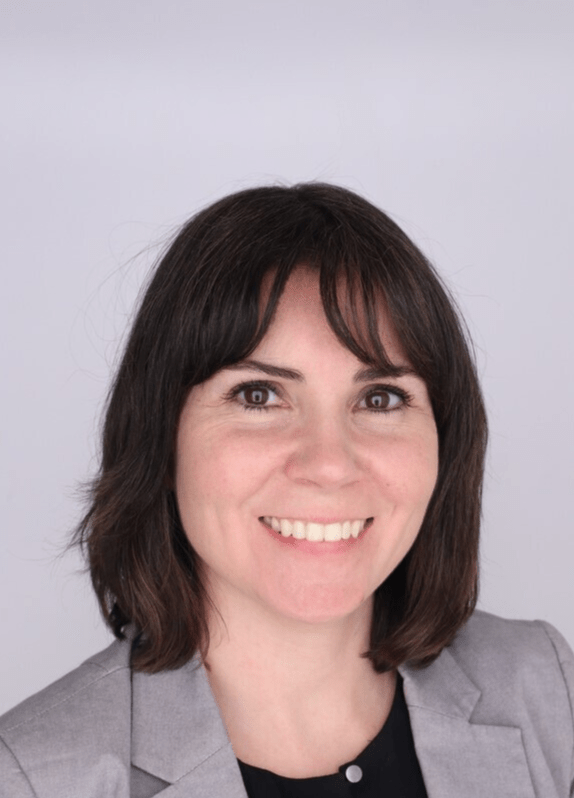
NORDP 2025 Keynote Speaker, Sarah Spreitzer
As research development professionals and NORDP members, we pride ourselves on our flexibility, versatility, and ability to meet the moment. This year’s NORDP Conference closing keynote, Sarah Spreitzer, utilizes many of these same skills in her role as Vice President and Chief of Staff of Government Relations for the American Council on Education (ACE). Her May 1 keynote will provide an update from Washington, DC on the new administration’s actions and policies relevant to higher education and research, the response from Congress, and how NORDP members can draw upon their own skills and experience to understand, interpret, and advocate in the evolving federal landscape.
Sarah was drawn to federal advocacy by way of her passion for education, which was inspired by her mother and grandmother, both elementary school teachers. After earning her bachelor’s degree from Beloit College in Wisconsin and a master’s degree from The Catholic University of America in Washington, DC, Sarah was aiming for a career as an academic when she took a break from being a student to work for the University of Washington’s Federal Relations office. That one post-graduation job turned into a career for Sarah, who went on to become a Senior Government Relations Representative/ Lobbyist for Lewis-Burke Associates and then Director of Federal Relations for the University of Missouri System before joining ACE in 2017.
In her role at ACE, Sarah represents 1600+ institutions of higher education, working to unite the postsecondary community around topics of mutual concern and interest. At present, these topics include the proposed decrease of federal facilities and administrative (F&A) rates to a maximum of 15%; opposing the DETERRENT Act, which would add extensive new faculty and staff foreign gift reporting requirements; and immigration policies that affect international students and faculty.
While the current moment is presenting some unique challenges to the national academic research enterprise, Sarah still sees reason to be optimistic. On considering how higher education reacts to adversity and might respond in this moment, Sarah reflected that “we’re a little slow, but we are flexible. And I think that that was really demonstrated during COVID. If you had told me that all of our institutions would be able to transition online within a week and address all of the needs of our international students who suddenly weren’t sure if they were going to stay, or if they were going to have to go. I would be like, there’s no way we could do that. We did it. We did it and I think that that is the strength of higher education.”
Beyond drawing upon the resiliency our institutions cultivated during the pandemic, Sarah has more advice for NORDP members on how to handle the headlines:
Pause: “When something new comes out…it’s important to take a breath and pause before you react … understand what’s actually happening, that there is supposed to be a rule of order for the implementation, that a lot of things that are happening are being stopped by the courts.”
Share: “Sharing information during this really confusing time is incredibly important, because I may have an NIH grant that got canceled because of the DEI executive order. You may not have had a grant canceled yet, but perhaps the program officer isn’t returning your phone calls or something’s happened when you try and draw down the funding. And so sharing that information and being part of this larger community is really really important.”
Advocate: “I also think talking about what messages work, like when you’re talking to individual members of Congress,” can be helpful in giving RDPs the tools we need to demonstrate the value and contributions of our institutions with elected officials and members of the public who may not be familiar with how college and university funding is allocated, governed, and what kinds of research and programming it makes possible in our communities.
Despite the uncertainty many of us are experiencing, Sarah has “complete confidence in the ability of higher education to respond to the challenges during this time, and I’m kind of excited to see how we do respond….the relationship between higher education and the federal government is going to be very different. There’s going to be a lot of things thrown at us, but I know that higher education will come out at the other end okay; it’ll just be different.” For more Washington insights and a dash of related optimism, be sure to attend Sarah Spreitzer’s May 1 closing keynote; conference attendees are encouraged to submit questions for Sarah by navigating to the keynote session in the Whova app.
We are thrilled to have you join us for this year’s conference, where you’ll have the opportunity to connect with and learn from research development colleagues from the comfort of your own space. We on the NORDP 2025 Conference Planning Committee have put together the following guide to help you make the most of your conference experience, from navigating the virtual conference platform to engaging in professional development, networking, and volunteering activities. We look forward to coming together to build community at NORDP 2025!
🙂 Find Your Way Around
We encourage you to spend time between now and the start of the conference familiarizing yourself with our virtual conference platform: Whova. There will be a pre-conference Tools & Tips (TnT) webinar focused on using Whova on Wednesday, April 15, at noon ET/9am PT. Register today.
If you’re just getting familiar with Whova, here’s a link to the Whova guide on how to upload your information.
Fun Fact: You can use the Whova App to directly message Conference Organizers. Find this feature under Community → Ask Organizers Anything.
Note: if you are NOT using the Whova app, you can still navigate the conference via the Whova web platform.
🔘 Conference Code of Conduct
We have posted a NORDP Conference Code of Conduct on the conference website. It can be found under More → Inclusivity and Accessibility → Conference Code of Conduct. Please take a chance to review it prior to the start of the conference. If you witness any violations of the Code of Conduct during the conference, please report it using the reporting form linked in the Code of Conduct.
💻 Virtual Conference Best Practices
Maximize your experience at this year’s conference by staying engaged and comfortable. Mute your mic when not speaking, participate in chats or Q&As, and take regular breaks to avoid screen fatigue. Find a cozy spot, grab snacks, and settle in with what you need to stay focused during each conference day.
We also encourage you to make the most of networking opportunities—introduce yourself in the chat, join breakout rooms, and explore attendee profiles. The Whova app is your best friend: use it to build your agenda, connect with others, and join discussion boards. Whether you’re attending live sessions or engaging through the app, staying present and proactive will help you get the most out of NORDP 2025!
🏙️ Social and Networking Activities
Looking to connect and socialize with fellow conference attendees? Join us for a variety of engaging social activities at the beginning and end of each conference day. From virtual coffee hours and committee- or region-hosted events to art classes and yoga sessions, there’s something for everyone!
Find the current list of social activities in the Whova App under Community → Meet-ups & Virtual Meets. Don’t see something that you’d like to do? Feel free to create your own meet-up for others to join!
🤝 Volunteer Sign Up
NORDP is fueled by volunteers, and this conference is no exception! Contribute to enhancing your own conference experience, as well as that of others, by volunteering in one of the following capacities:
Become a Session Host to help moderate a colleague’s presentation!
Serve as a Tech Host to ensure a colleague’s presentation goes off without any technical hitches
Host a social activity (e.g., coffee hour, happy hour, bingo, trivia, networking dinner, etc.) and create your own virtual adventure!
Whether you’re looking to refine your resume, highlight your achievements, or tailor your CV for your next big opportunity, consider checking out theResume Coaching Corner to receive tailored support from one of our resume coaches. The Resume Coaching Corner will be open on each conference day, immediately before and after program content. Participants will have the ability to sign up in advance for a 20-minute 1:1 appointment with a coach.
Eager to lend your experience to support others? Consider volunteering to be a Resume Corner Coach! Learn more about coaching expectations in our Resume Coaching Corner Guide for Coaches, and sign up for a time slot here.
🖼️ Virtual Poster Session
In addition to exciting and informative presentations, this year’s conference will also include a virtual poster session. You can view posters at any time in the Whova App under Agenda → Posters and interact with poster presenters using the Chat feature (access this by clicking on any individual poster) or by attending the live poster session from 1:15-2:15 PM ET/10:15-11:15 AM PT on Wednesday, April 30.
📋 Give us Your Feedback
Our goal for each NORDP Conference is to provide timely, relevant, and valuable information for conference attendees and your input is an important part of that process. Throughout the conference, you’ll have the opportunity to provide feedback on specific sessions by completing a brief evaluation form at the end of each session, and you can provide feedback on the overall conference experience by completing a final evaluation at the conclusion of the conference. Your feedback is important and will inform the planning of future conferences!
🌟 NORDP Sponsor Shout-Out
Our sponsors make the conference happen! A huge thank you to this year’s conference sponsors: InfoReady, Bouvier Grant Group, AtKisson Training Group, McAllister & Quinn, and Overton. You can learn more about this year’s conference sponsors in the Whova app.
❤️ NORDP’s Got Heart
Launched in 2023, NORDP’s Got Heart is our annual social good campaign, held during the conference to support a community organization that aligns with NORDP’s commitment to diversity, inclusion, equity, and accessibility. Past efforts have supported The Sophia Way in Bellevue, WA (2024) and Carpenter’s Shelter in Alexandria, VA (2023).
For our 2025 campaign, we’re turning inward to support our own community by raising funds for Conference Attendance Awards for NORDP 2026 – our next in-person annual meeting. With this year’s conference theme of “Building Community” we wanted to respond to the uncertainties many of us are facing and rethink what “local” means in a virtual world. We hope for all of us that the NORDP community is a safe space to connect and that the annual meeting is a prime opportunity to do just that.
We recognize that the ability to attend an in-person gathering is often dependent on department/university funding, which can be uncertain. These attendance awards will cover the cost of member registration and are intended for those who need financial support beyond what their institutions or organizations can provide. An application process, similar to previous years, will open in early 2026.
The donation portal for this year’s campaign will open in late April. We hope you’ll consider giving back to help more of our members come together next year.
Written by: Roshni Singh with input from Natalie Baronian, Career Stories team
Carter Lea, PhD
From Promoting Out-of-the-Box Thinking to a Board Member
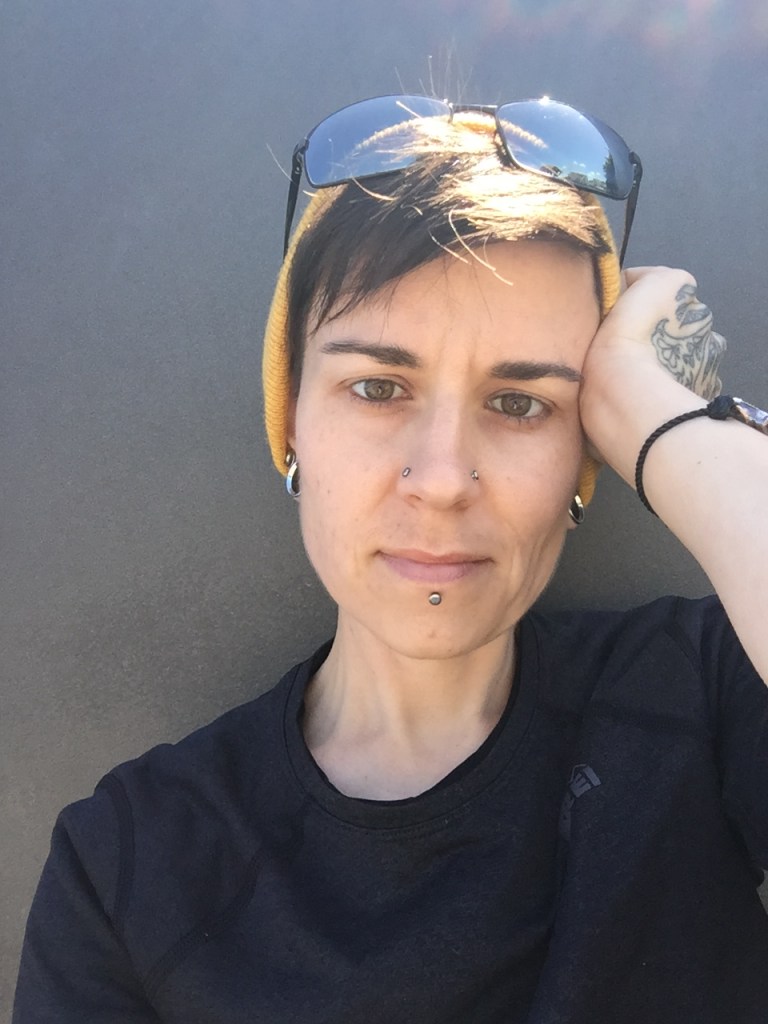
Career Stories’ January 2025 session featured Carter Lea (they/he), a queer introvert who connects with the world by absorbing as much information as possible. Carter is a newly elected (2024) member of the NORDP Board of Directors, who currently works in the Office of Research Proposal Development at Tulane University in New Orleans, where he lives with his spouse, two cats, and a cat-like dog.
Carter received a Ph.D. in Ecology and Biodiversity in 2015 from Victoria University of Wellington, New Zealand, and was busy funding their own research in ecophysiology and climate change modeling when he learned about research development as a career path. Their love for writing grants and editing proposals is what eventually led him to an RD position. What excites and motivates Carter is creating new knowledge that ultimately helps communities, and crafting and writing about those ideas makes their effort worthwhile. Even though they were originally hired to work in the STEM disciplines, the Liberal Arts department was added to their portfolio, and they now work on a wide variety of proposals.
Carter’s strategy for working with hesitant faculty includes building trust and relationships and maintaining discipline as a details-oriented person to market how RD is a useful skill. According to Carter, extensive editing, reworking the language for clear communication for readers, and incorporating visuals/graphic design helps foster a stronger relationship and trust with investigators and enhances the proposal, which keeps him actively engaged in RD. Carter’s passion for data visualization and inherent tendency to collect knowledge and skills also led him to pursue a post-baccalaureate certificate in graphic design, a skillset they apply almost daily to improve proposal presentation, infographics, and tables.
Carter joined NORDP soon after entering RD and became an active member of the Committee on Inclusive Excellence (CIE). Through CIE, he encouraged others to think creatively and look beyond traditional constraints, promoting out-of-the-box thinking. His innovative ideas caught the attention of Samar Sengupta, who nominated him for a position on the NORDP Board. They believe NORDP is genuinely filled with good people, and they see a “home” in this organization. While Carter appreciates the organization’s inclusive culture, he also believes that, within the unique field of RD, it is essential to make research more human-centered.
Carter would love to answer any questions you have for them at calea@tulane.edu
Written by Kelly A. Moore, Conference Planning Committee
NORDP 2025 Keynote Speaker, Dr. Lou Woodley
NORDP 2025 conference attendees are in for an inspiring and thought-provoking keynote by Lou Woodley, a scientist-turned-community-builder who has dedicated her career to supporting human infrastructure in science. Lou is the Founder and Director of the Center for Scientific Collaboration and Community Engagement (CSCCE), an organization that offers evidence-based professional development training, online resources, and consultancy for scientific community managers.
So, what exactly is a scientific community manager? According to Lou, if you’re the person in a collaborative project who is thinking about the human side of how work gets done—how meetings are run, how decisions are made, how knowledge is shared and documented—chances are, you’re doing community management. And, much like research development professionals, you might not even realize you’re doing it.
In a recent conversation with the NORDP conference team, Lou shared her journey from the lab bench to advocating for the professionalization of community management in STEM around the world. Her path included founding a student-run popular science magazine during her graduate studies in the UK and establishing online and in-person community engagement spaces in her role at Nature Publishing Group, early signs of her passion for connecting people and building collaborative ecosystems.
That passion eventually led her to securing a grant from the Alfred P. Sloan Foundation while at AAAS, which supported the creation of the first professional development curriculum for STEM community managers via the Community Engagement Fellows Program. From there, CSCCE was born, offering online trainings, a multi-component certification program, consultancy for a range of different organizations in the STEM ecosystem, and an online community of practice that includes nearly 900 professionals worldwide.
Lou emphasizes that community management is often a less visible but critical function in scientific enterprises—much like physical infrastructure, you might only notice its absence when things fall apart. This lack of visibility poses challenges, including a dearth of professional development opportunities and a lack of institutional recognition of the value of professional community managers.
To address these challenges, CSCCE focuses on three key areas: professional development, consultancy, and research. Their flagship course, Scientific Community Engagement Fundamentals, has trained over 15 cohorts since it launched in 2020 and is backed by longitudinal evaluation data showing measurable impacts at three levels of scale – on individuals, organizations, and the broader STEM ecosystem.
Importantly, the parallels between community management and research development are striking. Both are emerging fields filled with professionals who often have advanced degrees, especially PhDs, and who act as change agents and systems thinkers within their organizations. Both fields are also heavily gendered and require ongoing advocacy to ensure the value of their contributions is recognized.
Lou also notes the importance of developing shared language and frameworks that help community managers articulate their impact. Whether it’s creating collaboration playbooks or developing new norms for inclusive engagement, the work of community managers is about more than just logistics—it’s about building culture.
NORDP members working in training, proposal development, research communication, or community engagement will find much to relate to in Lou’s keynote. Her message of strategic collaboration, systems thinking, and empowering human infrastructure will resonate deeply across our diverse professional roles.
We can’t wait to welcome Lou Woodley to NORDP 2025 and to learn from her insights about how we can strengthen our communities, our collaborations, and ourselves.
Written by the Mentoring Committee Mentor Training Team
The NORDP Mentoring Committee’s Mentor Training Team held a mentor training workshop in January – February 2025. Twenty-three NORDP members completed the 5-week workshop, covering the 9-module Entering Mentoring curriculum initially developed for research mentors and tailored by the NORDP Mentoring Committee for RD professionals in collaboration with the University of Wisconsin Center for Improvement of Mentored Experiences in Research (CIMER). Over 100 NORDP members have completed the Entering Mentoring Workshop and received certificates.
RD professionals explored key mentoring competencies that can benefit RD mentors and mentees that have been associated with improved career outcomes, employee engagement and retention, and more inclusive work environments. The workshop was facilitated by the following NORDP Mentor Training Subcommittee members: Jan Abramson, Kristin Boman, Paula Carney, Charlotte Forstall, Rachel Goff-Albritton, Kathy Partlow, Matthew Schwartz, Samarpita Sengupta, and Carol Thornber. The NORDP Mentoring Committee is committed to equipping Research Development professionals for success by offering meaningful mentoring expertise, support, and resources.
As part of the training, participants had the opportunity to craft their own mentoring philosophies. Below are examples from this year’s participants!
I seek to help mentees gain independence and confidence by empowering them to identify solutions for issues that arise in their work and other spheres of their lives. My approach is to be available, invested, and intentional. I encourage each mentee to drive our relationship by setting goals (and allowing them to evolve), while I provide tools, resources, contacts, and advice toward achieving them. I also hope to learn from each mentee – and that we all find ways to pay it forward. – Christine M. Blaumueller
I will enter into all my mentoring relationships with intention, be it as a mentor or mentee. I will work to establish trust rooted in mutual respect, a shared mission for learning and growth, and a desire to impact my workplace and professional positively. I will attempt to exercise grace and openness of thought in all interactions. – Charlotte Forstall
Congratulations to the following 2025 NORDP Mentor Training graduates!
Jen Aleman, The College of New Jersey
Christine Blaumueller, Carver College of Medicine, University of Iowa
Jessica Brassard, Michigan Technological University
Robert Clark, St. Jude Children’s Research Hospital
Michelle Davis, Texas A&M – AgriLife Research
Marney Ellis, Boise State University
Jeffrey Engler, University of California, Davis
Charlotte Forstall, Washington University in St. Louis
Lindsey Frallic, Western Washington University
Savannah Hall, University of Michigan – Ann Arbor
Cassie Johnson, North Dakota State University
Neetha Khan, Carnegie Mellon University
Rebecca Kirkland, University of Georgia
Crystal Ladwig, Florida State University
Kaitlin Clare Maguire, Boise State University
Scott Merrill, Cleveland Clinic Foundation
Laura Mussulman, University of Kansas Medical Center
Jennifer Reininga, Duke University
Christina Ryan, University of Connecticut
Julie Svetlik, University of Missouri
Erin Umlauf, Boston Medical Center
Viktoriya Zhuravleva, Zuckerman Institute | Columbia University
Written by: Roshni Singh with input from Natalie Baronian, Career Stories team
From Solo RD to a Team of Eleven!
Dr. Jeralyn Haraldsen
In December career stories, we are honored to feature Jeralyn Haraldsen, the founding Director of Research Development at the University of Vermont (UVM). Dr. Haraldsen leads a team of Research Development staff who provide strategic grantsmanship, writing, and project management support to faculty seeking extramural funding to support research, creative, and scholarly activities. She and her team, under the guidance of the Vice President for Research, provide professional development opportunities to early-career faculty, coordinate writing and project management support for large-scale, high-impact proposals, manage UVM’s internal limited submission process, and ensure that faculty across the University are aware of and prepared for new research grant opportunities.
Dr. Haraldsen’s career path into research development started in grad school when she attended a career panel about alternative career paths and heard a speaker discuss research development work. Although she always received positive feedback on her writing skills and knew she would be capable in such a role, she was not ready to make that jump and went on to a postdoctoral position. As a post-doc at UVM, she realized the work-life balance of laboratory work was not the best option for her and her growing family. Her priorities shifted after a family tragedy and she started exploring writing careers more broadly, not just RD, as she loved writing and editing papers. It is at this time she started doing informational interviews and connected with Peg AtKisson (an alum of the same graduate school). By the end of their conversation, Dr. Haraldsen was hired as a remote, independent contractor which allowed her to also accept freelance work with faculty at UVM.
These experiences led her to an interim position at UVM under a new Vice President of Research who was familiar with research development. With their support, she created a new RD office and singlehandedly provided research development support for up to five (5) years before growing and forming a team of eleven members. As exciting as it has been to grow a team, it’s come with many “growing pains” like managing people and struggling to obtain more resources. The transition from direct support to a larger strategic role was more challenging (surprise!) as she discovered that she had underestimated the skill involved in managing people. However, these are the challenges that keep Dr. Haraldsen in RD. The ever-evolving environment, opportunities for professional growth, and challenges with managing a growing team and a growing portfolio highlight the importance of the RD field. Moreover, fostering strong collaborations and building relationships while working on proposals and piloting limited submissions keeps Dr. Haraldsen inspired and engaged in her role. For Dr. Haraldsen these are her impact and legacy: to come together to work and to enjoy it. As such, her RD pro-tips are to “take a step back and think about the process, be innovative, and stay calm under pressure.”
Jeralyn would love to answer any questions you have for her, so please feel free to email her at Jeralyn.Haraldsen@uvm.edu.
To listen to her full interview by the career/kindle team, please click on this link (you must log in as a NORDP member to access): https://nordp.org/store/viewproduct.aspx?id=24459276; Chapter 44: Jeralyn Haraldsen
Thursday, March 20, 2025 @3pm Eastern (zoom link below)
Learn what the NORDP Professional Development Committee is all about: what we can do for you as well as volunteering opportunities!
The objective of this committee is to provide NORDP members meaningful, timely, and engaging opportunities to expand their research development knowledge and add valuable skills to both their professional and personal toolboxes. The PD Committee goals are to:
Develop, implement and organize engaging and worthwhile professional development content based on the needs of the NORDP membership;
Provide opportunities for NORDP members to offer their relevant expertise and to gain valuable leadership skills by leading webinars and developing other professional development materials;
Recruit knowledge experts to contribute time and relevant intellectual resources to the NORDP community;
Collect and disseminate best practices in research development, for use by NORDP members;
Compile and maintain a database of professional development resources for NORDP membership.
Written by: Vessela Vassileva-Clarke, Jessica Brassard, Elizabeth Lathrop on the Mentoring Committee Marketing and Communications (McMc) Committee
Image co-created by Jess Brassard and Adobe Firefly
Managing stress in the face of uncertainty is a crucial skill that, together with connecting with a more experienced mentor or a like-minded mentee, can significantly improve our mental and emotional well-being. Uncertainty can lead to feelings of anxiety and helplessness for both mentors and mentees. Evidence-based mentoring strategies can help mitigate these effects. How can we show up in our mentoring relationships during uncertainty, beyond employing the usual stress reduction recommendations of practicing mindfulness, regular physical activity, balanced nutrition, and adequate sleep? Seeking support from our NORDP mentoring community, whether in our dyads, mentoring cohorts, or peer mentoring groups, can provide a safe space to share concerns and gain perspective, reinforcing that we are not alone.
The NORDP Mentoring Committee offers a wealth of mentoring tools and resources that can be adapted to support each other through uncertainty via WisdomShare’s Learning Library. All NORDP members can create an account on WisdomShare to access these tools and resources (WisdomShare account here):
Bolster your foundation of trust and psychological safety and check in with your people — You’ve been doing this all along. Take some time to revisit this for yourself and for those around you, whether in your formal mentoring relationships or in your everyday interactions. This strategy emphasizes creating a safe space for vulnerability during uncertain times. The evidence shows that psychological safety is crucial for learning and adaptation during change. See Building Trust from the NORDP Mentoring Toolkit.
Revisit agreements and reinforce flexible boundaries — During a time of change and uncertainty, you may want to review the ground rules of your mentoring relationship and revise them as appropriate. Be flexible with each other’s new ‘norm’ with respect to timing, forms of communication, and sharing of responsibilities. This is a time when “going the extra mile” can reinforce your support and commitment to your people! See Establishing Agreement for more tips.
Listen to support learning and understanding — Be mindful and pay close attention to what your colleagues are saying through the practice of Active Listening to support full understanding of a problem or a challenge. By asking “what”, “how” and “when”, you develop a strategy that encourages and empowers self-discovery and problem-solving. See Probing Questions for additional resources to enhance your ability to communicate clearly.
Give honest feedback and be thoughtful to those around you — Pay attention to others’ state of being when providing feedback and advice. Oftentimes, under stressful circumstances, extra patience can lead to rewarding and reciprocal experiences. Asking “am I hearing you correctly that …” can be a useful strategy for clarifying questions. “Pause – Listen – Think” before you respond can be another useful strategy during uncertain times. For more information, see Giving Honest Feedback and Advice.
Lean into your MESHH Network for the support you need — Leverage your mentoring relationships and RD/PD networks to identify allies and support. Consider sharing resumes with each other to enhance and strengthen your job application package and storytelling. Provide constructive peer feedback and investigate opportunities through the NORDP Job Board.
Pictured from left to right are Amber Mason, Tekla Smith, Kelly Ann Moore, and Dena Reinoso.
Who:
Kelly Moore, Director, Training Grant Support Office, Emory University
Amber Mason, Associate Director of Evaluation, Training Grant Support Office, Emory University
Dena Reinoso, Assistant Director, Training Grant Support Office, Emory University
Tekla Smith, Project Support Specialist, Training Grant Support Office, Emory University
Where: Emory University
Number of years in research development: Kelly 4 years, Dena 3 years, Amber & Tekla 2 years each
Length of NORDP membership: Same as above!
The NORDP Innovation Award recognizes individuals, groups, or teams, functional units, or organizations who leverage unique skills or resources to kick-start innovation in research development and advance the profession or the field in ways that generate evidence of promise or demonstrable results. Innovators leverage partnerships, experiment with tools and techniques, or generate and share knowledge to advance NORDP and the work of its members.
The interview was conducted with Dr. Kelly Moore, on behalf of the Training Grants Support Office Team.
What is the Training Grant Support Office and how did you first become interested in establishing TGSO?
The Training Grant Support Office (TGSO) at Emory University is dedicated to bolstering the sustainability of our current training programs while also identifying and fostering new areas for program development. We achieve this by providing specialized expertise, tools, and resources that are essential for the success of our research training initiatives. I founded the TGSO in December 2020, driven by a strategic vision from Dr. Deborah Bruner, Emory’s Senior Vice President of Research, who recognized the critical need for enhanced support of research training within the larger research ecosystem at Emory.
Prior to joining Emory, I was involved in training grant and fellowship support as part of a broader set of responsibilities at the University of Texas MD Anderson Cancer Center UTHealth Houston Graduate School of Biomedical Sciences. There, I was managing a training grant, everything from processing payroll for trainees to programming, running their seminars, bringing in speakers, etc. That’s what really got me into this world of training grants and being in an academic environment, although it was in the Dean’s office, so we looked at it from a very different perspective, that is, from an educational standpoint. As part of my other duties, I started helping students and faculty apply for fellowships and training grants. At that time, it was a small portion of what I did, but that’s what started to get me interested in extending more full time into training grants. After a few years, some duties shifted, and my fellowship and training grant responsibilities expanded, and then that’s when I saw the position at Emory to start the TGSO.
Moving from an academic to an RD office was really interesting. Being in a Research Office, we are able to provide equitable support to everyone, regardless of where they are located in the University and across career stages to include predoctoral and postdoctoral grants.
The opportunity to establish the TGSO allowed me to focus exclusively on this vital area. I was particularly drawn to Emory because it provided the platform to not only enhance the support for training grants but also to create and implement comprehensive, university-wide initiatives that would strengthen our programs for years to come.
What was the process of building out TGSO and how did your membership in NORDP play a role in your efforts?
Building out the Training Grant Support Office (TGSO) was a strategic and iterative process. We started small, but with a clear vision. Initially, it was just me, but over time, we’ve expanded to a team of four dedicated professionals. In the early stages, we focused on engaging with stakeholders across the university to understand the existing landscape of training grant support. This involved assessing what resources were already in place, identifying gaps, and determining where there was room for improvement.
To get started, I did a listening tour with our faculty and our central research offices. I also consulted with the Graduate School and the Office of Postdoctoral and Mentored Trainee Education, the Office of Sponsored Programs, and Research Compliance to learn what was currently happening at Emory. When I looked behind the curtain, I began to realize that training grants are really important to a small corner of the world.
At Emory, last fiscal year, we secured over $1.1 billion in sponsored research awards, with $15.6 million of that coming from training grants. While training grants represent a very small piece of the pie, it’s a really, really important piece. These grants play a critical role in sustaining and advancing the research ecosystem by cultivating the next generation of researchers and ensuring the long-term vitality of Emory’s research enterprise. A lot of Emory’s processes and policies are built for the big piece of the pie — the research grants. There were no specific policies and procedures for training grants, and so a lot of my work was looking at what had been done, because within a particular department or division, training grants may be been managed very well. I wanted to learn from what as working well and amplify it to all of the programs.
Getting started, we had to be strategic in our approach, so we chose to focus first on pre-award services, knowing that a solid foundation here would be crucial before we could effectively build out post-award supports. A key principle throughout this process was ensuring equity among our programs—we were committed to not offering a service to one program unless we could ensure it would be available to all.
I didn’t know about RD until I met my Dr. Kim Eck, my supervisor. NORDP really helped me gain an understanding of the institutional standpoint: What is our capacity for taking on training? What areas are we strong in? What are our core research areas that we focused in? And how can we develop programs on top of those core research areas? We used a lot of competitive intelligence to determine our top funding areas and to find natural groups of faculty that we can build programs around.
My membership in NORDP has been instrumental in shaping TGSO’s approach. Nationally, training grant support is often housed within academic-based offices, such as a university’s graduate school or postdoctoral affairs office. Emory is unique in that TGSO is situated within the Office of Research Development, which gives us a distinct advantage. Having previously worked within an academic affairs office, my perspective on training was rooted in traditional academic frameworks. However, through NORDP, we’ve been able to integrate these educational approaches with RD principles, creating a hybrid model that enhances the support we offer for training grants at Emory.
What relationships have you built as a result of NORDP, and how have these relationships influenced your work?
The relationships I’ve built through NORDP have been incredibly rewarding and have significantly influenced my work. In addition to my role with the TGSO, I’m the co-founder and current Vice President of the National Training Grant Community of Practice (NTGCOP). Founded in early 2021 by training grant support offices from Emory, Georgetown University, Northwestern University, and the University of Wisconsin-Madison, NTGCOP aims to support leaders nationwide through tri-annual meetings focused on NIH guidelines, resource sharing, and training grant administration.
We started NTGCOP because training grants can be a very lonely space. NIH guidelines, like most federal guidelines, are muddy at best. A lot of it’s open to interpretation and experiences. Having someone you know to ask best practices, or, how do you read this, was really important to us, and it didn’t exist from an administrative space. NIH is very faculty heavy, and they have lots of groups and conferences for the faculty, but not so much for the administration. NORDP was a huge factor in our growth, because, as all of my counterparts all sit in academic offices, they didn’t even know what NORDP was. We took our presentation to NORDP, and there was a light bulb moment in the room; everyone was like, oh my gosh, help with training grants! Today, we have nearly 500 members from over 100 institutions, many of whom are also NORDP members. These relationships have been integral to our growth and success.
We’ve submitted some responses to NIH requests for information that relate to training grants, and we were told that one of the letters and RFIs that we submitted actually had an impact on changes NIH has implemented. We’ve now built some strong relationships with NIH, both within particular institute’s like NIGMS, some various program managers, and also with Dr. Ericka Boone, Director of the NIH Division of Biomedical Research Workforce.
More recently, we’ve co-presented with the Federal Demonstration Project (FDP) and the NIH on reducing administrative burdens for NIH training grants. We’ve also recently become a 501(c)(3) non-profit organization, which is a significant milestone for us. It was a NORDP member who connected us with the FDP, whose purpose is to evaluate administrative burden in research. We connected this effort with NIH, and the three organizations co-presented on training grants, with over 600 people attending. We conducted a survey of the audience and came up with a one pager of tips and tricks for first time applicants that we’re now sharing as a resource.
One of NORDP’s greatest strengths is its strong and supportive community. Since joining, I’ve developed numerous connections through my participation in the NORDP Mentoring Training Series and as a recent member of the NORDP conference planning committee. These connections have provided invaluable insights, collaboration opportunities, and support, greatly enhancing my work with TGSO and NTGCOP.
What other innovations have you observed within NORDP (or the field of research development) since you first joined?
One of the most impactful innovations we’ve embraced since joining NORDP is the use of competitive intelligence within research development—a strategy recognized by NORDP with a previous Innovation Award. By applying various competitive intelligence analyses, TGSO has shifted from a reactive to a proactive approach, working closely with faculty to initiate and develop strategic, multi-departmental, and multi-institutional proposals. This approach has also led to the integration of new training program expectations into all major Senior Vice President for Research investments, such as centers and university-wide initiatives.
We have a small group of US private institutions with medical schools that we benchmark against, and we will do a lot of competitive intelligence reporting on that to benchmark where we are make decisions on what type of programs we should be focusing on. And that competitive intelligence piece has been really critical, because if we have the data to back up a decision, it is much more palatable for the faculty. For example, if we can come back and tell them, that lately, applications that go in without any sort of refined career development for trainees only have x percent of success, the faculty are much more inclined to rethink what they’re doing.
The results have been tangible and impressive. Emory is now ranked among the top 20 institutions in the country for NIH-funded training grants. We’ve seen our training grant submissions double, and the average scores of these submissions have improved by 30%, often falling at or below the current NIH funding lines. Notably, Emory has achieved a perfect score (10) on multiple training grant proposals for four consecutive years—something that hadn’t been accomplished in over a decade. In FY22, the Emory TGSO experienced a 125% increase in awarded proposals, more than doubling the number funded in FY20 and FY21.
What advice do you have for NORDP members leading their own innovative initiatives within the field of RD?
My number one piece of advice would be to embrace ambition. Don’t be afraid to pursue bold and ambitious ideas. Some of the most impactful innovations come from daring to think big. If you believe in your idea, pursue it with confidence, knowing that innovation often requires stepping outside of the conventional. Also, it is important to build a strong network. Collaboration is key in RD. Cultivate relationships with key stakeholders, both within your institution and across the wider RD community. Networking can provide valuable insights, resources, and support as you navigate the challenges and opportunities of leading your own innovative initiative.
Personally, I wouldn’t be here where I am today without being ambitious and taking the shot. And so that’s my biggest piece for anyone, especially for moving into leadership in any capacity. Whether you lead a team or you’re a part of a team, bring up your ideas. Don’t feel like any ideas you know not good enough to pursue, because if someone told me it’s absolutely crazy for y’all to be reaching out to the NIH about this, then I would not be where I am today, in partnership with NIH to help make change.
I have to say, NORDP, hands down, is my absolute favorite professional organization I’ve ever been a member of. We have a great sense of community and heart and care for members. I did the NORDP mentor training series earlier this year, and the relationships I built with everyone there were fascinating. Moving forward, there’s a lot to pursue at the intersection of training grant support from an academic perspective and training grant support from a research perspective. We are happy to help others working in that area, however that may be.