NORDP Cohort Mentoring Group Reflection

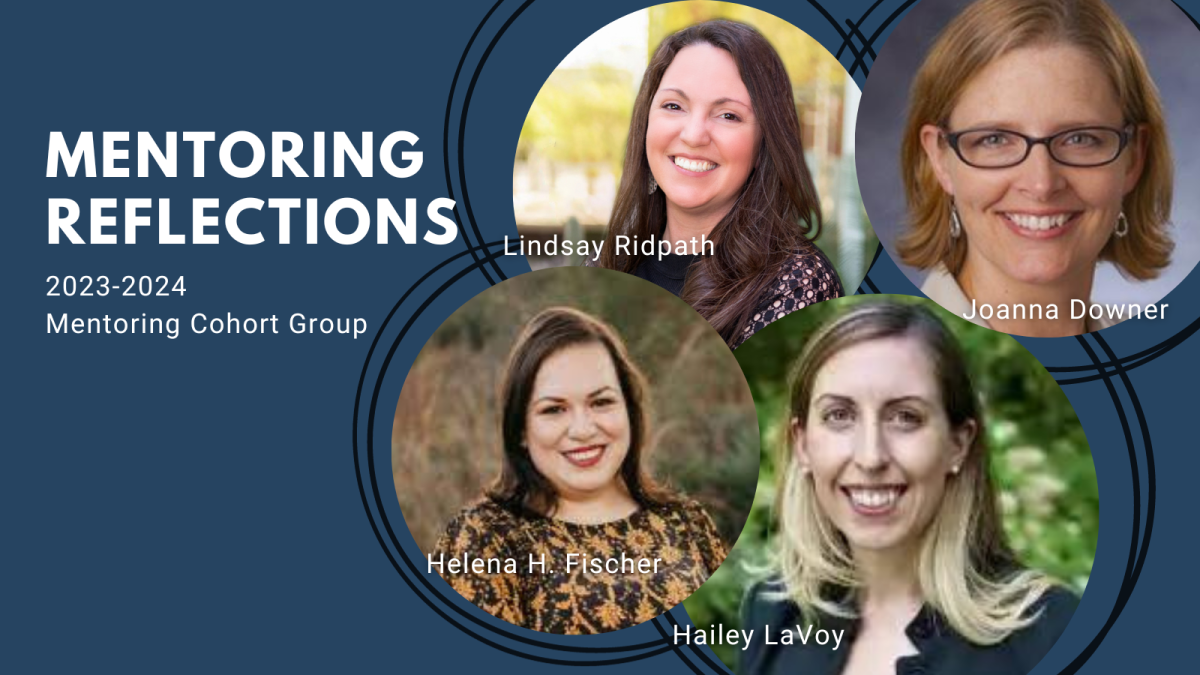
The 2023-24 Mentoring Program started in July, with an expanded cohort mentoring program in its 2nd year running. The Cohort Mentoring Group consists of matching three mentees with similar interests with one shared mentor based on the WisdomShare matching algorithm. The Mentoring Committee made 31 Cohort Mentoring Groups matches this year, an astonishing increase from last year’s pilot of 10.

The Mentoring Committee is actively seeking new volunteers to run the various mentoring programs offered to all NORDP members! If you have benefited from the mentoring services in the past, we encourage you to consider getting involved as the committee work is largely driven by volunteers. To learn more, we welcome everyone to join us at the Mentoring Committee Open House on Thursday, January 18, 2024, at 2pm Eastern. Register TODAY and/or email mentorprogram@nordp.org if you have any questions.

#PayItForward


Cohort Mentor:

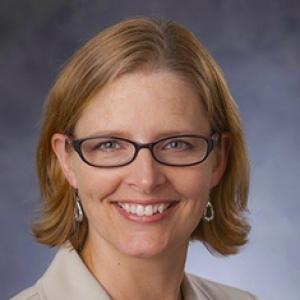
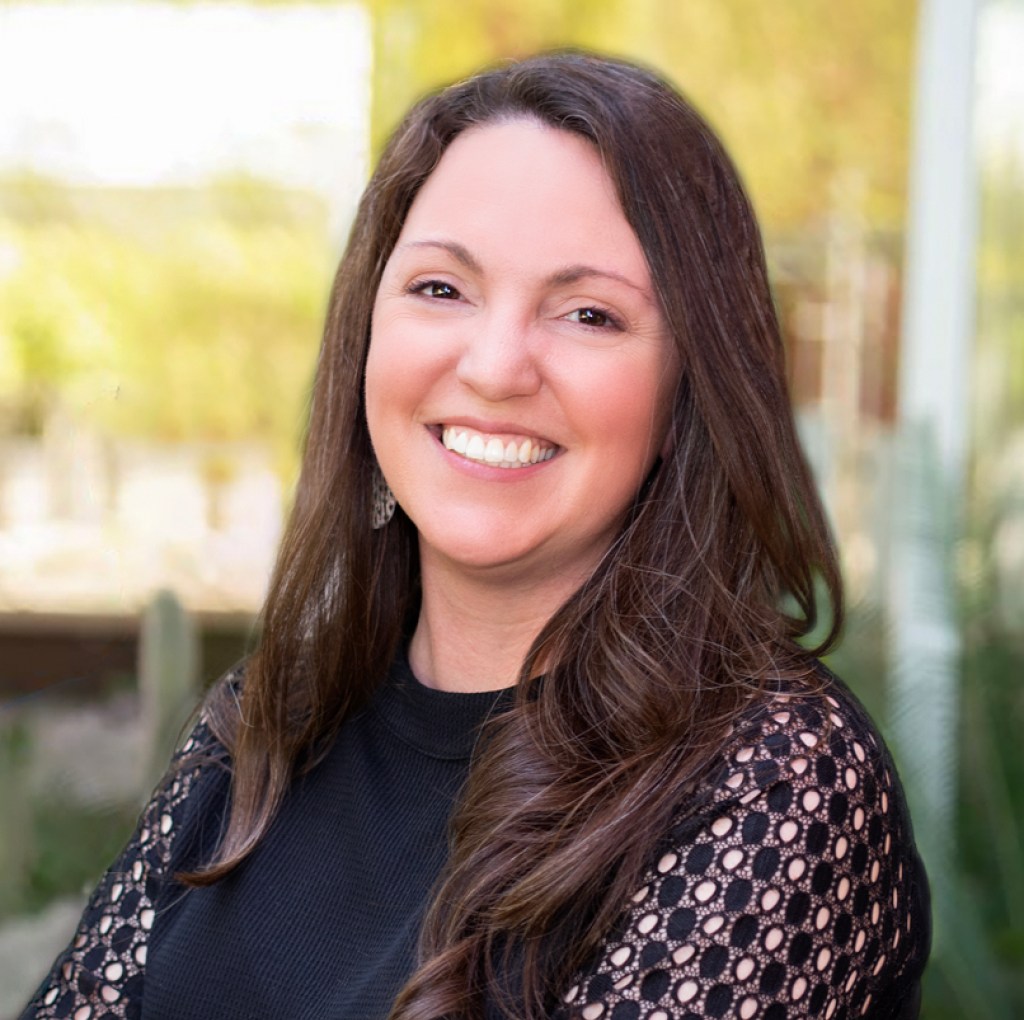
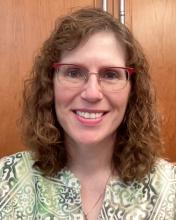
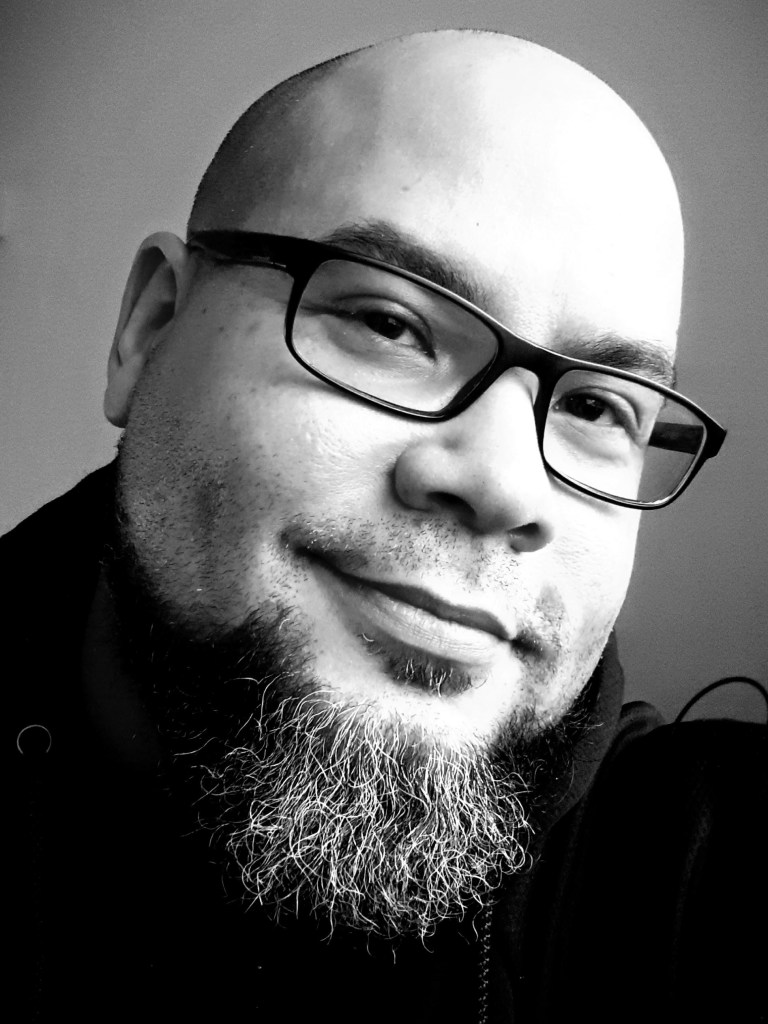
Joanna Downer (JD) is Associate Dean for Research Development at Duke University School of Medicine. She previously worked in science writing and media relations at Duke and Johns Hopkins, has extensive experience in scientific editing, and is a Certified Professional Coach. Joanna holds an MA and PhD in nuclear chemistry from Washington University in St. Louis, and a BS with Honors in chemistry from Carnegie Mellon University. While in graduate school, she was a Mass Media Fellow of the American Association for the Advancement of Science.

Cohort Mentees:

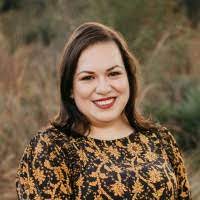
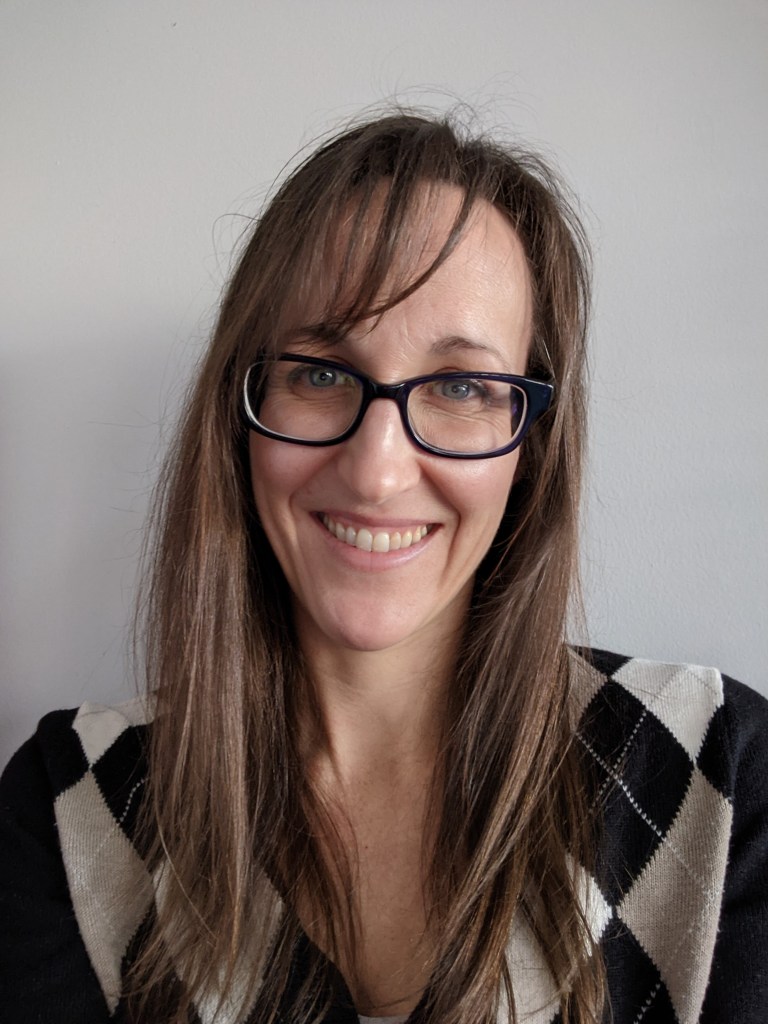
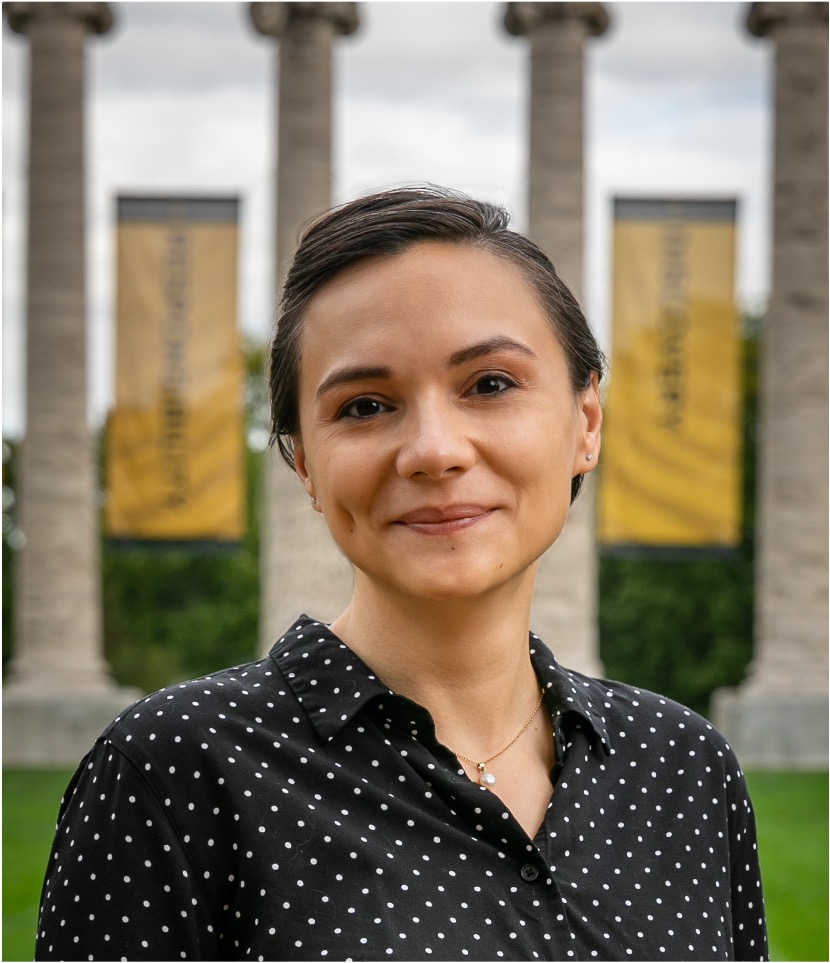
Helena H. Fischer (HF) serves as Senior Grant Development Manager for the Alvarez School of Business at the University of Texas at San Antonio. She earned her Bachelors of Music Education from UTSA and taught choral music for a decade. She earned a Master’s degree in Education Leadership and Policy from the University of Texas at Austin where she developed her research interests in poverty in education. She currently attends St. Mary’s Law School. Her experiences as an educator, grant project director, student affairs professional, and law student inform her work.

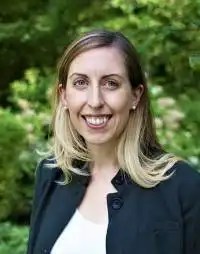
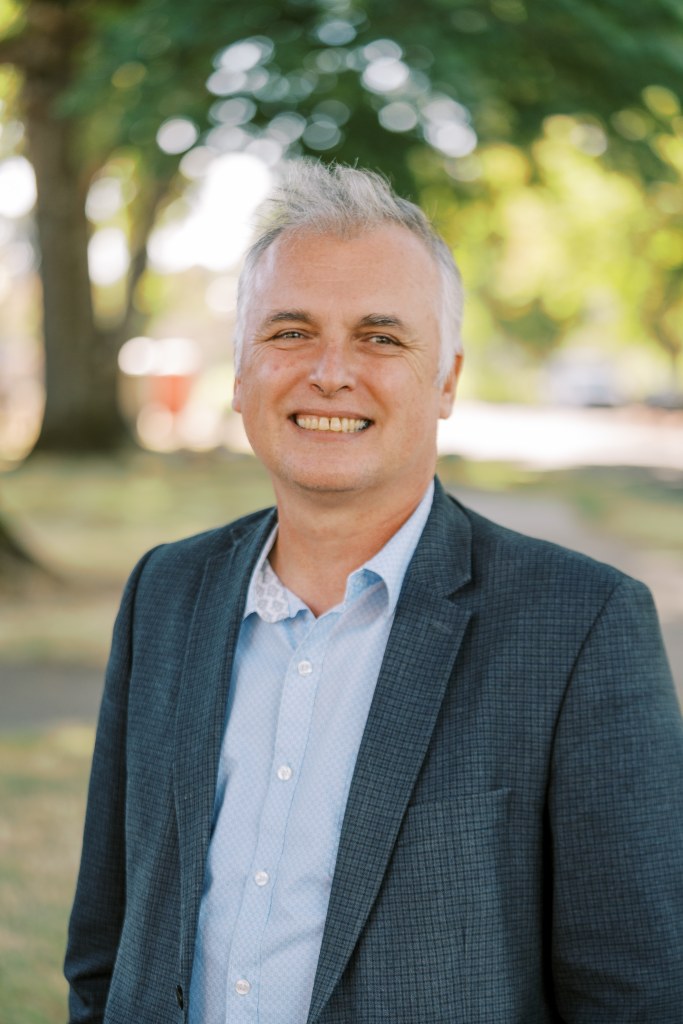
Hailey LaVoy (HL) is Assistant Director for Humanities & Interdisciplinary Grant Support at Dartmouth College. She works closely with Dartmouth’s faculty, postdoctoral researchers, and graduate students in the Arts & Humanities and Interdisciplinary Divisions to identify and secure internal and external funding that will advance their research agendas. She holds a PhD in medieval studies from the University of Notre Dame.

Lindsay Ridpath (LR) is Program Manager for Industry Engagement for Research Development at the University of Arizona. She supports procurement of industry research sponsorships, collaborates with industry on federal proposals, and aids in securing student fellowships and internships. She uses her expertise in content creation for social media and web platforms to promote UArizona faculty, facilities, and other resources to potential collaborators. Lindsay has an MFA and holds a Certified Associate for Project Management (CAPM) status.

Q1: What influenced you to apply to be a mentor/mentee for the 2022-23 NORDP Mentoring Program? Why did you choose the cohort mentoring model?

HF: My dotted-line supervisor called me on my second day in my new role as Sr. Grant Development Manager. He suggested that I sign up and that the department would pay my membership fee.

HL: It was recommended by a former NORDP mentee whom I met at the NORDP conference in May. I’m new to research development, and it seemed like a great opportunity to learn more about the field. I preferred the cohort model to get more perspectives and to meet peers in varying stages of their RD careers.

LR: I’m new to Research Development. At the time I first applied to the cohort, I was working for our Foundation Relations department, which didn’t offer a lot of support or training and its team was very new. I had developed a relationship with one of the university’s Research Development members and explained my troubles, and she was nice enough to recommend NORDP. I chose the cohort model because I wanted a group to learn from, as well as others to fall back on. The cohort model relieved the pressure of maintaining a one-on-one commitment.

JD: I love helping others achieve their goals, and I could use the time saved from having finished my term on the NORDP Board of Directors to once again serve as a mentor. I offered to serve as either 1:1 or cohort mentor, and could be happier to have been placed with a cohort!

Q2: Have you participated in a 1:1 mentoring model before? How has this experience been different or similar?

HF: Yes, but it was far more organic. We would come with questions.

HL: Not formally.

LR: No, but I’d like to.

JD: I served as a 1:1 mentor in the 2022-2023 mentoring year, and had a great experience. As others have reported in previous mentor pair profiles, while I may have started as the mentor, by the time our year was drawing to a close, I was receiving as much mentoring as I was giving, which was great. We are continuing to meet and my 1:1 mentee also signed up again – the Mentoring Program is a great way to grow your network! And in the cohort this year, I love that each member has wisdom to offer. Sharing our paths, our challenges, our solutions also helps reassure all of us that we aren’t alone in whatever experiences or feelings we’re having!

Q3: What is your favorite part about this cohort mentoring model so far?

HF: Joanna is a great mentor. I appreciate her solutions and her deep listening. I also am learning so much from my cohort mates who are in new roles too and we are navigating together.

HL: Getting confidential support on a wide range of professional issues.

LR: The first cohort wasn’t very great. I don’t think our mentor was very engaged and a lot of the convening was initiated by myself. I’m really enjoying our second cohort, all members are more engaged, and we all have different roles within our organizations so I’m able to learn a lot more about their roles, leaving me feeling more well-rounded.

JD: I think the matching software did a great job!

Q4: How has your participation in the Mentoring Program so far helped broaden your horizons about Research Development in general and/or affected your daily work in particular?

HF: It has helped me understand that there is a wealth of resources for professionals

HL: It’s given me a broader perspective on RD-institutional context, helping me better understand what is particular to my department (personalities/politics) and what is considered standard across the professional field. To that end, as a newbie, it has decreased my anxiety about how I’m doing in my specific role. My own RD office is very small, so it has been informative to learn, by listening to my fellow mentees, about the varied types of roles that exist in RD, depending on the institution and its priorities.

LR: I’m realizing that it’s ok to come from an “unconventional” background as so many others do.

Q5: What has surprised you about being a mentor or a mentee so far? 

HL: That, in addition to learning from my mentor, that I would learn so much from my fellow mentees about professionalism, tenacity, courage, and the importance of mutual support!

LR: The field feels like it’s on the brink of exciting change and I’m happy to be part of it.

Q6: Any words of wisdom or encouragement for those wanting to apply next year? Any other thoughts you would like to share? 

HL: It is indeed a wonderful investment in your professional development and an opportunity to build relationships with colleagues whom you might not otherwise meet. I’m so grateful that this program exists.

LR: If the first year is a dud, apply again!

JD: Do it!


The 2023-24 NORDP Mentoring Program is now in full swing! Applications for the next cycle will open in the spring. Please keep an eye out for an announcement from the NORDP. Additional mentoring opportunities are available through the Peer Mentoring Groups that are open for participation throughout the year via the WisdomShare platform.

An investment in mentoring is an investment in you!
Heads up – January is the National Mentoring Month!

Contributor: Vess Vassileva-Clarke

The National Mentoring Month is just around the corner and the NORDP Mentoring Committee has lined up exciting mentoring events and activities for all-level-of-experience mentors and mentees! Get excited and ready to:


CELEBRATE

We encourage you to observe these national and international days in a way that works for you. The Mentoring Committee has provided suggestions for how NORDP members can observe these days in January blog posts.

  • JANUARY 9 – I Am a Mentor Day 
    Suggestion: send a note to your mentee(s) with an encouraging message.
  • JANUARY 15 – Dr. Martin Luther King Jr. Day of Service 
    Suggestion: Seek opportunities in your local community to make an impact.
  • JANUARY 17 – International Mentoring Day 
    Suggestion: Highlight a local organization that provides mentoring opportunities. Talk about the organization in a meeting, on social media, or with your family. 
  • JANUARY 25 – Thank Your Mentor Day 
    Suggestion: Send a note to someone you value as a mentor and highlight one piece of advice that you’ve put into action.

ENGAGE & COLLABORATE at NORDP

Participate in one or all of the events, celebrations, and learning opportunities hosted by the NORDP Mentoring Committee throughout the month and beyond:

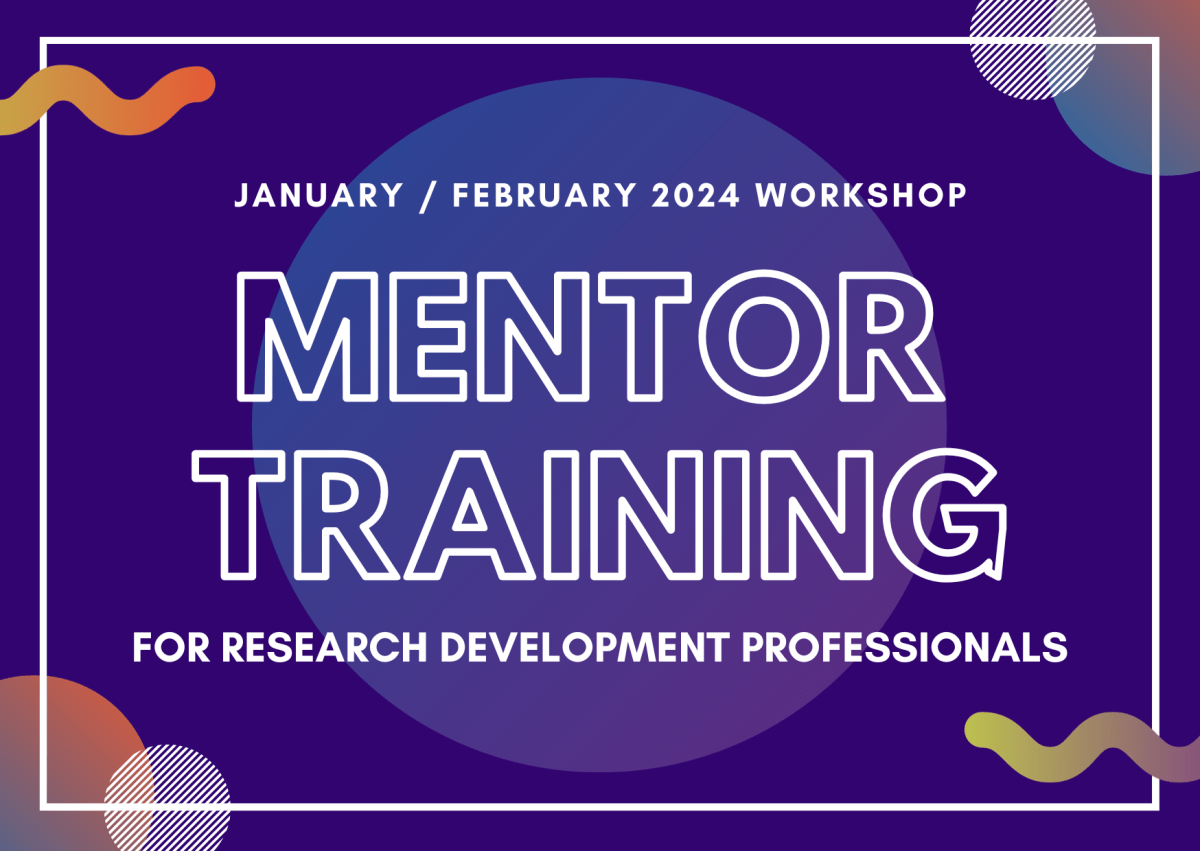
Mentor Training for RD Professionals Workshop — Get ready to explore mentoring competencies that can be utilized across the work of research development (RD)! This interactive workshop series will cover the 9-module Entering Mentoring curriculum, initially developed by CIMER for mentoring researchers and tailored for RD professionals. Registration will open in early Jan 2024. More information to come.

Mentoring Committee Open House — Join us on January 18, 2024, 2pm ET for our monthly meeting to learn more about what the Mentoring Committee does, and find out how to get involved and join us. We will talk about the committee’s work and achievements, celebrate our volunteer members, and brainstorm new ideas for the future. Register today!

McHuddles are informal gatherings hosted by NORDP Mentoring Committee facilitators and an opportunity to share ideas, ask questions, and collectively learn from other mentees/mentors in breakout sessions. Stay tuned for the 2024 dates.

You are invited!

Mentoring Committee Open House
Thursday, January 18, 2024
11am PT/12pm MT/1pm CT/2pm ET

The Committee will …

  • Celebrate our members and achievements
  • Brainstorm ideas to support NORDP members

New networks will be formed and a fun time will be had!

Questions? Email mentorprogram@nordp.org

REGISTER NOW

Peer Mentoring Group (PMG) meetings — Log in to WisdomShare and go to Dashboard to find out current PMGs and join the ones of interest to you.


DRIVE ACTION

Encourage a coworker and/or another NORDP member to join the mentoring movement — whether it’s seeking a NORDP mentor, offering mentorship, signing up for the mentor training workshop in January, or simply attending a mentoring event or a Mentoring Committee meeting.

Questions: mentorprogram@nordp.org 

#NORDPmentoring #MentoringMatters #MentorshipMatters

Mentoring Reflections: Eric Dickey and Crystal Love

by the NORDP Mentoring Committee

The traditional mentoring dyad (1:1 mentor-mentee) program has been a NORDP member feature since 2012. The Cohort Mentoring Group, piloted in July 2022, consists of matching three mentees with similar interests with one shared mentor. Both the dyad and cohorts are matched based on the WisdomShare matching algorithm. This is a blended reflection of both match types. 

Crystal Love, Ph.D. is a Science Grant Writer and Editor for the Biological Sciences Division at the University of Chicago. She has participated in the NORDP mentoring cohort for two years in a row.

Eric Wayne Dickey, MFA is the Director of Sponsored Programs for the Division of Extension & Engagement at Oregon State University. He’s been active on the Mentoring Committee since 2017. Eric has engaged in mentoring 1-on-1 for 16 years and has formally participated in the NORDP mentoring dyads for 6 years.

Q1: What influenced you to apply to be a mentor or a mentee for the NORDP Mentoring Program? 

Eric: Mentoring is very rewarding. Each time I am paired with a new mentee, and I learn about their work and their challenges and opportunities, I am reminded of my own efforts and how much work I still need to do on myself. Even though the focus in mentoring is on the mentee, I have found it to be a mutually beneficial endeavor. I am always grateful and inspired by the mentee’s bravery in stepping forward to show that they are willing to take a chance and invest in themselves and their own well-being.

Why did you choose the cohort mentoring model?

Crystal: I chose the cohort mentoring model to expand my community of support as I get further into my career in RD. At 2.5 years in, I am still new to this field and have a lot to learn, but I’ve also experienced a wide range of proposals, funding agencies, and faculty personalities in this time. I view the mentoring cohort as a great opportunity to continue my own growth as well as offer NORDP colleagues lessons, tips, and resources I have found useful so far. The cohort model is also a great way to hear diverse perspectives on various topics and learn about how other RD offices function. Lastly, I view the cohort mentoring model as a great stepping stone to becoming a mentor myself someday.

Q2: Can you compare your experience in the dyad vs. cohort mentoring models?

Crystal: This is my third year participating in the NORDP mentoring program. My first year I participated in a 1:1 mentoring program, my second year I participated in the new cohort mentoring program, and this year I am participating in the cohort program again. My experience with 1:1 mentoring was phenomenal; I had just entered the RD field and was matched with a mentor who also had a science background and provided significant insight as to how my career could progress. I had a lot to learn this first year, and since everything was new and a bit overwhelming, it was very useful having this 1:1 time with a mentor who could help me learn the basics, dig into the details of my current projects, and help me navigate new situations. My mentor provided advice and resources with the proposals I was working on, tips on working with other staff in grants administration and RD, and guidance on how to build a network in NORDP and build expertise toward my career goals. This experience had a significant impact on my confidence and trajectory, and I am very grateful to have had this individual support as I transitioned to a career in RD. 

I have since decided to participate in mentoring cohorts because I learn so much from other’s experiences and work strategies. In my experience, the 1:1 model was a bit more structured, as far as identifying goals and introspection as I developed new skills, although our discussions were also organic based on what I was experiencing at that time (proposals, takeaways from workshops or virtual conferences, etc). My first cohort was less individualized as far as goals and reflection on personal development, but the wide range of discussions were organic and rich with multiple perspectives that helped my professional growth immensely. My second (current) cohort started by identifying goals for individual growth, and now our organic conversations continue to provide invaluable guidance and resources that I incorporate into my work. 

Q3: What was your favorite part about the cohort mentoring model? 

Crystal: Meeting amazing individuals and just having the opportunity to connect with others in the RD field are my favorite aspects of participating in the NORDP mentoring program. The cohort offers an opportunity to learn about a wide range of grants and funding agencies I may or may not be familiar with, as well as useful strategies NORDP colleagues use to manage various tasks, and provides a regular community of support to ask questions or bounce ideas around with. I have particularly found the cohort model helpful in developing those ‘soft skills’ in RD that are shared through discussions of diverse experiences. I like that the cohort model provides a space to discuss any aspect of RD that participants are interested in and allows flexibility in the mentor/mentee relationship where everyone benefits. The 1:1 mentoring relationship can sometimes put pressure on the mentee to provide questions/topics for the conversation to fill the hour and the mentor to have all the answers, while the cohort model is a space where many can bring up topics and the mentor isn’t alone in offering advice. 

Q4: How has participation in the Mentoring Program helped broaden your horizons about Research Development in general and/or affected your daily work in particular? 

Eric: The sharing of professional experiences that occurs in mentoring has shown me what is possible in RD, and what RD itself can make possible. Learning how people persevere in their work through challenges and opportunities has helped me become more empathetic. I now give wider margins to the faculty and clients I serve. I now understand that almost everybody has other things going on beneath the surface, other tasks and priorities, and other obligations.

Q5: What surprised you about being a mentor or a mentee?  

Eric: Throughout my career, people have often turned to me for guidance and advice. In the past, I closed myself off to that, because I was uncomfortable in my own skin. I have since learned that I am not alone. Most everybody has other things going on, and most everybody has self-doubt. Mentoring has shown me that a lot of people need support and affirmation. Mentoring has helped me feel less alone out here in this crazy world of work.

Q6: Any words of wisdom or encouragement for those wanting to apply next year? Any other thoughts you would like to share?  

Eric: Taking part in the mentoring program, whether as mentee or mentor, is a profound investment in the self. You are worth it. Take the chance and apply. You and your colleagues will be glad you did.

Crystal: While the 1:1 mentoring model may fit a smaller but very important segment of new RD professionals, the cohort model is perfect for all professional levels. These small cohorts that bring together NORDP colleagues from all over the country with a wide range of experiences in a regular, comfortable, structured, and (time-limited) setting is brilliantly effective. I would encourage NORDP members at all levels to participate and share in this experience, regardless of the mentor/mentee status. RD professionals do not share the same background, experiences, or institutional support, and the beautiful strength of NORDP is that we are a community that shares, discusses, and informs with generosity and humility. RD professionals, whether part of an institutional machine or an office of one, can learn so much from each other – I’ve seen it!


Applications for the 2024-25 mentoring match cycle will open in the spring — keep an eye out for NORDP emails. Additional mentoring opportunities are available through the Peer Mentoring Groups that are open for participation throughout the year via the WisdomShare platform [LINK: https://nordpmentoring.mywisdomshare.com/]. Contact the NORDP Mentoring Committee if you have any questions [link: mentoringprogram@nordp.org].

An investment in mentoring is an investment in you!
Tools & Tips on Wisdom Share for Mentoring

By Mentoring Committee Leadership

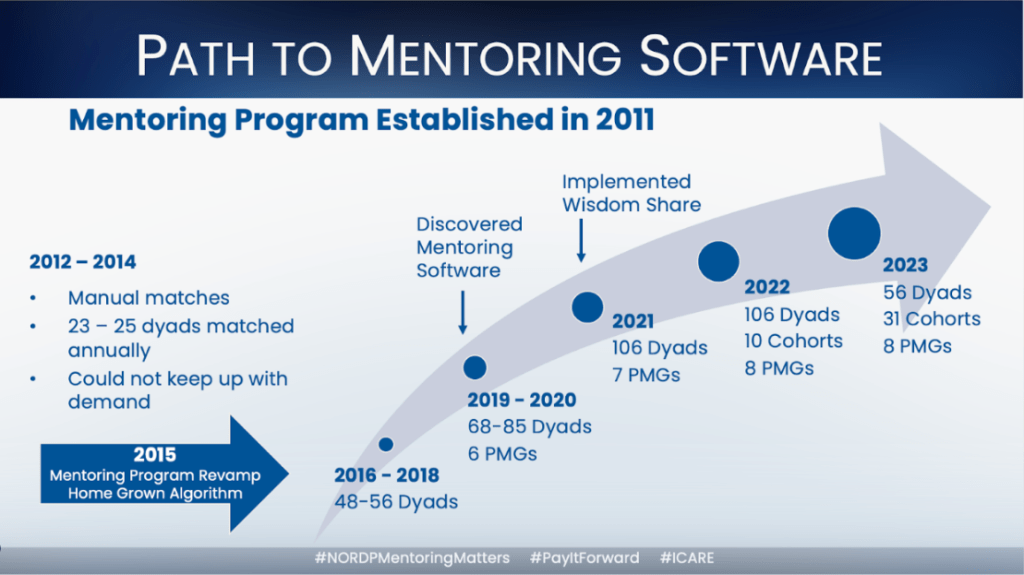
The Mentoring Committee held a Tools & Tips (TNT) information session in July on how to utilize the Wisdom Share platform to enrich your mentoring experience. In case you missed it, you can find the recording in the LMS library or the slides here. Our main goal was to answer some of the most commonly asked questions from the NORDP community about the Wisdom Share, web-based software introduced in 2021 to modernize and expedite the Mentor-Mentee matching process in order to accommodate growth of the NORDP mentoring program.

A graphic that shows a brief history of the NORDP Mentoring Committee’s Matching Program. The years 2012-2014 are shown to the left as having been performed with manual mathes. An arrow starting at the bottom of the graphic and swooping upward to the right shows the years 2016 through 2023 with the number of mentoring matches made growing year over year.

Brief history of the NORDP Mentoring Committee’s Matching Program.

Aided by the Wisdom Share algorithm, the Mentoring Committee has been able to significantly increase the number and complexity of the services we provide since its inception in 2011. A NORDP member now has access to three different types of mentoring programs:

  • 1:1 Mentor-Mentee dyads. The match program runs from July to June annually.
  • 1: 3 Mentor-Mentee cohorts. The match program runs from July, 2023 to June, 2024.
  • Eight different Peer Mentoring Groups (PMGs) led by Conveners where the discussions are member-driven. The NORDP members can elect to sign up for multiple PMGs within the Wisdom Share platform. Each PMG Convener will regularly send out meeting information.

We are currently preparing to launch our annual PMG Kickoff on Tuesday, October 10, at 1pm ET / noon CT / 11pm MT / 10am PT — mark your calendar! The registration information will be available soon through the Member Clicks email. At the PMG Kickoff, you will have an opportunity to meet this year’s PMG Conveners, get contact information, and ask questions. We want to thank all the PMG conveners for keeping us organized going forward — we look forward to seeing everyone!

  • Career & Professional Development
  • Coaching and RD
  • Communication (currently inactive)
  • Collaboration & Team Science
  • Leadership & Management
  • Mentorship (currently inactive)
  • Proposal Development
  • Strategic Planning & Advancement

Mentoring Reflections: Brooke Gowl & Kartik Yadav

The yearly NORDP Mentoring Program offers a structured mentoring experience for NORDP members. This month, we catch up with a current mentor-mentee pair as they share their reflections on their mentoring journey.

Brooke Gowl is currently serving as Research Development Associate at Duke University, Durham, NC. She has been in research development for over 13 years. Her PhD is in Neuroscience. She is a member of NORDP’s Mentoring Committee and formerly served on the Member Services Committee. She is also a mentor and mentee in NORDP’s mentoring program. She serves as a mentor for Kartik Yadav currently in NORDP’s mentoring program. 


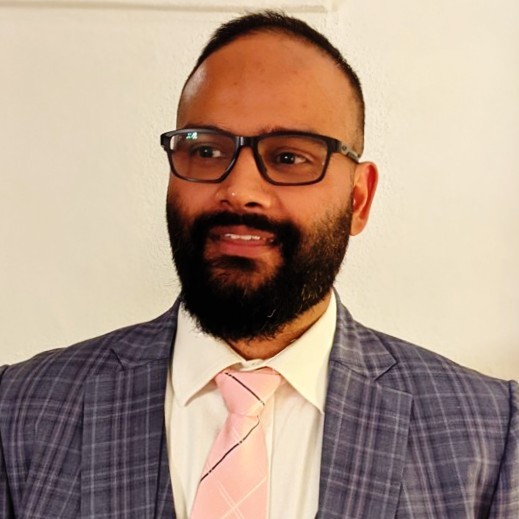
Kartik Yadav is the Director of Research Development and Administration at the University of California Irvine (UCI) Sue & Bill Gross School of Nursing. He has researched vulnerable populations in Los Angeles and India for over a decade. In his current RD role, he mentors junior faculty and Ph.D. students in developing and designing complex research grants for prestigious and competitive funding agencies and in the scientific development and operational, regulatory (IRB), and financial aspects of research grants to ensure their successful completion. Regarding the Research Administration role, he has led both Pre‐and Post-Award grants, ranging from simple to incredibly complex. In addition, he has collaborated with other partner institutions, both national and international (India, Botswana, Europe), to develop grants and provide training and support for developing programs. He is a mentee of Brooke in the NORDP’s mentoring program.

Q1: What influenced you to apply to be a mentor and a mentee for the 2022-2023 NORDP Mentoring Program?

Brooke: I have been a NORDP mentor every mentoring program year since 2019. My participation in the program has been a pleasure, and I knew that I wanted to participate again for the 2022-2023 year and plan to sign up for the 2023-2024 program year. I originally applied to be a part of the mentoring program to be a mentee and a mentor so that while I received knowledge from someone, I was also giving support to someone else.

Kartik: Although I have been conducting research and developing grants with PIs for over a decade, I recently stepped into a more formal role for the school. I felt the need to learn more, and the NORDP mentorship program was the best option!

Q2: What is your favorite part about your relationship?

Brooke: I have really enjoyed getting to know Kartik. I look forward to our monthly Zoom calls. I enjoy talking with him about what is happening in his life and giving advice as needed. My favorite part of our relationship is that while Kartik is learning from me, I am learning from him.

Kartik: I just love it! It provides me a safe space to ask any question, discuss and learn all about Research Development from Brooke’s vast experience. Besides our monthly Zoom meeting, Brooke was always available to answer my questions. 

Q3: How has participation in the Mentoring Program helped broaden your horizons about Research Development in general and/or affected your daily work in particular?

Brooke: The mentoring program has helped me to improve my mentoring skills. My participation has given me the opportunity to learn about Kartik’s work responsibilities, his institution, where he lives, etc. and the opportunity to provide him some suggestions and advice based on my past experiences, discussing what worked and what didn’t.   

Kartik: It has been an excellent success for my professional development, and with Brooke’s support, I created an internal/external proposal review process at my institution. In general, I got many insights from the world of Research Development!

Q4: What surprised you about being a mentor or a mentee?

Brooke: I have been surprised by how much mentoring is a two-way street. Kartik and I both benefit from the relationship by learning from each other.

Kartik: The extraordinary guidance from Brooke in availing all the available resources and networking across the NORDP platform. 

Q5: Any words of wisdom or encouragement for those wanting to apply next year? Any other thoughts you would like to share? 

Brooke: I encourage my NORDP colleagues to be mentees and mentors, but I especially encourage them to be mentors! There is always a demand for mentors, and if you do not think you are quite yet ready to be a mentor, NORDP has an excellent Mentor Training course! NORDP also provides excellent support to both mentors and mentees through a wealth of tools in Wisdom Share and through virtual get togethers called McHuddles. We also have facilitators that can help answer questions and provide support to mentee pairs. In addition to being a mentor and mentee, I also serve as a facilitator on the Mentoring Committee. I encourage all NORDP members to get involved in mentoring and other NORDP initiatives.

Kartik: If you are new to RD or want to move to RD or have been in RD, I would strongly recommend joining this program. It gives you a great perspective of the RD world at various, different levels and provides a strong network of experts volunteering their time towards your professional development.

The application for the 2023-2024 NORDP Mentoring Program is currently open until Monday, May 22. You can participate as a mentor, a mentee (or both), or participate in a Peer Mentoring Group (PMG - which you can join anytime via Wisdom Share). To participate, the first step is to apply for the Mentoring Program and complete your mentor and/or mentee profile. This short video provides a step-by-step overview of the application process. (Note: For current users in Wisdom Share, separate instructions were sent for how to participate in the 2023-2024 Mentoring Program.)

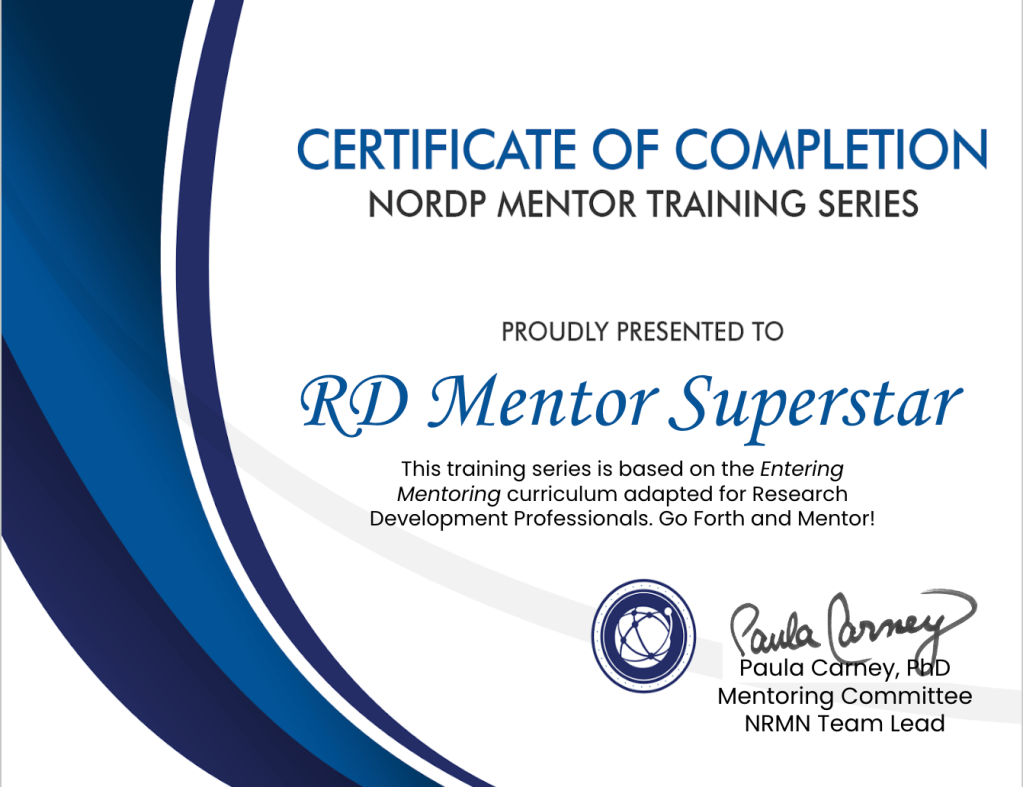
Hats Off to the 2023 NORDP Mentor Training Workshop Graduates!

The NORDP Mentoring Committee’s Mentor Training Team held a mentor training workshop in January – March 2023. Nineteen NORDP members completed the 5-week workshop, covering the 9-module Entering Mentoring curriculum initially developed for research mentors and tailored by the NORDP Mentoring Committee for RD professionals in collaboration with the University of Wisconsin Center for Improvement of Mentored Experiences in Research (CIMER). RD professionals explored key mentoring competencies that can benefit RD mentors and mentees that have been associated with improved career outcomes, employee engagement and retention, and more inclusive work environments. The workshop was facilitated by NORDP members Toni Blair, Kristin Boman, Paula Carney, Rachel Goff-Albritton, and Melissa Li.
The NORDP Mentoring Committee is committed to equipping Research Development professionals for success by offering meaningful mentoring expertise, support, and resources. The next Mentor Training Workshop is being planned and will be announced soon. If you would like to be contacted when the next workshop series is scheduled, please complete this form.

Congratulations to the following 2023 NORDP Mentor Training graduates!

SheriAndersonNorth Dakota State University
SarahAtkinsonMichigan Tech
AnnaBabkhanyanUniversity of Hawaii
DanielleBarefootUniversity of Arizona
TiffanyBrutusJames Madison University
ElizabethCarrollTexas Tech University
KathyDreyerUniversity of North Texas
DebbieFrankWashington University in St. Louis
SharonFranksUC San Diego
CarolynnJulienFairleigh Dickinson University
MonicaKesselUtah State
LizLanceSyracuse University (Falk College)
CrystalLoveIndiana University
JenniferLyon GardnerThe University of Texas at Austin
AliPearksUniversity of Colorado Denver
MatthewSchwartzUMass Chan Medical School
VessVassileva-ClarkeUniversity of Michigan
QuyenWickhamArizona State University
ViktoriyaZhuravlevaColumbia University
List of graduates from the 2023 Mentor Training and their home institutions.

Mentoring Reflections: Sammy Rodriguez & Charlene Emerson

Written by: Mentoring Committee Marketing & Communications, Sammy Rodriguez, and Charlene Emerson

The yearly NORDP Mentoring Program offers a structured mentoring experience for NORDP members. While the program officially runs for a year, a lot of participants continue their mentoring relationships long-term. This month, we catch up with one such long-term mentor-mentee pair as they share their reflections on their mentoring journey. 

Sammy Rodriguez is currently serving as Interim Director for the Office of Research Advancement & Partnerships at Washington State University. He has been in research development and administration for over 10 years. His PhD is in educational psychology and his Masters in English literature. He is a member of NORDP’s Nominating Committee and also a mentor for NORDP’s mentoring program. He serves as a mentor for Charlene Emerson.  

Charlene Emerson is a Scientific Editor and Writing Consultant for the NextGen Precision Health building at the University of Missouri – Columbia. It’s hard to know when her career in research development started exactly, but she has over 5 years of professional experience in science editing. She received her PhD in Molecular and Human Genetics from Baylor College of Medicine in Houston, TX, where she was a National Science Foundation Graduate Research Fellow. She is a mentee in NORDP’s mentoring program.

Q1: What influenced you to apply to be a mentor and a mentee for the 2021 NORDP Mentoring Program?

Charlene: I was very new to my position and to the Research Development field in general. I felt I needed to get advice and perspective about an RD career from someone who I didn’t work with closely, someone who could be relatively unbiased and candid in conversation. The NORDP Mentoring program felt like the perfect opportunity.

Sammy: Having NORDP go over the mentoring program in advance, its structure, the approach to pairing mentors/mentees, expectations, and its flexibility, provided more clarity on what to expect before deciding to sign up.

Q2: What is your favorite part about your relationship?

Charlene: My favorite part of my mentoring relationship with Sammy is how we’ve been able to watch each other grow and share in celebrating that growth. Our conversations have covered a lot of our challenges and ambitions, so it’s been great to be able to keep returning to that consistent support. I’m always looking forward to our next meeting to update him on my latest big project or to hear how his plans have turned out.

Sammy: My favorite part is that I gained a colleague I probably wouldn’t have otherwise. Although Charlene is relatively new to the profession, she has so much knowledge and drive, and she’s a leader. Feels like we are mentoring each other. I’m happy that I am able to share some experiences and guidance and get feedback later on what was helpful, how an issue got resolved, or hear about a big win on her plans to advance her goals. It serves as validation and motivation to continue to share what we know with others.

Q3: How has participation in the Mentoring Program helped broaden your horizons about Research Development in general and/or affected your daily work in particular?

Charlene: RD is an incredibly varied field and I’ve learned a lot about the variety of positions and growth trajectories for an RD office. I now have more knowledge about different areas I could grow into and I don’t feel as uncertain about where this career path will take me. In my daily work, I feel much more confident that I’m approaching challenges and opportunities reasonably and that I have a supportive resource for any questions that come up.

Sammy: It’s easy to get caught up in the day-to-day work of our office, our institution, but we have to keep a balance even within the professional sphere of our lives. It can’t just be tasks, tasks, tasks. We have to take care of ourselves and our colleagues, taking time for professional development, mentoring, taking a step back for a minute, and consider all those aspects that revolve around our profession. Doing so will ultimately make our careers more enjoyable, fruitful, and lasting. RD is truly a community, and as we grow and gain more and more years of experience, there is a responsibility to share what we know and our ideas. RD and NORDP are at a maturing phase where there is a broader space for mentoring as a key element for growth, looking to the future of RD and as an organization.  

Q4: What surprised you about being a mentor or a mentee?

Charlene: I was surprised how easy it was to grow the relationship comfortably. Before the mentoring got started, I was nervous that it would feel awkward or that we wouldn’t have anything to talk about. But once I decided to just open up and ask about topics that I’d been wondering about, insecurities about how to move forward with my career, or my perceptions of office politics, conversation came incredibly easy.

Sammy: How well it has gone. I think there’s always a level of apprehension when considering getting into a mentoring relationship. What if the pairing doesn’t work? What will we talk about? Is it going to be awkward? There’s a degree of opening up, whether you’re a mentor or a mentee, an element of vulnerability. Once you get past that initial pause and take the next step, then vulnerability turns into honesty and that builds trust. And I have to go back to a previous point I made, I’ve learned so much from Charlene. I knew that you also learn as a mentor, but I’ve learned in ways I had not anticipated.

Q5: What made you decide to maintain a longer-term mentoring relationship and how has it impacted you?

Charlene: It was an easy decision because I felt like we both still were getting quite a lot out of our conversations. Our monthly meeting doesn’t feel like an obligation or just another thing to get done, it’s a bright spot in the month.

Sammy: When the program was officially coming to an end, I think it was mutual that getting together and having these conversations, exchanging ideas, challenges, and successes had become natural. There wasn’t a reason it couldn’t or shouldn’t continue. I’ve read some advice that mentoring should have an end date, and I can see that, if the goals have been met, etc. But as I mentioned earlier, I’ve gained a colleague, a very knowledgeable, thoughtful colleague who has contributed to my professional development. We’re genuinely interested in contributing to each other’s success. Having someone to go to, vet an idea, ask a question, who knows you and at the same time is not biased due to proximity, is a great resource to have. I have gained a trusted colleague I can go to, and I’m also available to assist her in any way she feels I can be of help.

 Q6: Any words of wisdom or encouragement for those wanting to apply next year? Any other thoughts you would like to share? 

Charlene: Set expectations early on, then just relax and have a good conversation. And definitely don’t get caught up in thoughts that you’re taking up your mentor/mentee’s time, you’ve both chosen to be part of the mentoring relationship and there’s a lot to gain on both ends.

Sammy: Go for it. Getting outside our comfort zone is necessary for growth. Although each mentoring relationship is unique, there’s one common thread: whether as a mentor, mentee, or both, we all have an interest and are making a commitment to mentorship. It may feel like a gamble, but the odds are you’ll have a great experience!


Applications for the 2023-24 cycle will open in the spring; keep an eye out for emails from the NORDP listserv. Additional mentoring opportunities are available through the Peer Mentoring Groups that are open for participation throughout the year via the WisdomShare platform.

Investment in mentoring is an investment in you! So, as Sammy says, “Go for it!”
Mentoring — Make it yours

Byline: Susan Carter, Jan Abramson

During January, the Mentoring Committee leveraged National Mentoring Month to share information about the many ways to get involved with mentoring. As Mentoring Month comes to a close, Susan Carter and Jan Abramson, NORDP Fellows and the inaugural recipients of NORDP’s Mentoring Award, share some thoughts.

Mentoring broadens perspectives,; establishes connections, and grows relationships. It’s a way to meet new people, learn new skills, and refine your own. Mentoring opens doors, and takes you places you might never have imagined. And, it is fun!

Susan reflects, “When I look back on my career in research development, one of the best professional steps I ever took was to engage with the Mentoring Committee and to become a mentor, both formally through the NORDP Mentor Program, and informally to others in RD. The time I spend mentoring really is fun, but most importantly, I have learned much more than I ever imagined I would. One definitely gets back more than one gives, which has been a huge benefit of being involved in mentoring. There is always someone I can call on when I need a new perspective, advice, or even just a friendly voice or face on Zoom for a bit of venting. Moreover, many of my mentees have become wonderful collaborators as well as great friends: we’ve built new ideas and new programs together.”

Jan shares, “the Mentoring Committee was my first step into NORDP, and mentoring continues to be a foundation of my life. Although I have retired, my connections stay strong, and I continue to #PayItForward. My world is richer thanks to the many relationships I have formed over the years. My intent is to nurture and celebrate connections — new and established. I’m thankful for my mentors, my mentees, and those who are peer mentors. I am who I am, because you touched my life.”

The Mentoring Program is a benefit available to all NORDP members, and we encourage you to get involved. Join a Peer Mentoring Group (open year round), register to participate in the 1- on- 1 or cohort-based mentoring program (applications open annually in the spring), join the Mentoring Committee, and be open to mentoring opportunities.

Mentoring is what you make it… Make it yours.

#MentorOn and #PayItForward

Mentoring Committee Highlights

Hello from the NORDP Mentoring Committee! Our mission is to equip research development professionals for success by offering meaningful mentoring expertise, support, and resources.

Here are a few committee highlights as we move into the fall semester:

This summer, we collaborated with the Professional Development Committee to present a series of mentoring webinars, all of which are now available in our Mentoring Toolkit on the NORDP website (log in to the members-only section, then visit the Mentoring Committee page).

Besides access to the mentoring webinar series, the Mentoring Toolkit allows NORDP members to explore tools for self-assessment, goal-setting, and strategic planning; and further reading on mentorship. Whether you are cultivating a mentoring relationship or interested in developing mentoring guidance for faculty, we have resources available.

The Mentoring Committee is also working with the Inclusive Excellence Committee to serve the mentoring needs of a growing and diverse organization.

This year, we are continuing to 1) network with other organizations who provide mentoring support and 2) build mentoring resources and training for NORDP members. Stay tuned for more updates.

If you are interested in learning more about the work of the committee, or are interested in joining us, we would love to hear from you! Are there any mentoring topics you would like to hear more about or any resources that you would find helpful? Feel free to leave a comment or email us at mentorprogram@nordp.org

NORDP Member Etta Ward Awarded a Fulbright Scholars Grant


#NORDPMentoringMatters

Congratulations to Mentoring Committee member Etta Ward, Assistant Vice Chancellor for Research and Development at Indiana University-Purdue University of Indianapolis, who has been awarded a Fulbright Scholars grant for the International Education Administrators Seminars in France, for two weeks in the fall of 2018. Her work as a Fulbright Scholar will center on effective mentorship as a strategy for professional and research development, especially for women and minorities in the academy. She listed NORDP one of three organizations to potentially benefit from this tremendous opportunity. Etta’s participation in the program will provide insights on international and cultural aspects of mentoring from multiple perspectives. Specifically, she anticipates that it will offer a more global understanding of competencies that effectively address the needs and challenges facing different populations participating in formal mentoring programs and initiatives.

Jan NORDP mentor picture edit
Peer Mentors Etta Ward (right) and Jan Abramson meeting in person at National Research Mentoring Network Facilitator Training

Etta has been an integral partner in the development of the Mentoring Committee as a platform to equip research development professionals for success by offering meaningful mentoring expertise, support and resources. She leads by example in a working group that develops and provides tools for Mentoring Program participants to facilitate successful NORDP mentoring experiences. Etta’s expertise and commitment to the importance of mentoring has inspired us to provide an ever-expanding curated set of resources for NORDP members. She will work closely with the Mentoring Committee to explore best practices and innovative strategies to integrate elements of international cultural awareness in various aspects of it work.

The Mentoring Committee is always looking for NORDP members who would like to participate in the work we are doing. As a committee, we mentor each other, grow together and celebrate successes: today, we celebrate Etta’s Fulbright.

If you are interested, email us at mentorprogram@nordp.org, or visit with us at the Annual Conference.

More information on the Fulbright International Education Administrators Seminars can be found here.