by the NORDP Mentoring Committee
The traditional mentoring dyad (1:1 mentor-mentee) program has been a NORDP member feature since 2012. The Cohort Mentoring Group, piloted in July 2022, consists of matching three mentees with similar interests with one shared mentor. Both the dyad and cohorts are matched based on the WisdomShare matching algorithm.
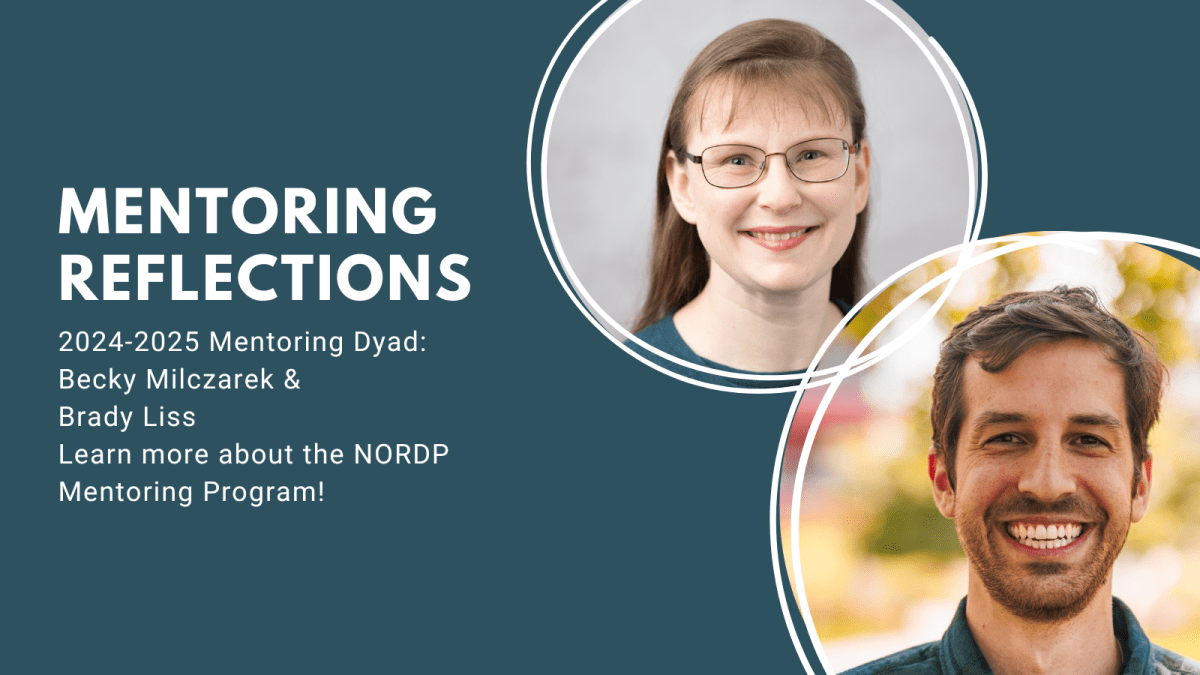
This month, we caught up with a dyad mentee-mentor pair, Brady Liss (Mentee) and Becky Milczarek (Mentor) from the 2024-2025 mentoring program year to share their experiences with NORDP.
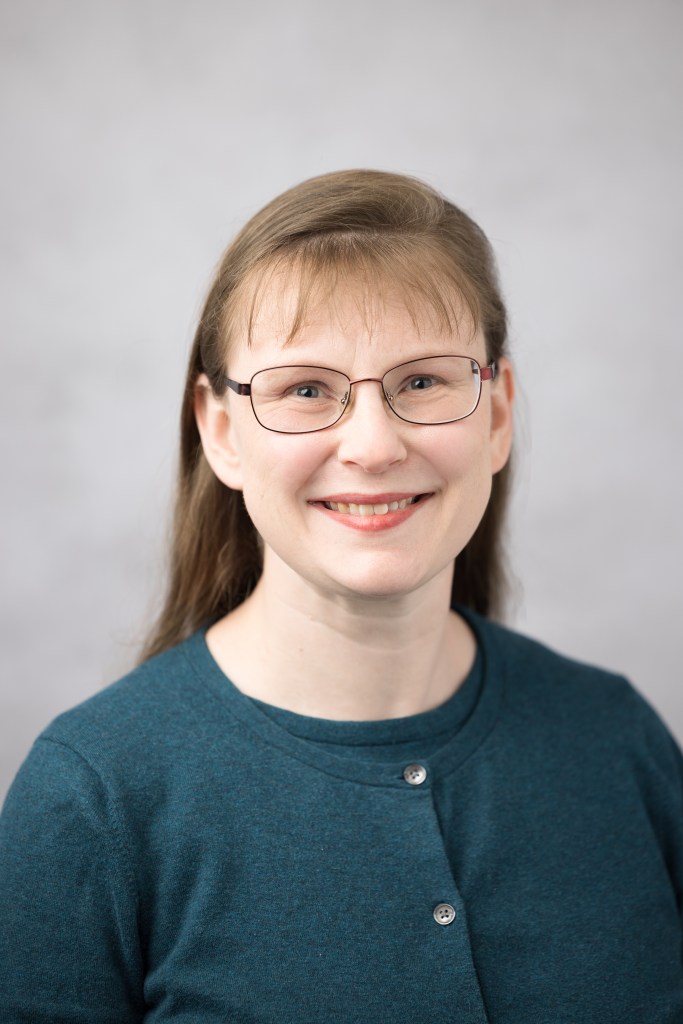
Assistant Director, Office of Research Development
University of Illinois Chicago
Rebecca (Becky) Milczarek, Ph.D., University of Illinois Chicago (UIC) • Becky is an Assistant Director in the campus-level Office of Research Development at the University of Illinois Chicago (UIC). Dr. Milczarek’s formal training is in Food Science and Chemical Engineering, and she spent the first decade of her career in the roles of researcher and proposal reviewer in the federal government before pivoting to academic RD in 2021. Becky elevates the UIC research enterprise by connecting investigators with collaborators and funding, managing the limited submissions process for the campus, and guiding early career and seasoned investigators alike toward a reviewer-centric approach to proposal narrative development.
Grant Proposal Developer
University of Vermont
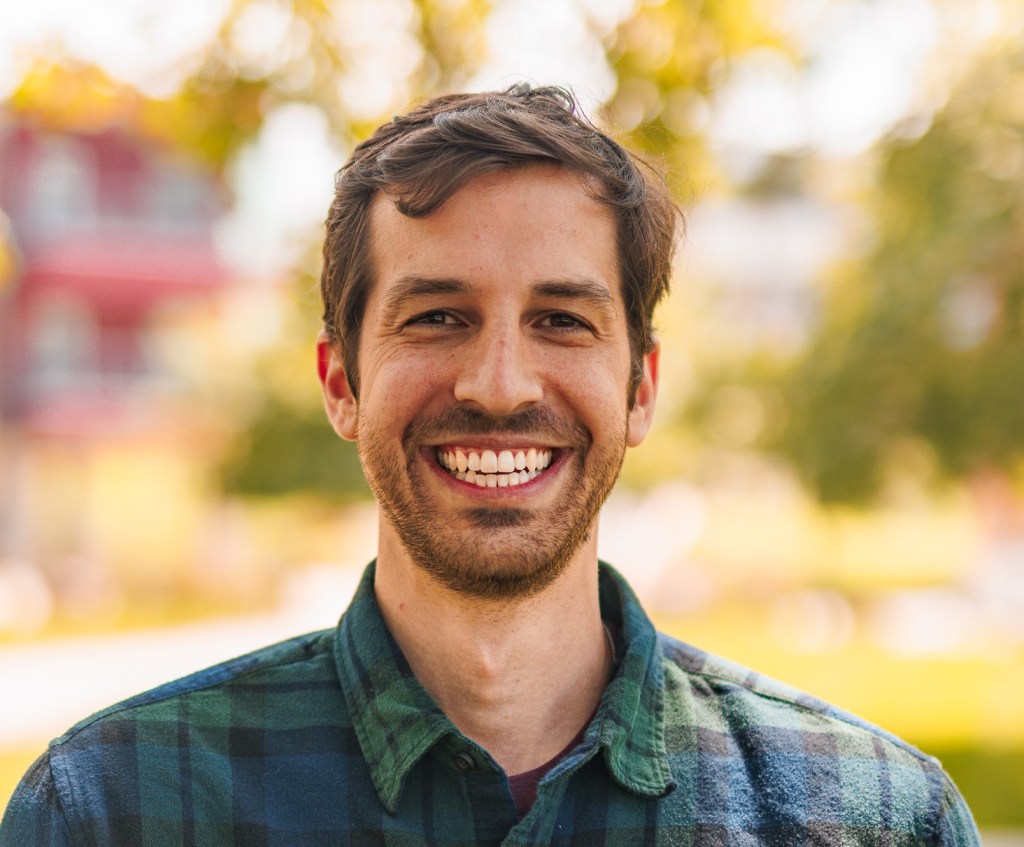
Brady Liss, PhD, University of Vermont • Brady is a Grant Proposal Developer for the College of Arts and Sciences at the University of Vermont. Brady completed his PhD in Anthropological Archaeology at the University of California San Diego, before joining the Research Development team in May 2023. As archaeology is uniquely situated at the intersection of the humanities, social sciences, and natural sciences, he leverages his previous research experiences to best support faculty across a variety of departments and disciplines in the college.
Q1: What influenced you to apply to be a mentor and a mentee for the 2024-2025 NORDP Mentoring Program?
Brady: Like many research development professionals, I didn’t anticipate (or frankly even know about) a career in research development until I applied for my current position as a grant proposal developer at the University of Vermont. In turn, I was looking for opportunities to develop professionally in this new (to me) field. The NORDP Mentoring Program seemed like the perfect opportunity to gain insights from someone with more experience. Further, as I can find networking in larger settings intimidating or overwhelming, the opportunity to join a 1:1 dyad was very appealing!
Becky: I had previous positive experiences as a mentee in a NORDP mentoring dyad in 2022-2023 and a cohort in 2023-2024. Although I’m still relatively new to the field of RD, I felt confident enough to start paying it forward as a mentor in 2024-2025. I still recognize I have a lot to learn, though, and thus also participated as a mentee in 2024-2025 – I really enjoyed being a part of a “mentorship sandwich” and am continuing this approach in the current program year.
Q2: What is your favorite part of your relationship?
Brady: My favorite part about my mentor-mentee relationship with Becky was the open and fluid conversations. We established specific topics for each of our monthly meetings, but allowed the conversation to naturally progress to other subjects. I also enjoyed the opportunity to discuss navigating the current federal funding landscape in a multi-generational NORDP mentor-mentee meeting; Becky’s former mentor joined the conversation.
Becky: For better or worse, it was really “misery loves company” in the 2024-2025 academic year. All in the RD profession will recognize the myriad challenges and upheavals during this period, and it was grounding to have regular, candid conversations with a colleague going through the same experiences.
Q3: How has participation in the Mentoring Program helped broaden your horizons about Research Development in general and/or affected your daily work in particular?
Brady: My participation in the mentoring program certainly broadened my horizons concerning research development. Sometimes as a grant proposal developer, I can become hyper-focused on supporting the individual grant. However, research development is bigger than any one grant. Meeting with Becky helped reiterate this concept. For example, we explored issues of inclusive language and transparency in funding announcements, leveraging LinkedIn to expand resources and connections, engaging with other fields entirely, etc. Based on Becky’s insights and suggestions, I am exploring new avenues to raise awareness about research development careers among archaeologists.
Becky: My discussions with Brady gave me a deeper appreciation for both the diversity of RD activities and the commonalities across the profession. Nominally, Brady and I do not have much overlap in our day-to-day RD responsibilities: Brady primarily supports proposal development within a college, while I focus on campus-wide faculty professional development, funding opportunity discovery, and limited submissions. It was enlightening for me to hear more about the proposal development side of the shop, and I’m hoping Brady learned a bit about some more upstream RD activities. At the same time, we definitely identified and explored common themes, mostly having to do with better understanding and serving our clientele. Enabling productive communication with various stakeholders, offering the right support at the right time, and navigating a rapidly shifting research funding landscape are (I will declare here) universal RD themes that we touched on this past year.
Q4: What surprised you about being a mentor or a mentee?
Brady: I don’t think I was necessarily surprised by any particular aspect of being a mentee, but the program did emphasize the unique collegiality of NORDP members (which was a bit of a surprise compared to previous professional organizations I have participated in). Whenever I have a conversation about NORDP, a primary talking point is always the kindness of the members and their willingness to help. Despite being in a slightly different role and having more experience in the field, Becky exemplified this in her openness to discussing any topic of interest and through dedicating her time to this process.
Becky: I knew the NORDP mentoring program was intended to be mentee-driven, but I was surprised at how graciously Brady took up this mantle. He kept us on track with our discussion topics and was proactive in (re)scheduling our meetings, but he always showed flexibility when new circumstances or opportunities arose. I suppose I should not have been surprised at this!
Q5: What made you decide to maintain a longer-term mentoring relationship, and how has it impacted you?
Brady: I really value the opportunity to learn from others, especially when they have more and/or different experience(s) in a given space; Becky fits both these qualifications. Being fairly new to research development with a background in the humanities, I was grateful for the opportunity to learn from Becky, who has served as an assistant director of research development for over four years with a background in food engineering. Our meetings were also consistently comfortable, open, and insightful, making it an easy decision to maintain a longer-term mentoring relationship to continue learning and sharing.
Becky: It was a pleasure to connect with Brady through this program, so I was happy to suggest we touch base a few times a year as we both progress in our careers. I’m looking forward to hearing about Brady’s accomplishments, challenges, and a-ha! moments.
Q6: Any words of wisdom or encouragement for those wanting to apply next year? Any other thoughts you would like to share?
Brady: In the past, I likely would have avoided this type of opportunity. I decided to go for it based on two factors: 1) my experiences interacting with research development professionals, which were always cordial, collegial, and kind, and 2) the smaller setting (a 1:1 dyad) with low-stakes (open discussion, one-hour meetings, once per month) sounded ideal. Now having “completed” the program, I am grateful I did, and I would encourage others to do the same.
Becky: NORDP has built a wonderful mentorship infrastructure, so I highly recommend getting involved as a mentee, mentor, or both. Having been in both a cohort and a few dyads, I can say both models have their strengths. Dyads offer more customizability and focus for a mentee with clear goals going into the program. Cohorts provide instant networking and a wider variety of perspectives and experiences. I encourage prospective mentees and mentors to try both options at least once and keep in mind that every mentoring relationship will be different, regardless of the number of folks involved.
On a practical note – be aware of the program signup window! In early spring, the start of the mentoring year may seem a long way off, but don’t miss your chance to participate.
Applications for the 2026-2027 mentoring match cycle will open in the spring of 2026 — keep an eye out for NORDP announcements. Additional mentoring opportunities are available through the Peer Mentoring Groups that are open for participation throughout the year via the WisdomShare platform [LINK: https://nordpmentoring.mywisdomshare.com/]. Contact the NORDP Mentoring Committee if you have any questions at mentoringprogram@nordp.org.
 NORDP News