New NORDP Board Member Cameo: Jessica Moon

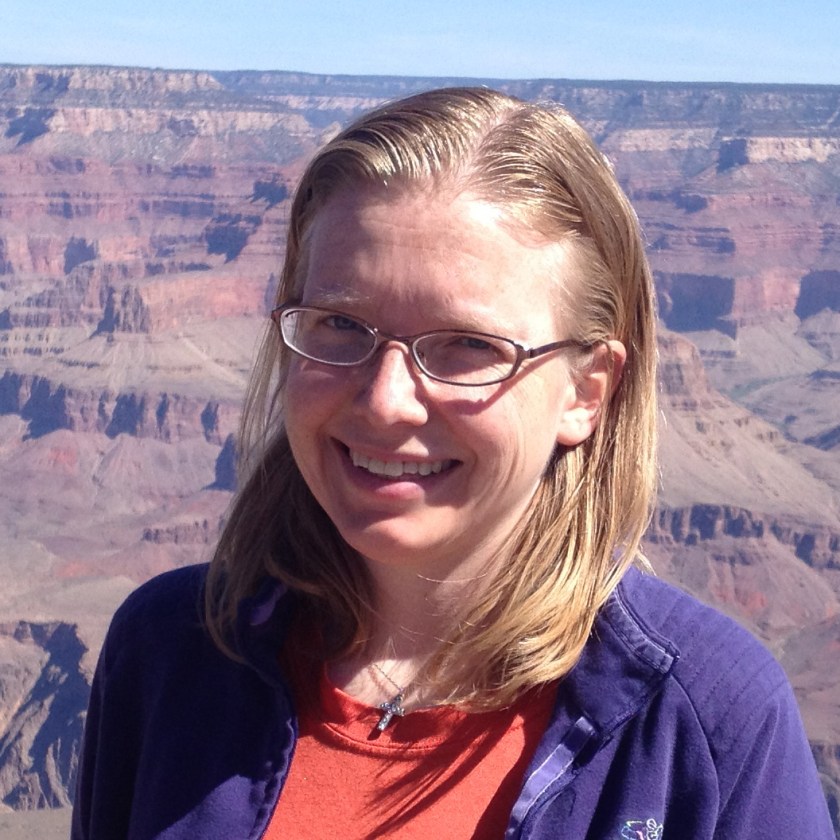
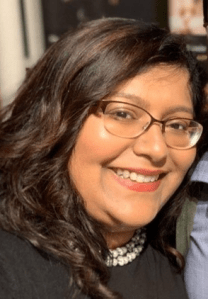
Jessica Moon, PhD, PMP, NORDP Board Member

Who: Jessica Moon, PhD, PMP. Executive Director, Stanford Aging and Ethnogeriatrics Research Center

Where: Stanford University

Number of Years Working in RD: Six years

Length of NORDP Membership: Five years


When and how did you enter the field? What kind of research development work do you do?

My daughter was three years old when I started graduate school at the University of Vermont, and I realized quickly that I did not want to pursue a tenure-track faculty position. I had worked for several years as a writing center consultant for undergraduates, grad students, and postdocs, and I thought perhaps my scientific and writing consultation backgrounds would be an effective combination. Another tipoff was that I really enjoyed my phase 2 qualifying exam—i.e., writing an NIH grant. I happened to see a presentation by Jeralyn Haraldsen (now the Director of Research Development at UVM) about the newly minted research development office. I reached out to Jeralyn—“Your work sounds really interesting! I’d love to hear more about your background and the RD field. Would you be willing to get coffee?” She introduced me to NORDP, and we carpooled down to my first Northeast regional meeting in Amherst, MA. The whole world opened up from there so to speak. 

My goal was to position myself for an RD job straight out of graduate school. There’s not a standard career path or ladder into RD (I recently heard someone refer to it as a “climbing wall”). The common thread from talking to NORDP members was scientific editing experience, so I started by diversifying my editing portfolio. I became a contract scientific editor for Cactus Communications, where I edited journal articles, scientific protocols, responses to reviewers, and other works for university researchers and drug companies across the biomedical and chemical sciences. About a year later, I started a small freelance business editing manuscripts and grant proposals. Basically, I fit in extra editing jobs wherever I could—between experiments, late in the evening, Christmas break…This gave me some hardcore copyediting experience that complemented the consultation and writing pedagogy work at the writing center.

My first research development job out of graduate school was at the University of Arizona in Kim Patten’s office as a Research Development Associate for the biomedical sciences. Jamie Boehmer (a Senior RD Associate at the time) took me under her wing and identified opportunities for me to network across campus. As a former VA Program Officer, she has a wealth of knowledge, and I learned a lot from her. In my two years there, my portfolio grew to include faculty from across the five health sciences colleges, many more types of NIH proposals, and other funders (e.g., HRSA, CDC, foundations).


Now, as Executive Director, I oversee all aspects of the SAGE Center. I refer to my role as RD+, because it encompasses a broad range of research development activities—advising on funding strategy, grant writing/editing, and faculty development, as well as things like program management and evaluation, research compliance, budgets, and scientific event planning. I am also the program officer for our pilot award program, and mentor all SAGE junior faculty and postdocs. One thing that is unique from my prior position at UArizona is that I do actual grant writing and intellectually contribute to the design and implementation of projects and programs. Hence, the scope and my view of RD has grown since coming to Stanford.


What’s your history with NORDP? How have you engaged with the organization (committee work, conferences attended/presented)?

As mentioned above, I started engaging with NORDP via the Northeast regional meetings and attended my first NORDP conference in 2017. I moved to Tucson, AZ shortly after graduating. My supervisor at the University of Arizona, Kim Patten, is a strong advocate of NORDP and encourages everyone in her unit to be engaged. My first volunteer activity at the national-level was the Affiliated Medical Centers special interest group. As a member of the inaugural leadership team, I helped shepherd AMC through its development into an affinity group. My NORDP mentor encouraged me to explore other committees. In 2021, I joined the Professional Development Committee, Committee on Inclusive Excellence, and Mentoring Committee with the thought that I could try them and see what I liked the best—I’m still a member on all.


What motivated you to run for the NORDP Board?

The encouragement from my NORDP mentor was a big part of it. I enjoy the strategic planning aspects of my work at Stanford and looking at things from a big picture/organizational systems standpoint—my role on the NORDP Board provides this from the non-profit perspective. I also wanted to give back to NORDP, because it has played such an integral role in helping me find and obtain RD positions after grad school. I learned about both of my jobs at UArizona and Stanford through NORDP connections. NORDP’s members are a wealth of information and their warmth and willingness to share ideas is remarkable and wonderful. For all those reasons, I was excited (and a bit intimidated) to run for the Board. I wanted the experience of strategic planning and understanding things from that lens while contributing to the good of the organization.


What are you most excited about as a new NORDP Board member?

It’s a fantastic group. I have attended three board meetings so far and have been amazed and energized by the team dynamic—everyone takes their duty of care seriously, meaning that discussion and deliberation is very thoughtful and open. I am introverted and have a hard time inserting myself into conversations, because I second guess that what I want to say will be helpful. There is conscious effort by Board members to invite everyone’s input, so I am excited to work with this really awesome group. I’m also excited because NORDP is in this transition period between thinking of ourselves as a smaller organization to a larger and more mature organization…Which I guess means we are in the awkward teen phase. I think part of that has to do with how quickly our membership has expanded—yay us! But we are also experiencing some growing pains, and the Board’s goal is to help NORDP work through that.

Mentoring Reflections: Sammy Rodriguez & Charlene Emerson

Written by: Mentoring Committee Marketing & Communications, Sammy Rodriguez, and Charlene Emerson

The yearly NORDP Mentoring Program offers a structured mentoring experience for NORDP members. While the program officially runs for a year, a lot of participants continue their mentoring relationships long-term. This month, we catch up with one such long-term mentor-mentee pair as they share their reflections on their mentoring journey. 

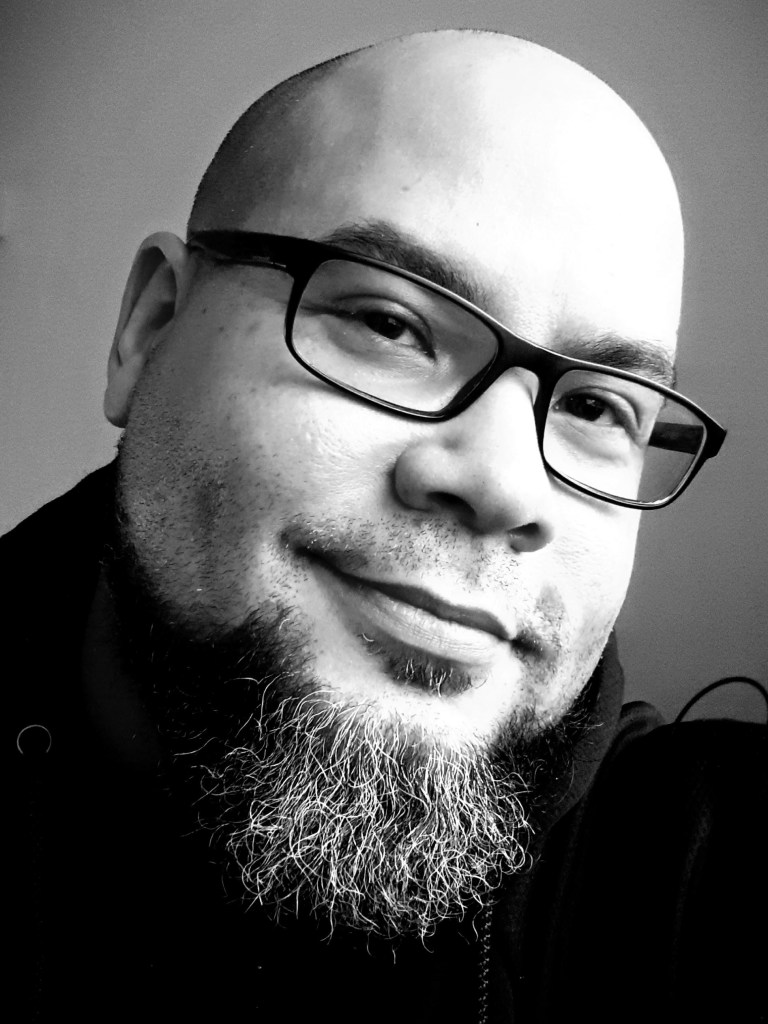
Sammy Rodriguez is currently serving as Interim Director for the Office of Research Advancement & Partnerships at Washington State University. He has been in research development and administration for over 10 years. His PhD is in educational psychology and his Masters in English literature. He is a member of NORDP’s Nominating Committee and also a mentor for NORDP’s mentoring program. He serves as a mentor for Charlene Emerson.  

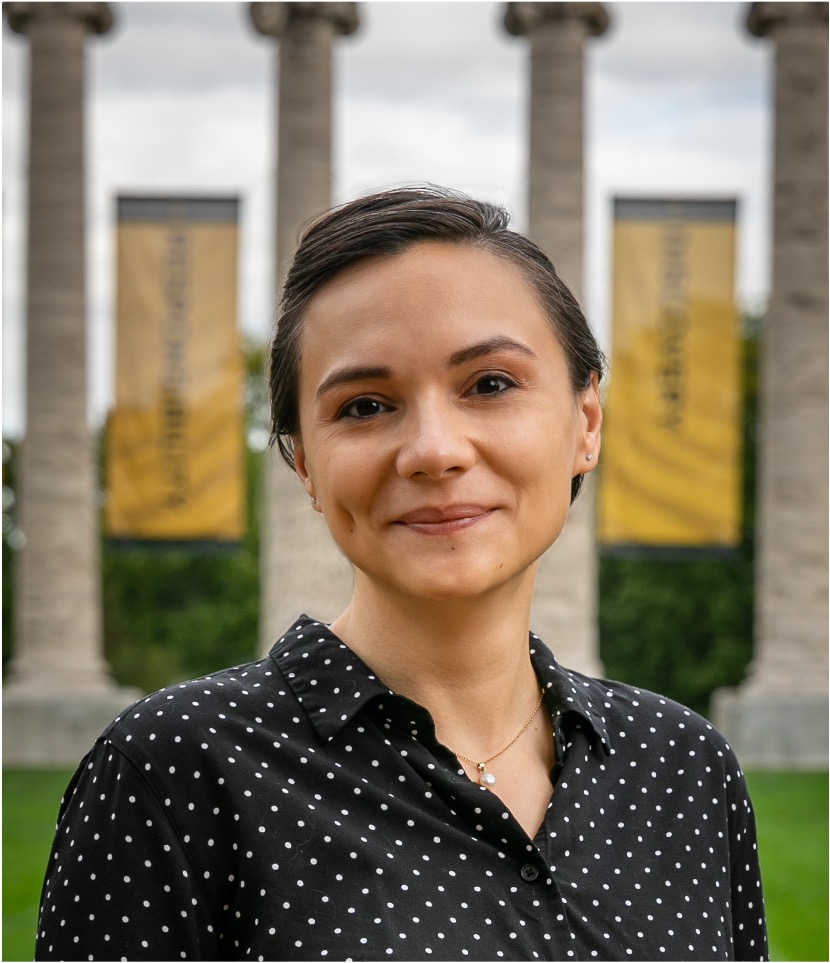
Charlene Emerson is a Scientific Editor and Writing Consultant for the NextGen Precision Health building at the University of Missouri – Columbia. It’s hard to know when her career in research development started exactly, but she has over 5 years of professional experience in science editing. She received her PhD in Molecular and Human Genetics from Baylor College of Medicine in Houston, TX, where she was a National Science Foundation Graduate Research Fellow. She is a mentee in NORDP’s mentoring program.

Q1: What influenced you to apply to be a mentor and a mentee for the 2021 NORDP Mentoring Program?

Charlene: I was very new to my position and to the Research Development field in general. I felt I needed to get advice and perspective about an RD career from someone who I didn’t work with closely, someone who could be relatively unbiased and candid in conversation. The NORDP Mentoring program felt like the perfect opportunity.

Sammy: Having NORDP go over the mentoring program in advance, its structure, the approach to pairing mentors/mentees, expectations, and its flexibility, provided more clarity on what to expect before deciding to sign up.

Q2: What is your favorite part about your relationship?

Charlene: My favorite part of my mentoring relationship with Sammy is how we’ve been able to watch each other grow and share in celebrating that growth. Our conversations have covered a lot of our challenges and ambitions, so it’s been great to be able to keep returning to that consistent support. I’m always looking forward to our next meeting to update him on my latest big project or to hear how his plans have turned out.

Sammy: My favorite part is that I gained a colleague I probably wouldn’t have otherwise. Although Charlene is relatively new to the profession, she has so much knowledge and drive, and she’s a leader. Feels like we are mentoring each other. I’m happy that I am able to share some experiences and guidance and get feedback later on what was helpful, how an issue got resolved, or hear about a big win on her plans to advance her goals. It serves as validation and motivation to continue to share what we know with others.

Q3: How has participation in the Mentoring Program helped broaden your horizons about Research Development in general and/or affected your daily work in particular?

Charlene: RD is an incredibly varied field and I’ve learned a lot about the variety of positions and growth trajectories for an RD office. I now have more knowledge about different areas I could grow into and I don’t feel as uncertain about where this career path will take me. In my daily work, I feel much more confident that I’m approaching challenges and opportunities reasonably and that I have a supportive resource for any questions that come up.

Sammy: It’s easy to get caught up in the day-to-day work of our office, our institution, but we have to keep a balance even within the professional sphere of our lives. It can’t just be tasks, tasks, tasks. We have to take care of ourselves and our colleagues, taking time for professional development, mentoring, taking a step back for a minute, and consider all those aspects that revolve around our profession. Doing so will ultimately make our careers more enjoyable, fruitful, and lasting. RD is truly a community, and as we grow and gain more and more years of experience, there is a responsibility to share what we know and our ideas. RD and NORDP are at a maturing phase where there is a broader space for mentoring as a key element for growth, looking to the future of RD and as an organization.  

Q4: What surprised you about being a mentor or a mentee?

Charlene: I was surprised how easy it was to grow the relationship comfortably. Before the mentoring got started, I was nervous that it would feel awkward or that we wouldn’t have anything to talk about. But once I decided to just open up and ask about topics that I’d been wondering about, insecurities about how to move forward with my career, or my perceptions of office politics, conversation came incredibly easy.

Sammy: How well it has gone. I think there’s always a level of apprehension when considering getting into a mentoring relationship. What if the pairing doesn’t work? What will we talk about? Is it going to be awkward? There’s a degree of opening up, whether you’re a mentor or a mentee, an element of vulnerability. Once you get past that initial pause and take the next step, then vulnerability turns into honesty and that builds trust. And I have to go back to a previous point I made, I’ve learned so much from Charlene. I knew that you also learn as a mentor, but I’ve learned in ways I had not anticipated.

Q5: What made you decide to maintain a longer-term mentoring relationship and how has it impacted you?

Charlene: It was an easy decision because I felt like we both still were getting quite a lot out of our conversations. Our monthly meeting doesn’t feel like an obligation or just another thing to get done, it’s a bright spot in the month.

Sammy: When the program was officially coming to an end, I think it was mutual that getting together and having these conversations, exchanging ideas, challenges, and successes had become natural. There wasn’t a reason it couldn’t or shouldn’t continue. I’ve read some advice that mentoring should have an end date, and I can see that, if the goals have been met, etc. But as I mentioned earlier, I’ve gained a colleague, a very knowledgeable, thoughtful colleague who has contributed to my professional development. We’re genuinely interested in contributing to each other’s success. Having someone to go to, vet an idea, ask a question, who knows you and at the same time is not biased due to proximity, is a great resource to have. I have gained a trusted colleague I can go to, and I’m also available to assist her in any way she feels I can be of help.

 Q6: Any words of wisdom or encouragement for those wanting to apply next year? Any other thoughts you would like to share? 

Charlene: Set expectations early on, then just relax and have a good conversation. And definitely don’t get caught up in thoughts that you’re taking up your mentor/mentee’s time, you’ve both chosen to be part of the mentoring relationship and there’s a lot to gain on both ends.

Sammy: Go for it. Getting outside our comfort zone is necessary for growth. Although each mentoring relationship is unique, there’s one common thread: whether as a mentor, mentee, or both, we all have an interest and are making a commitment to mentorship. It may feel like a gamble, but the odds are you’ll have a great experience!


Applications for the 2023-24 cycle will open in the spring; keep an eye out for emails from the NORDP listserv. Additional mentoring opportunities are available through the Peer Mentoring Groups that are open for participation throughout the year via the WisdomShare platform.

Investment in mentoring is an investment in you! So, as Sammy says, “Go for it!”

New Board Member Cameo: Samarpita Sengupta

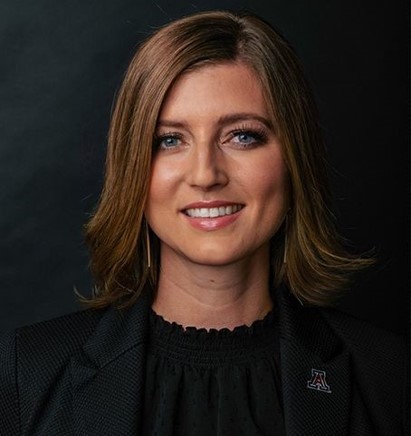
Samarpita Sengupta, PhD, NORDP Board Member

Who: Samarpita Sengupta, PhD, Assistant Professor and Director of Research

Where: University of Texas Southwestern Medical Center

Number of Years Working in RD: Seven years

Length of NORDP Membership: Five years


When and how did you enter the field? What kind of research development work do you do?

I came to the United States in 2007 for my PhD. After my PhD, I was almost convinced that the traditional academic route was not meant for me, however, three years into my postdoc I knew that for certain. I started doing informational interviews to find out what career paths aligned with my interests. After several of these, I spoke to someone who ended up being my boss in my first research development job. We had talked about grant writing, and I didn’t know the term research development existed when I was interviewing. I joined as a scientific research writer in the newly formed Neuroscience Research Development (NeRD) office. We created the office from the ground up. Our responsibilities spanned the research cycle from idea generation to grant submission We went from submitting between five and 20 grants a year to over 100 grants per year. We kept that momentum going until 2020 when my boss moved to a different role and I started directing the office. In 2021, in search of career growth, I landed into what I called a RD plus role.

Right now, I serve as the Director of Research in the physician assistant studies program at UT Southwestern. I also have a faculty role which means I get to advise and mentor students as well, but my main focus is creating strategic programs and working with faculty and students to increase research capacity and scholarly output in the areas of education research, quality improvement with the goal of getting people engaged in allied health related clinical research. I also have some administrative responsibilities around maintaining program accreditation.


What’s your history with NORDP? How have you engaged with the organization (committee work, conferences attended/presented)?

When we started the RD office we fell into research development “by accident”. We didn’t have any formal training or a formal path to it. So we decided we wanted to make it better for people for people coming after us so we created a training program in our office where we would allow students, staff and trainees to shadow us for four weeks, eight hours a week using their personal time. This program was called the NeRD associate in training or NeAT program. We would teach them the basics of research development – how to talk to a faculty member, how you create teams, how you edit or refine a proposal, how you create a budget, how you work with sponsored programs. I presented this program at the 2017 NORDP conference which was the first conference where I presented a poster.

At that conference, I attended the Strategic Alliances Committee meeting and Peggy Sundermeyer was looking for someone to volunteer as a liaison between NORDP and the National Postdoctoral Association (NPA). I had volunteered for NPA while a postdoc, so I figured this would be a really good fit for me. I volunteered to be a liaison. My initial term was for two years and then it was extended for two more years. I attended conferences with NPA and had people from NPA come and attend NORDP conferences. The goal was to create a pipeline from postdocs to RD. Not a lot of postdocs know about RD, therefore, there is a rich niche of people we can recruit from. That relationship led to a couple of changes for NORDP as well.  We created the trainee and emeritus memberships in NORDP because we wanted to attract trainees and students to get a foot in the door through NORDP. I worked on this project in collaboration with the then chair of the MSC, Kathy Cataneo. At the NPA conferences I attended, postdocs were curious about RD internships. Through the generosity of NORDP members, we solicited other examples of onboarding programs, combined them with NeAT program’s structure and created a resource that RD offices can take to create their own internship, training or onboarding programs called NROAD to RD. The teams that worked on this project was awarded the NORDP Innovation award this year and I couldn’t be more grateful to have worked with these dedicated individuals.  

With the Member Services Committee I also helped create the Ambassador Program which matched up new conference attendees with seasoned conference attendees so they had at least one point of contact to talk to and ask questions so they wouldn’t feel so overwhelmed at their first conference. I joined the Professional Development Committee and the Mentoring Committee and served as a mentor and a mentee. I’ve been part of the NORDP Certification Task Force. We’re also trying to get an Immigrant Affinity Group off the ground. I have presented at each of the NORDP conferences since 2017 and was part of the inaugural LEAD cohort. I served as co-chair of the Mentoring Committee as well.


What motivated you to run for the NORDP Board?

I have been thinking about the board for a while, but while I had started several projects, I had not led a committee.  Last year I participated in the Lead Program, and I served as the Mentoring Committee co-chair for a year. I have tried to be very intentional about using all my experience volunteering for several different committees so I could know what most committees do and where they stand, so I can be a voice for everyone. This year, I knew that I had the experience to back up any decisions that needed to be made regarding the organization. I think I understood the organization enough, had some ideas of what people wanted from it, what the mission and vision was and could morph into in the future so I would be comfortable being part of making larger decisions.


What are you most excited about as a new NORDP Board member?

I get excited about everything! From the beginning, my work in NORDP has been about creating a path for people who want to do RD but don’t really know about RD. As our organization grows, we need more people to join us, and we need more revenue sources as we grow to keep the organization afloat.

One of the things I am passionate about is to help people make the conscious decision to join RD and not just “fall into” it as I and many others have done. I want to continue the work NORDP has ongoing to making sure academics, funders, and institutional leaders understand what RD is, how it is different from and similar to RA, how it is different from R&D.

I’m also excited about several new NORDP offerings, such as the work being done by the certification task force. If and when this comes to fruition, it would be a really big deal for our organization. I am excited about the work done by all the NORDP committees, putting forth innovative programs and resources. I am excited about the commitment from NORDP leadership and its members on being a forerunner on inclusive excellence. I am excited and humbled to be working with some amazing individuals on the NORDP Board, many of whom have been mentors and personal heroes! Finally, I am incredibly grateful to the NORDP membership who have placed their trust in me and my fellow new Board members and I hope I can help propel our organization forward.

2023 NORDP Awards: Two Weeks Left to Nominate Your Colleagues!

Do you know a colleague or group of members making outstanding contributions to NORDP or the practice/field of research development? Consider nominating them for a 2023 NORDP Award!

NORDP members are invited to submit nominations for the following awards:
• Innovation Award
• Leadership Award
• Mentoring Award
• NORDP Fellow
• Rising Star Award
• Volunteer of the Year Award

Collectively, these NORDP Awards celebrate the distinctive achievements of individuals, collaborative groups or work teams, programs or projects, and organizations. More information about the different award types, including eligibility, and the process for submitting nominations is available on the NORDP website.

The deadline to submit nominations, including self-nominations, for the 2023 NORDP Awards is 8 pm EST on Friday, February 10, 2023. Winners of 2023 NORDP Awards will be recognized during the annual NORDP Research Development Conference May 7 to 10, 2023.

An informational webinar about the 2023 NORDP Awards cycle was held on January 18. During the webinar, NORDP Awards task force members reviewed opportunities for recognition, highlighted changes to the 2023 call for nominations, and addressed participant questions.

Contact Nathan Meier or Petrina Suiter to request a copy of the slides presented during the informational webinar or to ask a question about the nomination process. 

Mentoring — Make it yours

Byline: Susan Carter, Jan Abramson

During January, the Mentoring Committee leveraged National Mentoring Month to share information about the many ways to get involved with mentoring. As Mentoring Month comes to a close, Susan Carter and Jan Abramson, NORDP Fellows and the inaugural recipients of NORDP’s Mentoring Award, share some thoughts.

Mentoring broadens perspectives,; establishes connections, and grows relationships. It’s a way to meet new people, learn new skills, and refine your own. Mentoring opens doors, and takes you places you might never have imagined. And, it is fun!

Susan reflects, “When I look back on my career in research development, one of the best professional steps I ever took was to engage with the Mentoring Committee and to become a mentor, both formally through the NORDP Mentor Program, and informally to others in RD. The time I spend mentoring really is fun, but most importantly, I have learned much more than I ever imagined I would. One definitely gets back more than one gives, which has been a huge benefit of being involved in mentoring. There is always someone I can call on when I need a new perspective, advice, or even just a friendly voice or face on Zoom for a bit of venting. Moreover, many of my mentees have become wonderful collaborators as well as great friends: we’ve built new ideas and new programs together.”

Jan shares, “the Mentoring Committee was my first step into NORDP, and mentoring continues to be a foundation of my life. Although I have retired, my connections stay strong, and I continue to #PayItForward. My world is richer thanks to the many relationships I have formed over the years. My intent is to nurture and celebrate connections — new and established. I’m thankful for my mentors, my mentees, and those who are peer mentors. I am who I am, because you touched my life.”

The Mentoring Program is a benefit available to all NORDP members, and we encourage you to get involved. Join a Peer Mentoring Group (open year round), register to participate in the 1- on- 1 or cohort-based mentoring program (applications open annually in the spring), join the Mentoring Committee, and be open to mentoring opportunities.

Mentoring is what you make it… Make it yours.

#MentorOn and #PayItForward

NORDP’s Strategic Alliances Committee Supports Fulbright Specialist and Fulbright Scholar Opportunities

As you consider new RD opportunities this year, members of the Strategic Alliances Committee (SAC) offer their support for the Fulbright Specialist and Fulbright Scholar opportunities, such as the short-term International Education Administrators Award (IEAA).

The Fulbright Specialist program sends US academic professionals abroad to serve as expert consultants on curriculum, faculty development, institutional planning, and related subjects at academic institutions for a period of two to six weeks. The Fulbright Scholar IEAAs are two-week seminars hosted by the Fulbright Commissions in particular countries for higher education professionals to exchange their professions’ best practices with their counterparts abroad.

SAC hosted a webinar on the Fulbright Specialist program in 2022 covering its applicability to RD professional development and its application and selection processes. Fulbright Specialist applications are reviewed every other month.

“If qualified, you’re added to a list, and interested countries can use that to select their chosen specialist,” Kotay explains. “To facilitate the process, it helps to identify the university you’re interested in visiting and research its needs. SAC members can help you with both the proposal development and how to establish connections. Then, when the university makes its application to host a Fulbright Specialist, it can name you, specifically.”

Kotay and Peggy Sundermeyer, Partner, ORG Transitions and a charter member of SAC, are willing to coach NORDP members who might want to explore these Fulbright opportunities. Sundermeyer says she’s motivated by the benefits that Fulbright can bring to the individual, their institution, their host institution, and the broader global research enterprise.

Selected in 2022 for the Fulbright Scholar IEAA in Germany, Kotay networked with German higher education administrators, shared best practices in RD, and learned about the German education system with a focus on the challenges of internationalization in times of crisis.

Fulbright IEAAs offer opportunities to RD professionals to enhance the internalization efforts of their work and share RD best practices that are often practiced differently outside the US.

“What one brings back to their institution is a stronger awareness of how to build partnerships for a variety of educational and research initiatives, plus the prestige of being a Fulbright Scholar,” Kotay says.

Led by the US government in partnership with more than 160 countries worldwide, the broader Fulbright Program offers international educational and cultural exchange programs for students, scholars, artists, teachers, and professionals of all backgrounds to study, teach, or pursue important research and professional projects.

“These Fulbright opportunities can facilitate global research, better understand resource allocation in other countries, and foster excellent career development opportunities,” Sundermeyer says.

A copy of  SAC’s Fulbright Specialist webinar is available in the members-only section of the NORDP website here.

More information about the Fulbright Specialist Program can be found here.

More information about the Fulbright Scholar International Education Administrators Award can be found here.

To explore Fulbright opportunities unique to your situation, send an email to peggys@orgtransitions.org and/or emkotay@arizona.edu.

New NSF Support Awarded As Six Additional Members Join the NORDP Consultant Program

The NORDP Consultant Program is dedicated to increasing the diversity of our national research ecosystem by providing research development services to minority-serving and emerging research institutions at no cost to the institution.

With the support of Eric and Wendy Schmidt via recommendation of the Schmidt Futures program, NORDP launched the NORDP Consultant Pilot Program in summer of 2021 to grow research capacity and competitiveness within HBCUs by increasing institutional capacity for research development. Camille Coley, Marta Collier-Youngblood, Jacob Levin, Mike Marcinkowski, LeKita Scott Dawkins, Michael Spires, Peggy Sundermeyer, Barbara Walker, and John Quyen Wickham comprise the group of NORDP Consultants working in the pilot program. 

In December 2022, the NSF Technology, Innovation, and Partnerships (TIP) Directorate awarded NORDP, Advancing Research Impact in Society (ARIS), and Spelman College resources to support the ideation and proposal development process for the Enabling Partnerships to Increase Innovation Capacity (EPIIC) program. Alongside these partners, NORDP Consultants will provide proposal development support and feedback on proposals being prepared in response to the solicitation.

At the same time, the NORDP Consultant Program added six new members to its ranks:

Michelle Collins

Michelle Collins: As the Director of Grant Process Operations for the North Carolina Biotechnology Center, Michelle oversees the proposal submission and review processes for the Center’s grant programs and provides pre-award support to the applicant community. She has nearly 15 years of experience in research development, grant administration, and program management, including positions at the University of North Carolina at Chapel Hill as the Research Administrator for the Department of Surgery and the Managing Director for the UNC Nutrition Obesity Research Center. Michelle is also certified as a Research Administrator (CRA) and Pre-Award Research Administrator (CPRA) by the Research Administrators Certification Council.

Holly Hapke

Holly Hapke: Holly is a geographer and broadly trained interdisciplinary social scientist with over 25 years of experience in academic research, teaching, program and curriculum development, grants and research development, and higher education administration. She served as a tenured faculty member and Associate Dean at East Carolina University, and as Program Director at the NSF, where she co-managed multiple programs and worked on diversity initiatives. Currently, she is the inaugural Director of Research Development at the University of California Irvine, where she has supported the development and submission of over $100 million in grant proposals. She co-leads the NSF-funded California Alliance for Hispanic-Serving Social Science Advancement (CAHSSA) and is a founding member of INSciTS and NSF’s Growing Convergence Research College of Reviewers.

Dorota Huizinga

Dorota Huizinga: Dorota has over 14 years of experience in research administration and currently serves as the Associate Provost for Research and Dean of Graduate Studies at California State University, San Bernardino (CSUSB). She is also a Principal Investigator on an NIH research capacity building grant (SPAD) awarded to CSUSB to help streamline the university’s sponsored programs infrastructure, support the Office of Research Development (ORD), and increase the diversity of faculty and students engaged in research. In her administrative positions, Dorota secured over $4.5M in capacity-building grants to support faculty and student success and various DEI initiatives. She has also established a new ORD and hired its first faculty director at multiple campuses and developed successful programs and supports to increase the number of faculty engaged in grant-seeking and the volume of sponsored programs.

Sobha Jaishankar

Sobha Jaishankar: Sobha has over 14 years of experience in research administration and currently oversees the functions of the Research Development division within UF Research. She established guidelines and SOPs for the different programs under the broad research development umbrella, including internal seed funding, limited submissions, faculty honorifics, large proposal development, faculty coaching, and the evaluation of centers and institutes. Sobha is also responsible for managing the Florida Space Institute’s Space Research Initiative at the University of Florida and the UF portion of the Florida High Tech Corridor Matching Grants Program. From FY 2014-FY 21, Research Development, under Sobha’s leadership, has assisted UF faculty in obtaining $142M in federal funding and provided assistance for another $529M in budget requests on unfunded proposals.

Don Takehara

Donald Takehara: Don is the Director for Research at the University of Illinois at Urbana-Champaign’s Grainger College of Engineering, where he supports faculty in establishing funded research and partnerships with government agencies, foundations, and corporations. He is also responsible for Faculty Development and is a certified coach assisting faculty in career and leadership development. Previously, Don was the Director of the Center for Research & Innovation and Associate Professor at Taylor University for 9 years, where he had responsibility for research development, sponsored programs, tech transfer, business incubation, and corporate sponsored research. He has a background in chemical reaction engineering and catalysis and has led the evaluation and development of process and product technology in silicone technology, biotechnology, and electronics. Don has a PhD and MS in Chemical Engineering from Northwestern University and a BS in Chemical Engineering from Purdue University.

Jana Watson-Capps

Jana Watson-Capps: Jana is an independent consultant who helps companies, universities, and non-profits with research development, strategic planning, and coalition building within the interdisciplinary life sciences. She has experience and strengths in research development, process development, interdisciplinary science and education, academic-industry partnerships, strategic planning, large-team management, multi-stakeholder project leadership, communicating science, grant writing, grants coaching, fundraising, and building research communities. Jana has been working full-time as an independent consultant for the past four years, and previously spent over seven years at the University of Colorado BioFrontiers Institute as Associate Director, Chief of Staff, and Head of Strategy. She received her Ph.D. in Biology from Georgetown University and her B.S. in Biological Sciences from Stanford University.

“I am excited to welcome our new NORDP Consultants and thrilled to be able to expand the NORDP Consultant Program with support from NSF,” said Dr. Kimberly Eck, NORDP Consultant Program Director, former NORDP President, and Associate Vice President at Emory University, “NORDP’s collaborations with the NSF TIP Directorate, ARIS, Spelman College, and Know Innovation on the EPIIC program is a new, experimental approach that has the potential to catalyze a paradigm shift in how institutions obtain federal funding.”

Recipe for Success on Mentoring

By the NORDP Mentoring Committee Leadership Team
Jan Abramson, Angela Jordan, Elizabeth Lathrop, Hilda McMackin, Kathy Partlow

January 2023 marks a new chapter in a super busy post-Covid time for research development professionals. Whether you are re-adjusting to in-person or hybrid norms, you can enjoy some of our favorite holiday recipes shared at the Mentoring Committee’s virtual holiday party held in December.

We also invite you to join the Mentoring Committee Open House Thursday, January 19 at 2 pm Eastern by emailing mentorprogram@nordp.org to receive a zoom link — everyone is welcome!

Illustrated image that shows three people adding vegetable ingredients to a giant cooking pot.

Recipe for Success on Mentoring

Ingredients:

Desire to Connect
Shared RD Experience
Be Present to Lend Support
Active Listening
Protected Time
WisdomShare Learning Library Resources

Methods:

  1. Begin your “dish” by signing up for the NORDP Mentoring Program in May.
  2. Select recipe options: the One-To-One Dyad or the Cohort Mentoring.
  3. Preheat the oven via the program kick-off and orientation in June.
  4. Regular check-ins with your Mentor/Mentee(s) is the secret sauce that makes learning palatable and delicious!
  5. Marinate the mentoring flavors by attending the regularly-scheduled McHuddles and connecting with other Mentors and Mentees.
  6. Generously sprinkle any and all spices from the Peer Mentoring Groups or PMGs brought to you by NORDP members and accessible anytime on the WisdomShare platform.
  7. Last but not the least, you can fine-tune your culinary skills by attending the NORDP Mentor Training Workshops — the Jan/Feb sessions are currently full but keep an eye out for additional offerings in 2023.

Best served with #ICARE and #PayItForward!

A New Year’s Resolution for Mentors: Register for CIMER Mentor Training for RD Professionals

by: Paula Carney

Mentor Training for Research Development Professionals – Registration Open for January/February 2023 Workshop Series;

Are you a mentor? A mentee? Do you find yourself formally or informally mentoring staff or faculty? Are you ready to explore mentoring competencies that can be utilized across the work of research development (RD)? This interactive webinar series covers the 9-module Entering Mentoring curriculum, initially developed for mentoring researchers and tailored for RD professionals. A recent webinar series attendee commented:

“EXCELLENT training! The ideas presented are very applicable both to mentoring both within the research development profession and elsewhere in the research enterprise — the things I have learned and practiced in this course are incredibly valuable to me as I provide mentoring to faculty, particularly early stage investigators and junior faculty, in the area of grantsmanship.”

recent participant

Using evidence-based strategies, participants will build upon competencies crucial to the success of the mentoring relationship and expand mentor training across the research enterprise. Participants who complete the entire curriculum will receive a certificate of completion. The curriculum results from an association between the NORDP Mentoring committee and the University of Wisconsin Center for Improvement of Mentored Experiences in Research (CIMER) in collaboration with the National Research Mentoring Network (NRMN), organizations involved in developing and validating the original curriculum. RD professionals at all levels of mentoring will explore how mentoring (shown to improve career outcomes, impact employee engagement and retention, and lead to more inclusive work environments) can benefit mentors and mentees in RD.

This webinar series will be presented and facilitated by the NORDP Mentoring Committee. There are six certified CIMER Trained Facilitators, and two Trained Facilitators on the Mentoring Committee.

Webinar Schedule:

Two sessions are scheduled each week: Interactive Workshop Sessions will be held on 5 Tuesdays (January 31–February 28, 2023; (2-hours) 2–4 pm EST/11 am–1 pm PST) with an application and reflection session on Thursdays (February 2–March 2, 2023; (1-hour) 2–3 pm EST/11 am–1 pm PST.

Register TODAY for the webinar series (30 participant limit). Please register to receive login information for all workshop sessions.

Registration: National Organization of Research Development Professionals (memberclicks.net)Mentor Training for Research Development Professionals

If this series doesn’t fit in your schedule, share your scheduling preferences to help us plan for future Mentor Training by completing a survey of your preferences.

Questions? Contact us at mentorprogram@nordp.org.

January is National Mentoring Month

Written by the NORDP Mentoring Committee

The Mentoring Committee invites every NORDP member to celebrate National Mentoring Month January 1 – 31. Originally developed as a campaign to expand quality mentoring opportunities for youth, the month-designation can be a catalyst to remember the mentors and mentees who have supported you along your path.

This images has a gradient background of yellows, soft pink and orange. A text heading says, "January is National Mentoring Month." There are hashtags near the bottom of the image meant to inspire readers to use and follow on social media. The hashtags include: #MentorOn, #Mentoring, #ResearchDevelopment, #PayItForward, #NORDPMentoringMatters, #MentoringAmplifies, and #MentoringMonth.

National Mentoring Month, in addition to the early summer months, is a time of year where engagement from NORDP members interested in becoming a mentor increases. This year, with the support of the mentoring community, we are encouraging you to go beyond digital engagement and become involved in real life. Mentoring relationships are at their best when connections are made, sustained, and invested in.

Watch social media and engage in conversation on mentoring (using #NORDPMentoringMatters and #MentoringMonth), take time to listen to a podcast or two (The Science of Mentorship from the National Academies of Sciences, Engineering, and Medicine is a great listen), or explore the NORDP Wisdom Share Learning Library (register here if you don’t have an account in Wisdom Share). Here are some dates to make note of:

January 7 — I am a Mentor Day — own it!

January 17 — International Mentoring Day — #MentoringAmplifies support around the world

January 21 — Thank Your Mentor Day — share your story to inspire

Also explore some offerings from the National Research Mentoring Network (NRMN).

The National Research Mentoring Network (NRMN) is an NIH grant-funded initiative whose entire purpose is to diversify the STEM workforce by providing researchers across all career stages in the biomedical, behavioral, clinical, and social sciences field with evidence-based mentorship and professional development programming that emphasizes the benefits and challenges of diversity, inclusivity, and culture. Their program achieves that through mentorship, networking, and professional development through their online networking platform, MyNRMN, which has over 21,000 mentors and mentees.

How to Leverage the NRMN Network Webinar Series (Monthly Series) – Jan. 17 at 11am CST. Register here: https://unthsc.zoom.us/webinar/register/WN_z3ZWYl8TRSyyHPosIoIc9w

The NORDP Mentoring Program is a benefit available to all NORDP Members. The Mentoring Committee strives to provide resources and support for all NORDP Members interested in mentorship. To do this, the committee leverages national partnership and engages in a variety of scholarly activities. Members supporting members as mentors, mentees, or as part of a peer mentoring or learning group, making NORDP and the profession of research development a stronger community!

Applications will open in the spring for the 1:1 or the Cohort Mentoring Program. Peer Mentoring Groups are also available to join any time, and we invite you to start 2023 by joining and exploring opportunities within the Mentoring Committee. For more information, email the Mentoring Committee and a member of the Leadership Team will respond!

Happy New Year!