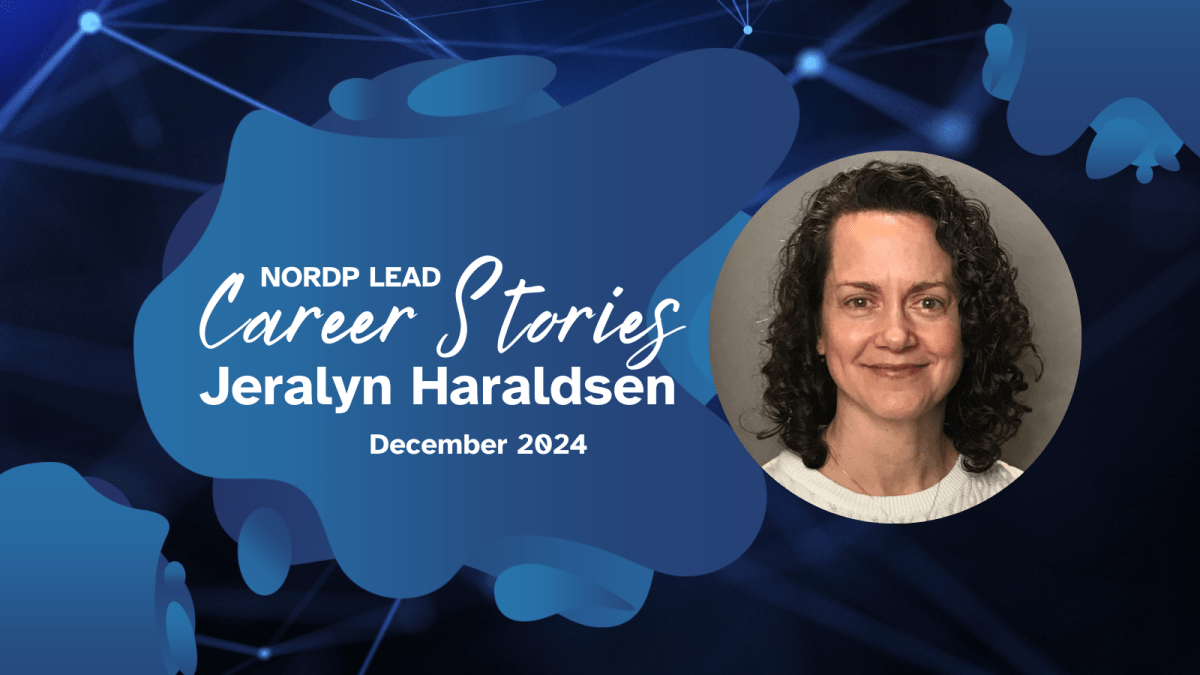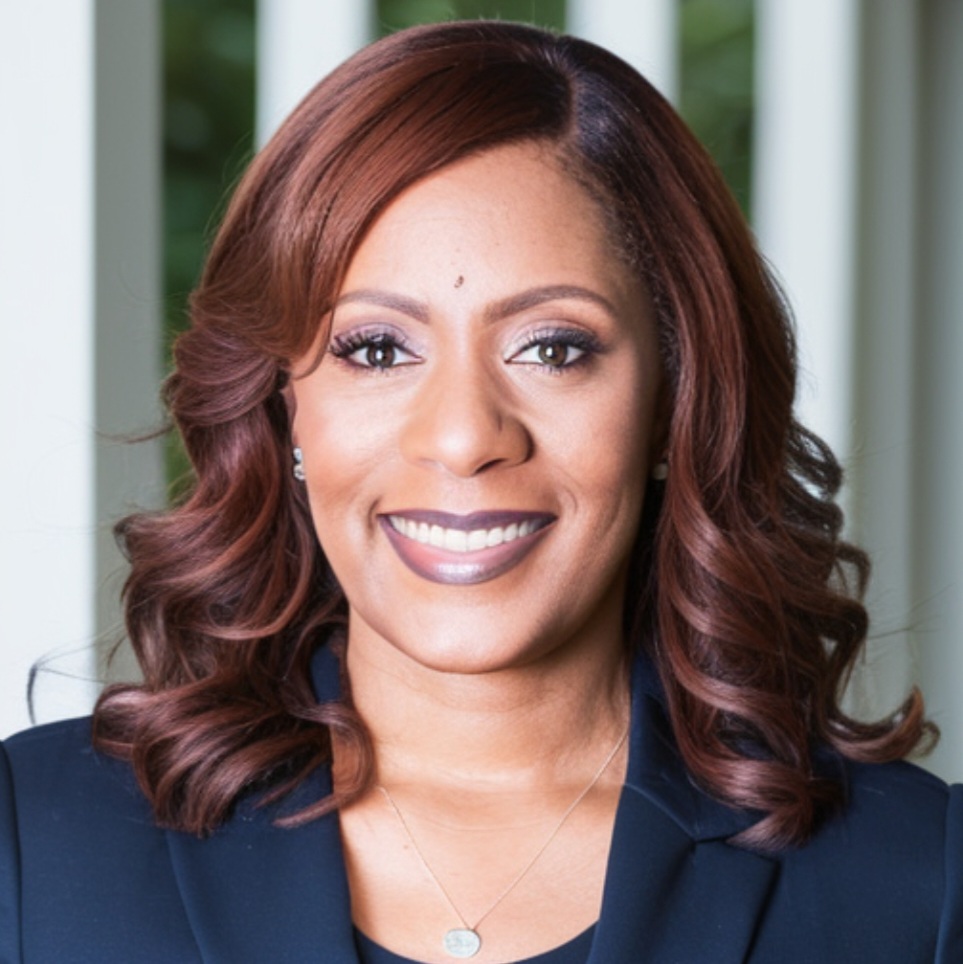
The December Career Stories featured Dr. Jeralyn Haraldsen, the founding Director of Research Development at the University of Vermont (UVM)

Written by: Roshni Singh with input from Natalie Baronian, Career Stories team

From Solo RD to a Team of Eleven!

Dr. Jeralyn Haraldsen

In December career stories, we are honored to feature Jeralyn Haraldsen, the founding Director of Research Development at the University of Vermont (UVM). Dr. Haraldsen leads a team of Research Development staff who provide strategic grantsmanship, writing, and project management support to faculty seeking extramural funding to support research, creative, and scholarly activities. She and her team, under the guidance of the Vice President for Research, provide professional development opportunities to early-career faculty, coordinate writing and project management support for large-scale, high-impact proposals, manage UVM’s internal limited submission process, and ensure that faculty across the University are aware of and prepared for new research grant opportunities. 

Dr. Haraldsen’s career path into research development started in grad school when she attended a career panel about alternative career paths and heard a speaker discuss research development work. Although she always received positive feedback on her writing skills and knew she would be capable in such a role, she was not ready to make that jump and went on to a postdoctoral position. As a post-doc at UVM, she realized the work-life balance of laboratory work was not the best option for her and her growing family. Her priorities shifted after a family tragedy and she started exploring writing careers more broadly, not just RD, as she loved writing and editing papers. It is at this time she started doing informational interviews and connected with Peg AtKisson (an alum of the same graduate school). By the end of their conversation, Dr. Haraldsen was hired as a remote, independent contractor which allowed her to also accept freelance work with faculty at UVM.

These experiences led her to an interim position at UVM under a new Vice President of Research who was familiar with research development. With their support, she created a new RD office and singlehandedly provided research development support for up to five (5) years before growing and forming a team of eleven members. As exciting as it has been to grow a team, it’s come with many “growing pains” like managing people and struggling to obtain more resources. The transition from direct support to a larger strategic role was more challenging (surprise!) as she discovered that she had underestimated the skill involved in managing people. However, these are the challenges that keep Dr. Haraldsen in RD. The ever-evolving environment, opportunities for professional growth, and challenges with managing a growing team and a growing portfolio highlight the importance of the RD field. Moreover, fostering strong collaborations and building relationships while working on proposals and piloting limited submissions keeps Dr. Haraldsen inspired and engaged in her role. For Dr. Haraldsen these are her impact and legacy: to come together to work and to enjoy it. As such, her RD pro-tips are to “take a step back and think about the process, be innovative, and stay calm under pressure.”

Jeralyn would love to answer any questions you have for her, so please feel free to email her at Jeralyn.Haraldsen@uvm.edu.

To listen to her full interview by the career/kindle team, please click on this link (you must log in as a NORDP member to access): https://nordp.org/store/viewproduct.aspx?id=24459276; Chapter 44: Jeralyn Haraldsen

NORDP Professional Development OPEN HOUSE

Thursday, March 20, 2025 @3pm Eastern (zoom link below)

a woman hanging a vase on a shelf

Learn what the NORDP Professional Development Committee is all about: what we can do for you as well as volunteering opportunities!

The objective of this committee is to provide NORDP members meaningful, timely, and engaging opportunities to expand their research development knowledge and add valuable skills to both their professional and personal toolboxes. The PD Committee goals are to:

  • Develop, implement and organize engaging and worthwhile professional development content based on the needs of the NORDP membership;
  • Provide opportunities for NORDP members to offer their relevant expertise and to gain valuable leadership skills by leading webinars and developing other professional development materials;
  • Recruit knowledge experts to contribute time and relevant intellectual resources to the NORDP community;
  • Collect and disseminate best practices in research development, for use by NORDP members;
  • Compile and maintain a database of professional development resources for NORDP membership.

For any inquiries, please contact:

Email PDCommittee@NORDP.orgWebsite https://nordp.org/page/professional_development_committee

Open House Zoom Link:

Join Zoom Meeting: https://us02web.zoom.us/j/86953072832

  • Meeting ID: 869 5307 2832

One tap mobile

+16699006833,,86953072832# US (San Jose)

+17193594580,,86953072832# US

Dial by your location

• +1 669 900 6833 US (San Jose)

• +1 719 359 4580 US

• +1 253 205 0468 US

• +1 253 215 8782 US (Tacoma)

• +1 346 248 7799 US (Houston)

• +1 669 444 9171 US

• +1 305 224 1968 US

• +1 309 205 3325 US

• +1 312 626 6799 US (Chicago)

• +1 360 209 5623 US

• +1 386 347 5053 US

• +1 507 473 4847 US

• +1 564 217 2000 US

• +1 646 558 8656 US (New York)

• +1 646 931 3860 US

• +1 689 278 1000 US

• +1 301 715 8592 US (Washington DC)

Meeting ID: 869 5307 2832

Find your local number: https://us02web.zoom.us/u/kTq38nRoy

Strategies for Mentoring Through Uncertainty

Written by: Vessela Vassileva-Clarke, Jessica Brassard, Elizabeth Lathrop on the Mentoring Committee Marketing and Communications (McMc) Committee
Image of a painted spiral and abstract shapes in blues and grees. Co-created by Jess Brassard and Adobe Firefly
Image co-created by Jess Brassard and Adobe Firefly

Managing stress in the face of uncertainty is a crucial skill that, together with connecting with a more experienced mentor or a like-minded mentee, can significantly improve our mental and emotional well-being. Uncertainty can lead to feelings of anxiety and helplessness for both mentors and mentees. Evidence-based mentoring strategies can help mitigate these effects. How can we show up in our mentoring relationships during uncertainty, beyond employing the usual stress reduction recommendations of practicing mindfulness, regular physical activity, balanced nutrition, and adequate sleep? Seeking support from our NORDP mentoring community, whether in our dyads, mentoring cohorts, or peer mentoring groups, can provide a safe space to share concerns and gain perspective, reinforcing that we are not alone.

The NORDP Mentoring Committee offers a wealth of mentoring tools and resources that can be adapted to support each other through uncertainty via WisdomShare’s Learning Library. All NORDP members can create an account on WisdomShare to access these tools and resources (WisdomShare account here):

  1. Bolster your foundation of trust and psychological safety and check in with your people — You’ve been doing this all along. Take some time to revisit this for yourself and for those around you, whether in your formal mentoring relationships or in your everyday interactions. This strategy emphasizes creating a safe space for vulnerability during uncertain times. The evidence shows that psychological safety is crucial for learning and adaptation during change. See Building Trust from the NORDP Mentoring Toolkit.
  2. Revisit agreements and reinforce flexible boundaries — During a time of change and uncertainty, you may want to review the ground rules of your mentoring relationship and revise them as appropriate. Be flexible with each other’s new ‘norm’ with respect to timing, forms of communication, and sharing of responsibilities. This is a time when “going the extra mile” can reinforce your support and commitment to your people! See Establishing Agreement for more tips.
  3. Listen to support learning and understanding — Be mindful and pay close attention to what your colleagues are saying through the practice of Active Listening to support full understanding of a problem or a challenge. By asking “what”, “how” and “when”, you develop a strategy that encourages and empowers self-discovery and problem-solving. See Probing Questions for additional resources to enhance your ability to communicate clearly.
  4. Give honest feedback and be thoughtful to those around you — Pay attention to others’ state of being when providing feedback and advice. Oftentimes, under stressful circumstances, extra patience can lead to rewarding and reciprocal experiences. Asking “am I hearing you correctly that …” can be a useful strategy for clarifying questions. “Pause – Listen – Think” before you respond can be another useful strategy during uncertain times. For more information, see Giving Honest Feedback and Advice
  5. Lean into your MESHH Network for the support you need —  Leverage your mentoring relationships and RD/PD networks to identify allies and support. Consider sharing resumes with each other to enhance and strengthen your job application package and storytelling. Provide constructive peer feedback and investigate opportunities through the NORDP Job Board.

Want to read more tips? Check out the NORDP WisdomShare Learning Library for other related resources

NORDP 2024 Innovation Award: Training Grant Support Office at Emory University

Pictured from left to right are Amber Mason, Tekla Smith, Kelly Ann Moore, and Dena Reinoso.

Who:

Kelly Moore, Director, Training Grant Support Office, Emory University

Amber Mason, Associate Director of Evaluation, Training Grant Support Office, Emory University

Dena Reinoso, Assistant Director, Training Grant Support Office, Emory University

Tekla Smith, Project Support Specialist, Training Grant Support Office, Emory University

Where: Emory University

Number of years in research development: Kelly 4 years, Dena 3 years, Amber & Tekla 2 years each

Length of NORDP membership: Same as above!

The NORDP Innovation Award recognizes individuals, groups, or teams, functional units, or organizations who leverage unique skills or resources to kick-start innovation in research development and advance the profession or the field in ways that generate evidence of promise or demonstrable results. Innovators leverage partnerships, experiment with tools and techniques, or generate and share knowledge to advance NORDP and the work of its members.

The interview was conducted with Dr. Kelly Moore, on behalf of the Training Grants Support Office Team.

What is the Training Grant Support Office and how did you first become interested in establishing TGSO?

The Training Grant Support Office (TGSO) at Emory University is dedicated to bolstering the sustainability of our current training programs while also identifying and fostering new areas for program development. We achieve this by providing specialized expertise, tools, and resources that are essential for the success of our research training initiatives. I founded the TGSO in December 2020, driven by a strategic vision from Dr. Deborah Bruner, Emory’s Senior Vice President of Research, who recognized the critical need for enhanced support of research training within the larger research ecosystem at Emory.

Prior to joining Emory, I was involved in training grant and fellowship support as part of a broader set of responsibilities at the University of Texas MD Anderson Cancer Center UTHealth Houston Graduate School of Biomedical Sciences. There, I was managing a training grant, everything from processing payroll for trainees to programming, running their seminars, bringing in speakers, etc. That’s what really got me into this world of training grants and being in an academic environment, although it was in the Dean’s office, so we looked at it from a very different perspective, that is, from an educational standpoint. As part of my other duties, I started helping students and faculty apply for fellowships and training grants. At that time, it was a small portion of what I did, but that’s what started to get me interested in extending more full time into training grants. After a few years, some duties shifted, and my fellowship and training grant responsibilities expanded, and then that’s when I saw the position at Emory to start the TGSO.

Moving from an academic to an RD office was really interesting. Being in a Research Office, we are able to provide equitable support to everyone, regardless of where they are located in the University and across career stages to include predoctoral and postdoctoral grants. 

The opportunity to establish the TGSO allowed me to focus exclusively on this vital area. I was particularly drawn to Emory because it provided the platform to not only enhance the support for training grants but also to create and implement comprehensive, university-wide initiatives that would strengthen our programs for years to come.

What was the process of building out TGSO and how did your membership in NORDP play a role in your efforts?

Building out the Training Grant Support Office (TGSO) was a strategic and iterative process. We started small, but with a clear vision. Initially, it was just me, but over time, we’ve expanded to a team of four dedicated professionals. In the early stages, we focused on engaging with stakeholders across the university to understand the existing landscape of training grant support. This involved assessing what resources were already in place, identifying gaps, and determining where there was room for improvement.

To get started, I did a listening tour with our faculty and our central research offices. I also consulted with the Graduate School and the Office of Postdoctoral and Mentored Trainee Education, the Office of Sponsored Programs, and Research Compliance to learn what was currently happening at Emory. When I looked behind the curtain, I began to realize that training grants are really important to a small corner of the world.

At Emory, last fiscal year, we secured over $1.1 billion in sponsored research awards, with $15.6 million of that coming from training grants. While training grants represent a very small piece of the pie, it’s a really, really important piece.  These grants play a critical role in sustaining and advancing the research ecosystem by cultivating the next generation of researchers and ensuring the long-term vitality of Emory’s research enterprise. A lot of Emory’s processes and policies are built for the big piece of the pie — the research grants. There were no specific policies and procedures for training grants, and so a lot of my work was looking at what had been done, because within a particular department or division, training grants may be been managed very well. I wanted to learn from what as working well and amplify it to all of the programs.

Getting started, we had to be strategic in our approach, so we chose to focus first on pre-award services, knowing that a solid foundation here would be crucial before we could effectively build out post-award supports. A key principle throughout this process was ensuring equity among our programs—we were committed to not offering a service to one program unless we could ensure it would be available to all.

I didn’t know about RD until I met my Dr. Kim Eck, my supervisor.  NORDP really helped me gain an understanding of the institutional standpoint: What is our capacity for taking on training? What areas are we strong in? What are our core research areas that we focused in? And how can we develop programs on top of those core research areas? We used a lot of competitive intelligence to determine our top funding areas and to find natural groups of faculty that we can build programs around.

My membership in NORDP has been instrumental in shaping TGSO’s approach. Nationally, training grant support is often housed within academic-based offices, such as a university’s graduate school or postdoctoral affairs office. Emory is unique in that TGSO is situated within the Office of Research Development, which gives us a distinct advantage. Having previously worked within an academic affairs office, my perspective on training was rooted in traditional academic frameworks. However, through NORDP, we’ve been able to integrate these educational approaches with RD principles, creating a hybrid model that enhances the support we offer for training grants at Emory.

What relationships have you built as a result of NORDP, and how have these relationships influenced your work?

The relationships I’ve built through NORDP have been incredibly rewarding and have significantly influenced my work. In addition to my role with the TGSO, I’m the co-founder and current Vice President of the National Training Grant Community of Practice (NTGCOP). Founded in early 2021 by training grant support offices from Emory, Georgetown University, Northwestern University, and the University of Wisconsin-Madison, NTGCOP aims to support leaders nationwide through tri-annual meetings focused on NIH guidelines, resource sharing, and training grant administration.

We started NTGCOP because training grants can be a very lonely space. NIH guidelines, like most federal guidelines, are muddy at best. A lot of it’s open to interpretation and experiences. Having someone you know to ask best practices, or, how do you read this, was really important to us, and it didn’t exist from an administrative space. NIH is very faculty heavy, and they have lots of groups and conferences for the faculty, but not so much for the administration. NORDP was a huge factor in our growth, because, as all of my counterparts all sit in academic offices, they didn’t even know what NORDP was. We took our presentation to NORDP, and there was a light bulb moment in the room; everyone was like, oh my gosh, help with training grants!  Today, we have nearly 500 members from over 100 institutions, many of whom are also NORDP members. These relationships have been integral to our growth and success.

We’ve submitted some responses to NIH requests for information that relate to training grants, and we were told that one of the letters and RFIs that we submitted actually had an impact on changes NIH has implemented. We’ve now built some strong relationships with NIH, both within particular institute’s like NIGMS, some various program managers, and also with Dr. Ericka Boone, Director of the NIH Division of Biomedical Research Workforce.

More recently, we’ve co-presented with the Federal Demonstration Project (FDP) and the NIH on reducing administrative burdens for NIH training grants. We’ve also recently become a 501(c)(3) non-profit organization, which is a significant milestone for us. It was a NORDP member who connected us with the FDP, whose purpose is to evaluate administrative burden in research. We connected this effort with NIH, and the three organizations co-presented on training grants, with over 600 people attending. We conducted a survey of the audience and came up with a one pager of tips and tricks for first time applicants that we’re now sharing as a resource.

One of NORDP’s greatest strengths is its strong and supportive community. Since joining, I’ve developed numerous connections through my participation in the NORDP Mentoring Training Series and as a recent member of the NORDP conference planning committee. These connections have provided invaluable insights, collaboration opportunities, and support, greatly enhancing my work with TGSO and NTGCOP.

What other innovations have you observed within NORDP (or the field of research development) since you first joined?

One of the most impactful innovations we’ve embraced since joining NORDP is the use of competitive intelligence within research development—a strategy recognized by NORDP with a previous Innovation Award. By applying various competitive intelligence analyses, TGSO has shifted from a reactive to a proactive approach, working closely with faculty to initiate and develop strategic, multi-departmental, and multi-institutional proposals. This approach has also led to the integration of new training program expectations into all major Senior Vice President for Research investments, such as centers and university-wide initiatives.

We have a small group of US private institutions with medical schools that we benchmark against, and we will do a lot of competitive intelligence reporting on that to benchmark where we are make decisions on what type of programs we should be focusing on. And that competitive intelligence piece has been really critical, because if we have the data to back up a decision, it is much more palatable for the faculty. For example, if we can come back and tell them, that lately, applications that go in without any sort of refined career development for trainees only have x percent of success, the faculty are much more inclined to rethink what they’re doing.

The results have been tangible and impressive. Emory is now ranked among the top 20 institutions in the country for NIH-funded training grants. We’ve seen our training grant submissions double, and the average scores of these submissions have improved by 30%, often falling at or below the current NIH funding lines. Notably, Emory has achieved a perfect score (10) on multiple training grant proposals for four consecutive years—something that hadn’t been accomplished in over a decade. In FY22, the Emory TGSO experienced a 125% increase in awarded proposals, more than doubling the number funded in FY20 and FY21.

What advice do you have for NORDP members leading their own innovative initiatives within the field of RD?

My number one piece of advice would be to embrace ambition. Don’t be afraid to pursue bold and ambitious ideas. Some of the most impactful innovations come from daring to think big. If you believe in your idea, pursue it with confidence, knowing that innovation often requires stepping outside of the conventional. Also, it is important to build a strong network. Collaboration is key in RD. Cultivate relationships with key stakeholders, both within your institution and across the wider RD community. Networking can provide valuable insights, resources, and support as you navigate the challenges and opportunities of leading your own innovative initiative.

Personally, I wouldn’t be here where I am today without being ambitious and taking the shot. And so that’s my biggest piece for anyone, especially for moving into leadership in any capacity. Whether you lead a team or you’re a part of a team, bring up your ideas. Don’t feel like any ideas you know not good enough to pursue, because if someone told me it’s absolutely crazy for y’all to be reaching out to the NIH about this, then I would not be where I am today, in partnership with NIH to help make change.

I have to say, NORDP, hands down, is my absolute favorite professional organization I’ve ever been a member of. We have a great sense of community and heart and care for members. I did the NORDP mentor training series earlier this year, and the relationships I built with everyone there were fascinating. Moving forward, there’s a lot to pursue at the intersection of training grant support from an academic perspective and training grant support from a research perspective. We are happy to help others working in that area, however that may be.

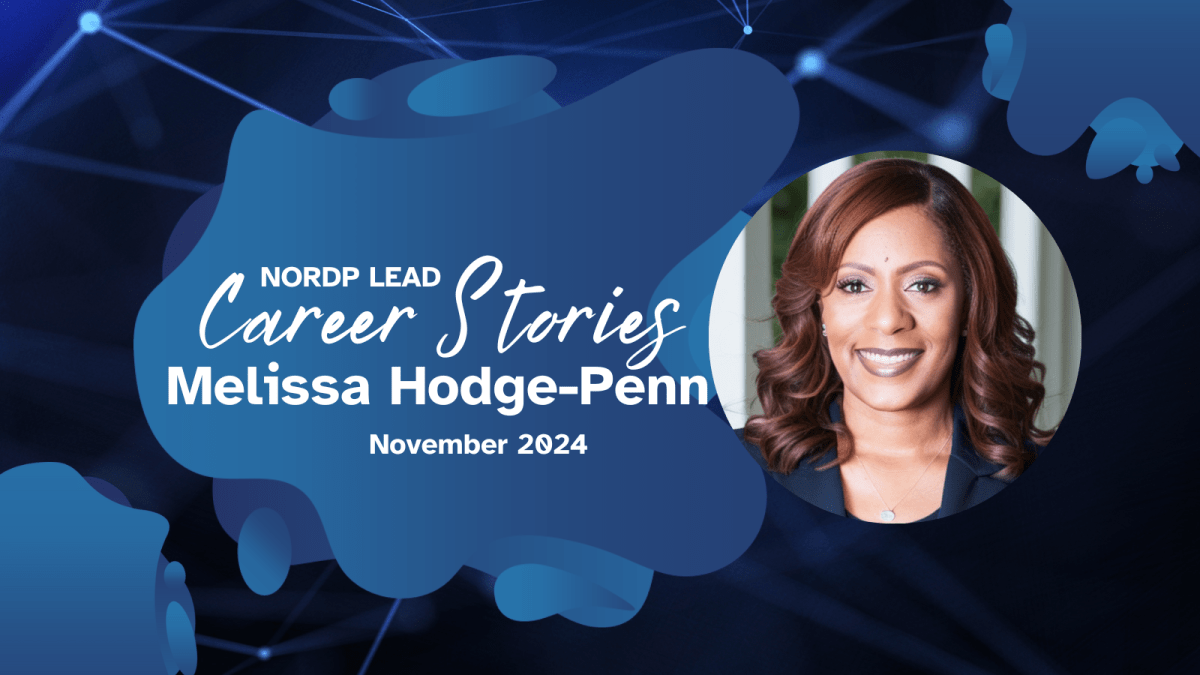
The November Career Stories featured Dr. Melissa Hodge-Penn, Interim Vice Chancellor for Research at North Carolina Agricultural & Technical State University (NC A&T)

Written by: Roshni Singh with input from Natalie Baronian, Career Stories team

A Spectacular Path from Grantsmanship and Research Administration to Research Development

Dr. Melissa Hodge-Penn

Before joining the RD field, Dr. Melissa had various roles in higher education as a grant manager, a pre-award specialist, and someone who helped build programs for faculty members in grant writing and research initiatives. In these roles, she was unaware that she was crafting her path to the RD field.

Meet Melissa Hodge-Penn, the Interim Vice Chancellor for Research at North Carolina Agricultural & Technical State University (NC A&T), where she served as the Associate Vice Chancellor before her Interim role. Before joining NC A&T, Dr. Melissa served as Assistant Vice Chancellor for research and sponsored programs at the University of Mississippi, where she facilitated university-wide strategic research growth activities, strategic planning and implementation, and directed multiple and diverse constituencies in support of the research enterprise. Her experience began at Georgia State University, where she worked on community and workforce development projects. This exposure led her to Emory University, marking her formal entry into research administration.

Dr. Melissa brings a wealth of experience managing programs funded by multiple and diverse sources and providing administrative oversight and management for a research enterprise. This includes portfolio administration, complex and multidisciplinary project administration, research development, research compliance, and policy implementation. Her experience at different universities and systems has allowed her to gather best practices, provide influence around visioning, and align RD for the unique needs of the “next university” and place of employment.

Dr. Melissa is a demonstrated leader with experience across academia, government, and not-for-profit organizations who has successfully fostered private sector and community-based relationships. Adding her leadership qualities to her current role. Dr. Melissa advocates for research needs and supports faculty in research endeavors. She emphasizes the importance of strategic operational support for the research enterprise and through these develops networks amongst research professionals. She is inventive in maximizing and leveraging resources to support researchers and their students. She is not reluctant to speak on what potentially “could be seen as out of the box” and her always “willing to grow, move and learn all she can and having that front seat to innovation.” Hence, she finds fulfillment in mentoring junior faculty and supporting new research development officers, fostering a collaborative environment that encourages innovation.

As a Black woman in a leadership role, Dr. Melissa recognizes the significance of representation in academia. Therefore, she aims to inspire others by demonstrating that diverse paths can lead to success in research administration. Her tip to everyone is that while moving around to grow your career, absorb the best and let it expand your worldview — particularly around research. She also advises to “Document Your Journey” by keeping detailed notes of your experiences and insights. These can be invaluable for future reference and for helping others.

Her RD pro-tip/hack is to give yourself grace and don’t take yourself too seriously, you know what you know. She also recommends taking part in professional development and networking teams you might not otherwise as this will have a great impact on you and your career.

Dr. Melissa would love to answer any questions you have for her, so please feel free to email her at mhodgepenn@ncat.edu.

The link to the interview to Dr. Melissa’s November Career Stories will be posted on the LMS when available.

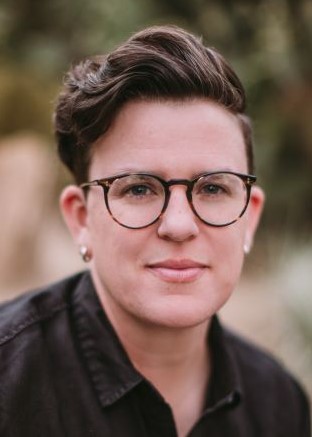
The September 2024 Career Stories featured Dr. Anna Ward, Director of University of California Research Initiatives (UCRI), part of the Research Grants Program Office at the systemwide Office of the President.

Written by: Roshni Singh, Career Stories team

Be Vulnerable but Also Know What You Want to Do

Dr. Anna Ward

Drawn by a research background, funding structures, and opportunities, Dr. Anna Ward shares that her journey to the RD profession is a gift where she is fascinated by the many ways you can address the same question.

In September Careers Stories, we shared the journey of Dr. Ward, who brings over 15 years’ experience in academic research, teaching, program management, and research development, including previous roles as a Program Officer in UCRI and a Grants and Program Manager at University of California at Davis. Dr. Ward received her BA degree in Politics and Women’s Studies from UC Santa Cruz and doctoral degree in Women’s Studies from UCLA. Prior to returning to UC, where she is the Director of University of California Research Initiatives (UCRI), part of the Research Grants Program Office at the systemwide Office of the President, Dr. Ward was previously a Visiting Assistant Professor and Program Coordinator of the Gender and Sexuality Studies Program at Swarthmore College and a lecturer in the Program for the Study of Women and Gender at Smith College.

After being affiliated with different UC campuses, Dr. Ward grew fascinated with the complexity and scale of the UC system which includes 10 unique campuses, as well as systemwide entities like Agriculture and Natural Resources (ANR), the 42-site Natural Reserves System, and the three UC-affiliated national laboratories. In her current role, she oversees a suite of research grant programs designed to encourage collaboration across the UC system, spur new directions in interdisciplinary research, and generate novel solutions to challenges facing California communities.

Dr. Ward is deeply involved in NORDP and was a Co-Chair of NORDP’s Committee on Inclusive Excellence. In NORDP, she found a welcoming community to identify with and says “the connections that we make are gold.” She thinks that RD professionals can do a better job articulating their contributions beyond proposal development and encourages exploration beyond just “churning out proposals and competing for the same pool of money.” Also, according to Dr. Ward, RD doesn’t get enough credit for the potential role it can play in retention, especially with minoritized faculty.

Dr. Ward advises new RD professionals to perform informational interviews and participate in the NORDP Mentoring program. She benefited immensely from mentorship and her NORDP mentor encouraged her to think creatively, which led her to multiple informational interviews being instrumental in her career. She made herself “vulnerable and talked to some heavy hitters”, aiming to do something in 5 years that would normally take 15 years. Now she advises others, “to be vulnerable but also know what you want to do” as the informational interviews goes both ways where both parties are investing in each other.

Dr. Wards’ impact and legacy is creating a safe space for difficult conversations, doing everything with pride and honor, treating everyone with the respect they deserve, while making their paths easier.

Dr. Ward would love to answer any questions you have for her, so please feel free to email her at anna.ward@ucop.edu

The link to the interview to Dr. Ward’s Career Stories by the NORDP LEAD Career Stories team will be posted in the NORDP LMS when available.

NORDP 2024 President’s Commendation: Dr. Kimberly Eck

This commendation recognizes individuals for exemplary service to NORDP and is presented at the discretion of the outgoing NORDP President to individuals who have contributed to the success of their presidential year.

Who: Dr. Kimberly Eck, Senior Associate Vice President for Research at Emory University & Senior Director of the NORDP Consultants Program

Where: Emory University

Number of years in research development: 16 years

Length of NORDP membership: 10 years

What initiative are you the most proud of in your role as a NORDP volunteer?

I am so proud of the NORDP Consultants Program! The NORDP Consultants Program is dedicated to expanding the national research ecosystem by providing research development services to build research capacity at MSIs and ERIs at no cost to those institutions. I am deeply grateful for the recognition that I do this work as a volunteer without personal compensation.

The Program was originally conceived of by a group of NORDP thought leaders. At the time the original pilot project was presented, I was on the Board and we agreed to move forward with the concept. 

When we started in 2021, we were working with four HBCUs, funded by a private foundation. We have now worked with 172 institutions of higher education. We’ve helped these institutions with engagements that have secured more than $90 million in funding. I think we will get to $100+ million in mid-2025. Those 172 institutions come from 44 states and jurisdictions, including Puerto Rico and the U.S. Virgin Islands. So, we have a significant reach.

There are three ways to engage with the Program: One is through our cohort model, and that’s where we recruit MSIs. They apply through a competitive process, and we select them based on the alignment of their goals and the activities that they hope to pursue with support from the Consultants. Then, the MSIs engage in a two-year intensive period with us. There’s also follow-on engagement and support opportunities. This cohort model is what the original four HBCUs went through. We’ve already started the second and third cohorts.

The second model of engagement is when we embed into a federally funded proposal process. Here, the funder comes to us and indicates that they would like support for all of the applicants that will be involved in this process. This requires really close collaboration with the funder, understanding what the funders goals are, and then working on one specific proposal with usually a multi-institutional group to submit that proposal and get it panel ready. So that’s a single shot, but all the programs that we’ve engaged with have really been focused on building innovation and research capacity, so that has been very well aligned with what we’re doing.

The third model is partner initiated. Here, an ERI or MSI, reaches out to us and lets us know they are planning to apply for an opportunity and that they need research development expertise. In this case, the partner is leading the submission, and we’re coming along and supporting with specific activities, for example, a capacity assessment. Our first partner-initiated project is led by Delaware State University, an HBCU that successfully competed in the first round of the NIH STRONG program.

I am very privileged to have had the support from Emory University and NORDP to pursue opportunities to grow this program as the Director – and I had a lot of help! More than 20 NORDP members volunteered to help launch the program in summer and fall of 2021. As the program has evolved, MANY NORDP members have contributed to its success.


How did you hear about NORDP and what made you join initially?

I heard about NORDP from a colleague while working at the State University of New York around 2013. I was delighted to learn other people were doing proposal development but in a way that was different than research administration. Like many others have described upon joining NORDP, I felt like I found my people.

What relationships have you built as a result of NORDP?
I deeply value having a national network of people I can call on with different areas of expertise, different experiences, and unique insights. My closest NORDP relationships were built by volunteering together. Attending the annual conference feels like a reunion. Being a part of NORDP has also allowed me to build relationships with other associations, like ARIS, and funders, especially NSF. I cherish everyone that has contributed and/or currently works in the NORDP Consultants Program.


Describe how NORDP has changed from when you initially joined

NORDP’s membership has grown significantly! It is fantastic to continue to see such vibrant in-person conferences alongside virtual offerings that are more accessible. I am excited to see NORDP evolve to meet its members’ needs and new paths of sustainability.

What recommendations do you have for members to get more involved with NORDP?

Consider co-authoring a resource for the Equipping Minoritized and Emerging Research Institutions to Grow their Enterprises (EMERGE) Library. This library features co-created and peer-reviewed knowledge articles and case studies that address MSI and ERI research enterprise priorities and provides context specific implementation strategies and insights. The NORDP Consultants Program hosts writing sprints that bring together RD experts from MSIs and ERIs and more resourced institutions to produce resources. It’s a fantastic way to get involved with the NORDP Consultants Program!

When structuring the articles, we take a factual approach, but we very actively try to not simply regurgitate language in the solicitation. We try to make it more understandable, for example by using more colloquial language. We strive for a balance of what your buddy at your institution would tell you if they could and the factual content. We have published three resources through these sprints in collaboration with the NORD Committee and three more are in development.

Dyad Mentoring Reflection: Angela Jordan and Wendi Chiarbos Jensen

by the NORDP Mentoring Committee

The traditional mentoring dyad (1:1 mentor-mentee) program has been a NORDP member feature since 2012. The Cohort Mentoring Group, piloted in July 2022, consists of matching three mentees with similar interests with one shared mentor. Both the dyad and cohorts are matched based on the WisdomShare matching algorithm. This is a reflection of one of the traditional mentoring dyads from the 2020-2021 mentoring year.


Angela Jordan

Mentor Angela Jordan, University of South Alabama • Angela is the Director of Research Development at the University of South Alabama and is responsible for strategic, catalytic, and capacity-building activities designed to promote faculty development and enhance their ability to attract external funding. With a background in the social sciences and humanities, Angela brings an interdisciplinary perspective that is informed by the principles of collaboration and community engagement. She has been the Co-Chair of the Mentoring Committee since 2023, actively engaging NORDP members to support mentoring for research development professionals.

Wendi Jensen photographed in the Michael F. Sorrell Center for Health Science Education on Thursday, June 27, 2019.
wendi.jensen@unmc.edu
Wendi Jensen

Mentee Wendi Chiarbos Jensen, University of Nebraska Medical Center • Wendi is the Director of Research and Grants Development in the College of Public Health at the University of Nebraska Medical Center. Wendi provides all proposal development support, works on strategic endeavors, and helps promote research across the College of Public Health at the University of Nebraska Medical Center. Her experience in working in an institutional-level office as well as a busy academic unit has helped her understand the value that external funding plays in research progress, creative discovery, and educational programming. Wendi participates in NORDP’s Academic Medicine/Affiliate Medical Center Affinity Group and is part of the NORDP Region V: Midwest/Mountain. 

Q1: What influenced you to apply to be a mentor and a mentee for the 2020-21 NORDP Mentoring Program?

Angela: 2020 was my fourth year participating in the matched mentoring program, and my third year as a mentor. While I originally joined the program in 2016 because I thought I would benefit from mentoring, with some encouragement I leaped into being a mentor myself, and I found it rewarding. By that point, I knew that every mentoring relationship is unique and was looking forward to another year of being on that journey with some more NORDP members as we worked through problems and thought about goals, whatever shape that would take. Of course that was also the first COVID year, which gave us some additional challenges to talk about!

Wendi: I was hired for a new position in my college so I did not have others doing the same RD work as I did. The NORDP Mentoring Program allowed me the chance for collegiality when there were no other co-workers at my job site. I had hoped to find a good resource for discussion of my professional goals and challenges. The Program did this by matching me with Angela Jordan!

Q2: What is your favorite part about your relationship?

Angela: Wendi was really great, very grounded, and open to the self-reflection process that is essential for growth. Like many new to research development, she brought invaluable experience and transferable skills from previous jobs, and she was very motivated. Every mentee is different and has different types of goals; Wendi had some very specific things she wanted to work on, which was fun for me. 

Wendi: It’s reassuring to connect with another RD professional who can relate to my experiences and help me process any issues I am having. Angela’s insights into how to navigate situations I was encountering always included helpful and concrete approaches she had used. And I appreciated her calm delivery and approach to work.

Q3: How has participation in the Mentoring Program helped broaden your horizons about Research Development in general and/or affected your daily work in particular?

Angela: Being involved in the mentoring program has reinforced my understanding of what great people we have in NORDP. People bring diverse backgrounds and face unique challenges in their jobs and careers, yet at the same time, so many of us share characteristics like having a growth mindset and being very open to sharing experiences, tools, and tricks of the trade. In some professional contexts, the knowledge economy is built on scarcity and controlled access, but in our profession, we have a knowledge economy built on abundance, and it has benefitted my professional growth tremendously. It also informs my thinking about the importance of mentoring in other contexts, such as for faculty and staff development, as well as its use as a component in proposals.

Wendi: I enjoyed our regular discussions about what was going on in our campus and unit environments. Hearing my mentor’s perspective on the RD field was also beneficial as I considered my own workload and how to manage time.

Q4: What surprised you about being a mentor or a mentee?

Angela: To be honest I spent much of my life with an antiestablishment mindset, and would have resisted thinking of myself as a mentor. I didn’t have great mentors as an undergraduate or during my first stint in graduate school, but also wasn’t primed to be a good mentee either. By the time I joined NORDP, I was much more receptive to the idea that being a mentor or mentee did not need to fit into a narrowly defined box and could be a really beneficial opportunity for growth in either role. After having positive mentoring experiences within NORDP, I know that the roles are adaptable to the unique context and needs of each relationship. Although both roles are essential, mentorship is really about the mentee, and in the NORDP context should be driven by the mentee; the mentor can be thought of as a facilitator for mentee exploration and development.

Wendi: I have benefitted from tremendously skilled mentors going back to my undergraduate student days. Early in my career, I may not have realized that i sought mentoring but certainly recognized its impact after the fact. With the NORDP partnering, Angela and I were able to forge a relationship through regular initial meetings and then maintained it by spacing out our meetings a bit. This worked well for me and I hope for Angela. I was surprised how quickly I felt a connection with her.

Q5: What made you decide to maintain a longer-term mentoring relationship and how has it impacted you?

Angela: One thing that came out organically over the course of the year is that, partly in conversation with me about the PhD I was working on at the time, but largely because of Wendi’s work with faculty in her college, she came to realize that she had the capacity and desire to do research herself, which led her to enroll in a PhD program. We’ve kept in touch and I am excited to see her continuing down that path!

Wendi: I was hopeful that we would have a good personal connection, but there are no guarantees that people doing the same kind of work will necessarily like each other. I found Angela to be approachable about not just work but also her personal experiences. We were of similar age and family situations but had followed different career paths. I appreciated the personal commonalities we discovered and how they impacted our professional lives.

Q6: Any words of wisdom or encouragement for those wanting to apply next year? Any other thoughts you would like to share? 

Angela: I know that taking the leap to be a mentor can intimidate people if they’ve never been in that role; it’s really easy to talk yourself out of doing it by thinking you don’t have enough experience or the right experience, or that you don’t fit what you imagine a mentor should be. But if someone is considering it then chances are that they do have something to offer, and even if they’re junior in the profession I guarantee that we always have people who are brand new to the field who can benefit from their mentorship. 

Another challenge is that, because every relationship is different, someone’s first experience as a mentor might not be exactly what they had imagined. At that point, it’s easy to think ‘mentoring isn’t for me.’ However, I’d encourage people who’ve had that thought to try it again, because they may find that the next time around it’s a truly rewarding experience.

Wendi: I have subsequently served as a mentor every year since my mentee experience with Angela. NORDP provides a great service through this program and has helped me connect with colleagues all over the US. My advice is the same given to all of my mentees: continue participating in this program and serve as both mentor and mentee. The 360-degree perspective these roles provide will enhance your professional capacity and enrich your personal attributes.


Applications for the 2025-2026 mentoring match cycle will open in the spring — keep an eye out for NORDP announcements. Additional mentoring opportunities are available through the Peer Mentoring Groups that are open for participation throughout the year via the WisdomShare platform [LINK: https://nordpmentoring.mywisdomshare.com/]. Contact the NORDP Mentoring Committee if you have any questions [link: mentoringprogram@nordp.org].

An investment in mentoring is an investment in you!

The October Career Stories featured Dr. Michael Helms, Director of Research Development, Team Science at Department of Medicine at Stanford University School of Medicine

Written by: Roshni Singh, Career Stories team

A Journey from Biotech to Academia

When Dr. Helms was asked to write his first grant in Biotech, he was a little hesitant, however, the role grew on him and he became an expert and a go-to person for all the grants in his company. While in the industry, Dr. Helms received funding from NIH and served on the NIH SBIR study section.

Michael K. Helms, PhD, MBA

The October Career Stories featured Dr. Micheal Helms, Director of Research Development and Team Science in the Department of Medicine at Stanford University School of Medicine. Dr. Helms has an MBA degree with specializations in managing innovation and technology and international business, and BS and PhD degrees in biochemistry. Mike founded the first-ever research development office at Stanford, the Stanford Research Development Office (SRDO), and managed it for 5 years. His journey started as a scientist, project manager, director, and general manager in the biotechnology industry in the San Francisco Bay Area, eventually making his way into academia.

In 2008, when the economy was crashing, Dr. Helms started consulting and looking for new opportunities. Through his work with NIH, he realized that most federal funding was awarded to universities, so he started focusing his job search in academia. With his wealth of experience, in 2009, he was hired by Stanford University and since then has helped hundreds of faculty members find and apply to funding opportunities, resulting in over $400 million in new funding from federal and foundation sponsors. He counts among his successes the Stanford CTSA, Stanford Diabetes Research Center, Stanford Alzheimer’s Disease Research Center, SPHERE Center, and many others. For the past 15 years Mike’s main responsibility has been assisting faculty obtaining large grants. He directly works with experienced and knowledgeable faculty members and provides them with hands on help through coaching, development, and holding strategy and coaching meetings. Additionally, he runs a seed grant program for junior faculty who are clinically active.

Dr. Helms likes to “get the wins” and bring in the money, which aligns to faculty interests and aspirations. Helping faculty nurture their career to do “all good things” inspires him. He has supported 2 early career faculty – K Awards – funded with perfect scores of 10.

In reflecting on his impact and legacy, Dr. Helms points to helping Stanford raise >$400 m in new grant funding, introducing and establishing the importance of research development into Stanford, and the relationship and impact he has had on others’ career. Lately, he has been reflecting on future career moves. He recognizes that most RD professionals are in staff roles, which may put him in a much weaker position within an institution for rising to the VP level. However, he maintains that networking is key and can possibly have people on your side, so never stop learning, asking questions, and maintaining good relationships with people.

Mike would love to answer any questions you have for him, so please feel free to email him at mkhelms@stanford.edu.

The link to the interview to Dr. Helms October Career Stories will be posted on the LMS when available.

The August 2024 Career Stories featured Dr. Shelia McClure, the Senior Associate Dean for Research Development at Morehouse School of Medicine (MSM)

Written by: Roshni Singh, Career Stories team

Passion, Advocacy, and Love for Academia

Dr. Shelia McClure

This month’s career story featured Dr. Shelia McClure, the Senior Associate Dean for Research Development at Morehouse School of Medicine (MSM), who is also the founding director of the MSM Office of Research Development (ORD). ORD provides technical assistance to faculty, post-docs, students and staff in planning, developing, implementing, and evaluating activities that facilitate scientific and educational research. Dr. McClure received her doctorate in cellular and developmental zoology from the University of California, Berkeley, completed post-doctoral training at the University of California and was a scientist in the Cancer and Viral Diseases Unit of the Upjohn Company in Kalamazoo, MI.

Dr. McClure began her professional career at Spelman College in Atlanta, GA where she rose to the rank of Associate Professor and was recognized for mentoring students and developing infrastructure and capacity for biomedical research that focused on faculty development, infrastructure improvements, and grant and contract development. She left Spelman for what she initially thought would be a brief stint at the National Institutes of Health (NIH). That “brief stint” ended up being almost 16 years, serving as a Program Director, Scientific Office, and Special Assistant to the Director of Research Infrastructure in the National Center for Research Resources, and as Chief of the Office of Research Training and Capacity Building in the Division of Scientific Programs at the National Institute on Minority Health and Health Disparities. However, her love for teaching, mentoring, and engaging learners as well as her passion for enhancing research capacity and helping diversify the biomedical research workforce brought her back to academia, where she could be fully engaged in research development.

Dr.McClure’s research development journey began with starting up a new lab as an Assistant Professor in a small institution that focused primarily on teaching. Once she garnered extramural funding from NSF, NIH, and a few foundations to establish her own research, she was equally engaged in developing research capacity, not only for herself, but for students, post-docs, and other faculty.  She believes RD is in her blood and with a passion for RD, “she has never worked a day in life” but follows and enjoys her passion. She considers herself “very fortunate to have been a part of research development on a local level in the academy and at a national level while at NIH.” That same passion keeps Dr. McClure in RD as she enjoys seeing investigators obtaining their first grant and becoming successful in their research and professional careers. Since many of these investigators are from groups underrepresented in biomedical research, she has the added enjoyment of playing a role in helping diversify the scientific workforce. Her work has also resulted in advocacy efforts to increase funding for smaller institutions, HBCUs, and other MSIs that need resources to enhance research and training capacity.

She strongly believes that mentoring is an essential ingredient for success, and credits her parents, an NIH professional mentor, and her undergraduate research mentor for supporting her throughout her life and career. Specifically, she thanks her parents “for instilling in a young African American woman growing up in the South that she could be anyone she wanted to be, and the equalizer would be education.” Hence, she firmly believes that it is everyone’s responsibility to “pay it forward”, and as RD professionals, we should play a more active role in mentoring the next generation of researchers and RD professionals. We should also have a stronger voice in advocating for RD opportunities that will help to diversify the institutions and individuals contributing to the research enterprise.

Even with an extensive career in RD, she still learns from every investigator she works with and uses the information she learns to improve RD programming and operations. “Emotional intelligence is the key” when working with a broad cross-section of stakeholders, which is usually the case in the RD space.  Mutual respect, and building and maintaining relationships have shaped her impact and legacy in RD.

Dr. McClure would love to answer any questions you have for her, so please feel free to email her at smcclure@msm.edu

The link to the interview to Dr. McClure’s Career Stories by the NORDP LEAD Career Stories team will be posted when available.