Encouraging and Supporting Multidisciplinary Team Science and Collaborative Proposals

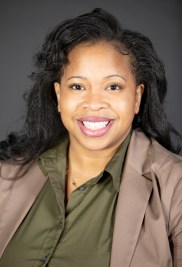
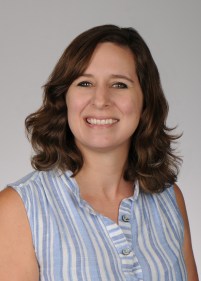
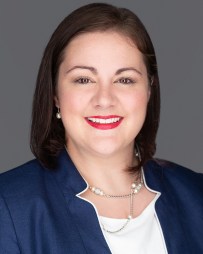
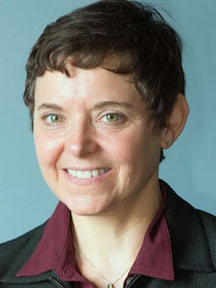
Last month, nearly 200 people joined NORDP for “Encouraging and Supporting Multidisciplinary Team Science and Collaborative Proposals.” This Friday, August 21 at 2 pm EDT, the presenters will return to continue the discussion and answer your questions. Don’t miss this special opportunity to dig further into this timely topic with Sarah Ott, Hanover Research; Sandra Holden, Stanford University School of Medicine; and Babette Heyer, Stanford Cancer Institute.

To register for Friday’s session, please click here.

Did you miss the original session? The recording and slides are still available in NORDP’s learning management system. Just search for the first session held July 20.

NORDP fosters a culture of inclusive excellence by actively promoting and supporting diversity, inclusion and equity in all its forms to expand our worldview, enrich our work, and elevate our profession.

RD101: Introduction to Research Development

Virtual pilot short course for early career RD professionals

September 21-October 23, 2020 • Seats limited!

REGISTER NOW

What is research development (RD)? How is it done? Even professionals who have worked extensively with funded research and researchers throughout their careers may feel like they only understand their specific jobs and responsibilities. Because RD roles in organizations and institutions vary (and units are often siloed), it can be hard to get a full picture of RD as a field and how it fits into the research enterprise. RD101 will help you understand the field, expand your existing skill set, and explore new ways to support research at your institution.

NORDP is offering a pilot virtual short course, RD 101, which provides an introduction to the field of RD. This 10-hour course (not including readings and other coursework) presents a framework for understanding who RD professionals are, the skills that make them effective in their roles, the hows and whys of what they do, and the resources they rely on.

There are no prerequisites for RD 101; it is intended for new RD professionals (those with fewer than two years of experience in RD) or those considering becoming RD professionals. The developers and instructors are all experienced RD professionals from a range of institutions (e.g., centralized and decentralized, R1s, PUIs) and have designed the course around the skills and information they wish they’d had when they first entered the profession.

Course topics include:

  • What is RD? Who is the RD Professional?
  • Components and Elements of the RD Process—Institutional and Professional Cultures and How They Affect the Work of RD
  • RFPs and Proposals: Requirements and Constraints
  • Helping Researchers Produce Effective Proposals

In addition to weekly meetings, participant will have weekly activities that will help them contextualize themselves and their position within the RD profession as well as begin to develop a personal career development plan that they can use as they progress in the field.

General sessions: Mondays from 2-3:30 pm ET—9/21, 9/28, 10/5, 10/12, 10/19

Breakout sessions (participants will attend one day each week; you are not required to stick to a specific day):

  • Thursdays from 1-2 pm ET (9/24, 10/1, 10/8, 10/15, 10/22) OR
  • Fridays from 1-2 pm ET (9/25, 10/2, 10/9, 10/16, 10/23)

There is no charge for this pilot workshop, but registrants must be NORDP members. Registration is limited to 30 participants. Registration closes September 19.

For questions or more information, please contact Kari Whittenberger-Keith (kariwk@uwm.edu). Registration link HERE.

Facilitators

Paige Belisle, Harvard University

While pursuing a MFA in Writing at the University of New Hampshire, Paige Belisle discovered her career path by serving as a graduate student intern in UNH’s Research Development Office. Through NORDP, she met the members of Harvard University’s Faculty of Arts and Sciences Research Development Office and joined their team in 2016. She serves faculty members by identifying funding opportunities and providing proposal development support. Her current specialty is in providing Research Development outreach to new faculty members in the arts and humanities, as well as assembling monthly funding opportunities newsletters.

Katie Howard, Appalachian State University

Katie Howard is the Associate Director for Grants Resources and Services at Appalachian State University. She holds an M.A. and M.L.S. from Appalachian State. She has been a NORDP member since 2017 and serves on the Mentoring Committee and the Professional Development Committee. In the Office of Research at Appalachian, she administers limited submission competitions, internal competitions, and the internal peer review process. She is also charged with developing the international research process and opportunities for the Office of Research.

Kari Whittenberger-Keith, The University of Wisconsin-Milwaukee

Kari Whittenberger-Keith founded Research Development Services at the University of Wisconsin-Milwaukee and was a NORDP board member from 2016-2020. She has worked as a faculty member at several institutions and in research development at the University of Pittsburgh and the University of Oregon as well as UWM. A PhD in Communication Studies from the University of Texas at Austin, she has taught public speaking, effective communication practices and training and development in both academic and professional settings for over 35 (yikes!) years.

NORDP fosters a culture of inclusive excellence by actively promoting and supporting diversity, inclusion and equity in all its forms to expand our worldview, enrich our work, and elevate our profession.

NORDP Liaison Report: Advancing Research Impact in Society (ARIS)

photoKPatten
Kim Patten

With a holistic view of the research life cycle and an emphasis on societal impacts of research, Kim Patten, director of Research Development Services, leads a team of RD professionals at the University of Arizona (UArizona). She also serves as a NORDP Strategic Alliances Liaison to ARIS, an organization formerly known as the National Alliance for Broader Impacts (NABI).

Patten, who joined NORDP in 2014, became a NORDP liaison to ARIS in late 2019. She hoped to attend their national conference in 2019 as it was located in Tucson, AZ (home to UArizona). However, the ARIS conference was scheduled at the same time of the NORDP conference, so she had to miss it but was able to send members of the UArizona RD team. In this time of COVID-19, her liaison work so far has been simple but informative conversations via phone or Zoom.

photoJFields
Jennifer Fields

She admits some of this has been a bit self-serving, helping support the launch of a new Office of Societal Impacts at UArizona.  In Nov. 2019, RD professional Jen Fields transitioned from the Research Development unit to director of the Office of Societal Impacts. Fields was able to present at the 2020 ARIS virtual conference and currently sits on the ARIS Leadership Council. Patten and Fields’ units continue collaborating together in support of high-quality proposals demonstrating a synergy between support units.

“The societal impact of research has been one of our university’s priorities for a while,” Patten says, noting that she serves a Hispanic-Serving Institution (HSI), which is defined by federal law.  For example, UArizona maintains both a Hispanic Serving Initiatives Office and a Native Peoples Technical Assistance Office, which serves individuals from 22 sovereign federally designated tribal nations as well as the individuals wishing to conduct research in collaboration with the nations.

“In the future, I look forward to deeper engagement with our ARIS colleagues, seeking opportunities to co-present and inform best practices,” Patten says. In fact, ARIS will be presenting a 90-minute session titled, “Incorporating Societal Impacts into Proposal Development” on Monday, September 14, 2020 at 2pm EDT as part of the Virtual NORDP 2020.

Her passion for societal impact has been nurtured throughout her career.  She was previously associate director of the Arizona Geological Survey, where she managed a DOE Center and was CoPI on an NSF community engagement project. She began her career at a science-based non-profit and has a master’s degree in environmental planning and resource management.

In addition to serving the Strategic Alliances Committee as a liaison, Patten is chair of the nominating committee, having served on that committee for four years. She also has participated as both mentor and mentee, and is a member of the Leadership and Career & Professional Development Peer Mentoring Group.

Patten encourages NORDP members to consider becoming a liaison to a group important to them. “Be passionate about the organization you want to liaise with.  In addition to building new relationships with the partner organization, this is an excellent opportunity for you to get more familiar with NORDP,” she says.

For more information about the NORDP Strategic Alliances Liaison Program, visit the committee page https://www.nordp.org/nordp-liaison.

Compiled by Sharon Pound, Strategic Alliances Committee

NORDP fosters a culture of inclusive excellence by actively promoting and supporting diversity, inclusion and equity in all its forms to expand our worldview, enrich our work, and elevate our profession.

Rising Star Award Cameo: Vanity Campbell

Who: Vanity Campbell, Coordinator for Proposal Development Services, Office of Contracts and Grants
Where: University of California Agriculture & Natural Resources
Number of years in research development: 6
Length of NORDP membership: 6

What recommendations do you have for members to get more involved with NORDP?

One of the things that I love about NORDP is that there are so many incredible ways to serve. I would recommend getting involved with committee service as well as engagement with your region. You can look for ways to initiate regional activities by working through the Member Services Committee (MSC) and Regional Representatives IMG_9376on the MSC. Participating in the Mentoring Program is another excellent way to get involved. It offers the chance to connect with individuals as part of group or one-on-one and can lead to working on committees across NORDP.

How has your service to NORDP enhanced your career?

Prior to my current position I did not have much experience with RD event planning. I worked on the Committee on Inclusive Excellence for the NORDP conference in 2019. I helped recruit Jacqueline Cranford as the diversity keynote, worked to secure the speaking agreement, coordinated logistics, and offered guidance on what we were looking for in a message/presentation. I had never been exposed to this type of work before and this effort was a great benefit to me professionally. I was able to turn that experience into a Grant Essentials Summit this year where I was involved in overall messaging and securing California state agencies to participate as guest speakers.

I also built on that experience during my work on the Pacific Region’s first meeting. In collaboration with an amazing planning committee, I was involved with developing the agenda, and promoting the event which wound up exceeding our expectations.

How did you hear about NORDP and what made you join initially?

My first job in RD was at the University of California, Merced where I transitioned from a job in clinical research. My boss at the time, Susan Carter, made NORDP a part of the on boarding process for new staff members. Joining the organization really helped when I was starting my career in RD and it was wonderful to have NORDP at that point.

What relationships have you built as a result of NORDP?

My primary involvement has been with the Member Services Committee and it has been an incredible opportunity to work with those leading these initiatives. I have truly enjoyed working along with the other committee members to carry out work. It has been nice to see how the core and sub committees have worked together. I have also been involved with MSI initiatives throughout my time on the MSC. Serving as regional representative for the Pacific region allowed me to connect with folks across the region through welcome emails, conference communications and events. These efforts have helped strengthen my connection throughout the UC system that existed in my prior positions as well.

I have also been involved with the Mentoring Program where I established a strong one on one connection with my mentor, Kathy Partlow, and I also served as mentor for a number of other members.

Compiled by Daniel Campbell, Member Services Committee

NORDP fosters a culture of inclusive excellence by actively promoting and supporting diversity, inclusion and equity in all its forms to expand our worldview, enrich our work, and elevate our profession.

Reminder: Call for PEERD Expert Applications Open until August 31, 2020

NORDP-logo_lockup-PEERD[1]

NORDP’s Program for External Evaluation of Research Development (PEERD) is excited to announce a call for PEERD experts. NORDP PEERD experts will serve a three-year term, beginning October 1, 2020 and ending on September 30, 2023. NORDP PEERD experts will be called on to provide the following services:

Job Function Details Expert’s Payment
PEERD Review Conduct an onsite review of an institution’s research development office and/or programming. Provide a PEERD report with recommendations for the institution. $4,200 per expert + travel
PEERD Presentation Provide a 1- or 2-hour presentation on a research development topic requested by the institution. Also offered virtually. 1hr = $300 + travel

2hr = $600 + travel

PEERD Workshop Conduct an onsite (4hr) workshop on research development (including its overlapping mission but distinct activities from research administration). Small groups will work through various RD scenarios, including but not limited to the following: proposal development, strategic research advancement, enhancement of collaboration and team science, research communication and knowledge mobilization, among others. $1,200 + travel
PEERD Virtual Consultation Provide a PEERD virtual consultation packet, including an institutional survey for institutions to administer on their campus. Analyze survey results and provide a virtual consultation, including a report on next steps for the institution. $2,400
PEERD Competitive Analysis Work with the institution to identify peers and aspirational peers, a goal/focus for the analysis, and interview questions. Conduct data analysis and provide results, along with recommendations to institution. $3,600
PEERD Informational Briefs Working in teams, develop informational briefs on topics of importance to the NORDP membership (as identified in the member needs survey). No remuneration; part of expert responsibilities
PEERD Resources Develop the PEERD consultation packet, as well as other resources beneficial to PEERD experts. No remuneration; part of expert responsibilities

PEERD Expert Application Forms, along with a C.V./resume, are due to PEERD@nordp.org by August 31, 2020 at 5:00 p.m. EST. Applicants must strictly adhere to all word limits. The PEERD review committee decisions will be made by mid-September 2020. Any inquiries should be directed to PEERD@nordp.org.

NORDP Postdoc Cameo: Alexis Nagel

Who: Alexis Nagel, PhD, Research Instructor, MUSC College of Nursing
Where: Medical University of South Carolina, Charleston, SC
Number of Years in RD: 4 (Officially)
Length of NORDP Membership: 3

What’s your history in RD? When and how did you enter the field? What kind of RD work do you do?

I transitioned from the bench to RD in 2016. Towards the end of my postdoc tenure I knew that I no longer wanted to pursue a traditional academic career; around the same time, I started working with a senior faculty member who neededNagel,Alexis-AcademicAffairsa great deal of help preparing and submitting federal grants. It was then that I discovered untapped skills in grant writing as well as an affinity for this type of work. A position opened up at my institution’s central RD office about a year later and I was able to land the role based upon that experience. There, I worked primarily on large, infrastructure/capacity-building grants and led grant writing training workshops for early career faculty. I recently transitioned to a new role within the MUSC College of Nursing to help expand overall research funding for that college. I am now providing more one-on-one support to faculty with grant writing and strategy development, which I really enjoy.

What’s your history with NORDP? How have you engaged with the organization?

I joined NORDP in 2017 and have attended two annual meetings. In 2019, I started volunteering for the N-ROAD working group that is building a set of adaptable RD training resources to help research offices implement their own onboarding programs. I also participated in the National Postdoc Association (NPA) annual meeting along with Samar Sengupta, the official NPA liaison. As NORDP representatives, we helped answer questions about the RD career path and promoted NORDP resources available to postdocs. This year I am participating in the NORDP Mentoring Program for the first time, as both a mentor and mentee.

What relationships have you built as a result of NORDP?

I have met so many wonderful individuals through NORDP! The organization has really facilitated my ability to connect professionally with others in the field, particularly those who share my passion for building bridges to alternative career paths for scientists. It truly feels like a community.

How has your service to NORDP enhanced your career?

The networking and professional education opportunities offered through NORDP have been quite valuable. Learning about different institutional environments, funding priorities, and career options in RD has helped me better assess my own professional goals.

What recommendations do you have for prior postdoc members to get more involved with NORDP?

The trainee membership option, which offers a reduced annual rate compared to the full membership fee, is a great way for postdocs to try out NORDP resources. I know several NORDP members who worked quite hard to get this option rolled out, and I would really encourage postdocs to take advantage of it!

What tips do you have for trainee members of NORDP or other postdocs looking to find a career in RD?

For postdocs who aren’t yet members of NORDP, I suggest tuning in to the NPA’s My Postdoc Monthly webinar on August 5, 2020 to find out more about RD. This will be presented by me, Samar Sengupta, PhD (University of Texas Southwestern Medical Center), and Kristen Scott, PhD (Moffitt Cancer Center): https://www.nationalpostdoc.org/events/eventdetails.aspx?id=1396321

Next, talk to someone who works in RD to get a sense of the field and determine what transferrable skills you might possess. Consider reaching out to NORDP members at your institution or find us on social media (LinkedIn: www.linkedin.com/in/alexisnagel-phd, or follow: @NORDP_official, @AnonDumboOctopi, and others) to connect, set up informational interviews, and build your networks. As I mentioned above, consider signing up for a NORDP trainee membership to gain additional exposure and access to job boards, numerous career resources, mentorship opportunities, and a lot of great people who want to help!

Compiled by Daniel Campbell, Member Services Committee

NORDP fosters a culture of inclusive excellence by actively promoting and supporting diversity, inclusion and equity in all its forms to expand our worldview, enrich our work, and elevate our profession.

NORDP Postdoc Cameo: Samarpita Sengupta

Who: Samarpita Sengupta, Instructor, Director of Neurosciences Research Development
Where: UT Southwestern Medical Center
Number of Years in RD: 4.5 years
Length of NORDP Membership: 3.5 years

What’s your history in RD? When and how did you enter the field? What kind of RD work do you do?

I started in RD in 2015, having been recruited as a Scientific Research Writer in the newly formed Neuroscience Research Development office at UT Southwestern Medical Center. After 3.5 years of postdoc, I was sure that the traditional route of postdoc to academic faculty position did not meet my interests, needs or life priorities. I reassessed the skills I possessed and realized that writing/editing was what I was good at. I did a lot of informational interviews senguptaand decided to apply to this position not knowing what Research Development meant. It was a pleasant surprise to realize that this fit my interests, goals and ambitions so well. We built our RD office from the ground up. We mostly work with individual investigators submitting to the NIH and other biomedical funding agencies, including state and private funding. We also work on large grants and deliver a lot of education.
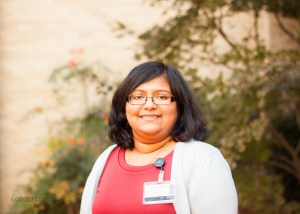
What’s your history with NORDP? How have you engaged with the organization (committee work, conferences attended/presented)?

I joined NORDP in 2017. I have attended all three NORDP conferences since, and have presented posters and/or talks at all three. At the first conference, I was browsing committees and heard Peggy Sundermeyer asking for volunteers for liaisons from the Strategic Alliances committee. I volunteered to be the liaison between NORDP and the National Postdoctoral Association (NPA), since I had been involved with the NPA during my postdoc. I attended two NPA conferences as a NORDP liaison and through the demands of postdocs we spoke with, I chaired the working group that created NROAD, the resource that RD offices can use to create internship/training/onboarding programs to help people new to RD get a hands-on understanding of the tasks involved. I was also recruited by Kathy Cataneo to assist with the Member Services subcommittee on creating the new member categories. It was gratifying to both create NROAD and make it available to all NORDP membership as well as help with creation of the Trainee and Emeritus categories of NORDP members. I have helped with the Ambassador program for last year’s conference. I currently serve as the MSC liaison to new trainee members. I also volunteer on the NORDP mentoring committee, have participated in the mentoring program as a mentor and a mentee and currently serve as a facilitator of mentor-mentee pairs and on the RD mentor training subcommittee.

What relationships have you built as a result of NORDP (new colleagues, connections to institutions where you previously had no point of contact)?

NORDP has become home and NORDP members are my people!! Before joining this organization, I browsed a couple of organizations related to grants, but at NORDP, I didn’t have to explain to people what I did! It was also very heartening to see the diversity at NORDP, not only in the people, but in the paths they had taken to a RD career. I have learned so much from everyone! I have gained a mentor through the NORDP mentoring program who has helped me enormously. I have also received mentorship from the NORDP leadership, from the leadership of the committees I have served on, and from several senior and peer NORDP members. I am not naming names because of the fear of inadvertently leaving someone off! I have made friendships with NORDP colleagues, and I will be presenting at the virtual NORDP conference with several NORDP colleagues.

How has your service to NORDP enhanced your career?

Being a member of NORDP and passively following the listserv helped me gain a lot of knowledge about RD and I have been able to build on programs at my institution using that knowledge. In addition, actively volunteering with NORDP has helped me make invaluable networks throughout the country. I was truly honored and humbled to receive the NORDP Rising Star award last year! This has definitely helped me gain some recognition at my institution.

How do you see that NORDP functions as a resource for RD professionals coming from post doctoral positions?

For people interested in RD, NORDP provides several great resources, I will list a few: 1) The listserv, where passively gaining information and knowledge will help postdocs get an idea of the conversations, language and jargon of the field, which will definitely give them a leg-up in a job interview. 2) Networks: Participating in NORDP circles, committees or regions or even knowing who in their institution is a part of NORDP and therefore, doing RD, will help postdocs build valuable networks. 3) NORDP job board: This is self-explanatory! 4) RD101: This is a course that is being offered by senior NORDP members and will be a great resource for those seeking to get a head start in RD. 4) NROAD: This is a resource developed for RD offices to create internship programs. Postdocs can go through such programs in their institutional RD offices and get hands-on training in RD tasks. 5) Other NORDP resources: NORDP website and the blog is a treasure trove of resources, reading materials, videos and articles. One can spend days in there reading and understanding what RD is and how diverse it is. 6) Trainee membership: A lot of these resources are available for NORDP members. Postdocs and others who have not had a RD job can become NORDP members using the reduced fee trainee membership and avail all these resources.

What recommendations do you have for prior postdoc members to get more involved with NORDP?

Attending the national and regional conferences are always a great idea. This year, it can be done in the comfort of your own home! I am a big believer in volunteering and the immense two way benefits to the organization and your own career that come because of it. I encourage them to seek out opportunities to help and be involved, whether it is on a committee, subcommittee or a working group. There are several ways to get involved. Serve as a mentor, serve as a career navigator for new trainee members, join a circle and contribute, the possibilities are endless and we always need more people!

What tips do you have for trainee members of NORDP or other postdocs looking to find a career in RD?

I encourage new trainee members to respond to the listserv, even if it is to ask a question. Since we are all service oriented, we are all eager to answer questions! I encourage them to find committees they can serve on, and build their networks. I am working on a pilot program with the mentoring committee to pair each trainee member with a “career navigator”, people who have gone through similar career pathways as theirs. I encourage them to reach out to these people, build these relationships and use those to their advantage. I encourage them to apply to the NORDP mentoring program.

I encourage postdocs who aren’t members of NORDP yet, to tune in to a webinar we are presenting for the National Postdoctoral Association My Postdoc Monthly webinar next month to find out more about RD as a career path. https://www.nationalpostdoc.org/events/eventdetails.aspx?id=1396321

If they think this is the right fit, then I encourage them to consider reaching out to NORDP members in their institutions or find us on social media (Follow @NORDP_official and me, @AnonDumboOctopi and others), set up informational interviews, connect and build your networks! And finally, I encourage them to consider becoming trainee members and gain additional exposure and access to resources and jobs!

Compiled by Daniel Campbell, Member Services Committee

NORDP fosters a culture of inclusive excellence by actively promoting and supporting diversity, inclusion and equity in all its forms to expand our worldview, enrich our work, and elevate our profession.
July 2020 Summary Board Memo

Dear NORDP members,

The Board of Directors held their July Board meeting this week. Below are a few highlights and upcoming events:

As I emphasized in my opening message to you, NORDP is deeply committed to creating an inclusive environment. Accordingly, we wanted to feature NORDP’s statement on diversity more prominently on our public website. Therefore, we have moved it to immediately follow our mission statement on the home page.

The third Conversation Roadblocks: A Dialogue with NORDP’s Committee on Inclusive Excellence and our first Virtual Idea Showcase – featuring posters and lightning talks – will be held on Thursday, July 30, 2020. If you have registered for the Virtual Idea Showcase remember to login to kistorm.com to browse content and join the event. Check out the NORDP calendar to register for all upcoming events.

We launched a webpage highlighting the NORD / InfoReady Research Grants which are sponsored InfoReady. You can find information there about all previously funded awards and upcoming deadlines.

The Professional Development Committee is looking for volunteers to help host our virtual events. If you are interested in volunteering, please contact Rebecca Latimer at rtl6m@virginia.edu.

Sincerely,

Kimberly Eck

Kimberly Eck, MPH, PhD
Assistant Vice Chancellor of Research Development
University of Tennessee, Office of Research & Engagement

President 2020-2021
National Organization of Research Development Professionals (NORDP)
http://www.nordp.org
NORDP fosters a culture of inclusive excellence by actively promoting and supporting diversity, inclusion and equity in all its forms to expand our worldview, enrich our work, and elevate our profession.
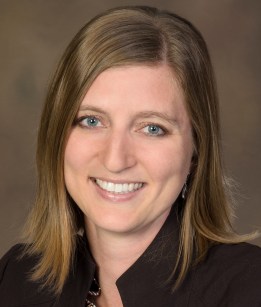
 

NORDP Postdoc Cameo: Kristen Scott

Who: Kristen Scott, PhD, Scientific Development Officer
Where: Moffitt Cancer Center
Number of Years in RD: Officially – 2; Unofficially – 10
Length of NORDP Membership: 2.5 years

What’s your history in RD? When and how did you enter the field? What kind of RD work do you do?

Like many other postdocs that transitioned into RD, I started engaging in research development activities during my graduate and postdoctoral training – I just didn’t know what it was called at the time. I would proofread colleagues’ manuscripts and grants and provide feedback on organization, scientific soundness, flow, etc. I enjoyed helping others achieve their goals.0027-Kristen Scott2MB

It wasn’t until 2017, when I was looking to transition out of the lab, that I learned that RD was a ‘thing’ and that it could provide a rewarding and fruitful career. I recognized that my organization didn’t have someone fulfilling that role for our faculty so I wrote a white paper, using NORDP’s resources, outlining the need for RD services at Moffitt, what an office could potentially look like, and what specific services I thought would benefit our faculty and their needs. I presented this paper to my current boss and senior leadership, with the support of my postdoctoral mentor, and gained support for this idea. As a result of the white paper discussion, a senior leader took a chance on me to help them with an upcoming P01 grant proposal in an RD capacity. From there, Moffitt took a chance on me and created my current position. I’m currently an RD office of one, tasked with assisting our faculty with generating highly competitive complex grants and helping to build an infrastructure for RD at our institute.

More specifically, I’m focused on elevating Moffitt’s portfolio of large team science awards. I help our faculty put together well organized and founded applications through effective project management, organization, editing, template building, communication with state and federal agencies, and occasional match making of expertise. I also support Moffitt’s P30 Cancer Center Support Grant through provision of project management, ongoing data management, writing, and editing services for annual progress reports and renewal applications.

What’s your history with NORDP? How have you engaged with the organization?

I learned about NORDP as I started to learn about RD in 2017 and got the opportunity to go to my first NORDP conference in 2018 through the National Postdoctoral Association (NPA)’s relationship with NORDP. Through this inter-institutional relationship, I met Drs. Samarpita Sengupta and Alexis Nagel and presented posters at both NORDP and NPA national meeting. We are currently working together on presenting an informational webinar for the NPA highlighting what research development is and how NORDP serves the RD professional community.

What relationships have you built as a result of NORDP?

When I started in the field, I didn’t know anyone. Everyone that I have interacted with at NORDP is warm and welcoming, and the NORDP community is truly a collaborative environment where everyone wants everyone else to succeed. Because of this environment, I’ve met people that I keep in touch with from across the country, and a few institutions have offered to let me shadow them as I build resources at my own institution.

How has your service to NORDP enhanced your career?

NORDP helped me establish research development services at my institution by providing wonderfully rich resources on what RD is and what it looks like at different institutions. It helped me gain colleagues that understood the transition that I was going through and what leadership looked like in this field.

How do you see that NORDP functions as a resource for RD professionals coming from post doctoral positions?

NORDP provides really meaningful resources for post doctorates looking to transition into RD from the novel internship programs to shadowing RD offices to webinars to providing realistic salary numbers for the field. NORDP really provides a full education of what the field is and where you can go as part of it. Additionally, NORDP’s partnership with the NPA really helps build a bridge into the field by provided RD professionals to talk with, articles in the POSTDOCket, and opportunities to speak with postdocs through their monthly webinar series.

What recommendations do you have for prior postdoc members to get more involved with NORDP?

Don’t be afraid to reach out to a NORDP member, even if you’ve never spoken with them before. My first interaction with a NORDP member was with Joanna Downer – I cold emailed her following her Science article about RD to ask several questions. She took the time to email me back with copious amounts of advice and suggestions related to my questions. It blew me away and made me want to get more involved in the organization. After joining, I realized that she is an exceptional steward of the organization but that everyone else in NORDP is just as enthusiastic about RD and all are willing to share their experiences.

What tips do you have for trainee members of NORDP or other postdocs looking to find a career in RD?

Do your research – really make sure that RD is right for you by engaging in informational interviews with RD professionals, taking advantage of RD internship programs, becoming a member of NORDP, and attending the NORDP annual conference. Take advantage of NORDP’s mentoring program to help build a personal council of mentors within the field that are committed to helping you advance your career. Also, don’t forget the mentors and sponsors that helped you along the way – they are valuable viewpoints for your new career path.

Compiled by Daniel Campbell, Member Services Committee

NORDP fosters a culture of inclusive excellence by actively promoting and supporting diversity, inclusion and equity in all its forms to expand our worldview, enrich our work, and elevate our profession.
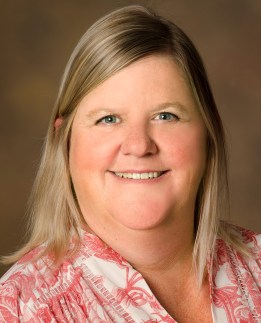
New Board Member Cameo: Anne Maglia

Anne_Maglia_headshot

Who: Anne Maglia, PhD, Associate Vice Chancellor for Research
Where: University of Massachusetts Lowell
Number of Years in RD: 12
Length of NORDP Membership: 4.5

When and how did you enter the field? What kind of RD work do you do?

Prior to my role at the University of Massachusetts Lowell, I spent six years at the National Science Foundation, as a science adviser and program director. The majority of my work at NSF was RD related, things like helping people write grants and managing portfolios of funding.  Also, with my research in bioinformatics and evolutionary biology, I had my own successes in grant writing and funding.

My current position encompasses four main areas: research integrity, research administration, research communications, and research development. The RD core includes a small team that facilitates team science and large proposal development, runs faculty development events, and develops social media, written communication, and on-campus events about research.  We also oversee the internal seed funding programs and assign contracted grant writers for our faculty. In addition, I provide administrative oversight for about 24 centers and institutes.  As a certified project management professional (PMP), my background in project management comes out no matter what, especially as we work in RD to bring together groups of people strategically and efficiently.

What’s your history with NORDP? How have you engaged with the organization (committee work, conferences attended/presented)?

When I first joined UMass Lowell, I saw so much opportunity to help the Research and Innovation group build our funding portfolio. I wanted to leverage my knowledge of federal agencies and funding priorities, and upon joining NORDP and reading more about RD, I worked with Julie Chen, my boss, the Vice Chancellor for Research to centralize and formalize our research development activities. It took about a year, and we created a new unit called Research Support Services and hired into four new positions.

My roles with NORDP largely include presenting at meetings and mentoring; I have two mentees this year. I’ve presented several times at NORDP’s annual conference and NE Region meetings, and my group co-hosted the virtual regional meetings this year. Since joining NORDP, I’ve generally become more active in advocating for research development; for example, I’ve developed a three-week summer writing course, several grant writing workshops, and a website with short videos such as “How to Talk to Program Officers,” and “How to Write Your Synergistic Activity Section” that have been well received

What relationships have you built as a result of NORDP (new colleagues, connections to institutions where you previously had no point of contact)?

My NORDP relationships have been built through involvement with the NE Region group, especially leaders like Kathy Cataneo who has been an incredible mentor to me, and meeting NORDP members like Sharon Pound at the annual conference. Sharon presented a poster on project management in RD, and I was so excited to see another PMP that we started talking immediately, and subsequently co-presented a workshop at the 2019 annual conference. Going to meetings, jumping into committees, giving collaborative presentations, and working in small groups has been very easy. Everyone in NORDP is so dang friendly and very supportive!

Presenting at the project management workshop with Sharon gave us both a lot of visibility. I met a lot of NORDP colleagues after that, which, as an introvert, is not very easy!  I’ve come to be an evangelist for using formalized project management skills in RD because of the opportunities it presents. There’s such a close link between RD and PM, and as careers shift, the project management skills can provide opportunities. This year I developed and taught a course in the UMass Lowell Project Management Certificate program on Project Management for Researchers, which had about 20 researchers and RD professionals enrolled.

What are you most excited about as a board member?

NORDP introduced me to the finer aspects of the field of research development. Although I had been doing RD, I didn’t know I was doing RD until I joined NORDP.  I want to help with outreach to other professionals who are doing RD but may not know about NORDP. I spent time as faculty at smaller institutions where people were doing RD without knowing it.  NORDP has further opportunities for inclusion and equity by reaching out to those schools where vice provosts, deans, center directors, project managers, and department chairs are doing the RD and could benefit from our NORDP community and resources.

While I haven’t been a member of NORDP for long, I felt that serving on the Board now, while my NSF experiences are still fresh in my mind and my relationships are still strong, provided a unique opportunity to build partnerships. There is a lot of overlap with the best practices promoted by NSF and NORDP, and we should explore opportunities to build closer connections with federal funders by collaborating with them on joint workshops, webinars, and trainings.

Compiled by Sharon Pound, Communications Working Group

NORDP fosters a culture of inclusive excellence by actively promoting and supporting diversity, inclusion and equity in all its forms to expand our worldview, enrich our work, and elevate our profession.