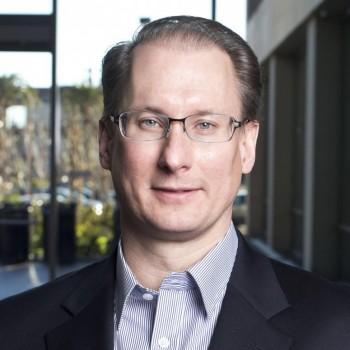
June 2025 Career Stories featured Matthew Schwartz, PhD, at University of Massachusetts Chan Medical School

Written by: Roshni Singh Career Stories team

Faculty Development Curriculum and Mentorship Networks
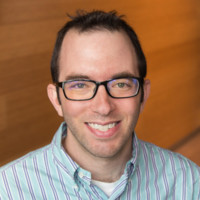
Matthew Schwartz

For June career stories, we interviewed Matthew Schwartz, PhD, who redefines what it means to support early-career faculty, building faculty development programming and mentorship networks to support academic success at UMass Chan Medical School. Matt is Senior Program Manager for Faculty Development in the Investigator Career Advancement Program (iCAP) at UMass Chan Medical School’s Office of Health Equity. At UMass Chan, Matt’s main responsibility is to design, manage, facilitate, and evaluate faculty development programs and mentorship activities aimed at enhancing the productivity, satisfaction, retention, and success of early-career research faculty, particularly those from groups historically underrepresented in science.

Certified as a facilitator by the Center for the Improvement of Mentored Experiences in Research (CIMER) and a graduate of both Ciencia Puerto Rico’s inaugural Inclusive and Reflexive Facilitation Fellowship and the 2025 Linton-Poodry SACNAS Leadership Institute, Dr. Schwartz is a national leader in faculty development and mentorship. He is an active member of NORDP, where he organizes the Faculty Development Peer Mentoring Group and serves on both the Mentor Training Team and Mentoring Committee. Fifteen-Twenty NORDP members regularly participate in monthly meetings of the Faculty Development Peer Mentoring Group, and any NORDP member is welcome to participate by signing up via WisdomShare. This Spring, along with several members of the Mentor Training Team, he facilitated a CIMER training through NORDP to further elevate mentorship practices by NORDP members across institutions.

Dr. Schwartz brings a wealth of experience to his role. He holds a PhD in Genetics and Genomics from Harvard University and a BA in Biological Sciences from Northwestern University. His academic career began as an Assistant Teaching Professor at Simmons University, where he also collaborated with the Center for Faculty Excellence, under the leadership of Dr. Jennifer Herman, as the Faculty Fellow for Teaching Excellence. Early on, he recognized a passion for creating systemic changes in academia through faculty development, curriculum innovation, and mentorship after a transformational experience as a participant in a Summer Teaching Institute at Simmons. Since then, at UMass Chan, he has been leading the creation and implementation of a holistic, tailored faculty development curriculum to support the success of four successive cohorts of early-career research-focused faculty.

Dr. Schwartz has led over 75 professional development workshops, incorporating active learning techniques such as case study analysis and role play, reflective practices, and restorative justice principles to facilitate authentic conversations and create transformational faculty development experiences. He regularly collects faculty feedback for continuous improvement of iCAP and to ensure he is meeting faculty needs. With 2-hour iCAP sessions every two to three weeks, some outsiders express concerns about taking up too much faculty time, but the effect is the opposite, with iCAP participants noting how much time they are saving later because of iCAP’s support for advancing their careers and learning how to effectively lead their research groups.

When asked to distinguish between faculty development and research development, Dr. Schwartz shares: “Faculty development takes a holistic view—it’s about mentorship, career development, and fostering belonging and wellbeing in addition to research development skills like proposal writing, managing budgets, and navigating collaboration.”  He regularly uses his research development skills, however, to dig in, understand the literature, and apply evidence-based best practices in creating both the structure of iCAP’s cohort-based peer mentorship group, and for all of the faculty development sessions he develops, on topics ranging from research mentor training to navigating difficult conversations, effective networking, and fostering wellbeing.

Focusing on mentorship, Dr. Schwartz believes in building networks, supporting faculty in identifying and filling gaps in their mentorship networks, and cultivating his own large network of people whom he can consult and who can support his own career success and development.

Dr. Schwartz is happy to answer any questions you have and especially encourages readers to reach out to him if they are looking for mentorship and support in creating their own faculty development initiatives. Please feel free to contact him at matthew.schwartz3@umassmed.edu.

To listen to his full interview by the career/kindle team, please click on this link (you must log in as a NORDP member to access): https://nordp.org/store/viewproduct.aspx?id=24459276; Chapter 48: Matthew Schwartz
The May 2025 Career Stories featured Catherine (Katie) Pelland, PhD, at University of Virginia (UVA)

Written by: Roshni Singh, Career Stories team

Becoming Herself in Research Development: Katie Pelland 

Katie Pelland

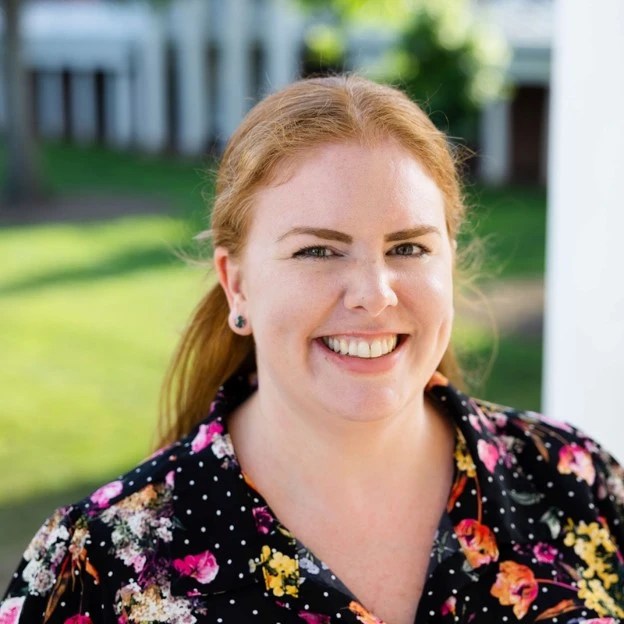
Katie Pelland, Senior Research Program Officer for the University of Virginia (UVA) Brain Institute, did not set out for a career in research development. Instead, leveraging her bachelor’s degree in mathematics from Pomona College and a PhD from UVA Engineering, her path into RD was shaped more by curiosity and conversations than a clear plan.

The May Career stories featured Katie Pelland, whose current role at the UVA Brain Institute supports research development and team science activities for neuroscience researchers around the university.

While finishing her graduate work, Katie began conducting informational interviews with individuals in academic, non-faculty roles around the university. She connected with the then Director of Proposal Development, Becca Latimer, who was excited that Katie was excited about RD work and proposed an internship on the central RD team. That opportunity, which began with compiling NIH T32 data tables (!), transitioned into a full-time role jointly housed in the central RD and graduate & postdoctoral affairs offices.

During the COVID-19 pandemic, Katie relocated to Lincoln, Nebraska, and joined the University of Nebraska–Lincoln (UNL) Office of Proposal Development team, where she focused on proposal development and programming and honed her skills. However, Katie’s entire family is in Virginia and Maryland, so after a couple of years at UNL, she returned to Virginia in a new role as the primary RD person for the UVA Brain Institute. Founded in 2016, the UVA Brain Institute serves as the hub of interdisciplinary neuroscience at UVA and fosters collaborative research groups across 150–200 affiliated faculty.

When starting out, Katie knew little about RD but constantly took notes, looked things up, and asked questions of the team, which helped her figure out the work as she went along. Katie appreciates that RD work lets her use both sides of her brain, from organizing spreadsheets to getting creative with a proposal figure. What she values most, though, are the relationships with researchers, her current and former colleagues, and the RD community at UVA and through NORDP.

Katie joined NORDP within a month of landing her RD internship, and she started by subscribing to the sometimes-overwhelming listserv. Hoping to get involved, she jumped at an opportunity to volunteer on the Nominating Committee (NomCom). Since then, Katie has been an active member of NomCom and recently completed her two-year term as lead co-chair. She has also participated in the NORDP Mentoring Program as a mentor and mentee, the Conference Planning Committee, the Communications Working Group, and NORDP LEAD. At the 2024 NORDP conference, Katie was recognized with a NORDP Rising Star award.

Katie finds her NORDP volunteer work incredibly rewarding, but recognizes how easy it is to get excited about opportunities and become overcommitted. She encourages fellow members to be intentional about the commitments they take on and strive for activities that bring satisfaction, spark joy, or support professional growth.

Katie is happy to answer any questions, so please feel free to email her at catherinempelland@gmail.com.

To listen to her full interview with the Career Stories team, please click on this link (you must log in as a NORDP member to access): https://nordp.org/store/viewproduct.aspx?id=24459276; Chapter 47: Catherine (Katie) Pelland

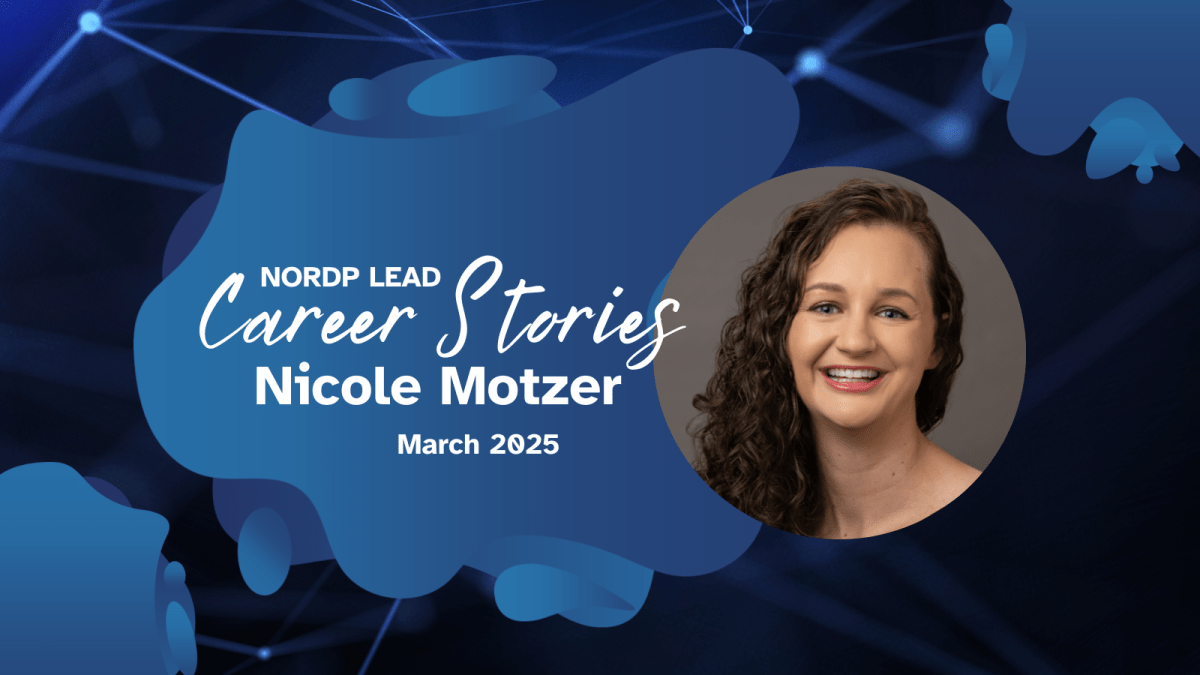
The March 2025 Career Stories featured Dr. Nicole Motzer, Founding Director of the Office of Research Development at Montana State University (MSU)

Written by: Roshni Singh with input from Natalie Baronian, Career Stories team

Nicole Motzer

In our March Career Stories, we spotlight Nicole Motzer, the founding director of the Office of Research Development at Montana State University (MSU). Leading a small but mighty team of research development professionals, Nicole’s journey is one of passion, perseverance, and innovation. With a Ph.D. in Geographical Sciences from the University of Maryland, College Park, Nicole has been awarded over $1 million in funding from NSF, NASA, and the Gordon and Betty Moore Foundation. Before joining MSU three years ago, Nicole served as the Assistant Director for Interdisciplinary Science at the National Science Foundation-funded National Socio-Environmental Synthesis Center (SESYNC). There, she played a critical role in facilitating science teams, supporting interdisciplinary proposals and research programs, and developing first-of-their-kind training programs. As SESYNC sunsetted, through lots of googling, Nicole discovered the research development field and the position at MSU that allows her to continue doing what she loves.

Transitioning from working with a single sponsor (NSF) and supporting projects focused only on socio-environmental systems research at a research center to launching a broad-reaching RD office at an R1 university was an exciting challenge, but also a steep learning curve. By spending time getting to know MSU faculty and research needs, attending countless NORDP webinars, and building strong relationships with NORDP colleagues and peer institutions, Nicole turned MSU’s Office of Research Development from a nascent idea into a thriving campus unit in just a few years.

More than three years into the role, Nicole feels good about what she and her team have built through a process of “trial and error.” MSU’s RD programming and services have shifted as the office has matured, starting with a regular schedule of bi-weekly lunch-and-learns (e.g. EPSCoR, international research, etc.) to now including biannual Research Development Days, three-day writing retreats, and multi-week grant writing workshop series. Additionally, broader impacts support now features more prominently in her office following her participation in multiple Center for Advancing Research Impact in Society (ARIS) programs, as does support for graduate student research fellowships such as the NSF GRFP. Nicole’s office further provides innovative, multi-institutional opportunities for NIH R01-ready investigators and for faculty interested in other priority funding programs through her participation in the FOCUS (Fostering Opportunities Through Collaborative University Synergies) community, alongside the University of Idaho, University of Nebraska-Lincoln, Utah State University and University of Nevada Reno.

Nicole credits her lessons in leadership to her mentor, Dr. Jonathan Kramer, former Director of Interdisciplinary Science at SESYNC, who provided her with a supportive environment, increasing responsibilities, and trusting space to experiment and fail safely. She tries to emulate this model with her own team to help grow the profession of RD. She also mentioned an important part of her legacy will be to serve institutions where she feels she can make a significant impact. Nicole initially experienced imposter syndrome as a novice RD director and now advises everyone, especially early-career women, to never doubt themselves and their capabilities. Her advice to RD professionals just starting out is to slow-walk proposal feedback, understand how people want to receive feedback, and customize their approach to individuals.

Nicole is actively involved in NORDP, having participated in the Mentoring Program, NORDP LEAD, and the Professional Development Committee. A favorite part of her job is collaborating on innovative programming with NORDP colleagues across the country. At the 2025 NORDP conference, Nicole received NORDP’s Rising Star award as well as the Innovation award for her involvement with the FOCUS team. In 2024, Nicole was appointed to the National Academies of Sciences, Engineering, and Medicine’s Committee on Research and Application in Team Science, representing both her research development and team science practitioner perspectives in one space. Nicole lives in Bozeman, MT, surrounded by mountains, with her family.

 Nicole would love to answer any questions you have for her, so please feel free to email her at nicole.motzer@montana.edu

February 2025 Career Stories Featured Board Members Carly Cummings and Nathan Meier

Written by: Roshni Singh, Career Stories team

Board Membership: Carly and Nathan’s Journey of Commitment

The February 2025 installment of Career Stories highlighted NORDP board members Carly Cummings and Nathan Meier. Carly and Nathan have made significant contributions to NORDP and to research development (RD), and they shared valuable insights about their professional journeys, the impact of board service, and advice for those considering leadership roles within NORDP. The February installment of Career Stories was co-hosted by the Nominating Committee (NomCom), which facilitates the annual board of directors’ nomination, application, and election processes.

Carly Cummings

Senior Director of the Office of Research and Faculty Development at the University of Idaho

Carly Cummings, NORDP board member elected in 2023, is the Senior Director of the Office of Research and Faculty Development at the University of Idaho—a newly minted Carnegie R1, rural, land-grant institution. Carly started this office in 2018, establishing a team of six Research Development Specialists to deliver a 360-degree approach to enhancing the competitiveness of extramural research proposals at the University. This approach includes offering a suite of faculty development programming and seminars, tailored internal competitions for limited submission funding programs, and managing internal funding opportunities. Prior to the University of Idaho, Carly held college-level RD and RD/RA roles at two other land—grant institutions. Carly serves as an advocate for developing and implementing innovative collaborative RD approaches to achieving institutional research goals.

Nathan Meier

Associate Vice Chancellor for Research, Capacity and Competitiveness, within the Office of Research and Innovation at the University of Nebraska-Lincoln (UNL)

Nathan Meier, NORDP director and immediate past president, is the Associate Vice Chancellor for Research, Capacity and Competitiveness within the Office of Research and Innovation at the University of Nebraska-Lincoln (UNL). Directing UNL’s Research Development Group, Nathan increases faculty and institutional success by providing leadership for internal funding, proposal development, research impact, external recognition, and faculty research development programs. During the last two decades, Nathan and his team have partnered to help the UNL community secure more than $870 million in external funding. Examples of Nathan’s impact to NORDP are him serving on the working group that developed NORDP Leadership, Engagement and Development (LEAD) and initiating the Career Stories series.

Carly is in the middle of her first term, and Nathan is nearing the end of two terms on the NORDP Board, having served as the organization’s president. Reflecting on their experiences, Carly and Nathan expressed appreciation for their time as board members and emphasized that board service does not require being senior in one’s career but a deep commitment to NORDP and the RD community. Though serving on the board comes with responsibilities to ensuring the continued growth of NORDP is accompanied by the necessary administrative support and governance structures, the benefits of this service are significant. One benefit mentioned was gaining a deeper appreciation of faculty experiences and challenges, such as large proposal development processes, and managing team dynamics and collaborative work. Carly and Nathan also mentioned that board service benefits include the satisfaction of contributing to our professional organization and shaping its future, networking opportunities with other directors through regular meetings and annual campus visits, and collaborative initiatives toward shaping NORDP’s future. The takeaway is that this service engages in strengths-based, collaborative initiatives where the whole is greater than the sum of its parts, with the ultimate goal of enhancing the growth, credibility, and visibility of RD professionals.

When asked to share pro tips for those considering board service or increased involvement with NORDP, Carly and Nathan advised it is important to consider when the time is ripe to take on a leadership role and the importance of nominating others you see as strong candidates. Additionally, they noted the importance of understanding the requirements for nonprofit board service, in general, and the responsibilities and expectations of NORDP board members in particular. To help with this, they recommended conducting informational interviews with current or recent board members to gain firsthand insights as a way to better understand and prepare for the role. Nathan uses a set of six questions to guide these discussions, which he is happy to share. He also recommended accessing a copy of What Every Board Member Needs to Know, Do, and Avoid, which is a quick guide recommended to him by prior members of the NORDP board.

Carly and Nathan share a deep commitment to supporting NORDP and an enthusiasm for RD. They are both open to continued dialogue and would love to answer any questions you have for them regarding their roles as board members or their involvement in NORDP. Carly may be reached at ccummings@uidaho.edu, and Nathan may be reached at nlm@unl.edu.

We hope this blog provides some practical insights and resources to help you consider your involvement within NORDP and the plusses and potential of serving on the board. If you would like to continue the conversation, reach out to NomCom at nomcom@nordp.org or to Career Stories team member Chetna Chianese at cchianes@syr.edu.

To listen to their full interview with the Career Stories team, please click on this link (you must log in as a NORDP member to access): https://nordp.freestonelms.com/viewer/eyJ0eXAiOiJKV1QiLCJhbGciOiJIUzI1NiJ9.eyJvcmRlckl0ZW1JRCI6MjE2ODE0NTUsImNoYXB0ZXJJRCI6NDk4NDU2fQ.SdA2Q15yVL67LXSHChuEAA4fIvf1cByBF42X-RuA5Zk: Chapter 46: Board Member Profiles

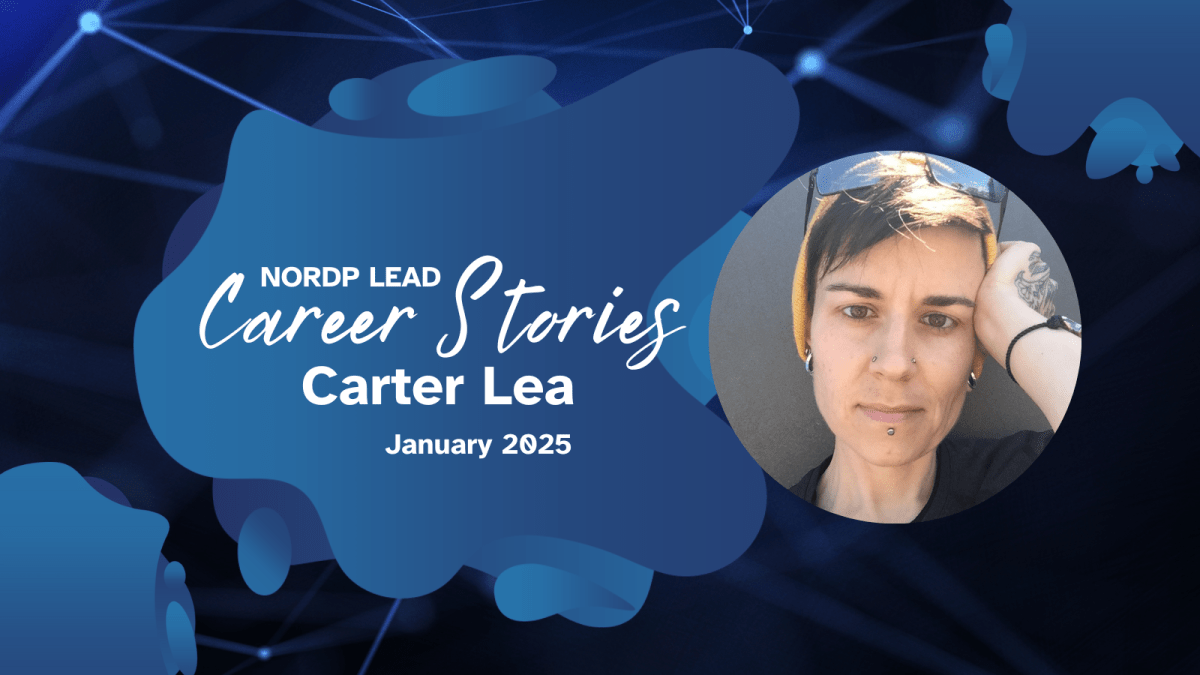
The January 2025 Career Stories featured Dr. Carter Lea, Senior Research Development Officer at Tulane University

Written by: Roshni Singh with input from Natalie Baronian, Career Stories team
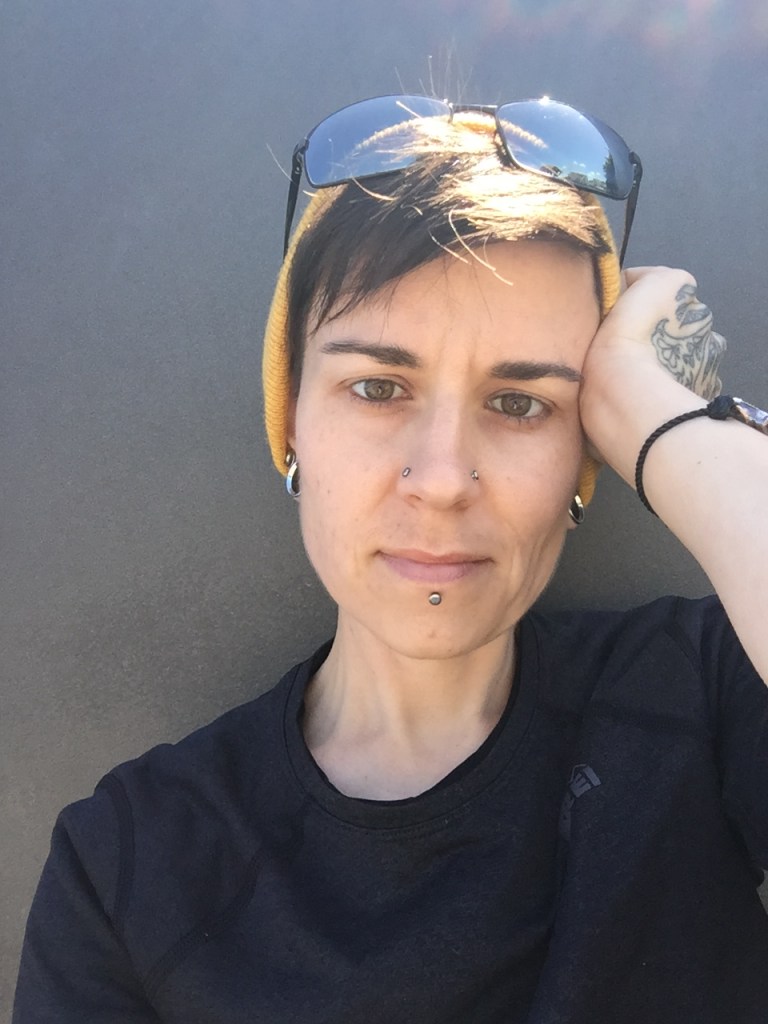
Carter Lea, PhD

From Promoting Out-of-the-Box Thinking to a Board Member

Career Stories’ January 2025 session featured Carter Lea (they/he), a queer introvert who connects with the world by absorbing as much information as possible. Carter is a newly elected (2024) member of the NORDP Board of Directors, who currently works in the Office of Research Proposal Development at Tulane University in New Orleans, where he lives with his spouse, two cats, and a cat-like dog.

Carter received a Ph.D. in Ecology and Biodiversity in 2015 from Victoria University of Wellington, New Zealand, and was busy funding their own research in ecophysiology and climate change modeling when he learned about research development as a career path. Their love for writing grants and editing proposals is what eventually led him to an RD position. What excites and motivates Carter is creating new knowledge that ultimately helps communities, and crafting and writing about those ideas makes their effort worthwhile. Even though they were originally hired to work in the STEM disciplines, the Liberal Arts department was added to their portfolio, and they now work on a wide variety of proposals.

Carter’s strategy for working with hesitant faculty includes building trust and relationships and maintaining discipline as a details-oriented person to market how RD is a useful skill. According to Carter, extensive editing, reworking the language for clear communication for readers, and incorporating visuals/graphic design helps foster a stronger relationship and trust with investigators and enhances the proposal, which keeps him actively engaged in RD. Carter’s passion for data visualization and inherent tendency to collect knowledge and skills also led him to pursue a post-baccalaureate certificate in graphic design, a skillset they apply almost daily to improve proposal presentation, infographics, and tables.

Carter joined NORDP soon after entering RD and became an active member of the Committee on Inclusive Excellence (CIE). Through CIE, he encouraged others to think creatively and look beyond traditional constraints, promoting out-of-the-box thinking. His innovative ideas caught the attention of Samar Sengupta, who nominated him for a position on the NORDP Board. They believe NORDP is genuinely filled with good people, and they see a “home” in this organization. While Carter appreciates the organization’s inclusive culture, he also believes that, within the unique field of RD, it is essential to make research more human-centered.

Carter would love to answer any questions you have for them at calea@tulane.edu

To listen to his full interview by the career/kindle team, please click on this link (you must log in as a NORDP member to access): https://nordp.org/store/viewproduct.aspx?id=24459276. Chapter 45: Carter Lea

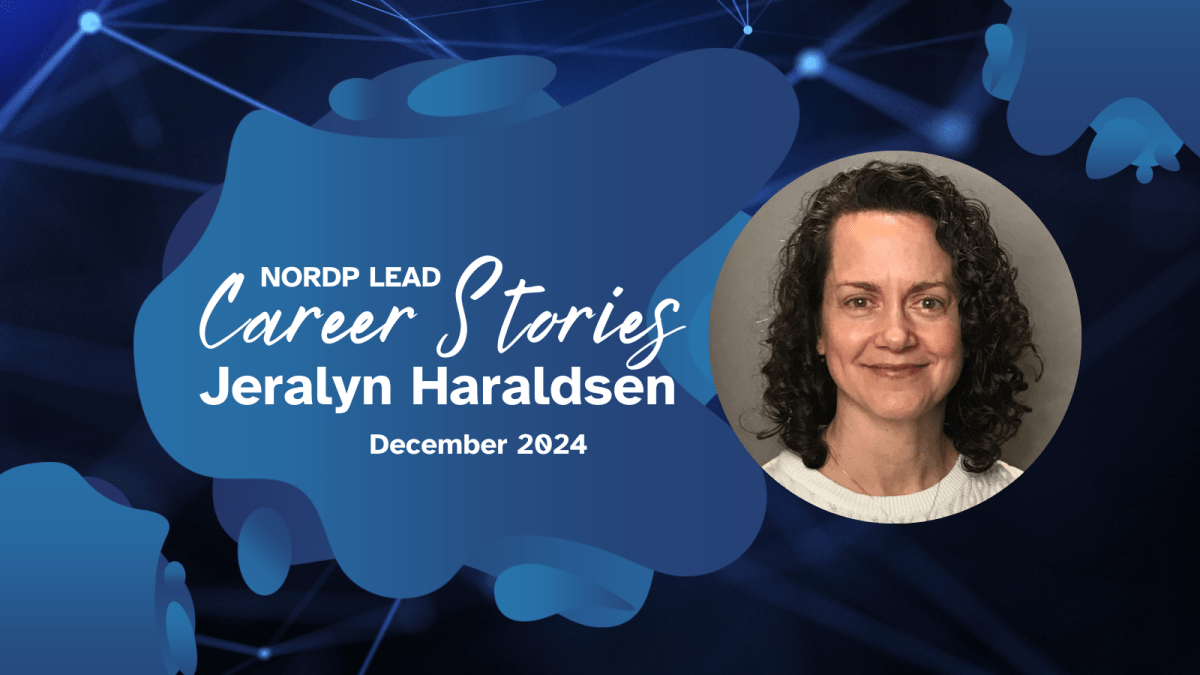
The December Career Stories featured Dr. Jeralyn Haraldsen, the founding Director of Research Development at the University of Vermont (UVM)

Written by: Roshni Singh with input from Natalie Baronian, Career Stories team

From Solo RD to a Team of Eleven!

Dr. Jeralyn Haraldsen

In December career stories, we are honored to feature Jeralyn Haraldsen, the founding Director of Research Development at the University of Vermont (UVM). Dr. Haraldsen leads a team of Research Development staff who provide strategic grantsmanship, writing, and project management support to faculty seeking extramural funding to support research, creative, and scholarly activities. She and her team, under the guidance of the Vice President for Research, provide professional development opportunities to early-career faculty, coordinate writing and project management support for large-scale, high-impact proposals, manage UVM’s internal limited submission process, and ensure that faculty across the University are aware of and prepared for new research grant opportunities. 

Dr. Haraldsen’s career path into research development started in grad school when she attended a career panel about alternative career paths and heard a speaker discuss research development work. Although she always received positive feedback on her writing skills and knew she would be capable in such a role, she was not ready to make that jump and went on to a postdoctoral position. As a post-doc at UVM, she realized the work-life balance of laboratory work was not the best option for her and her growing family. Her priorities shifted after a family tragedy and she started exploring writing careers more broadly, not just RD, as she loved writing and editing papers. It is at this time she started doing informational interviews and connected with Peg AtKisson (an alum of the same graduate school). By the end of their conversation, Dr. Haraldsen was hired as a remote, independent contractor which allowed her to also accept freelance work with faculty at UVM.

These experiences led her to an interim position at UVM under a new Vice President of Research who was familiar with research development. With their support, she created a new RD office and singlehandedly provided research development support for up to five (5) years before growing and forming a team of eleven members. As exciting as it has been to grow a team, it’s come with many “growing pains” like managing people and struggling to obtain more resources. The transition from direct support to a larger strategic role was more challenging (surprise!) as she discovered that she had underestimated the skill involved in managing people. However, these are the challenges that keep Dr. Haraldsen in RD. The ever-evolving environment, opportunities for professional growth, and challenges with managing a growing team and a growing portfolio highlight the importance of the RD field. Moreover, fostering strong collaborations and building relationships while working on proposals and piloting limited submissions keeps Dr. Haraldsen inspired and engaged in her role. For Dr. Haraldsen these are her impact and legacy: to come together to work and to enjoy it. As such, her RD pro-tips are to “take a step back and think about the process, be innovative, and stay calm under pressure.”

Jeralyn would love to answer any questions you have for her, so please feel free to email her at Jeralyn.Haraldsen@uvm.edu.

To listen to her full interview by the career/kindle team, please click on this link (you must log in as a NORDP member to access): https://nordp.org/store/viewproduct.aspx?id=24459276; Chapter 44: Jeralyn Haraldsen

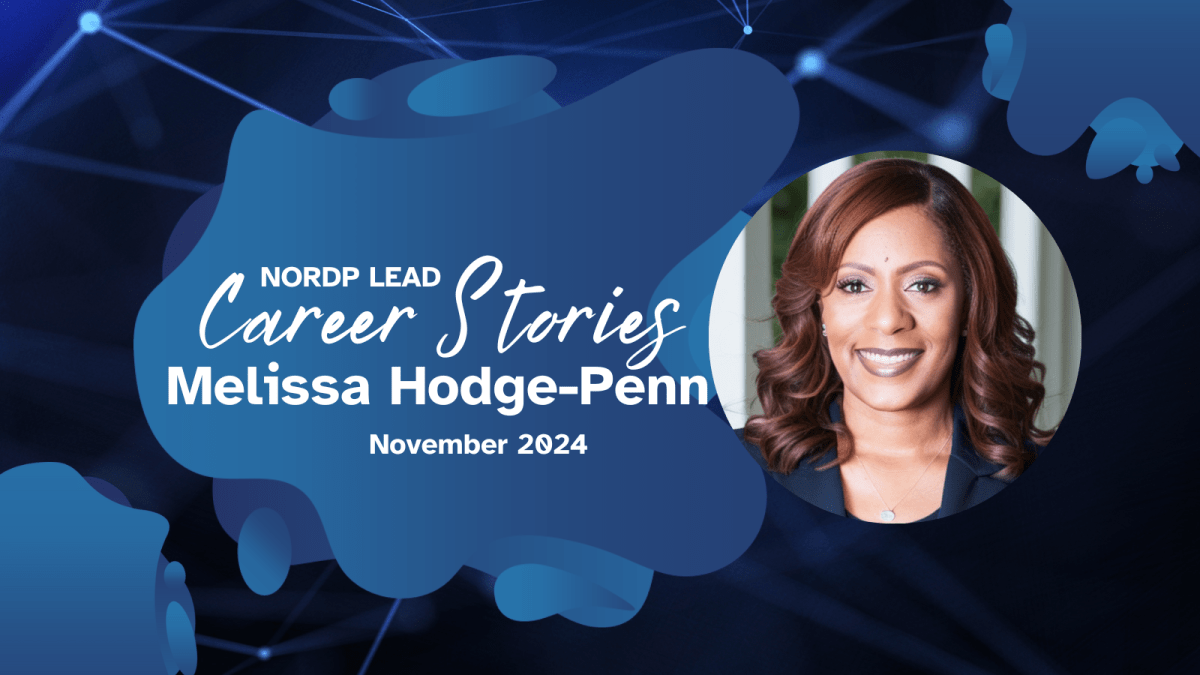
The November Career Stories featured Dr. Melissa Hodge-Penn, Interim Vice Chancellor for Research at North Carolina Agricultural & Technical State University (NC A&T)

Written by: Roshni Singh with input from Natalie Baronian, Career Stories team

A Spectacular Path from Grantsmanship and Research Administration to Research Development

Dr. Melissa Hodge-Penn

Before joining the RD field, Dr. Melissa had various roles in higher education as a grant manager, a pre-award specialist, and someone who helped build programs for faculty members in grant writing and research initiatives. In these roles, she was unaware that she was crafting her path to the RD field.

Meet Melissa Hodge-Penn, the Interim Vice Chancellor for Research at North Carolina Agricultural & Technical State University (NC A&T), where she served as the Associate Vice Chancellor before her Interim role. Before joining NC A&T, Dr. Melissa served as Assistant Vice Chancellor for research and sponsored programs at the University of Mississippi, where she facilitated university-wide strategic research growth activities, strategic planning and implementation, and directed multiple and diverse constituencies in support of the research enterprise. Her experience began at Georgia State University, where she worked on community and workforce development projects. This exposure led her to Emory University, marking her formal entry into research administration.

Dr. Melissa brings a wealth of experience managing programs funded by multiple and diverse sources and providing administrative oversight and management for a research enterprise. This includes portfolio administration, complex and multidisciplinary project administration, research development, research compliance, and policy implementation. Her experience at different universities and systems has allowed her to gather best practices, provide influence around visioning, and align RD for the unique needs of the “next university” and place of employment.

Dr. Melissa is a demonstrated leader with experience across academia, government, and not-for-profit organizations who has successfully fostered private sector and community-based relationships. Adding her leadership qualities to her current role. Dr. Melissa advocates for research needs and supports faculty in research endeavors. She emphasizes the importance of strategic operational support for the research enterprise and through these develops networks amongst research professionals. She is inventive in maximizing and leveraging resources to support researchers and their students. She is not reluctant to speak on what potentially “could be seen as out of the box” and her always “willing to grow, move and learn all she can and having that front seat to innovation.” Hence, she finds fulfillment in mentoring junior faculty and supporting new research development officers, fostering a collaborative environment that encourages innovation.

As a Black woman in a leadership role, Dr. Melissa recognizes the significance of representation in academia. Therefore, she aims to inspire others by demonstrating that diverse paths can lead to success in research administration. Her tip to everyone is that while moving around to grow your career, absorb the best and let it expand your worldview — particularly around research. She also advises to “Document Your Journey” by keeping detailed notes of your experiences and insights. These can be invaluable for future reference and for helping others.

Her RD pro-tip/hack is to give yourself grace and don’t take yourself too seriously, you know what you know. She also recommends taking part in professional development and networking teams you might not otherwise as this will have a great impact on you and your career.

Dr. Melissa would love to answer any questions you have for her, so please feel free to email her at mhodgepenn@ncat.edu.

The link to the interview to Dr. Melissa’s November Career Stories will be posted on the LMS when available.

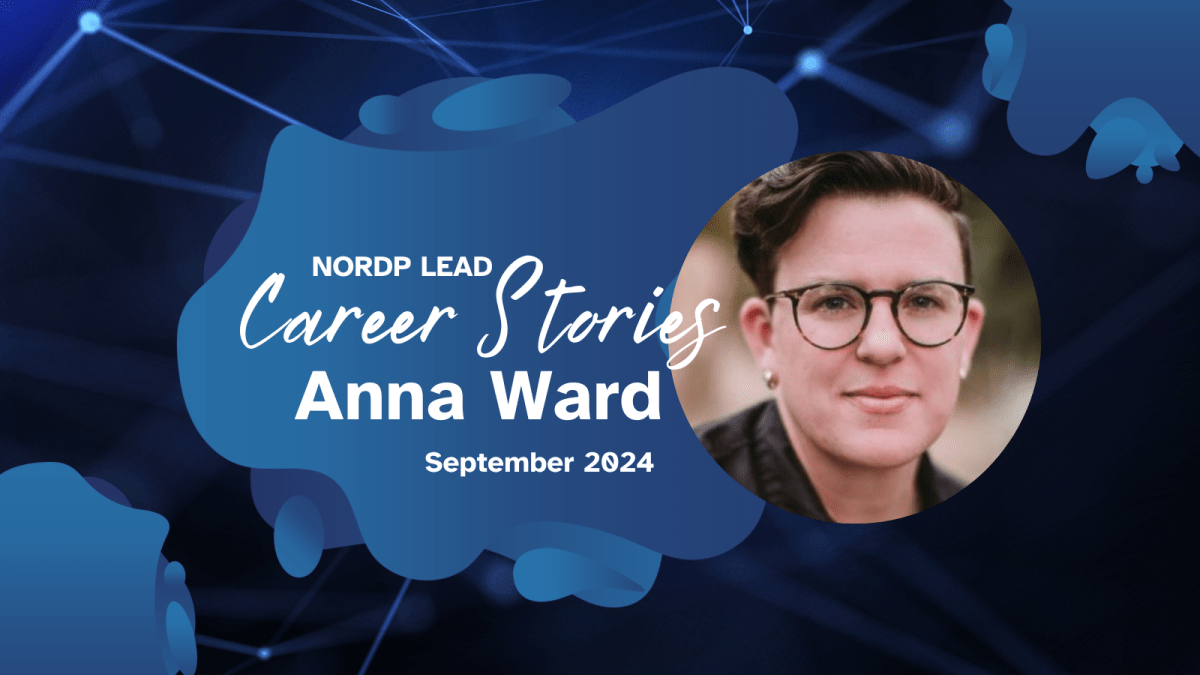
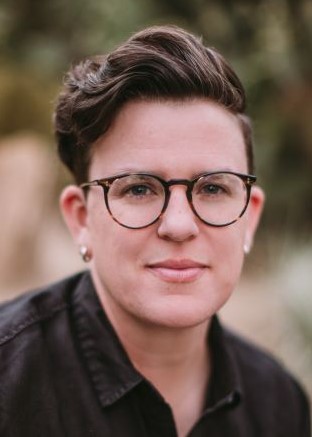
The September 2024 Career Stories featured Dr. Anna Ward, Director of University of California Research Initiatives (UCRI), part of the Research Grants Program Office at the systemwide Office of the President.

Written by: Roshni Singh, Career Stories team

Be Vulnerable but Also Know What You Want to Do

Dr. Anna Ward

Drawn by a research background, funding structures, and opportunities, Dr. Anna Ward shares that her journey to the RD profession is a gift where she is fascinated by the many ways you can address the same question.

In September Careers Stories, we shared the journey of Dr. Ward, who brings over 15 years’ experience in academic research, teaching, program management, and research development, including previous roles as a Program Officer in UCRI and a Grants and Program Manager at University of California at Davis. Dr. Ward received her BA degree in Politics and Women’s Studies from UC Santa Cruz and doctoral degree in Women’s Studies from UCLA. Prior to returning to UC, where she is the Director of University of California Research Initiatives (UCRI), part of the Research Grants Program Office at the systemwide Office of the President, Dr. Ward was previously a Visiting Assistant Professor and Program Coordinator of the Gender and Sexuality Studies Program at Swarthmore College and a lecturer in the Program for the Study of Women and Gender at Smith College.

After being affiliated with different UC campuses, Dr. Ward grew fascinated with the complexity and scale of the UC system which includes 10 unique campuses, as well as systemwide entities like Agriculture and Natural Resources (ANR), the 42-site Natural Reserves System, and the three UC-affiliated national laboratories. In her current role, she oversees a suite of research grant programs designed to encourage collaboration across the UC system, spur new directions in interdisciplinary research, and generate novel solutions to challenges facing California communities.

Dr. Ward is deeply involved in NORDP and was a Co-Chair of NORDP’s Committee on Inclusive Excellence. In NORDP, she found a welcoming community to identify with and says “the connections that we make are gold.” She thinks that RD professionals can do a better job articulating their contributions beyond proposal development and encourages exploration beyond just “churning out proposals and competing for the same pool of money.” Also, according to Dr. Ward, RD doesn’t get enough credit for the potential role it can play in retention, especially with minoritized faculty.

Dr. Ward advises new RD professionals to perform informational interviews and participate in the NORDP Mentoring program. She benefited immensely from mentorship and her NORDP mentor encouraged her to think creatively, which led her to multiple informational interviews being instrumental in her career. She made herself “vulnerable and talked to some heavy hitters”, aiming to do something in 5 years that would normally take 15 years. Now she advises others, “to be vulnerable but also know what you want to do” as the informational interviews goes both ways where both parties are investing in each other.

Dr. Wards’ impact and legacy is creating a safe space for difficult conversations, doing everything with pride and honor, treating everyone with the respect they deserve, while making their paths easier.

Dr. Ward would love to answer any questions you have for her, so please feel free to email her at anna.ward@ucop.edu

The link to the interview to Dr. Ward’s Career Stories by the NORDP LEAD Career Stories team will be posted in the NORDP LMS when available.

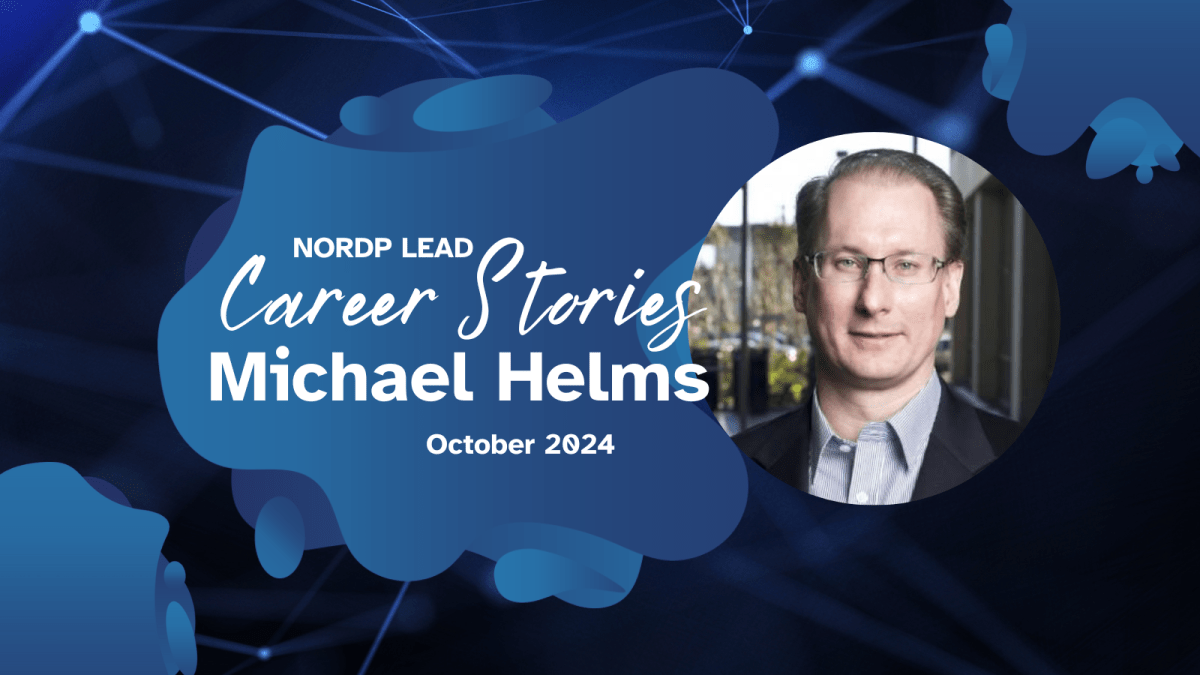
The October Career Stories featured Dr. Michael Helms, Director of Research Development, Team Science at Department of Medicine at Stanford University School of Medicine

Written by: Roshni Singh, Career Stories team

A Journey from Biotech to Academia

When Dr. Helms was asked to write his first grant in Biotech, he was a little hesitant, however, the role grew on him and he became an expert and a go-to person for all the grants in his company. While in the industry, Dr. Helms received funding from NIH and served on the NIH SBIR study section.

Michael K. Helms, PhD, MBA

The October Career Stories featured Dr. Micheal Helms, Director of Research Development and Team Science in the Department of Medicine at Stanford University School of Medicine. Dr. Helms has an MBA degree with specializations in managing innovation and technology and international business, and BS and PhD degrees in biochemistry. Mike founded the first-ever research development office at Stanford, the Stanford Research Development Office (SRDO), and managed it for 5 years. His journey started as a scientist, project manager, director, and general manager in the biotechnology industry in the San Francisco Bay Area, eventually making his way into academia.

In 2008, when the economy was crashing, Dr. Helms started consulting and looking for new opportunities. Through his work with NIH, he realized that most federal funding was awarded to universities, so he started focusing his job search in academia. With his wealth of experience, in 2009, he was hired by Stanford University and since then has helped hundreds of faculty members find and apply to funding opportunities, resulting in over $400 million in new funding from federal and foundation sponsors. He counts among his successes the Stanford CTSA, Stanford Diabetes Research Center, Stanford Alzheimer’s Disease Research Center, SPHERE Center, and many others. For the past 15 years Mike’s main responsibility has been assisting faculty obtaining large grants. He directly works with experienced and knowledgeable faculty members and provides them with hands on help through coaching, development, and holding strategy and coaching meetings. Additionally, he runs a seed grant program for junior faculty who are clinically active.

Dr. Helms likes to “get the wins” and bring in the money, which aligns to faculty interests and aspirations. Helping faculty nurture their career to do “all good things” inspires him. He has supported 2 early career faculty – K Awards – funded with perfect scores of 10.

In reflecting on his impact and legacy, Dr. Helms points to helping Stanford raise >$400 m in new grant funding, introducing and establishing the importance of research development into Stanford, and the relationship and impact he has had on others’ career. Lately, he has been reflecting on future career moves. He recognizes that most RD professionals are in staff roles, which may put him in a much weaker position within an institution for rising to the VP level. However, he maintains that networking is key and can possibly have people on your side, so never stop learning, asking questions, and maintaining good relationships with people.

Mike would love to answer any questions you have for him, so please feel free to email him at mkhelms@stanford.edu.

The link to the interview to Dr. Helms October Career Stories will be posted on the LMS when available.

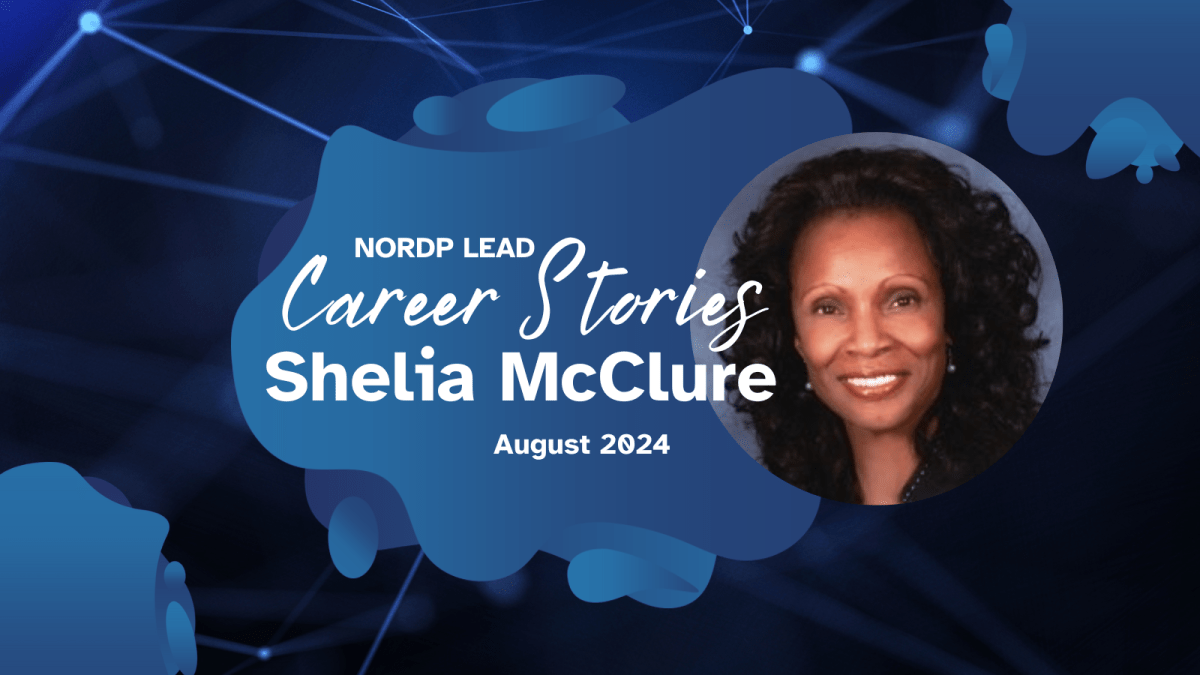
The August 2024 Career Stories featured Dr. Shelia McClure, the Senior Associate Dean for Research Development at Morehouse School of Medicine (MSM)

Written by: Roshni Singh, Career Stories team

Passion, Advocacy, and Love for Academia

Dr. Shelia McClure

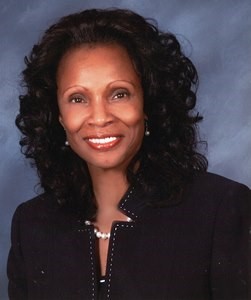
This month’s career story featured Dr. Shelia McClure, the Senior Associate Dean for Research Development at Morehouse School of Medicine (MSM), who is also the founding director of the MSM Office of Research Development (ORD). ORD provides technical assistance to faculty, post-docs, students and staff in planning, developing, implementing, and evaluating activities that facilitate scientific and educational research. Dr. McClure received her doctorate in cellular and developmental zoology from the University of California, Berkeley, completed post-doctoral training at the University of California and was a scientist in the Cancer and Viral Diseases Unit of the Upjohn Company in Kalamazoo, MI.

Dr. McClure began her professional career at Spelman College in Atlanta, GA where she rose to the rank of Associate Professor and was recognized for mentoring students and developing infrastructure and capacity for biomedical research that focused on faculty development, infrastructure improvements, and grant and contract development. She left Spelman for what she initially thought would be a brief stint at the National Institutes of Health (NIH). That “brief stint” ended up being almost 16 years, serving as a Program Director, Scientific Office, and Special Assistant to the Director of Research Infrastructure in the National Center for Research Resources, and as Chief of the Office of Research Training and Capacity Building in the Division of Scientific Programs at the National Institute on Minority Health and Health Disparities. However, her love for teaching, mentoring, and engaging learners as well as her passion for enhancing research capacity and helping diversify the biomedical research workforce brought her back to academia, where she could be fully engaged in research development.

Dr.McClure’s research development journey began with starting up a new lab as an Assistant Professor in a small institution that focused primarily on teaching. Once she garnered extramural funding from NSF, NIH, and a few foundations to establish her own research, she was equally engaged in developing research capacity, not only for herself, but for students, post-docs, and other faculty.  She believes RD is in her blood and with a passion for RD, “she has never worked a day in life” but follows and enjoys her passion. She considers herself “very fortunate to have been a part of research development on a local level in the academy and at a national level while at NIH.” That same passion keeps Dr. McClure in RD as she enjoys seeing investigators obtaining their first grant and becoming successful in their research and professional careers. Since many of these investigators are from groups underrepresented in biomedical research, she has the added enjoyment of playing a role in helping diversify the scientific workforce. Her work has also resulted in advocacy efforts to increase funding for smaller institutions, HBCUs, and other MSIs that need resources to enhance research and training capacity.

She strongly believes that mentoring is an essential ingredient for success, and credits her parents, an NIH professional mentor, and her undergraduate research mentor for supporting her throughout her life and career. Specifically, she thanks her parents “for instilling in a young African American woman growing up in the South that she could be anyone she wanted to be, and the equalizer would be education.” Hence, she firmly believes that it is everyone’s responsibility to “pay it forward”, and as RD professionals, we should play a more active role in mentoring the next generation of researchers and RD professionals. We should also have a stronger voice in advocating for RD opportunities that will help to diversify the institutions and individuals contributing to the research enterprise.

Even with an extensive career in RD, she still learns from every investigator she works with and uses the information she learns to improve RD programming and operations. “Emotional intelligence is the key” when working with a broad cross-section of stakeholders, which is usually the case in the RD space.  Mutual respect, and building and maintaining relationships have shaped her impact and legacy in RD.

Dr. McClure would love to answer any questions you have for her, so please feel free to email her at smcclure@msm.edu

The link to the interview to Dr. McClure’s Career Stories by the NORDP LEAD Career Stories team will be posted when available.