Announcing the NORD/InfoReady Grant Awards 2024 Cycle – 2025 Application is Now Open!

The New Opportunities for Research Development (NORD) Committee is excited to announce the NORD/InfoReady Grant Cycle 2024 awardees, sponsored by InfoReady and NORDP.

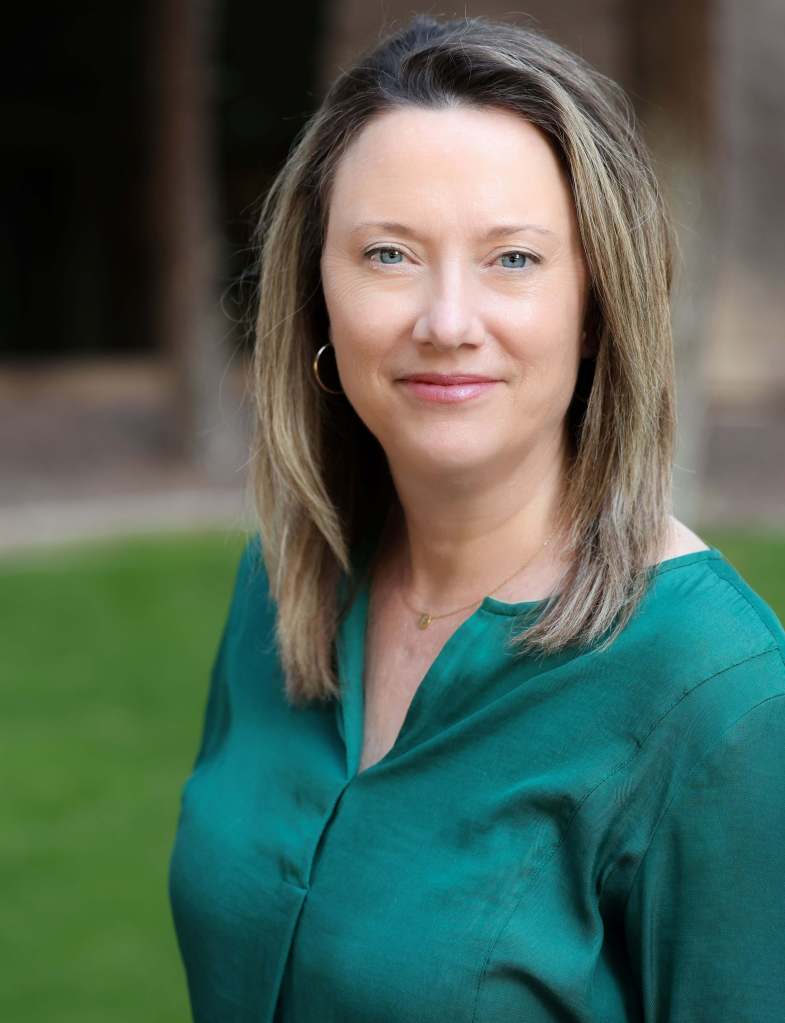
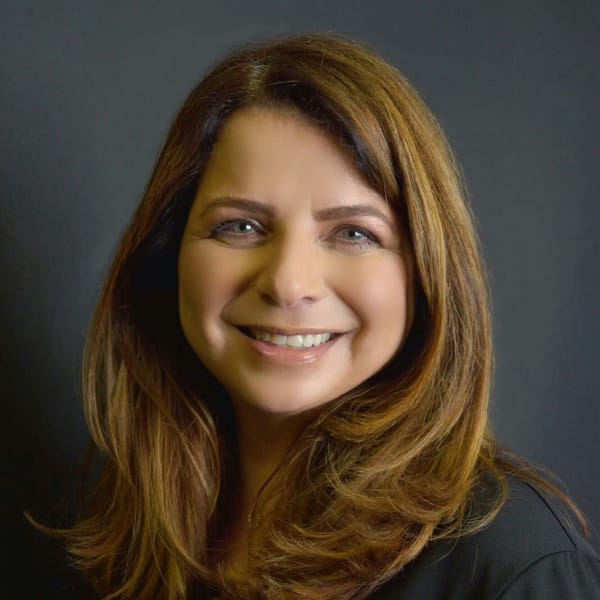
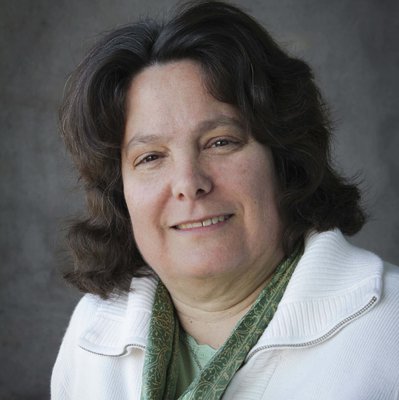
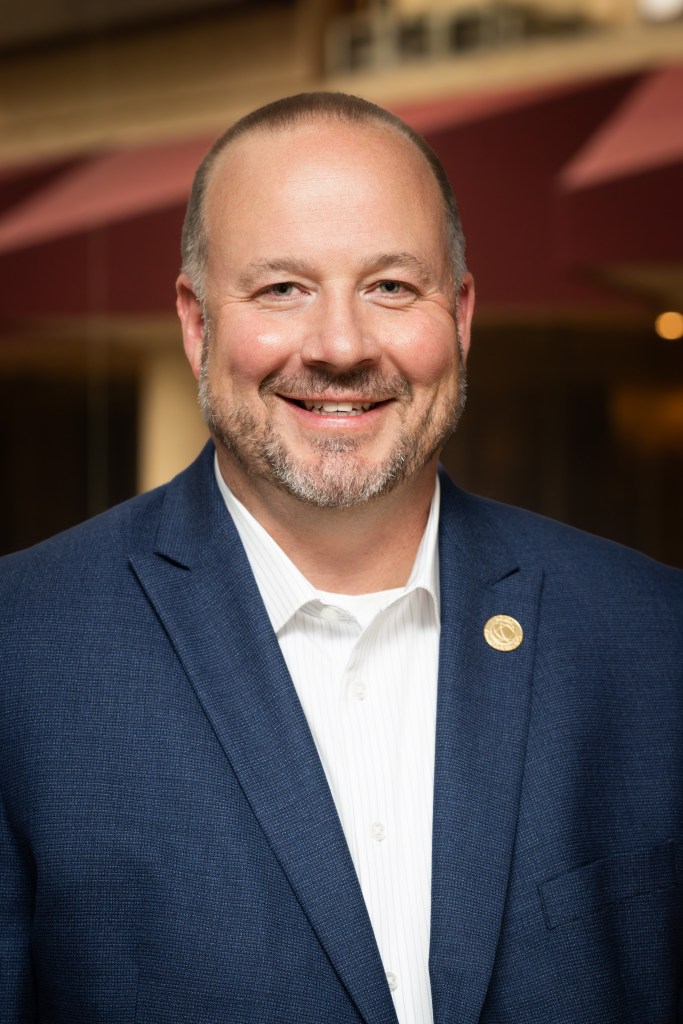
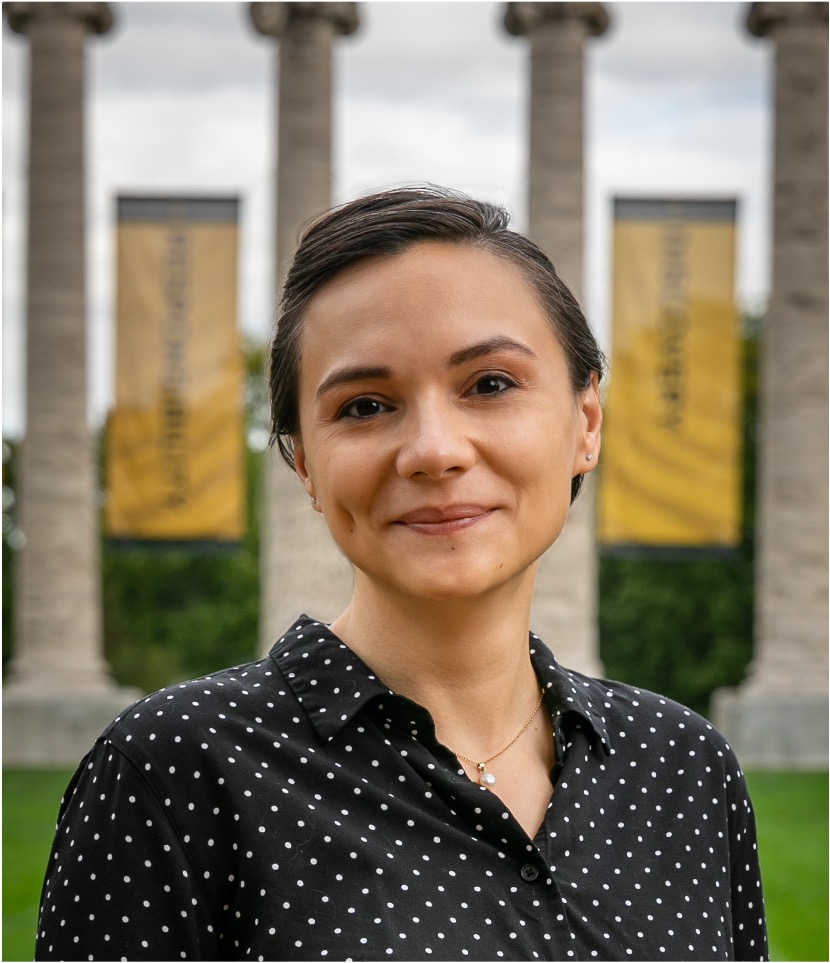
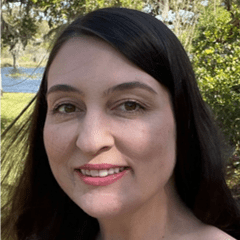
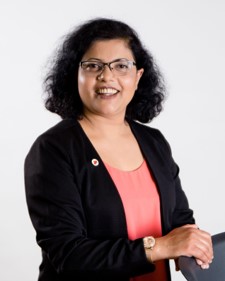
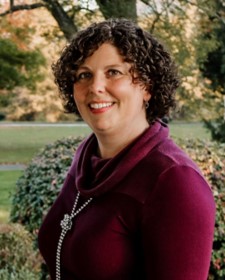
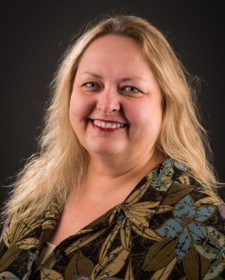
Beth Jager, Executive Director of Sponsored Research at Claremont McKenna College; Nicole Wallens, Director of Sponsored Research Harvey Mudd College; and Dean Gerstein, Director of Sponsored Research at Pomona College were awarded $5,000 for the project, “Steps Toward PUI/ERI Presubmission Peer Review Networks (P3RNs).”

This project will explore the development of collaborative presubmission peer review networks across collectives of predominantly undergraduate institutions (PUIs) and other emerging research institutions (ERIs). Its goal is to use these expert proposal review networks to mitigate the difficulties sponsored research officers at relatively small and/or highly teaching-focused institutions face in securing a critical mass of subject experts as compared to large-scale institutions with substantial numbers of grant-active faculty in each major field. Based upon data gathered in a series of interviews, the project team will create a workbook of best practices for faculty-led peer-review processes at PUI/ERI institutions. That workbook will facilitate future piloting of PUI/ERI Presubmission Peer Review Networks (P3RNs) that can serve as models for spreading P3RNs to institutions across the country.

_______________________________________________

The Arts & Humanities Grant Studio at the University of North Carolina, Chapel Hill, was awarded $4,950 for the project “Research Development in the Fine Arts & Humanities: A Mixed-Methods Study.”

This study will investigate the primary needs for Research Development in the Fine Arts & Humanities at UNC-Chapel Hill, which is a STEM-heavy R1 institution. As such, it faces a crisis familiar to other institutions: traditional funding sources for arts and humanities research in the U.S. are declining. There are multiple contributing factors, including a post-pandemic decline in longstanding foundation and fellowship support and a decrease in the median size of arts grants. This decline has sparked a national debate, and this project’s goal is to demonstrate how research development support can be a key factor in mitigating that crisis.

Led by Director Ashley Melzer and Postdoctoral Fellows Sara Katz, Boyie Kim, and Mariah Marsden, the team has designed the study to use a combination of quantitative surveys and qualitative interviews/focus groups with UNC-Chapel Hill faculty. This research is expected to investigate research development’s capacity to build a more robust, resilient, and interconnected funding ecosystem across the university, one that meaningfully includes arts and humanities research. Additionally, it is expected to demonstrate that research development professionals are uniquely positioned to address the issues faculty in these departments face. The data collected during the study will be accessible by other research development teams across institutions, as will external reports that contextualize UNC-Chapel Hill as a case study among other U.S. institutions, exploring broader recommendations for tackling funding challenges in fine arts and humanities research.

_______________________________________________

Scott Merrill, Program Manager in the Office of Research Development at the Cleveland Clinic, was awarded $5,000 for the project “EARS: Evaluating Awareness of Resources and Services in a Research Development Office.”

The Cleveland Clinic’s Office of Research Development (ORD) is charged with ensuring that caregivers involved in the research process—including principal investigators, research administrators, and administrative support specialists—are aware of the resources and services the office offers. The challenge is that the clinic’s more than 80,000 caregivers and 5,700 physicians and scientists are located at multiple locations. Like other central research development offices, ORD continues to hear from investigators and research personnel that the office and its services had been unknown to them. The goal of this project is to help the office understand what contributes to the lack of awareness and what strategies may be effective in mitigating it. The research process will begin with a 15-question survey to evaluate current awareness. That data will then be analyzed to determine appropriate interventions and targeted approaches. The implementation of those interventions will be followed up with a re-launch of the survey. The resulting data and analysis should allow the team to assess usage of ORD services and resources as well as identify potential weaknesses. The expected outcome is that the percentage of increased awareness will match the percentage of increased resource utilization and increased traffic on the ORD intranet site.


InfoReady Corporation and NORDP’s New Opportunities in Research Development (NORD) Initiative has launched the 2025 cycle of the NORD | InfoReady Research Grants in Research Development.

This opportunity funds research projects that support the disciplinary field of Research Development. To develop a robust understanding of Research Development and its impacts (locally, nationally, and internationally), a wide range of projects will need to be undertaken. Some of these will be empirical studies (e.g., surveys, interview studies, case studies, reviews), but others must be theoretical, conceptual, and even purely descriptive or definitional. In many ways, the path to Research Development becoming a field must begin with research that helps the field define and standardize the terms used to identify skills and practices, as well as metrics that allow us to measure both activities and their outcomes for Research Development.

Awards are expected to be up to $5,000 for projects lasting up to 18 months; however, applicants are strongly encouraged to target 12-month projects. The anticipated project period for this award cycle is November 1, 2025, through April 30, 2027.


The NORD | InfoReady Research Grants in Research Development Program is open to all interested researchers, regardless of whether they are NORDP members. A list of research topics, including the program’s priority areas of interest, is presented in NORDP’s InfoReady instance.

The application deadline is 11:59 p.m. Eastern time on Tuesday, July 29, 2025.
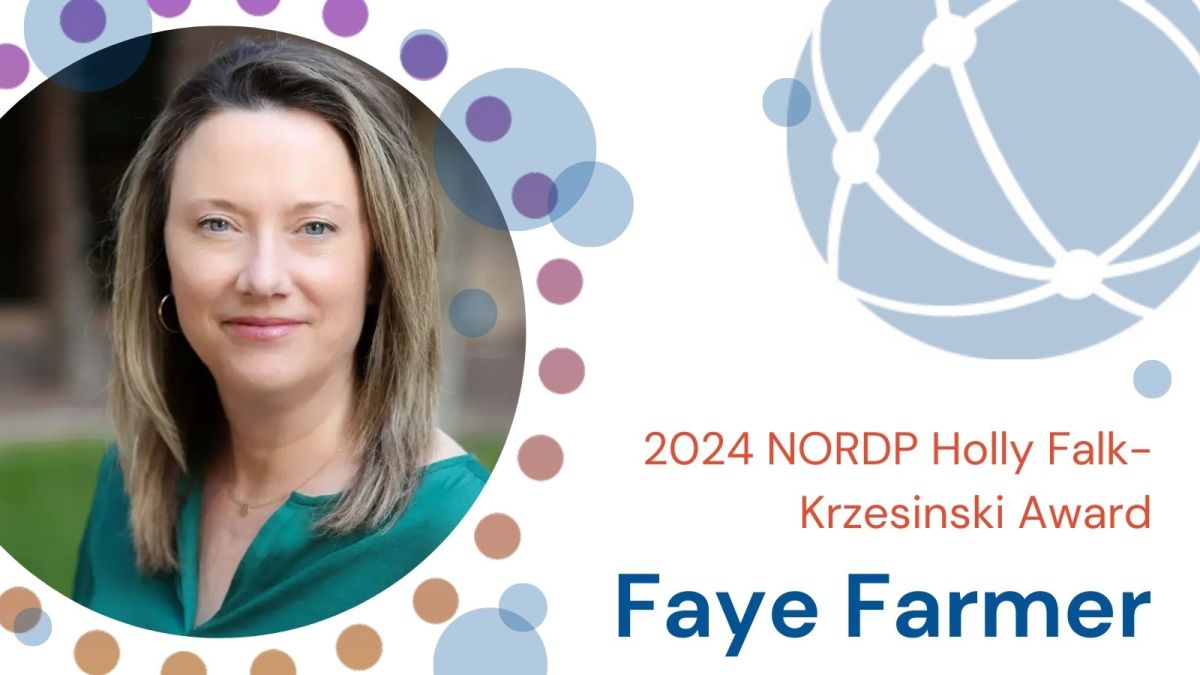
NORDP 2024 Holly Falk-Krzesinski Award

Named for NORDP’s founding President, this award is voted on by the Board of Directors and given annually to a NORDP Member in recognition of outstanding service to the organization, to the research development profession or field, and to peers. 

Who: Faye Farmer

Where: Director of Enterprise Design Initiatives at Arizona State University

Number of years in research development: Faye started working on proposals as an editor at a scientific institute at ASU in 2008. She moved to the University’s central office in 2011. She co-founded the central Research Development office in 2015 and worked there until 2023.

Length of NORDP membership: 15 years

You have served NORDP in numerous roles and capacities over the years. Could you share a bit about what that journey has been like?

The journey has been fantastic. Faye has held both formal and informal leadership roles in NORDP. Faye considers her greatest contributions to be in the area of conference presentations, where she shared about ASU’s experience alongside other universities. When she ran for the Board, it was a culmination of the conference experience, working with the Mentoring Committee and working with the PEERD consulting program.

NORDP has always depended on volunteers. Holding this truth close during her Board service was important to Faye. She served on the Board from 2019 to 2023. While on the Board, she contributed to two Board initiatives. Both leveraged the work of volunteers in the organization. One was the task force for certification. This involved working with several passionate and motivated individuals through a series of steps that culminated in a report that was published this year.

The second effort involved a task force on NORDP policy review and updating. Faye organized individuals interested in creating more inclusive policies within the organization. This work reflected a dynamic, evolving membership in the thousands and tried to future-proof the organization as it grows. The original bylaws were essential to the founding of NORDP, but the policies needed to address size and diversity of the organization’s membership. This work resulted in a set of policy drafts that were provided to the Board in November of 2023.

In your view, what makes an effective leader, and how has your philosophy of leadership informed your work within NORDP?

Faye believes in the power of collaboration. NORDP has taught her this. She also recognizes that she still has a lot to learn about interpersonal relations and communications. Leading in NORDP means that you are good at what you do and also invested in other’s success. Research development is a coopetition, where members balance their own university or college interests while benefiting from each other’s knowledge and experience. This balance is achievable because of the strong sense of community. Leadership means growing the scope and scale of this balance through the many layers of institutional types, career rungs, and time in the profession.

What do you see as the biggest rewards, and challenges, of serving in leadership roles within NORDP?

As far as challenges, the path to organizational change can sometimes feel glacial. But Faye believes it is slow because NORDP values community insight and input. Achieving a well-grounded, high-quality outcome that has meaning for many in the organization often requires contributions from many people over time. As an organizational leader, Faye recognizes that she does not speak for herself but for the people who put her there. This requires frequent checking-ins and creating inclusive and transparent processes.

Faye has found that the biggest reward of working in NORPD is expanding networks upon networks of professionals in research development. Even as her career has shifted in the last year, she still gets emails asking for her thoughts, advice, or connection. At ASU, Faye encouraged her team to engage with NORDP, especially by presenting at conferences. By sharing our experience, NORDP reduces barriers to engagement for its professionals. The result is better, faster, higher-quality, and more effective research development services and support nationwide.

More recently, you have played a crucial role in revitalizing the New Opportunities in Research Development (NORD) Committee. What has that process been like, and what do you see as the greatest opportunities for the field of research development moving forward?

Faye sees incredible opportunities in research development. She believes that there is momentum toward more purposeful strategy development. Faye often touts the importance of strategic (competitive) intelligence, which builds upon institutional analysis and expands it to include national program and policy trends. These early, pre-funding opportunity activities allow research development professionals to answer questions like, who is funded and why. These answers become actionable insight among university leaders, ultimately translating into more efficient funding pursuits.

What advice do you have for NORDP members who aspire to greater service within NORDP or the field at large?

Volunteer! Faye sees a parallel to the advice we give faculty and other researchers. Just step up and get involved. Faye recognizes that people want and should be paid for their work, but volunteering is critical to creating a more inclusive organization. Volunteering provides a unique skill set that may not be accessible through our work. She also recommends that NORDP members call in anyone and everyone to the organization. She says NORDP needs all levels of education, experience, and backgrounds to be successful. It is incumbent upon members to create a more diverse organization with intention and care.  

Get to Know a NORDP Committee: New Opportunities for Research Development (NORD) Committee

Written by Erica Pitre and Karen Fletcher

The New Opportunities for Research Development Committee fosters the strategic development of the field and study of Research Development (RD). The Committee puts out an annual call for NORD / InfoReady Research Development grants, publishes concept papers on RD, and is home to the Research Development Review: The NORDP Journal.

The NORD Committee is led by a proactive team of co-chairs:

  • Karen Fletcher, MBA
    Director, Grants Resources & Services at Appalachian State University
  • Erica Pitre
    Director of Research Development, Emory University

Key NORD Initiatives

NORD / InfoReady Grants

To enhance the skills of Research Development professionals, broaden recognition and understanding of Research Development activities, and deepen Research Development’s impact on the scientific enterprise, NORDP, in partnership with InfoReady, supports research that defines and standardizes the terms used to identify skills and practices, as well as metrics that allow us to measure both activities and their outcomes. Applications for 2024 NORD / InfoReady Research Grants in Research Development are being accepted until Jul 24, 2024.

NORD Publications

NORD welcomes NORDP members and collaborators to write concept papers on specific topics on Research Development as a field, highlighting its role and importance in supporting knowledge creation and mobilization activities in contexts where external funding is sought. Articles are published on the NORDP website and available to members and the public each year through the NORD Committee. Each piece is peer reviewed by select NORD committee members. NORDP publications contribute to knowledge that supports and enhances the work of research development professionals.

Research Development Review: The NORDP Journal

With a tentative launch in Fall 2024, Research Development Review: The NORDP Journal, will serve as the scholarly journal for Research Development Professionals. The NORDP Journal will publish a wide range of topics intended to advance the global capacity for and impact of research development. The Journal will provide a much-needed virtual presence that supports and enhances the work of research development professionals and their partners in firmly establishing Research Development as a field of research and practice.

Contact the editorial board of the Research Development Review: The NORDP Journal at RDRjournal@nordp.org for questions about the journal.

Volunteer Opportunities

There are various opportunities to participate in the NORD Committee. The Committee meets every other month via Zoom to discuss ways to support current research development topics that are or will affect the field. Beyond meeting attendance, working group opportunities for committee members to provide service can include:

NORD / InfoReady Grants:  service as a grant reviewer;  management of internal competitions and/or awards;  reporting of outcomes

NORD Publications: review of submissions;  document design of final articles; soliciting authors for publications;  suggesting topics for calls for publication

Research Development Review: The NORDP Journal:  the Editor-in-chief attends the NORD meetings to keep the membership up to date; opportunities may exist to support the Journal, as needed

You might enjoy serving on this committee if: you are interested in contributing to growing the conversation around the field of RD. Skills you can enhance include learning about and using the InfoReady platform to administer the NORD / InfoReady grant competition, facilitating a review process, and/or organizing panel discussions.

How to get involved: 

As of May 2024, the efforts of the NORD Committee are facilitated by the committee co-chairs:

Please contact either one of the co-chairs to get involved.

The New Opportunities for Research Development (NORD) Committee is excited to announce the NORD / InfoReady Grant Cycle I 2023 Awardees, sponsored by InfoReady and NORDP

written by the NORD Committee

Meira Orentlicher from Touro University was awarded $4,950 for the project, “Understanding the Experiences and Needs of Immigrant Faculty Researchers in their Career Development.” 

Meira Orentlicher (Touro University)

Immigrants contribute to the growth and development of the US research enterprise at many levels, as faculty, staff, and learners. This project seeks to understand the experiences, perceptions, triumphs, and challenges of immigrant faculty working at US research institutions. Orentlicher and other members of NORDP’s Immigrant Knowledge and Wisdom affinity group (Melissa Li, University of Michigan; Gagan Bajaj, University of Vermont; Samarpita Sengupta, UT Southwestern Medical Center) will conduct in-depth interviews with first-generation immigrant faculty researchers. Using the results of those interviews, they will develop the foundation for tools and actionable strategies for research development professionals to use in supporting immigrant researchers.


Susan Carter (Santa Fe Institute) and Nathan Meier (University of Nebraska-Lincoln) were awarded $4,976 for the project “Professional Development in Research Development: A Landscape Analysis.”

There is no comprehensive, intentional system of professional development programming to support the research development (RD) workforce. This gap complicates the recruitment, development, and retention of talent in RD. This project seeks to establish a systematic understanding of professional development opportunities available to RD practitioners through an online survey. The survey will collect information about extant RD-focused professional development programming. Survey items also will capture respondents’ perceptions about barriers to access or participation in professional development programming in RD, help identify holes in that content, and surface promising approaches from allied fields. Results will provide a baseline against which unmet professional development needs of RD professionals can be identified and offer empirical direction for future attention and investment.


Charlene Emerson from the University of Missouri – Columbia was awarded $3,750 for the project “Responsibilities and Motivations of Research Support Staff: An Institutional Case Study.

Charlene Emerson (University of Missouri)

As universities continue to invest in research development (RD), they will likely experience challenges integrating existing infrastructure with emerging RD practices, as well as with recruiting and retaining skilled research support staff. Emerson and team will use a survey-based approach to characterize RD and research administration (RA) task distribution at an R1 institution and identify variables that can be used to optimize research support operations. In addition to collecting data to understand the distribution of RD and RA responsibilities across positions and units, the team will also collect information on staff experiences, job satisfaction, and career motivations. The cross-disciplinary team includes human resources professionals, so that results can be used to inform institutional practices for structuring research support offices and for recruiting and retaining research support staff.


Congratulations to Meira, Susan, Nathan, and Charlene!

Introducing the Inaugural NORDP Journal Editorial Board

The New Opportunities for Research Development (NORD) Committee is excited to announce the inaugural editorial board for Research Development Review: The NORDP Journal. Keep your eye out for more information regarding the first volume, which is scheduled to publish in Fall of 2024!

Holly Zink

Holly Zink, Co-Managing Editor-in-Chief

Holly Zink, MSA, ACRP-CP, is the Director of Research & Programs at CureSearch for Children’s Cancer. She has served first as the Associate Editor and now as Deputy Editor of the Journal of Research Administration and is the Chair of the Author Fellowship Program for the Society of Research Administrators International. She is also an Editorial Board Member for the Journal of Natural Science Illustration. Over the years, Holly has worked as a part of several close-knit teams of researchers from many different disciplines and nationalities with broad experience in research development and medical research environments.

Holly offers a unique combination of professional, academic, and research experiences. Her mission is to develop a culture of collaborative investigation that eliminates traditional definitions and boundaries of research and promotes the joy of research. Holly’s research agenda is at the intersection of biomedical research, innovation and strategy, and research administration. Holly is eager to leverage her skills and the capabilities of NORDP and the Editorial Board to further the profession of research development.


David A. Stone

David A. Stone, Co-Managing Editor-in-Chief

David Stone, Ph.D., is the Vice President for Research and Professor of Interdisciplinary Health and Professor of Philosophy at Oakland University.  He oversees all aspects of the Oakland University research enterprise, including all research development, research compliance, and research mobilization activities, as well as all pre- and post-award activities through the Office of Sponsored Programs. David’s other roles include Associate Vice President for Strategic Innovation and Planning, Associate Vice President for Research, and Director of Sponsored Projects at Northern Illinois University.  

In 2014-15, David served as an American Council on Education Fellow. He has served as President of the National Organization of Research Development Professionals (NORDP), and is a member of the Charter Class of NORDP Fellows. He currently also serves as President and Chairman of the Board of the Institute for Transformational Education and Responsive Action in a Technoscientific Age (ITERATA). Over the past 25 years, he has taught and conducted research at Harvard’s Schools of Medicine and Public Health, Tufts University School of Medicine, Sheffield University (UK) and NIU.  David served as founding director of the South East European Research Center (Greece) where he developed and directed a multidisciplinary PhD program focused on addressing the needs of the Balkan nations following cessation of the Balkan Wars. Prior to that, he served as co-founder of the Pediatric and Adolescent Research Center at Tufts University, as director of Harvard’s Boston Violence Prevention Project, where he founded BostonCares for Injured Youth and as a faculty member for the medical School’s clinical fellows program where he founded the Boston Colloquium for Qualitative Research in Health. David has published in seven disciplines, and taught in five. His recent scholarship examines the nature of interdisciplinarity and takes a transdisciplinary approach to public health, education, and research development.


Nina Exner

Nina Exner, Co-Managing Editor – Publication & Design

Nina Exner, Ph.D., is Associate Professor and Research Data Librarian at Virginia Commonwealth University. She has served on boards of three research library journals. Nina teaches faculty about scholarly communication and publishing trends. She worked on the NORD Committee’s journal subcommittee from its beginning in 2021. Nina says, “I’m thrilled to see RD evolving to include a professional literature with its own ‘home.’ As a practitioner-researcher I feel like intellectual ownership of the study of our profession is a key part of evolving and creating our unique professional identity. And most of all, I’m really looking forward to the chance to read all of the articles that come out!!!”


Michael Spires

Michael Spires, Co-Managing Editor – Publication & Design

Michael Spires is Research Development Officer at Oakland University in Rochester, Michigan. He has been an active NORDP member since 2012 and has been working in research development since 2006. Michael is a past president of NORDP, served on the Board of Directors from 2014-2018, is a current PEERD Expert, and was a founding member of what’s now the NORD (New Opportunities in Research Development) Committee. Michael worked on the NORD Committee’s journal subcommittee from its inception in 2021. He has served as a peer reviewer for several federal programs and institutional and inter-institutional programs. Michael says, “Way back in the mists of time, I was a typesetter for a local newspaper (and for my college newspaper), and an editor for the literary magazine in high school (a.k.a back when dinosaurs roamed the earth). I’m thrilled to serve as co-managing editor, publication & design, for Research Development Review: The NORDP Journal; this is something we’ve been building toward as a profession and an organization for as long as I’ve been part of both. I can’t wait to start producing content that helps us tell the story of RD as a profession, how it works, and what all of that means to people who aren’t RD professionals.”


Jennifer Speed

Jennifer Speed, Co-Managing Editor – Copy Editor

Jennifer Speed, Ph.D., is a Research Development Strategist at Princeton University. She has been a member of NORDP for four years and has been working in research development for ten years. Jennifer is a scholar and a writer. She says she is looking forward to advancing the professional field of research development through the research to be shared through the journal, and to collaborating with NORDP colleagues in this important work, “The journal offers great possibilities for advancing the professional field of research development.”


Anna Dalby

Anna Dalby, Co-Managing Editor – Copy Editor

Anna Ponzi Dalby is currently interim Associate Director of Research Development at Tufts University where she began in 2017 after roles as an editor, university lecturer, and community program leader. Currently she focuses on building partnerships that advance both faculty and institutional research development capacities, and on designing innovative and creative approaches for faculty to navigate long-term research career strategies and institutional priorities. Anna specializes particularly in education and interdisciplinary proposals, and on developing strategies for the intersection of science and humanities / arts research approaches. Her work builds on both an international background and doctoral work in literature. Anna is currently pursuing her MFA in creative writing.

As a member of NORDP since 2019, Anna has attended and presented at the national conference, most recently on a writing community for early female faculty and on a tool for cultivating regional collaborations. She is active in the NORDP Northeast region. Anna says that she “looks forward to combining her publishing, editorial, and RD expertise in the service of building our knowledges around and advancing scholarly approaches to research development.”


Rachel Goff-Albritton

Rachel Goff-Albritton, Co-Managing Editor – Peer Review

Rachel Goff-Albritton, Ph.D., serves as the Assistant Director of Research Advancement and Mentoring in the Florida State University Office of Research Development and leads the FSU Research Mentor Academy. Rachel began researching barriers and facilitators to faculty grantsmanship six years ago while mentoring in an undergraduate research opportunity program. With a background in clinical sciences (speech-language pathology) and a doctorate in Communication Sciences and Disorders, she began researching this topic for her RD role in order to provide evidence-based research support services. Rachel recently published a peer reviewed article in the Journal of Research Administration – Faculty Views on the Barriers and Facilitators to Grant Activities in the USA: A Systematic Literature Review.  She is an active member of the NORDP Mentoring Committee’s Mentor Training Team and has served on several other NORDP committees or programs, such as the Nomination Committee, the Mentoring Committee’s Facilitators Team, the Leadership Forum, and the NORD Committee’s journal subcommittee. Rachel says, “With a background in clinical sciences, I value evidence-based practice. I look forward to being a part of the creation of the Journal which will advance the RD field and the quality of our work.  I greatly enjoy continuous learning opportunities and look forward to reading and learning from colleagues’ manuscript submissions!”


Paula Carney

Paula Carney, Co-Managing Editor – Peer Review

Paula Carney, Ph.D., is Director of Research Development in the School of Social Work at Loyola University Chicago. Previously, she held faculty appointments at the University of Tennessee, Northwestern University, and Chicago State University. Paula has served on the editorial board of an academic research journal, currently is a peer reviewer for several US and International research journals and was an acquisitions editor for a major academic publisher. Her previous roles focused on faculty research career development, learning and development of research staff, and mentoring/mentor training within the academic research enterprise. Within NORDP, Paula serves on the Mentoring Committee where she is part of the Mentor Training Team.

Announcing the NORD/InfoReady 2022 Cycle II Grant Awardees

The New Opportunities for Research Development (NORD) Committee is excited to announce the NORD / InfoReady Grant Cycle II 2022 Awardees, sponsored by InfoReady and NORDP.


NORD/InfoReady Grant Awardee Sanjukta Choudhury

Sanjukta Choudhury, from the University of Saskatchewan, was awarded $4,714.18 for the project, “Identifying Equity, Diversity, and Inclusion (EDI) Gaps in Faculty Research to Inform Research Development Practices: The Case of a Canadian Research-Intensive University” 

This project aims to advance Equity, Diversity, and Inclusion (EDI) in faculty research through identifying barriers that researchers face in academia for meaningful EDI integration in research, and by gathering inputs on possible actions to address those barriers. The proposal addresses a pressing question in the disciplinary field of Research Development (RD) and proposes a three-step plan: a) developing a better understanding of the details of the problem picture that our researchers are facing to generate and nurture an inclusive research environment, b) discussing/consulting the identified problems with RD professionals for possible solutions, and c) communicating the findings with the broader research community internationally. Choudhury anticipates that the findings will impact the perspectives and understanding of both the researchers and research administration leadership/ professionals, resulting in an expansion of the resource allocation and improved training / services around adopting a more inclusive research guidance and practices. The research will influence enhanced EDI skills for RD professionals and larger scale research and collaboration among RD professionals internationally, broadening the recognition that is necessary to sustain a deep and lasting change in RD.


NORD/InfoReady Grant Awardee Kathryn Duvall

Kathryn Duvall, from East Tennessee University, was awarded $5,000 for the project “Developing strategies to improve and facilitate collaborative research” 

Through a collaboration with an university institute and a regional committee on research and academics, Duvall’s project seeks to better understand the barriers, opportunities, and facilitators to fostering and enhancing interdisciplinary research around a central focus area (child and family health) with administrators, faculty, staff, trainees, and community organization representatives in a regional sample of south central Appalachian institutions for higher education. Duvall will develop a data dashboard around a central research focus (child and family health) within the region to provide information that will improve communication about work being conducted in the region, and foster collaborative teams which include more clinical faculty. 


NORD/InfoReady Grant Awardee, Pammala Petrucka

The Nursing Unit for Research & Scholarship Excellence (NURSE) led by Dr. Pammla Petrucka, from the University of Saskatchewan, was awarded $5,000 for the project “Exploring the role of research development in building a strong culture of research: Co-creating with researchers and research development professionals through participatory diagramming”

This study seeks to better understand how the professionals that support and strengthen the research process can build a positive research culture for faculty and institutions, and ultimately enhance research development as a profession. Petrucka and participants will create a research development cycle diagram to illustrate (i) how decentralized and targeted research development supports activities that can build research culture within the College of Nursing and beyond and (ii) identify lessons learned, best practices, tools, and resources to advance the profession within North America. The results of this study will provide insights into the role research development plays in creating a strong culture of research within an academic unit from the perspectives of researchers and research development professionals. By examining the beliefs, values, knowledge, and actions that build culture, research institutions will be better positioned to continue to create a permanent culture shift that builds an environment for research success.

Congratulations, Sanjukta, Kathryn, and Pammla!

Irvine and Roane awarded NORD/InfoReady Research Development Grant

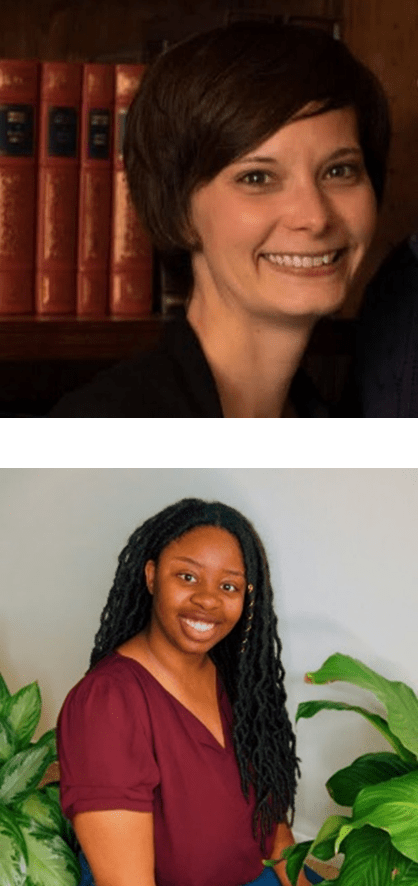
Rebecca Irvine (top) and Alexus Roane (bottom), 2022 NORD/Info Ready RD Grant Awardees

NORDP is excited to announce that the 2022 Cycle 1 NORD / InfoReady Research Development grant program awardee is Rebecca Irvine from the Institute for Research on Women and Gender (IRWG) at the University of Michigan, who will be working with co-PI Alexus Roane. The project, Examining the Role of Research Development in Promoting Diversity, Equity, and Inclusion, aims to explore how research development professionals can help faculty integrate diversity, equity & inclusion (DEI) frameworks into research. The project seeks to identify the challenges and opportunities of this integration by gaining insight from both DEI and RD professionals, in an effort to provide information to improve efforts overall.

Irvine, the Program Director for Faculty Research Development at the IRWG, noted, “Many research development professionals feel ill-equipped to offer insight and suggestions on improving the DEI aspects of research proposals. Building stronger relationships between DEI and RD professionals and providing the right tools to facilitate these conversations may be a way to begin to bridge this divide.”

Roane, an IRWG Graduate Fellow for Research, added, “I look forward to challenging ourselves to expand the possibilities of how we can imagine the necessary integration of DEI frameworks into research development both in and beyond the U-M community!”

The findings of the study are expected to help inform future policy and practice through a series of practical recommendations, reports, and resources.

Congratulations Rebecca and Alexus! And thank you to InfoReady for sponsoring the NORD / InfoReady Research Development grant program.

Written by Karen Fletcher, New Opportunities for Research Development (NORD)

NORDP fosters a culture of inclusive excellence by actively promoting and supporting diversity, inclusion and equity in all its forms to expand our worldview, enrich our work, and elevate our profession.

NORD/ InfoReady Research Grants in Research Development

In a partnership with InfoReady, NORDP launched a New Opportunities in Research Development (NORD) grant Initiative which began funding grants in 2018 that support the disciplinary field of Research Development. Eleven grants of up to $2500 each have been awarded to date. A new grant cycle will be announced in the Fall of 2021.   

Please keep an eye out for the call for proposals and/or visit the below link in the coming months to check for application details on the competition:

https://nordp.infoready4.com/#competitionDetail/1848872

Awardee Feature

Who: Susan Ferrari, Director of Corporate, Foundation & Government Relations  

Where: Grinnell College, Grinnell, Iowa

Proposal: Faculty Development and Institutional Grant Leadership at Small Liberal Arts Colleges

What problem in Research Development are you looking to solve with your project? 

Grinnell is a small school with about 1,700 students and 180 faculty FTEs. We have a number of institutional grants here, which are common at many smaller schools, and they cover areas of both research and pedagogy. At many schools, including Grinnell, these grants were historically run out of the Dean’s Office, but we’ve begun to shift to having more faculty members run the grants, particularly in cases where they have subject matter expertise that’s relevant to the grant. 

I had seen this phenomenon across the liberal arts sector and had been talking with my peers about what it means to have faculty run these programs effectively. I talked to faculty who have led successful institutional grants to learn what did and did not work and to determine what we can use from their experiences to enhance future programs to develop grant leaders. 

What is the status of the project now?

I have completed interviews with faculty at Grinnell and at Carleton College, a small liberal arts school in Northfield, Minnesota, which is similar to Grinnell. The next steps will be transcribing the interviews, analyzing the data, and writing a report. 

Do you have any suggestions for NORDP members considering submitting to the 2021 competition?

My first suggestion is to do it! This has been a great educational exercise for me. I have a background in life sciences research with a little experience in qualitative research. The feedback that I received through the application process was very beneficial. It was helpful in teaching me to be attentive to what I was putting forward and made it clear on how I needed to clarify the import of what I was trying to do. Kim Littlefield was one of my reviewers who spent a great deal of time with me shepherding the feedback to help me improve my project. 

What did you find the most challenging?

Figuring out how to make a case on the relevance of this work to RD professionals working in different institutional contexts was challenging, but having to do this really strengthened the project.

What did you find the most surprising?

The interviews have been both inspiring and depressing. I had not anticipated that this project would be therapeutic for the faculty who have led these institutional grants. Many of them had lingering frustration and pain, even when the grants were successful and many years prior. It made me think that it would make sense to build more opportunities for reflection into these programs that would allow faculty to process what they have learned and what the project has meant to them.  

I see these institutional grants as a blending of scholarship and service, and, at best, they provide faculty members with an opportunity to write their own legacy and leave their mark on campus. I will be using a modified version of the survey from this project for future exit interviews with faculty to gauge what is and what is not working. 

What would you say is your main takeaway from this experience?

I think faculty grant leaders would really benefit from a more developed community within and across institutions of other faculty who are leading similar efforts. It can be a challenge to lead a campus-wide initiative without any real authority. Faculty would really benefit from more interaction with others who have had similar experiences. Ultimately, people are just looking to talk to others who have been in their shoes.

What are your plans for sharing or disseminating what you learn in this project?

I plan to share my findings with leadership at both Grinnell and Carleton, and I hope to present at a future NORDP conference. I would also like to share it with other organizations I am involved with, such as the College of Liberal Arts Sponsored Programs group (CLASP) and the Associated Colleges of the Midwest. Ultimately, I would love to write about my findings in a professional journal as well. 

Has this experience changed how you approach your RD work?

When I started this job, I did not realize how much emotional labor is part of running a grants office. A big part of my role here is helping people deal with rejection and frustration as they wend their way through a research career. It also helped me think about how our role needs to continue to support and develop mid-career & senior faculty as well. In RD we focus a lot on early career folks, but we also can play a role in helping experienced faculty rise to new challenges, such as leading institutional projects. 

What are/will be the outcomes of your research?

My hope is that I can set up a system to best support faculty here who are leading institutional grants. I would like to be able to put together a multi-institutional network of faculty to share ideas and get real feedback in a supportive community of practice.

Compiled by Daniel Campbell, Member Services Committee

NORD/ InfoReady Research Grants in Research Development

In a partnership with InfoReady, NORDP launched a New Opportunities in Research Development (NORD) grant Initiative which began funding grants in 2018 that support the disciplinary field of Research Development. Eleven grants of up to $2500 each have been awarded to date. A new grant cycle will be announced in the Fall of 2021.   

Please keep an eye out for the call for proposals and/or visit the below link in the coming months to check for application details on the competition:

https://nordp.infoready4.com/#competitionDetail/1790746

Awardee Feature

Who: Alicia Knoedler Ph.D., Vice President for Research & Innovation

Where: Miami University 

Proposal: Many Research Development (RD) professionals work with researchers to facilitate the development of teams to enable the pursuit of innovative research and the funding to support that research. In the context of research teams and team facilitation, researchers benefit from collaborations that result in publications, conference papers/presentations, sharing of new ideas, the potential to expand and scale research, attracting funding, and the like. Yet RD professionals are not typically authors on research team publications, papers, and presentations. RD professionals’ ideas may be instrumental in terms of the directions, scope, and scale that teams pursue but they are not usually credited nor are their ideas documented in a way that would appear on a CV or resume. RD professionals are not usually investigators or senior personnel on grant proposals although they may be the most knowledgeable team members regarding competitive ideas and processes for securing funding. As more funding agencies and organizations increasingly stress collaborative teams, it is important to be intentional about measuring the contributions of ALL contributors to research teams. For individuals within a team who are the facilitators, translators, and/or boundary spanners of the teams, their contributions often come in observing each team holistically, drawing connections, making suggestions for research directions and ideas, and providing the “connective tissue” within their team. For these “connectors”, it is challenging to identify and define metrics and measures related to their contributions in the course of team development, cultivation, and facilitation. For this project, we pursued the following research question: What are the behaviors that are catalytic within collaborative teams that lead to transformative work within these teams? To explore this question, we distributed a survey to RD professionals to identify and catalog areas of team facilitation, cultivation, and the like that connectors know to be catalytic in the course of team development, progress, and success. We then devised an activity to demonstrate these connector behaviors in the collaborative process.

This project was developed in collaboration with colleagues at the University of Oklahoma and Exaptive, Inc.

What problem in Research Development are you looking to solve with your project? 

We are exploring the “connector” or “translator” qualities that we believe many Research Development professionals possess. I think RD professionals have the ability to listen to information that is presented in a myopic way and then translate it into different contexts for multiple audiences. We are looking to define this “translator” quality and how to help RD professionals learn the skill. 

What is the status of the project now?

Data collection has happened, and we presented preliminary findings within the 2019 NORDP conference (The Measurable Contributions of Connectors in Research Teams), but the pandemic has put the second and third phases of data collection on hold. 

Do you have any suggestions for NORDP members considering submitting to the 2021 competition?

I would love to see future projects contribute to NORDP’s priorities outlined in our strategic plan in innovative ways. My hope is that NORDP members will propose ideas that benefit the broader RD community as opposed to individual institutions. I would encourage teams of NORDP members and non-NORDP members to explore ideas that could have transformational impact on approaches to research development.

What did you find the most challenging?

I began the project while working with a private company and management of the IRB process from outside of a university was quite a challenge. I realized how much I took for granted about working at an institution and being able to do research when I was outside of higher ed.

What did you find the most surprising?

I am fascinated by this translator concept and I am somewhat shocked that not everyone has the skill of being a translator. I think it is a skill that can be developed as well as a mindset that we should be open to exploring. 

What would you say is your main takeaway from this experience?

I am now back in a university setting and I can see who is and is not a translator from my interactions. I would love to continue exploring the translator concept in both my own research and the culture at my university. In my new role as VPR, I clearly see situations that would benefit from more translators. I will also continue to investigate why some people are not open to the idea, especially if they place significant value on deep rather than broad knowledge, as it remains a vexing question for me. 

What are your plans for sharing or disseminating what you learn in this project?

I wrote a blog (https://www.exaptive.com/blog/an-activity-to-improve-idea-generation-and-network-brokering) based on the exercise we conducted trying to help people connect with the skill of being a translator. Our experience reinforced the idea that people can be trained, but at this stage I do not know what that would involve. I think that this will become my perpetual project that I will continue to explore throughout my career and I am curious to see how far I can go with the idea.  

If anyone is curious about the translator concept and would like to discuss it further, I encourage you to contact me. 

Has this experience changed how you approach your RD work?

I was already exploring this idea in my prior work and the project was beneficial in providing me the data to test my pre-existing thinking. 

What are/will be the outcomes of your research?

At this stage, I do not plan on a publication as my data are limited since I had to put my surveys on hold. I think the translator concept is one worth talking about with other RD professionals and I continue to do so through my NORDP interactions. We are actually planning to hire a new position in my office and one of the skill sets we are looking for is “translational capabilities.” I am truly committed to the translator idea and it is a part of everything I do. It is the magic ingredient in RD!

Compiled by Daniel Campbell, Member Services Committee

NORD/InfoReady Research Grants in RD: Update from Stephanie McCombs

In a partnership with InfoReady, NORDP launched a New Opportunities in Research Development (NORD) grant initiative, which began funding grants in 2018 to support the disciplinary field of Research Development. Eleven grants of up to $2500 each have been awarded to date. A new grant cycle will be announced in the Fall of 2021.   

Awardee Feature

Who: Stephanie McCombs

Where: Eastern Virginia Medical School (EVMS)

Proposal: Developing Best Practices for Evaluating the Outcomes, Success, Impact, and ROI of Internal Grant Programs

What problem in Research Development are you looking to solve with your project? Since institutional resources are often limited, leadership must be accountable for decisions to invest in internal grant programs and be able to show appropriate return on these types of investments. Associated with this is the evaluation of the outcomes, impact, and return on investment (ROI) of research funding expenditures. Measuring and evaluating the ROI and other objective and subjective outcomes of internal funding programs, especially those that can lead to determinations of success or impact, can be a key aspect to ensuring the institution’s internal grant funds are being used in the most beneficial manner. This research seeks to answer the questions:

  • How are the success, impact, and ROI of an internal grant mechanism truly defined?
  • What outcomes, metrics, and methodology should be used in order to accurately evaluate the above aspects of internal grant programs?

What is the status of the project now? This project was recently funded and is currently in the IRB submission stage.

Do you have any suggestions for NORDP members considering submitting to the 2021 competition? Start on your application early and reach out to potential team members as soon as possible to plan the submission. Everything always takes longer than expected.

What did you find the most challenging? I have never really done much with the IRB prior to this project and I was unfamiliar with many of the required processes.  Getting all documents completed was definitely a challenge!

What did you find the most surprising? I was definitely surprised by the length of time it took to do the preparatory steps. I had seen much of this from the administrative side, but it was enlightening to experience from the researcher side. This experience has given me a new appreciation for all of the work that goes into the pre & post award side of projects as well as all of the details and people you have to consult with to get a proposal ready.

What would you say is your main takeaway from this experience? I have gained a newfound appreciation for the work that our researchers do in writing, submitting, and managing awards.  The experience has given me a holistic view allowing me to see things from a different perspective.  I understand that not everything is under the PI’s control.  They are often dependent on other individuals or institutions.  I believe this awareness will make me better at my job and help me improve the management our internal grant processes here at EVMS.

What are your plans for sharing or disseminating what you learn in this project? I hope to be able to have enough good information to put together a manuscript for publication.  I plan to present to the EVMS community as a first step and I will likely present at the next NORDP conference in 2022. 

Has this experience changed how you approach your RD work? It has absolutely changed my approach.  As I mentioned above, I now see the grant process from the other side as a PI myself.  It has invoked a humanistic understanding side of me, and I am now coming to my RD work from a different vantage point.  The experience has also overlapped with the Doctor of Health Science program I am finishing up currently.  I have gained insight into the human side, become more understanding of PIs who may need more time due to personal lives, teaching & committee responsibilities, or maybe being stretched too thin overall.

What are/will be the outcomes of your research? The main driver of this project was to improve our processes here, but after reaching out to other NORDP members I learned that many people did not have measures in place.  Ultimately, I hope to help my RD colleagues be effective stewards of their resources with my project. I saw a need to develop a lexicon that the RD community can refer to with a standardized set of definitions.  For example, when I was putting together a roundtable for the 2021 NORDP conference the term “seed grant” was one that has different meanings at different institutions.  Is a better term “internal grant”?  I hope to be able to provide insight on defining terms and evaluating outcomes through this project and eventually look to evaluation best practices in the next stage.

Compiled by Daniel Campbell

NORDP fosters a culture of inclusive excellence by actively promoting and supporting diversity, inclusion and equity in all its forms to expand our worldview, enrich our work, and elevate our profession.