The National Mentoring Month is just around the corner and the NORDP Mentoring Committee has lined up exciting mentoring events and activities for all-level-of-experience mentors and mentees! Get excited and ready to:
CELEBRATE
We encourage you to observe these national and international days in a way that works for you. The Mentoring Committee has provided suggestions for how NORDP members can observe these days in January blog posts.
JANUARY 9 – I Am a Mentor Day Suggestion: send a note to your mentee(s) with an encouraging message.
JANUARY 15 – Dr. Martin Luther King Jr. Day of Service Suggestion: Seek opportunities in your local community to make an impact.
JANUARY 17 – International Mentoring Day Suggestion: Highlight a local organization that provides mentoring opportunities. Talk about the organization in a meeting, on social media, or with your family.
JANUARY 25 – Thank Your Mentor Day Suggestion: Send a note to someone you value as a mentor and highlight one piece of advice that you’ve put into action.
ENGAGE & COLLABORATE at NORDP
Participate in one or all of the events, celebrations, and learning opportunities hosted by the NORDP Mentoring Committee throughout the month and beyond:
Mentor Training for RD Professionals Workshop — Get ready to explore mentoring competencies that can be utilized across the work of research development (RD)! This interactive workshop series will cover the 9-module Entering Mentoring curriculum, initially developed by CIMER for mentoring researchers and tailored for RD professionals. Registration will open in early Jan 2024. More information to come.
Mentoring Committee Open House — Join us on January 18, 2024, 2pm ET for our monthly meeting to learn more about what the Mentoring Committee does, and find out how to get involved and join us. We will talk about the committee’s work and achievements, celebrate our volunteer members, and brainstorm new ideas for the future. Register today!
McHuddles are informal gatherings hosted by NORDP Mentoring Committee facilitators and an opportunity to share ideas, ask questions, and collectively learn from other mentees/mentors in breakout sessions. Stay tuned for the 2024 dates.
You are invited!
Mentoring Committee Open House Thursday, January 18, 2024 11am PT/12pm MT/1pm CT/2pm ET
The Committee will …
Celebrate our members and achievements
Brainstorm ideas to support NORDP members
New networks will be formed and a fun time will be had!
Peer Mentoring Group (PMG) meetings — Log in to WisdomShare and go to Dashboard to find out current PMGs and join the ones of interest to you.
DRIVE ACTION
Encourage a coworker and/or another NORDP member to join the mentoring movement — whether it’s seeking a NORDP mentor, offering mentorship, signing up for the mentor training workshop in January, or simply attending a mentoring event or a Mentoring Committee meeting.
The November 2023 Career Stories featured Katie Lindl, Deputy Director, Program Development Support Office, Lawrence Livermore National Laboratory (LLNL).
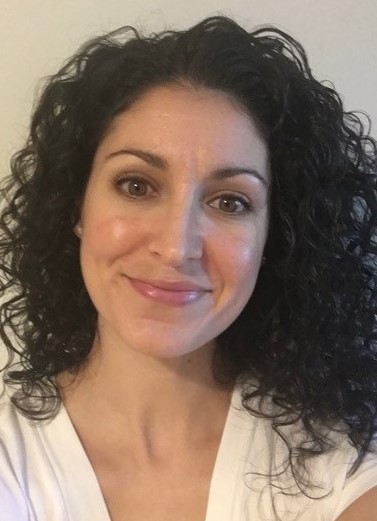
Katie Lindl, PhD
Dr. Katie Lindl has been at Lawrence Livermore National Laboratory (LLNL) for 5+ years working in the Program Development Support Office (also known as the “proposals” group or PDSO), first as a proposal manager and for the past year and a half as the group’s deputy director. She has a bachelor’s degree in molecular biology from Princeton and completed a PhD in neuroscience at the University of Pennsylvania. Together with the PDSO director, she heads a group of 12 people.
Calling this an accidental career, Dr. Lindl found her first job as a grant writer at a neuroscience start-up in Menlo Park through her rowing team, a sport she picked up during graduate school. Following her stint at this start-up, Katie took a break from research development and began work as a Pilates instructor and studio manager, hoping to have time for creative writing while also dabbling in freelance work in scientific editing. Once again chance pulled her back into research development when one of her Pilates clients found out about her science and science writing background and recruited her into the PDSO at LLNL. Currently, her day-day job includes proposal management and editing, training and mentoring, approving and assigning work that comes into the PDSO, and interacting with PIs and leadership at the Lab.
The diversity of work proposed across the lab keeps Dr. Lindl’s job interesting and exactly matches the breadth of work she had hoped to find when she finished graduate school, as she adds “During my time in graduate school, I realized that I’d rather help others communicate and improve their science than do my own research.” She is inspired by writing proposals for big science, having a very appreciative group of PIs, participating in training and growing her skills, as well as investing in and growing the careers of others. Two of her biggest sources of inspiration are her dad, a scientist, and her curiosity about people and the world around her.
Even though Dr. Lindl’s work is very rewarding, she knows research development work can be overwhelming at times and that people in our field of work tend to want to “take it all on.” Hence, her tip to the NORDP community is to learn to say no when needed.
Dr. Lindl continues to row regularly on a competitive masters team in Sacramento, CA; hike year-round with her overgrown puppy, Koda; ski in the winter; and teach Pilates, while splitting her time between her ranch in Livermore, CA in the San Francisco Bay Area and her place in Truckee near Tahoe in the Sierra Nevada. Her full-time remote work option at LLNL has allowed this lifestyle, for which she is grateful.
When asked if she had learned anything from her time in rowing that has helped her in her career in research development, Dr. Lindl noted that, yes, she learned that “You can’t win the race by yourself, but you can lose the race by yourself.” She has loved the connections she has made through NORDP and feels she has benefitted from learning the ways others do their RD work at their institutions and has shared these insights with her team at LLNL.
Dr. Lindl would love to answer any questions you have for her, so please feel free to email her at lindl2@llnl.gov. To listen to her full interview by the career/kindle team, please click on this link (you must log in as a NORDP member to access): MC LMS – NORDP LEAD presents: “Career Stories” – Katie Lindl – November 8, 2023
Who: Dr. Susan Ferrari, Assistant Dean and Director of Corporate, Foundation, and Government Relations
Where: Grinnell College
Number of Years Working in RD: 10 years
Length of NORDP Membership: 10 years
Entering the field
Susan, who leads an office with a team of three, was hired into a grants office in 2013 for a research administration role. At a small institution, she’s worn many hats related to RD, corporate and foundation relations, and faculty development. Susan earned her PhD in biomedical sciences but credits her general nerdiness, including many years of Quiz Bowl competition, for providing a broad foundation of knowledge that enables her to work across disciplines.
Throughout her career, Susan has championed faculty outreach and support, and she’s coordinated with other units to lead initiatives in these areas. Another common thread through her career is bringing people together, especially to support humanists and challenges related to those disciplines.
The value of her NORDP membership became apparent when Susan realized how NORDP could support her in developing programing for faculty. She was especially inspired by members working in the liberal arts space, including Claudia Scholz (formerly of Trinity College and Spellman College, now at the University of Virginia School of Data Science) and Kendra Mingo (formerly of Willamette University, now at UC San Diego).
Susan has been part of what is now a movement towards RD within liberal arts college research administration circles. Supporting faculty who teach many courses and who may not need to write books or win grants to earn tenure creates an all-carrots, no-sticks environment, presenting unique challenges and opportunities.
Research Development work
Susan calls her work in RD ‘cradle to grave’; it includes everything from hands-on work with faculty and proposal preparation, both research and curricular grants, community-involved efforts, and communications. She works with everyone from artists to scientists.
Susan had been working with Communications on efforts to share information about faculty research (including improving internal communication about new faculty members’ research and teaching agendas), which grew into initiatives to rebuild community after the pandemic. Recently, she established a faculty writing group program, now in its second round, a huge success with 55 participants out of approximately 200 faculty!
During the pandemic, Susan conducted a study with 46 faculty interviews on research culture at Grinnell to assess needs and guide future efforts. This work identified key issues, such as loneliness and lack of community around research, interest in more discussion of the research process (not just products), and areas where particular demographics or disciplines were not being well-served by current institutional structures. Conducting the project and sharing the results across campus helped Susan build closer relationships with faculty members and inspired other partners to work with Susan’s team to address the issues identified in the study—for example, the Grinnell College Libraries has launched a weekly faculty-staff research series.
Susan’s study also helped her make an institutional case for the value of faculty research. In liberal arts colleges, research activity is generally valued for its benefit to the curriculum and student experience. However, Susan’s research indicates that further benefits exist. These include supporting faculty retention and well-being and providing faculty a sense of autonomy. Her research also indicates that these benefits are especially strong for minoritized individuals. Further, her work showed the benefits that faculty members derive from their research communities beyond the College. This work demonstrates that RD supports faculty and communities broadly and is much more than dollars at the door.
Susan’s history with NORDP
Susan joined NORDP in 2013 and became more active in 2018, inspired by great work from members in the liberal arts space. Prior to becoming a board member, she engaged most with the PUI affinity group and the creative arts, social sciences and humanities (CASSH) group.
Susan has also been involved with the NORD grant committee since receiving a grant in 2020 that supported a study of faculty members at liberal arts colleges who direct institutional grants that blend pedagogy and research.
Susan went to her first conference in Providence (2019) as well as online conferences and gatherings, and she’s presented both in person and virtually on faculty programs at NORDP events.
Motivation to run for the NORDP Board
Susan notes that it’s a challenging time to be in humanistic or qualitative social science fields because of a retreat from those fields by some of their traditional funders. She sees RD as part of what can address that challenge, so she promotes RD within her professional circles, including in her role as past president (2020-2022) of Colleges of Liberal Arts Sponsored Programs (CLASP), which supports grants professionals at over 300 primarily undergraduate institutions.
A large part of Susan’s motivation to run for the Board was driven by her desire to expand what people think about when they think of RD and by her enthusiasm around the cultivation of an RD community of practice at smaller institutions and for smaller efforts. This community of practice includes more diverse schools, minority-serving institutions, and emerging research institutions. It’s important to Susan that perspectives from those within this community are respected and honored, and she emphasizes that we can all learn from each other. The productive exchange of ideas and learning has been exemplified by the CASSH group.
What Susan is most excited about as a new NORDP Board member
Susan is excited to get to work with people that she’s seen shaping NORDP in recent years. She’s excited about our new management company. She’s ready to tackle challenges related to declining funding and enrollments in the humanities and the near- and long-term impact of the SCOTUS decision. She acknowledges challenges but embraces them with enthusiasm.
Susan remembers going to her first NORDP conference and knowing that she ‘found her people’. That was topped when she went to her second conference and first-time-participant friends from CLASP and other liberal arts colleagues told her that they found their people. Embracing connection, Susan is looking forward to continuing to bring more into the fold.
It’s difficult to believe that it is already time for holiday planning, but here we are!
Please save the date for our upcoming Holiday Soiree on Thursday, November 30 from 3:30-5PM Eastern. There will be general merriment and games, so make some time to celebrate the season with your NORDP colleagues and friends. More details and registration info will be forthcoming.
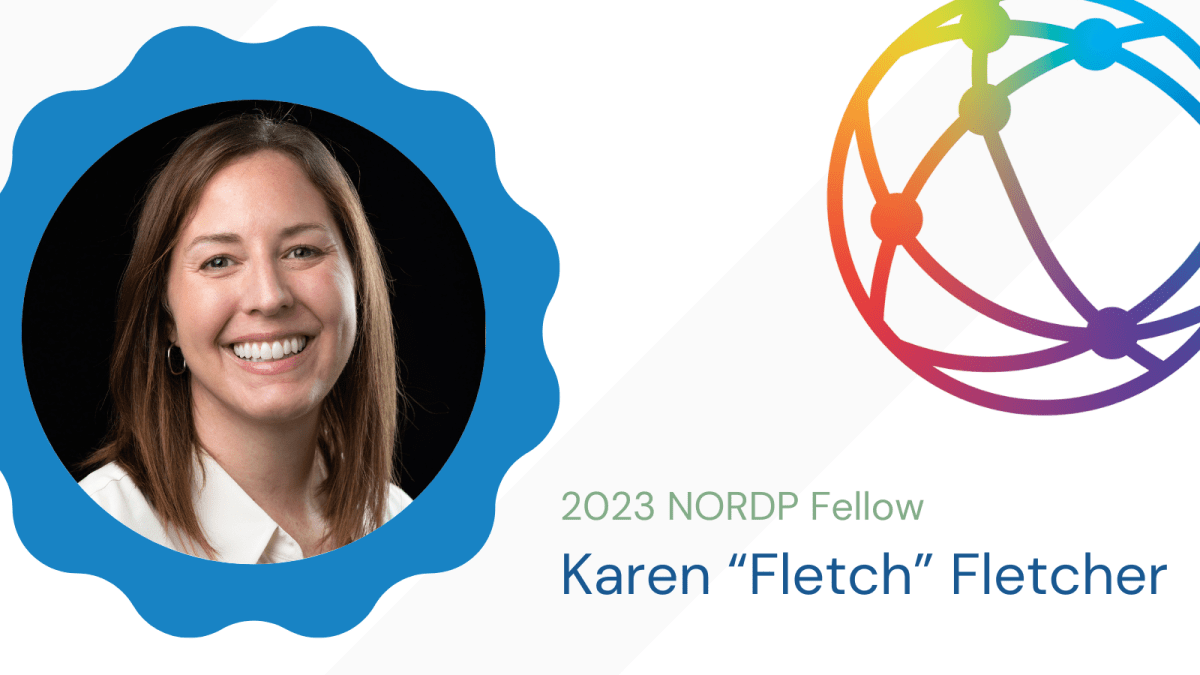
The NORDP Fellow Award recognizes the long-term accomplishments of members who have made sustained contributions to NORDP and worked tirelessly to advance research development as a profession and/or as a field. Status as a NORDP Fellow is the highest professional distinction the organization may bestow on a member.
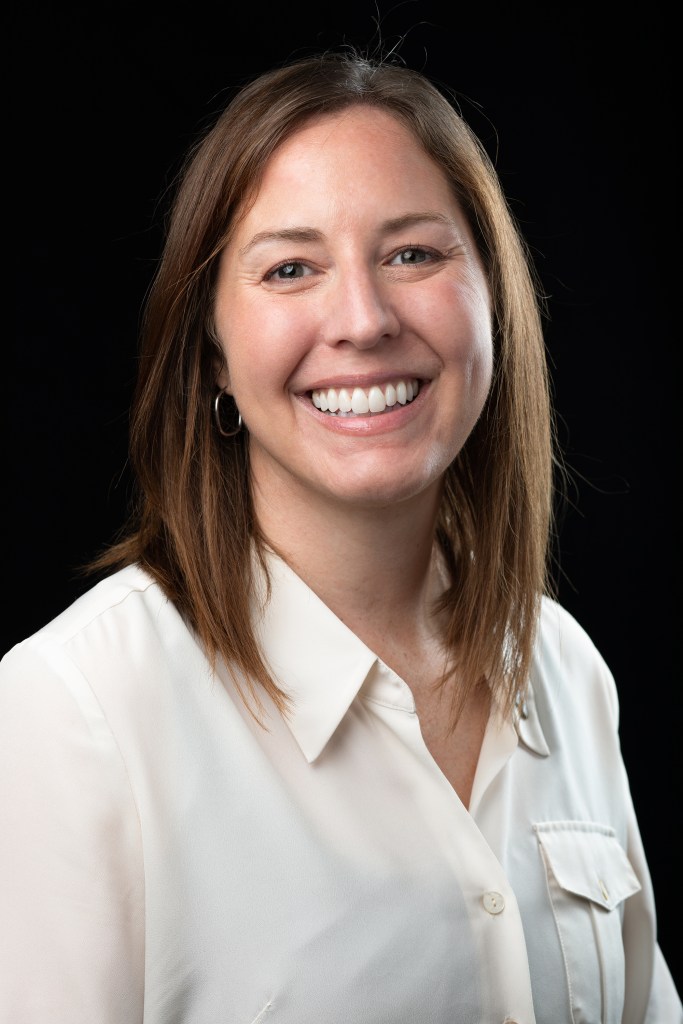
Who: Karen Fletcher, Director of Grants Resources & Services
Where: Appalachian State University
Number of years in research development: 13
Length of NORDP membership: 11
What is leadership to you?
Leadership is empowering the people around you. Both in a professional and personal capacity. I think the role of a leader is to encourage people to do their best and want to do their best.
What has your journey within NORDP looked like so far?
Initially, I joined the mentoring committee and then became co-chair of that committee. When I had an opportunity to run for the board, I jumped at it. I got involved with the conference planning committee, the communication working group, the member services committee, the nominating committee, the sponsorship committee, and the finance committee; I just wanted to be part of anything I could! I figured the more I learned, the more valuable I could be – in NORDP and in my every day job. While on the NORDP Board of Directors, I became secretary, then served the three-year term of vice president, president, and immediate past president. Since leaving the board, I am co-chair of the New Opportunities for Research Development (NORD) committee. I believe in the mission of NORDP and I believe in our community, so I want to give back.
Throughout your time in NORDP, which experiences stand out to you? What led you to take on leadership roles within the organization?
The support of NORDP members and the varied opportunities available in NORDP stand out to me. As I learned more about NORDP, I was constantly asking, “what skills are needed and how can I contribute?” When leadership opportunities presented themselves, I took a leap of faith that I could learn once in that role, and I was fortunate to have support from other incredible members.
What initiatives are you most proud of from your time as a NORDP volunteer?
So much has happened! The growth of NORDP – when our membership surpassed 1000 during the time I was President – was really exciting. I am very proud of the work we did around NORDP’s first strategic plan and how this has helped shape NORDP into the organization it is today. Most recently, it would be my work in NORD; creating a system for publishing NORDP supported articles and working to establish the editorial board for the Research Development Review: The NORDP Journal is something I am very proud we could make happen.
How has your involvement in NORDP impacted your career in research development?
It is interwoven into everything. Being part of committees helped me move forward and learn new skills. Zoom is actually a great example of that. We used Zoom so much in NORDP among members from all over that when Covid hit and Zoom became the default meeting mechanism at my university, there really was no learning curve, it was already so normal to me!
One of the biggest ways in which my career has been impacted is that after attending my first NORDP conference, I reached out to a member I met and asked if I could come and visit their university to learn how they were growing their research development office. After adopting some of those practices I learned from her and a few years later, I had the opportunity to interview and was hired into that position to carry on her work when she left it; I continue to visit other research development programs of members and learn so much from them – I wouldn’t be in the position I am today without the shared insight and experience of NORDP members.
What are you most excited about when you think about the future of research development as a field?
The growth of NORDP. We have so many new members and new job opportunities, the field is exploding, and we have such a positive impact on faculty and the evolving landscape of research development. I am so excited to see where research development is going next.
Karen was interviewed by Kirsten Abel, Faculty Recognition Director at Iowa State University.
Compiled by Daniel Campbell, Member Services Committee
Career Stories are a partnership of NORDP LEAD, the Professional Development Committee, and the Member Services Committee. These informal “fireside chats” highlight the professional trajectories of NORDP members by showcasing the multiple ways that members end up in research development as well as the variety of paths available for career growth and advancement.
NORDP Charter Fellow and Emeritus Member, Jan Abramson, was part of the group that worked to create this series of conversations. Jan adds, “Career Stories is always a highlight of my month. We have a great team of volunteers who make this event happen, and it is always fun to connect through conversation with NORDP members. Career Stories is a great way to start volunteering or sharing your personal path with NORDP colleagues.”
These 30-minute listen and learn sessions along with participant Q&A, began in January 2021 with Karen Fletcher, Director of Grants Resources & Services at Appalachian State University, and have continued monthly since then.
Gagan Bajaj, PhD, Grant Proposal Developer at the University of Vermont notes,“I joined the team at Career Stories in September 2021, bang in the middle of the pandemic—I was craving human connection, and boy, did the series deliver! Career Stories is my monthly dose of inspiration, and I am so grateful for all the wonderful people I have met through this forum.”
Career Stories from this year are listed below with a bit of background bio on the featured members. All Career Stories have been recorded and are accessible by NORDP members through the NORDP LMS.
January – Sammy Rodriguez Flecha (Washington State University)
Sammy Rodriguez Flecha, PhD is currently the director of the Washington State University’s Team Mentoring Program, a network serving underserved undergraduate students pursuing degrees in science, technology, engineering, math (STEM) and health fields. Prior to this new role, he served as interim director for the WSU Office of Research Advancement & Partnerships. His research development and administration career has spanned over 10 years. His PhD is in educational psychology and his Master’s degree is in English literature. He’s been a member of NORDP’s Nominating Committee, a mentor for NORDP’s mentoring program and participated in the inaugural cohort of NORDP LEAD.
February – Jaime Rubin (Columbia University)
Dr. Jaime Rubin is currently the Vice Chair for Investigator Development in the Department of Medicine at Columbia University. She has held senior level positions at Columbia University Medical Center, including Acting Associate Dean for Graduate Affairs, was the founding Director of the Office of Graduate Affairs, and served as the Acting Associate Vice President/Acting Associate Dean for Research Administration – and was one of the founders of the Office of Research Administration. Dr. Rubin completed her PhD at the Ontario Cancer Institute, University of Toronto. She is currently a Fulbright Scholar awardee with the Republic of Kosovo’s Ministry of Education, Science, Technology and Innovation. Her responsibilities include working on projects to increase extramurally-funded research with international partners.
March - Elizabeth Lathrop (University of Maryland)
Elizabeth Lathrop works as a Proposal Development Specialist for the A. James Clark School of Engineering at the University of Maryland. She provides critical support to the Clark School's capacity for complex, multidisciplinary research initiatives in response to targeted funding opportunities. Elizabeth is a Professional Track Faculty with degrees in sciences and was the Associate Director of Programs for a DOE EFRC: Energy Frontier Research Center - Science of Precision Multifunctional Nanostructures for Electrical Energy Storage.  Elizabeth is currently a co-chair of the Mentoring Committee, and participates in the iKnoW, (immigrant Knowledge and Wisdom) Affinity Group.
April - Jason Charland (University of Maine)
Jason Charland serves as Senior Advisor to the President and Executive Director of Research Development at the University of Maine. He oversees research development service provision to faculty and researchers across the University of Maine System, which comprises five primarily undergraduate institutions, a regional comprehensive university, a law school, and an R1 research university distributed across a rural state. He is also responsible for implementing university-wide extramural funding strategies for federal, state, and foundation funding and executing strategic research initiatives.
May - Elizabeth Festa (Rice University)
Elizabeth Festa is a Research Development Specialist in the Office of Research Development at Rice University. She received her Ph.D. from Vanderbilt University and her B.A. from the University of Notre Dame. She is an IRB affiliate at Baylor College of Medicine and a past screener for the Fulbright-National Geographic Fellowship. Before transitioning into RD, Elizabeth was Associate Director of the Program in Writing in Communication at Rice, and the Associate Director of the Center for Academic and Professional Communication. Elizabeth holds leadership positions in NORDP’s Strategic Alliances Committee and Member Services Committee.
June - Camille Coley (University of San Francisco)
Camille Coley, JD, CRA is the inaugural Associate Vice Provost for Sponsored Programs and External Partnerships at the University of San Francisco.  She has worked in research administration and research development for more than 20 years including at the American Museum of Natural History (in New York City, NY), Florida Atlantic University (FAU), and Southeast National Marine Renewable Energy Center and the Center for Biomedical and Marine Biotechnology at FAU. She is a certified Research Administrator as well as a Certified Mediator. Camille shares her experience and expertise through the NORDP PEERD program and is a consultant for NORDP’s Pilot Project for Historically Black Colleges and Universities.
July – Eric Wayne Dickey (Oregon State University)
Eric holds an Honors Bachelor of Arts in English and a Master of Fine Arts in Creative Writing, both from Oregon State University (OSU), and is a certified Project Management Professional by the Project Management Institute. He is also a published poet, children's author, and translator of German Poetry, and his work can be found online and in print. In July 2022, Eric began a new role as the first ever Director of Sponsored Programs for OSU’s Division of Extension and Engagement. He has 20 years of experience in research development and proposal and project management and has worked for OSU’s College of Forestry and College of Liberal Arts, for Oregon Sea Grant, and at Western Oregon University where he established its inaugural Sponsored Projects Office. For NORDP, Eric currently serves on the Member Services Committee and is a co-representative for the Pacific Region. He is also on the Mentoring Committee and has recently agreed to serve on the Conference Committee.
August - Jessica Venable (Thorn Run Partners)
Jessica Venable, PhD is known for her work in higher education policy and reform, particularly as it pertains to how underserved and underrepresented individuals, institutions and groups are represented in, and benefit from, the Federal funding landscaper. In her career, she worked in RD at Virginia Commonwealth University, and at NASA Langley Research Center and NASA Headquarters. She has also served as a grant reviewer for numerous federal agencies, and prior to joining Thorn Run Partners served as Vice President at McAllister & Quinn.
Elizabeth Festa noted, “As a person who transitioned to RD mid-career, the experience of being interviewed for Career Stories was a validating one. The field of RD is still emerging and the opportunity to draw upon a wide variety of experiences and skills to impact the profession, as opposed to following a clearly defined path, has ultimately been rewarding. Career Stories made me recognize the value in my unique path, and those of my NORDP colleagues.”
If you are interested participating as a conversation facilitator, technical host or sharing your own story please contact Gagan Bajaj at gagan.bajaj@med.uvm.edu.
The NORDP Innovation Award recognizes individuals, groups, or teams; functional units; or organizations who leverage unique skills or resources to kick-start innovation in research development and advance the profession or the field in ways that generate evidence of promise or demonstrable results. Innovators leverage partnerships, experiment with tools and techniques, or generate and share knowledge to advance NORDP and the work of its members.
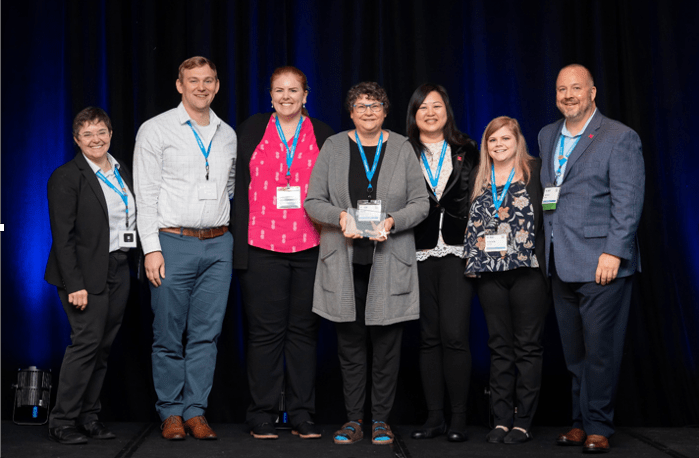
Then NORDP President Anne Maglia, left, and NORDP Vice President Nathan Meier, right, present the NORDP Innovation Award to University of Nebraska-Lincoln (UNL) Office of Proposal Development (OPD) team, from left, Matthew Dwyer, Katie Pelland, Tisha Gilreath Mullen, Jaclyn Tan, and Amanda Bohlin, at the 2023 NORDP Conference in Arlington, Va., on May 10. UNL OPD won the award for their leading-edge programming to help UNL faculty win National Science Foundation Faculty Early Career Development Program (NSF CAREER) grants. Not pictured: Jocelyn Bosley.
NORDP is proud to spotlight the University of Nebraska-Lincoln (UNL) Office of Proposal Development (OPD), a group recognized May 10 with the Innovation Award. UNL OPD won the award by exhibiting inventive approaches and fostering impactful change on campus through its CAREER Club programming, which is designed to increase faculty success in securing these prestigious awards from the National Science Foundation (NSF).
At the core of UNL OPD’s success lies a team of dedicated individuals with unique expertise and roles positioned within the institution’s central research development (RD) structure. Team members include:
Amanda Bohlin, Proposal Development Coordinator
Jocelyn Bosley, Research Impact Coordinator
Matthew Dwyer, Senior Proposal Development Coordinator
Tisha Gilreath Mullen, Director of Proposal Development
Katie Pelland, Senior Proposal Development Coordinator
Jaclyn Tan, Proposal Development Specialist
In UNL’s NSF CAREER Club, the team employs a three-pronged, integrated approach focusing on programming, personalized proposal development support, and fostering connections among researchers and partners—both internal and external. What started as a one-week program in 2017 has since evolved into a six-month program. Key to innovation is the team’s commitment to constant evaluation and improvement: sessions are evaluated annually and OPD uses data-informed practices to evolve.
Over the years, UNL’s NSF CAREER Club has shifted from didactic-centered interactions to more conversational sessions, assisted networking, one-on-one mentoring, and continued support. Today, programming also emphasizes synergistic networking to catalyze future research through cross-departmental and external collaborations. Through this networking, faculty develop connections across and beyond campus, ultimately increasing the sense of community Principal Investigators (PIs) feel at UNL. OPD offers one-on-one mentoring and safe spaces to create what they call “collateral beauty,” where PIs receive valuable feedback, support on deferment or selecting better fitting mechanisms, or encouragement to submit. These spaces integrate difficult conversations seamlessly into a strategic, positive experience. OPD also developed two new tools to enhance how researchers communicate their vision: a career trajectory graphic that visualizes past, present, and future growth, and a mini poster designed to facilitate virtual conversations with program officers, impact partners, and other stakeholders.
As a testament to their successful innovations, UNL now averages six or more CAREER Award winners per year—a significant increase over the past five years—with a 50% success rate for faculty who complete CAREER Club. Through partnerships with external NSF consultants, UNL OPD demystifies the process, supports their investigators, and ensures PIs acquire the necessary experiences and co-mentorship to achieve their goals.
For institutions wanting to start a similar program, UNL OPD recommends evaluating how programs can work together to maximize impact despite limited resources and bandwidth. Institutions can start by taking inventory of unique assets and strengths, chart them against leadership priorities, then develop objectives and define metrics for success. Consistent messaging and marketing before, during, and after programming is crucial as well.
Additionally, OPD encourages leveraging the wealth of NORDP resources in developing programs. The team conveyed gratitude for the NORDP community’s invaluable expertise and support in catalyzing their innovations from ideation to execution. For example, their mini poster tool was refined based on NORDP members’ input. Many OPD members also applauded the NORDP Mentoring Program as a hub to ideate, problem-solve, and gain resources related to programming. The team praised NORDP’s contributions to the RD field, such as providing a common vocabulary, offering growth frameworks, working toward developing an RD credential program, and creating virtual spaces for engagement. Furthermore, NORDP’s collaboration with other professional organizations, such as ARIS (Advancing Research Impact in Society), has driven the field further. OPD also noted that a former NORDP president now serves as the director of NSF GRANTED, further exemplifying the impact of NORDP involvement.
OPD’s CAREER Club stands as a beacon of innovation and a catalyst for progress. By providing personalized support, fostering connections, and engaging with the NORDP community, the UNL team has propelled researchers to new heights of success. Through constant evaluation and collaboration, they continue to push boundaries and empower researchers to embrace innovation. As institutions seek to innovate, UNL OPD serves as an exemplar that offers tangible steps for success and advocates for the power of networking, resource sharing, and co-innovation within the NORDP community.
The NORDP Rising Star Award recognizes individuals for their outstanding, early volunteer contributions to NORDP and strong potential for future contributions to the organization and the profession or the field.
Erica Pitre, Rising Star Award Winner
Who: Erica Pitre
Where: Emory University
Title: Director of Research Development
Number of years in RD: 6 years
Length of NORDP membership: 5 years
Erica was nominated for her work on the NORDP Journal subcommittee for her integral voice in shaping the direction and creation of the journal; her service as manager of the NORDP Consultants Program; her active work on NORDP’s Competitive Intelligence Working Group, where she brings her project management and industry experience while also building the community; and her dedication to sharing resources and solutions to the NORDP community at large.
Erica began her career in the energy industry, specializing in proposal development and technical writing. After transitioning to academic research development (RD), she was part of a bustling R2 hub where she launched the institution’s first, formal RD support unit. She brought her extensive skillset to Emory, where she currently serves as Director of Research Development and supports strategic initiatives, mega proposals, and seed funding, among other RD initiatives.
When asked about the initiative she’s most proud of, Erica shared it has been the NORDP Consultant Program, led by Kimberly Eck, MPH, PhD. Through this program, Erica has had the opportunity to interact with NORDP consultants who possess cutting-edge approaches and collaborate with them to support researchers. In addition to her work in the Consultant Program, her commitment to the future of the field is evident through her involvement in the NORDP startup committee for the organization’s journal. Intrigued by the absence of certain resources, she applied her project management skills and simultaneously acquired new ones, which proved crucial in laying the foundation for the journal’s future launch. Erica emphasizes that newcomers shouldn’t hesitate to get involved in committees and contribute their fresh perspectives. Volunteer communities like NORDP thrive on diverse insights and welcome individuals who are willing to put in the work and learn new skills.
In addition to getting involved in committees, Erica offers valuable advice for newcomers. She encourages involvement in the NORDP Mentoring Program and joining resources like the NORDP listserv and Basecamp to tap into the collective knowledge and expertise of the community. She also suggests that new members keep an active running list of topics to learn more about and roadblocks encountered. Members can then use that running list to connect with the NORDP network to find solutions. Erica shares that one of the standout features of NORDP is the generosity of its members, who make time to support and guide others. One of the key examples she provided was when she used her running list to seek out information from a key NORDP member. She was able to connect with this individual, which led to very fruitful conversations, and an opportunity to transition to her current university.
Having been part of NORDP for the past 5 years, Erica has witnessed fellow new, NORDP professionals gain recognition and awards alongside her and encourages others to speak up and get engaged. When looking at the potential for future rising stars, Erica urges folks to remember the untapped potential of industry professionals. Erica firmly believes that colleges and universities should consider industry professionals as valuable assets for research development roles. While advanced degrees are advantageous, equitable work experience outside academia also brings a fresh perspective and a very transferable, rich skill set. There exists a vast pool of individuals capable of fulfilling the demands of this work, and the opportunity lies in helping them understand the academic ecosystem. Erica’s journey from industry to academia research development exemplifies the potential for professionals to make a significant impact in the RD field. Her involvement with NORDP has been instrumental in not only her growth and success but also the evolution and growth of NORDP and RD programs. Her work highlights the power of community, collaboration, and volunteerism. As the field continues to evolve, recognizing the value of diverse backgrounds and experiences will continue to be vital in nurturing the next generation of research development professionals.
The Whova app may be new to many of you attending the 2023 NORDP Conference in Arlington, Virginia, next week. To make the most of your conference experience, below is a list of the top 5 tips from a new Whova user to best utilize the app.
Navigation: The navigation menu for the app is on the bottom of the screen, with Home in the bottom left corner. While you are toggling through the Whova app, this navigation menu remains so you can always find the most important areas. In addition to Home, this includes Agenda, Attendees, Community, and Messages. On the Home screen, there are 15 boxes for Additional Resources such as Session Q&A, Exhibitors, and Documents.
Agenda: The Full Agenda by day can be located by clicking the Agenda tab on the bottom of the screen. This includes not only talks and workshops, but also events like scheduled networking breakfasts, breaks, and poster sessions. When you identify sessions you would like to attend, you can add them to your own personal agenda by clicking on the calendar icon to the right of the session. This will populate My Agenda, with the tab to the right of Full Agenda. You can even set a reminder in Whova to alert you 10 or 20 minutes before the session so you do not miss it. In addition, you can add your own activities to your personal agenda by clicking Add My Own Activity at the bottom of My Agenda.
Tracks: Inside the Agenda area, above Full Agenda and My Agenda, are Tracks with a drop down menu. Tracks are color coded by things like funder, level, affinity group, region, and other common threads found among the research development community. You can filter each day’s agenda by tracks to ensure you attend sessions most relevant to your areas of professional focus.
Community: A community chat can be found by clicking the Community tab on the bottom of the screen. Here you can add a message to an existing topic like Meet-ups or Job Openings, or you can create a new conversation topic. If there is a specific topic in the Community board that you want to follow, you can click Follow next to that topic. You can then filter Community by only those topics you are following.
Attendees: The attendee list and profiles can be found by clicking the Attendee tab on the bottom of the screen. You can browse attendees or search attendees by keyword such as employer name or title. In the Attendee profile, you can take notes about them or send them a direct message. The Whova app also recommends connections for you based on their profiles and yours, so be sure to complete your own profile by clicking on your profile picture, and then the pen icon in your profile preview, to make the most of this networking opportunity.
If you would like more in-depth knowledge of Whova features, be sure to visit the Whova Step-by-Step Guide, Quick Tips and FAQs on the app itself. The Whova Guide is found under the Additional Resources boxes on the Home page. We look forward to connecting with all of you, via Whova and in person, at the Conference!
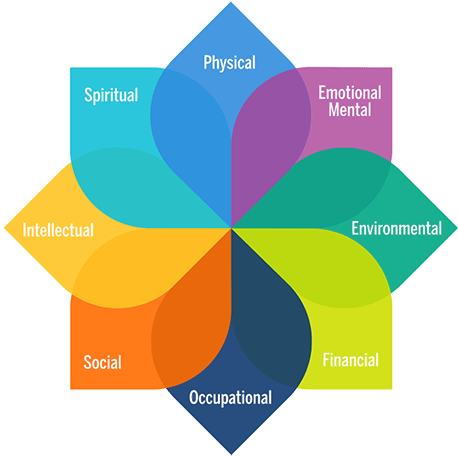
Mentoring is a valuable relationship that can have a significant impact on one’s life, both personally and professionally. Recognizing and addressing mentees’ wellness is a critical component of mentoring. As shown in the figure below, well-being spans multiple dimensions, including emotional, mental, physical, social, intellectual, spiritual, financial, etc. A few of them are discussed as follows.
Credit: University of Michigan
Emotional wellness: Emotional wellness refers to an individual’s ability to manage their emotions in a healthy way. In a mentoring relationship, it’s important to create a psychologically safe space where the mentee feels comfortable sharing their feelings and concerns. The mentor can provide emotional support, offer guidance on managing stress and anxiety, and help the mentee develop healthy coping mechanisms.
Mental wellness: Mental wellness is about maintaining a healthy state of mind. In a mentoring relationship, the mentor can encourage the mentee to practice mindfulness, help them identify any negative thought patterns, and provide guidance on setting goals and developing a growth mindset.
Physical wellness: Physical wellness refers to maintaining a healthy body through regular exercise, proper nutrition, and adequate rest. The mentor can encourage the mentee to prioritize physical wellness, share tips on healthy habits, and offer guidance on finding a work-life balance.
Social wellness: Social wellness involves having meaningful relationships and a strong support system. The mentor can encourage the mentee to build positive relationships, offer guidance on effective communication and conflict resolution, and help the mentee identify and navigate any social challenges.
Intellectual wellness: Intellectual wellness refers to an individual’s ability to engage in creative and stimulating mental activities. In a mentoring relationship, the mentor can encourage the mentee to pursue their intellectual interests, offer guidance on developing critical thinking skills, and provide resources for continued learning.
Overall, prioritizing the mentee’s wellness in all these areas can lead to a more fulfilling mentoring relationship and the mentee’s success.

 NORDP News