2023 Innovation Award Winner: The University of Nebraska-Lincoln’s Office of Proposal Development

The NORDP Innovation Award recognizes individuals, groups, or teams; functional units; or organizations who leverage unique skills or resources to kick-start innovation in research development and advance the profession or the field in ways that generate evidence of promise or demonstrable results. Innovators leverage partnerships, experiment with tools and techniques, or generate and share knowledge to advance NORDP and the work of its members.
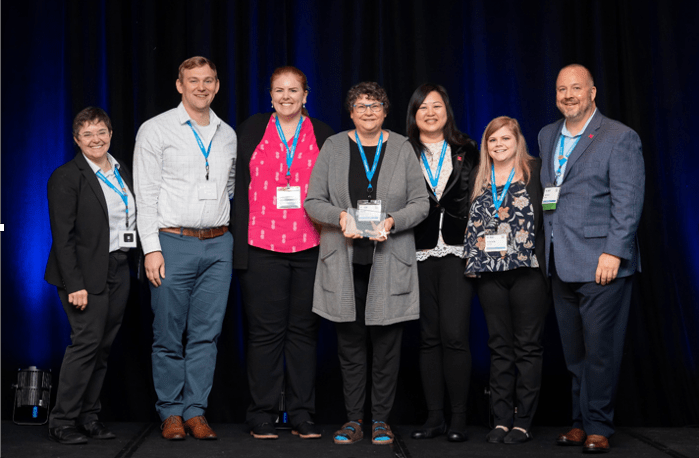
Then NORDP President Anne Maglia, left, and NORDP Vice President Nathan Meier, right, present the NORDP Innovation Award to University of Nebraska-Lincoln (UNL) Office of Proposal Development (OPD) team, from left, Matthew Dwyer, Katie Pelland, Tisha Gilreath Mullen, Jaclyn Tan, and Amanda Bohlin, at the 2023 NORDP Conference in Arlington, Va., on May 10. UNL OPD won the award for their leading-edge programming to help UNL faculty win National Science Foundation Faculty Early Career Development Program (NSF CAREER) grants. Not pictured: Jocelyn Bosley.

NORDP is proud to spotlight the University of Nebraska-Lincoln (UNL) Office of Proposal Development (OPD), a group recognized May 10 with the Innovation Award. UNL OPD won the award by exhibiting inventive approaches and fostering impactful change on campus through its CAREER Club programming, which is designed to increase faculty success in securing these prestigious awards from the National Science Foundation (NSF).

At the core of UNL OPD’s success lies a team of dedicated individuals with unique expertise and roles positioned within the institution’s central research development (RD) structure. Team members include:

  • Amanda Bohlin, Proposal Development Coordinator
  • Jocelyn Bosley, Research Impact Coordinator
  • Matthew Dwyer, Senior Proposal Development Coordinator
  • Tisha Gilreath Mullen, Director of Proposal Development
  • Katie Pelland, Senior Proposal Development Coordinator
  • Jaclyn Tan, Proposal Development Specialist

In UNL’s NSF CAREER Club, the team employs a three-pronged, integrated approach focusing on programming, personalized proposal development support, and fostering connections among researchers and partners—both internal and external. What started as a one-week program in 2017 has since evolved into a six-month program. Key to innovation is the team’s commitment to constant evaluation and improvement: sessions are evaluated annually and OPD uses data-informed practices to evolve. 

Over the years, UNL’s NSF CAREER Club has shifted from didactic-centered interactions to more conversational sessions, assisted networking, one-on-one mentoring, and continued support. Today, programming also emphasizes synergistic networking to catalyze future research through cross-departmental and external collaborations. Through this networking, faculty develop connections across and beyond campus, ultimately increasing the sense of community Principal Investigators (PIs) feel at UNL. OPD offers one-on-one mentoring and safe spaces to create what they call “collateral beauty,” where PIs receive valuable feedback, support on deferment or selecting better fitting mechanisms, or encouragement to submit. These spaces integrate difficult conversations seamlessly into a strategic, positive experience. OPD also developed two new tools to enhance how researchers communicate their vision: a career trajectory graphic that visualizes past, present, and future growth, and a mini poster designed to facilitate virtual conversations with program officers, impact partners, and other stakeholders.

As a testament to their successful innovations, UNL now averages six or more CAREER Award winners per year—a significant increase over the past five years—with a 50% success rate for faculty who complete CAREER Club. Through partnerships with external NSF consultants, UNL OPD demystifies the process, supports their investigators, and ensures PIs acquire the necessary experiences and co-mentorship to achieve their goals.

For institutions wanting to start a similar program, UNL OPD recommends evaluating how programs can work together to maximize impact despite limited resources and bandwidth. Institutions can start by taking inventory of unique assets and strengths, chart them against leadership priorities, then develop objectives and define metrics for success. Consistent messaging and marketing before, during, and after programming is crucial as well.

Additionally, OPD encourages leveraging the wealth of NORDP resources in developing programs. The team conveyed gratitude for the NORDP community’s invaluable expertise and support in catalyzing their innovations from ideation to execution. For example, their mini poster tool was refined based on NORDP members’ input. Many OPD members also applauded the NORDP Mentoring Program as a hub to ideate, problem-solve, and gain resources related to programming. The team praised NORDP’s contributions to the RD field, such as providing a common vocabulary, offering growth frameworks, working toward developing an RD credential program, and creating virtual spaces for engagement. Furthermore, NORDP’s collaboration with other professional organizations, such as ARIS (Advancing Research Impact in Society), has driven the field further. OPD also noted that a former NORDP president now serves as the director of NSF GRANTED, further exemplifying the impact of NORDP involvement.  

OPD’s CAREER Club stands as a beacon of innovation and a catalyst for progress. By providing personalized support, fostering connections, and engaging with the NORDP community, the UNL team has propelled researchers to new heights of success. Through constant evaluation and collaboration, they continue to push boundaries and empower researchers to embrace innovation. As institutions seek to innovate, UNL OPD serves as an exemplar that offers tangible steps for success and advocates for the power of networking, resource sharing, and co-innovation within the NORDP community.
NORDP 2023 Rising Star Award: Erica Pitre

The NORDP Rising Star Award recognizes individuals for their outstanding, early volunteer contributions to NORDP and strong potential for future contributions to the organization and the profession or the field. 

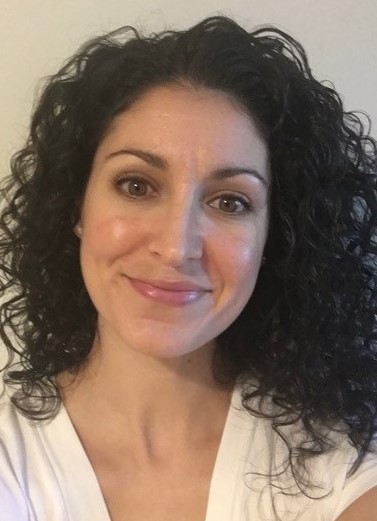
Erica Pitre, Rising Star Award Winner

Who: Erica Pitre

Where: Emory University

Title: Director of Research Development 

Number of years in RD: 6 years

Length of NORDP membership: 5 years

Erica was nominated for her work on the NORDP Journal subcommittee for her integral voice in shaping the direction and creation of the journal; her service as manager of the NORDP Consultants Program; her active work on NORDP’s Competitive Intelligence Working Group, where she brings her project management and industry experience while also building the community; and her dedication to sharing resources and solutions to the NORDP community at large.

Erica began her career in the energy industry, specializing in proposal development and technical writing. After transitioning to academic research development (RD), she was part of a bustling R2 hub where she launched the institution’s first, formal RD support unit. She brought her extensive skillset to Emory, where she currently serves as Director of Research Development and supports strategic initiatives, mega proposals, and seed funding, among other RD initiatives.

When asked about the initiative she’s most proud of, Erica shared it has been the NORDP Consultant Program, led by Kimberly Eck, MPH, PhD. Through this program, Erica has had the opportunity to interact with NORDP consultants who possess cutting-edge approaches and collaborate with them to support researchers. In addition to her work in the Consultant Program, her commitment to the future of the field is evident through her involvement in the NORDP startup committee for the organization’s journal. Intrigued by the absence of certain resources, she applied her project management skills and simultaneously acquired new ones, which proved crucial in laying the foundation for the journal’s future launch. Erica emphasizes that newcomers shouldn’t hesitate to get involved in committees and contribute their fresh perspectives. Volunteer communities like NORDP thrive on diverse insights and welcome individuals who are willing to put in the work and learn new skills. 

In addition to getting involved in committees, Erica offers valuable advice for newcomers. She encourages involvement in the NORDP Mentoring Program and joining resources like the NORDP listserv and Basecamp to tap into the collective knowledge and expertise of the community. She also suggests that new members keep an active running list of topics to learn more about and roadblocks encountered. Members can then use that running list to connect with the NORDP network to find solutions. Erica shares that one of the standout features of NORDP is the generosity of its members, who make time to support and guide others. One of the key examples she provided was when she used her running list to seek out information from a key NORDP member. She was able to connect with this individual, which led to very fruitful conversations, and an opportunity to transition to her current university. 

Having been part of NORDP for the past 5 years, Erica has witnessed fellow new, NORDP professionals gain recognition and awards alongside her and encourages others to speak up and get engaged. When looking at the potential for future rising stars, Erica urges folks to remember the untapped potential of industry professionals. Erica firmly believes that colleges and universities should consider industry professionals as valuable assets for research development roles. While advanced degrees are advantageous, equitable work experience outside academia also brings a fresh perspective and a very transferable, rich skill set. There exists a vast pool of individuals capable of fulfilling the demands of this work, and the opportunity lies in helping them understand the academic ecosystem. Erica’s journey from industry to academia research development exemplifies the potential for professionals to make a significant impact in the RD field. Her involvement with NORDP has been instrumental in not only her growth and success but also the evolution and growth of NORDP and RD programs. Her work highlights the power of community, collaboration, and volunteerism. As the field continues to evolve, recognizing the value of diverse backgrounds and experiences will continue to be vital in nurturing the next generation of research development professionals.

Top 5 Tips for Using the Whova app for the 2023 NORDP Conference

Authored by Nicole Brey

The Whova app may be new to many of you attending the 2023 NORDP Conference in Arlington, Virginia, next week.  To make the most of your conference experience, below is a list of the top 5 tips from a new Whova user to best utilize the app.

  1. Navigation: The navigation menu for the app is on the bottom of the screen, with Home in the bottom left corner.  While you are toggling through the Whova app, this navigation menu remains so you can always find the most important areas.  In addition to Home, this includes Agenda, Attendees, Community, and Messages.  On the Home screen, there are 15 boxes for Additional Resources such as Session Q&A, Exhibitors, and Documents.
  2. Agenda: The Full Agenda by day can be located by clicking the Agenda tab on the bottom of the screen.  This includes not only talks and workshops, but also events like scheduled networking breakfasts, breaks, and poster sessions.  When you identify sessions you would like to attend, you can add them to your own personal agenda by clicking on the calendar icon to the right of the session.  This will populate My Agenda, with the tab to the right of Full Agenda.  You can even set a reminder in Whova to alert you 10 or 20 minutes before the session so you do not miss it.  In addition, you can add your own activities to your personal agenda by clicking Add My Own Activity at the bottom of My Agenda.
  3. Tracks: Inside the Agenda area, above Full Agenda and My Agenda, are Tracks with a drop down menu.  Tracks are color coded by things like funder, level, affinity group, region, and other common threads found among the research development community.  You can filter each day’s agenda by tracks to ensure you attend sessions most relevant to your areas of professional focus.
  4. Community: A community chat can be found by clicking the Community tab on the bottom of the screen.  Here you can add a message to an existing topic like Meet-ups or Job Openings, or you can create a new conversation topic.  If there is a specific topic in the Community board that you want to follow, you can click Follow next to that topic.  You can then filter Community by only those topics you are following.
  5. Attendees: The attendee list and profiles can be found by clicking the Attendee tab on the bottom of the screen.  You can browse attendees or search attendees by keyword such as employer name or title.  In the Attendee profile, you can take notes about them or send them a direct message.  The Whova app also recommends connections for you based on their profiles and yours, so be sure to complete your own profile by clicking on your profile picture, and then the pen icon in your profile preview, to make the most of this networking opportunity.

If you would like more in-depth knowledge of Whova features, be sure to visit the Whova Step-by-Step Guide, Quick Tips and FAQs on the app itself.   The Whova Guide is found under the Additional Resources boxes on the Home page.  We look forward to connecting with all of you, via Whova and in person, at the Conference!

Mentoring Wellness

By Melissa Li, University of Michigan

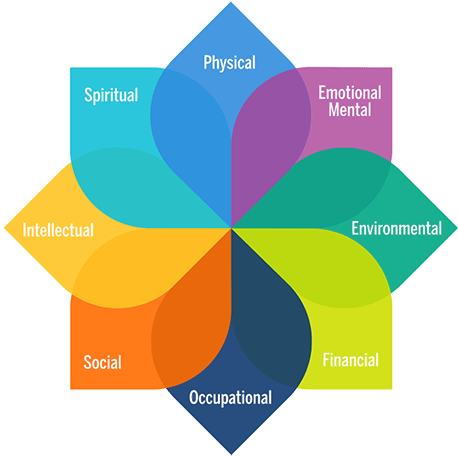
Mentoring is a valuable relationship that can have a significant impact on one’s life, both personally and professionally. Recognizing and addressing mentees’ wellness is a critical component of mentoring. As shown in the figure below, well-being spans multiple dimensions, including emotional, mental, physical, social, intellectual, spiritual, financial, etc. A few of them are discussed as follows.

Credit: University of Michigan

Emotional wellness: Emotional wellness refers to an individual’s ability to manage their emotions in a healthy way. In a mentoring relationship, it’s important to create a psychologically safe space where the mentee feels comfortable sharing their feelings and concerns. The mentor can provide emotional support, offer guidance on managing stress and anxiety, and help the mentee develop healthy coping mechanisms.

Mental wellness: Mental wellness is about maintaining a healthy state of mind. In a mentoring relationship, the mentor can encourage the mentee to practice mindfulness, help them identify any negative thought patterns, and provide guidance on setting goals and developing a growth mindset.

Physical wellness: Physical wellness refers to maintaining a healthy body through regular exercise, proper nutrition, and adequate rest. The mentor can encourage the mentee to prioritize physical wellness, share tips on healthy habits, and offer guidance on finding a work-life balance.

Social wellness: Social wellness involves having meaningful relationships and a strong support system. The mentor can encourage the mentee to build positive relationships, offer guidance on effective communication and conflict resolution, and help the mentee identify and navigate any social challenges.

Intellectual wellness: Intellectual wellness refers to an individual’s ability to engage in creative and stimulating mental activities. In a mentoring relationship, the mentor can encourage the mentee to pursue their intellectual interests, offer guidance on developing critical thinking skills, and provide resources for continued learning.

Overall, prioritizing the mentee’s wellness in all these areas can lead to a more fulfilling mentoring relationship and the mentee’s success.

NORDP 2023 Keynote: Diversity in the Data with Dr. Christine Yifeng Chen

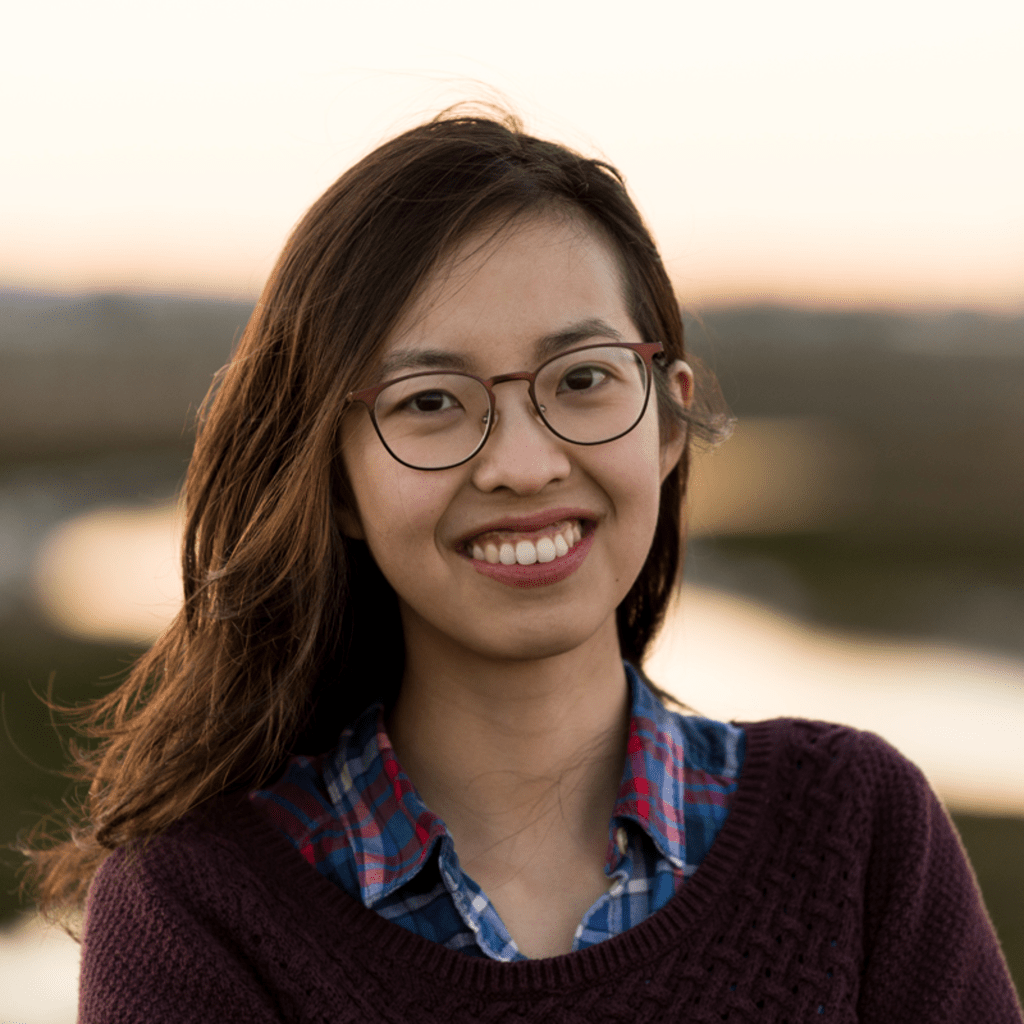
NORDP 2023 Keynote Speaker, Dr. Christine Yifeng Chen

From a young age, Christine Yifeng Chen had an affinity for the outdoors. Growing up in upstate New York, she spent many afternoons amusing herself in the local woods observing plants, rocks, and passing wildlife. When the sun was down or the weather was poor, she watched nature documentaries on public television and read books about historical expeditions and voyages, captivated by stories of field scientists working in far-flung places. Despite her enthusiasm, she never considered that outdoor field research was something she could ever do herself. After all, she had no camping or hiking experience, and hardly traveled outside of her hometown, as the costs of such activities were prohibitive.

That all changed when she “won the lottery,” as Chen puts it, by gaining admittance to Princeton University for her undergraduate studies with a full tuition financial aid package. Scanning the catalog of course offerings, she noticed that the earth science department offered classes with field trips, all expenses paid. Soon enough, in her first semester, she found herself in California, gazing at snow-capped mountains, climbing up sand dunes, and walking amongst ancient pine trees for the very first time. This formative experience set the stage for Chen’s future in field geology. “It was a complete culture shock,” Chen says. “Suddenly, I had access to all these resources at this school, to do all the things I’d always read about or seen on TV. It was nothing short of life changing.”

Chen understands first-hand the impact that access to social and material resources can have on one’s career. She will deliver the 2023 NORDP Conference opening keynote address, entitled “Racial disparities in research funding.” In her remarks, she will highlight results from a recent study she led showing systematic racial disparities in funding rates at the National Science Foundation (NSF). Using publicly available data, Chen and her colleagues showed that from 1999 to 2019, proposals by white researchers at NSF were funded at rates higher than most other non-white groups, and that these trends held regardless of scientific discipline and proposal type. Since similar patterns have been observed at the National institutes of Health, NASA, and other philanthropic funding organizations, they are likely widespread throughout the research funding ecosystem.

Despite countless of initiatives at colleges and universities to diversify the professoriate, data on faculty demographics indicate that higher education institutions appear to have little to show for it. Chen believes that the long-standing funding disparities have played a significant role in stymieing diversity goals: “Eliminating inequalities in STEM and academia will require a reorganization of what causes inequality in the first place: unequal access to social prestige and material resources.”

As a geologist and geochemist by training, Chen is very familiar with the lack of diversity amongst faculty. The geosciences are the least diverse field of all STEM disciplines in terms of race and ethnicity; less than 10% of geoscience PhD recipients are people of color, and little has changed in the last 40 years. And unlike other STEM disciplines, Asians are underrepresented amongst geoscience PhD recipients.

That statistic, along with the rise in anti-Asian sentiments during the pandemic, spurred Chen and two of her colleagues to start an affinity group, Asian Americans and Pacific Islanders in Geosciences (AAPIiG), to build community for AAPIs in the discipline. It was through one of the early virtual AAPIiG community gatherings that Chen first learned from a senior academic about the “open secret” that Asian researchers have the lowest proposal success rates at the NSF. The rest is history.

Chen is eager to engage with the NORDP community about these widespread funding disparities and what we can do about them, both as individuals as well as a collective organization. She hopes that we might consider the funding data at our own institutions from both public and private funders with a critical eye. Chen also hopes that NORDP can mobilize a coordination action in response to these trends, given our unique vantage point as being embedded in the research community at multiple levels and sectors. “NORDP is ideally positioned to guide and catalyze action around this issue. If not you, who else?”

Chen is now at a national lab where she continues her geological and geochemistry research.

Help us welcome her to the NORDP stage in May.

Follow @NORDP_official on Twitter for all the latest #NORDP2023 updates.

NORDP fosters a culture of inclusive excellence by actively promoting and supporting diversity, inclusion, and equity in all its forms to expand our worldview, enrich our work, and elevate our profession.

ARIS 2023 Summit: Special Discounted Registration for NORDP Members

Advancing Research Impacts in Society (ARIS) is offering two discounted registrations for NORDP members to attend its 2023 Summit: Research in Service to Society. The Summit will take place March 22-24, 2023 at the Baltimore Convention Center in Baltimore, Maryland.

This special offer reduces the cost of registration by $150 and includes a one-year ARIS membership. More details about the Summit are available on the ARIS Summit homepage.

NORDP members who are not current ARIS members are eligible for this rate.

This discounted registration offer is available on a first come, first served basis. Interested individuals should send a request to tgilreathmullen2@unl.edu by March 1, 2023.

Tools ‘n Tips: Writing for a Lay Audience – Presented by Susan Elkins

Tuesday, January 10, 2023 @ 12:00pm (Eastern)

Researchers often have a difficult time with writing for a lay audience. This does not mean removing all of the science. It does mean simplifying or clearly defining those technical terms and ideas. It can also be helpful to think about making a connection between the scientific advancement you’re discussing and the potential benefits to the intended audience. Research development professionals can help faculty better address this task.

During the PD Committee’s January Tools ‘n Tips monthly webinar, Susan Elkins shared advice and resources for RD professionals looking to hone their skills when writing for a lay audience. 

Resource 1: Writing for a lay audience (Cancer Research UK) 

  • Keep it simple
  • Keep it short
  • Make it inclusive
  • Back it up
  • Separate your ideas
  • Active voice
  • Avoid turning verbs into nouns
  • Use lists where appropriate
  • Be economical
  • Use analogies and images
  • Use Links

Resource 2: In a nut shell: how to write a lay summary (Christopher Tancock)

  • “So what” – justify your research
  • Contextual background – why are you doing this
  • Follow a logical order
  • Explain the impact
  • Sort sentences – write in plain English
  • Avoid jargon if possible
  • First person active voice
  • Use positive statements instead of negative ones
  • Include images if possible

Resource 3: 3 Questions to ask yourself when writing for lay audiences (AMWA Blog) 

  1. Who is my audience?
  1. What are their needs?
  1. How can I communicate most effectively?
  • Consider structure/content/design
  • Optimize readability
  • Tailor content for specific audience
  • Make it easy to navigate
  • Review your work through from your audience’s perspective

Accessing Previous TNT Recordings:

  • Log into your NORDP account (www.nordp.org)
  • Look for the “Quick Links” menu (blue) on the right-hand side of the screen
  • Select “NORDP LMS”
  • Make sure you are seeing “All Courses” – scroll down to the bottom of the page and select “SHOW ALL COURSES”
  • Search for “TnT”
  • Select the “TnT (Tools & Tips) Talks”

Do you have a great Tool or Tip you would be willing to share? If so, please contact Dawn McArthur or Emily Devereux. We would love to hear any requests and we’ll see if we can’t find a presenter!

Mentoring Reflections: Sammy Rodriguez & Charlene Emerson

Written by: Mentoring Committee Marketing & Communications, Sammy Rodriguez, and Charlene Emerson

The yearly NORDP Mentoring Program offers a structured mentoring experience for NORDP members. While the program officially runs for a year, a lot of participants continue their mentoring relationships long-term. This month, we catch up with one such long-term mentor-mentee pair as they share their reflections on their mentoring journey. 

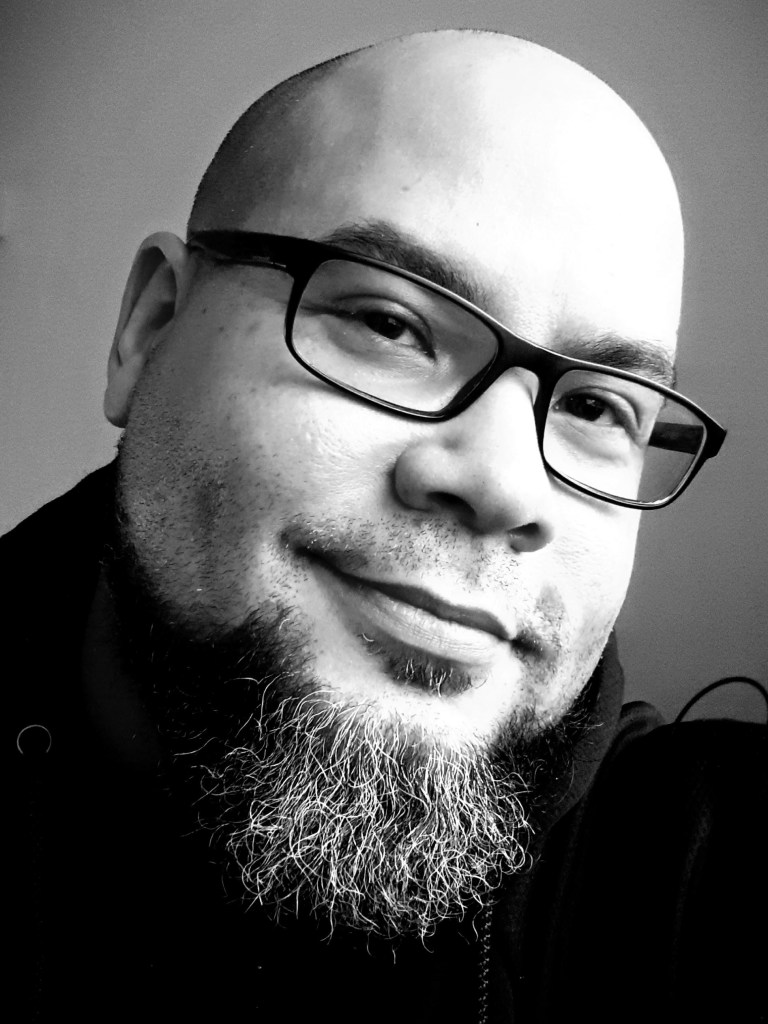
Sammy Rodriguez is currently serving as Interim Director for the Office of Research Advancement & Partnerships at Washington State University. He has been in research development and administration for over 10 years. His PhD is in educational psychology and his Masters in English literature. He is a member of NORDP’s Nominating Committee and also a mentor for NORDP’s mentoring program. He serves as a mentor for Charlene Emerson.  

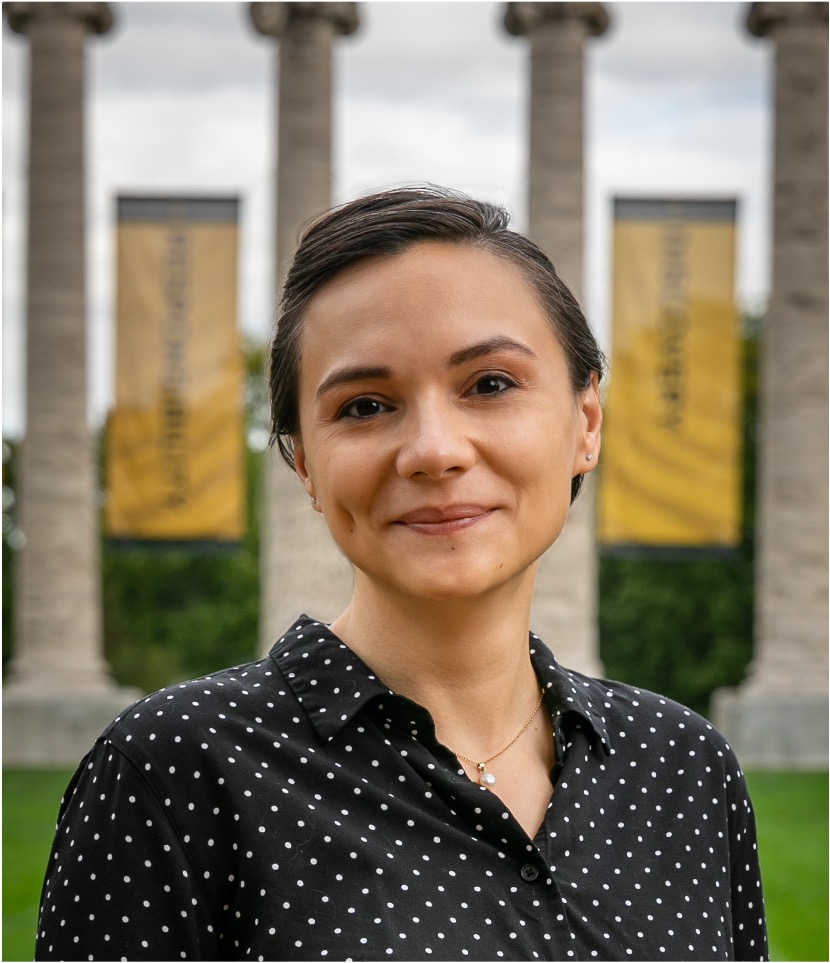
Charlene Emerson is a Scientific Editor and Writing Consultant for the NextGen Precision Health building at the University of Missouri – Columbia. It’s hard to know when her career in research development started exactly, but she has over 5 years of professional experience in science editing. She received her PhD in Molecular and Human Genetics from Baylor College of Medicine in Houston, TX, where she was a National Science Foundation Graduate Research Fellow. She is a mentee in NORDP’s mentoring program.

Q1: What influenced you to apply to be a mentor and a mentee for the 2021 NORDP Mentoring Program?

Charlene: I was very new to my position and to the Research Development field in general. I felt I needed to get advice and perspective about an RD career from someone who I didn’t work with closely, someone who could be relatively unbiased and candid in conversation. The NORDP Mentoring program felt like the perfect opportunity.

Sammy: Having NORDP go over the mentoring program in advance, its structure, the approach to pairing mentors/mentees, expectations, and its flexibility, provided more clarity on what to expect before deciding to sign up.

Q2: What is your favorite part about your relationship?

Charlene: My favorite part of my mentoring relationship with Sammy is how we’ve been able to watch each other grow and share in celebrating that growth. Our conversations have covered a lot of our challenges and ambitions, so it’s been great to be able to keep returning to that consistent support. I’m always looking forward to our next meeting to update him on my latest big project or to hear how his plans have turned out.

Sammy: My favorite part is that I gained a colleague I probably wouldn’t have otherwise. Although Charlene is relatively new to the profession, she has so much knowledge and drive, and she’s a leader. Feels like we are mentoring each other. I’m happy that I am able to share some experiences and guidance and get feedback later on what was helpful, how an issue got resolved, or hear about a big win on her plans to advance her goals. It serves as validation and motivation to continue to share what we know with others.

Q3: How has participation in the Mentoring Program helped broaden your horizons about Research Development in general and/or affected your daily work in particular?

Charlene: RD is an incredibly varied field and I’ve learned a lot about the variety of positions and growth trajectories for an RD office. I now have more knowledge about different areas I could grow into and I don’t feel as uncertain about where this career path will take me. In my daily work, I feel much more confident that I’m approaching challenges and opportunities reasonably and that I have a supportive resource for any questions that come up.

Sammy: It’s easy to get caught up in the day-to-day work of our office, our institution, but we have to keep a balance even within the professional sphere of our lives. It can’t just be tasks, tasks, tasks. We have to take care of ourselves and our colleagues, taking time for professional development, mentoring, taking a step back for a minute, and consider all those aspects that revolve around our profession. Doing so will ultimately make our careers more enjoyable, fruitful, and lasting. RD is truly a community, and as we grow and gain more and more years of experience, there is a responsibility to share what we know and our ideas. RD and NORDP are at a maturing phase where there is a broader space for mentoring as a key element for growth, looking to the future of RD and as an organization.  

Q4: What surprised you about being a mentor or a mentee?

Charlene: I was surprised how easy it was to grow the relationship comfortably. Before the mentoring got started, I was nervous that it would feel awkward or that we wouldn’t have anything to talk about. But once I decided to just open up and ask about topics that I’d been wondering about, insecurities about how to move forward with my career, or my perceptions of office politics, conversation came incredibly easy.

Sammy: How well it has gone. I think there’s always a level of apprehension when considering getting into a mentoring relationship. What if the pairing doesn’t work? What will we talk about? Is it going to be awkward? There’s a degree of opening up, whether you’re a mentor or a mentee, an element of vulnerability. Once you get past that initial pause and take the next step, then vulnerability turns into honesty and that builds trust. And I have to go back to a previous point I made, I’ve learned so much from Charlene. I knew that you also learn as a mentor, but I’ve learned in ways I had not anticipated.

Q5: What made you decide to maintain a longer-term mentoring relationship and how has it impacted you?

Charlene: It was an easy decision because I felt like we both still were getting quite a lot out of our conversations. Our monthly meeting doesn’t feel like an obligation or just another thing to get done, it’s a bright spot in the month.

Sammy: When the program was officially coming to an end, I think it was mutual that getting together and having these conversations, exchanging ideas, challenges, and successes had become natural. There wasn’t a reason it couldn’t or shouldn’t continue. I’ve read some advice that mentoring should have an end date, and I can see that, if the goals have been met, etc. But as I mentioned earlier, I’ve gained a colleague, a very knowledgeable, thoughtful colleague who has contributed to my professional development. We’re genuinely interested in contributing to each other’s success. Having someone to go to, vet an idea, ask a question, who knows you and at the same time is not biased due to proximity, is a great resource to have. I have gained a trusted colleague I can go to, and I’m also available to assist her in any way she feels I can be of help.

 Q6: Any words of wisdom or encouragement for those wanting to apply next year? Any other thoughts you would like to share? 

Charlene: Set expectations early on, then just relax and have a good conversation. And definitely don’t get caught up in thoughts that you’re taking up your mentor/mentee’s time, you’ve both chosen to be part of the mentoring relationship and there’s a lot to gain on both ends.

Sammy: Go for it. Getting outside our comfort zone is necessary for growth. Although each mentoring relationship is unique, there’s one common thread: whether as a mentor, mentee, or both, we all have an interest and are making a commitment to mentorship. It may feel like a gamble, but the odds are you’ll have a great experience!


Applications for the 2023-24 cycle will open in the spring; keep an eye out for emails from the NORDP listserv. Additional mentoring opportunities are available through the Peer Mentoring Groups that are open for participation throughout the year via the WisdomShare platform.

Investment in mentoring is an investment in you! So, as Sammy says, “Go for it!”

A New Year’s Resolution for Mentors: Register for CIMER Mentor Training for RD Professionals

by: Paula Carney

Mentor Training for Research Development Professionals – Registration Open for January/February 2023 Workshop Series;

Are you a mentor? A mentee? Do you find yourself formally or informally mentoring staff or faculty? Are you ready to explore mentoring competencies that can be utilized across the work of research development (RD)? This interactive webinar series covers the 9-module Entering Mentoring curriculum, initially developed for mentoring researchers and tailored for RD professionals. A recent webinar series attendee commented:

“EXCELLENT training! The ideas presented are very applicable both to mentoring both within the research development profession and elsewhere in the research enterprise — the things I have learned and practiced in this course are incredibly valuable to me as I provide mentoring to faculty, particularly early stage investigators and junior faculty, in the area of grantsmanship.”

recent participant

Using evidence-based strategies, participants will build upon competencies crucial to the success of the mentoring relationship and expand mentor training across the research enterprise. Participants who complete the entire curriculum will receive a certificate of completion. The curriculum results from an association between the NORDP Mentoring committee and the University of Wisconsin Center for Improvement of Mentored Experiences in Research (CIMER) in collaboration with the National Research Mentoring Network (NRMN), organizations involved in developing and validating the original curriculum. RD professionals at all levels of mentoring will explore how mentoring (shown to improve career outcomes, impact employee engagement and retention, and lead to more inclusive work environments) can benefit mentors and mentees in RD.

This webinar series will be presented and facilitated by the NORDP Mentoring Committee. There are six certified CIMER Trained Facilitators, and two Trained Facilitators on the Mentoring Committee.

Webinar Schedule:

Two sessions are scheduled each week: Interactive Workshop Sessions will be held on 5 Tuesdays (January 31–February 28, 2023; (2-hours) 2–4 pm EST/11 am–1 pm PST) with an application and reflection session on Thursdays (February 2–March 2, 2023; (1-hour) 2–3 pm EST/11 am–1 pm PST.

Register TODAY for the webinar series (30 participant limit). Please register to receive login information for all workshop sessions.

Registration: National Organization of Research Development Professionals (memberclicks.net) – Mentor Training for Research Development Professionals

If this series doesn’t fit in your schedule, share your scheduling preferences to help us plan for future Mentor Training by completing a survey of your preferences.

Questions? Contact us at mentorprogram@nordp.org.

January is National Mentoring Month

Written by the NORDP Mentoring Committee

The Mentoring Committee invites every NORDP member to celebrate National Mentoring Month January 1 – 31. Originally developed as a campaign to expand quality mentoring opportunities for youth, the month-designation can be a catalyst to remember the mentors and mentees who have supported you along your path.

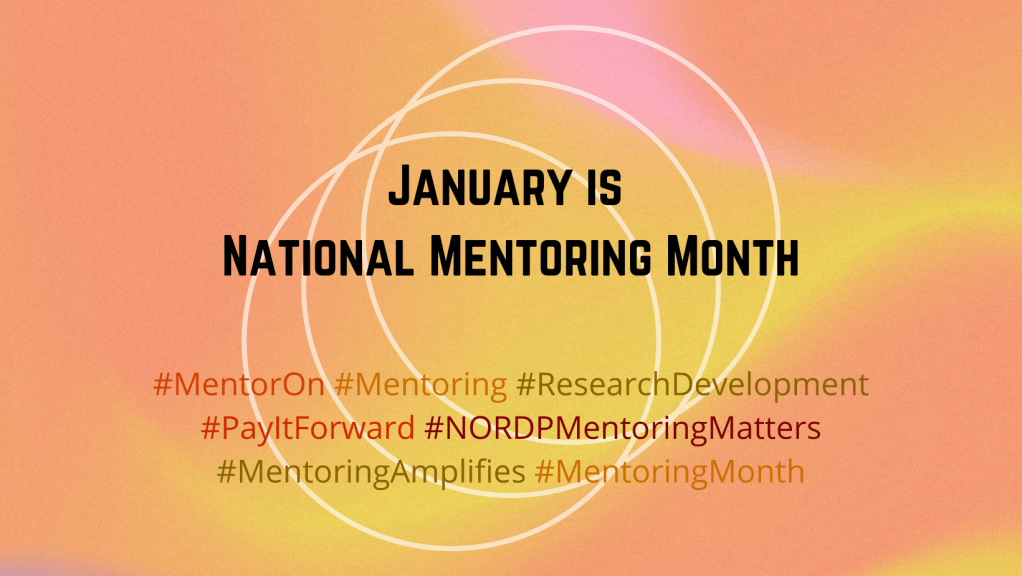
This images has a gradient background of yellows, soft pink and orange. A text heading says, "January is National Mentoring Month." There are hashtags near the bottom of the image meant to inspire readers to use and follow on social media. The hashtags include: #MentorOn, #Mentoring, #ResearchDevelopment, #PayItForward, #NORDPMentoringMatters, #MentoringAmplifies, and #MentoringMonth.

National Mentoring Month, in addition to the early summer months, is a time of year where engagement from NORDP members interested in becoming a mentor increases. This year, with the support of the mentoring community, we are encouraging you to go beyond digital engagement and become involved in real life. Mentoring relationships are at their best when connections are made, sustained, and invested in.

Watch social media and engage in conversation on mentoring (using #NORDPMentoringMatters and #MentoringMonth), take time to listen to a podcast or two (The Science of Mentorship from the National Academies of Sciences, Engineering, and Medicine is a great listen), or explore the NORDP Wisdom Share Learning Library (register here if you don’t have an account in Wisdom Share). Here are some dates to make note of:

January 7 — I am a Mentor Day — own it!

January 17 — International Mentoring Day — #MentoringAmplifies support around the world

January 21 — Thank Your Mentor Day — share your story to inspire

Also explore some offerings from the National Research Mentoring Network (NRMN).

The National Research Mentoring Network (NRMN) is an NIH grant-funded initiative whose entire purpose is to diversify the STEM workforce by providing researchers across all career stages in the biomedical, behavioral, clinical, and social sciences field with evidence-based mentorship and professional development programming that emphasizes the benefits and challenges of diversity, inclusivity, and culture. Their program achieves that through mentorship, networking, and professional development through their online networking platform, MyNRMN, which has over 21,000 mentors and mentees.

How to Leverage the NRMN Network Webinar Series (Monthly Series) – Jan. 17 at 11am CST. Register here: https://unthsc.zoom.us/webinar/register/WN_z3ZWYl8TRSyyHPosIoIc9w

The NORDP Mentoring Program is a benefit available to all NORDP Members. The Mentoring Committee strives to provide resources and support for all NORDP Members interested in mentorship. To do this, the committee leverages national partnership and engages in a variety of scholarly activities. Members supporting members as mentors, mentees, or as part of a peer mentoring or learning group, making NORDP and the profession of research development a stronger community!

Applications will open in the spring for the 1:1 or the Cohort Mentoring Program. Peer Mentoring Groups are also available to join any time, and we invite you to start 2023 by joining and exploring opportunities within the Mentoring Committee. For more information, email the Mentoring Committee and a member of the Leadership Team will respond!

Happy New Year!